في عالم البناء الحديث والتصنيع الصناعي, إن اختيار المواد يحدد الحدود بين الأداء المتوسط والتميز على المدى الطويل. البولي يوريثين (بو) أصبحت الألواح العازلة حجر الزاوية في أنظمة البناء المعزولة, مرافق التخزين البارد, غرف نظيفة, والكسوة المعمارية.
ومع ذلك فإن العمود الفقري الحقيقي وراء كفاءتها الحرارية, مقاومة الحريق, وغالبًا ما تظل المتانة الهيكلية مخفية على مرأى من الجميع: المواد المواجهة. من بين خيارات المواجهة المختلفة, تبرز رقائق الألومنيوم المصقولة لألواح الساندوتش المصنوعة من البولي يوريثان كحل متميز يجمع بين الجماليات, القوة الميكانيكية, وخصائص حاجز استثنائية.
يستكشف هذا المقال كل جانب من جوانب هذه المادة المتخصصة, بدءًا من عملية التصنيع والمزايا التقنية وحتى رؤى التطبيق العملي واعتبارات السوق.
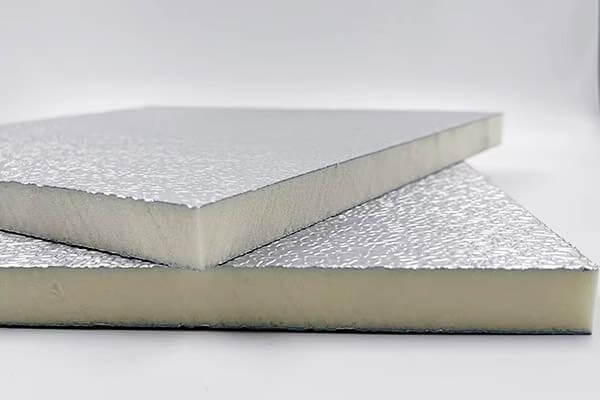
رقائق الألومنيوم المصقولة لألواح ساندويتش PU
تتكون ألواح البولي يوريثان من رغوة البولي يوريثان الصلبة المرتبطة بين صفحتين متواجهتين. تخدم الواجهات وظائف حاسمة متعددة.
أنها تحمي النواة العازلة من دخول الرطوبة, توفير القوة الميكانيكية, المساهمة في أداء النار, وتحديد مظهر سطح اللوحة.
بدون مواجهة عالية الجودة, حتى أفضل تركيبة الرغوة سوف تتحلل قبل الأوان, تفقد الكفاءة الحرارية, وتفشل في تلبية متطلبات كود البناء.
عادةً ما يختار المصنعون الواجهات بناءً على التطبيق المقصود. صفائح الفولاذ, صفائح الألمنيوم, والرقائق المقواة كلها تظهر في السوق.
لكن, اكتسبت واجهات رقائق الألومنيوم قوة جذب كبيرة لأنها توفر مزيجًا لا مثيل له من البناء خفيف الوزن, مقاومة التآكل, وسلامة حاجز البخار.
عندما تخضع رقائق الألومنيوم لعملية تنظيف بالفرشاة, يوفر السطح الناتج فوائد إضافية تتجاوز الجماليات البسيطة.
ورق ألومنيوم يجلب مزايا متأصلة لبناء لوحة شطيرة PU. تزن المادة جزءًا صغيرًا من الفولاذ, مما يقلل من الحمل الهيكلي ويسهل التعامل أثناء تصنيع اللوحة وتركيبها.
يشكل الألومنيوم بشكل طبيعي طبقة أكسيد واقية تقاوم التآكل, مما يجعلها مثالية للبيئات الرطبة, مرافق تجهيز الأغذية, والتطبيقات الساحلية.
تعمل الرقائق أيضًا كحاجز بخار ممتاز, منع الرطوبة من اختراق قلب الرغوة والتسبب في التدهور المرتبط بالتكثيف.
عندما يقوم المصنعون بتطبيق اللمسات النهائية المصقولة على رقائق الألومنيوم, فهي تعزز هذه الخصائص مع إضافة أبعاد جديدة للأداء.
عملية التنظيف بالفرشاة تخلق زيًا موحدًا, حبيبات اتجاهية على السطح تخفي الخدوش البسيطة, بصمات الأصابع, وعلامات التعامل التي من شأنها أن تفسد اللمسة النهائية التي تشبه المرآة.
هذه الميزة العملية وحدها تجعل من رقائق الألومنيوم المصقولة لألواح الساندوتش المصنوعة من البولي يوريثان خيارًا مفضلاً للأسطح الداخلية المرئية والتطبيقات المعمارية حيث يكون المظهر مهمًا.
تشير رقائق الألومنيوم المصقولة لألواح الساندوتش المصنوعة من البولي يوريثان إلى رقائق الألومنيوم التي خضعت لمعالجة سطحية ميكانيكية لإنشاء طبقة متسقة, نسيج يشبه الساتان مع خطوط متوازية دقيقة.
تبدأ المادة الأساسية عادةً كألومنيوم عالي النقاء أو سبائك ألومنيوم مختارة بعناية وملفوفة بسماكات دقيقة, عادة ما تتراوح من 0.025 ملم إلى 0.2 مم حسب مواصفات اللوحة.
تستخدم عملية التنظيف أحزمة كاشطة, فرش, أو العجلات التي تتحرك عبر سطح الرقاقة في اتجاه متحكم فيه, إزالة طبقة مجهرية من المادة وترك وراءها حبيبات خطية مميزة.
هذه العملية تفعل أكثر من مجرد تغيير المظهر. يغير الطاقة السطحية, يحسن خصائص الالتصاق, ويمكن أن تؤثر على انعكاسية الرقائق وانبعاثها.
لمصنعي لوحة شطيرة PU, تترجم هذه التغييرات مباشرة إلى ارتباط أفضل مع قلب الرغوة, نتائج التصفيح أكثر اتساقا, واللوحات التي تحافظ على جاذبيتها البصرية طوال سنوات الخدمة.
إن إنتاج رقائق الألومنيوم المصقولة ذات الجودة العالية لألواح الساندوتش PU يتطلب الدقة في كل مرحلة.
تبدأ الرحلة باختيار سبائك أو ملفات الألومنيوم التي تلبي معايير التركيب الكيميائي الصارمة.
سبائك من 1xxx, 3xxx, وكثيرًا ما تعمل سلسلة 8xxx كمواد أولية, مع 8011 و 3003 تعتبر السبائك شائعة بشكل خاص بسبب قابليتها للتشكيل الممتازة ومقاومتها للتآكل.
يخضع الألمنيوم للدرفلة الساخنة ومن ثم الدرفلة الباردة لتحقيق السماكة المستهدفة. أثناء المتداول البارد, تمر المادة عبر سلسلة من مصانع الدرفلة التي تقلل قياسها تدريجيًا مع تحسين تشطيب السطح والخواص الميكانيكية.
بعد المتداول, تدخل الرقاقة إلى فرن التلدين حيث يعمل التسخين المتحكم فيه على تخفيف الضغوط الداخلية وتحسين درجة حرارة المادة للمعالجة اللاحقة.
عملية الفرشاة تتبع التلدين. آلات تنظيف بالفرشاة متخصصة مجهزة بفرش أو أحزمة كاشطة دوارة تتصل بسطح الرقاقة تحت ضغط وسرعة يتم التحكم فيهما بدقة.
حجم الحصى جلخ, سرعة دوران الفرشاة, معدل تغذية احباط, وضغط التلامس كلها تؤثر على خصائص السطح النهائية.
يمكن للمصنعين إنتاج أنماط مختلفة من الفرشاة, من التشطيبات الساتان الناعمة إلى القوام المعماري الخشن, عن طريق ضبط هذه المعلمات.
بعد تنظيف الأسنان بالفرشاة, تخضع الرقاقة عادة للتنظيف لإزالة أي جزيئات كاشطة متبقية وحطام معدني. تتطلب بعض المواصفات معالجة تخميل إضافية أو تطبيق طبقة واقية رقيقة لتعزيز مقاومة التآكل وضمان استقرار الالتصاق على المدى الطويل.
تنتقل الرقاقة النهائية بعد ذلك إلى خطوط الحز حيث يتم قطعها إلى العرض الدقيق الذي تتطلبه خطوط إنتاج الألواح العازلة PU.

تستخدم ألواح PU الساندوتش رقائق الألومنيوم
إن فهم خصائص أداء رقائق الألومنيوم المصقولة للألواح العازلة PU يساعد المحددين والمصنعين على اتخاذ قرارات مستنيرة.
تمتد هذه الخصائص الميكانيكية, الحرارية, بصري, والمجالات الكيميائية, يساهم كل منها في عرض القيمة الإجمالية للوحة النهائية.
تتميز رقائق الألومنيوم المصقولة بقوة شد ممتازة مقارنة بوزنها. اعتمادا على سبيكة والمزاج, تتراوح قيم قوة الشد عادة من 130 الآلام والكروب الذهنية لأكثر من 200 الآلام والكروب الذهنية.
تسمح هذه القوة للرقائق بمقاومة الضغوط الناتجة عن عملية تصفيح اللوحة دون تمزق أو تجعد.
توضح المادة أيضًا استطالة جيدة, والذي يثبت أنه ضروري عندما تخضع الألواح للتنميط أو عندما يجب أن تتوافق الرقاقة مع مخالفات سطحية طفيفة أثناء الترابط.
يمكن أن يكون لعملية التنظيف نفسها تأثيرًا خفيًا على الخواص الميكانيكية. قد يؤدي العمل البارد الخفيف للطبقة السطحية إلى زيادة صلابة السطح قليلاً, لكن التأثير الإجمالي على الخواص الميكانيكية السائبة يظل ضئيلًا عند وجود ضوابط العملية المناسبة.
والأهم من ذلك, يوفر السطح المصقول مفتاحًا ميكانيكيًا ممتازًا للربط اللاصق, مما يعزز قوة التقشير بين واجهة الرقائق ونواة رغوة البولي يوريثان.
تمتلك رقائق الألومنيوم بطبيعة الحال انعكاسية عالية عبر مجموعة واسعة من الأطوال الموجية. مشرق, يمكن أن ينعكس سطح الألومنيوم غير المصقول 85% من الإشعاع الحراري الحادث.
بالفرشاة يقلل من هذا الانعكاس إلى حد ما, عادة ما يجعله في نطاق 70% ل 80% اعتمادًا على خشونة الفرشاة.
يمكن أن يكون هذا الانخفاض في الانعكاس مفيدًا في بعض التطبيقات التي يكون فيها تقليل الوهج مهمًا, مثل ألواح السقف الداخلية أو تكسية الجدران في الأماكن المشغولة.
تختلف انبعاثية رقائق الألومنيوم المصقولة أيضًا عن تلك الخاصة بالرقائق اللامعة. يُظهر السطح المصقول عادةً انبعاثية أعلى قليلاً, والتي يمكن أن تؤثر على الأداء الحراري الإجمالي للوحة الساندوتش بانل في سيناريوهات تركيب محددة.
لمعظم تطبيقات البناء, لكن, تهيمن الموصلية الحرارية للألمنيوم نفسه وخصائص حاجز البخار للرقائق على الأداء الحراري للوحة, جعل الاختلافات الابتعاثية اعتبارات ثانوية.
مقاومة التآكل لرقائق الألومنيوم المصقولة لألواح الساندوتش المصنوعة من البولي يوريثان تنبع من طبقة الأكسيد الطبيعية التي تتشكل على أسطح الألومنيوم.
لا تؤدي عملية التنظيف بالفرشاة إلى المساس بهذه الطبقة الواقية; في الحقيقة, يمكن للسطح ذو النسيج البسيط أن يعزز تكوين أكسيد أكثر اتساقًا مقارنة بالسطح الأملس تمامًا حيث قد تتركز العيوب.
في البيئات العدوانية مثل مصانع المعالجة الكيميائية, المنشآت الساحلية, أو مرافق تجهيز الأغذية التي تتعرض لعمليات غسيل متكررة, قد تتلقى الرقائق معالجات سطحية إضافية.
طلاءات تحويل الكرومات, طبقات التخميل القائمة على التيتانيوم, أو يمكن للطلاءات العضوية الرقيقة أن تعزز مقاومة التآكل الجيدة بالفعل لرقائق الألومنيوم المصقولة.
يجب اختيار هذه المعالجات بعناية للحفاظ على التوافق مع عملية التصاق رغوة البولي يوريثان.
ربما تكون خاصية الأداء الأكثر أهمية لأي مادة مواجهة للألواح العازلة PU هي قدرتها على تشكيل طبقة قوية, رابطة متينة مع قلب إسفنج البولي يوريثان.
رقائق الألومنيوم المصقولة تتفوق في هذا الصدد. يمنح التشابك الميكانيكي الذي يوفره نسيج السطح المصقول الرغوة قبضة مادية تكمل الالتصاق الكيميائي بين سطح أكسيد الألومنيوم ونظام راتنج البولي يوريثان.
غالبًا ما يقوم مصنعو الألواح بقياس الالتصاق من خلال اختبار قوة التقشير وفقًا لمعايير مثل EN 14509 أو ASTM D1781.
توفر واجهات رقائق الألومنيوم المصقولة باستمرار قيم قوة التقشير التي تتجاوز الحد الأدنى من المتطلبات, توفير هامش أمان يترجم إلى سلامة اللوحة على المدى الطويل.
يمكن أن تؤثر الطبيعة الاتجاهية لنمط الفرشاة أيضًا على تباين الالتصاق, مع بعض الدراسات التي تشير إلى قوة تقشير أعلى قليلاً بشكل عمودي على خطوط الفرشاة بسبب هندسة التعشيق الميكانيكية.

ألواح PU الساندوتش للبناء
تقدير قيمة رقائق الألومنيوم المصقولة للألواح العازلة المصنوعة من البولي يوريثان بشكل كامل, فهو يساعد على مقارنتها مباشرة بالبدائل الأكثر شيوعًا.
كل مادة مواجهة لها مجموعة من المزايا والقيود الخاصة بها, ويعتمد الاختيار الأمثل على متطلبات التطبيق المحددة.
واجهات فولاذية, وخاصة صفائح الفولاذ المجلفنة أو المطلية, تهيمن على سوق الألواح العازلة PU للعديد من التطبيقات الهيكلية.
يوفر الفولاذ قوة وصلابة عالية بتكلفة منخفضة نسبيًا. لكن, يزن الفولاذ أكثر بكثير من رقائق الألومنيوم, مما يزيد من وزن اللوحة ويمكن أن يعقد عملية المعالجة والتركيب.
يظل الفولاذ أيضًا عرضة للتآكل في حالة تلف الطبقة الواقية, في حين أن مقاومة التآكل للألمنيوم متأصلة في المادة.
من منظور حراري, يتمتع الفولاذ بموصلية حرارية أعلى من رقائق الألومنيوم ذات السماكة المماثلة, لكن الاختلاف العملي في أداء عزل اللوحة يكون ضئيلًا لأن سمك الواجهة لا يمثل سوى جزء صغير من سمك اللوحة الإجمالي.
تتجاوز خصائص حاجز البخار لرقائق الألومنيوم عمومًا خصائص الفولاذ, خاصة في المقاييس الرقيقة المستخدمة في الواجهات الداخلية.
| ملكية | رقائق الألومنيوم المصقولة | مواجهة الصلب |
|---|---|---|
| كثافة | ~2.7 جم/سم3 | ~ 7.8 جم/سم |
| مقاومة التآكل | ممتاز (التخميل الذاتي) | يعتمد على سلامة الطلاء |
| نفاذية البخار | بالقرب من الصفر بسماكة كافية | منخفض ولكن أعلى من الألومنيوم |
| جماليات السطح | صقيل, مظهر موحد | يتطلب اللوحة لعلم الجمال |
| كلف | معتدل | انخفاض التكلفة الأساسية, ارتفاع تكلفة التشطيب |
| ثقل | منخفض جدًا | أعلى |
غالبًا ما يرجع الاختيار بين رقائق الألومنيوم المصقولة والعادية إلى المتطلبات الخاصة بالتطبيق.
رقائق الألومنيوم العادية توفر ضوءًا ساطعًا, سطح عاكس يزيد من الانعكاس الحراري.
تثبت هذه الخاصية قيمتها في التطبيقات التي يكون فيها انعكاس الحرارة الإشعاعية أحد متطلبات الأداء الأساسية, كما هو الحال في بعض ألواح قنوات التدفئة والتهوية وتكييف الهواء (HVAC) أو تطبيقات حاجز الإشعاع.
ورق الألمنيوم المصقول, على النقيض من ذلك, يعطي الأولوية لتناسق المظهر وخصائص التعامل العملي.
اللمسة النهائية المصقولة تخفي بصمات الأصابع, خدوش طفيفة, وعلامات التصنيع التي من شأنها أن تبرز على سطح رقائق لامعة.
للوحات المعمارية الداخلية, لوحات الحائط غرفة نظيفة, وأي تطبيق يظل الوجه فيه مرئيًا, اللمسة النهائية المصقولة توفر احترافية, مظهر موحد يحافظ على مظهره الجيد مع مرور الوقت.
يختلف أداء الالتصاق أيضًا بين نوعي السطح. يوفر الملمس الميكانيكي للرقائق المصقولة عمومًا التصاقًا فائقًا مقارنة بالسطح الأكثر سلاسة للرقائق العادية, على الرغم من أن معززات الالتصاق الحديثة والمعالجات السطحية يمكنها تضييق هذه الفجوة بشكل كبير.
تستخدم بعض الشركات المصنعة لألواح الساندوتش PU شرائح رقائق متعددة الطبقات تجمع بين رقائق الألومنيوم وورق الكرافت, سكريم الألياف الزجاجية, أو أفلام البوليمر.
تهدف هذه الشرائح المعززة إلى تحسين مقاومة التمزق, خصائص التعامل, أو أداء حاجز البخار.
بينما فعال في بعض التطبيقات, تضيف هذه الشرائح التعقيد والتكلفة إلى عملية التصنيع.
رقائق الألومنيوم المصقولة تقدم أبسط, حل أكثر أناقة. يزيل البناء أحادي المادة المخاوف بشأن التصاق الطبقات البينية أو التمدد الحراري التفاضلي بين الطبقات.
يمكن لعملية التنظيف بالفرشاة نفسها أن تعزز مقاومة التمزق قليلاً عن طريق إعادة توزيع الضغوط السطحية, على الرغم من التطبيقات التي تتطلب مقاومة شديدة للتمزق, عادةً ما يوفر مقياس الرقائق السميكة أو مجموعة مختلفة من السبائك حلاً أكثر وضوحًا من الانتقال إلى هيكل مصفح.

ألواح PU للشاحنات المبردة
إن تعدد استخدامات رقائق الألومنيوم المصقولة لألواح الساندوتش المصنوعة من البولي يوريثان يفتح الأبواب أمام مجموعة واسعة من التطبيقات عبر العديد من الصناعات.
إن فهم أين ولماذا تتفوق هذه المادة يساعد المحددين على اتخاذ قرارات واثقة.
مستودعات التخزين البارد, مصانع تجهيز الأغذية, وتتطلب المراكز اللوجستية المبردة ألواحًا تجمع بين سلامة حاجز البخار ومقاومة التآكل وقابلية التنظيف.
رقائق الألومنيوم المصقولة تلبي جميع المتطلبات الثلاثة. تمنع نفاذية البخار القريبة من الصفر الرطوبة من اختراق اللوحة والتكثيف داخل قلب الرغوة, والتي من شأنها أن تؤدي إلى تدهور الأداء الحراري والأضرار الهيكلية المحتملة مع مرور الوقت.
السطح المصقول يقاوم تراكم الأوساخ والبكتيريا, ويقاوم عوامل التنظيف الشائعة الاستخدام في البيئات المخصصة للطعام.
على عكس الأسطح الفولاذية المطلية التي يمكن أن تتشقق أو تتقشر, يحافظ سطح الألومنيوم المصقول على سلامته حتى بعد دورات التنظيف المتكررة.
تعمل اللمسة النهائية الساتان أيضًا على تقليل الوهج الناتج عن الإضاءة العلوية, تحسين الراحة البصرية للعاملين في هذه المرافق.
غرف نظيفة لتصنيع الأدوية, تصنيع أشباه الموصلات, وتفرض أبحاث التكنولوجيا الحيوية متطلبات صارمة على أسطح ألواح الجدران والسقف.
تتطلب هذه البيئات مواد لا تتخلص من الجزيئات, مقاومة الهجوم الكيميائي من عوامل التنظيف والمواد الكيميائية المعالجة, وتقديم سلس, سطح غير مسامي يمنع نمو الميكروبات.
رقائق الألومنيوم المصقولة لألواح الساندوتش PU تلبي هذه المتطلبات بشكل رائع.
تخلق عملية التنظيف سطحًا خاليًا من الجزيئات السائبة, وتوفر طبقة أكسيد الألومنيوم الاستقرار الكيميائي ضد مجموعة واسعة من المواد.
يمكن تركيب الألواح بمفاصل محكمة الغلق لإنشاء سطح متجانس يسهل تدفق الهواء الصفائحي ويبسط بروتوكولات التنظيف.
يدمج التصميم المعماري الحديث بشكل متزايد الألواح العازلة المكشوفة كعناصر تصميم داخلي.
مباني المكاتب, مساحات البيع بالتجزئة, المرافق التعليمية, ومراكز النقل جميعها تستخدم ألواح شطيرة PU للأقسام الداخلية, أنظمة السقف, وتكسية الجدران.
في هذه التطبيقات, يصبح المظهر المرئي للمادة المواجهة بنفس أهمية أدائها الفني.
يوفر تشطيب الألومنيوم المصقول للمهندسين المعماريين لمسة متطورة, جمالية معاصرة تكمل مجموعة واسعة من أنماط التصميم.
تلتقط الحبيبات الخطية الدقيقة الضوء بطرق مثيرة للاهتمام دون خلق انعكاسات مشتتة للانتباه.
السطح يتقدم برشاقة, تطوير مظهر طبيعي بمرور الوقت بدلاً من إظهار التآكل الواضح. للمشاريع التي تسعى للحصول على شهادة LEED أو أهداف الاستدامة الأخرى, تضيف قابلية إعادة تدوير الألومنيوم حجة مقنعة أخرى.
شاحنات مبردة, وحدات طبية متنقلة, غرف نظيفة محمولة, وتستفيد أنظمة البناء المعيارية جميعها من الخصائص خفيفة الوزن لواجهات رقائق الألومنيوم المصقولة.
كل كيلوغرام يتم توفيره في وزن اللوحة يُترجم مباشرةً إلى توفير الوقود لتطبيقات الهاتف المحمول أو سهولة التعامل مع الأنظمة المعيارية.
أثبتت مقاومة الاهتزاز لرقائق الألومنيوم أيضًا أنها مفيدة في تطبيقات النقل.
على عكس المواد الهشة التي قد تتشقق تحت الاهتزاز المستمر, رقائق الألومنيوم تنثني دون ضرر.
تضمن الرابطة القوية بين الرقائق المصقولة ونواة البولي يوريثان بقاء الواجهة ثابتة بقوة حتى بعد سنوات من اهتزاز الطريق وركوب الدراجات الحرارية.

HVAC تستخدم لوحات ساندويتش PU
يتطلب تحديد رقائق الألومنيوم المصقولة للألواح العازلة PU الانتباه إلى العديد من المعايير الفنية.
يساعد فهم هذه المواصفات على التأكد من أن المواد المسلمة تلبي متطلبات التطبيق.
يؤثر اختيار سبائك الألومنيوم بشكل كبير على الخواص الميكانيكية للرقائق, مقاومة التآكل, والقابلية للتشكيل.
تشمل السبائك الشائعة لواجهات الألواح العازلة PU:
تسميات المزاج مثل H18 (بجد كامل), إتش24 (نصف صعب), أو يا (صلب) تشير إلى حالة تصلب المادة وتؤثر على قوتها وقابليتها للتشكيل.
يتم توفير معظم رقائق الألومنيوم المصقولة لألواح الساندوتش PU في درجة حرارة H18 أو H24, توفير القوة اللازمة للتعامل والتصفيح مع الحفاظ على ليونة كافية.
عادةً ما يتراوح سمك الرقائق المعدنية لواجهات الألواح العازلة PU من 0.025 مم (25 ميكرون) ل 0.2 مم (200 ميكرون).
تعمل الرقائق الرقيقة كحواجز بخار وواجهات داخلية حيث تكون الأحمال الميكانيكية في حدها الأدنى, بينما توفر الرقائق السميكة مساهمة هيكلية وخصائص معالجة محسنة.
تتبع تفاوتات السُمك معايير الصناعة مثل EN 546 أو ASTM B209, مع تفاوتات نموذجية تتراوح بين ±5% إلى ±8% من السماكة الاسمية.
للتطبيقات الحرجة, يمكن تحديد التفاوتات الأكثر صرامة من خلال الاتفاق بين مورد الرقائق والشركة المصنعة للوحة.
تتناول مواصفات جودة السطح توحيد تشطيب الفرشاة, عدم وجود عيوب مرئية مثل الخدوش, حفر, أو علامات لفة, ونظافة السطح.
تحدد معايير الفحص البصري عادةً أحجام وترددات العيوب المقبولة. يجب أن تظهر اللمسة النهائية المصقولة نفسها اتجاهًا ثابتًا للحبوب وتوحيدًا عبر عرض الملف وطوله.
لتحسين الرابطة بين رقائق الألومنيوم المصقولة ورغوة البولي يوريثان, غالبًا ما يقوم المصنعون بتطبيق المعالجات السطحية على الرقائق. تنقسم هذه العلاجات إلى عدة فئات:
يجب على مصنعي الألواح العازلة PU الذين يعملون مع رقائق الألومنيوم المصقولة أن يأخذوا في الاعتبار عدة عوامل لتحقيق الاتساق, نتائج عالية الجودة.
تمتد هذه الاعتبارات إلى التعامل مع المواد, معلمات العملية, ومراقبة الجودة.
تتطلب رقائق الألومنيوم المصقولة معالجة دقيقة للحفاظ على تشطيب السطح.
السطح المصقول, في حين أنه أكثر تسامحا من احباط مشرق, لا يزال من الممكن إظهار علامات من التعامل غير السليم.
يجب أن يتم تخزين الملفات في مكان نظيف, الظروف الجافة ومحمية من الغبار والرطوبة.
عند تحميل الملفات على خطوط إنتاج الألواح, يجب على المشغلين استخدام قفازات نظيفة وتجنب سحب الرقائق عبر الأسطح التي قد تؤدي إلى حدوث خدوش.
إن المقياس الرقيق للرقاقة يجعلها عرضة لتلف الحواف. يجب حماية حواف الملف أثناء النقل والتخزين, ويجب تقليم أي حواف تالفة قبل أن تدخل الرقاقة في عملية التصفيح لمنع انتشار التمزقات عبر واجهة اللوحة.
تتضمن عملية التصفيح التي تربط رقائق الألومنيوم المصقولة بقلب رغوة البولي يوريثان العديد من المعلمات المهمة.
يجب التحكم في شد الرقاقة بعناية لمنع التجاعيد مع تجنب التوتر المفرط الذي قد يتسبب في تمزق الرقاقة أو تشوهها.
تؤثر درجة حرارة التسخين المسبق للرقاقة على كيفية تبليل مكونات PU السائلة للسطح وبدء عملية الالتصاق.
تؤثر التركيبة الكيميائية لنظام PU أيضًا على الالتصاق برقائق الألومنيوم المصقولة. يجب اختيار أو صياغة مكونات الإيزوسيانات والبوليول لتحقيق ترطيب جيد وترابط كيميائي مع سطح الألومنيوم.
تشتمل بعض التركيبات على معززات التصاق مصممة خصيصًا للركائز المعدنية.
يجب أن يتيح ملف تعريف درجة حرارة المعالجة وسرعة الخط وقتًا كافيًا لتطوير آلية الالتصاق بشكل كامل قبل خروج اللوحة من خط الإنتاج.
يقوم مصنعو الألواح بتنفيذ إجراءات مراقبة الجودة للتحقق من أن واجهات رقائق الألومنيوم المصقولة تلبي المواصفات وأن الألواح النهائية تحقق مستويات الأداء المطلوبة.
يتضمن فحص الرقائق الواردة عادةً قياس السُمك, تقييم المظهر السطحي, وأحيانًا اختبار الالتصاق باستخدام اختبارات الشريط القياسية أو اختبارات التقشير المعملية.
يركز اختبار اللوحة النهائية على الرابطة بين واجهة الرقاقة وقلب الرغوة. يوفر اختبار قوة التقشير بيانات كمية عن جودة الالتصاق.
قد تشمل الاختبارات الإضافية اختبار الشد المسطح, اختبار القص, واختبار التعرض البيئي لتقييم المتانة على المدى الطويل في ظل ظروف الحرارة, رطوبة, وركوب الدراجات الحرارية.
تعطي صناعة البناء الأولوية بشكل متزايد للاستدامة, وتلعب خيارات المواد دورًا مهمًا في البصمة البيئية للمبنى.
توفر رقائق الألومنيوم المصقولة لألواح الساندوتش المصنوعة من البولي يوريثان العديد من مزايا الاستدامة.
الألومنيوم قابل لإعادة التدوير بشكل لا نهائي دون فقدان خصائصه. يمكن استرداد رقائق الألومنيوم المستخدمة في ألواح البولي يوريثان العازلة في نهاية عمر المبنى وإعادة تدويرها إلى منتجات ألومنيوم جديدة.
تتطلب عملية إعادة التدوير حوالي 5% من الطاقة اللازمة لإنتاج الألمنيوم الأولي, مما يجعل الألومنيوم المعاد تدويره مادة جذابة بيئيًا.
إن الطبيعة خفيفة الوزن لواجهات رقائق الألومنيوم تقلل من طاقة النقل مقارنة بالمواد الأثقل.
بالنسبة لمصنعي اللوحات، يقومون بشحن المنتجات لمسافات طويلة, ويترجم هذا التخفيض في الوزن إلى انخفاض استهلاك الوقود وانخفاض انبعاثات الكربون.
في بناء التطبيقات, يمكن أن يسمح وزن اللوحة الأخف بتقليل متطلبات الدعم الهيكلي, حفظ المواد في إطار البناء.
تساهم متانة واجهات رقائق الألومنيوم المصقولة أيضًا في الاستدامة من خلال إطالة عمر خدمة ألواح الساندوتش من البولي يوريثان.
إن الألواح التي تحافظ على سلامتها الهيكلية وأدائها الحراري على مدى عقود من الزمن تقلل من الحاجة إلى الاستبدال والآثار البيئية المرتبطة بتصنيع لوحات جديدة.
للمصنعين الذين يبحثون عن مصدر موثوق لرقائق الألومنيوم المصقولة للألواح العازلة المصنوعة من البولي يوريثان, شركة Henan Huawei Aluminium Co., المحدوده. تقف كشريك موثوق به يتمتع بخبرة واسعة في تصنيع منتجات الألومنيوم.
مقرها في الصين, لقد أثبتت الشركة نفسها كلاعب مهم في صناعة الألمنيوم, خدمة العملاء في مختلف القطاعات بما في ذلك البناء, النقل, التغليف, والتصنيع الصناعي.
شركة Henan Huawei Aluminium Co., المحدوده. تدير مرافق إنتاج متقدمة مجهزة بمصانع الدرفلة الحديثة, أفران التلدين, خطوط الفرشاة, ومعدات الحز.
تسمح قدرة التصنيع المتكاملة هذه للشركة بالتحكم في الجودة في كل مرحلة من مراحل الإنتاج, من اختيار المواد الخام إلى الفحص النهائي والتعبئة والتغليف.
يفهم الفريق الفني للشركة المتطلبات المحددة لمصنعي ألواح الساندوتش PU ويمكنه تقديم حلول مخصصة تتوافق مع المواصفات الدقيقة للسبائك, حِدّة, سمك, والانتهاء من السطح.
يشكل ضمان الجودة حجر الزاوية في عمليات الشركة. شركة Henan Huawei Aluminium Co., المحدوده. تطبق بروتوكولات اختبار صارمة طوال عملية الإنتاج.
تحليل التركيب الكيميائي, اختبار الخصائص الميكانيكية, فحص جودة السطح, والتحقق من الأبعاد كلها تساهم في جودة المنتج المتسقة.
تحمل الشركة الشهادات ذات الصلة التي تثبت التزامها بالتميز في التصنيع ورضا العملاء.
أبعد من جودة المنتج, شركة Henan Huawei Aluminium Co., المحدوده. تقدم الدعم الفني لمساعدة العملاء على تحسين استخدامهم لرقائق الألومنيوم المصقولة.
ما إذا كانت الشركة المصنعة للوحة تحتاج إلى المساعدة في اختيار السبائك, توافق المعالجة السطحية, أو معالجة التوصيات, يمكن لمهندسي الشركة ذوي الخبرة تقديم إرشادات قيمة.
يساعد هذا النهج التعاوني على ضمان أداء الرقائق على النحو الأمثل في بيئة الإنتاج المحددة لكل عميل.
تتيح القدرات اللوجستية العالمية للشركة إمكانية التسليم الموثوق لمصنعي اللوحات في جميع أنحاء العالم.
التغليف المناسب يحمي سطح الرقائق المصقول أثناء النقل, وتعمل الشركة مع العملاء لإنشاء سلاسل توريد فعالة تقلل من المهل الزمنية وتكاليف المخزون.
إن اختيار مادة المواجهة المناسبة للألواح العازلة PU يتطلب موازنة بين الجماليات, أداء, يكلف, وموثوقية العرض.
يعرض الجدول أدناه مقارنة رفيعة المستوى عبر خيارات المواجهة الشائعة, بما في ذلك رقائق الألومنيوم المصقولة.
| تواجه النوع | جماليات | التصاق & التصفيح | حاجز الرطوبة | الأشعة فوق البنفسجية & مقاومة الطقس | كلف | اعتبارات نهاية الحياة | أفضل السيناريوهات المناسبة |
|---|---|---|---|---|---|---|---|
| رقائق الألومنيوم المصقولة | غالي, نسيج اتجاهي | جيد إلى ممتاز مع المواد اللاصقة المناسبة | ممتاز | جيد إلى جيد جدًا | معتدلة إلى عالية | قابلة لإعادة التدوير بدرجة عالية; من السهل فصلها في تيارات إعادة تدوير المعادن | واجهات راقية, تصميمات داخلية متميزة, البنيات المعيارية التي تحتاج إلى مظهر متميز |
| ورق الألمنيوم العادي | ينظف, عاكس | جيد | ممتاز | جيد | أدنى | قابلة لإعادة التدوير | واجهات عامة, مشاريع أقل تكلفة |
| رقائق الألومنيوم المطلية بـ PVDF | لون ثابت, لون طويل الأمد | ممتاز مع المواد اللاصقة المتوافقة | ممتاز | أرقى (يوفر الطلاء ثباتًا للأشعة فوق البنفسجية) | عالي | طلاء يعقد إعادة التدوير; الانفصال مطلوب | المشاريع التي تتطلب ثباتًا طويلًا للألوان أو تصميمًا متنوعًا للألوان |
| ماتي / رقائق المغلفة | نسيج دقيق, غير وهج | جيد | جيد جدًا | جيد | معتدل | تعقيد إعادة التدوير المعتدل | التصميمات الداخلية, المكاتب التي يكون فيها التحكم في الوهج أمرًا مهمًا |
ملحوظة:
- الأداء النسبي يعتمد على تركيبات محددة, معلمات المعالجة, وبيئة الاستخدام النهائي. تحقق دائمًا من صحة أوراق بيانات المورد والاختبارات.
ما هو سمك رقائق الألومنيوم المصقولة الأفضل للألواح العازلة PU?
سمك الأمثل يعتمد على التطبيق. للواجهات الداخلية وحواجز البخار, سمك 0.025 ملم إلى 0.07 مم غالبا ما يكون كافيا. للواجهات الخارجية أو التطبيقات التي تتطلب قوة ميكانيكية إضافية, سمك 0.1 ملم إلى 0.2 مم توفر متانة أفضل وخصائص التعامل. يساعد التشاور مع كل من مورد الرقائق وموفر نظام PU في تحديد المواصفات المثالية.
هل تؤثر عملية التنظيف بالفرشاة على مقاومة رقائق الألومنيوم للتآكل؟?
لا تقلل عملية التنظيف بالفرشاة بطبيعتها من مقاومة التآكل. يتم إصلاح طبقة أكسيد الألومنيوم الطبيعية بسرعة بعد تنظيف الأسنان بالفرشاة, الحفاظ على الخصائص الوقائية للمادة. في الحقيقة, يمكن للسطح المحكم قليلاً أن يعزز تكوين أكسيد أكثر اتساقًا. للبيئات شديدة العدوانية, المعالجات السطحية الإضافية يمكن أن تزيد من تعزيز مقاومة التآكل.
يمكن طلاء أو طلاء رقائق الألومنيوم المصقولة بعد إنتاج الألواح?
نعم, يمكن لرقائق الألومنيوم المصقولة قبول الدهانات والطلاءات, على الرغم من أن إعداد السطح ضروري للالتصاق الجيد. يوفر الملمس المصقول في الواقع مفتاحًا ميكانيكيًا أفضل للطلاءات مقارنةً بأسطح الرقائق الناعمة. لكن, معظم التطبيقات التي تحدد رقائق الألومنيوم المصقولة تختارها خصيصًا لمظهرها الطبيعي, جعل ما بعد الطلاء غير شائع.
كيف يمكن مقارنة تكلفة رقائق الألومنيوم المصقولة بالمواد المواجهة الأخرى?
عادةً ما تكلف رقائق الألومنيوم المصقولة أكثر من رقائق الألومنيوم العادية بسبب خطوة المعالجة الإضافية. بالمقارنة مع واجهات الصلب, قد تكون تكلفة المادة لكل متر مربع أعلى أو أقل اعتمادًا على الدرجات والسماكات المحددة التي تمت مقارنتها. لكن, غالبًا ما تثبت التكلفة الإجمالية المثبتة للألواح ذات واجهات رقائق الألومنيوم المصقولة أنها تنافسية عند التفكير في الوزن الأخف, أسهل التعامل, والقضاء على متطلبات الطلاء.
ما هي مدة صلاحية رقائق الألومنيوم المصقولة قبل إنتاج الألواح؟?
عندما يتم تخزينها بشكل صحيح في نظيفة, الظروف الجافة, يمكن تخزين رقائق الألومنيوم المصقولة لفترات طويلة دون تدهور كبير. قد يكون للمعالجات السطحية المطبقة لتعزيز الالتصاق مدة صلاحية محدودة, لذلك يجب على الشركات المصنعة اتباع توصيات الموردين. عمومًا, الرقائق المستخدمة خلال ستة إلى اثني عشر شهرًا من الإنتاج تعمل على النحو الأمثل.
تمثل رقائق الألومنيوم المصقولة لألواح الساندوتش المصنوعة من البولي يوريثان حلاً ماديًا متطورًا يوازن بين الأداء الفني والجاذبية الجمالية.
مزيج من البناء خفيف الوزن, مقاومة التآكل, سلامة حاجز البخار, والمظهر الساتان المميز يجعله خيارًا مفضلاً للتطبيقات التي تتراوح من مرافق التخزين البارد إلى التصميمات الداخلية المعمارية.
تعمل عملية التنظيف بالفرشاة على تحسين خصائص المعالجة العملية مع توفير ملمس سطحي ميكانيكي يعزز القوة, التصاق متين مع قلوب رغوة البولي يوريثان.
لمصنعي اللوحات, يعتمد النجاح باستخدام رقائق الألومنيوم المصقولة على مواصفات المواد الدقيقة, إجراءات التعامل السليم, ومعلمات عملية التصفيح الأمثل.
الشراكة مع موردي الألمنيوم ذوي الخبرة مثل Henan Huawei Aluminium Co., المحدوده. يوفر الوصول إلى جودة المنتج المتسقة والخبرة الفنية التي تدعم الإنتاج الفعال وأداء اللوحة الموثوق.
مع تطور معايير البناء نحو كفاءة أعلى في استخدام الطاقة, تحسين السلامة من الحرائق, ومزيد من الاستدامة, سوف تزداد أهمية دور المواد المواجهة عالية الأداء.
ورق الألمنيوم المصقول, بفضل سجلها الحافل والتطور التكنولوجي المستمر, تظل في وضع جيد لمواجهة هذه التحديات ومواصلة العمل كعنصر حاسم في أنظمة الألواح العازلة PU المتقدمة.
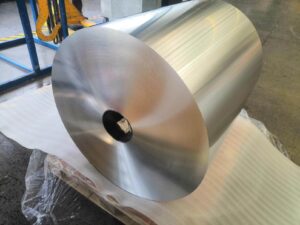
اكتشف رقائق الألومنيوم المطلية بطبقة أولية مع التصاق طلاء ممتاز, مقاومة الرطوبة, جودة سطح أملس, وأداء موثوق للتغليف المرن والتصفيح.
رقائق الألومنيوم لمكيف الهواء هي مادة تستخدم لصنع المبادلات الحرارية لمكيف الهواء. معالمه الرئيسية خفيفة ورقيقة, الموصلية الحرارية الجيدة, ومقاومة التآكل.
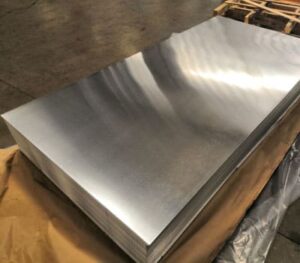
تشير صفائح الألمنيوم الرقيقة عادة إلى قطعة مسطحة من مادة الألمنيوم التي يقل سمكها عن 6 مم (0.24 بوصات).

اكتشف رقائق الألومنيوم المركبة LDPE, مصممة لمقاومة الرطوبة الفائقة, العزل الحراري, والتطبيقات المتنوعة في التعبئة والتغليف, اعمال بناء, و اكثر.
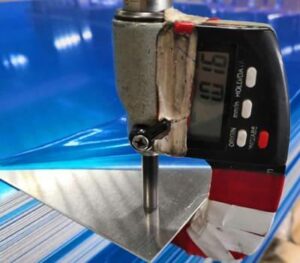
ال 1000 سلسلة صفائح الألمنيوم هي سلسلة من صفائح الألمنيوم النقي. تكوينها هو أساسا الألومنيوم, مع محتوى أكثر من 99%.
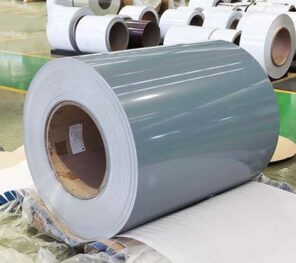
جودة عالية 3003 لفائف الألمنيوم المطلية بالبوليستر توفر مقاومة ممتازة للتآكل, الاحتفاظ بالألوان, وأداء طويل الأمد للتطبيقات المعمارية والصناعية.
رقم 52, طريق دونغمينغ, تشنغتشو, حنان, الصين
شركة Henan Huawei Aluminium Co., المحدوده, واحدة من أكبر موردي الألمنيوم في الصين خنان,تأسسنا في عام 2001 ، ولدينا خبرة غنية في الاستيراد والتصدير ومنتجات الألمنيوم عالية الجودة
الاثنين - السبت, 8صباحا - 5 مساءا
الأحد: مغلق
© حقوق النشر © 2023 شركة Henan Huawei Aluminium Co., المحدوده

أحدث تعليقات
سيدي العزيز, Please offer your best FOB Prices specs are as under ALUMINIUM STRIP (AL=99.50% MIN) مقاس:450 X32 X6 ملم. واحد الخاص بك 570 EN-AW 1050 أ, الكمية = 3400 كجم
مرحبًا, هل ستكون لطيفًا لتقديم العنصر على النحو التالي: لفائف 0،6х1250 (1000)mm EN AW-3105 5tons
مرحبًا, هل يمكن أن تقدم لي ألواح الألمنيوم? أكتالي أحتاج: 110مم × 1700 مم × 1700 مم 5083 إتش111 - 21 pcs Next year planed is 177 اجهزه الكمبيوتر
مقالة رائعة. كنت سعيدا, لقد وجدت هذا المقال. يبدو أن الكثير من الناس, أن لديهم معرفة دقيقة عنه, ولكن في كثير من الأحيان ليس كذلك. ومن هنا كانت مفاجأتي السارة. أنا منبهر. بالتأكيد سأوصي بهذا المكان وأعود كثيرًا, لرؤية أشياء جديدة.
متطلبات قطاع الألومنيوم