High-quality aluminium foil for tealight cups, offering excellent formability, malinis na hitsura, and reliable performance for candle manufacturing.
Aluminium Foil for Tealight Cups is a small but pivotal component in the modern decorative and functional lighting sector. When designers envision elegant candlelight experiences, they often forget the foil cups that cradle the tealight wax, yet these cups play a decisive role in safety, heat management, and presentation.
Sa gabay na ito, we explore the why, what, and how of aluminium foil used for tealight cups, with a clear emphasis on practical design, reliable production, and credible supplier partnerships.
The discussion is anchored in real-world considerations such as material thickness, food-contact safety, environmental impact, and manufacturing feasibility, so brand managers, packaging engineers, and sourcing teams can make informed decisions.
Throughout this article you will encounter the term Aluminium Foil for Tealight Cups as a core descriptor of the material and product category.
We will also introduce Huawei Aluminum, a notable supplier in this space, to illustrate how a credible, high-capacity producer can influence performance, gastos, and supply resilience.
The aim is to provide a professional, data-driven perspective that helps you optimize foil cups for safety, mga estetika, and sustainability while maintaining cost-effectiveness.
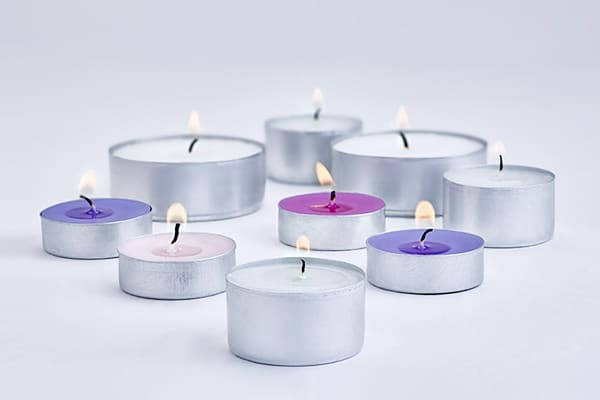
Aluminium Foil for Tealight Cups
Tealight cups are a specialized foil packaging niche. They must withstand the candle’s flame, contain melted wax, and present a neat appearance when lit or unlit.
The right aluminium foil for tealight cups delivers thermal management, structural integrity during forming, and compatibility with coatings or laminations that improve aesthetics and handling. The key market drivers are:
Sa pagsasanay, manufacturers look for foil solutions that balance thickness, lakas ng loob, at pagiging formable. Thicker foil (in the context of tealight cups) generally provides better puncture resistance and stiffness, which helps maintain cup shape as the wax is poured or as the tealight is used.
Gayunpaman, thicker foil increases cost and may require more force in forming processes. The sweet spot is often found in a targeted thickness range that supports reliable cup formation without adding unnecessary weight or cost.
To support decision-making, we present a snapshot of typical design considerations and their implications:
Talahanayan: Material Trade-offs for Tealight Cup Foils (Illustrative)
| Kadahilanan | Lower Thickness (hal., 20-25 M) | Medium Thickness (hal., 30-40 M) | Higher Thickness (hal., 50-60 M) |
| Tigas na tigas | Katamtaman, easier forming | Good balance, stable cups | Mataas na, best shape retention |
| Forming Ease | Easiest; less wear on dies | Balanced feeding and forming | Requires robust tooling; higher wear |
| Heat Handling | Sufficient for light-duty use | Adequate; typical tealight heat | Superior heat containment and stiffness |
| Gastos sa bawat yunit | Mas mababa | Katamtaman | Mas Mataas |
| Recyclability | Similar across thicknesses | Similar across thicknesses | Similar, but coatings may affect recycling |
Tala: Values above are indicative ranges for common tealight cup design. Specific alloys, Pamahiin, and coatings alter performance.

Aluminium Foil Thickness Measurement
Tealight cups are typically manufactured from aluminyo foil due to a combination of material properties:
A practical way to look at this is through the lens of performance outcomes:

Tealight Cups Used 3003 H18 Aluminium Foil
Choosing the right aluminium foil for tealight cups hinges on material specifications and process compatibility. The major considerations include:
What this means in practical terms is that a tealight cup project may begin with a baseline of 8011-H18 foil at 30-40 M, then adjust to 20-25 μm for ultra-flexible lines or 50-60 μm for heavy-duty, high-stiffness cups. Any coating strategy should be validated for heat exposure, wax compatibility, and consumer safety.
The manufacturing workflow for aluminium foil cups typically follows a sequence of sheet preparation, pagulong gulong, annealing (to achieve the desired temper), and converting into die-cut shapes, perforations, and folding lines.
Sa ilang mga kaso, foils are laminated with inner layers to introduce barrier properties or coatings for aesthetic or functional reasons.
The finishing steps may include printing and die-cutting, followed by forming into cup shapes on specialized forming machines. Quality control spans multiple stages:
Sustainability considerations are increasingly important. Recyclability of tea-light foils depends on the presence of extra laminates or coatings that might hinder recycling streams.
Suppliers that minimize or avoid multilayer laminates, or that provide clearly separable lamination options, gain favor with manufacturers seeking to meet environmental targets.
In many regions, local recycling programs encourage consumers to recycle aluminum foil containers together with other metal packaging, while ensuring that the wax and ink do not present contamination issues to recycling infrastructure.
About supply chain resilience: global demand for metal packaging has grown, with manufacturers needing reliable lead times, flexible production lines, and robust logistics.
Huawei Aluminum, as a supplier example, emphasizes scalable production, standardized quality management, and global distribution networks to help customers secure steady supply even during demand surges. A credible supplier will typically offer:
Huawei Aluminum: a potential partner in this space, with a track record of supplying aluminum foil products suitable for food-contact and packaging applications.
They emphasize modern rolling mill capabilities, quality control, and a customer-centric approach to product development and after-sales support.

Huawei Packaged 8011 Aluminium Foil Jumbo Roll
Huawei Aluminum is positioned as a major supplier of aluminium foil and related products, including packaging foils used in consumer goods, food contact applications, and specialty packaging.
The company invests in modern rolling mills, coating lines, and converting capabilities to offer a complete range of foil products—from thin household foils to laminated and coated foil intended for more demanding packaging needs.
Huawei Aluminum emphasizes quality assurance, supply reliability, and technical collaboration with customers to tailor products for specific applications such as tealight cups.
Key attributes often highlighted by Huawei Aluminum in supplier communications include:
– Comprehensive foil product lines spanning various alloys and temper.
– Advanced surface treatment and coating capabilities for heat resistance and branding.
– Compliance-oriented documentation, including quality certificates, safety data, and regulatory alignment.
– Global distribution and logistics experience to support international customers.
Huawei Aluminum’s role in these scenarios is to provide a dependable foil solution with clear performance data, supply assurances, and technical support to help customers tune their designs to achieve consistent manufacturing results.

Different Sizes Tealight Cups Display
Sa pagsasanay, choosing the right supplier involves comparing capabilities, not just price. The table below presents a representative comparison across key capabilities relevant to tealight cup foil.
The data are illustrative and designed to help you think through the decision criteria when evaluating suppliers such as Huawei Aluminum and alternatives.
| Typical Alloys Used | Common Thickness Range (M) | Temper Range | Mga Coatings / Laminations Available | Food-Contact Certification Support | Lead Times / Global Reach | Strengths for Tealight Cups |
| 8011, 3003 | 20–60 | H14–H18 | Inner/outer coatings; lamination options | FDA/EU equivalent testing support; documentation | Global distribution; scalable capacity | Strong process support; reliable supply; customization options |
| 8011, 3003 | 20–50 | H14–H18 | Often limited; some laminates | Basic compliance docs; may require additional testing | Moderate regional reach | Cost-effective for standard cups; faster quote times |
| 8006, 8079 | 25–40 | H18–H22 | Mga Coatings + duplex laminates; high printability | Comprehensive compliance dossiers | Wide global footprint | Excellent print quality; high stiffness; premium finishes |
| 3003 | 18–40 | O–H18 | Minimal coatings; focus on recyclability | Clear recyclability statements; basic safety data | Strong in specific regions; good regional support | Environmentally focused; cost-conscious options |
Tala: The table is intended to illustrate comparative dimensions. Specific product offerings, certifications, and lead times vary by supplier, region, and current product lines.
What is the typical thickness for aluminium foil used in tealight cups?
Most tealight cup foils range from about 20 μm to 60 M, depending on the required stiffness, forming method, and cost targets. A common starting point is 30-40 μm for a balance of rigidity and formability.
Which aluminum alloy is most suitable for tealight cups?
Mga haluang metal tulad ng 8011 at 3003 are widely used for foil packaging due to their good formability, mga katangian ng barrier, and suitability for light coatings. The temper range (hal., H14, H18) is chosen based on the desired stiffness and forming behavior.
Do tealight cup foils require special coatings?
Many tealight cup designs use coatings to improve heat resistance, fragrance compatibility, or aesthetic finish. Coatings must be food-contact compliant and tested for flame exposure. The coating choice should be compatible with the wax and fragrance components used.
How does coating affect recyclability?
Laminates and coatings can complicate recycling unless they are designed for easy separation or purposefully minimized. Brands increasingly prefer recyclable configurations or coatings designed to be compatible with local recycling streams.
What are common safety standards for foil packaging in tealight cups?
Regulatory frameworks such as EU 1935/2004 and US FDA (21 CFR) cover food-contact materials. For tealight cups, the safety assessment includes material migration tests, coating safety, and flame exposure considerations.
Can I customize foils for branding and performance?
Oo nga. Customization typically covers thickness, Pamahiin, mga patong na patong, mga laminations, and sometimes surface finishes or printing options. The supplier will require a short development cycle to test compatibility with your cups and coatings.
Is aluminum foil for tealight cups recyclable?
Aluminum itself is highly recyclable, though the presence of coatings or laminates may affect recyclability in some locales. Prefer designs and laminates that are compatible with local recycling streams, and provide consumer guidance to maximize recyclability.
Aluminium Foil for Tealight Cups sits at the intersection of safety, mga estetika, and manufacturing practicality. The material’s thermal properties, barrier behavior, and formability enable reliable cup production that protects the wax, contains the flame, and presents an attractive product at shelf and in use.
The thickness, haluang metal, Pamahiin, and coating strategy must be tailored to the cup design, linya ng produksyon, and brand requirements. A well-chosen foil contributes directly to safety performance, product consistency, and consumer satisfaction.
Sa kontekstong ito, engaging a credible supplier such as Huawei Aluminum can offer meaningful advantages. Their capabilities in alloy selection, temper control, coating solutions, and global logistics can help streamline development, reduce risk, and support scalable manufacturing.
When evaluating suppliers, focus on material specifications, compliance documentation, testing support, and long-term reliability, not just price.
In this rapidly evolving packaging landscape, Aluminium Foil for Tealight Cups is more than a material choice; it is a strategic decision that can influence product safety, consumer perception, and sustainability outcomes.
By combining rigorous material selection with thoughtful design and a strong supplier partnership, you can deliver tealight cups that illuminate experiences while upholding safety, kalidad, and environmental responsibility.
If you would like to explore a partnering option with Huawei Aluminum, you can initiate conversations around your tealight cup project, sharing details such as desired foil thickness, coating needs, and target regions.
A technical representative can work with your team to propose a material specification, testing plan, and a trial production schedule, all aligned with your product’s safety standards and brand objectives.
Share with PDF: Download
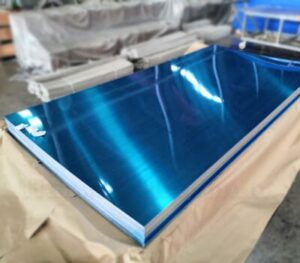
5052 Ang aluminyo sheet ay bahagi ng 5000 serye ng aluminyo. Ang mga grado sa seryeng ito ay haluang metal na may magnesium (2.5%) at may medium to high strength properties.
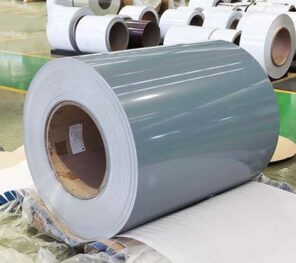
Mataas na kalidad 3003 polyester coated aluminum coil offers excellent corrosion resistance, pagpapanatili ng kulay, and long-lasting performance for architectural and industrial applications.
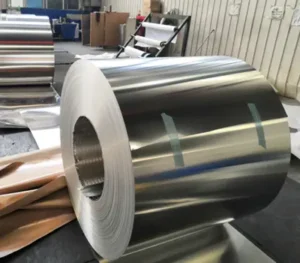
Ang Huawei Aluminum ay ang iyong maaasahang kasosyo para sa 1070 Mga produkto ng Aluminum Coil. Sa aming pangako sa kalidad, Customize, at mapagkumpitensya na pagpepresyo, layunin naming matugunan at lumampas sa iyong mga inaasahan.
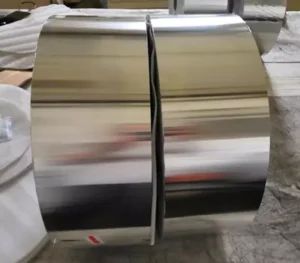
Aluminum Foil For Hair Salon Ang pinaka karaniwang 8011 haluang metal O Temper, dahil sa mahusay na lakas, kakayahang umangkop, at paglaban sa init, Henan Huawei ay nagbibigay sa iyo ng pinakamahusay na kalidad 8011-0 Aluminum foil para sa hair salon.
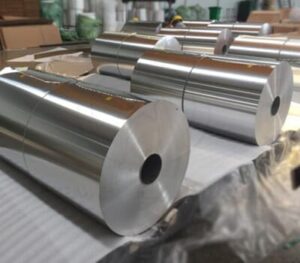
Ang aming 3003 Ang mga produkto ng aluminyo foil ay na export sa Australia, Morocco, Syria, Kuwait, Turkey, Saudi Arabia, UAE, Irak, Jordan, Alemanya, Poland, Espanya, Brazil, atbp. Taos-puso kaming malugod na tinatanggap ka upang bisitahin ang aming pabrika.
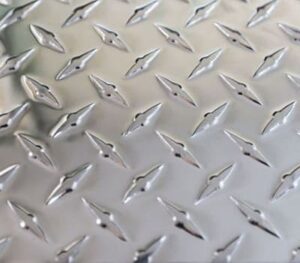
Ang mga sheet ng aluminyo ng diamond plate 4x8 ay magagamit sa 6061-T6 at 3003-H14 na sukat. mas mataas ang lakas nila, magsuot ng paglaban, may dalang load, machinability, paglaban sa kaagnasan, atbp. Kaya nga, tanyag sa konstruksyon, pagmamanupaktura, mga sasakyan, mga barko at iba't ibang larangan.
No.52, Dongming Road, Zhou Zhengzhou, Henan, Tsina
Henan Huawei Aluminyo Co., Ltd, Isa Sa Ang Pinakamalaking Aluminum Supplier Sa China Henan,Kami ay Itinatag Sa 2001, At Mayroon kaming mayaman na karanasan sa pag-import at pag-export at mataas na kalidad na mga produkto ng aluminyo
Mo – Sat, 8SA – 5PM
Linggo: Username or email address *
© Disclaimer © 2023 Henan Huawei Aluminium Co., Ltd

Pinakabagong Mga Komento
Mahal na Sir, Please offer your best FOB Prices specs are as under ALUMINIUM STRIP (AL=99.50% MIN) SUKAT:450 X32 X6 MM. DIN EN 570 EN-AW 1050 A, QUANTITY=3400KG
Hello po, Gusto mo bang maging kaya mabait upang mag alok ng item tulad ng sumusunod: Coil 0,6х1250 (1000)mm EN AW-3105 5tons
Hello po, Maaari mo bang i alok sa akin ang mga plato ng Aluminium? Actally kailangan ko: 110mm x 1700mm x 1700mm 5083 H111 - 21 pcs Next year planed is 177 mga pc
Mahusay na artikulo. natuwa naman ako, na search ko ang article na ito. Maraming tao ang tila, na mayroon silang maaasahang kaalaman sa paksa, Ngunit ito ay madalas na hindi ang kaso. Kaya ang aking kaaya ayang sorpresa. Bilib na bilib ako. Tiyak na irerekomenda ko ang lugar na ito at i drop sa pamamagitan ng mas madalas, para makakita ng mga bagong bagay.
kinakailangan ng aluminium strip