Discover the benefits of brushed aluminum foil for PU sandwich panels. Enhance insulation, tibay ng katawan, at mga estetika. Explore our premium solutions today.
In the world of modern construction and industrial manufacturing, material selection defines the boundary between average performance and long-term excellence. Polyurethane (PU) sandwich panels have become a cornerstone of insulated building systems, cold storage facilities, clean rooms, and architectural cladding.
Yet the true workhorse behind their thermal efficiency, fire resistance, and structural durability often remains hidden in plain sight: the facing material. Among the various facing options, brushed aluminum foil for PU sandwich panels stands out as a premium solution that combines aesthetics, mekanikal na lakas, and exceptional barrier properties.
This article explores every facet of this specialized material, from its manufacturing process and technical advantages to practical application insights and market considerations.
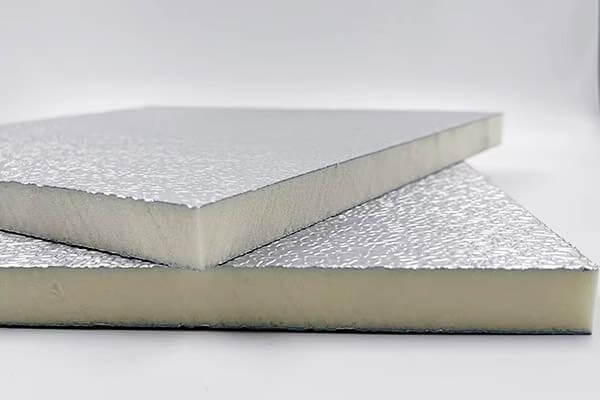
Brushed Aluminum Foil for PU Sandwich Panels
PU sandwich panels consist of a rigid polyurethane foam core bonded between two facing sheets. The facings serve multiple critical functions.
They protect the insulating core from moisture ingress, provide mechanical strength, contribute to fire performance, and determine the panel’s surface appearance.
Without a high-quality facing, even the best foam formulation will degrade prematurely, lose thermal efficiency, and fail to meet building code requirements.
Manufacturers typically choose facings based on the intended application. Steel sheets, mga sheet ng aluminyo, and reinforced foils all appear in the market.
Gayunpaman, aluminum foil facings have gained significant traction because they offer an unmatched combination of lightweight construction, paglaban sa kaagnasan, and vapor barrier integrity.
When that aluminum foil undergoes a brushing process, the resulting surface delivers additional benefits that go far beyond simple aesthetics.
Aluminyo foil brings inherent advantages to PU sandwich panel construction. The material weighs a fraction of steel, which reduces structural load and simplifies handling during panel fabrication and installation.
Aluminum naturally forms a protective oxide layer that resists corrosion, making it ideal for humid environments, food processing facilities, and coastal applications.
The foil also acts as an excellent vapor barrier, preventing moisture from penetrating the foam core and causing condensation-related degradation.
When manufacturers apply a brushed finish to the aluminum foil, they enhance these properties while adding new dimensions of performance.
The brushing process creates a uniform, directional grain on the surface that masks minor scratches, fingerprints, and handling marks that would otherwise mar a mirror-like finish.
This practical benefit alone makes brushed aluminum foil for PU sandwich panels a preferred choice for visible interior surfaces and architectural applications where appearance matters.
Brushed aluminum foil for PU sandwich panels refers to aluminum foil that has undergone a mechanical surface treatment to create a consistent, satin-like texture with fine parallel lines.
The base material typically starts as high-purity aluminum or a carefully selected aluminum alloy rolled to precise thicknesses, usually ranging from 0.025 mm sa 0.2 mm depending on the panel specification.
The brushing process uses abrasive belts, Email address, or wheels that move across the foil surface in a controlled direction, removing a microscopic layer of material and leaving behind a distinctive linear grain.
This process does more than alter the appearance. It changes the surface energy, improves adhesion characteristics, and can influence the foil’s reflectivity and emissivity.
For PU sandwich panel manufacturers, these changes translate directly into better bonding with the foam core, more consistent lamination results, and panels that maintain their visual appeal throughout years of service.
Producing high-quality brushed aluminum foil for PU sandwich panels requires precision at every stage.
The journey begins with the selection of aluminum ingots or coils that meet strict chemical composition standards.
Alloys from the 1xxx, 3xxx, and 8xxx series frequently serve as starting materials, kasama ang 8011 at 3003 alloys being particularly common due to their excellent formability and corrosion resistance.
The aluminum undergoes hot rolling and then cold rolling to achieve the target thickness. During cold rolling, the material passes through a series of rolling mills that progressively reduce its gauge while improving surface finish and mechanical properties.
Pagkatapos ng paggulong, the foil enters an annealing furnace where controlled heating relieves internal stresses and optimizes the material’s temper for subsequent processing.
The brushing operation follows annealing. Specialized brushing machines equipped with rotating abrasive brushes or belts contact the foil surface under precisely controlled pressure and speed.
The abrasive grit size, brush rotation speed, foil feed rate, and contact pressure all influence the final surface characteristics.
Manufacturers can produce different brush patterns, from fine satin finishes to coarser architectural textures, by adjusting these parameters.
Pagkatapos magsipilyo, the foil typically undergoes cleaning to remove any residual abrasive particles and metal debris. Some specifications call for an additional passivation treatment or the application of a thin protective coating to enhance corrosion resistance and ensure long-term adhesion stability.
The finished foil then moves to slitting lines where it is cut to the exact widths required by PU sandwich panel production lines.

PU Sandwich Panels used Aluminum Foil
Understanding the performance characteristics of brushed aluminum foil for PU sandwich panels helps specifiers and fabricators make informed decisions.
These characteristics span mechanical, thermal, optical, and chemical domains, each contributing to the overall value proposition of the finished panel.
Brushed aluminum foil exhibits excellent tensile strength relative to its weight. Depending on the alloy and temper, tensile strength values typically range from 130 MPa to over 200 MPa.
This strength allows the foil to withstand the stresses of the panel lamination process without tearing or wrinkling.
The material also demonstrates good elongation, which proves essential when panels undergo profiling or when the foil must conform to slight surface irregularities during bonding.
The brushing process itself can have a subtle effect on mechanical properties. The light cold working of the surface layer may increase surface hardness slightly, but the overall impact on bulk mechanical properties remains minimal when proper process controls are in place.
More importantly, the brushed surface provides an excellent mechanical key for adhesive bonding, which enhances the peel strength between the foil facing and the PU foam core.
Aluminum foil naturally possesses high reflectivity across a broad spectrum of wavelengths. A bright, unbrushed aluminum surface can reflect over 85% of incident thermal radiation.
Brushing reduces this reflectivity somewhat, typically bringing it into the range of 70% sa 80% depending on the brush finish coarseness.
This reduction in reflectivity can actually prove beneficial in certain applications where glare reduction matters, such as interior ceiling panels or wall cladding in occupied spaces.
The emissivity of brushed aluminum foil also differs from that of bright foil. A brushed surface typically exhibits slightly higher emissivity, which can influence the overall thermal performance of the sandwich panel in specific installation scenarios.
For most building applications, gayunpaman, the thermal conductivity of the aluminum itself and the vapor barrier properties of the foil dominate the panel’s thermal performance, making the emissivity differences secondary considerations.
The corrosion resistance of brushed aluminum foil for PU sandwich panels stems from the natural oxide layer that forms on aluminum surfaces.
The brushing process does not compromise this protective layer; in fact, the slightly textured surface can promote more uniform oxide formation compared to a perfectly smooth surface where defects might concentrate.
In aggressive environments such as chemical processing plants, coastal installations, or food processing facilities with frequent washdowns, the foil may receive additional surface treatments.
Chromate conversion coatings, titanium-based passivation layers, or thin organic coatings can all enhance the already good corrosion resistance of brushed aluminum foil.
These treatments must be carefully selected to maintain compatibility with the PU foam adhesion process.
Perhaps the most critical performance characteristic of any facing material for PU sandwich panels is its ability to form a strong, durable bond with the polyurethane foam core.
Brushed aluminum foil excels in this regard. The mechanical interlocking provided by the brushed surface texture gives the foam a physical grip that complements the chemical adhesion between the aluminum oxide surface and the PU resin system.
Panel manufacturers often measure adhesion through peel strength testing according to standards such as EN 14509 or ASTM D1781.
Brushed aluminum foil facings consistently deliver peel strength values that exceed minimum requirements, providing a safety margin that translates into long-term panel integrity.
The directional nature of the brush pattern can also influence adhesion anisotropy, with some studies suggesting slightly higher peel strength perpendicular to the brush lines due to the mechanical interlock geometry.

PU Sandwich Panels for Construction
To fully appreciate the value of brushed aluminum foil for PU sandwich panels, it helps to compare it directly with the most common alternatives.
Each facing material brings its own set of advantages and limitations, and the optimal choice depends on the specific application requirements.
Steel facings, particularly galvanized or coated steel sheets, dominate the PU sandwich panel market for many structural applications.
Steel offers high strength and stiffness at a relatively low cost. Gayunpaman, steel weighs significantly more than aluminum foil, which increases panel weight and can complicate handling and installation.
Steel also remains vulnerable to corrosion if the protective coating becomes damaged, whereas aluminum’s corrosion resistance is inherent to the material.
From a thermal perspective, steel has higher thermal conductivity than aluminum foil of equivalent thickness, but the practical difference in panel insulation performance is minimal because the facing thickness represents only a small fraction of the total panel thickness.
The vapor barrier properties of aluminum foil generally exceed those of steel, particularly at the thin gauges used for interior facings.
| Pag-aari | Brushed Aluminum Foil | Steel Facing |
|---|---|---|
| Densidad ng katawan | ~2.7 g/cm³ | ~ 7.8 g / cm |
| Paglaban sa Kaagnasan | Napakahusay (self-passivating) | Dependent on coating integrity |
| Vapor Permeability | Near zero at sufficient thickness | Low but higher than aluminum |
| Surface Aesthetics | Satin, uniform appearance | Requires painting for aesthetics |
| Gastos | Katamtaman | Lower base cost, higher finishing cost |
| Timbang | Very low | Mas Mataas |
The choice between brushed and plain aluminum foil often comes down to application-specific requirements.
Plain aluminum foil offers a bright, reflective surface that maximizes thermal reflectivity.
This characteristic proves valuable in applications where radiant heat reflection is a primary performance requirement, such as in certain HVAC duct panels or radiant barrier applications.
Brushed aluminum foil, by contrast, prioritizes appearance consistency and practical handling characteristics.
The brushed finish hides fingerprints, minor scratches, and manufacturing marks that would stand out on a bright foil surface.
For interior architectural panels, clean room wall panels, and any application where the facing remains visible, the brushed finish provides a professional, uniform appearance that maintains its quality look over time.
Adhesion performance also differs between the two surface types. The mechanical texture of brushed foil generally provides superior adhesion compared to the smoother surface of plain foil, though modern adhesion promoters and surface treatments can narrow this gap significantly.
Some PU sandwich panel manufacturers use multi-layer foil laminates that combine aluminum foil with kraft paper, fiberglass scrim, or polymer films.
These reinforced laminates aim to improve tear resistance, handling characteristics, or vapor barrier performance.
While effective in certain applications, these laminates add complexity and cost to the manufacturing process.
Brushed aluminum foil offers a simpler, more elegant solution. The single-material construction eliminates concerns about interlayer adhesion or differential thermal expansion between layers.
The brushing process itself can enhance tear resistance slightly by redistributing surface stresses, though for applications requiring extreme tear resistance, a thicker foil gauge or a different alloy selection typically provides a more straightforward solution than moving to a laminate structure.

PU Sandwich Panels for Refrigerated Truck
The versatility of brushed aluminum foil for PU sandwich panels opens doors to a wide range of applications across multiple industries.
Understanding where and why this material excels helps specifiers make confident decisions.
Cold storage warehouses, food processing plants, and refrigerated logistics centers demand panel facings that combine vapor barrier integrity with corrosion resistance and cleanability.
Brushed aluminum foil meets all three requirements. The near-zero vapor permeability prevents moisture from penetrating the panel and condensing within the foam core, which would otherwise lead to thermal performance degradation and potential structural damage over time.
The brushed surface resists the accumulation of dirt and bacteria, and it withstands the cleaning agents commonly used in food-grade environments.
Unlike painted steel surfaces that can chip or peel, the brushed aluminum surface maintains its integrity even after repeated cleaning cycles.
The satin finish also reduces glare from overhead lighting, improving visual comfort for workers in these facilities.
Clean rooms for pharmaceutical manufacturing, semiconductor fabrication, and biotechnology research impose stringent requirements on wall and ceiling panel surfaces.
These environments demand materials that do not shed particles, resist chemical attack from cleaning agents and process chemicals, and present a smooth, non-porous surface that prevents microbial growth.
Brushed aluminum foil for PU sandwich panels satisfies these requirements admirably.
The brushing process creates a surface free from loose particles, and the aluminum oxide layer provides chemical stability against a wide range of substances.
The panels can be installed with sealed joints to create a monolithic-appearing surface that facilitates laminar airflow and simplifies cleaning protocols.
Modern architectural design increasingly incorporates exposed sandwich panels as interior design elements.
Office buildings, retail spaces, educational facilities, and transportation hubs all use PU sandwich panels for interior partitions, ceiling systems, and wall cladding.
In these applications, the visual appearance of the facing material becomes as important as its technical performance.
The brushed aluminum finish offers architects a sophisticated, contemporary aesthetic that complements a wide range of design styles.
The subtle linear grain catches light in interesting ways without creating distracting reflections.
The surface ages gracefully, developing a natural patina over time rather than showing obvious wear. For projects pursuing LEED certification or other sustainability goals, aluminum’s recyclability adds another compelling argument.
Refrigerated trucks, mobile medical units, portable clean rooms, and modular building systems all benefit from the lightweight characteristics of brushed aluminum foil facings.
Every kilogram saved in panel weight translates directly into fuel savings for mobile applications or easier handling for modular systems.
The vibration resistance of aluminum foil also proves advantageous in transportation applications.
Unlike brittle facing materials that might crack under constant vibration, aluminum foil flexes without damage.
The strong bond between the brushed foil and the PU core ensures that the facing remains firmly attached even after years of road vibration and thermal cycling.

HVAC Used PU Sandwich Panels
Specifying brushed aluminum foil for PU sandwich panels requires attention to several technical parameters.
Understanding these specifications helps ensure that the material delivered meets the application requirements.
The choice of aluminum alloy significantly influences the foil’s mechanical properties, paglaban sa kaagnasan, at pagiging formable.
Common alloys for PU sandwich panel facings include:
Temper designations such as H18 (buong hirap na), H24 (kalahati ng mahirap), or O (annealed na nga ba) indicate the material’s work-hardening state and influence its strength and formability.
Most brushed aluminum foil for PU sandwich panels is supplied in H18 or H24 tempers, providing the necessary strength for handling and lamination while retaining sufficient ductility.
Foil thickness for PU sandwich panel facings typically ranges from 0.025 mm (25 mga micron) sa 0.2 mm (200 mga micron).
Thinner foils serve as vapor barriers and interior facings where mechanical loads are minimal, while thicker foils provide structural contribution and improved handling characteristics.
Thickness tolerances follow industry standards such as EN 546 or ASTM B209, with typical tolerances of ±5% to ±8% of nominal thickness.
For critical applications, tighter tolerances can be specified through agreement between the foil supplier and the panel manufacturer.
Surface quality specifications address the uniformity of the brush finish, the absence of visible defects such as scratches, mga hukay, or roll marks, and the cleanliness of the surface.
Visual inspection standards typically define acceptable defect sizes and frequencies. The brushed finish itself should exhibit consistent grain direction and uniformity across the coil width and length.
To optimize the bond between brushed aluminum foil and PU foam, manufacturers often apply surface treatments to the foil. These treatments fall into several categories:
PU sandwich panel manufacturers who work with brushed aluminum foil must consider several factors to achieve consistent, high-quality results.
These considerations span material handling, process parameters, and quality control.
Brushed aluminum foil requires careful handling to preserve the surface finish.
The brushed surface, while more forgiving than bright foil, can still show marks from improper handling.
Coils should be stored in clean, dry conditions and protected from dust and moisture.
When loading coils onto panel production lines, operators should use clean gloves and avoid dragging the foil across surfaces that could introduce scratches.
The foil’s thin gauge makes it susceptible to edge damage. Coil edges should be protected during transport and storage, and any damaged edges should be trimmed before the foil enters the lamination process to prevent tears from propagating through the panel facing.
The lamination process that bonds brushed aluminum foil to the PU foam core involves several critical parameters.
Foil tension must be carefully controlled to prevent wrinkles while avoiding excessive tension that could cause the foil to tear or deform.
The foil preheat temperature influences how the liquid PU components wet the surface and begin the adhesion process.
The chemical formulation of the PU system also affects adhesion to brushed aluminum foil. Isocyanate and polyol components must be selected or formulated to achieve good wetting and chemical bonding with the aluminum surface.
Some formulations include adhesion promoters specifically designed for metal substrates.
The curing temperature profile and line speed must allow sufficient time for the adhesion mechanism to develop fully before the panel exits the production line.
Panel manufacturers implement quality control procedures to verify that brushed aluminum foil facings meet specifications and that the finished panels achieve required performance levels.
Incoming foil inspection typically includes thickness measurement, surface appearance evaluation, and sometimes adhesion testing using standardized tape tests or laboratory peel tests.
Finished panel testing focuses on the bond between the foil facing and the foam core. Peel strength testing provides quantitative data on adhesion quality.
Additional tests may include flatwise tensile testing, shear testing, and environmental exposure testing to evaluate long-term durability under conditions of heat, kahalumigmigan, and thermal cycling.
The construction industry increasingly prioritizes sustainability, and material choices play a significant role in a building’s environmental footprint.
Brushed aluminum foil for PU sandwich panels offers several sustainability advantages.
Aluminum is infinitely recyclable without loss of properties. The aluminum foil used in PU sandwich panels can be recovered at the end of the building’s life and recycled into new aluminum products.
The recycling process requires only about 5% of the energy needed to produce primary aluminum, making recycled aluminum an environmentally attractive material.
The lightweight nature of aluminum foil facings reduces transportation energy compared to heavier facing materials.
For panel manufacturers shipping products over long distances, this weight reduction translates into lower fuel consumption and reduced carbon emissions.
In building applications, the lighter panel weight can allow for reduced structural support requirements, saving materials in the building frame.
The durability of brushed aluminum foil facings also contributes to sustainability by extending the service life of PU sandwich panels.
Panels that maintain their structural integrity and thermal performance over decades reduce the need for replacement and the associated environmental impacts of manufacturing new panels.
For manufacturers seeking a reliable source of brushed aluminum foil for PU sandwich panels, Henan Huawei Aluminyo Co., Ltd. stands as a trusted partner with extensive experience in aluminum product manufacturing.
Based in China, the company has established itself as a significant player in the aluminum industry, serving customers across diverse sectors including construction, transportasyon, pag iimpake, and industrial manufacturing.
Henan Huawei Aluminyo Co., Ltd. operates advanced production facilities equipped with modern rolling mills, mga annealing furnace, brushing lines, and slitting equipment.
This integrated manufacturing capability allows the company to control quality at every stage of production, from raw material selection to final inspection and packaging.
The company’s technical team understands the specific requirements of PU sandwich panel manufacturers and can provide tailored solutions that match exact specifications for alloy, Pamahiin, kapal naman, at ibabaw tapusin.
Quality assurance forms a cornerstone of the company’s operations. Henan Huawei Aluminyo Co., Ltd. implements rigorous testing protocols throughout the production process.
Chemical composition analysis, mechanical property testing, surface quality inspection, and dimensional verification all contribute to consistent product quality.
The company holds relevant certifications that demonstrate its commitment to manufacturing excellence and customer satisfaction.
Beyond product quality, Henan Huawei Aluminyo Co., Ltd. offers technical support to help customers optimize their use of brushed aluminum foil.
Whether a panel manufacturer needs assistance with alloy selection, surface treatment compatibility, or processing recommendations, the company’s experienced engineers can provide valuable guidance.
This collaborative approach helps ensure that the foil performs optimally in each customer’s specific production environment.
The company’s global logistics capabilities enable reliable delivery to panel manufacturers worldwide.
Proper packaging protects the brushed foil surface during transit, and the company works with customers to establish efficient supply chains that minimize lead times and inventory costs.
Choosing the right facing material for PU sandwich panels requires balancing aesthetics, pagganap, gastos, and supply reliability.
The table below presents a high-level comparison across commonly encountered facing options, including Brushed Aluminum Foil.
| Facing Type | Aesthetics | Pagdikit & Paglalamina | Hadlang sa kahalumigmigan | UV & Paglaban sa Panahon | Gastos | End-of-Life Considerations | Best Fit Scenarios |
|---|---|---|---|---|---|---|---|
| Brushed Aluminum Foil | Premium, directional texture | Good-to-excellent with proper adhesives | Napakahusay | Good to very good | Moderate-to-high | Mataas na recyclable; easy to separate in metal recycling streams | High-end facades, premium interiors, modular builds needing a premium look |
| Plain Aluminum Foil | Clean, reflective | Mabuti na lang | Napakahusay | Mabuti na lang | Mas mababa | Recyclable | General facades, lower-cost projects |
| PVDF-coated Aluminum Foil | Color-stable, long-lasting color | Excellent with compatible adhesives | Napakahusay | Superior (coating provides UV stability) | Mataas na | Coating complicates recycling; separation needed | Projects requiring long color stability or varied color design |
| Matte/Coated Foils | Subtle texture, non-glare | Mabuti na lang | Napakaganda | Mabuti na lang | Katamtaman | Moderate recycling complexity | Interiors, offices where glare control is important |
Tala:
– The relative performance depends on specific formulations, processing parameters, and end-use environment. Always validate with supplier data sheets and testing.
What thickness of brushed aluminum foil is best for PU sandwich panels?
The optimal thickness depends on the application. For interior facings and vapor barriers, thicknesses of 0.025 mm sa 0.07 mm often suffice. For exterior facings or applications requiring additional mechanical strength, thicknesses of 0.1 mm sa 0.2 mm provide better durability and handling characteristics. Consulting with both the foil supplier and the PU system provider helps determine the ideal specification.
Does the brushing process affect the aluminum foil’s corrosion resistance?
The brushing process does not inherently reduce corrosion resistance. The natural aluminum oxide layer reforms quickly after brushing, maintaining the material’s protective properties. Sa katunayan, the slightly textured surface can promote more uniform oxide formation. For highly aggressive environments, additional surface treatments can further enhance corrosion resistance.
Can brushed aluminum foil be painted or coated after panel production?
Oo nga, brushed aluminum foil can accept paints and coatings, though surface preparation is essential for good adhesion. The brushed texture actually provides a better mechanical key for coatings compared to smooth foil surfaces. Gayunpaman, most applications that specify brushed aluminum foil choose it specifically for its natural appearance, making post-coating uncommon.
How does brushed aluminum foil compare in cost to other facing materials?
Brushed aluminum foil typically costs more than plain aluminum foil due to the additional processing step. Compared to steel facings, the material cost per square meter may be higher or lower depending on the specific grades and thicknesses compared. Gayunpaman, the total installed cost of panels with brushed aluminum foil facings often proves competitive when considering the lighter weight, mas madaling paghawak, and elimination of painting requirements.
What is the shelf life of brushed aluminum foil before panel production?
When stored properly in clean, dry conditions, brushed aluminum foil can be stored for extended periods without significant degradation. Surface treatments applied for adhesion promotion may have limited shelf lives, so manufacturers should follow supplier recommendations. Sa pangkalahatan, foil used within six to twelve months of production performs optimally.
Brushed aluminum foil for PU sandwich panels represents a sophisticated material solution that balances technical performance with aesthetic appeal.
Its combination of lightweight construction, paglaban sa kaagnasan, vapor barrier integrity, and distinctive satin appearance makes it a preferred choice for applications ranging from cold storage facilities to architectural interiors.
The brushing process enhances practical handling characteristics while providing a mechanical surface texture that promotes strong, durable adhesion with polyurethane foam cores.
For panel manufacturers, success with brushed aluminum foil depends on careful material specification, proper handling procedures, and optimized lamination process parameters.
Partnering with experienced aluminum suppliers such as Henan Huawei Aluminum Co., Ltd. provides access to consistent product quality and technical expertise that supports efficient production and reliable panel performance.
As building standards evolve toward higher energy efficiency, improved fire safety, and greater sustainability, the role of high-performance facing materials will only grow in importance.
Brushed aluminum foil, with its proven track record and ongoing technological development, remains well-positioned to meet these challenges and continue serving as a critical component in advanced PU sandwich panel systems.
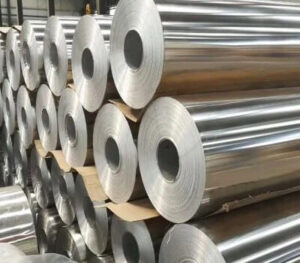
Bilang isang propesyonal na tagagawa at tagaluwas ng aluminyo foil jumbo roll seal sa Tsina. Kami ay sa lugar na ito para sa higit sa 20 mga taon, Mayroon kaming isang pabrika at dust-free workshop ng higit sa 100,000 mga metro kuwadrado
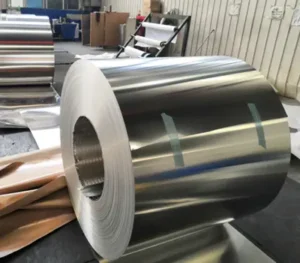
Ang Huawei Aluminum ay ang iyong maaasahang kasosyo para sa 1070 Mga produkto ng Aluminum Coil. Sa aming pangako sa kalidad, Customize, at mapagkumpitensya na pagpepresyo, layunin naming matugunan at lumampas sa iyong mga inaasahan.
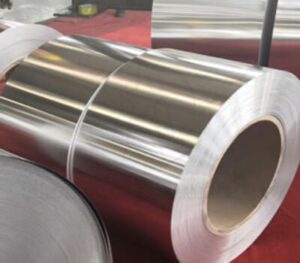
6082 aluminium strip ay karaniwang maaaring init ginagamot para sa mas mataas na lakas, ngunit medyo mababa ductility.6082 aluminyo haluang metal ay isa sa mga haluang metal modelo ng...
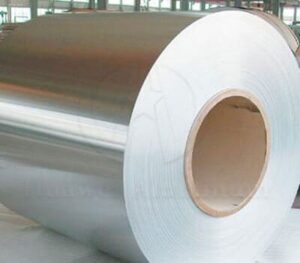
5052 Ang Aluminum Coil ay isang haluang metal na binubuo ng 2.5% magnesiyo at 0.25% chromium at isa sa mga pinaka-promising anti-kalawang aluminyo materyales
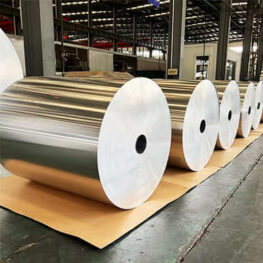
High-adhesion, hindi lumalaban sa kaagnasan 8011 gold hydrophilic aluminum foil for sealing, paglalamina, and HVAC applications.
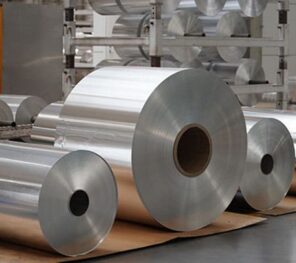
3104 aluminyo foil ay isang pinasadyang haluang metal sa industriya ng aluminyo, kilala sa kakaibang kumbinasyon ng lakas nito, pagiging formable, at paglaban sa kaagnasan. Ang artikulong ito explores ang kemikal komposisyon, mekanikal na mga katangian, Mga kalamangan, mga aplikasyon, at paghahambing sa mga katulad na haluang metal.
No.52, Dongming Road, Zhou Zhengzhou, Henan, Tsina
Henan Huawei Aluminyo Co., Ltd, Isa Sa Ang Pinakamalaking Aluminum Supplier Sa China Henan,Kami ay Itinatag Sa 2001, At Mayroon kaming mayaman na karanasan sa pag-import at pag-export at mataas na kalidad na mga produkto ng aluminyo
Mo – Sat, 8SA – 5PM
Linggo: Username or email address *
© Disclaimer © 2023 Henan Huawei Aluminium Co., Ltd

Pinakabagong Mga Komento
Mahal na Sir, Please offer your best FOB Prices specs are as under ALUMINIUM STRIP (AL=99.50% MIN) SUKAT:450 X32 X6 MM. DIN EN 570 EN-AW 1050 A, QUANTITY=3400KG
Hello po, Gusto mo bang maging kaya mabait upang mag alok ng item tulad ng sumusunod: Coil 0,6х1250 (1000)mm EN AW-3105 5tons
Hello po, Maaari mo bang i alok sa akin ang mga plato ng Aluminium? Actally kailangan ko: 110mm x 1700mm x 1700mm 5083 H111 - 21 pcs Next year planed is 177 mga pc
Mahusay na artikulo. natuwa naman ako, na search ko ang article na ito. Maraming tao ang tila, na mayroon silang maaasahang kaalaman sa paksa, Ngunit ito ay madalas na hindi ang kaso. Kaya ang aking kaaya ayang sorpresa. Bilib na bilib ako. Tiyak na irerekomenda ko ang lugar na ito at i drop sa pamamagitan ng mas madalas, para makakita ng mga bagong bagay.
kinakailangan ng aluminium strip