6061 at 6082 aluminyo are two widely used heat-treatable alloys in the 6000 serye ng mga. Both rely primarily on magnesium and silicon to develop strength through heat treatment, while offering the low density, paglaban sa kaagnasan, and fabrication flexibility associated with wrought aluminum alloys.
Despite their similarities, 6061 at 6082 are not interchangeable in every application.
6061 is widely recognized as a versatile general-purpose engineering alloy, habang ang 6082 is commonly selected when higher structural strength and load-bearing capability are priorities.
Describes 6061 as a versatile structural alloy for medium- to high-strength applications, while its 6082 data identifies the alloy as a structural material with high yield and tensile strength.
The difference becomes more important when engineers consider the complete manufacturing process.
Alloy selection affects machining, pagbuo ng, hinang, pag anod ng, dimensional stability, and final component performance.
Temper also plays a major role: a T6 or T651 condition can provide substantially different mechanical properties from a softer T4 condition.
Kaya nga, the question is not simply “Is 6061 better than 6082?" A more useful approach is to determine which alloy better matches the required strength, fabrication method, product form, operating environment, applicable standard, and cost target.

6061 mga bes 6082 aluminyo
6061 aluminyo ay isang heat-treatable Al-Mg-Si alloy and one of the most widely used aluminum alloys in the 6000 serye ng mga.
Its composition combines magnesium and silicon with controlled additions of copper, kromo, and other elements.
Huawei identifies 6061 as a versatile structural alloy with good toughness, paglaban sa kaagnasan, finishing characteristics, at weldability.
The alloy responds well to precipitation hardening. In the commonly used 6061-T6 condition, heat treatment significantly increases its yield and tensile strength compared with softer tempers.
This combination of strength and manufacturability makes 6061 suitable for machined components, structural profiles, mga tubo, mga frame, equipment parts, at pangkalahatang mga aplikasyon sa engineering.
6061 also has broad international recognition and is particularly common in specifications and supply chains based on North American aluminum standards.
For sheet and plate, halimbawa na lang, ASTM B209 covers aluminum and aluminum-alloy sheet and plate products.
6082 is another heat-treatable 6xxx-series aluminum alloy, designated EN AW-6082 and commonly identified as AlSi1MgMn.
Its principal alloying elements include silicon, magnesiyo, and a relatively significant manganese addition.
Under EN 573-3, typical composition limits include 0.7–1.3% Si, 0.6–1.2% Mg, and 0.4–1.0% Mn, with aluminum making up the balance.
The manganese addition helps distinguish 6082 mula sa 6061 and contributes to its structural characteristics.
Huawei describes 6082 as a material commonly used in engineering and transportation structures because of its toughness and high yield and ultimate tensile strength.
Typical applications include structural beams, bumper rails, scaffolding, train floors, and valve blocks.
For rolled 6082-T6 products, published EN 485-2 data show minimum tensile and yield strengths that vary with thickness.
Halimbawa na lang, 1.5–3.0 mm material can have minimum values of 310 MPa tensile strength and 260 MPa yield strength, while thicker products have lower specified minimums.
6061 at 6082 share several important characteristics:
Their similarities explain why engineers often consider them as alternatives.
Gayunpaman, differences in alloy chemistry, mga pamantayan, product availability, and mechanical-property requirements can make one more appropriate than the other.
The two alloys occupy a similar engineering space: both provide a useful combination of lakas ng loob, relatively low weight, paglaban sa kaagnasan, and fabrication flexibility.
The distinction becomes clearer when the design moves toward structural applications.
6082 is frequently specified where higher load-bearing performance is important, habang ang 6061 remains attractive when engineers want a well-balanced material with broad availability and established machining and fabrication practices.
Gayunpaman, the comparison must always include the temper and product form.
Halimbawa na lang, the mechanical properties of 6082-T6 rolled plate differ according to thickness, while extruded products have their own specification limits.

6061 T6 Aluminum Sheet
The most important differences between 6061 at 6082 come from komposisyon ng kemikal, lakas ng loob, forming behavior, mga pamantayan, and application focus.
| Pag-aari | 6061 Aluminyo | 6082 Aluminyo |
|---|---|---|
| Alloy serye | 6000 serye ng mga | 6000 serye ng mga |
| Main strengthening system | Mg-Si | Mg-Si |
| Important additional element | Cu, Cr | Mn |
| Init na magagamot | Oo nga | Oo nga |
| Typical structural strength | Mataas na | Generally higher |
| Paglaban sa kaagnasan | Mabuti na lang | Mabuti na lang |
| Machinability | Napakaganda | Good to very good |
| Weldability | Mabuti na lang | Mabuti na lang |
| Formability | Mabuti na lang | Moderate to good |
| Typical market orientation | Broad international use, especially North America | Strong presence in European/EN applications |
| Typical advantage | Versatility and balanced fabrication | Higher structural strength |
| Mga karaniwang application | Mga Frame, machined parts, mga tubo, mga profile, mga kagamitan | Mga bahagi ng istruktura, machinery, transportasyon, mga plataporma |
Ang kemikal na komposisyon ng 6061 at 6082 explains many of their differences in strength, processing behavior, and application focus.
Both alloys belong to the 6000 series and use magnesium and silicon as the primary strengthening elements, but their secondary alloying elements differ significantly.
The following values represent typical composition limits under EN 573-3 for wrought products. Actual limits can vary slightly by applicable product standard.
| Elemento | 6061 (%) | 6082 (%) | Main Role |
|---|---|---|---|
| Silicon (Si Si) | 0.40–0.80 | 0.70–1.30 | Forms Mg-Si strengthening phases |
| bakal na bakal (Fe) | ≤0.70 | ≤0.50 | Controlled impurity |
| Tanso (Cu) | 0.15–0.40 | ≤0.10 | Contributes to strength |
| Mga mangganeso (Mn) | ≤0.15 | 0.40–1.00 | Improves structural strength and microstructure |
| Magnesium (Mg) | 0.80–1.20 | 0.60–1.20 | Primary precipitation-hardening element |
| Chromium (Cr) | 0.04–0.35 | ≤0.25 | Helps control grain structure |
| Sink (Zn) | ≤0.25 | ≤0.20 | Minor alloying element |
| Titanium (Ti) | ≤0.15 | ≤0.10 | Grain refinement |
| Aluminyo (Al) | Balanse | Balanse | Matrix metal |
The most obvious distinction is the higher manganese content in 6082 at ang mga higher controlled copper content in 6061. 6061 also permits a lower silicon range than 6082.
Mechanical properties provide one of the clearest ways to distinguish the two alloys.
Gayunpaman, a meaningful comparison must include the Pamahiin, product form, kapal naman, and applicable standard.
Comparing “6061” with “6082” without specifying these factors can produce misleading conclusions.
Both alloys can achieve high strength after heat treatment, particularly in T6 conditions.
For 6082-T6 rolled products, EN 485-2 specifies minimum tensile strength of approximately 310 MPa for thicknesses from 1.5 sa 6 mm, with the minimum decreasing as thickness increases.
The corresponding minimum proof strength ranges from 260 MPa to 220 MPa, depende sa kapal.
6061-T6 also provides high tensile and yield strength, but the exact values depend on whether the material is supplied as sheet, plato, bar, tube, o paglabas.
This is why product-specific standards should take priority over generic alloy data.
| Mechanical Factor | 6061 | 6082 |
|---|---|---|
| Lunas sa init | Oo nga | Oo nga |
| T6 strength | Mataas na | High to very high |
| Magbunga ng lakas | Mataas na | Generally higher in comparable products |
| Lakas ng paghatak | Mataas na | Generally higher in structural products |
| Ductility | Mabuti na lang | Mabuti na lang, but varies with temper/thickness |
| Ang katigasan ng ulo | Moderate-high in T6 | Moderate-high in T6 |
| Structural load capability | Napakaganda | Napakahusay |
| Lakas sa timbang ratio | Napakahusay | Napakahusay |
The practical advantage of 6082 becomes more noticeable when a design requires high load-bearing capacity while maintaining aluminum’s relatively low density.
Temper can have a major influence on mechanical performance.
T4 provides a softer and more formable condition, making it more suitable for forming operations.
T6 uses solution heat treatment followed by artificial aging to obtain substantially higher strength.
T651 adds stress relief through controlled stretching after solution heat treatment, which can improve dimensional stability during machining.
Kaya nga, a comparison such as 6061-T6 vs 6082-T6 is much more meaningful than simply comparing 6061 kasama ang 6082.
Higher strength generally comes with some reduction in formability compared with softer tempers.
Halimbawa na lang, EN 485-2 data for 6082-T6 rolled products show minimum elongation ranging from about 7–10% for thinner products, with lower specified values as thickness increases.
6061 also offers useful ductility, particularly in T4 and other softer conditions.
This makes temper selection important when the manufacturing process involves significant bending or forming.
T6 heat treatment increases hardness in both alloys.
For 6082-T6 rolled products, published EN 485-2 values are approximately 83–94 HB, depende sa kapal.
Higher hardness can benefit wear resistance and dimensional stability, but it can also influence machining behavior and forming requirements.
One important advantage of both alloys is their low density.
Dahil 6061 at 6082 have a density of approximately 2.70 g/cm³, their weight difference is negligible for the same volume.
The practical advantage of 6082 therefore comes primarily from its ability to provide high structural strength rather than from lower density.
For load-bearing components, designers can use the higher strength of an appropriate 6082 temper to optimize section dimensions while maintaining aluminum’s lightweight characteristics.
Both alloys can be welded using common aluminum welding processes, including TIG and MIG.
Gayunpaman, heat from welding can reduce the strength of precipitation-hardened 6xxx-series alloys in the heat-affected zone.
Bilang isang resulta, engineers should not assume that a welded T6 component retains the full parent-metal T6 strength.
This consideration becomes particularly important for structural assemblies.
Joint design, welding procedure, filler metal, heat input, and post-weld properties should form part of the engineering assessment.
For many comparable structural products, 6082 provides a strength advantage, particularly in high-strength tempers.
Gayunpaman, this does not automatically make it the better engineering material.
6061 may provide a more appropriate balance when machining, pagbuo ng, hinang, availability, or an established design specification carries greater importance.
The correct comparison should always use certified values for the specific alloy, Pamahiin, product form, at kapal naman.

Huawei Packaged Aluminum Sheet
| Pag-aari | 6061 Aluminyo | 6082 Aluminyo |
|---|---|---|
| Densidad ng katawan | ~ 2.70 g / cm³ | ~ 2.70 g / cm³ |
| nababanat na modulus | ~69–70 GPa | ~70 GPa |
| Thermal kondaktibiti | ~167 W/m·K | ~172 W/m·K (T6) |
| Pagpapalawak ng Thermal | ~23.6 × 10⁻⁶/K | ~23.1 × 10⁻⁶/K |
| Electrical kondaktibiti | ~40% IACS (T6) | ~44% IACS (T6) |
| Saklaw ng Pagtunaw | ~582–652°C | ~575–650°C |
| Heat Treatability | Oo nga | Oo nga |
Sa kabuuan, 6061 at 6082 have very similar physical and thermal properties.
Their more significant differences lie in mechanical strength, komposisyon ng kemikal, forming behavior, and application requirements.
Values may vary with temper, product form, and applicable standard.
Parehong 6061 at 6082 aluminum offer good corrosion resistance, making them suitable for outdoor, transportasyon, marine, at pangkalahatang mga aplikasyon sa engineering.
In normal atmospheric environments, the difference in corrosion performance is usually less important than alloy selection, surface condition, design, and exposure conditions.
6061 has excellent resistance to atmospheric corrosion and good resistance to seawater.
Its balanced Mg-Si chemistry and small chromium addition contribute to its corrosion-resistant performance.
6082 also provides good corrosion resistance and is widely used for structural applications exposed to outdoor environments.
Huawei specifically highlights its combination of strength and corrosion resistance for transportation, scaffolding, mga tulay, and general engineering.
| Kadahilanan | 6061 Aluminyo | 6082 Aluminyo |
|---|---|---|
| Atmospheric corrosion | Napakahusay | Napakahusay |
| Outdoor applications | Napakahusay | Napakahusay |
| Mga kapaligiran sa dagat | Mabuti na lang | Mabuti na lang |
| Structural durability | Mabuti na lang | Napakahusay |
| Corrosion after welding | Mabuti na lang, but HAZ requires attention | Mabuti na lang, but HAZ requires attention |
| Pagpapahid ng langis | Good response | Good for functional anodizing |
| Decorative anodizing | Generally better | Appearance may be less uniform |
| Typical advantage | Paglaban sa kaagnasan + fabrication | Lakas ng loob + paglaban sa kaagnasan |
Both alloys are heat-treatable, so welding can reduce strength in the heat-affected zone. This is primarily a mechanical-property issue rather than a simple corrosion-resistance ranking. Design engineers should evaluate the welded joint and post-weld condition rather than relying only on the nominal T6 properties.

6082 Aluminum Extrusion
Ang temper designation can significantly change the mechanical behavior of both 6061 at 6082.
Kaya nga, comparing only the alloy number is not enough when selecting material for an engineering application.
Halimbawa na lang, T4 emphasizes formability, habang ang T6 provides substantially higher strength.
T651 combines T6-level heat treatment with stress relief, making it particularly useful for machined plate where dimensional stability matters.
| Temper | Meaning | Main Characteristic | Karaniwang Paggamit |
|---|---|---|---|
| T4 | Solusyon init ginagamot at natural na edad | Higher formability, katamtamang lakas | Pagbaluktot, pagbuo ng, subsequent machining |
| T6 | Solusyon init ginagamot at artipisyal na edad | High strength and hardness | Structural and machined components |
| T651 | T6 + stress relieved by stretching | Mataas na lakas + improved dimensional stability | Precision machining, plato, mga bahagi ng istruktura |
Para sa 6061, Huawei defines T4 as solution heat-treated and naturally aged, T6 as solution heat-treated and artificially aged, and T651 as solution heat-treated, stress-relieved by stretching, and artificially aged.
The same basic temper concepts apply to 6082. Huawei lists T4, T6, and T6511 among its standard 6082 mga temper, with T6/T6511 widely used for higher-strength applications.
| Application Requirement | Recommended Temper |
|---|---|
| Maximum forming flexibility | 6061-T4 / 6082-T4 |
| General structural components | 6061-T6 / 6082-T6 |
| Higher structural strength | 6082-T6 |
| CNC machining from plate | 6061-T651 / 6082-T651 |
| Dimensional stability after machining | T651 |
| Welded construction | 6061-T6 often worth considering |
| Heavy-duty structural parts | 6082-T6/T651 |
The best choice between 6061 at 6082 also depends on the product form.
Sheet, plato, paglabas ng mga, bar, tube, and machined stock have different manufacturing requirements, dimensional constraints, and typical applications.
Both alloys are available as sheet and plate, but their market positioning differs.
6061 sheet at plato are widely used for general engineering, transportasyon, marine components, machinery, and fabricated parts where balanced properties are important.
6082 plato is particularly popular in Europe for structural and machining applications because of its higher strength.
Huawei notes that 6082 has replaced 6061 in some European plate applications primarily because of its higher strength and good corrosion resistance.
| Product Form | 6061 | 6082 | Preferred When |
|---|---|---|---|
| Sheet | Napakahusay | Napakahusay | General fabrication |
| Katamtamang plato | Napakahusay | Napakahusay | Strength-dependent |
| Makapal na plato | Napakahusay | Napakahusay | 6082 for higher loads |
| Precision-machined plate | Napakahusay | Napakahusay | T651 preferred |
| Formed sheet | Better balance | More forming care required | 6061-T4 often advantageous |
Both alloys can produce structural and industrial extrusion profiles.
6061 is particularly suitable when the profile will undergo hinang, machining, pagbabarena, or other secondary operations.
6082 is a strong candidate when the extrusion must carry significant loads.
It is widely used for structural profiles, kagamitan sa transportasyon, mga tulay, scaffolding, and industrial machinery.
One limitation is that 6082 can be more challenging for certain thin-wall or complex extrusion geometries, and the available temper can depend on profile size and quenching capability.

6061-T6 Aluminum Tread Plate for Truck Floor
Parehong 6061 at 6082 are widely used in engineering, transportasyon, machinery, at mga estruktural na aplikasyon. Gayunpaman, their application priorities differ.
6061 emphasizes versatility, weldability, at kadalian ng paggawa, habang ang 6082 is generally preferred when higher structural strength and load-bearing capacity are more important.
6061 is one of the most versatile heat-treatable aluminum alloys.
Its combination of strength, paglaban sa kaagnasan, weldability, machinability, and availability makes it suitable for a broad range of fabricated and machined components.
Typical applications include:
6061 is particularly suitable when a component requires welding or extensive secondary machining after extrusion or forming.
6082 is often selected for applications where strength is the primary material requirement.
Its higher strength compared with 6061 makes it particularly suitable for structural and load-bearing applications.
Typical applications include:
Huawei identifies 6082 as a common alloy for structural applications in engineering and transportation, including structural beams, bumper rails, scaffolding, train floors, and valve blocks.
| Paglalapat | 6061 | 6082 | Preferred Choice |
|---|---|---|---|
| Automotive components | Napakahusay | Napakahusay | Depends on strength/fabrication |
| Bicycle frames | Napakahusay | Mabuti na lang | 6061 |
| Marine structures | Napakahusay | Mabuti na lang | 6061 for fabrication |
| Machinery components | Napakahusay | Napakahusay | Depends on load |
| Structural beams | Mabuti na lang | Napakahusay | 6082 |
| Bridges and infrastructure | Mabuti na lang | Napakahusay | 6082 |
| Scaffolding | Mabuti na lang | Napakahusay | 6082 |
| Truck/trailer structures | Napakahusay | Napakahusay | 6082 for higher loads |
| Welded assemblies | Napakahusay | Mabuti na lang | 6061 |
| CNC-machined components | Napakahusay | Napakahusay | Depends on strength |
| Valve blocks | Mabuti na lang | Napakahusay | 6082 |
| Heat exchangers/heat sinks | Napakahusay | Mabuti na lang | 6061 |
| General-purpose profiles | Napakahusay | Napakahusay | 6061 |
| Heavy-duty profiles | Mabuti na lang | Napakahusay | 6082 |
Material selection should always identify the alloy, Pamahiin, product form, and applicable standard.
“6061 aluminum” or “6082 aluminum” alone does not fully define the material specification.
6061 at 6082 nabibilang sa mga 6000 series of wrought aluminum alloys, which primarily use magnesium and silicon for precipitation hardening.
Under the European designation system, they are commonly identified as:
6082 is also commonly identified as EN AW-6082 [AlSi1MgMn].
The American and European systems may use different naming conventions even when describing closely corresponding materials.
Kaya nga, buyers should not assume that an alloy designation alone guarantees complete equivalence between two standards.
For products sold in North America, the applicable ASTM specification depends on the product form.
| Product Form | Common ASTM Standard | Typical Relevance |
|---|---|---|
| Sheet and plate | ASTM B209 | Aluminum and aluminum-alloy sheet and plate |
| Extruded bar, rod, mga profile, mga tubo | ASTM B221/B221M | Extruded aluminum products |
| Seamless pipe and extruded tube | ASTM B241/B241M | Pipe and tube |
| 6061-T6 structural profiles | ASTM B308/B308M | Structural 6061-T6 profiles |
ASTM B221/B221M covers extruded bars, mga baras, mga wire, mga profile, and tubes, while ASTM B308/B308M specifically covers 6061-T6 structural profiles such as I-beams, channels, angles, tees, and similar shapes.
Kaya nga, a purchase specification should state something such as 6061-T6 ASTM B221 o 6061-T6 ASTM B308, rather than simply specifying “6061 aluminum.”
The temper is an essential part of the material specification.
| Pagtatalaga | General Meaning |
|---|---|
| O | Captcha * |
| T4 | Solusyon init ginagamot at natural na edad |
| T6 | Solusyon init ginagamot at artipisyal na edad |
| T651 | T6 condition with stress relief by stretching |
| T5 | Cooled from an elevated-temperature shaping process and artificially aged |
| T6511 | T6 condition with stress relief by stretching, typically for extruded products |
Huawei lists T4, T6, and T651/T6511 among the standard tempers used for 6061 at 6082 mga produkto.
Henan Huawei Aluminyo Co., Ltd. supplies a broad range of rolled aluminum products, including aluminum sheet and plate, likawin ang, maghubad ka na, papel de liha, circles, tread plate, coated aluminum, anodized aluminyo, and other customized aluminum products.
The company has more than 20 years of industry experience and exports aluminum products to customers in more than 70 mga bansa.
Para sa 6061 at 6082 aluminyo, Huawei can help customers select the appropriate alloy, Pamahiin, mga sukat, surface condition, and product form according to the final application.
6061 is a versatile 6xxx-series alloy suitable for general engineering, machinery, transportasyon, fabrication, at mga estruktural na aplikasyon.
Huawei can supply 6061 in forms such as:
| Produkto | Karaniwang Paggamit |
|---|---|
| 6061 Aluminum Sheet | Fabricated components, mga panel, machinery |
| 6061 Aluminyo Plate | Mga bahagi ng istruktura, machine bases, CNC components |
| 6061 aluminyo likawin | Fabrication and further processing |
| 6061 Aluminum Strip | Industrial components and precision fabrication |
| 6061 T6/T651 | High-strength and precision-machined components |
Huawei’s aluminum production facilities include hot rolling, malamig na pagulong, pag-unat, annealing, Pag-iipon, pagputol ng, and thick-plate processing equipment.
Its listed plate and coil production capabilities cover a broad range of thicknesses and widths.
6082 is particularly suitable for higher-strength structural and machinery applications.
Huawei offers 6082 aluminum products for applications where strength, machining performance, and dimensional requirements are important.
Typical products include:
| Produkto | Karaniwang Paggamit |
|---|---|
| 6082 Aluminum Sheet | General engineering and fabricated components |
| 6082 Aluminyo Plate | Structural and heavy-duty machinery |
| 6082 aluminyo likawin | Industrial fabrication |
| 6082 Aluminum Strip | Mga aplikasyon sa industriya |
| 6082 T6/T651 Plate | Structural and precision-machined parts |
Huawei’s own machinery-related product information identifies 6061 aluminum plate as a versatile option for machinery at 6082 aluminum plate as a higher-strength option for structural machinery components.
Beyond supplying standard aluminum products, Huawei can support customized requirements involving:
The appropriate processing route depends on the alloy, Pamahiin, mga sukat, surface requirements, and final application.
6061 at 6082 are both versatile heat-treatable 6000-series aluminum alloys, but they serve slightly different engineering priorities.
6061 is the better all-around choice when the project requires a balanced combination of lakas ng loob, machinability, weldability, paglaban sa kaagnasan, forming performance, and broad availability.
It is particularly useful for general engineering, machinery, transportation components, fabricated structures, and CNC-machined parts.
6082 is generally the stronger choice when structural strength and load-bearing capability are the primary requirements.
It is widely used for structural profiles, mabibigat na makinarya, kagamitan sa transportasyon, beams, scaffolding, and other demanding engineering applications.
Sa pangkalahatan, yes. 6082 typically provides higher tensile and yield strength than 6061 in comparable product forms and tempers, which makes it attractive for structural and heavy-duty applications.
Neither alloy is universally better. 6061 is usually better for versatility, fabrication, hinang, and general engineering, habang ang 6082 is generally better for higher-load structural applications.
Oo nga. Both alloys can be welded using common aluminum welding processes. Gayunpaman, welding can reduce the strength of heat-treated material in the heat-affected zone, so the welded condition should be considered during design.
Both provide good machinability. 6061 is widely recognized for easy machining, habang ang 6082 also performs well when appropriate tooling and machining parameters are used.
Both have good to excellent corrosion resistance for many engineering environments. The practical difference is usually less important than the exposure environment, surface condition, joint design, and galvanic compatibility.
In some applications, yes, but not automatically. Engineers should verify mekanikal na mga katangian, forming requirements, pagganap ng hinang, product availability, mga sukat, and applicable standards before substituting one alloy for the other.
Both are high-strength heat-treated conditions, pero 6082-T6 generally offers higher structural strength, habang ang 6061-T6 provides a well-balanced combination of strength, machinability, weldability, at paglaban sa kaagnasan.
Both provide a T6-level heat-treatment condition, pero T651 additionally receives stress relief by stretching. T651 is therefore particularly useful when dimensional stability during machining is important.
Parehong 6061 at 6082 can be CNC machined effectively. 6061 is often selected for general machining, habang ang 6082 can be preferable when the machined component requires higher strength.
Huawei Aluminum supplies a wide range of aluminum sheet, plato, likawin ang, maghubad ka na, and other aluminum products and can support alloy and specification selection according to application requirements. Its product range covers multiple aluminum alloy series and customized processing requirements.

Discover the perfect blend of strength and aesthetics with black aluminum checker plate. Ideal for flooring, mga rampa, at pandekorasyon na mga tampok, this lightweight material ensures safety and style in any setting.
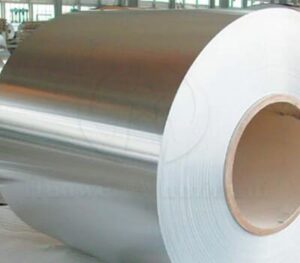
3004 aluminyo likawin ay isang aluminyo-mangganeso haluang metal, na kung saan ay ang pinaka malawak na ginagamit na anti kalawang aluminyo. Ang lakas ng haluang metal na ito ay hindi mataas. Ito ay katulad ng 3003 mga haluang metal na may tungkol sa 1% magnesium idinagdag.
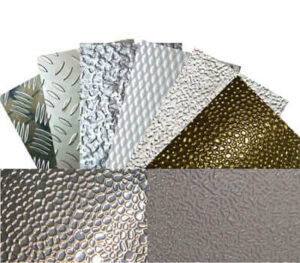
Ang embossed aluminyo sheet ay isang produkto ng aluminyo na pinagsama batay sa purong aluminyo plate o aluminyo haluang metal plate upang bumuo ng iba't ibang mga pattern sa ibabaw.
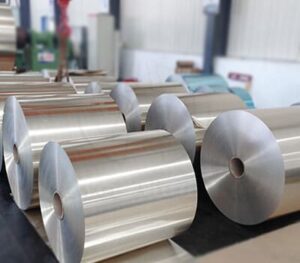
Kumpara sa iba pang mga haluang metal foils ng serye 1, tulad ng 1060 at 1070 mga foils ng aluminyo, ang nilalaman ng (Fe+Si) sa 1100 aluminyo foil ay mas mataas kaysa sa parehong, at ang nilalaman ng Fe ay ang pangunahing kadahilanan upang mapabuti ang lakas at katigasan
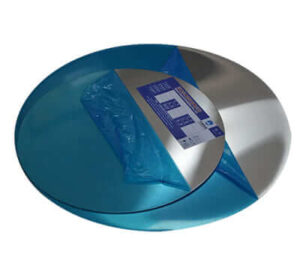
Ang aluminyo na bilog para sa road sign ay tumutukoy sa bilog ng aluminyo na ginagamit sa produksyon ng mga karatula sa kalsada. Dahil ang mga bilog ng aluminyo ay may malakas na paglaban sa kaagnasan at paglaban sa panahon, aluminum circles ay napaka angkop para sa produksyon ng mga palatandaan ng kalsada.

Ang 3000 serye ng Rolled Mirror Aluminum Plate ay isang premium na produkto ng aluminyo na kilala para sa pambihirang reflectivity nito, tibay ng katawan, at maraming nalalaman. Ito ay malawakang ginagamit sa mga industriya kung saan ang aesthetics at pagganap ay kritikal.
No.52, Dongming Road, Zhou Zhengzhou, Henan, Tsina
Henan Huawei Aluminyo Co., Ltd, Isa Sa Ang Pinakamalaking Aluminum Supplier Sa China Henan,Kami ay Itinatag Sa 2001, At Mayroon kaming mayaman na karanasan sa pag-import at pag-export at mataas na kalidad na mga produkto ng aluminyo
Mo – Sat, 8SA – 5PM
Linggo: Username or email address *
© Disclaimer © 2023 Henan Huawei Aluminium Co., Ltd

Pinakabagong Mga Komento
Mahal na Sir, Please offer your best FOB Prices specs are as under ALUMINIUM STRIP (AL=99.50% MIN) SUKAT:450 X32 X6 MM. DIN EN 570 EN-AW 1050 A, QUANTITY=3400KG
Hello po, Gusto mo bang maging kaya mabait upang mag alok ng item tulad ng sumusunod: Coil 0,6х1250 (1000)mm EN AW-3105 5tons
Hello po, Maaari mo bang i alok sa akin ang mga plato ng Aluminium? Actally kailangan ko: 110mm x 1700mm x 1700mm 5083 H111 - 21 pcs Next year planed is 177 mga pc
Mahusay na artikulo. natuwa naman ako, na search ko ang article na ito. Maraming tao ang tila, na mayroon silang maaasahang kaalaman sa paksa, Ngunit ito ay madalas na hindi ang kaso. Kaya ang aking kaaya ayang sorpresa. Bilib na bilib ako. Tiyak na irerekomenda ko ang lugar na ito at i drop sa pamamagitan ng mas madalas, para makakita ng mga bagong bagay.
kinakailangan ng aluminium strip