1. Panimula
Non-stick aluminum foil has emerged as a versatile and essential kitchen tool for both home cooks and professional chefs.
This innovative product combines the benefits of traditional aluminum foil with advanced non-stick properties, simplifying food preparation and cooking.
As culinary practices evolve, understanding the implications of using non-stick aluminum foil becomes increasingly important.

Non-Stick Aluminum Foil
Defining Non-Stick Aluminum Foil
Non-stick aluminum foil is a specialized type of aluminum foil coated with a non-stick surface, often made from silicone or other non-toxic materials.
This coating prevents food from adhering to the foil, making it ideal for baking, pag ihaw, and cooking delicate items such as fish or pastries.
Common coating materials include:
- PTFE (Polytetrafluoroethylene): Known commercially as Teflon®, PTFE resists sticking up to about 260 °C.
- Silicone-based coatings: Food-grade silicones release at slightly lower temperatures (≤ 230 °C) but excel at easy cleanup.
- Ceramic-infused coatings: These newer formulations tolerate higher temperatures (hanggang sa 450 °C) and resist scratching.
Importance of Non-Stick Properties
Non-stick properties matter for several reasons:
- Reduced Food Waste: When food releases cleanly, bakers and chefs lose less product to sticking—studies show a 10–15 % reduction in waste.
- Improved Presentation: Delicate items like fish fillets and pastries maintain structural integrity when they lift off foil without tearing.
- Time Savings: Home cooks and commercial kitchens spend up to 30 % less time on cleanup when using non-stick surfaces.
- Even Heat Distribution: By preventing uneven hot spots that can result from adhering food, non-stick foil promotes consistent browning.
2. Material Composition and Coating Technology
Base Aluminum Foil Specifications
Manufacturers begin with high-purity aluminum alloys—often 1050, 1200, o 8011 aluminyo foil—rolled to household or heavy-duty thicknesses:
- Papel de liha sa bahay: 0.016 mm–0.024 mm
- Malakas na papel de liha: 0.024 mm–0.040 mm

8011 Aluminum Foil Large Roll
These alloys offer:
- Mataas na thermal kondaktibiti (~ 235 W / m · K) for rapid heat transfer.
- Paglaban sa kaagnasan via a thin aluminum oxide layer.
- Napakahusay na formability, allowing the foil to conform to pans, grills, or food shapes.
Non-Stick Coating Types
- PTFE (Teflon®) Mga Coatings
-
- Mga Katangian: Coefficient of friction ~0.05, melting point ~327 °C, release performance up to ~260 °C.
- Paglalapat: Roller-coating applies a 2–5 μm PTFE layer; spray deposition targets uneven surfaces.
- Silicone-Based Coatings
- Mga Katangian: Coefficient of friction ~0.20, maximum continuous use ~230 °C, FDA-compliant for direct food contact.
- Paglalapat: A thin (5–10 μm) silicone film bonds via curing at 200–250 °C.
- Ceramic/Glass-Infused Coatings
- Mga Katangian: Mataas na katigasan (Mohs ~5–6), withstands temperatures up to 450 °C, gasgas na- and abrasion-resistant.
- Paglalapat: Paste-like ceramic composites spray-applied, then baked in ovens at 400–450 °C.
- Food-Grade Release Agents
- Examples: Natural lecithin or vegetable oil derivatives.
- Mga Katangian: Biodegradable, lower heat tolerance (~180 °C), suitable for low-temperature baking or refrigeration.
Coating Application Process
- Paghahanda sa Ibabaw
- Paglilinis: Removes oils and mill scale via alkaline or phosphoric acid washes.
- Micro-etching: Acid or mechanical brushing creates a textured surface (Ra ~0.2–0.5 μm) for better coating adhesion.
- Coating Deposition
- Roll-to-Roll Lamination: Foil passes under a roller that spreads liquid PTFE or silicone uniformly.
- Spray Application: Provides targeted coverage for embossed or perforated foil, ensuring even layer thickness (±1 μm).
- Pagpapagaling & Baking
- PTFE Lines: Ovens maintain 350–450 °C for 1–3 min, forcing polymer cross-linking.
- Silicone Lines: Bake at 200–250 °C for 2–4 min to fully polymerize the silicone base.
- Ceramic Lines: Curing at 400–450 °C fuses glass particles into a hard, non-stick surface.
- Kontrol sa Kalidad
- Adhesion Tests (ASTM D3359): Ensures coatings pass a 5B adhesion rating.
- Thickness Gauging: Non-contact sensors verify uniformity (±0.5 μm tolerance).
- Release Testing: Food simulants (cake batter, meat puree) pressed under 20 kPa for 30 s; release force ≤ 50 g indicates adequate non-stick performance.
3. Key Physical and Chemical Properties
Thermal kondaktibiti & Heat Tolerance
- Base Foil: Pure aluminum exhibits ~235 W/m·K, ensuring rapid heat distribution and even cooking.
- Coating Heat Limits:
- PTFE: Stable to ~260 °C; decomposition begins ~327 °C.
- Silicone: Effective to ~230 °C; safe for most baking operations.
- Ceramic/Glass: Withstands up to ~450 °C, ideal for grill or broiler use.
Non-Stick Performance Metrics
- Coefficient of Friction (COF):
- PTFE ≈ 0.05–0.10
- Silicone ≈ 0.20–0.30
- Ceramic ≈ 0.15–0.25
- Release Force: The average force required to detach standardized cake batter is < 50 g under controlled lab conditions (20 ± 2 °C, 50 % RH).
- Durability Cycle Count: PTFE-coated foil survives 500–1,000 heating cycles (180–260 °C) without significant performance loss; ceramic-infused handles up to 2,000 cycles.

Key Physical and Chemical Properties
Lakas ng Mekanikal & Formability
- Lakas ng Paghatak: Base foil in H14 temper measures ~80–100 MPa; coatings add negligible stiffness but must flex without cracking.
- Pagpapahaba sa Break: ~25 % for base alloys; coatings remain intact up to 10–15 % strain.
- Paglaban sa Puncture: Heavy-duty non-stick foil resists puncture forces up to 8 N (per ASTM F1306), reducing tears during handling.
Chemical Stability & Food Safety
- pH Tolerance: Coatings resist mild acids (pH 3) and bases (pH 9), so marinades and sauces do not degrade the release layer.
- Migration Testing:
- PTFE: Complies with FDA 21 CFR 175.300 and EU 10/2011; migration into food simulants at 175 °C remains below 0.1 mg/kg.
- Silicone: Meets LFGB (Alemanya) mga pamantayan, with no detectable silicone leachates at 200 °C exposure for 2 h.
- Heavy Metal Content: Materials adhere to RoHS and REACH regulations, ensuring no lead, mercury, or cadmium contamination.
4. Production Process and Quality Assurance
Manufacturing Flowchart
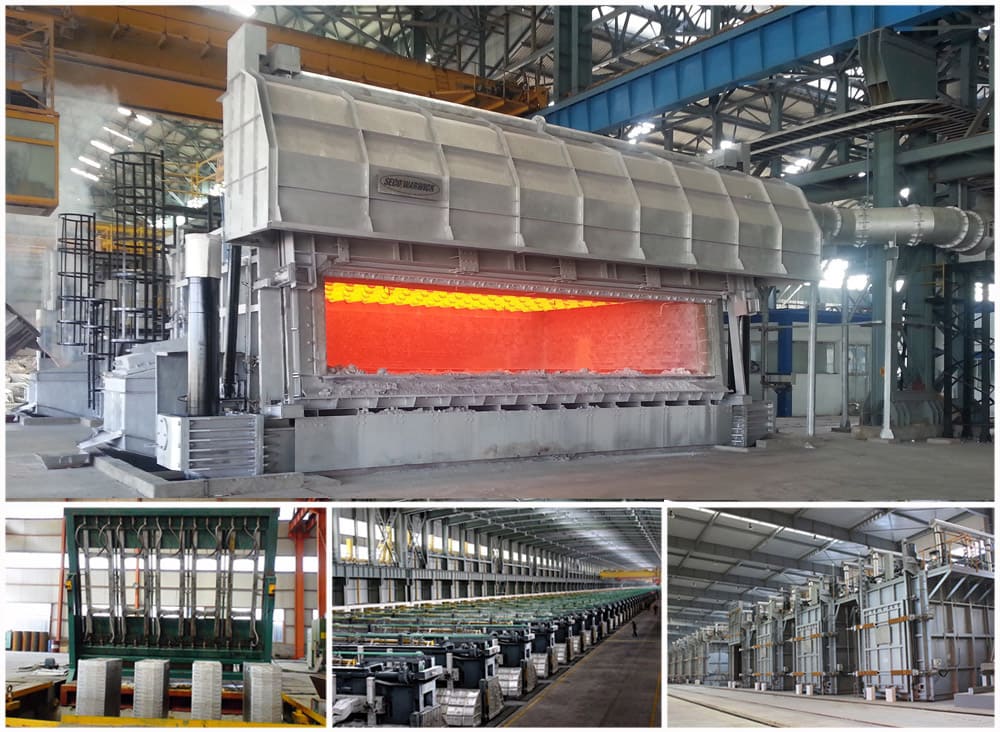
- Alloy Ingot Casting & Paggulong
- High-purity aluminum ingots cast, pagkatapos ay hot-rolled sa 0.1 mm–0.2 mm, further cold-rolled to achieve final thickness (0.016 mm–0.040 mm).
- Paggamot sa ibabaw & Paglilinis
- Chemical Cleaning: Alkaline/acid bath removes residues.
- Mechanical Brushing: Optional for embossed foil to improve adhesion.
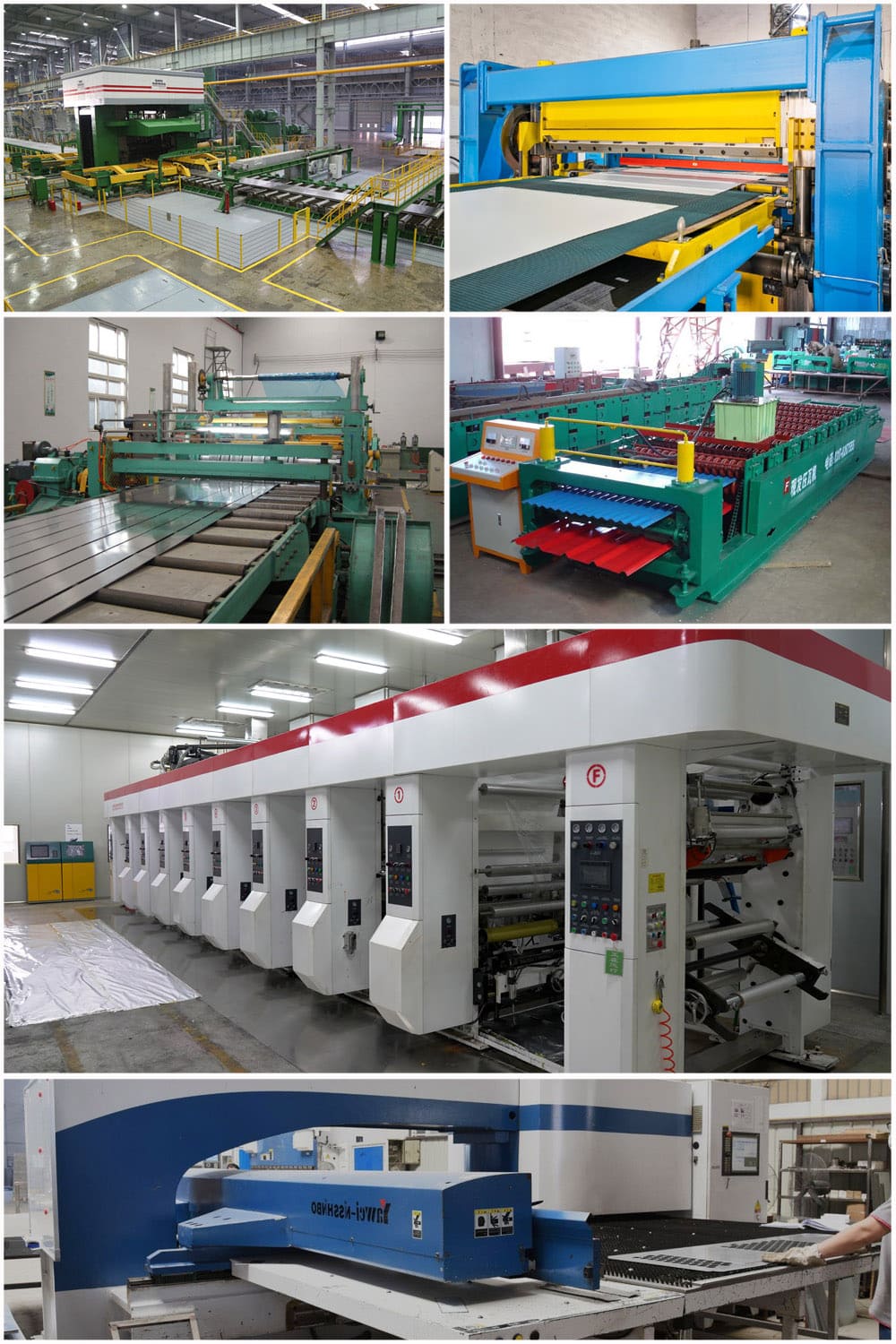
- Paglalapat ng patong
- roller patong: PTFE or silicone applied in a continuous line, ensuring uniform coverage.
- Spray Coating: Used for embossed or perforated foils, with a target layer thickness of 2–10 μm.
- Curing/Oven Baking
- PTFE Lines: Bake at 400 °C for 2 minutes in inert or low-oxygen atmosphere.
- Silicone Lines: Bake at 220 °C for 3 mga minuto.
- Ceramic Lines: Bake at 450 °C for 3 mga minuto.
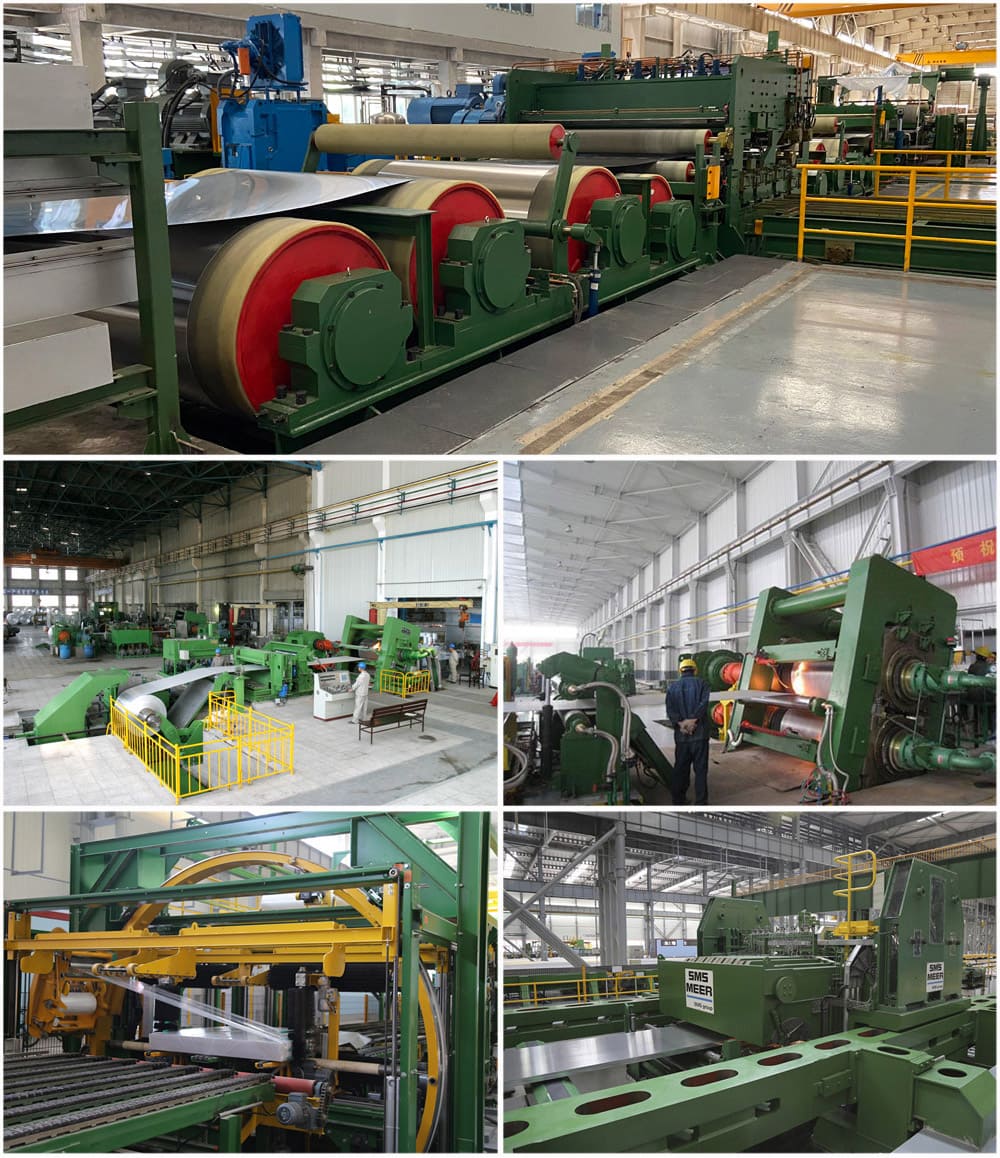
- Pagputol ng hiwa & Rewinding
- Finished foil rewinded into rolls (hal., 30 cm, 45 cm, 60 cm widths) kasama ang edge trim precision ±0.5 mm.
- Paglalamina: Optionally laminated with wax paper or silicone-coated liner for roll protection.

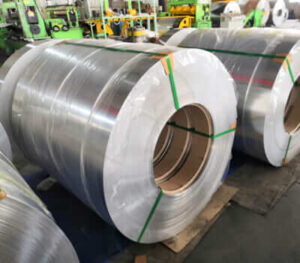
Slitting of Aluminum Foil
Mga Pamantayan & Mga Sertipikasyon
- ASTM B479: Standard for aluminum and aluminum-alloy sheet and foil.
- .ISO 22000 / FSSC 22000: Food safety management in production.
- FDA CFR 21.175.300 / EU 10/2011: Food contact safety requirements.
- LFGB (Alemanya): German food safety for silicone-based coatings.
- ASTM D3359: Adhesion test for coating integrity.
- UL 94 V-0 (where applicable): Flammability classification for high-temp foil applications.
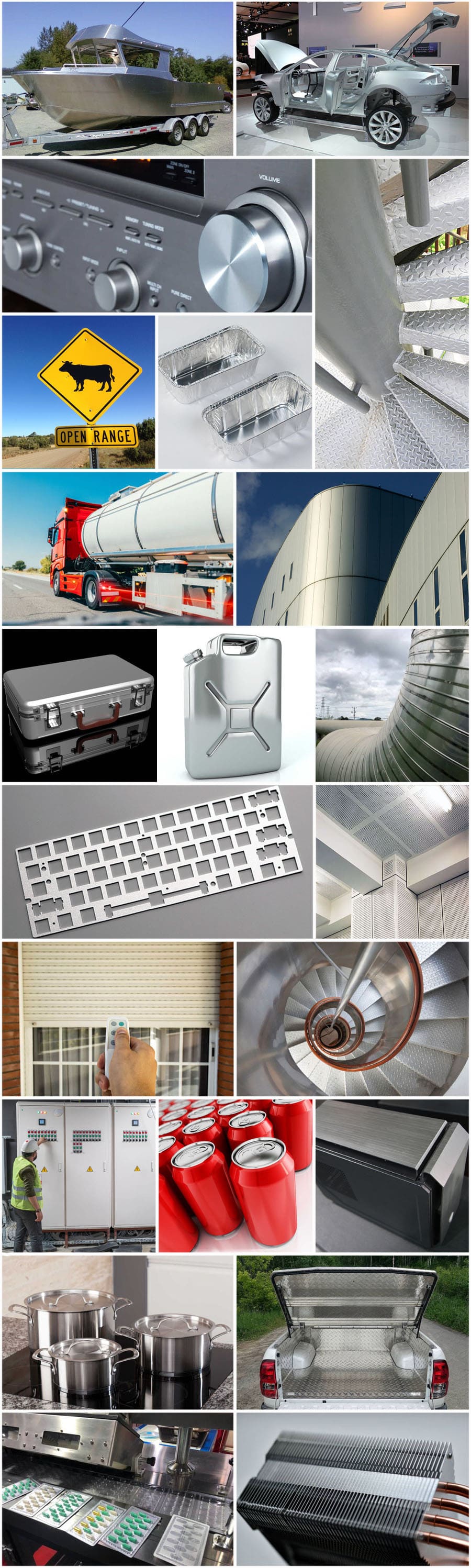
5. Applications of Non-Stick Aluminum Foil
Home and Commercial Kitchens
Baking & Roasting:
- Cakes, cookies, and delicate pastries slide off cleanly—no scraping or chipping.
- Even heat distribution ensures consistent browning; home tests show ±5 °C cook surface variation compared to standard foil.

Non-Stick Aluminum Foil for Home
Grilling & BBQ:
- Lining grill grates reduces flare-ups and prevents fish and veggies from sticking.
- PTFE-coated foil withstands direct grill temperatures (~260 °C), reducing cleanup by up to 80 %.
Storage & Freezing:
- Wrapping sticky foods (mga candies, marinated meats) prevents ice adhesion and freezer burn.
- Silicone-based foil works down to -40 °C without cracking.
Industrial Food Processing
Continuous Baking Lines:
- Conveyor belts lined with PTFE-coated foil hawakan >5,000 loaves/hour, enabling easy product removal and minimal downtime.
Pagbuo ng & Molding:
- Chocolate and confectionery molds release effortlessly; factories report 20 % faster demolding beses na.
Freeze-Drying & Dehydration:
- Non-stick foils reduce product loss, improving yield by up to 8 % in freeze-dried fruit production.
Pharmaceutical and Medical Applications
Tablet Blister Foil:
Sterile Packaging:
- Medical components (catheters, mga implants) require non-adhesive wrappers that maintain sterility and ease of access.

Blister Foil Used Non-Stick Aluminum Foil
Industrial and Aerospace
Composite Layups:
- In carbon fiber part manufacturing, non-stick aluminum foil serves as a release film, allowing clean separation of cured composites.
Heat Exchanger Wraps:
- Non-stick foil reduces fouling in chemical plants and power stations, pagpapanatili ng >90 % thermal efficiency over time.
6. Mga Kalamangan at Limitasyon
Mga Pangunahing Bentahe
- Exceptional Release Performance:
- Baking tests confirm 95–98 % clean release for baked goods, reducing waste and product damage.
- Enhanced Cooking Consistency:
- Uniform heat transfer minimizes hot spots; professional chefs note 20 % more uniform browning.
- Reduced Cleanup Time:
- Home kitchen studies show hanggang sa 50 % less scrubbing time compared to standard foil.
- Tibay ng buhay:
- PTFE-coated foil withstands 500–1,000 high-temp cycles without delamination; ceramic foils exceed 2,000 cycles.
- Food Safety Compliance:
- FDA, EU, and LFGB-approved for direct food contact, ensuring safe use.
- Mga Pakinabang sa Kapaligiran:
- 100 % pwede na ba mag recycle; recycling consumes 95 % less energy than primary aluminum production.
Mga Limitasyon & Considerations
- Cost Premium:
- Non-stick foil costs ~20–50 % more than standard foil due to additional coating steps.
- Temperature Ceiling:
- PTFE coatings degrade above ~260 °C (fumes may form); ceramic coatings handle up to ~450 °C, but cost and brittleness increase.
- Health Precautions:
- Overheating PTFE beyond decomposition temperature may release fumes; proper ventilation is crucial.
- Recycling Complexity:
- Coated foils require specialized separation—some recycling centers reject heavily coated material.
7 Recyclability of Non-Stick Aluminum Foil
Aluminum Recycling Process:
- Collection & Sorting: Used foil separated from other waste.
- Paglilinis: Contaminants (food residue, mga patong na patong) removed via detergent wash or pyrolysis.
- Natutunaw na & Paghahagis: Foil melts at 660 °C, producing recycled ingots.
- Paggulong: Recycled ingots roll into new foil, preserving quality in most cases.
Impact of Coatings on Recycling:
- PTFE and silicone coatings must be pyrolyzed or chemically stripped before re-melting aluminum.
- Recycling yields remain high—>90 % of the aluminum content can be reclaimed.
- Some facilities blend recovered aluminum with virgin ingots to maintain alloy specifications.
8. Konklusyon
Non-stick aluminum foil marries the thermal performance of aluminum with advanced-release mga patong na patong, enhancing both home cooking and industrial production.
Its ability to reduce food waste by up to 15 %, cut cleanup time by 30 %, and withstand 500–2,000 high-temperature cycles makes it a versatile staple across culinary and manufacturing sectors.
While it carries a higher upfront cost—approximately 20–50 % more than regular foil—its benefits in efficiency, kalinisan ng katawan, and sustainability often offset that premium.
As recycling technologies evolve to better reclaim coated foils, and as ceramic or bio-based coatings advance, non-stick aluminum foil will remain an essential, green material in modern kitchens and industrial lines.




Pinakabagong Mga Komento
We need some t111 aluminium plate. We are looking for quarter inch by 4'x8' sheets
Dear Sales Manager, I hope this email finds you well. This is Min-Hyung Lee, CEO of Taesan Steel Co., Ltd., an import & export company based in Incheon, Timog Korea, dealing in steel and aluminum materials. We understand that Henan Huawei Aluminum produces 1100 aluminum coils in H16 temper from 0.2 mm thickness at your mill in Gongyi, Henan. We use mill finish aluminum coil as a substrate for coating in Korea, and are looking for a reliable Chinese mill for regular monthly imports. We would appreciate your quotation for the material below, based on current market prices. 1. Materyal - haluang metal / Temper: A1100 – H16 (A1235 or A1050 acceptable subject to prior approval) - Pamantayan: KS D 6701 or equivalent (JIS H 4000, ASTM B209, GB/T 3880 accepted) - Ibabaw: pagtatapos ng kiskisan (as-rolled), suitable for painting/coating 2. Ordered sizes - 0.45 mm x 1,120 mm x Coil (main size) - 0.60 mm x 1,060 mm x Coil - No minus tolerance on thickness (hal., actual 0.45 mm or above for the 0.45 mm order) 3. Coil weight: approx. 3-6 MT per coil 4. Dami: 30-40 MT per month (estimated 360-480 MT per year) 5. Mga tuntunin sa presyo: CIF Incheon Port or Pyeongtaek Port, Timog Korea, in USD (USD/kg or USD/MT). A formula-based quotation (hal., SMM ingot price + gastos sa pagproseso) is also acceptable, provided the total is given on a CIF basis (or FOB with ocean freight shown separately). Please include the following in your quotation: 1. Unit price (CIF Incheon or Pyeongtaek, in USD) 2. MOQ per size 3. Lead oras (order to shipment) 4. Payment terms 5. Whether the material is DC or CC rolled, and producible thickness/width range for 1xxx alloys 6. Mill information (location, .ISO 9001 or other certifications) 7. Sample availability and conditions (we plan a coating trial before regular orders) 8. Confirmation that a Mill Test Certificate (chemical composition and mechanical properties) will be provided with each shipment Our plan is to review your quotation and material specification first, then request samples for a coating trial. If the results are satisfactory, we intend to place regular monthly orders. We are also willing to visit your mill in China in person to see the production line and discuss the details of a long-term partnership. The detailed specification (SPEC-AL-2026-01) is attached for your reference. We look forward to your reply. Best regards, Min-Hyung Lee CEO | Taesan Steel Co., Ltd. Mag-email: [email protected] Tel: 82 10 5048 5768 WeChat: dolf369
Aluminyo 5754 H111 หนา 8 mm กว้าง x ยาว : 4 x 6 ฟุต
سلام بسیار عالی ،،من از ایران تماس میگیرم فویل طلا ۱۲میکرون عرض ۶۱سانت نیاز داریم حدودا هرماه ۳۵هزار متر
Dear Sales Team, I hope you are doing well. We are looking to source aluminum products from your company and would appreciate receiving your best quotation for the following: Aluminum Sheets Thickness: 2 mm, 3 mm, 4 mm, at 5 mm Please provide your available standard sheet sizes. Kindly quote the price per sheet and the price per metric ton. Aluminum Coils Thickness: 2 mm, 3 mm, 4 mm, at 5 mm Please provide your available coil widths, standard coil weights, and inner diameter specifications. Kindly quote the price per metric ton. For both sheets and coils, please include: Available alloys (e.g. 1050, 3003, 5052) Temper options Mill finish or other available surface finishes Minimum Order Quantity (MOQ) Production lead time Payment terms Please provide your quotation based on: CIF Jebel Ali Port, UAE (including sea freight), or alternatively provide both FOB China and CIF Jebel Ali Port, UAE prices. If available, please also send: Product catalogue Mill Test Certificate (MTC) sample Photos of the products and packaging. We are interested in establishing a long-term business relationship. Our initial purchase volume is expected to be 100+ metric tons, with the potential for larger and recurring orders if your pricing, kalidad, and service meet our requirements. Thank you for your time. We look forward to receiving your quotation and hope to build a successful long-term partnership. Best regards, Eng.Yousef