Scopri le principali differenze tra le leghe di alluminio 2024 vs 7075. Scopri la loro composizione chimica, Proprietà meccaniche, e applicazioni ideali nel settore aerospaziale, automobile, e attrezzature sportive.
Nell'ingegneria aerospaziale, la scelta del materiale determina il peso, forza, affidabilità, e, infine, il successo della missione. Lo scontro tra 2024 vs 7075 l’alluminio ha attraversato decenni, ma la conversazione rimane più rilevante che mai 2024 e oltre.
Questo articolo taglia l'hype per offrire qualcosa di pratico, approfondimenti basati sui dati su come si comportano “2024 vs 7075” nelle strutture degli aerei del mondo reale, componenti, e flussi di lavoro di fabbricazione.
Aspettatevi un candido, sguardo alle proprietà incentrato sull'utente, elaborazione, costi, e le linee guida per la progettazione che puoi applicare oggi stesso.
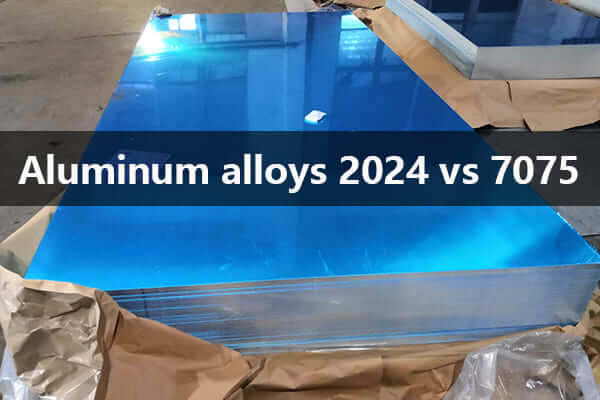
Leghe di alluminio 2024 vs 7075
| Elemento | 2024 (Al-Cu-Mg) | 7075 (Al-Zn-Mg-Cu) |
| Alluminio (Al) | ~90,7–94,7% | ~87,1–91,4% |
| Rame (Cu) | 3.8–4,9% | 1.2–2,0% |
| Magnesio (Mg) | 1.2–1,8% | 2.1–2,9% |
| Manganese (Mn) | 0.3–0,9% | ≤0,3% |
| Zinco (Zn) | ≤0,25% | 5.1–6,1% |
| Ferro (Fe) | ≤0,5% | ≤0,5% |
| Silicio (E) | ≤0,5% | ≤0,4% |
| Cromo (Cr) | ≤0,10% | 0.18–0,28% |
| Titanio (Di) | ≤0,15% | ≤0,2% |
| Altri elementi (ogni) | ≤0,05% | ≤0,05% |
| Altri elementi (totale) | ≤0,15% | ≤0,15% |
7075 vs 2024 sedersi nel segmento ad alte prestazioni dell'alluminio aerospaziale, tuttavia servono filosofie di progettazione diverse.
La famiglia 2xxx (2024) si concentra su leghe ricche di rame note per l'eccellente resistenza alla fatica e il comportamento favorevole alla frattura.
La famiglia 7xxx (7075) sottolinea l'eccezionale rapporto resistenza-peso, con tenacità e rigidità che lo rendono uno dei preferiti per le parti portanti.
La designazione del carattere: T6, T3, T351, e altri: determina le proprietà finali come il trattamento termico, invecchiamento, e i processi di stabilizzazione adattano le prestazioni.
Nel 2024 vs 7075 resa dei conti, cercare compromessi tra i punti di forza, Resistenza alla corrosione, saldabilità, machinabilità, e metodo di fabbricazione (rivettato, saldato, o assemblaggi incollati).

7075 alluminio per aerei
Resistenza e rigidità definiscono il 7075-T6, rendendolo la scelta ideale per percorsi di carico critici in cui il peso non è negoziabile.
Quando si progetta con 7075 alluminio, gli ingegneri spesso enfatizzano la post-elaborazione, rivestimenti, o finiture protettive per mitigare i rischi di corrosione.
La lega risponde molto bene all'invecchiamento (Temperatura T6), che blocca l'elevata resistenza ma può ridurre la duttilità.
Al contrario, 2024 leghe (comunemente 2024-T3 o 2024-T351) scambiare parte della resistenza massima con migliori proprietà di tenacità e fatica, insieme a una migliore producibilità in molti scenari.
IL 2024 la famiglia brilla nei raduni dove l'affidabilità, tolleranza alla corrosione, e la facilità di lavorazione è altrettanto importante, o più di, solo il picco di forza.
Nel 2024 vs 7075 discussione, questa lega spesso vince laddove la longevità e la manutenibilità prevalgono sulla pura capacità di carico.
| Proprietà | 7075-T6 (tipico) | 2024-T3 / T351 (tipico) |
| Forza di snervamento (MPA) | ~503 | ~345–400 |
| Ultimata resistenza alla trazione (MPA) | ~572 | ~ 470–490 |
| Densità (g / cm3) | 2.81 | 2.78 |
| Resistenza alla corrosione | Povero senza rivestimenti | Da moderato a buono con una protezione adeguata |
| Saldabilità | Povero | Limitato; necessari metodi specializzati |
| Machinabilità | Buono con gli strumenti adeguati | Eccellente; taglio regolare e lunga durata dell'utensile |
| Prestazioni a fatica | Alto in condizioni ideali | Forte, spesso migliore tolleranza ai danni rispetto alle leghe 7xxx ad altissima resistenza |
Nota: I valori variano con la tempra e il trattamento termico. Consultare sempre la scheda tecnica del fornitore del materiale per la tempra esatta, composizione, e linee guida per l'elaborazione della tua richiesta.
Scegliere tra 2024 vs 7075 riguarda tanto la fabbricazione quanto le prestazioni in servizio.
Applicazioni comuni:
Applicazioni comuni:
Nel moderno panorama aerospaziale, la scelta definitiva tra 2024 vs 7075 dipende dal profilo della missione, esposizione ambientale, scala di produzione, e costi del ciclo di vita.
Nessuna delle due leghe è una risposta universale; i migliori progetti fondono entrambi per soddisfare rigorosi obiettivi prestazionali mantenendo la produzione pratica e sostenibile.
Per i team che si trovano ad affrontare la questione “2024 vs 7075”, la strada verso il successo risiede nella selezione iniziale dei materiali legati ai carichi del mondo reale, esposizione alla corrosione, percorsi di fabbricazione, e un chiaro piano di manutenzione.
Se stai redigendo un brief per la selezione dei materiali o valutando un nuovo componente della cellula, iniziare con una matrice dei requisiti di progettazione che contrasti la forza, fatica, corrosione, e producibilità.
Quindi mappare tali requisiti su entrambi 7075 O 2024, oppure un approccio ibrido che sfrutta i punti di forza di entrambi.
Il risultato è un sistema più sicuro, più leggero, e una soluzione aerospaziale più economica e su misura per la tua missione: la tua risposta definitiva al massimo 2024 vs 7075 decisione.
3104 Il foglio di alluminio ha un allungamento adeguato, Buona resistenza alla corrosione e buona processabilità. Perciò, Possiamo profondo in leghe di diversa durezza in base ai diversi requisiti dell'applicazione.
3003 La bobina di alluminio H14 si riferisce a H14 temperato 3003 bobina di alluminio e il temperamento H14 di solito significa ottenere 1/2 La forza con la durezza.
5754 La bobina di alluminio è una tipica lega di elementi AL-MG, che appartiene alla piastra di alluminio a prova di ruggine in alluminio-magnesio.
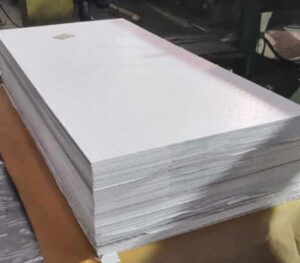
Trova fogli di alluminio 4x10 durevoli e affidabili per le tue esigenze. Esplora la nostra vasta selezione e ordine oggi.
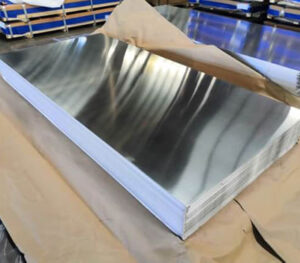
040 Il foglio di alluminio è un tipo di foglio di alluminio che ha uno spessore di 0.04 pollici, che è equivalente a 1.016 millimetri. È un materiale sottile e leggero
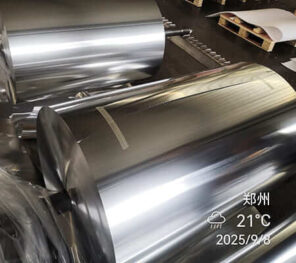
Scopri il foglio di alluminio con rivestimento polimerizzabile ai raggi UV con un'eccellente velocità di polimerizzazione, forte protezione superficiale, e prestazioni affidabili per applicazioni impegnative.
No.52, Dongming Road, Zhengzhou, Henan, Cina
Henan Huawei Aluminum Co., Ltd, Uno dei più grandi fornitori di alluminio in Cina Henan,Siamo fondati nel 2001 e abbiamo una ricca esperienza in prodotti di importazione ed esportazione e in alluminio di alta qualità
Mio - sabato, 8AM - 17:00
Domenica: Chiuso
No.52, Dongming Road, Zhengzhou, Henan, Cina
© Copyright © 2023 Henan Huawei Aluminum Co., Ltd

Ultimi commenti
caro Signore, Please offer your best FOB Prices specs are as under ALUMINIUM STRIP (Al = 99,50% min) MISURARE:450 X32 x6 mm. Il tuo unico 570 En-aw 1050 UN, Quantità = 3400 kg
Ciao, Saresti così gentile da offrire l'oggetto come segue: Coil 0,6х1250 (1000)mm EN AW-3105 5tons
Ciao, Puoi offrirmi piatti in alluminio? Attualmente ho bisogno: 110mm x 1700mm x 1700mm 5083 H111 - 21 pcs Next year planed is 177 PC
Ottimo articolo. Ero felice, che ho cercato questo articolo. Molte persone sembrano farlo, che hanno una conoscenza affidabile su questo argomento, Ma spesso non è il caso. Da qui la mia piacevole sorpresa. Sono impressionato. Consiglio vivamente questo posto e cadrò più spesso, Per vedere cose nuove.
Requisito della striscia in alluminio