The global rise in electric vehicles (elbiler) and energy storage systems has triggered soaring demand for advanced materials in lithium battery manufacturing.
One such material gaining traction is the 3003 H14 aluminiumsspole for litiumbatteriskall applikasjoner.
Combining lightweight properties, utmerket formbarhet, og korrosjonsbestandighet, 3003 H14 offers a practical solution for safe and efficient battery enclosures.
I denne artikkelen, we explore the material’s composition, performance in lithium battery environments, manufacturing advantages, and how it compares to other alloys.

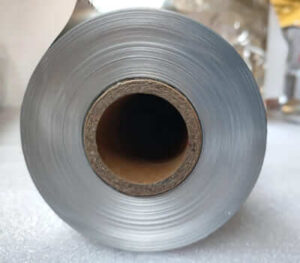
3003 H14 aluminiumsspole for litiumbatteriskall
Here’s a detailed breakdown of the chemical makeup of 3003 aluminiumslegering, suitable for battery shell applications:
| Element | Typisk innhold (%) |
|---|---|
| Aluminium (Al) | 96.6 – 98.6 |
| Mangan (Mn) | 1.0 – 1.5 |
| Kopper (Cu) | 0.05 – 0.20 |
| Silisium (Og) | ≤ 0.6 |
| Stryke (Fe) | ≤ 0.7 |
| Sink (Zn) | ≤ 0.1 |
| Titanium (Av) | ≤ 0.15 |
| Krom (Cr) | ≤ 0.1 |
| Andre (hver) | ≤ 0.05 |
| Andre (total) | ≤ 0.15 |
3003 is a non-heat-treatable alloy that gains strength primarily through cold working.
De H14 temperament indicates that the coil has been strain-hardened to 50% hardhet.
This gives it moderate strength while maintaining excellent formability—an ideal balance for deep drawing and forming required in lithium battery shells.
The table below summarizes the typical mechanical properties of 3003 H14 aluminiumsspole as used in lithium battery shell applikasjoner:
| Eiendom | Typisk verdi | Enhet | Merknader |
|---|---|---|---|
| Strekkstyrke (Endelig) | 140 – 180 | MPa | Provides sufficient strength for structural stability in shell designs |
| Yield Styrke | ≥ 120 | MPa | Ensures the shell resists permanent deformation under internal cell pressure |
| Forlengelse (på 50 mm) | ≥ 5 | % | Indicates good ductility for deep drawing and forming |
| Hardhet (Brinell) | ~47 | HB | Moderate hardness supports impact resistance without cracking |
| Elastisitetsmodul | ~69,000 | MPa | Reflects stiffness and resistance to elastic deformation |
| Utmattelsesstyrke | ~55 | MPa | Suitable for cyclic loading conditions in mobile or EV applications |
| Poissons forhold | ~0.33 | — | Standard value for aluminum alloys |
| Skjærstyrke | ~110 | MPa | Supports resistance against twisting and lateral forces |
The material’s ductility allows for dyptegning, stempling, og bøying operations—critical processes in shaping cylindrical and prismatic battery housings.
Manufacturers favor 3003 H14 for achieving consistent wall thickness in tightly toleranced enclosures.
While not the strongest alloy, 3003 H14 delivers adequate structural integrity to protect internal battery components from mechanical stress and handling during transport and installation.
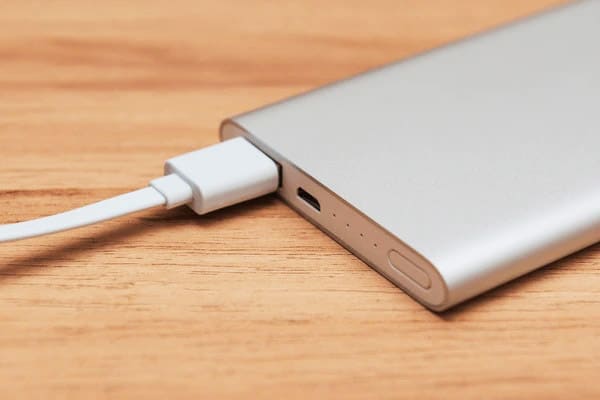
Power Banks and Portable Energy Storage
Thanks to its manganese content, 3003 exhibits strong resistance to oxidation and mild acids, protecting the shell from moisture, luft, and electrolyte vapors—especially important in sealed battery packs.
På about one-third the weight of steel, 3003 H14 enhances energy density by reducing overall battery module mass.
This directly improves EV range and energy system portability.
Compared to higher-strength alloys like 5052 eller rustfritt stål, 3003 H14 aluminiumsspole for litiumbatteriskall applications provides significant cost savings, especially for high-volume manufacturing.
Battery assembly processes involve spot welding, laser welding, or adhesive bonding.
3003 H14 performs well under moderate heat exposure without warping, helping maintain shell integrity.
3003 adheres easily to polymer coatings, insulating films, and adhesives, improving safety and preventing electrical shorts within battery packs.
Although not immersed in electrolytes directly, shell materials must resist chemical vapor or accidental leaks.
3003 aluminum offers stable performance in such controlled environments.
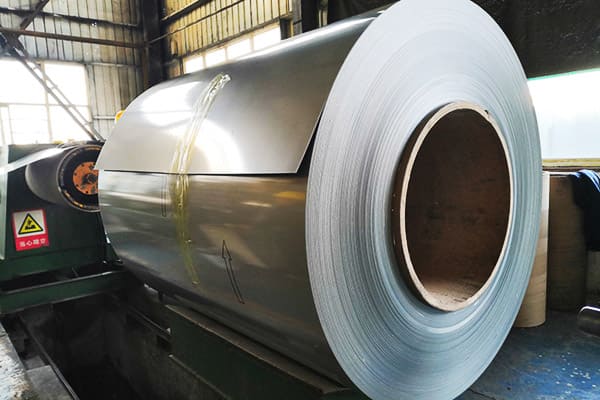
Huawei 3003 H14 aluminiumsspole
In certain designs, the shell may act as a grounding layer or electromagnetic shield.
With ~38% IACS conductivity, 3003 H14 provides functional benefits beyond structural support.
De 3003 H14 aluminum coil is typically available in:
Battery-grade coils often undergo:
It supports:
These methods allow precise assembly of thin-walled enclosures.
Aluminum’s high recyclability supports sustainable battery production. 3003 H14 retains value after end-of-life and aligns with EV circular economy principles.
Choosing the right material for battery shell design involves a balance of strength, formbarhet, vekt, korrosjonsbestandighet, og kostnad.
Mens 3003 H14 aluminiumsspole for litiumbatteriskall applications is a popular choice, it’s essential to understand how it compares with other commonly used materials such as 1060 aluminium, 5052 aluminium, og 304 rustfritt stål.
The following table provides a side-by-side technical comparison:
| Eiendom / Materiale | 3003 H14 aluminium | 1060 Aluminium | 5052 Aluminium | 304 Rustfritt stål |
|---|---|---|---|---|
| Legeringstype | Al-Mn | Rent aluminium (99.6%) | Al-Mg | Fe–Cr–Ni Austenitic Steel |
| Strekkstyrke (MPa) | 140–180 | 95–125 | 210–260 | 515–620 |
| Yield Styrke (MPa) | ≥120 | ~45 | ~160 | ~215 |
| Forlengelse (%) | ≥5 | ≥15 | ≥10 | ≥45 |
| Formbarhet | Glimrende (deep drawing grade) | Glimrende | God | Moderat (requires high force) |
| Korrosjonsbestandighet | God | Moderat | Glimrende | Glimrende |
| Tetthet (g/cm³) | 2.73 | 2.71 | 2.68 | 7.93 |
| Elektrisk ledningsevne | ~38% IACS | ~61% IACS | ~35 % IACS | ~3% IACS |
| Sveisbarhet | God | Glimrende | God | Moderat |
| Koste | Lav | Veldig lav | Medium | Høy |
| Resirkulerbarhet | Høy | Høy | Høy | Høy |
| Suitability for Battery Shell | ✅ Excellent | ✅ Adequate | ✅ Excellent (for structural use) | ⚠️ Overqualified (too heavy) |
Takket være dens utmerkede formbarhet, korrosjonsbestandighet, og kostnadseffektivitet, 3003 H14 aluminiumsspole has become a material of choice for manufacturers of lithium battery shells across multiple industries.
Whether used in cylindrical cells for consumer electronics or large prismatic units for EVs, this aluminum alloy meets the technical and commercial demands of today’s energy systems.
Cylindrical lithium-ion cells are widely used in bærbare datamaskiner, power tools, and electric vehicles.
These cells require shells that are lightweight, seamless, and strong enough to contain internal pressure changes.
De deep-drawing capability av 3003 H14 aluminum makes it ideal for forming the narrow, round housings of 18650 og 21700 batteries with precision.
I tillegg, its smooth surface and good weldability support laser sealing at the cell cap, enhancing safety and production speed.
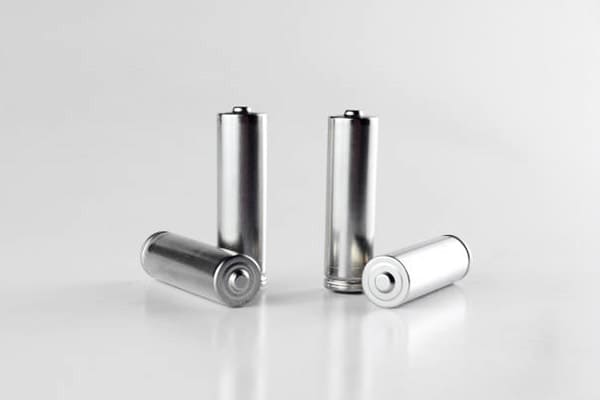
3003 H14 aluminum coil for Cylindrical Cells
As electric vehicles and energy storage systems demand higher energy densities, prismatic cells have grown in popularity.
These larger, rectangular formats benefit from aluminum shells that can be bent and joined into modular blocks.
De moderate strength and formability of 3003 H14 allow for tightly folded corners and thin-wall sections that reduce space and weight without compromising protection.
I denne sammenhengen, 3003 H14 provides a superior alternative to heavier stainless steel or lower-strength pure aluminum, offering the right balance of mechanical support and processing efficiency.
Portable devices, slik som kraftbanker, mobile chargers, and backup battery systems, require slim, stylish casings that can endure daily handling and occasional impacts.
3003 H14 aluminum is frequently chosen for its attractive surface finish, which can be further enhanced with anodizing or decorative coatings.
It offers both mechanical protection and aesthetic appeal, especially in consumer-facing products.
Dessuten, its lightweight nature improves product ergonomics and energy efficiency by reducing the overall mass of the battery pack.
In electric vehicles and smart grids, battery enclosures must meet stringent requirements for sikkerhet, heat dissipation, resirkulerbarhet, and mass production compatibility.
3003 H14 aluminum coil supports these needs through:
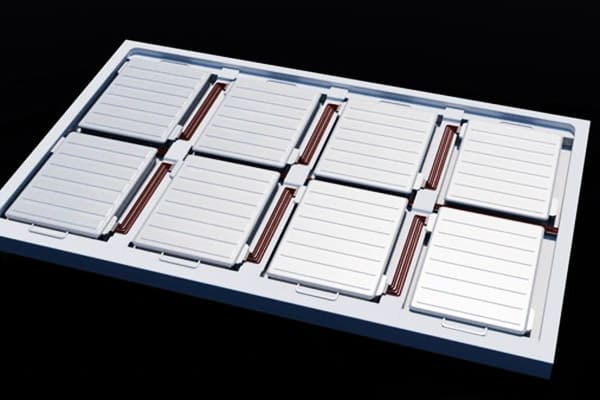
EV Battery Modules used 3003 H14 aluminiumsspole
As lithium battery production scales, supply reliability becomes critical. Henan Huawei aluminium, a leading Chinese supplier, offers:
Their products undergo rigorous quality inspections, ensuring uniformity for automated fabrication.
Velger 3003 H14 aluminiumsspole for litiumbatteriskall design is a strategic decision balancing performance, tilvirkbarhet, og kostnad.
Its deep drawing capabilities, korrosjonsbestandighet, and lightweight nature make it ideal for cylindrical and prismatic cell casings.
Whether you’re scaling battery pack production for EVs or developing compact energy solutions, 3003 H14 offers a proven, efficient material foundation.
Partnering with qualified suppliers like Henan Huawei Aluminum ensures consistency, samsvar, and peace of mind in high-volume operations.
Q1: Er 3003 H14 suitable for high-voltage battery systems?
Ja, when properly coated or insulated, 3003 H14 can be safely used in high-voltage enclosures.
Q2: Kan 3003 H14 aluminum coil be used in pouch cells?
It is generally not used for pouch cells, which prefer laminated foils. Imidlertid, it may be used for outer casings in modular systems.
Q3: What are the standard thicknesses used for battery shells?
Typisk tykkelse varierer fra 0.3mm to 1.2mm, depending on the battery type and application.
Q4: How does surface cleanliness affect battery safety?
A clean, oil-free surface prevents contamination, ensuring adhesion of films and reducing fire risk during operation.
Q5: Hvor kan jeg kjøpe 3003 H14 aluminum coil for lithium battery shell applications?
Trusted suppliers like Henan Huawei aluminium offer certified coils with consistent quality for industrial use.
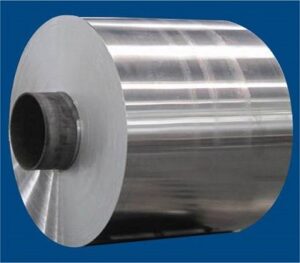
Profesjonell produsent av aluminiumsfolielegering, direkte salgspristilbud, den mest pålitelige leverandøren i Kina beste pris for salg
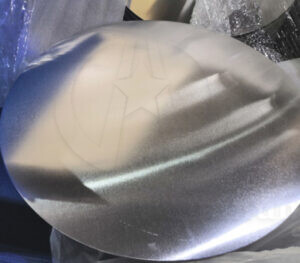
Som en av de viktigste produsentene av aluminiumsirkel på det kinesiske markedet, vår aluminiumsirkel er laget med de beste råvarene og maskineriet, de viktigste produktene inkluderer 1000 serie, 3000 serie, 5000 serie og 8000 serie, med en utgang på mer enn 5000 tonn/mnd
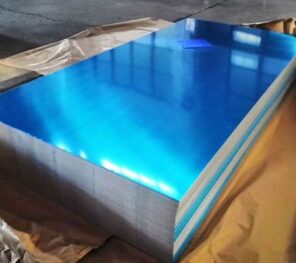
Oppdag marin karakter 5086 H116 aluminiumsplate er pålitelig i skipsbygging, offshore strukturer, og sjøvannsmiljøer for sin utmerkede korrosjonsbestandighet, sveisbarhet, og styrke.

8011 H18 Medisinemballasje Aluminiumsfolie gir utmerket barrierebeskyttelse, fuktmotstand, og mekanisk styrke for farmasøytiske blisterpakninger, tablettemballasje, kapselemballasje, og medisinske applikasjoner.
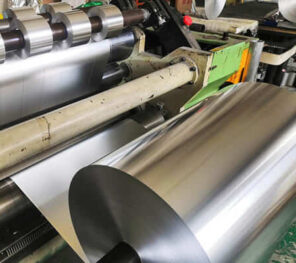
Høytemperaturbestandig belagt aluminiumsfolie gir utmerket varmestabilitet, holdbar beskyttelse, og pålitelig ytelse for krevende bruksområder.
Aluminiumsfolie for vannpipe brukes ofte til å forberede og bruke en vannpipe, også kjent som en shisha eller vannpipe. Det tjener et spesifikt formål i forberedelsen av vannpipen, spesielt i plassering og håndtering av trekull og tobakk.
Nr.52, Dongming Road, Zhengzhou, Henan, Kina
Henan Huawei Aluminium Co., Ltd, En av de største aluminiumsleverandørene i Kina Henan,Vi er etablert i 2001, og vi har rik erfaring innen import og eksport og høykvalitets aluminiumsprodukter
man – lør, 8AM – 17:00
søndag: Lukket
© Copyright © 2023 Henan Huawei Aluminium Co., Ltd

Siste kommentarer
Kjære Sir, Please offer your best FOB Prices specs are as under ALUMINIUM STRIP (AL=99,50 % MIN) STØRRELSE:450 X32 X6 MM. DIN EN 570 EN-AW 1050 EN, ANTALL=3400KG
Hallo, Vil du være så snill å tilby varen som følger: Spole 0,6х1250 (1000)mm EN AW-3105 5tons
Hallo, Kan du tilby meg aluminiumsplater? Egentlig trenger jeg: 110mm x 1700 mm x 1700 mm 5083 H111 - 21 pcs Next year planed is 177 stk
Flott artikkel. Jeg var henrykt, at jeg fant denne artikkelen. Mange tror det, at de har pålitelig kunnskap om dette emnet, men dette er ofte ikke tilfelle. Derfor min hyggelige overraskelse. Jeg er imponert. Jeg vil definitivt anbefale dette stedet og komme tilbake oftere, å se nye ting.
krav til aluminiumslist