Kjernekonsept
8079 aluminiumsfolie er en representant for 8×××-seriens aluminiumslegeringer. Hovedkomponentene er aluminium (Al≥98,3 %), stryke (Fe 1,0–1,5 %), og silisium (Si≤0,05 %).
Den er laget gjennom en kaldvalseprosess og er designet for høye forseglingskrav som mat og medisin.
Som kjernematerialet i "lokk", 8079 aluminiumsfolie er mye brukt i fersk melketrekk, yoghurttrekk, og farmasøytiske kapseldeksler på grunn av dens utmerkede varmeforseglingsytelse og barriereegenskaper.
Kjernefunksjoner
Høy duktilitet: forlengelse ≥15 %, egnet for dyptrekkende komplekse dekkstrukturer.
Korrosjonsbestandighet: overflateoksidlaget motstår syre, alkali- og saltspraymiljøer, forlenger emballasjens levetid.
Forseglingsytelse: jevn tykkelse (vanligvis 20-30 mikron), sterk varmeforseglende liming med plast- eller papirsubstrater.
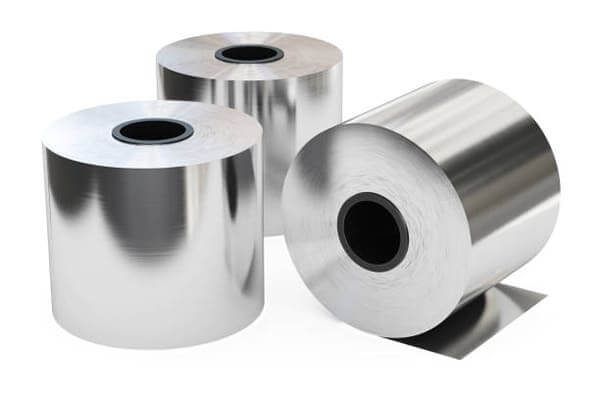
Huawei 8079 display i aluminiumsfolie
Bransjebakgrunn
Med økende krav til sikkerhet og ferskhet av mat- og farmasøytisk emballasje, 8079 aluminiumsfolie har blitt det foretrukne materialet på grunn av dets unike egenskaper.
Den eksepsjonelle ytelsen til 8079 aluminiumsfolie i lokkapplikasjoner kan direkte tilskrives dens spesifikke materialegenskaper, som er nøye kontrollert under produksjonsprosessen.
8079 aluminiumslegering består hovedsakelig av aluminium, med betydelige tilskudd av jern (0.7-1.3%), silisium (0.4-0.9%), og mangan (0.15-0.40%).
Spormengder av andre elementer er også tilstede. Denne spesifikke sammensetningen øker styrken, varmebestandighet, og formbarhet.
| Element | Prosentdel (%) |
| Aluminium (Al) | Balansere |
| Stryke (Fe) | 0.7 – 1.3 |
| Silisium (Og) | 0.4 – 0.9 |
| Mangan (Mn) | 0.15 – 0.40 |
| Kopper (Cu) | ≤ 0.05 |
| Magnesium (Mg) | ≤ 0.05 |
| Sink (Zn) | ≤ 0.05 |
| Titanium (Av) | ≤ 0.03 |
| Andre (hver) | ≤ 0.03 |
| Andre (total) | ≤ 0.10 |
Viktige mekaniske egenskaper som er avgjørende for lokkets ytelse inkluderer:
Disse egenskapene er skreddersydd gjennom prosessering for å passe spesifikke lokkkrav.
Gløding (varmebehandling) mykner folien, gjør den mer duktil og lettere å forme og forsegle. Det lindrer også indre påkjenninger fra rulle.
Graden av gløding bestemmer temperamentet (hardhet), som påvirker egnetheten for ulike lokkapplikasjoner.
Overflateegenskaper er avgjørende for tetting, printing, og belegg:
Kontrollerte overflateegenskaper sikrer pålitelig lokkytelse.
Produksjon av høy kvalitet 8079 aluminiumsfolie for lokk innebærer en rekke nøye kontrollerte prosesser, fra den første støpingen av aluminiumslegeringen til den endelige slissen og pakkingen av folierullene.
De primære trinnene i produksjonen av 8079 aluminiumsfolie for lokk er:
Støping av aluminiumslegering:
Prosessen begynner med å smelte høyrent aluminium og legere det med de angitte mengder jern, silisium, mangan, og andre elementer i henhold til 8079 legeringsstandard.
Den smeltede legeringen støpes deretter inn i store blokker eller plater ved bruk av kontinuerlig støping eller andre avanserte støpeteknikker.
Homogeniteten og kvaliteten til den støpte blokken er avgjørende for de påfølgende valseprosessene og de endelige egenskapene til folien.
Rulling og gløding:
De støpte blokkene blir først utsatt for varmvalsing for å redusere tykkelsen til en mer håndterlig størrelse.
Disse varmvalsede spolene blir deretter ytterligere redusert i tykkelse gjennom flere omganger med kaldvalsing.
Kaldvalsing øker styrken og hardheten til aluminiumet, så mellomgløding utføres i spesifikke stadier for å gjenopprette duktilitet og avlaste indre spenninger.
Det siste rullepasset oppnår ønsket mål (tykkelse) av aluminiumsfolien.
Nøyaktig kontroll over rulletrykket, fart, og temperatur er avgjørende for å sikre jevn tykkelse og de nødvendige mekaniske egenskapene.
Overflatebehandling:
Etter rulling, aluminiumsfolien kan gjennomgå ulike overflatebehandlinger for å forberede den for spesifikke bruksområder. Disse behandlingene kan inkludere:
Belegg og laminering (Valgfri):
For mange lokkapplikasjoner, aluminiumsfolien er belagt med varmeforseglbare lakk eller laminert med polymerfilmer.
Disse beleggene og laminatene gir funksjonaliteten som kreves for forsegling til forskjellige beholdermaterialer og kan også forbedre barriereegenskapene eller gi trykkbare overflater.
Valget av belegg eller laminat avhenger av den spesifikke applikasjonen og materialet til beholderen.
Skjæring og pakking:
De brede rullene med aluminiumsfolie spaltes deretter til smalere ruller med ønsket bredde, i henhold til kundens spesifikasjoner.
Det utføres strenge kvalitetskontroller under slisset for å sikre jevn bredde og for å oppdage eventuelle defekter.
Endelig, de ferdige rullene av 8079 aluminiumsfolie er nøye pakket for å beskytte dem mot skade og forurensning under lagring og transport.
Emballasje involverer vanligvis innpakning med beskyttende materialer og sikring av rullene for å forhindre bevegelse.
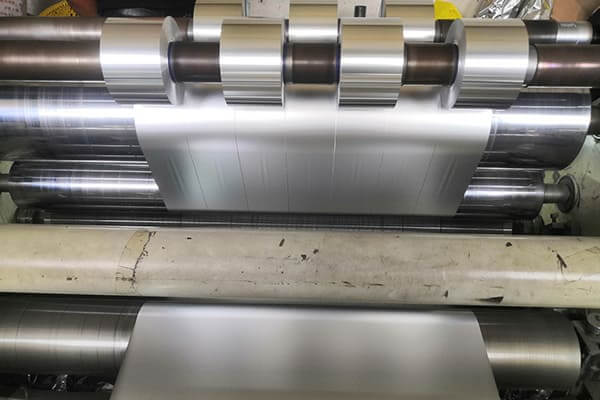
8079 aluminiumsfolie Slitting
Stringent quality control measures are implemented throughout the production process of 8079 aluminum foil to ensure that the final product meets the required specifications and performance standards for lid applications.
These measures include:
Disse strenge kvalitetskontrolltiltakene garanterer det 8079 aluminiumsfolie for lokk er et pålitelig og høyytelses emballasjemateriale.
| Mangel | Forårsake | Løsning |
|---|---|---|
| Pinhole formasjon | Urenheter i uedelt metall | Bruk høyrent aluminiumslegering. |
| Ujevn tykkelse | Rullende unøyaktigheter | Forbedre prosesskontrollsystemer. |
| Dårlig overflatefinish | Feil gløding | Optimaliser varmebehandlingsprosesser. |
De allsidige egenskapene til 8079 aluminiumsfolie gjør det til et ideelt valg for lokkapplikasjoner på tvers av et bredt spekter av bransjer, gir effektiv forsegling og beskyttelse for ulike produkter.
I næringsmiddelindustrien, opprettholde friskhet, forhindrer ødeleggelse, og å sikre mattrygghet er avgjørende.
8079 lokk av aluminiumsfolie spiller en avgjørende rolle for å nå disse målene for en rekke matprodukter:
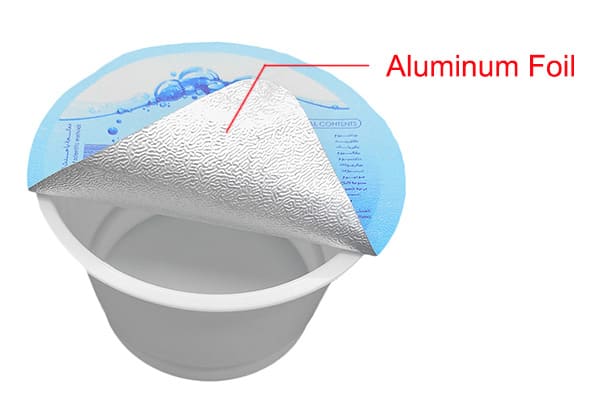
Yoghurtlokk brukte aluminiumsfolie
8079 aluminiumsfolie brukes også i drikkevareindustrien for å forsegle ulike typer beholdere:
De strenge kravene til farmasøytisk industri for produktintegritet og sikkerhet gjør 8079 aluminiumsfolie et uvurderlig materiale for lokkapplikasjoner:
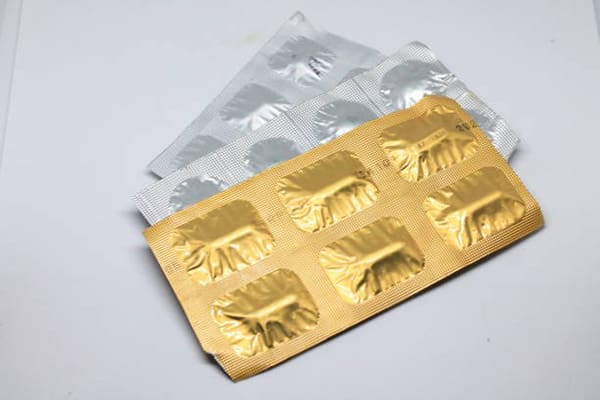
8079 aluminiumsfolie for farmasøytisk emballasje
Utover mat, drikke, og legemidler, 8079 aluminiumsfolie finner anvendelse i ulike industrielle emballasjer:
De forskjellige bruksområdene til 8079 aluminiumsfolie for lokk fremhever dens allsidighet og den kritiske rollen den spiller for å beskytte og bevare et bredt spekter av produkter på tvers av ulike bransjer.
Den utbredte bruken av 8079 aluminiumsfolie for lokk er et bevis på de mange fordelene den tilbyr produsenter, forbrukere, og miljøet.
Forlenget holdbarhet
En av de viktigste fordelene med 8079 aluminiumsfolielokk er deres eksepsjonelle barriereegenskaper.
De blokkerer effektivt overføring av fuktighet, oksygen, lys, og andre gasser som kan føre til produktnedbrytning.
Denne overlegne barrierebeskyttelsen forlenger holdbarheten til emballerte varer betydelig, redusere forfall og avfall, og tillater produsenter å nå bredere markeder.
Forseglingssikre segl
Når riktig forseglet til en beholder, an 8079 lokk av aluminiumsfolie gir en robust forsegling.
Ethvert forsøk på å åpne pakken vil føre til synlig skade på folien, som tydelig viser til forbrukeren om produktet har blitt tuklet med.
Denne funksjonen øker forbrukernes tillit og sikkerhet, spesielt viktig for mat og farmasøytiske produkter.
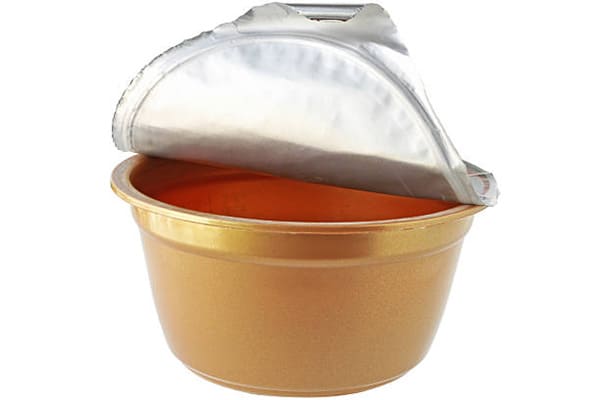
Fordeler med å bruke 8079 Aluminiumsfolie for lokk
Miljøvennlig og resirkulerbar
Aluminium er et svært resirkulerbart materiale, og 8079 aluminiumsfolie er intet unntak.
Gjenvinning av aluminium krever betydelig mindre energi enn å produsere primæraluminium, gjør det til et miljømessig bærekraftig emballasjevalg.
Den høye resirkuleringsgraden til aluminium bidrar til en sirkulær økonomi og reduserer miljøavtrykket til emballasje.
Kostnadseffektiv
Mens 8079 aluminiumsfolie gir førsteklasses ytelse, det er også en kostnadseffektiv emballasjeløsning i det lange løp.
Dens evne til å forlenge holdbarheten reduserer produktets ødeleggelse, og dens lette natur kan redusere transportkostnadene.
I tillegg, de effektive produksjonsprosessene og verdien av resirkulert aluminium bidrar til den totale kostnadseffektiviteten.
Allsidighet for ulike beholdere
8079 aluminiumsfolie kan brukes til å lage lokk som kan forsegles til et bredt utvalg av beholdermaterialer, inkludert plast, glass, og andre metaller.
Denne allsidigheten gjør det til et fleksibelt valg for produsenter som bruker forskjellige emballasjeformater.
Folien kan også enkelt formes og formes for å matche den spesifikke utformingen av beholderen.
Oppsummert, fordelene ved å bruke 8079 aluminiumsfolie for lokk omfatter overlegen produktbeskyttelse, økt forbrukersikkerhet, miljømessig bærekraft, økonomisk effektivitet, og bred anvendelighet på tvers av ulike emballasjebehov.
Velge passende 8079 aluminiumsfolie for lokkapplikasjoner krever nøye vurdering av flere nøkkelfaktorer, inkludert tykkelse, belegg, laminater, og applikasjonsspesifikke krav.
Riktig valg sikrer optimal ytelse, varighet, og samsvar med industristandarder.
Nedenfor er de kritiske aspektene du bør vurdere når du velger 8079 aluminiumsfolie for lokk.
Tykkelsen på 8079 aluminiumsfolie er en avgjørende faktor som påvirker tetningsytelsen, mekanisk styrke, og kostnadseffektivitet.
Standard tykkelsesområde for 8079 aluminiumsfolie som brukes i lokkapplikasjoner er 0,006 mm til 0,2 mm, med tykkere folier som gir større holdbarhet og tynnere folier som gir lettvekts- og kostnadsfordeler.
| Søknad | Anbefalt tykkelse | Begrunnelse |
|---|---|---|
| Matemballasje (Yoghurt, Meieri, Ferdige måltider) | 0.010–0,025 mm | Gir balanse mellom tetningsintegritet og fleksibilitet, sikre langvarig friskhet av bedervelige produkter. |
| Farmasøytiske blisterpakninger | 0.015–0,020 mm | Tilbud tilstrekkelig stivhet å opprettholde integritet under transport mens gir enkel peeling av forbrukere. |
| Drikkelokk og krukker | 0.018–0,025 mm | Sikrer høy punkteringsmotstand og sikker forsegling, forebyggende lekkasje og forurensning. |
| Kosmetiske krukker og industriell kjemisk emballasje | 0.020–0,025 mm | Gir økt holdbarhet og kjemisk motstand, egnet for aggressive miljøer og langtidslagring. |
Når du velger passende tykkelse, det er viktig å vurdere den mekaniske belastningen som lokket vil tåle under håndtering, transport, og lagring.
Tykkere folier foretrekkes for applikasjoner som krever høy punkteringsmotstand og strukturell integritet, mens tynnere folier er ideelle for kostnadssensitiv og lett emballasje.
Alternativene for belegg og laminat for 8079 aluminiumsfolie påvirker tetningsytelsen betydelig, barriereegenskaper, og kompatibilitet med automatiserte pakkesystemer.
Valget av belegg avhenger av de spesifikke kravene til applikasjonen, som forseglingstemperatur, kjemisk motstand, og estetiske hensyn.

8079 aluminiumsfolie for lokk
Varmeforseglbare belegg
De vanligste beleggene påført 8079 aluminiumsfolie for lokkapplikasjoner inkluderer polyetylen (PE), polypropylen (PP), og etylen-vinylacetat (EVA).
Disse beleggene gir utmerket vedheft til plast eller papirbasert emballasjemateriale, sikrer sikre og holdbare tetninger.
| Type belegg | Forseglingstemperatur | Fordeler | Søknader |
|---|---|---|---|
| Polyetylen (PE) | 100–140°C | Utmerket fleksibilitet og vedheft, egnet for lavtemperaturforseglingsprosesser. | Matemballasje, farmasøytiske blisterpakninger. |
| Polypropylen (PP) | 140–160°C | Høy varmebestandighet og holdbarhet, ideell for høytemperaturforseglingsapplikasjoner. | Drikkekapsler, industriell kjemisk emballasje. |
| Etylen-vinylacetat (EVA) | 110–130°C | Overlegen fleksibilitet og åpenhet, ofte brukt til visuelt tiltalende emballasje. | Kosmetiske krukker, ferdige måltider. |
Valget av belegg bør samsvare med forseglingsparametrene til emballasjelinjen og ytelseskravene til sluttproduktet.
For eksempel, PE-belagte folier foretrekkes for forsegling ved lav temperatur, mens PP-belagte folier er egnet for applikasjoner som krever høy varmebestandighet.
Barriere laminater
I tillegg til varmeforseglbare belegg, 8079 aluminiumsfolie kan lamineres med ekstra barrierelag for å forbedre beskyttelsen mot fuktighet, oksygen, og lys.
Disse laminatene er spesielt viktige for produkter med lang holdbarhet eller sensitive formuleringer.
| Barrierelag | Funksjon | Søknader |
|---|---|---|
| EVOH (Etylen-vinylalkoholkopolymer) | Høy oksygenbarriere, hindrer oksidasjon av mat og farmasøytiske produkter. | Meieriprodukter, ferdige måltider, flytende medisiner. |
| PVDC (Polyvinylidenklorid) | Utmerket fukt- og gassbarriere, egnet for høyytelsesemballasje. | Vakuumforseglet mat, farmasøytiske blisterpakninger. |
| KJÆLEDYR (Polyetylentereftalat) | Gir strukturell støtte og UV-beskyttelse, forbedrer visuell appell. | Kosmetiske krukker, high-end matemballasje. |
Barrierelaminater påføres vanligvis ved bruk av co-ekstrudering eller lamineringsteknikker, sikrer jevn dekning og optimal ytelse.
Valget av passende barrierelag avhenger av de spesifikke kravene til det emballerte produktet, som følsomhet for oksygen, fuktighet, eller lyseksponering.
De applikasjonsspesifikke kravene til emballasjesystemet spiller en avgjørende rolle for å bestemme egnetheten til 8079 aluminiumsfolie for lokkapplikasjoner.
Faktorer som temperaturmotstand, kjemisk kompatibilitet, og brukeropplevelse må vurderes for å sikre optimal ytelse og samsvar med regulatoriske standarder.
Temperaturmotstand
8079 aluminiumsfolie er designet for å opprettholde sin strukturelle integritet under både høye og lave temperaturforhold.
Den glødede (O-temperering) tilstand av 8079 aluminiumsfolie gir maksimal fleksibilitet, gjør den egnet for kjølt og frossen matemballasje.
I kontrast, temperert (H22 eller H24) folier gir økt stivhet, noe som gjør dem ideelle for høytemperaturapplikasjoner som matemballasje som kan brukes i mikrobølgeovn eller steriliserte farmasøytiske produkter.
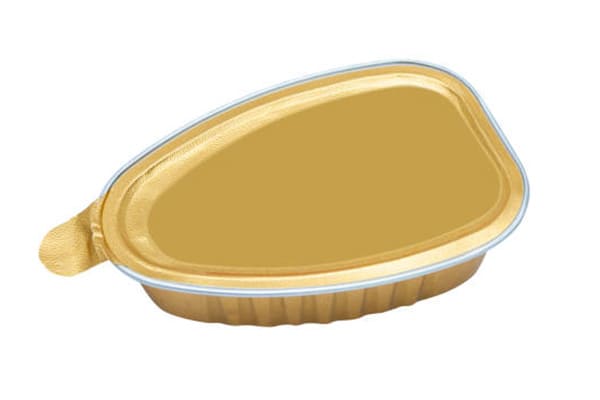
Søknader av 8079 aluminiumsfolie for lokk
Kjemisk kompatibilitet
Den kjemiske kompatibiliteten til 8079 aluminiumsfolie er avgjørende for bruksområder som involverer aggressive stoffer som syrer, baser, eller løsemidler.
Den høye renheten og korrosjonsbestandigheten til 8079 aluminium sikrer minimal interaksjon med det emballerte produktet, forhindrer forurensning eller nedbrytning.
For kjemiske og farmasøytiske bruksområder, det anbefales å velge folier med ekstra barrierelag for å øke kjemisk motstand og stabilitet.
Er 8079 matsikker aluminiumsfolie?
Ja, 8079 aluminiumsfolie er matsikker når den produseres i henhold til god produksjonspraksis og relevante forskrifter for kontakt med mat.
Det er inert og reagerer vanligvis ikke med matvarer. Belegg og lakk som brukes på folien skal også være næringsmiddelgodkjent.
Kan 8079 aluminiumsfolielokk brukes til retortsterilisering?
Ja, aluminiumsfolie tåler de høye temperaturene og trykket som er involvert i retortsteriliseringsprosesser, å lage 8079 et egnet materiale for lokk til matvarer som krever slik behandling.
Den spesifikke ytelsen vil avhenge av måleren og eventuelle belegg eller laminater som brukes.
Hva er holdbarheten på 8079 ruller av aluminiumsfolie?
Ved oppbevaring rent, tørt miljø og beskyttet mot fysisk skade, 8079 aluminiumsfolieruller har lang holdbarhet.
Imidlertid, det er best å bruke materialet innenfor produsentens anbefalte tidsramme for å sikre optimal ytelse av belegg eller laminater.
Kan 8079 aluminiumsfolie trykkes på?
Ja, aluminiumsfolie kan trykkes på ved hjelp av ulike trykkteknikker, som rotogravure eller fleksografi.
Overflatebehandlinger eller primerbelegg kan være nødvendig for å sikre god blekkheft og utskriftsresultater av høy kvalitet.
Hva er forskjellen mellom 8079 og andre aluminiumslegeringer som brukes til lokk?
Ulike aluminiumslegeringer har varierende kjemiske sammensetninger, som resulterer i forskjellige mekaniske og fysiske egenskaper.
8079 legering er spesielt valgt for lokkapplikasjoner på grunn av sin gode styrkebalanse, formbarhet, barriereegenskaper, og varmeforsegling.
Andre legeringer kan være å foretrekke for applikasjoner med andre krav.
Hvordan skal 8079 lokk av aluminiumsfolie oppbevares?
For å opprettholde deres kvalitet og ytelse, 8079 lokk av aluminiumsfolie (enten i rulleform eller ferdigkuttet) bør oppbevares rent, tørt område vekk fra ekstreme temperaturer og fuktighet.
De bør også beskyttes mot fysisk skade eller forurensning.
Er det en bestemt side av 8079 aluminiumsfolie som skal forsegles eller belegges?
Ja, typisk, den ene siden av aluminiumsfolien er behandlet eller belagt med en varmeforseglbar lakk som er designet for å binde seg til beholdermaterialet.
Produsentens spesifikasjoner bør konsulteres for å sikre at riktig side brukes til forsegling eller belegg.
Hvordan virker tykkelsen på 8079 aluminiumsfolie påvirker barriereegenskapene?
Generelt, en tykkere tykkelse av aluminiumsfolie vil gi en bedre barriere mot fuktighet, oksygen, og lett sammenlignet med en tynnere måler av samme legering.
Imidlertid, selv tynne tykkelser av aluminiumsfolie gir utmerkede barriereegenskaper sammenlignet med mange plastfilmer.
8079 aluminiumsfolie for lokk er en allsidig, høyytelsesmateriale egnet for ulike bransjer.
Dens overlegne barriereegenskaper, fleksibilitet, og miljøvennlighet gjør det til det foretrukne valget for mat, drikke, og farmasøytisk emballasje.
Ved å forstå dens egenskaper, produksjonsprosesser, og applikasjoner, du kan ta informerte beslutninger for å optimalisere dine emballasjebehov.

5000 Series Rolled Mirror Aluminium Plate er et høykvalitets aluminiumslegeringsprodukt preget av sin eksepsjonelle overflatereflektivitet (≥85 %) og korrosjonsbestandighet. Produsert gjennom avanserte kaldvalse- og poleringsprosesser, den oppnår en speillignende finish samtidig som den beholder styrken og formbarheten til 5000 serie legeringer.
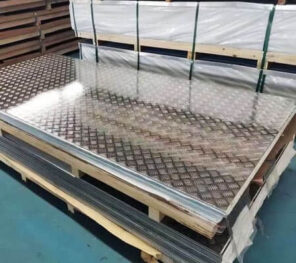
Finn ut hvorfor 6061 T6 aluminium slitebaneplate leverer 310 MPa strekkfasthet, overlegen korrosjonsbestandighet, og pålitelig sklibeskyttelse. Utforsk mekaniske egenskaper, ASTM B632 spesifikasjoner, veiledning for strukturell design, og beste praksis for fabrikasjon – alt i én autoritativ referanse.

Oppdag den perfekte blandingen av styrke og estetikk med sort aluminiumsruteplate. Ideell for gulvbelegg, ramper, og dekorative funksjoner, dette lette materialet sikrer sikkerhet og stil i alle omgivelser.
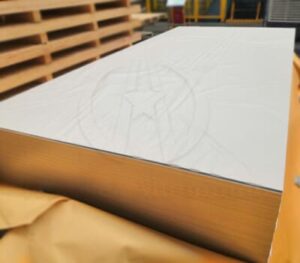
5083 Aluminiumsplater er kjent for sin overlegne ytelse i ekstreme miljøer. 5083 Aluminium er svært motstandsdyktig mot korrosjon fra sjøvann og industrielle kjemiske miljøer.
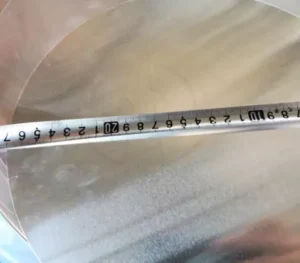
Huawei aluminiumsplater i aluminium eksporteres mye til Ghana, Guatemala, Burkina Faso, Algerie, Togo, Kenya, Nigeria, Sør-Afrika, Marokko og andre afrikanske land; De forente arabiske emirater, Jemen, Qatar, Kuwait, Iran, Jordan, Saudi-Arabia og andre Midtøsten-nasjoner.
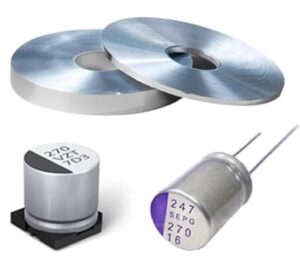
Aluminiumsfolie er en av komponentene i kraftkondensatorutstyr. Tilsetning av aluminiumsfoliemateriale kan ikke bare forbedre kvaliteten på kondensatoren, men også øke spenningsmotstanden til kondensatoren samtidig som ytelsen og levetiden til kondensatoren sikres.
Nr.52, Dongming Road, Zhengzhou, Henan, Kina
Henan Huawei Aluminium Co., Ltd, En av de største aluminiumsleverandørene i Kina Henan,Vi er etablert i 2001, og vi har rik erfaring innen import og eksport og høykvalitets aluminiumsprodukter
man – lør, 8AM – 17:00
søndag: Lukket
© Copyright © 2023 Henan Huawei Aluminium Co., Ltd

Siste kommentarer
Kjære Sir, Please offer your best FOB Prices specs are as under ALUMINIUM STRIP (AL=99,50 % MIN) STØRRELSE:450 X32 X6 MM. DIN EN 570 EN-AW 1050 EN, ANTALL=3400KG
Hallo, Vil du være så snill å tilby varen som følger: Spole 0,6х1250 (1000)mm EN AW-3105 5tons
Hallo, Kan du tilby meg aluminiumsplater? Egentlig trenger jeg: 110mm x 1700 mm x 1700 mm 5083 H111 - 21 pcs Next year planed is 177 stk
Flott artikkel. Jeg var henrykt, at jeg fant denne artikkelen. Mange tror det, at de har pålitelig kunnskap om dette emnet, men dette er ofte ikke tilfelle. Derfor min hyggelige overraskelse. Jeg er imponert. Jeg vil definitivt anbefale dette stedet og komme tilbake oftere, å se nye ting.
krav til aluminiumslist