Aluminiumsskiver for kokekar er tynne, sirkulære plater av aluminiumslegering brukt som base eller kjerne i ulike kjøkkenverktøy.
Deres popularitet stammer fra aluminiums eksepsjonelle varmeledningsevne, lettvekts natur, og formbarhet.
Enten du lager mat på en gasskomfyr, induksjonstopp, eller ovn, aluminiumsskiver sikrer jevn varmefordeling og rask respons på temperaturendringer.
Som global etterspørsel etter effektiv, rimelige kokekar vokser, bruken av aluminiumsskiver har utvidet seg til hybriddesign, som rustfrie stålkledde aluminiumskjerner, for å forbedre ytelsen.
Denne artikkelen går inn i vitenskapen, produksjon, og praktiske aluminiumsskiver, tilby innsikt for produsenter, kokker, og forbrukere.

Aluminiumsskiver for kokekar
Aluminiumsskiver er tilgjengelige i flere legeringer, hver skreddersydd for spesifikke bruksområder:
| Alloy-serien | Vanlige karakterer | Nøkkelfunksjoner |
| 1000 Serie (1050, 1060) | 1050 (99.5% renhet), 1060 (99.6% renhet) | Høy renhet, utmerket korrosjonsbestandighet, ideell for matkontakt. |
| 3000 Serie (3003, 3004) | 3003 (Mn legert), 3004 (Mg/Mn legert) | Forbedret styrke og formbarhet, egnet for dyptrukne kokekar. |
| 5000 Serie (5052, 5754) | 5052 (Mg legert), 5754 (Mg/Mn legert) | Overlegen korrosjonsbestandighet, ofte brukt i marine-grade applikasjoner. |

Huawei aluminiumsskiver Tykkelsesmåling
| Tykkelse (mm) | Søknad |
| 0.3–0,5 | Tynne bakeplater og engangsbeholdere. |
| 0.5–1,5 | Standard stekepanner og gryter. |
| 2.0–4,0 | Førsteklasses kokekar med forbedret holdbarhet. |
| 3.0–5,0 | Trykkokere og kraftige vannkokere. |
Diameterområde: Aluminiumsskiver er tilgjengelig fra 50 mm (små kasseroller) til over 1200 mm (store lagerpotter), imøtekomme ulike kokekarbehov.
Aluminiumsskiver for kokekar gjennomgår presis produksjon for å sikre kvalitet, varighet, og ytelse.
Prosessen kan deles inn i plateproduksjon og dannelse av kokekar, hver med kritiske trinn.
Produksjonen av aluminiumsskiver starter med høykvalitets aluminiums- eller legeringsplater og følger en rekke nøye kontrollerte trinn:

Pakkede aluminiumsskiver fra huawei
Når platene er klargjort, de formes til ferdige kokekarprodukter ved hjelp av forskjellige formingsteknikker:
Aluminiumsskiver for kokekar tjene som grunnlagsmaterialet for et bredt spekter av kjøkkenprodukter.
Deres lette, høy varmeledningsevne, og korrosjonsbestandige egenskaper gjør dem ideelle for ulike bruksområder.
Aluminiumsskiver gir jevn varmefordeling, forhindrer hot spots og sikrer konsekvent matlaging. De er mye brukt til:
Tykkere aluminiumsskiver (typisk 3–5 mm) brukes i trykkokere å tåle høyt trykk og opprettholde strukturell integritet.
Kombinasjonen av termisk effektivitet og styrke sikrer sikkerhet og holdbarhet.

Aluminiumsskiver for trykkokere
Tynne aluminiumsskiver (0.5–1,5 mm) er ideelle for bakeplater og pizzapanner.
De promoterer jevn varmeoverføring, gir jevnt bakevarer og reduserer steketidene.
Aluminiumsskiver danner bunnen av vannkoker og tekanner, gir rask oppvarming og effektiv koking.
Lett konstruksjon gjør håndteringen enklere samtidig som varmeytelsen beholdes.
Aluminiumsskiver fungerer som en stabil base for non-stick belegg slik som PTFE (Teflon) eller keramikk.
Deres glatte overflate og jevne varmefordeling forbedrer ytelsen til kokekar som ikke kleber.

Aluminiumsskiver for non-stick panner
Lette og korrosjonsbestandige aluminiumsskiver brukes også til produksjon boller, blandekar, og lette redskaper, gir holdbarhet uten overdreven vekt.
Aluminiumsskiver for kokekar tilbyr en rekke fordeler som gjør dem til et foretrukket materiale i moderne kjøkkenutstyr.
Samtidig, visse begrensninger krever vurdering under design og bruk.

Aluminiumsskiver Pizzapanner
Sikre sikkerheten til aluminiumsskiver for kokekar er avgjørende for både produsenter og forbrukere.
Riktig behandling, belegg, og legeringsvalg bidrar til å forhindre reaktivitet og opprettholde matsikkerhet.
Aluminium danner naturlig en tynt oksidlag når de utsettes for luft. Dette laget fungerer som en barriere, hindrer direkte kontakt mellom metallet og maten.
Det reduserer risikoen for utvasking av aluminium til sure eller høytemperaturmatvarer.
Anodisering tykner oksidlaget, gjør overflaten hardere, ikke-reaktive, og korrosjonsbestandig.
Kokekar i anodisert aluminium lekker ikke aluminium inn i maten og er trygt for daglig matlaging, selv med sure ingredienser som tomater eller sitrus.
Bruker passende aluminiumslegeringer og temperamenter sikrer mekanisk stabilitet og mattrygghet.
Legeringer i 1000, 3000, og 5000 serie gi den rette balansen mellom formbarhet, styrke, og korrosjonsbestandighet for sikre kokekar.
Overflatebehandlinger og belegg forbedrer ytelse, varighet, og sikkerhet av aluminiumsskiver brukt i kokekar.
Riktig etterbehandling sikrer jevn varmefordeling, korrosjonsbestandighet, og kompatibilitet med non-stick overflater.
Anodisering er en elektrokjemisk prosess som fortykker det naturlige oksidlaget på aluminium. Fordeler inkluderer:
Aluminiumsskiver fungerer som en ideell base for non-stick belegg, som inkluderer:
Fordeler med non-stick belegg:
For å sikre sikkerhet, varighet, og ytelse, aluminiumsplater som brukes i kokekar må overholde anerkjent bransjestandarder og forskrifter.
Disse standardene dekker materialsammensetning, mekaniske egenskaper, og mattrygghet.
De American Society for Testing and Materials (ASTM) gir retningslinjer for aluminiumslegeringer, inkludert:
Overholdelse av ASTM-standarder sikrer at aluminiumsskiver er konsekvent, pålitelig, og egnet for produksjon av kokekar.
Europeiske normer (I) definere spesifikasjoner for aluminiumsmaterialer for det europeiske markedet, inkludert:
Å oppfylle EN-standardene garanterer at kokekar kan selges og brukes trygt i Europa.
Aluminiumsskiver for kokekar må feste seg til sikkerhetsforskrifter for matkontakt, slik som:
Aluminiumsskiver for kokekar er et bevis på materialvitenskap og ingeniørkunst. Deres kombinasjon av termisk effektivitet, lett design, og kostnadseffektivitet gjør dem uunnværlige i moderne kjøkken.
Mens utfordringer som reaktivitet og mykhet eksisterer, Fremskritt innen belegg og legeringsutvikling fortsetter å adressere disse begrensningene.
Ettersom bærekraft blir en prioritet, resirkulerbarheten til aluminiumsplater vil ytterligere styrke deres rolle i miljøvennlige kokekarløsninger.
For produsenter, forstå nyansene ved valg av legeringer, overflatebehandlinger, og samsvarsstandarder er nøkkelen til å produsere høy kvalitet, trygge produkter.
For forbrukere, å velge kokekar med belagt eller anodisert aluminium sikrer lang levetid og helsemessige fordeler.
1. Er aluminiumsskiver trygge for matlaging?
Ja, når riktig belagt eller anodisert. Det naturlige oksidlaget og moderne belegg forhindrer at aluminium lekker ut i maten.
2. Kan kokekar av aluminium brukes på induksjonskomfyrer?
Aluminium alene er ikke magnetisk, så det krever et ferromagnetisk lag (f.eks., rustfritt stål) for induksjonskompatibilitet.
3. Hva er den beste legeringen for kokekar av aluminium?
1050 og 1060 serien er ideelle for matkontakt på grunn av sin høye renhet og korrosjonsbestandighet.
4. Hvordan rengjør jeg kokekar av aluminium?
Unngå skurende rengjøringsmidler; bruk milde vaskemidler og myke svamper for å bevare belegg.
5. Er miljøvennlige kokekar av aluminium?
Ja, aluminium er 100% resirkulerbar, gjør det til et bærekraftig valg for miljøbevisste forbrukere.
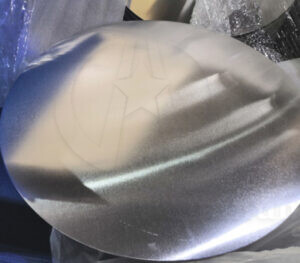
Som en av de viktigste produsentene av aluminiumsirkel på det kinesiske markedet, vår aluminiumsirkel er laget med de beste råvarene og maskineriet, de viktigste produktene inkluderer 1000 serie, 3000 serie, 5000 serie og 8000 serie, med en utgang på mer enn 5000 tonn/mnd

8011 H18 Medisinemballasje Aluminiumsfolie gir utmerket barrierebeskyttelse, fuktmotstand, og mekanisk styrke for farmasøytiske blisterpakninger, tablettemballasje, kapselemballasje, og medisinske applikasjoner.

Lær hvordan non-stick aluminiumsfolie fungerer, sine høyytelsesbelegg, varmebestandighet, og fordeler innen mattrygghet og bærekraft. En må-lese guide for kokker og produsenter.
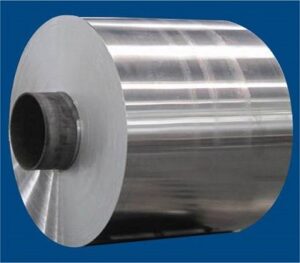
Profesjonell produsent av aluminiumsfolielegering, direkte salgspristilbud, den mest pålitelige leverandøren i Kina beste pris for salg

De 5052 anodisert speilplate er en type aluminiumsplate som har gjennomgått en anodiseringsprosess, resulterer i en reflekterende overflate. Materialet er primært laget av 5052 aluminiumslegering, som er kjent for sin utmerkede korrosjonsbestandighet og gode formbarhet.
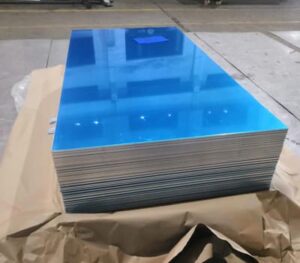
Aircraft Grade Aluminium Sheet Plate er en legering som har gjennomgått spesiell behandling som høytemperaturoksidasjon, og tåler tusenvis av grader med høy temperatur eller sterk påvirkning.
Nr.52, Dongming Road, Zhengzhou, Henan, Kina
Henan Huawei Aluminium Co., Ltd, En av de største aluminiumsleverandørene i Kina Henan,Vi er etablert i 2001, og vi har rik erfaring innen import og eksport og høykvalitets aluminiumsprodukter
man – lør, 8AM – 17:00
søndag: Lukket
© Copyright © 2023 Henan Huawei Aluminium Co., Ltd

Siste kommentarer
Kjære Sir, Please offer your best FOB Prices specs are as under ALUMINIUM STRIP (AL=99,50 % MIN) STØRRELSE:450 X32 X6 MM. DIN EN 570 EN-AW 1050 EN, ANTALL=3400KG
Hallo, Vil du være så snill å tilby varen som følger: Spole 0,6х1250 (1000)mm EN AW-3105 5tons
Hallo, Kan du tilby meg aluminiumsplater? Egentlig trenger jeg: 110mm x 1700 mm x 1700 mm 5083 H111 - 21 pcs Next year planed is 177 stk
Flott artikkel. Jeg var henrykt, at jeg fant denne artikkelen. Mange tror det, at de har pålitelig kunnskap om dette emnet, men dette er ofte ikke tilfelle. Derfor min hyggelige overraskelse. Jeg er imponert. Jeg vil definitivt anbefale dette stedet og komme tilbake oftere, å se nye ting.
krav til aluminiumslist