Den globale byggebransjen står overfor et kritisk imperativ: levere energieffektive bygninger uten å gå på bekostning av strukturell integritet eller estetisk fleksibilitet.
Følgelig, aluminiumsfolie for isolerte sandwichpaneler har dukket opp som en uunnværlig materialløsning, bygge bro mellom termisk ytelse og praktisk produksjon.
Denne analysen undersøker metallurgisk teknikk, application-specific performance, and strategic selection criteria that define high-performance aluminum foil in contemporary building systems.
Aluminum foil serves as the primary reflective and protective layer in insulated sandwich panels, typically laminated to polyurethane (PUR), polyisocyanurate (PIR), mineral wool, or EPS cores.
Videre, the material exhibits unique properties that polymer alternatives cannot match:
Henan Huawei Aluminium Co., Ltd utnytter tiår med metallurgisk ekspertise for å produsere spesialiserte foliekvaliteter optimalisert for disse termiske konvoluttapplikasjonene, sikre at arkitekter og produsenter oppnår både kodeoverholdelse og langsiktig holdbarhet.

Aluminiumsfolie for isolerte sandwichpaneler
Ikke alle aluminiumslegeringer fungerer like godt i isolerte panelsystemer.
Utvalget mellom 8011 (Al-Fe-Si) og 3003 (Al-Mn) legeringer har betydelig innvirkning på både produksjonseffektivitet og sluttbruksytelse.
| Ytelsesparameter | 8011 Aluminiumsfolie | 3003 Aluminiumsfolie | Teknisk implikasjon |
| Strekkstyrke (O-temperering) | 80–110 MPa | 95–135 MPa | 3003 gir 20% høyere stivhet for bruk med stående sømmer |
| Forlengelse (%) | 20–30 | 25–35 | 3003 tilbyr overlegen dyptrekking for komplekse profiler |
| Korrosjonsbestandighet | Glimrende (naturlig Al203) | Overlegen (Mn-forbedret) | 3003 foretrukket for kyst-/høyfuktighetsmiljøer |
| Termisk ledningsevne | 205–220 W/(m·K) | 190–210 W/(m·K) | 8011 gir marginalt bedre varmeavledning |
| Kostnadsindeks | 1.0 (grunnlinje) | 1.15–1.25 | 8011 gir økonomisk fordel for store prosjekter |
| Sveisbarhet | God | Glimrende | 3003 letter feltsveising av panelskjøter |
Kritisk innsikt:
Mens 3003 gir overlegen mekanisk styrke for strukturelle sandwichpaneler utsatt for vindbelastninger som overstiger 2.0 kPa, 8011 dominerer markedet for standard vegg- og takapplikasjoner på grunn av dens optimale balanse mellom formbarhet og kostnadseffektivitet.
Dessuten, Henan Huawei Aluminium Co., Ltd tilbyr begge legeringene i temperamenter som spenner fra mykglødet (O) til halvhardt (H14), slik at produsentene kan matche spesifikke paneldesignbelastninger.

Huawei pregede aluminiumsfolieruller
Den termiske ytelsen til aluminiumsfolie i sandwichpaneler involverer sofistikerte varmeoverføringsmekanismer som strekker seg utover grunnleggende refleksjon.
Radiativ varmeoverføringskontroll
Folieoverflaten fungerer som en lavemissivitet (lav-e) barriere. Nærmere bestemt, emissivitetsverdier varierer 0,03–0,05 for lysglødet folie versus 0.90 for oksidert stål.
Følgelig, installasjon av sandwichpaneler med aluminiumsoverflate reduserer bygningens kjølebelastning med 15–25 % i tropisk klima, direkte innvirkning på HVAC-dimensjonering og operasjonelle karbonfotavtrykk.
Conductive Pathway Management
Aluminiums høye varmeledningsevne (205 M/(m·K)) Paradoksalt nok fordeler panelytelsen når den er riktig konstruert.
I dobbelskinnede fasader, denne egenskapen muliggjør rask varmeavledning fra den ytre huden, forhindrer termisk etterslep som forringer innendørskomforten.
Videre, materialets termiske ekspansjonskoeffisient (23.2×10⁻⁶/°C) samsvarer nøye med stålkonstruksjonselementer, minimere spenningsforskjeller over panelskjøter under daglige temperatursvingninger på 40°C eller mer.
Hensyn til brannytelse
I motsetning til misoppfatninger om at aluminium "smelter" i branner, aluminiumsfolie i sandwichpaneler forbedrer faktisk brannsikkerhetsprofiler:
Ulike isolerte panelarkitekturer krever distinkte foliespesifikasjoner.
Følgende oversikt illustrerer hvordan aluminiumsfolie tilpasser seg ulike konstruksjonsutfordringer:
PUR/PIR kjernepaneler (Kjølelager & Industribygg)

Isolerte sandwichpaneler for konstruksjon
Akustikkpaneler av mineralull (Kommersielt interiør)
EPS/XPS Takpaneler (Bolig & Landbruk)
Transformasjonen av primæraluminium til høybarrierefolie for sandwichpaneler krever presisjonsmetallurgi.
Henan Huawei Aluminium Co., Ltd bruker avanserte prosesseringsprotokoller som skiller konstruksjonskvalitetsfolie fra standard emballasjematerialer:
Rullende presisjon
Termisk prosessering
Overflateteknikk

HVAC brukte isolerte sandwichpaneler
Moderne konstruksjonsspesifikasjoner krever i økende grad livssyklusvurdering (LCA) samsvar.
Aluminiumsfolie i sandwichpaneler gir overbevisende miljømessige egenskaper:
Resirkulerbarhet uten nedgradering
I motsetning til isolasjonsbarrierer av laminert plast, aluminiumsfolie skilles rent fra polymerkjerner ved endt levetid.
Dessuten, resirkulert aluminium beholder 95% av primærmetallegenskaper, muliggjør uendelige materialløkker.
Henan Huawei Aluminium Co., Ltd bruker 50–70 % resirkulert innhold i sin 8011 legeringsproduksjon, redusere karbonavtrykket med 8–10 kg CO₂e per kilo folie.
Embodied energioptimalisering
Mens primæraluminiumproduksjon krever 12–15 kWh/kg, energibesparelsene under bygningsdriften oppveide raskt denne investeringen:
Lettvekts transportfordeler
På 2.7 g/cm³ tetthet, aluminiumspaneler reduserer transportutslipp med 60% sammenlignet med sement-fiber alternativer.
Følgelig, et standard gardinveggprosjekt sparer ca 12 tonn transport CO₂ per 1000m² fasade.
Pålitelig termisk ytelse krever streng kvalitetskontroll. Spesifiserer bør verifisere følgende samsvarsmatrise når de anskaffer sandwichpanelfolie:
| Testparameter | Standard metode | Akseptkriterier | Henan Huawei Aluminium Samsvar |
| Strekkstyrke | ASTM E8 | 80–120 MPa (O-temperering) | Sertifisert per batch (3.1 mølletestsertifikat) |
| Forlengelse | ASTM E8 | >20% | 22–28 % typisk |
| Refleksjonsevne (OG) | ASTM C1371 | >90% | 95–97 % (lyst glødet) |
| Pinhole Count | Elektrolytisk (FRA 55531) | <10/m² (Grad A) | <5/m² for 80μm+ målere |
| Adhesjon (Skrellstyrke) | ASTM F904 | >2.5 N/cm | 3.5–4,5 N/cm med PUR-skum |
| Saltspraymotstand | ASTM B117 | >500 timer (belagt) | 720+ timer (kromatfri) |
| Brannreaksjon | I 13501-1 | Klasse A2 (ikke brennbart) | A2-s1,d0 (samsvarer med røyk/toksisitet) |
Å velge den optimale spesifikasjonen for aluminiumsfolie krever balansering av termisk, strukturelle, og økonomiske faktorer. Vurder denne beslutningsrammen:
For kjølelagring med høy luftfuktighet (Frossenmatlogistikk) Spesifiser 8011-O, 100–120 μm med lakkert overflate.
Den ekstra tykkelsen forhindrer håndteringsskader under panelmontering, while the lacquer resists condensation corrosion in -25°C to +30°C cycling environments.
For Architectural Facades (Aesthetic + Termisk) Velge 3003-H16, 60–80 μm with PVDF-coated surface.
The harder temper provides rigidity for concealed-fix panel systems, while color coating eliminates secondary painting and provides 20-year UV resistance.
For Acoustic Industrial Partitions Utilize 8011-O, perforert 80 μm with 1.5mm hole diameter on 3mm centers.
This configuration maximizes sound absorption at 1000–4000 Hz (human speech frequencies) while maintaining thermal insulation.
Henan Huawei Aluminium Co., Ltd provides comprehensive technical consultation to match these specifications with project requirements, offering custom slitting (widths 20–1600mm), embossing patterns, and surface treatments tailored to specific climatic zones and building codes.
Aluminiumsfolie for isolerte sandwichpaneler representerer langt mer enn et enkelt reflekterende lag. Ganske, det utgjør en presisjonskonstruert komponent som dikterer bygningens energiytelse, brannsikkerhet, og lang levetid.
Utvalget mellom 8011 og 3003 legeringer, optimalisering av overflatebehandlinger, og kontroll av metallurgisk kvalitet påvirker direkte hvorvidt en bygning oppnår passivhusstandarder eller lider av kuldebrofeil innen fem år.
Etter hvert som byggebransjen går mot netto-null-mål, rollen til høyytelses aluminiumsfolie vil bare forsterkes.
Produsenter liker Henan Huawei Aluminium Co., Ltd fortsette å skyve metallurgiske grenser, leverer folier som ikke bare oppfyller gjeldende EN- og ASTM-standarder, men som forutser morgendagens strenge energikoder.
Ved å forstå det nyanserte samspillet mellom legeringskjemi, termisk fysikk, og produksjonspresisjon, spesifikasjoner kan utnytte aluminiumsfolie for å lage bygningskonvolutter som er genuint bærekraftige – energieffektive i drift, holdbar i tjeneste, og resirkulerbar ved endt levetid.
Kontakt Henan Huawei Aluminium Co., Ltd for detaljerte tekniske datablader, prøvemateriale for adhesjonstesting, og tilpassede legeringsanbefalinger for dine spesifikke produksjonskrav for sandwichpaneler.

Høybarrierebelagt aluminiumsfolie 30 µm konstruert for lokk, retort og farmasøytiske laminater — tight gauge-kontroll, lavt antall pinhole og forutsigbar tetningskartlegging for høyhastighetsomformere.
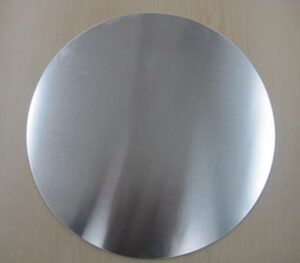
3004 aluminiumssirkel ,også navngitt 3004 aluminiumsskive,3004 aluminiumsskive, den er laget ved stempling 3004 aluminiumsspoler.
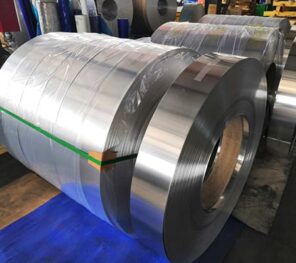
Leter etter 5005 aluminiumslist? Utforsk tilpassede tykkelser, bredder, og temperamenter med god korrosjonsbestandighet og utmerket anodiseringspotensial.

5052 Aluminium Disc er en Al-Mg-legering kjent for sin utmerkede korrosjonsbestandighet, høy utmattelsesstyrke, og overlegen brukbarhet.
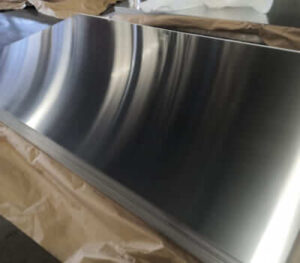
5×10 aluminiumsplater er en vanlig spesifikasjon av aluminiumsplate produsert av aluminiumsplateprodusenter,det er det 5 fot bred og 10 fot lang.
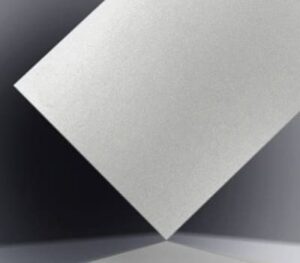
Anodisert aluminiumsplate er en aluminiumsplate plassert i den tilsvarende elektrolytten (slik som svovelsyre, kromsyre, oksalsyre, osv.) som en anode, og elektrolyse utføres under spesifikke forhold og virkningen av ekstern strøm.
Nr.52, Dongming Road, Zhengzhou, Henan, Kina
Henan Huawei Aluminium Co., Ltd, En av de største aluminiumsleverandørene i Kina Henan,Vi er etablert i 2001, og vi har rik erfaring innen import og eksport og høykvalitets aluminiumsprodukter
man – lør, 8AM – 17:00
søndag: Lukket
© Copyright © 2023 Henan Huawei Aluminium Co., Ltd

Siste kommentarer
Kjære Sir, Please offer your best FOB Prices specs are as under ALUMINIUM STRIP (AL=99,50 % MIN) STØRRELSE:450 X32 X6 MM. DIN EN 570 EN-AW 1050 EN, ANTALL=3400KG
Hallo, Vil du være så snill å tilby varen som følger: Spole 0,6х1250 (1000)mm EN AW-3105 5tons
Hallo, Kan du tilby meg aluminiumsplater? Egentlig trenger jeg: 110mm x 1700 mm x 1700 mm 5083 H111 - 21 pcs Next year planed is 177 stk
Flott artikkel. Jeg var henrykt, at jeg fant denne artikkelen. Mange tror det, at de har pålitelig kunnskap om dette emnet, men dette er ofte ikke tilfelle. Derfor min hyggelige overraskelse. Jeg er imponert. Jeg vil definitivt anbefale dette stedet og komme tilbake oftere, å se nye ting.
krav til aluminiumslist