Oppdag de essensielle egenskapene til aluminiumsisolasjonsfolie, inkludert produksjonsprosessen, fysiske egenskaper, og ulike bruksområder innen konstruksjon, industri, og transport. Lær hvordan dette innovative materialet forbedrer energieffektivitet og bærekraft i ulike sektorer.
Aluminum insulation foil is a highly reflective material primarily used for thermal insulation in various applications, inkludert konstruksjon, industrielt utstyr, og transport.
It consists of a thin layer of aluminum, which is known for its excellent reflective properties, combined with other insulating materials to enhance its thermal performance.

What is aluminum insulation foil
The foil acts as a barrier to radiant heat transfer, making it an effective solution for maintaining temperature control in buildings and equipment.
The development of aluminum insulation foil can be traced back to the mid-20th century when the need for energy-efficient building materials became increasingly apparent.
As energy costs rose and environmental concerns grew, de construction industry sought innovative solutions to improve thermal performance.
Aluminum foil emerged as a viable option due to its lightweight nature, høy reflektivitet, and resistance to moisture and corrosion.
Gjennom årene, advancements in manufacturing techniques and material science have led to the creation of various composite forms of aluminum insulation foil, enhancing its effectiveness and application range.
Aluminum insulation foil typically consists of the following components:
The manufacturing process of aluminum insulation foil is a complex and multi-step procedure that transforms raw materials into a highly effective thermal insulation product.
This process involves several key stages, each critical to ensuring the quality, ytelse, and durability of the final product.
Under, we will explore each step in detail, providing insights into the technologies and methodologies employed throughout the manufacturing process.
The first step in the manufacturing process involves sourcing and preparing the raw materials.
The primary raw material for aluminum insulation foil is aluminum, which is typically derived from bauxite ore through a series of refining processes.
The preparation of aluminum involves the following sub-steps:
Once the aluminum is produced, it is processed into thin sheets or foils.
This step involves several critical processes:

Aluminum insulation foil production
After the aluminum foil is produced, it undergoes surface treatment to enhance its properties and prepare it for lamination.
This step may include:
The next step involves laminating the aluminiumsfolie with insulating core materials to create a composite product.
This process is crucial for enhancing the thermal performance of the insulation foil.
The lamination process includes:
Once the lamination is complete, the composite aluminum insulation foil is cut and trimmed to the desired dimensions.
This step involves:
Quality control is a critical aspect of the manufacturing process, ensuring that the aluminum insulation foil meets industry standards and customer specifications.
This step includes:
The final step in the manufacturing process involves packaging the aluminum insulation foil for distribution.
This step includes:
One of the most significant properties of aluminum insulation foil is its high radiant reflectivity, typically exceeding 90%.
This means that it can reflect a substantial amount of radiant heat, making it an effective barrier against heat transfer.
The reflective surface minimizes heat gain in summer and heat loss in winter, contributing to energy efficiency in buildings.
Aluminum is an excellent conductor of heat and electricity. Imidlertid, when used as insulation, the foil’s primary function is to reflect rather than conduct heat.
The insulating core material significantly reduces thermal conductivity, ensuring that the overall assembly provides effective thermal insulation.
The electrical conductivity of aluminum also makes it suitable for applications where electromagnetic interference (EMI) shielding is required.
Aluminum insulation foil exhibits excellent barrier performance against moisture, luft, and vapor.
This characteristic is crucial in preventing condensation and mold growth within building structures.
The foil’s impermeability helps maintain the integrity of the insulation system, sikre langsiktig ytelse.
Aluminum insulation foil demonstrates remarkable thermal stability, maintaining its properties across a wide range of temperatures.
It can withstand extreme heat and cold without degrading, making it suitable for various applications, including those in harsh environments.
The primary advantage of aluminum insulation foil lies in its thermal insulation capabilities.
By reflecting radiant heat, it significantly reduces the amount of heat that enters or escapes a building or equipment.
This performance leads to lower energy consumption for heating and cooling, resulting in cost savings and reduced environmental impact.
Aluminum insulation foil is lightweight, making it easy to handle and install.
Its durability ensures that it can withstand environmental factors such as moisture, UV-stråling, and temperature fluctuations without losing effectiveness.
This longevity contributes to lower maintenance costs over time.

Core Performance Advantages
Aluminum insulation foil is a sustainable choice, as aluminum is recyclable and can be reused without losing its properties.
I tillegg, the energy savings achieved through its use contribute to reduced greenhouse gas emissions, i tråd med globale bærekraftsmål.
The material is also non-toxic and safe for use in various applications.
Aluminum insulation foil can be classified into several composite forms, hver designet for spesifikke bruksområder:
Multi-layer Composite (Multifoil): This innovative form consists of multiple layers of aluminum foil and insulating materials, creating a highly effective thermal barrier.
The multilayer design enhances thermal performance by reducing heat transfer through conduction, convection, og stråling.
Aluminum insulation foil plays a crucial role in energy-saving systems within buildings:
I industrielle omgivelser, aluminum insulation foil is utilized for:

Aluminium insulation foil Pipeline used
Aluminum insulation foil is increasingly used in the transportation sector:
Aluminum insulation foil finds applications in specialized fields:
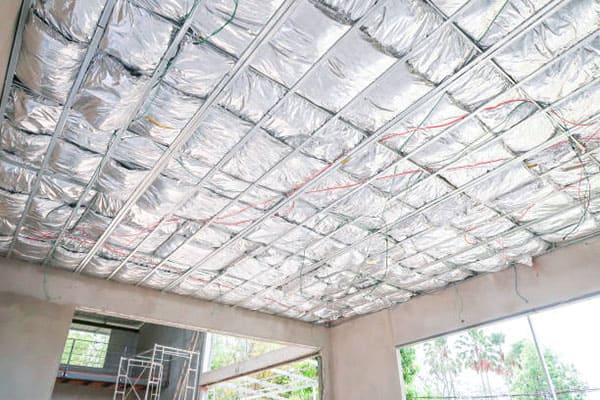
Isolasjon Aluminiumsfolie Engineering Application
Aluminum insulation foil must meet various international standards to ensure quality and performance:
Several certifications validate the quality and safety of aluminum insulation foil:

Huawei jumborull av aluminiumsfolie
Aluminum insulation foil works by reflecting radiant heat away from a surface, thereby reducing heat transfer.
It is often used in conjunction with other insulating materials to enhance overall thermal performance.
Ja, aluminum insulation foil is environmentally friendly as it is recyclable and contributes to energy savings, reducing greenhouse gas emissions.
Aluminum insulation foil is versatile and can be used in various climates.
Imidlertid, proper installation is crucial to ensure its effectiveness in preventing moisture issues.
The best applications include building insulation, industrial equipment protection, transport, and specialized fields like cold chain packaging.
Installation involves ensuring a clean surface, applying adhesive if necessary, and sealing edges to prevent air leaks.
It is advisable to follow manufacturer guidelines for optimal results.
Aluminum insulation foil is a highly effective material that offers numerous advantages in thermal insulation, energieffektivitet, og miljømessig bærekraft.
Its unique properties, including high reflectivity, lettvekts natur, og holdbarhet, make it suitable for a wide range of applications across various industries.
As the demand for energy-efficient solutions continues to grow, aluminum insulation foil will play a pivotal role in shaping the future of insulation technology.
Understanding its properties, applikasjoner, and standards is essential for professionals in construction, produksjon, og transport, ensuring that they can leverage this innovative material to achieve optimal performance and sustainability in their projects.
Oppsummert, aluminum insulation foil stands out as a versatile and effective solution for modern insulation needs, contributing to energy savings, miljøvern, and enhanced performance across multiple sectors.
As technology advances and new applications emerge, the role of aluminum insulation foil will undoubtedly expand, solidifying its place as a cornerstone of energy-efficient design and construction.
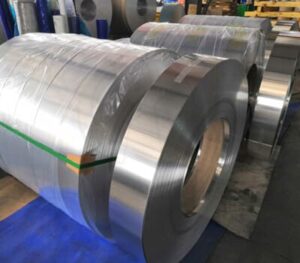
1060 aluminiumsbåndkabler har utmerket bæreevne, spesielt selvbærende kapasitet. En aluminiumstråd kan være så lang som 4000 meter uten å falle, mens en kobberkabel bare kan nå 2750 meter.
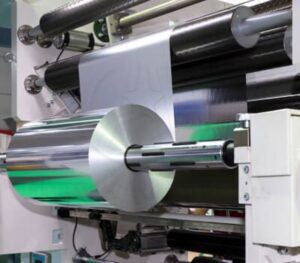
Kraftig aluminiumsfolie gir ekstra styrke og rivebestandighet. Mange kokker bruker den til baking, grilling, og lagring. De fleste folieruller merket "tung plikt" er mellom 0.0008" og 0.001" tykk, som er omtrent 0,02032-0,0254 mm i nasjonale enheter
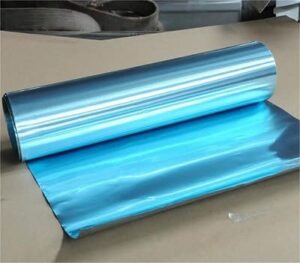
Eksport av belagt aluminiumsfolie råvarer, fabrikkforsyning med den beste prisen, høy kvalitet, korrosjonsbestandighet og lang levetid

5052 Aluminium Disc er en Al-Mg-legering kjent for sin utmerkede korrosjonsbestandighet, høy utmattelsesstyrke, og overlegen brukbarhet.
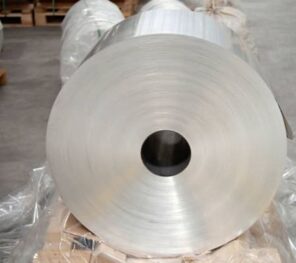
Utforsk de unike egenskapene, produksjonsprosesser, og omfattende anvendelser av 1060 aluminiumsfolie. Finn ut hvorfor denne høyrenhetslegeringen er viktig i emballasje, elektronikk, VVS, og mer.
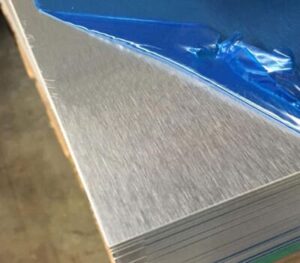
3003 aluminiumsplate er en legering med meget god korrosjonsbestandighet og moderat styrke, grunnen til at dette metallet er mye brukt er fordi det er rimelig og sterkt.
Nr.52, Dongming Road, Zhengzhou, Henan, Kina
Henan Huawei Aluminium Co., Ltd, En av de største aluminiumsleverandørene i Kina Henan,Vi er etablert i 2001, og vi har rik erfaring innen import og eksport og høykvalitets aluminiumsprodukter
man – lør, 8AM – 17:00
søndag: Lukket
© Copyright © 2023 Henan Huawei Aluminium Co., Ltd

Siste kommentarer
Kjære Sir, Please offer your best FOB Prices specs are as under ALUMINIUM STRIP (AL=99,50 % MIN) STØRRELSE:450 X32 X6 MM. DIN EN 570 EN-AW 1050 EN, ANTALL=3400KG
Hallo, Vil du være så snill å tilby varen som følger: Spole 0,6х1250 (1000)mm EN AW-3105 5tons
Hallo, Kan du tilby meg aluminiumsplater? Egentlig trenger jeg: 110mm x 1700 mm x 1700 mm 5083 H111 - 21 pcs Next year planed is 177 stk
Flott artikkel. Jeg var henrykt, at jeg fant denne artikkelen. Mange tror det, at de har pålitelig kunnskap om dette emnet, men dette er ofte ikke tilfelle. Derfor min hyggelige overraskelse. Jeg er imponert. Jeg vil definitivt anbefale dette stedet og komme tilbake oftere, å se nye ting.
krav til aluminiumslist