Oppdag de viktigste forskjellene mellom aluminiumslegeringer 2024 vs 7075. Lær deres kjemiske sammensetning, mekaniske egenskaper, og ideelle applikasjoner i romfart, bilindustrien, og sportsutstyr.
I romfartsteknikk, materialvalg driver vekten, styrke, pålitelighet, og til slutt misjonssuksess. Sammenstøtet mellom 2024 vs 7075 aluminium har strukket seg over flere tiår, men samtalen forblir like relevant som alltid i 2024 og utover.
Denne artikkelen skjærer gjennom hypen for å levere praktisk, datadrevet innsikt om hvordan «2024 vs 7075» presterer i virkelige flystrukturer, komponenter, og fabrikasjonsarbeidsflyter.
Forvent en ærlig, brukersentrert titt på egenskaper, behandling, kostnader, og designveiledning du kan søke i dag.
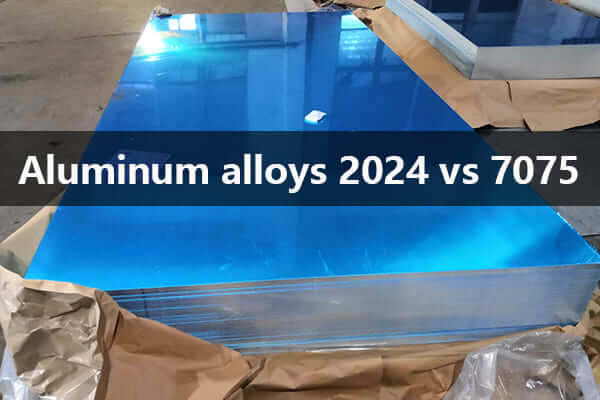
Aluminiumslegeringer 2024 vs 7075
| Element | 2024 (Al-Cu-Mg) | 7075 (Al-Zn-Mg-Cu) |
| Aluminium (Al) | ~90,7–94,7 % | ~87,1–91,4 % |
| Kopper (Cu) | 3.8–4,9 % | 1.2–2,0 % |
| Magnesium (Mg) | 1.2–1,8 % | 2.1–2,9 % |
| Mangan (Mn) | 0.3–0,9 % | ≤0,3 % |
| Sink (Zn) | ≤0,25 % | 5.1–6,1 % |
| Stryke (Fe) | ≤0,5 % | ≤0,5 % |
| Silisium (Og) | ≤0,5 % | ≤0,4 % |
| Krom (Cr) | ≤0,10 % | 0.18–0,28 % |
| Titanium (Av) | ≤0,15 % | ≤0,2 % |
| Andre elementer (hver) | ≤0,05 % | ≤0,05 % |
| Andre elementer (total) | ≤0,15 % | ≤0,15 % |
7075 vs 2024 sit in the high-performance segment of aerospace aluminum, yet they serve different design philosophies.
The 2xxx family (2024) centers on copper-rich alloys known for excellent fatigue strength and favorable fracture behavior.
The 7xxx family (7075) emphasizes outstanding strength-to-weight, with toughness and stiffness that make it a favorite for load-bearing parts.
The temper designation—T6, T3, T351, and others—drives the final properties as heat treatment, aldring, and stabilization processes tailor performance.
I 2024 vs 7075 showdown, look for tradeoffs among strength, korrosjonsbestandighet, sveisbarhet, bearbeidbarhet, and fabrication method (naglet, sveiset, or bonded assemblies).
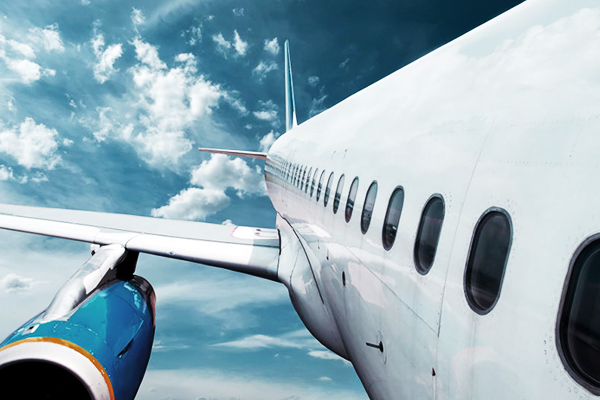
7075 aluminum for aircraft
Strength and stiffness define 7075-T6, making it the go-to choice for critical load paths where weight is non-negotiable.
Når du designer med 7075 aluminium, ingeniører legger ofte vekt på etterbehandling, belegg, eller beskyttende finish for å redusere korrosjonsrisikoen.
Legeringen reagerer veldig bra på aldring (T6 temperament), som låser inn høy styrke, men kan redusere duktiliteten.
I kontrast, 2024 legeringer (vanligvis 2024-T3 eller 2024-T351) bytte ut noen ultimate styrke for bedre seighet og tretthetsegenskaper, sammen med forbedret produksjonsevne i mange scenarier.
De 2024 family shines in assemblies where reliability, corrosion tolerance, and ease of machining matter as much as, or more than, peak strength alone.
I 2024 vs 7075 debate, this alloy often wins where longevity and maintainability trump sheer load capacity.
| Eiendom | 7075-T6 (typisk) | 2024-T3 / T351 (typisk) |
| Yield Styrke (MPa) | ~503 | ~345–400 |
| Ultimativ strekkstyrke (MPa) | ~572 | ~470–490 |
| Tetthet (g/cm3) | 2.81 | 2.78 |
| Korrosjonsbestandighet | Poor without coatings | Moderate to good with proper protection |
| Sveisbarhet | Fattig | Begrenset; specialized methods needed |
| Bearbeidbarhet | Good with proper tooling | Glimrende; smooth cutting and long tool life |
| Fatigue Performance | High under ideal conditions | Sterk, often better damage tolerance than very high-strength 7xxx alloys |
Note: Values vary with temper and heat treatment. Se alltid materialleverandørens datablad for nøyaktig temperament, komposisjon, og behandlingsretningslinjer for søknaden din.
Å velge mellom 2024 vs 7075 handler like mye om fabrikasjon som om ytelse under bruk.
Vanlige applikasjoner:
Vanlige applikasjoner:
I det moderne romfartslandskapet, det ultimate valget mellom 2024 vs 7075 hengsler på oppdragsprofilen, miljøeksponering, produksjonsskala, og livssykluskostnader.
Ingen av legeringene er et universelt svar; de beste designene blandes både for å oppfylle strenge ytelsesmål samtidig som produksjonen er praktisk og vedlikeholdbar.
For lag som står overfor spørsmålet «2024 vs 7075», ligger veien til suksess i tidlig materialvalg knyttet til virkelige belastninger, korrosjonseksponering, fabrikasjonsruter, og en klar vedlikeholdsplan.
Hvis du utarbeider et utkast til materialvalg eller vurderer en ny flyskrogkomponent, start med en designkravmatrise som kontrasterer styrke, utmattelse, korrosjon, og tilvirkbarhet.
Kartlegg deretter disse kravene til enten 7075 eller 2024, eller en hybrid tilnærming som utnytter styrken til begge.
The result is a safer, lighter, and more cost-effective aerospace solution tailored to your mission—your definitive answer to the ultimate 2024 vs 7075 decision.
Høy kvalitet 3003 polyesterbelagt aluminiumsspole gir utmerket korrosjonsbestandighet, fargebevaring, og langvarig ytelse for arkitektoniske og industrielle applikasjoner.
1/8 aluminiumsplater brukes ofte i produksjon av tanker og skip på grunn av sin sterke hardhet og korrosjonsbestandighet, osv.
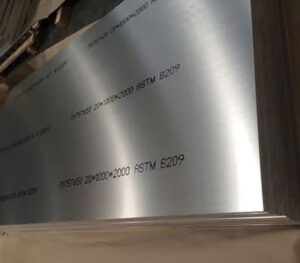
7075 aluminiumsplate er den sterkeste varmebehandlebare legeringen, introdusert av Alcoa i 1943, og kan varmebehandles for å oppnå styrkenivåer som kan sammenlignes med mange stållegeringer.
Premium aluminiumsfolie laminert polyesterfilm som tilbyr enestående fuktighet, oksygen, og lysbarriereegenskaper. Ideell for farmasøytisk, mat, elektronikk, og industriell emballasje
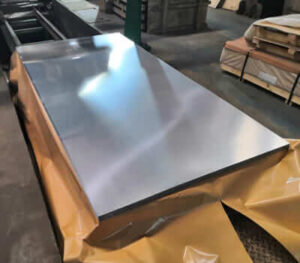
6000 serie aluminiumslegering er en type aluminiumslegering som er sammensatt av 90-94% aluminium, med de resterende 6-10% som består av andre grunnstoffer som magnesium, silisium, og kobber.
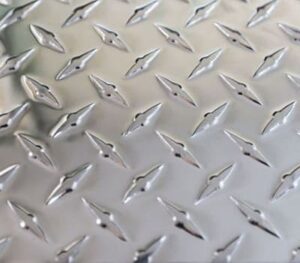
Diamantplate aluminiumsplater 4x8 er tilgjengelig i størrelsene 6061-T6 og 3003-H14. de har høyere styrke, slitestyrke, bærende, bearbeidbarhet, korrosjonsbestandighet, osv. Derfor, populær innen konstruksjon, produksjon, kjøretøy, skip og ulike felt.
Nr.52, Dongming Road, Zhengzhou, Henan, Kina
Henan Huawei Aluminium Co., Ltd, En av de største aluminiumsleverandørene i Kina Henan,Vi er etablert i 2001, og vi har rik erfaring innen import og eksport og høykvalitets aluminiumsprodukter
man – lør, 8AM – 17:00
søndag: Lukket
© Copyright © 2023 Henan Huawei Aluminium Co., Ltd

Siste kommentarer
Kjære Sir, Please offer your best FOB Prices specs are as under ALUMINIUM STRIP (AL=99,50 % MIN) STØRRELSE:450 X32 X6 MM. DIN EN 570 EN-AW 1050 EN, ANTALL=3400KG
Hallo, Vil du være så snill å tilby varen som følger: Spole 0,6х1250 (1000)mm EN AW-3105 5tons
Hallo, Kan du tilby meg aluminiumsplater? Egentlig trenger jeg: 110mm x 1700 mm x 1700 mm 5083 H111 - 21 pcs Next year planed is 177 stk
Flott artikkel. Jeg var henrykt, at jeg fant denne artikkelen. Mange tror det, at de har pålitelig kunnskap om dette emnet, men dette er ofte ikke tilfelle. Derfor min hyggelige overraskelse. Jeg er imponert. Jeg vil definitivt anbefale dette stedet og komme tilbake oftere, å se nye ting.
krav til aluminiumslist