Produksjonsprosessen av 5052 aluminiumslegering er: smelting og støping → ingotsaging og fresing → billettoppvarming → varmvalsing → kaldvalsing → sluttprodukt gløding → tverrskjæring → emballasje.
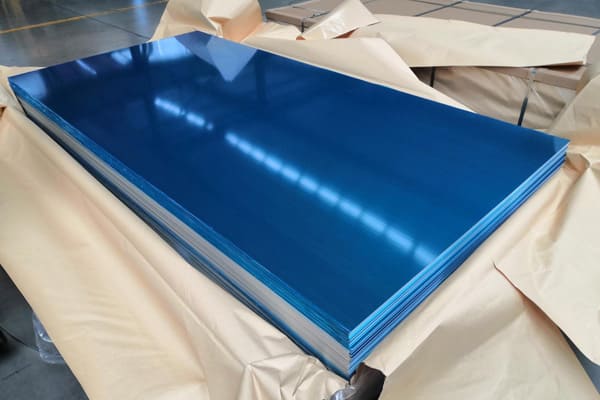
5052-H32 aluminiumslegering
Online dobbelrotoravgassing, bruk deretter Al5TiB i rennen for å foredle kornet, og filtrer til slutt gjennom den keramiske filterplaten, gå inn i krystallisatoren og støp inn i en flat barre på 630mm×1400mm×8000mm.
Barren kuttes av en sagmaskin, og går deretter inn i fresemaskinen for skrelling, fjerning av overflatesegregeringslaget og oksidavleiring, og overføres deretter til varmeovnen for oppvarming. Oppvarmingsprosesssystem: 480 °C for 3 timer, etter at varmekonserveringen er fullført, den tas ut av ovnen og rulles.
Høytemperaturblokken gjennomgår 19 passerer varm grovvalsing for å bli et mellomstykke. Etter kutting av materialhodet, den går inn i 4-stands valseverket for varm finish. Etter kontinuerlig rulling og tynning, høytemperaturkveiling begynner å kontrollere den varmvalsede spolen Tykkelsen er 6,7 mm, den endelige valsetemperaturen er 325°C±5°C, og spolen blir naturlig avkjølt etter at den er av maskinen.
De avkjølte varmvalsede rullene rulles ut av de ferdige produktene en etter en på kaldvalseverket, og den totale behandlingshastigheten for kaldvalsing er 25%. I tillegg, kaldvalseverket må kontrollere vinkelen og lufttrykket til kantrensingen for å forhindre olje og sprut på overflaten av spolen, for å redusere risikoen for oljeflekker.
For direkte gløding uten rengjøring, det er først nødvendig å sikre at det ikke er oljeflekker på overflaten av spolen, og det er også nødvendig å sikre at restoljen kan fordampes fullstendig, og prosessvinduet er veldig smalt. Hvis temperaturen er for lav, det vil ikke være oljeflekker, men det blir oljerester; hvis temperaturen er for høy, det blir ingen oljerester, men det vil være oljeflekker.
Det spesielle glødeprosesssystemet vedtatt:
I den første fasen, ovnsgassen er satt til 180°C, oppvarmingshastigheten er satt til 35°C/t, og undertrykket og spylingen slås på for å spille rollen som fortørking i luftmiljøet;
I den andre fasen, når ovnsgassen når 180°C, begynn å fylle N2-gass for å kontrollere oksygeninnholdet i ovnen under 0.1%, og deretter holde den varm for 6 timer for å spille rollen som fortørking i et oksygenfritt miljø. Vil forårsake oljeflekker på grunn av oksidasjon;
I tredje trinn, ovnsgassen endres til 235°C, og oppvarmingshastigheten er satt til 30°C/t. Når temperaturen på spolen når 230°C, den holdes for 3 timer, og bråkjølingen og tempereringen av spolen er fullført, og de forventede mekaniske egenskapene oppnås. På denne tiden, restoljen fordampes også, men den har ikke kommet inn i det farlige temperaturområdet til oljeflekker (245 °C ~ 400 °C);
I fjerde trinn, ovnsgassen er satt til 0°C, og sidekjøleviften startes for raskt å kjøle seg ned. Når metalltemperaturen faller under 150°C, den er ute av ovnen og utsatt for luft.
| Og | Fe | Cu | Mn | Mg | Cr | Av | Al |
| 0.1 | 0.2~0,3 | 0.05 | 0.08 | 2.5~2.7 | 0.18~0,24 | 0.01~0,03 | Rest |
1) Og i legeringen er et urenhetselement. Under støping og størkning, det kan danne komplekse ternære forbindelser med Fe og Al. Primærfasen har stor størrelse og er fordelt på dendrittgrensen. Det er en uløselig fase under smelteprosessen, som er skadelig for legeringens plastisitet . Streng kontroll av w(Og)≤0,10 % i testen kan redusere den totale mengden av AlFeSi komplekse ternære forbindelser, og forbedrer derved plastisiteten til legeringen.
2) Fe i legeringen er ikke alle urenheter elementer, og massefraksjonen kontrolleres ved 0.2% til 0.3%, som kan unngå skadelige effekter og spille sin fordelaktige rolle. En del av Fe-elementet i legeringen eksisterer i en overmettet form. Under homogeniseringsprosessen ved høy temperatur, den AlFeSi-dispergerte fasen kan utfelles inne i kornet, og størrelsen er veldig liten, som kan foredle det omkrystalliserte kornet og bidra til styrken og plastisiteten.
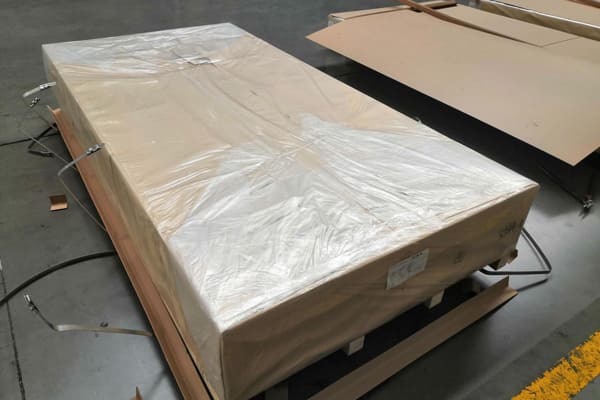
Pakket 5052-H32 aluminiumsplate
3) I legeringen, w(Fe)/w(Og)>2.0 er kontrollert, og α-fasen (AlFeSi) og en liten mengde β-fase (AlFeSi) dannes hovedsakelig under størkning, og morfologien til a-fasen er benlignende. Den kan bli fullstendig ødelagt under valseprosessen og er ufarlig for plastisitet. β-fasen (AlFeSi) er en nållignende hard og sprø fase, som er vanskelig å bryte under varmvalsing og er skadelig for plastisiteten.
4) Cu i legeringen er et urenhetselement, som har innvirkning på legeringens korrosjonsmotstand. Den w(Cu) kontrolleres til ikke å være mer enn 0.05%.
5) Mn i legeringen er et urenhetselement. Til 5052 aluminiumslegering, Cr brukes til å foredle de rekrystalliserte kornene, ikke Mn, så w(Mn) bør kontrolleres innenfor 0.08%.
6) Mg i legeringen er et legeringselement, og Mg er oppløst i aluminiummatrisen, som kan hindre bevegelse av dislokasjoner og spille en rolle i arbeidsherding. Kontrollere w(Mg) på 2.5% til 2.7% kan sikre en raskere arbeidsherdende effekt, og tilstrekkelig strekkstyrke kan garanteres uten stor kaldbearbeidingshastighet.
7) Cr i legeringen er et legeringselement. Den eksisterer i en overmettet form når barren er størknet, og det utfelles under den etterfølgende oppvarmingsprosessen for å danne en dispergert fase CrAl7. Partiklene har god termisk stabilitet og kan foredle de omkrystalliserte kornene. Det kan forbedre styrken og plastisiteten til legeringen. Kontroll m(Cr) på 0.18% til 0.24%. Hvis krominnholdet er for høyt, vil det dannes en skadelig grovfase; hvis krominnholdet er for lavt, den dispergerte fasen vil være utilstrekkelig og den gunstige effekten vil bli svekket.
8) Av i legeringen kan danne TiAl3 og AlTi5B1, som kan foredle kornene til barren, og derved forbedre de mekaniske egenskapene til barren.
1) Spolen produsert av den nye prosessen har god overflatekvalitet, ingen oljeflekker og oljerester, og oppfyller kravene i standarden. Intern strukturobservasjon: krystallkornene er fine og jevne, uten fibrøs struktur. Anisotropien til denne organisatoriske staten er liten, og det er ikke lett å sprekke når det bøyes. Imidlertid, de konvensjonelle varmvalsede lavtemperatur direkte off-line produktene er fibrøse strukturer med stor anisotropi, og platene er tilbøyelige til å sprekke når de bøyes på tvers.
2) De mekaniske egenskapene og bøyetestresultatene til den 5,0 mm tykke 5052-H32 aluminiumslegeringsplaten produsert av den nye prosessen er vist i tabell 4. Platene ble sendt til sluttbrukerne for prøvebruk. Resultatene var gode, og 90°0t bøyningen sprakk ikke. De nye håndverksproduktene nådde de forhåndsbestemte målkravene.
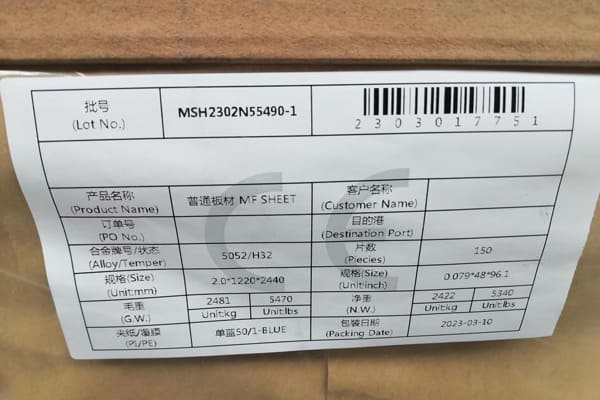
2mm tykkelse 5052-H32 aluminiumsplate
Høy vedheft, korrosjonsbestandig 8011 gull hydrofil aluminiumsfolie for forsegling, laminering, og HVAC-applikasjoner.
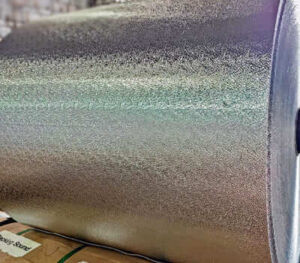
Våre pregede aluminiumsfolieprodukter eksporteres til mer enn 60 land og regioner i EU, Midtøsten, Sørøst-Asia, og Sør-Amerika, og nyt et godt rykte i det internasjonale markedet med den beste servicen og høykvalitetsprodukter.
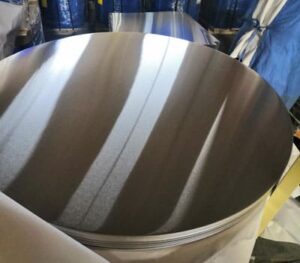
5454 aluminiumsirkler har alle egenskapene til 5454 aluminiumslegering og brukes ofte i boksforsegling, non-stick grytebunner, trafikkskilt, lampeskjermer, osv.
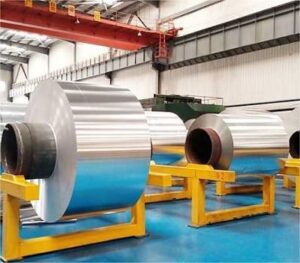
Matemballasje, husholdningsfolieråstoff 3004 aluminiumsfolie, profesjonell produksjonsekspert i aluminiumslegering, 20 produksjonslinjer
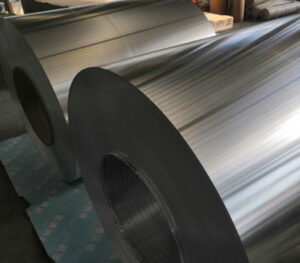
Kontakt oss i dag for å lære mer om vår 5083 tilbud av aluminiumsspoler og hvordan vi kan møte dine spesifikke krav.
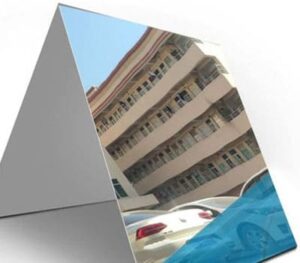
Reflekterende aluminiumsplate er en metallplate med høy reflektivitet og er mye brukt i optikk, elektronikk, konstruksjon og andre felt. Denne artikkelen vil introdusere prinsippene, egenskaper og bruksområder for reflekterende aluminiumsplater.
Nr.52, Dongming Road, Zhengzhou, Henan, Kina
Henan Huawei Aluminium Co., Ltd, En av de største aluminiumsleverandørene i Kina Henan,Vi er etablert i 2001, og vi har rik erfaring innen import og eksport og høykvalitets aluminiumsprodukter
man – lør, 8AM – 17:00
søndag: Lukket
© Copyright © 2023 Henan Huawei Aluminium Co., Ltd

Siste kommentarer
Kjære Sir, Please offer your best FOB Prices specs are as under ALUMINIUM STRIP (AL=99,50 % MIN) STØRRELSE:450 X32 X6 MM. DIN EN 570 EN-AW 1050 EN, ANTALL=3400KG
Hallo, Vil du være så snill å tilby varen som følger: Spole 0,6х1250 (1000)mm EN AW-3105 5tons
Hallo, Kan du tilby meg aluminiumsplater? Egentlig trenger jeg: 110mm x 1700 mm x 1700 mm 5083 H111 - 21 pcs Next year planed is 177 stk
Flott artikkel. Jeg var henrykt, at jeg fant denne artikkelen. Mange tror det, at de har pålitelig kunnskap om dette emnet, men dette er ofte ikke tilfelle. Derfor min hyggelige overraskelse. Jeg er imponert. Jeg vil definitivt anbefale dette stedet og komme tilbake oftere, å se nye ting.
krav til aluminiumslist