Dette innlegget fordyper seg i prosessen for å forbedre kantkvaliteten til 8011 aluminiumsfolie for klimaanlegg. Ved å bruke disse innovasjonene, produsenter kan oppnå høyere effektivitet, redusere produksjonskostnadene, og forbedre kvaliteten på aluminiumsfolie som brukes i klimaanlegg.
Med det økende antallet aluminiumsfolieprodusenter og nesten metningen av etterspørselen etter klimaanlegg, konkurransen skjerpes.
For å redusere kostnadene, produsenter streber etter å minimere produksjonskostnadene og maksimere utbyttet. For tiden, klimaanlegg folie legeringer er primært 8011 og 3102 aluminiumslegeringer, med en produksjonsprosess med støping-valsing—kaldvalsing—gløding.
På grunn av begrensninger i støpe-valseprosessen, visse prosesssprekker eksisterer i begge ender av det støpte valsede båndet. I etterfølgende behandling, på grunn av begrensninger i det elektroniske kanttrimmingsutstyret, det kreves ofte flere rullepass før kantklipping.
Derfor, i bearbeidingen passerer før kantklipping, prosesssprekkene i den støpte valsede platen kan utvide seg, resulterer i mindre problemer som ufullstendig trimming og små sprekker, eller til og med stripebrudd og spiraldeling, har alvorlig innvirkning på produktutbytte og produksjonssikkerhet.
Derfor, kontroll og forbedring av kantkvaliteten til det støpevalsede båndet og redusering av antall kaldvalsepassasjer kan effektivt redusere mengden kaldvalsekanttrimming og forbedre utbyttet.
Basert på selskapets produksjonserfaring, denne artikkelen utforsker prosessforskningen på å redusere kantsprekker og forbedre utbyttet av 8011 luftkondisjoneringsfolie av aluminiumslegering gjennom metoder som optimalisering av støpe- og rullesonen, optimalisere ørestrukturen, optimalisere støpe- og rullefortynnings- og fremskyndelsesprosessen, og optimalisering av kaldvalsingsprosessene.

Prosess for å forbedre kantkvaliteten på 8011 aluminiumsfolie
I henhold til prinsippene for støping og valsing, i støpe- og valsesonen, smeltet metall avkjøles av to roterende valser, fullføre støpe- og valseprosessene på kort tid.
Metalloverflaten fester seg til rulleoverflaten uten relativ glidning, og det sammenrullede stykket tynnes, med betydelig bakoverglidning som kun forekommer i metallsenteret.
Derfor, metalloverflaten og de indre lagene deformeres under skjærkraft og trykk, som overføres til det størknede skallet i det smeltede metallhulrommet, forårsaker den samme deformasjonen og skjærkraften i det størknede skallet.
Når skjærkraften generert av deformasjon overstiger skjærstyrken til det størknede skallmetallet, sprekker oppstår først på det svakeste punktet av materialet, så forplanter seg.
Når stresset på dette tidspunktet er helt avslappet, sprekken slutter å spre seg, danner dermed en sprekk. Innenfor deformasjonssonen, kantmetallet utsettes samtidig for friksjonsspenning bakover fra knastene påført tverrsnittet.
Under påvirkning av disse påkjenningene i forskjellige retninger, sprekker oppstår fortrinnsvis i kantene, resulterer i kantsprekker i støpe- og valseprosesser.
Teoretisk analyse viser at reduksjon av støping og valsing prosesshastighet, reduserer interaksjonskraften mellom metallet og knastene, og å redusere tendensen til varmsprekking i støping og valsing kan alle redusere kantsprekker i støpe- og valseprosesser.
Støping og rulling, kjøling og forming er begrenset til en svært liten plass og tid, kjent som støpe-valsesonen, som kan deles inn i væskefasesonen, tofase sone, og fastfasesone.
Fastfasesonen er rulledeformasjonssonen. Redusering av støpe-valsesonen kan redusere fastfasesonen, og reduserer derved støpe-valsebehandlingshastigheten.
Tilsvarende, ulike påkjenninger vil også avta, dermed redusere prosesssprekker i støpe-valsing.

8011 aluminiumsfolie for klimaanlegg
Henan Huawei Aluminium Industry utførte forskning på et støpevalseverk med en valsediameter på ca. 1000 mm, redusere støpe-valsesonen fra over 90 mm til 58 mm. Sprekker inn 1060 aluminiumslegering og 8011 støpevalsede plater av aluminiumslegering kunne kontrolleres innenfor 10 mm.
Henan Huawei Aluminium Industry utførte forskning på et støpevalseverk med en valsediameter på 820 mm, redusere støpe-valsesonen fra 65 mm til 55 mm.
Gjennomsnittlig sprekklengde i 1060 aluminiumslegering støpte valsede plater var 5.6 mm. Imidlertid, det er en grense for reduksjon av støpe- og valsesonen. For å opprettholde kontinuiteten og stabiliteten i støpe- og valseprosessen, det er et samsvarende gradsproblem blant hovedprosessparametrene.
Ettersom lengden på støpe- og valsesonen minker, det fører ofte til en rekke problemer, slik som forringelse av plateoverflatens kvalitet og utilstrekkelig kjøling av støpe- og rullestrukturen.
Derfor, det er en optimal rekkevidde for støpe- og valsesonen. Vårt firma har en rekke rullespesifikasjoner. Gjennom år med produksjonsprosessoptimalisering og oppsummering, vi har utforsket det tilsvarende optimale området for støpe- og valsesonen, som vist i tabell 1.
| Legering | Platetykkelse (mm) | Kastehastighet (mm/min) | Rullespesifikasjoner (mm) | Optimal støpesone (mm) |
| 8011 Aluminiumslegering | 5.5~7,0 | 850~1140 | Ф1020×2000 | 58~66 |
| Ф820×1700 | 50~58 | |||
| Ф750×1600 | 48~56 | |||
| Ф700×1450 | 46~54 |
Under forutsetning av at andre prosessparametere er konstante, å øke støpehastigheten vil endre forholdet mellom væskefaseområdet, to-fase region, og fastfaseområde innenfor støpesonen.
Lengden på fastfaseområdet avtar, for derved å redusere støpeprosesseringshastigheten og redusere prosesssprekking under støping.
Henan Huawei Aluminium Industry studerte effekten av støpehastighet på sprekking av 1060 støpevalsede plater av aluminiumslegering. Ved å øke kastehastigheten fra 900 mm/min til 1100 mm/min, gjennomsnittlig sprekklengde på den støpte valsede platen ble kontrollert fra 7.8 mm til 6.6 mm.
Siden 8011 aluminiumsfolie har en høyere grad av legering, effekten av støpehastighet på sprekking er mer signifikant. Sprekkeegenskapene til 8011 støpevalsede plater av aluminiumlegering ved forskjellige hastigheter er vist i tabell 2.
| Platetykkelse (mm) | Fart (mm/min) | Langsgående sprekkkantegenskaper | Tverrgående sprekkkant |
|---|---|---|---|
| 7 | 680 | Tett fiskebeins sprekkkant, øvre og nedre sprekker gjennom | 8~15 |
| 7 | 750 | Sparsom fiskebeinssprekkekant, øvre og nedre sprekker gjennom | 5~10 |
| 7 | 850 | Sparsom ensidig sprekkkant på både topp og bunn | 3~7 |
| 6 | 1040 | Av og til ensidig sprekk eller glatt kant | 0~3 |
Under konvensjonelle produksjonsforhold, når støpe- og rullehastigheten på 8011 aluminiumslegering overstiger 850 mm/min, kvalitetsproblemer som alvorlig rulleklebing og overflatesegregering oppstår på grunn av utilstrekkelig rullesmøring og kjøling.
Ytterligere økning av støpe- og valsehastigheten er avgjørende for å redusere kantsprekker under støpe- og valseprosessen, gjør tynnings- og fremskyndelsesprosessen til det støpte valsede arket til det foretrukne alternativet.
Den tradisjonelle bearbeidingstykkelsen til tvillingvalse støpeverk er 6 mm til 10 mm, og for øyeblikket, de fleste støpte valsede emnetykkelser er 6.5 mm til 8 mm. Siden 1990-tallet, forskning på rask ultratynn støpe- og valseteknologi har dukket opp både innenlands og internasjonalt.
Denne teknologien, basert på tradisjonell twin-roll støping og valsing, reduserer emnetykkelsen til under 3 mm, øker støpe- og rullehastigheten med mer enn 10 ganger, øker metallstørkningshastigheten med 10 til 100 ganger, og utfører 60% til 80% stor plastisk deformasjon, og dermed øke produktiviteten ved 2 til 3 ganger og gir aluminiumslegeringsstrimmelen en overlegen mikrostruktur og egenskaper.
Denne teknologien involverer mange aspekter, slik som utstyrsinnovasjon og grunnleggende teoretisk forskning, og har ennå ikke blitt mye kommersialisert. Ut fra sine forsknings- og utviklingsideer, vårt firma har utført forskning på tynnings- og fremskyndelsesprosessen av 8011 aluminiumsfolie for ytterligere å forbedre støpe- og rullehastigheten, og reduserer dermed kantsprekker. Referansedata er vist i tabell 3.
| Platetykkelse (mm) | Øvre grensehastighet (mm/min) | Økning av utbytte (%) | Crack Edge (mm) |
| 7.0 | 850 | / | 3~7 |
| 6.5 | 950 | 3.8 | 1~5 |
| 6.0 | 1040 | 1.1 | 1~3 |
| 5.5 | 1140 | 0.5 | 0~2 |
Henan Huawei Aluminium Industry studerte virkningen av ørestruktur på kantsprekker i støpte valsede plater. De fant ut at å optimalisere ørestrukturen fra en rett til en strømlinjeformet form, og legge til et spor inne i øret, både redusert friksjon mellom øret og den støpte valsede kanten, dermed redusere kantsprekker.
Vårt firma gjennomførte produksjonsforsøk for begge metodene. Å legge til et spor inne i øret viste bedre forbedring i kantsprekker; imidlertid, sporet er vanskelig å produsere og ikke egnet for industriell produksjon.
Vårt firma eksperimenterte også med å feste et lag med aluminiumsilikatpapir til øret. Dette reduserer friksjonen mellom metallet og øret på sidene og beskytter øretuppen under montering av støpemunnstykket, forhindre skade fra rullene.
Denne ørestrukturoptimaliseringsmetoden har vist utmerkede resultater i produksjonspraksis og er enkel å betjene.
I produksjonen av 8011 aluminiumslegering (7mm platetykkelse, støpe- og valsehastighet 780mm/min), venstre øre var et glatt øre, mens det høyre øret brukte et øre dekket med aluminiumsilikatpapir.
Kantsprekkene til den støpte og rullede platen ble sammenlignet. Eksperimentet viste det ved å optimalisere ørestrukturen, gjennomsnittlig avstand mellom sprekker på plateoverflaten økte fra 18 mm til 44 mm, sprekkdybden ble redusert med 0,5 mm til 1 mm, og sprekkene dukket ikke lenger opp med like mellomrom, redusere antallet sprekker betydelig. Dette indikerer at aluminiumsilikatpapir kan redusere friksjonen mellom øret og den støpte og rullede kanten betydelig..

Huawei 8011 eksportemballasje av aluminiumsfolie
Sammenlignet med 3102 aluminiumslegering, 8011 aluminiumslegering har et høyere jern-silisiuminnhold, og styrken er litt høyere enn den til 3102 aluminiumslegering med ca 10%.
Når kaldvalsingene til de to legeringene fordeles på samme måte, rullekraften til 8011 aluminiumslegering er mye større enn 3102 aluminiumslegering.
Derfor, under visse utstyrsforhold, kaldrullingen går av 8011 aluminiumslegering er generelt mer enn de av 3102 aluminiumslegering.
Referanseprosessen er som følger: 8011 aluminiumslegering: 7mm-3,8 mm-2,1 mm-1,2 mm-0.7mm-kantklipping-0.42mm-0.31mm-0.21mm-0.145mm-0.095mm
3102 aluminiumslegering: 7mm-3,8 mm-2,1 mm-1,2 mm-0.7mm-kantklipping-0.42mm-0.24mm-0.145mm-0.095mm.
Under kaldvalseprosessen, båndet er under høy strekk- og trykkspenning, og prosesssprekkene til stripen vil utvide seg på et svakt punkt.
Jo større rullekraft, jo større utvidelse av sprekkene forårsaket av kaldvalsing.
Siden 8011 aluminiumslegering har et høyere jern- og silisiuminnhold og høyere styrke enn 3102 aluminiumslegering, de 8011 aluminiumslegering har en sterkere arbeidsherdeevne.
Derfor, når du ruller fra 7 mm til 0.7 mm, rullekraften til 8011 aluminiumslegering er større under kaldvalseprosessen, og utvidelsen av sprekkene er også større enn den av 3102 aluminiumslegering, resulterer i en mye større kaldvalsing av trimmingsmengde for 8011 aluminiumslegering enn det for 3102 aluminiumslegering.
Når selskapet vårt produserer klimaanleggsfolie av de to legeringene, den kaldvalsende trimmemengden av 8011 aluminiumslegering handler om 60 mm, og den kaldvalsende trimmemengden av 3102 aluminiumslegering handler om 35 mm.
Som nevnt tidligere, redusere tykkelsen og akselerere rulleprosessen av 8011 aluminiumslegering kan redusere kantsprekker i støpte og valsede plater.
Samtidig, reduksjonen i tykkelse fører til en reduksjon i den totale kaldvalsingshastigheten og kaldvalsekraften.
En referanseprosess er som følger for 8011 aluminiumslegering: 6mm – 3,5 mm – 2 mm – 1,1 mm – 0,7 mm – trimmet kant – 0,42 mm – 0,25 mm – 0,15 mm – 0,095 mm.
På denne måten, tykkelsen på 8011 støpevalset aluminiumslegering er redusert fra 7 mm til 6 mm, Kantsprekkene under støpe- og valseprosessen reduseres fra 3mm~7mm til 1mm~3mm (kan sammenlignes med kanten sprekker under 3102 aluminiumslegering støpt-valset ark prosess), den totale kaldvalsingsreduksjonen før trimming reduseres fra 90% til 88.3%, og den kaldvalsende trimmemengden kan sammenlignes med 3102 luftkondisjoneringsfolie i aluminiumslegering, forbedrer kaldvalsingsutbyttet med ca 1.5%.
Gjennom årene, Henan Huawei Aluminium Industry har kontinuerlig optimalisert produksjonsprosessparametrene til 8011 luftkondisjoneringsfolie i aluminiumslegering i hvert trinn.
Utbyttet av klimaanleggsfolie har blitt kontinuerlig forbedret, produksjonskostnadene har blitt kontinuerlig redusert, og produktets markedskonkurranseevne har blitt forbedret.
De viktigste forskningsretningene for prosessen er som følger:
(1) For støping av ruller med forskjellige rullediametre, bestemme det optimale støpesoneområdet, redusere støpesonen innenfor et visst område, redusere støpebehandlingshastigheten, og redusere oppsprekkingen av støpeplaten.
(2) Påfør et lag med aluminiumsilikatpapir på øret for å redusere friksjonen mellom øret og kanten av støpeplaten. Sprekkeavstanden på overflaten av støpeplaten utvides fra et gjennomsnitt på 18 mm til 44 mm, og sprekkedybden reduseres med 0.5 mm til 1 mm.
(3) Med utgangspunkt i forskningsideene til rask ultratynn støping og valseteknologi, tykkelsen på støpeemnet reduseres fra 6.5 mm til 8 mm til 5.5 mm til 6 mm, og den øvre grensen for støpehastigheten økes fra 850 mm/min til 1140 mm/min. min, redusere støpe- og valsebehandlingshastigheten, for derved å redusere kantsprekkene til støpe- og rulleplaten
(4) Tykkelsen på støpe- og rulleemnet reduseres fra 6.5 mm~8 mm til 5.5 mm~6 mm, som kan optimalisere kaldvalseprosessen ytterligere, redusere den totale kaldvalsingshastigheten, redusere kaldvalsekraften, og redusere kantsprekkene forårsaket av kaldvalsing. Slik, kantklippingsmengden av 8011 aluminiumslegering kaldvalsing reduseres fra 60 mm til 35 mm, og kaldvalseutbyttet økes med ca 1.5%.
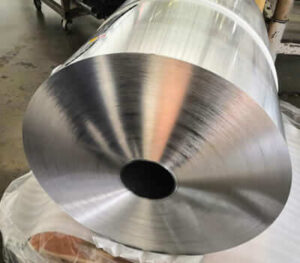
Aluminiumsfoliebeholdere laget av aluminiumsfolie kan bearbeides til forskjellige former, vanlige legeringer er 8011, 3003, 3004, 5052 aluminiumsfolie.

I denne artikkelen, vi vil utforske egenskapene, fordeler, applikasjoner, tempereringsprosesser, og faktorer å vurdere når du velger 6061 T4 T6 T651 aluminiumsplate for ditt prosjekt.
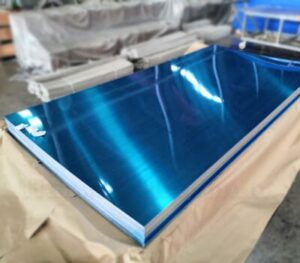
5052 aluminiumsplate er en del av 5000 serie av aluminium. Karakterene i denne serien er legert med magnesium (2.5%) og har middels til høy styrkeegenskaper.
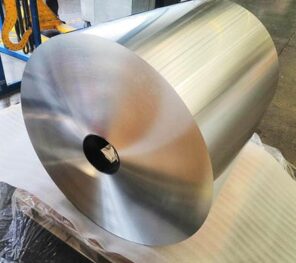
Oppdag primerbelagt aluminiumsfolie med utmerket beleggheft, fuktmotstand, glatt overflatekvalitet, og pålitelig ytelse for fleksibel emballasje og laminering.
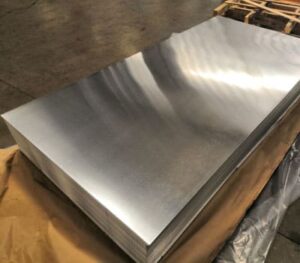
Tynn aluminiumsplate refererer vanligvis til et flatt stykke aluminiumsmateriale som har en tykkelse på mindre enn 6 mm (0.24 tommer).
5005 aluminiumsplate er en middels sterk aluminiumslegeringsplate, som kan nå middels og høy styrke ved kaldbearbeiding, og den har god formbarhet
Nr.52, Dongming Road, Zhengzhou, Henan, Kina
Henan Huawei Aluminium Co., Ltd, En av de største aluminiumsleverandørene i Kina Henan,Vi er etablert i 2001, og vi har rik erfaring innen import og eksport og høykvalitets aluminiumsprodukter
man – lør, 8AM – 17:00
søndag: Lukket
© Copyright © 2023 Henan Huawei Aluminium Co., Ltd

Siste kommentarer
Kjære Sir, Please offer your best FOB Prices specs are as under ALUMINIUM STRIP (AL=99,50 % MIN) STØRRELSE:450 X32 X6 MM. DIN EN 570 EN-AW 1050 EN, ANTALL=3400KG
Hallo, Vil du være så snill å tilby varen som følger: Spole 0,6х1250 (1000)mm EN AW-3105 5tons
Hallo, Kan du tilby meg aluminiumsplater? Egentlig trenger jeg: 110mm x 1700 mm x 1700 mm 5083 H111 - 21 pcs Next year planed is 177 stk
Flott artikkel. Jeg var henrykt, at jeg fant denne artikkelen. Mange tror det, at de har pålitelig kunnskap om dette emnet, men dette er ofte ikke tilfelle. Derfor min hyggelige overraskelse. Jeg er imponert. Jeg vil definitivt anbefale dette stedet og komme tilbake oftere, å se nye ting.
krav til aluminiumslist