Klassifisering og egenskaper av aluminiumsfolie, Den fremhever nøkkelegenskaper som barriereegenskaper, korrosjonsbestandighet og varmeledningsevne, så vel som dens bruk i emballasje, elektronikk og konstruksjon. Ideell for de som er interessert i industrielle anvendelser av aluminiumsfolie.
På grunn av sine utmerkede egenskaper, aluminiumsfolie er mye brukt i mat, drikkevarer, sigaretter, medisiner, fotografiske plater, husholdningens daglige nødvendigheter, osv., og brukes vanligvis som emballasjemateriale; elektrolytisk kondensatormateriale; isolasjonsmateriale for bygninger, kjøretøy, skip, hus, osv.; den kan også brukes som dekorative gull- og sølvtråder, bakgrunnsbilder, og dekorative varemerker for ulike papirutskrifter og lette industriprodukter.
Blant de ovennevnte bruksområdene, den mest effektive måten å spille på ytelsespoengene til aluminiumsfolie er som et emballasjemateriale.
Aluminiumsfolie er en myk metallfilm.
Den har ikke bare fordelene av fuktsikker, lufttett, lysskjerming, slitesterk, duftbevarende, giftfri og smakløs, men også på grunn av sin elegante sølv-hvite glans, det er enkelt å behandle vakre mønstre og mønstre i forskjellige farger, så det er mer sannsynlig at den blir foretrukket av folks aluminiumsfolietape.
Spesielt etter at aluminiumsfolie er blandet med plast og papir, skjermingsegenskapen til aluminiumsfolie er integrert med styrken til papir og varmeforseglingsegenskapen til plast, som ytterligere forbedrer skjermingsytelsen til vanndamp, luft, ultrafiolette stråler og bakterier som kreves som emballasjemateriale, og utvider bruksmarkedet for aluminiumsfolie kraftig.
Siden de pakkede varene er fullstendig isolert fra lyset, fuktighet, og luft ute, emballasjen er godt beskyttet. Spesielt for pakking av dampet mat, bruk av dette sammensatte aluminiumsfoliematerialet kan sikre at maten ikke forringes i minst ett år.
Dessuten, det er veldig praktisk å varme og åpne pakken, som er veldig populær blant forbrukere.
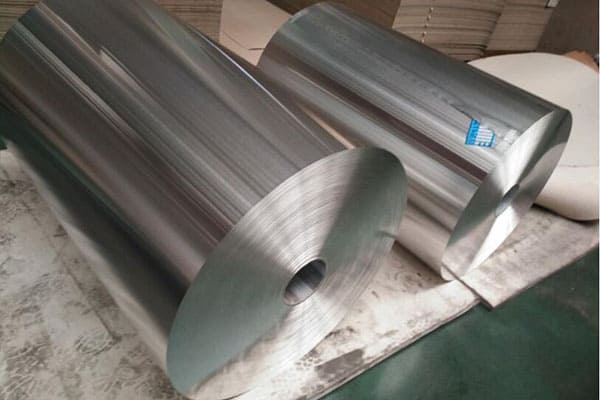
Klassifisering og egenskaper av aluminiumsfolie
Med forbedring av folks levestandard og utvikling av turisme, etterspørselen etter drikkevarer som øl, brus og hermetikk øker, som krever moderne emballasje og dekorasjon for å lette konkurransen på det internasjonale markedet.
De siste årene, for å møte markedets krav, folk har utviklet emballasjematerialer som plastfilm og spraybelagte folier med gode skjermingsegenskaper, men deres omfattende ytelse er ikke like god som for overbelegg og lamineringsbehandling.
Derfor, det kan sies at aluminiumsfolie er et relativt perfekt emballasjemateriale med flere utmerkede egenskaper, som fullt ut demonstrerer sine brede anvendelsesmuligheter på mange felt.
For å forbedre rulleeffektiviteten og kvaliteten på aluminiumsfolieprodukter, moderne aluminiumsfolievalseverk utvikler seg i fire retninger: store spoler, brede bredder, høye hastigheter og automatisering.
Valsebredden til moderne aluminiumsfolievalseverk har nådd mer enn 2200 mm, rullehastigheten har nådd mer enn 2000m/min, og spolevekten har nådd mer enn 20t.
Det tilsvarende automatiseringsnivået for valseverket har også blitt kraftig forbedret, og tykkelseskontrollsystemer (AGC) er vanligvis installert, og de fleste er utstyrt med planhetsmålere (AFC).
Aluminiumsfolieindustrien står overfor en periode med rivende utvikling.
Aluminiumsfolie kan deles inn i tykk folie, enkel null folie og dobbel null folie etter tykkelse.
Aluminiumsfolie kan deles inn i rulle aluminiumsfolie og ark aluminiumsfolie i henhold til formen.
Det meste av aluminiumsfolien som er dypt behandlet, leveres i ruller, og bare noen få håndverkspakker bruker ark aluminiumsfolie.
Aluminiumsfolie kan deles inn i hard folie, halvhard folie og myk folie i henhold til tilstanden.
Aluminiumsfolie kan deles inn i ensidig glatt aluminiumsfolie og tosidig glatt aluminiumsfolie i henhold til overflatetilstanden.
Aluminiumsfolie kan deles inn i vanlig folie, preget folie, komposittfolie, belagt folie, farget folie og trykt folie i henhold til prosesseringsteknologien.
Myk aluminiumsfolie kan også presses ytterligere inn 40 folie for high-end dekorasjon.
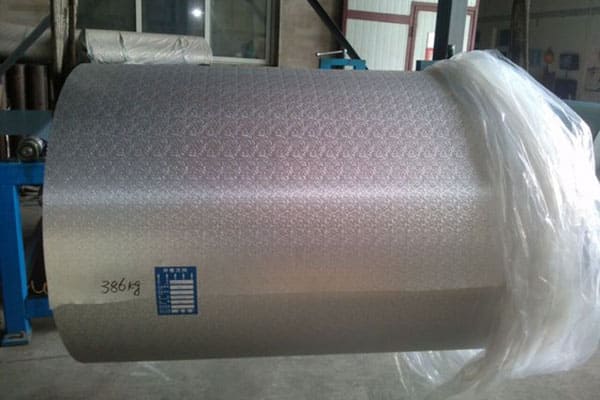
Preget aluminiumsfolie
Aluminiumsfolie har en ren, hygienisk og skinnende utseende.
Den kan integreres med mange andre emballasjematerialer.
Utskriftseffekten til overflaten av aluminiumsfolie er bedre enn andre materialer.
I tillegg, aluminiumsfolie har følgende egenskaper:
I produksjon av dobbel folie, rullingen av aluminiumsfolie er delt inn i tre prosesser: grov rulling, middels rulling og ferdigrulling.
Fra teknologiens perspektiv, den kan grovt deles etter tykkelsen på rulleutløpet.
Den generelle klassifiseringsmetoden er at utløpstykkelsen er større enn eller lik 0,05 mm for grovvalsing, utløpstykkelsen er mellom 0.013 og 0.05 for middels rulling, og utløpstykkelsen er mindre enn 0,013 mm for enkle ferdige produkter og dobbeltvalsede ferdige produkter for ferdigvalsing.
Grovvalsing ligner rulleegenskapene til aluminiumsbånd.
Tykkelseskontrollen avhenger hovedsakelig av rullekraften og etterspenningen.
Tykkelsen på grovvalsing er svært liten.
Dens rulleegenskaper er helt forskjellige fra rulling av aluminiumsstrimler.
Den har det spesielle med aluminiumsfolierulling. Dens egenskaper er hovedsakelig i følgende aspekter:
(1) Aluminiumsbånd rulling. Å lage aluminiumslist tynnere, det avhenger hovedsakelig av rullekraften.
Derfor, den automatiske kontrollmetoden for platetykkelse er en kontrollmetode med konstant rullegap som hoveddelen av AGC.
Selv om rullekraften endres, rullegapet kan justeres når som helst for å holde rullegapet på en viss verdi for å oppnå en plate med jevn tykkelse.
Når aluminiumsfolie rulles til den mellomliggende etterbehandlingen, på grunn av den ekstremt tynne tykkelsen på aluminiumsfolien, det er lettere å øke rullekraften under rulling for å få rullen til å produsere elastisk deformasjon enn det rullede materialet produserer plastisk deformasjon.
Den elastiske utflatningen av valsen kan ikke ignoreres.
Den elastiske utflatningen av rullen bestemmer at rullekraften ved rulling av aluminiumsfolie ikke lenger kan spille samme rolle som rulleplater..
Aluminiumsfolierulling er generelt en rullegapfri rulling under konstante trykkforhold.
Justeringen av tykkelsen på aluminiumsfolien avhenger hovedsakelig av justeringen av spenningen og rullehastigheten.
(2) Overlappende rulling. For ekstremt tynn aluminiumsfolie med en tykkelse på mindre enn 0,012 mm (tykkelsen er relatert til diameteren på arbeidsrullen), det er svært vanskelig å bruke en enkelt ark-rullemetode på grunn av den elastiske utflatningen av valsen.
Derfor, den dobbeltkombinerte rullemetoden tas i bruk, det vil si, legge til smøreolje mellom to ark med aluminiumsfolie og deretter rulle dem sammen (også kalt overlappingsrulling).
Den overlappende valseprosessen kan ikke bare produsere ekstremt tynn aluminiumsfolie som ikke kan produseres ved enkeltarkvalsing, men også redusere antall stripepauser og forbedre arbeidsproduktiviteten.
Denne prosessen kan masseprodusere ensidig glatt aluminiumsfolie på 0,006 mm til 0,03 mm.
(3) Hastighetseffekt. Under rulleprosessen av aluminiumsfolie, Fenomenet at tykkelsen på folien blir tynnere når rullehastigheten øker kalles hastighetseffekten.
Forklaringen av hastighetseffektmekanismen trenger fortsatt grundig forskning.
Årsakene til hastighetseffekten antas generelt å være følgende tre aspekter:
Aluminiumsfolie Til Frisørsalong Den vanligste 8011 legering O Temper, på grunn av utmerket styrke, fleksibilitet, og varmebestandighet, Henan Huawei gir deg den beste kvaliteten 8011-0 aluminiumsfolie for frisørsalong.
4x8 aluminiumsplate er en vanlig størrelse på aluminiumsplate, også kjent som standard størrelse aluminiumsplate, referert til som standardark.
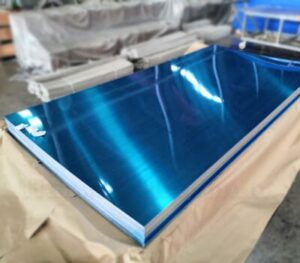
5052 aluminiumsplate er en del av 5000 serie av aluminium. Karakterene i denne serien er legert med magnesium (2.5%) og har middels til høy styrkeegenskaper.
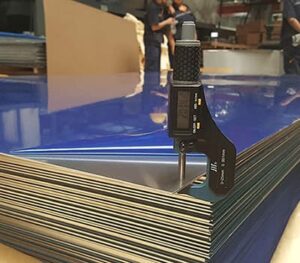
3005 aluminiumsplate tilhører Al-Mn legering. Styrken til 3005 aluminiumsplate er ca 20% høyere enn det av 3003 aluminiumsplate, og korrosjonsbestandigheten er også bedre.
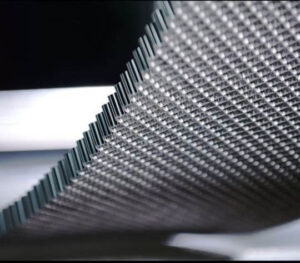
Honeycomb aluminiumsfolie, også kjent som aluminium honeycomb kjerne, er en type lett kjernemateriale laget av to lag med aluminiumsfolie som er bundet sammen på en måte som skaper en serie sekskantede celler, omtrent som en honningkake.
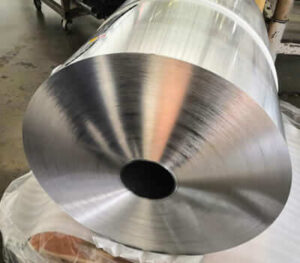
Aluminiumsfoliebeholdere laget av aluminiumsfolie kan bearbeides til forskjellige former, vanlige legeringer er 8011, 3003, 3004, 5052 aluminiumsfolie.
Nr.52, Dongming Road, Zhengzhou, Henan, Kina
Henan Huawei Aluminium Co., Ltd, En av de største aluminiumsleverandørene i Kina Henan,Vi er etablert i 2001, og vi har rik erfaring innen import og eksport og høykvalitets aluminiumsprodukter
man – lør, 8AM – 17:00
søndag: Lukket
© Copyright © 2023 Henan Huawei Aluminium Co., Ltd

Siste kommentarer
Kjære Sir, Please offer your best FOB Prices specs are as under ALUMINIUM STRIP (AL=99,50 % MIN) STØRRELSE:450 X32 X6 MM. DIN EN 570 EN-AW 1050 EN, ANTALL=3400KG
Hallo, Vil du være så snill å tilby varen som følger: Spole 0,6х1250 (1000)mm EN AW-3105 5tons
Hallo, Kan du tilby meg aluminiumsplater? Egentlig trenger jeg: 110mm x 1700 mm x 1700 mm 5083 H111 - 21 pcs Next year planed is 177 stk
Flott artikkel. Jeg var henrykt, at jeg fant denne artikkelen. Mange tror det, at de har pålitelig kunnskap om dette emnet, men dette er ofte ikke tilfelle. Derfor min hyggelige overraskelse. Jeg er imponert. Jeg vil definitivt anbefale dette stedet og komme tilbake oftere, å se nye ting.
krav til aluminiumslist