Aluminiumsbekledning er en type utvendig kledning eller belegg som brukes på ytterveggene til bygninger for beskyttelse og estetiske formål. Den er laget av plater av aluminium som er formet til paneler og designet for å dekke den ytre overflaten av en struktur.
Aluminiumsbekledning er en type utvendig kledning eller belegg som brukes på ytterveggene til bygninger for beskyttelse og estetiske formål. Den er laget av plater av aluminium som er formet til paneler og designet for å dekke den ytre overflaten av en struktur. Arkene er ofte strukturert og belagt med maling eller annen finish for å forbedre både utseende og holdbarhet.
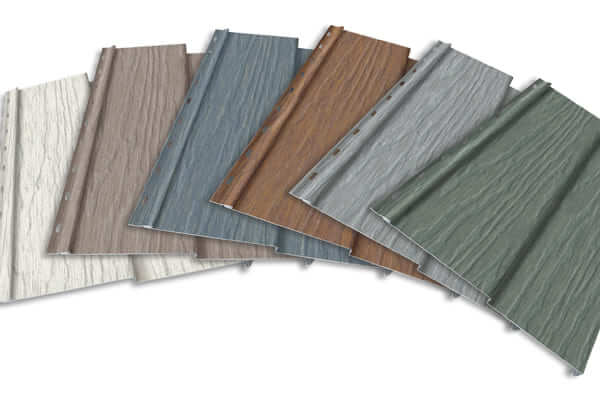
Sidekledning i aluminium
Aluminiumsbekledning ble populært på midten av 1900-tallet som et alternativ til tradisjonelle materialer som tre eller vinyl.
Aluminiumsbekledning er vanligvis laget av aluminiumslegeringer som er valgt for deres spesifikke egenskaper, inkludert holdbarhet, korrosjonsbestandighet, og enkel forming. Legeringene som brukes i aluminiumsbekledning kan variere avhengig av produsent og produktspesifikasjoner. Her er noen vanlige aluminiumslegeringer som brukes i ytterkledning:
3003 Legering:
Denne legeringen er kjent for sin utmerkede korrosjonsbestandighet, gjør den egnet for utendørs bruk som sidekledning. Den er også relativt formbar, gjør det mulig å lage ulike sideprofiler.
3105 Legering:
Ligner på 3003, 3105 aluminiumslegering brukes ofte i applikasjoner som krever korrosjonsbestandighet. Den er også kjent for sin gode formbarhet og brukes ofte i byggebransjen.
5005 Legering:
Denne legeringen er valgt for sin høye korrosjonsmotstand og egnethet for utendørs bruk. Den har gode sveiseegenskaper, som kan være viktig under produksjons- og installasjonsprosessene.
5052 Legering:
5052 er kjent for sin styrke og utmerket korrosjonsbestandighet. Den brukes ofte i marine applikasjoner på grunn av motstanden mot saltvannskorrosjon. Selv om den ikke er like formbar som noen andre legeringer, den brukes fortsatt i visse sidesporapplikasjoner.
6061 Legering:
Selv om det ikke er så vanlig i sidespor som noen andre legeringer, 6061 er kjent for sin styrke og gode bearbeidbarhet. Den kan brukes i spesialiserte ytterkledningsprodukter eller i områder der det kreves høyere styrke.
6063 Legering:
6063 brukes ofte i ekstruderte aluminiumsprodukter, inkludert noen typer sidespor. Den har god ekstruderbarhet og er godt egnet for forming og forming.
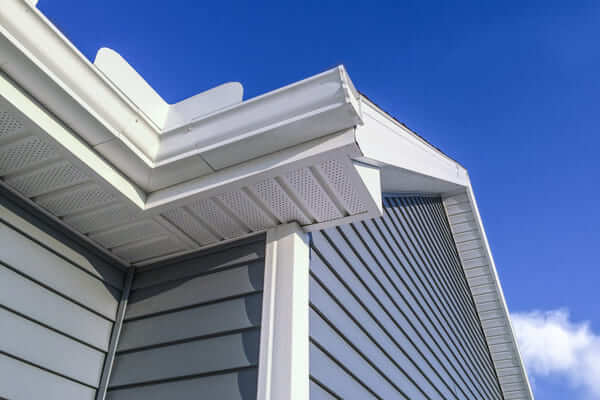
Aluminium sidekledning søknad
Legeringer med magnesium og silisium:
Noen aluminiumslegeringer inneholder elementer som magnesium og silisium for å forbedre spesifikke egenskaper. For eksempel, tilsetning av magnesium kan forbedre styrken, mens silisium hjelper med formbarhet. Legeringer som 6000 serier kan falle inn i denne kategorien.
Det er viktig å merke seg at den spesifikke legeringen som brukes i aluminiumsbekledning kan variere basert på faktorer som de ønskede ytelsesegenskapene, produksjonsprosesser, og kostnadshensyn. Produsenter kan ha proprietære blandinger eller spesifikke legeringsvalg for produktene sine.
Når du velger aluminiumsbekledning, det er tilrådelig å konsultere med produsenten eller leverandøren for å forstå legeringssammensetningen og dens egnethet for den tiltenkte bruken, tar hensyn til faktorer som klima, eksponering for elementene, og ønskede estetiske egenskaper.
Bruken av aluminiumsbekledning innebærer installasjon av aluminiumspaneler eller plater på ytterveggene til en bygning. Her er en generell oversikt over prosessen:
Preparat:
Før du starter installasjonen, eksisterende sidekledning eller veggoverflate må kanskje klargjøres. Dette kan inkludere fjerning av gammelt sidekledning, reparere skadede områder, og sikre en ren og jevn overflate for det nye aluminiumsbekledningen.
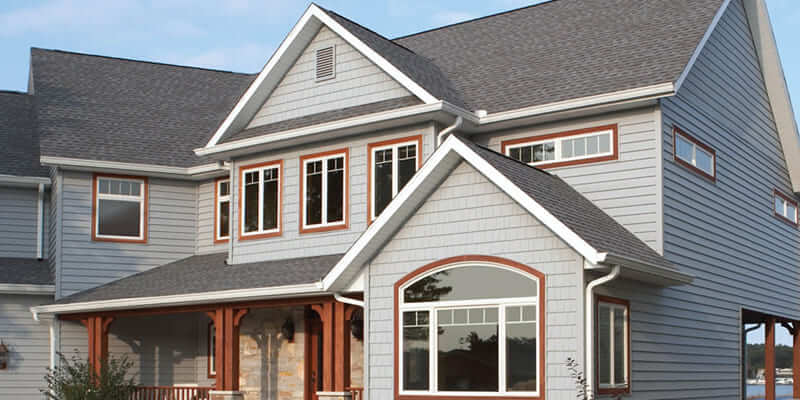
Skjerm for applikasjoner i aluminium
Måling og skjæring:
Nøyaktige mål av veggene er avgjørende for å sikre at aluminiumsbekledningen passer ordentlig. Panelene må kanskje kuttes til passende størrelse ved hjelp av blikkskjær, en sirkelsag, eller et annet passende skjæreverktøy.
Blinkende installasjon:
Installer blinkende rundt vinduer, dører, hjørner, og andre åpninger for å hindre vanninfiltrasjon. Blinking hjelper å lede vann bort fra sårbare områder.
Startstrimmel:
En startlist er vanligvis installert i bunnen av veggen for å gi et plant og rett startpunkt for den første raden med sidepaneler.
Installasjon av første rad:
Begynn å installere den første raden med sidepaneler i aluminium langs startlisten. Hvert panel låser vanligvis sammen med de tilstøtende. Fest panelene til veggen med spiker eller skruer, etterlater et lite gap for å imøtekomme ekspansjon og sammentrekning på grunn av temperaturendringer.
Installasjon av J-kanal og trim:
Bruk J-kanaler rundt vinduer og dører for å motta de kuttede kantene på sidepanelene. Installer hjørnestolper og andre trimdeler etter behov for et ferdig utseende. Disse komponentene forbedrer ikke bare estetikken, men bidrar også til å sikre sidekledningen.
Overlapping og interlock:
Sørg for at hver påfølgende rad med sidekledning overlapper og låser seg med raden under den. Denne sammenlåsende designen bidrar til å skape en værbestandig barriere.
Ventilasjon og isolasjon:
Om nødvendig, installere ventilasjons- og isolasjonsmaterialer. Noen aluminiumsbekledningsprodukter har innebygd isolasjon eller krever ekstra isolasjonslag for å forbedre energieffektiviteten.
Soffit og Fascia installasjon:
Installer soffitpaneler under takskjegget og fasadeplater langs taklinjen. Disse komponentene gir et ferdig utseende og beskytter takoverhenget.
Endelig inspeksjon:
Etter fullført installasjon, foreta en grundig inspeksjon for å sikre at alle paneler er forsvarlig festet, sømmene er riktig justert, og nødvendig etterbehandling er på plass.
Det er viktig å følge produsentens retningslinjer og anbefalinger for installasjon for å sikre best mulig ytelse og lang levetid for aluminiumsbekledningen. I tillegg, å ansette erfarne fagfolk til installasjon kan bidra til å unngå vanlige fallgruver og sikre en godt utført applikasjon.
Kostnader er definitivt en faktor til fordel for aluminiumsbekledning. Det er litt billigere enn vinyl, fibersement og stukk, og mye billigere enn murstein, stein og tre.
Her er noen andre grunner til å velge aluminium fremfor andre sidekledningsalternativer:
For mange mennesker, den største ulempen med aluminium er utseendet, som kan være datert og industriell. Kjennskap til det, produsenter har forsøkt å få aluminium til å ligne mer på tre, prege panelene med et korn og etterbehandle dem med jordfarger. Dette har ikke eliminert stigmaet for alle, imidlertid.
Foruten utseendet, aluminium har andre betydelige ulemper:
Kina er kjernelandet for produksjon og eksport av aluminiumslegeringsprodukter. Aluminiumslegeringsbekledningen produsert i Kina har ikke bare utmerket kvalitet, men har også gode prisrabatter.
Huawei aluminium er en produsent av høykvalitets aluminiumsprodukter i Kina. Vi insisterer på produksjon og eksport av høykvalitets produkter av aluminiumslegering (inkludert aluminiumsbekledning), følge den kundesentrerte tilnærmingen, skape tjenester av høy kvalitet, og sikre at brukere kan kjøpe produkter av høy kvalitet til lavest mulig pris.
Hvis du trenger sidekledning i aluminium, vennligst kontakt oss, vår virksomhet vil gi deg den beste prisen.

De 5052 anodisert speilplate er en type aluminiumsplate som har gjennomgått en anodiseringsprosess, resulterer i en reflekterende overflate. Materialet er primært laget av 5052 aluminiumslegering, som er kjent for sin utmerkede korrosjonsbestandighet og gode formbarhet.
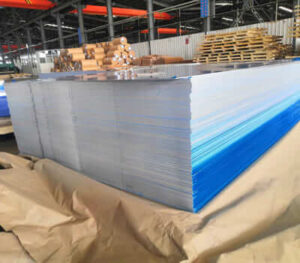
6082 aluminiumsplate kan varmebehandles, forsterket og har god formbarhet, sveisbarhet og bearbeidbarhet, også kjent som strukturell legering.
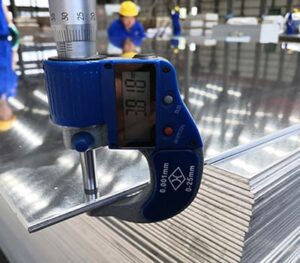
Blant de forskjellige tilgjengelige aluminiumslegeringene, de 2014 aluminiumsplate har skåret en nisje for seg selv, spesielt i applikasjoner som krever høy styrke, utmerket bearbeidbarhet, og motstand mot tretthet.
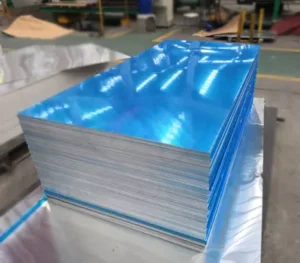
3105 Aluminiumsplate legger til noen andre elementer på grunnlag av rent aluminium, slik som med, mg, og, mn, osv., formålet er å forbedre styrken til aluminiumslegering
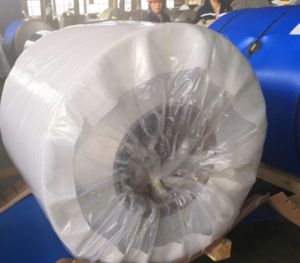
Velkommen til Huawei Aluminium, din pålitelige kilde for høykvalitets aluminiumsspoler designet spesielt for aluminiumstakplater.
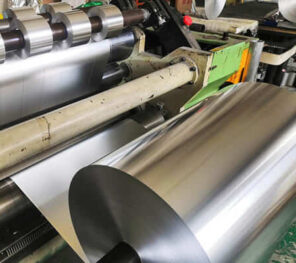
Høytemperaturbestandig belagt aluminiumsfolie gir utmerket varmestabilitet, holdbar beskyttelse, og pålitelig ytelse for krevende bruksområder.
Nr.52, Dongming Road, Zhengzhou, Henan, Kina
Henan Huawei Aluminium Co., Ltd, En av de største aluminiumsleverandørene i Kina Henan,Vi er etablert i 2001, og vi har rik erfaring innen import og eksport og høykvalitets aluminiumsprodukter
man – lør, 8AM – 17:00
søndag: Lukket
© Copyright © 2023 Henan Huawei Aluminium Co., Ltd

Siste kommentarer
Kjære Sir, Please offer your best FOB Prices specs are as under ALUMINIUM STRIP (AL=99,50 % MIN) STØRRELSE:450 X32 X6 MM. DIN EN 570 EN-AW 1050 EN, ANTALL=3400KG
Hallo, Vil du være så snill å tilby varen som følger: Spole 0,6х1250 (1000)mm EN AW-3105 5tons
Hallo, Kan du tilby meg aluminiumsplater? Egentlig trenger jeg: 110mm x 1700 mm x 1700 mm 5083 H111 - 21 pcs Next year planed is 177 stk
Flott artikkel. Jeg var henrykt, at jeg fant denne artikkelen. Mange tror det, at de har pålitelig kunnskap om dette emnet, men dette er ofte ikke tilfelle. Derfor min hyggelige overraskelse. Jeg er imponert. Jeg vil definitivt anbefale dette stedet og komme tilbake oftere, å se nye ting.
krav til aluminiumslist