På grunn av de fysiske og kjemiske egenskapene til aluminium og aluminiumslegeringer, slik som sterk oksiderbarhet, lavt smeltepunkt (660℃), rask varmeledningsevne, stor lineær ekspansjonskoeffisient, og stor smeltende latent varme, denne artikkelen diskuterer sveising av aluminium og aluminiumslegeringer.
Med kontinuerlig utvikling av industrien, bearbeidingsteknologien til aluminium og aluminiumslegeringer har også gjort store fremskritt.
På grunn av de fysiske og kjemiske egenskapene til aluminium og aluminiumslegeringer, slik som sterk oksiderbarhet, lavt smeltepunkt (660℃), rask varmeledningsevne, stor lineær ekspansjonskoeffisient, og stor smeltende latent varme, denne artikkelen diskuterer sveising av aluminium og aluminiumslegeringer.
Aluminium er veldig lett å oksidere i luften og under sveising. Det genererte aluminiumoksidet har et høyt smeltepunkt (smeltepunktet er så høyt som 2050 ℃, mye høyere enn smeltepunktet til aluminium 660 ℃), er veldig stabil og vanskelig å fjerne.
Det hindrer smelting og sammensmelting av modermaterialet. Oksydfilmen har stor egenvekt og er ikke lett å flyte til overflaten.
Det er lett å generere defekter som slagg-inkludering, ufullstendig fusjon, og ufullstendig penetrasjon.
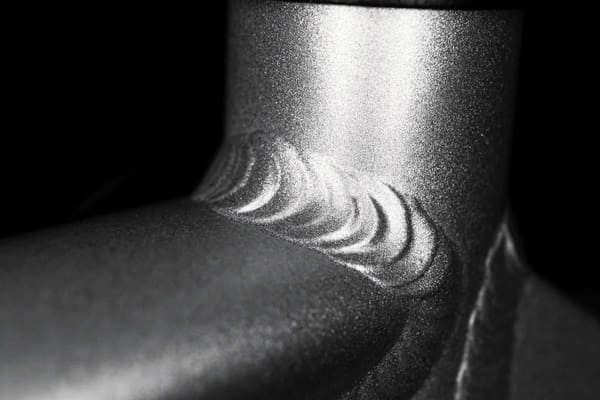
Sveising av aluminium og aluminiumslegeringer
Overflateoksidfilmen av aluminium og absorpsjon av en stor mengde fuktighet kan lett forårsake porer i sveisen.
Kravene til sveisemiljøet er i hovedsak å hindre at det dannes porer i sveisen.
Når den relative luftfuktigheten er større enn 85% eller omgivelsestemperaturen er lav, tendensen til porer i sveisen vil øke kraftig på grunn av kondensvannet som absorberes av sporet, overflaten av sveisetråden og den indre veggen til gassrørledningen.
Begrens den relative fuktigheten til mindre enn 80%, og omgivelsestemperaturen bør ikke være lavere enn 5 ℃.
Hvis det overskrider regelverket, passende beskyttelsestiltak bør iverksettes.
(Relativ fuktighet og omgivelsestemperatur måles innenfor 500-1000 mm fra sveisingen).
I utendørs konstruksjon, a windshield should generally be set up to prevent argon gas from being blown away during ammonia arc welding, which would affect the gas protection effect and enable the welding to proceed smoothly.
Before welding, the weld position should be strictly treated by chemical and mechanical methods.
The clear quality of the oxide film on the surface of the welding wire and the groove is very important to prevent defects such as pores and unfused welds.
The oil and oxide film within the range of 30-50mm of the groove are removed.
The cleaning sequence and method are as follows: Use organic solvents such as acetone or carbon tetrachloride to remove surface oil, and the cleaning range on both sides of the groove should not be less than 50mm.
Sveisetråden rengjøres også med kjemisk metode.
Kjemisk rengjøring er å suge inn 5-10% natriumhydroksidløsning ved ca. 70 ℃ for 30-60 sekunder, eller suge inn 5-10% natriumhydroksidløsning ved romtemperatur for 35J-falkmynter.
Deretter bløtlegges med ca 15% HNO (normal temperatur) for ca 2 minutter og vask deretter med varmt vann.
Eller skyll med kaldt vann.
La det så tørke helt.
For sveisetråder som er pålitelig overflatebehandlet og som ikke har blitt oksidert eller forurenset, behandlingen ovenfor er ikke lenger nødvendig, og de kan brukes direkte.
Det rensede sporet og sveisetråden skal ikke forurenses før sveising.
Hvis det ikke finnes effektive beskyttelsestiltak, sveising bør utføres innen 24 timer, ellers bør den rengjøres igjen.
Overflaten til det behandlede sporet er flat, uten grader og blits.
Sporformen er V-formet, uten butte kanter, og sporvinkelen er fortrinnsvis 70-75°.
Stumsveising av forskjellige veggtykkelser bør ha et overgangssnitt på 140mm.
Sporet og den nærliggende overflaten kan files, skrapet, frest eller renset med en rustfritt stål stålbørste på ca. 0,2 mm til metallglansen er synlig.
Rengjøringsområdet på begge sider bør ikke være mindre enn 30 mm fra kanten av sporet. Verktøyet som brukes bør avfettes regelmessig.
Styrk beskyttelsen under sveising for å forhindre oksidasjon.
Når wolfram inert gass sveising, bruk vekselstrøm for å fjerne oksidfilmen gjennom katoderengjøring.
Ved gassveising, bruk flussmiddel som fjerner oksidfilmen.
Flussmiddelet som brukes til gassveising er klorider og fluorider av elementer som kalium, natrium, litium, og kalsium, som kan fjerne oksidfilmen.
Ved sveising av tykke plater, sveisevarmen kan økes.
For eksempel, heliumbuen har høy varme, og helium eller argon-helium blandet gassbeskyttelse brukes, eller en storskala smelteelektrode gassskjermet sveising brukes.
Ved likestrøm positiv kobling, katoderengjøring er ikke nødvendig.
Ekspansjonskoeffisienten for aluminium og aluminiumslegeringer er omtrent det dobbelte av karbonstål og lavlegert stål.
Volumkrympingshastigheten til aluminium under størkning er stor, og deformasjonen og spenningen til sveisingene er store.
Derfor, det er nødvendig med tiltak for å forhindre sveisedeformasjon.
Når aluminiumssveisesmeltebassenget størkner, krympehulrom, krymping, termiske sprekker og høy indre belastning genereres lett.
I produksjon, tiltak for å justere sammensetningen av sveisetråd og sveiseprosess kan vedtas for å forhindre forekomst av termiske sprekker.
I henhold til produksjonserfaring, sveisetråd med et silisiuminnhold på 4.5% til 6% vil ha bedre motstand mot sprekker.
Aluminium har en sterk evne til å reflektere lys og varme.
Det er ingen åpenbar fargeendring når den endres fra fast til flytende.
Det er vanskelig å bedømme smeltetilstanden under sveising.
Styrken til høytemperatur-aluminium er svært lav, og det er vanskelig å støtte det smeltede bassenget, som er lett å forårsake kollaps og gjennombrenning.
Ryggputemetoden kan brukes for å unngå at dette problemet oppstår.
Aluminium og aluminiumslegeringer kan løse opp store mengder hydrogen i flytende tilstand, men løses nesten ikke opp i fast tilstand.
I prosessen med størkning og avkjøling av sveisesmeltebassenget, hydrogen har ikke tid til å renne over, og hydrogenporer dannes lett.
Fuktigheten i buesøylens atmosfære, fuktigheten adsorbert av oksidfilmen på overflaten av sveisematerialet og grunnmaterialet er alle kilder til hydrogen i sveisen.
Derfor, kilden til hydrogen må kontrolleres strengt for å forhindre dannelse av porer.
Sporbehandlingen bruker mekanisk prosesseringsmetode.
Overflaten til det behandlede sporet skal være flatt, uten grader og blits.
Sporform og størrelse bør være basert på fugetype, grunnmaterialets tykkelse, sveiseposisjon, sveisemetode, tilstedeværelse eller fravær av pads og bruksforhold.
Puten kan være laget av rustfritt stål, karbonstål, kobberplate, grafittplate og andre materialer som ikke har noen negativ innvirkning på sveisens kvalitet.
Feiljusteringen skal være i samsvar med følgende forskrifter:
Når veggtykkelsen S≤5 mm, b≤0,5 mm
Når veggtykkelsen S>5 mm, b≤0,1 mm og b≤2 mm
Når veggtykkelsen S≤5 mm, b≤0,5 mm
Når veggtykkelsen S>5 mm, b≤0,1 mm og b≤2 mm
Sveisering b≤0,2 mm og b≤5 mm
Sveiseparet kan punktsveises utenfor sporet eller punktfestes inne i sporet.
Ved sveising av posisjoneringssveis, den valgte sveisetråden skal samsvare med hovedmaterialet.
Posisjoneringssveisen bør ha passende lengde, avstand og høyde for å sikre at den har tilstrekkelig styrke og ikke vil sprekke under sveiseprosessen.
Hvis det blir funnet feil i posisjoneringssveisen, de bør håndteres i tide.
For rotposisjoneringssveis som en del av den formelle sveisen, det svarte materialet og oksidfilmen på overflaten bør også fjernes, og de to endene skal trimmes til en svak skråning.
Grunnmaterialet skal ikke skades når posisjoneringsplaten fjernes.
Etter fjerning, det gjenværende sveisekjøttet bør poleres for å være i flukt med overflaten på grunnmaterialet.
EN. Manuell wolfram inert gassbuesveising bør bruke AC-strømforsyning.
Argonbuesveising for smelteelektrode bør bruke likestrøm, og sveisetråden skal kobles til den positive elektroden.
B. For å redusere sveisedeformasjon, en rimelig sveisemetode og sekvens bør vedtas.
Eller stiv fiksering, og krympemarginen bør vurderes på forhånd.
C. Før formell sveising, en overflatetest kan utføres på testplaten, og prosessparametrene kan justeres. Etter å ha bekreftet at det ikke er porer, den formelle sveisingen kan utføres.
D. Under forutsetning av å sikre god penetrasjon og sammensmelting av sveisen, høy strøm og høy sveisehastighet bør brukes så mye som mulig innenfor området tillatt av sveiseprosessforskriften.
Den laterale svingamplituden til sveisetråden bør ikke overstige tre ganger diameteren.
E. Hvis det ikke er spesielle krav, sveisingen er ikke forvarmet før sveising.
Ved flerlagssveising, mellomlagstemperaturen bør være så lav som mulig, helst ikke høyere enn 100 ℃.
F. Under wolfram inertgasssveising, enden av sveisetråden skal ikke forlate argonbeskyttelsesområdet under sveising, og vinkelen mellom sveisetråden og sveiseflaten bør være ca. 15° ved mating.
Vinkelen mellom sveisepistolen og sveiseflaten bør holdes mellom 80° og 90°.
For vertikal sveising og horisontale sveiseposisjoner med en tykkelse på ikke mindre enn 4 ram, når forholdene tillater det, bunnlaget sveising kan ta i bruk dobbeltsidig synkron argonbuesveiseprosess.
G. Under sveising, oksidfilmen mellom sveiselagene, for mye sveisekjøtt og andre sveisefeil må fjernes.
For dobbeltsidig sveising eller sveising for bunnsveising som krever rotrensing, sveiseroten skal rengjøres mekanisk.
H. Aluminiumsbuestartplater og utføringsplater bør monteres i begge ender av den langsgående sveisen.
After cleaning the arc pit of the longitudinal ring weld, it is also advisable to ignite the arc on the arc starter plate when continuing welding, and wait until the arc burns stably before welding.
jeg. When there are spatters attached to the nozzle that obviously hinder the flow of argon gas, the spatters must be removed or the nozzle must be replaced.
When the tungsten tip is contaminated or has an irregular shape, it must be repaired or replaced.
Surface cleaning and machining shall be carried out according to the methods 1.3 og 1.5 in Section 1 of this article.
Generelt, when welding plates with a thickness of 3-4 mm, it is not necessary to make a crack, and one layer can be welded at a time.
When the plate thickness is 5-6 mm, a groove needs to be made, and single-sided welding and double-sided forming are required.
The strength of aluminum and aluminum alloys is very low at high temperatures, and the fluidity of liquid aluminum is good. Especially when welding by oxyacetylene gas welding, the temperature is high and the heating range is large, and the weld metal is prone to collapse.
When welding plates with a thickness of 3-4 mm, a pad needs to be added on the back, and the pad material can be made of carbon steel plate.
When the plate thickness is 5-6 mm, a groove needs to be made, and when welding single-sided welding and double-sided forming, a pad with a circular groove on the surface needs to be added on the back to ensure the reverse side forming.
The thickness of the pad material should be more than 12mm, and the pad should not be easily deformed when heated during welding.
No preheating is required for welding of 3-4mm thick aluminiumsplater.
Når platetykkelsen er 5-6mm, den kan forvarmes på passende måte, men temperaturen bør ikke være for høy, ca 100 ℃ er tilstrekkelig.
Ved gassveising, bruk en fluss som fjerner oksidfilmen.
Flussmiddelet som brukes til gassveising er klorid og fluor av elementer som kalium, natrium, litium, og kalsium, som kan fjerne oksidfilmen.
Sveisetråden bør velges for å matche materialet til aluminiumsstangen.
Aluminium har en sterk evne til å reflektere lys og varme. Det er ingen åpenbar fargeendring når den endres fra fast til flytende. Det er vanskelig å bedømme smeltetilstanden under sveising. Styrken til høytemperatur-aluminium er svært lav, og det er vanskelig å støtte det smeltede bassenget, som er lett å forårsake kollaps og gjennombrenning.
Ved oppvarming, sveisetråden skal hele tiden beveges på overflaten av sveisingen. En gang smeltet, kontinuerlig sveising bør utføres umiddelbart uten pause i midten.
Sveisehastigheten skal være høy, og fremføringshastigheten for sveisetråden skal holde seg. Sveisemunnstykket skal gjøre en sirkulær bevegelse rundt sveisen. Mens sveisetråden mates nedover, det bør røres i tanken for å gjøre det flytende metallet jevnt.
Resterende fluss og sveiseslagg som er igjen i sveisen og i nærheten etter sveising vil ødelegge passiveringsfilmen på aluminiumsoverflaten, og noen ganger korroderer aluminiumsdelene, så de bør renses.
Generelt, den kan rengjøres med enkle metoder som spyling av varmt vann eller dampblåsing.
Med utvidelsen av aluminium og aluminiumslegering prosessindustrien, sveiseteknologien forbedres og innoveres hele tiden. Brukere kan velge ulike prosessmetoder i henhold til produksjonsbehov.
Ved å fullt ut forstå og forstå egenskapene og prosessmetodene til aluminiumslegeringsmaterialer og ta visse tiltak, sveisingen av aluminiumslegeringsmaterialer kan fullføres godt.
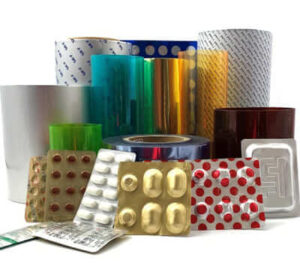
8021 aluminiumsfolie er en vanlig legering i 8000 serie aluminiumslegeringer. Vanlige aluminiumsfolier i 8000 serie aluminiumslegeringer inkluderer 8011 Aluminiumsfolie og 8079.
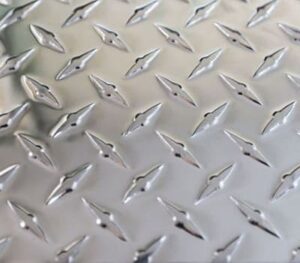
Diamantplate aluminiumsplater 4x8 er tilgjengelig i størrelsene 6061-T6 og 3003-H14. de har høyere styrke, slitestyrke, bærende, bearbeidbarhet, korrosjonsbestandighet, osv. Derfor, populær innen konstruksjon, produksjon, kjøretøy, skip og ulike felt.

Oppdag førsteklasses PVDF fargebelagte aluminiumsplater med utmerket holdbarhet, UV motstand, og bevaring av levende farger. Perfekt for arkitektonisk, industriell, og dekorative applikasjoner.
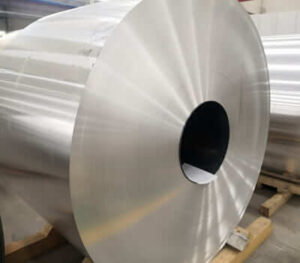
Henan Huawei Aluminium leverer jumboruller med husholdningsaluminiumsfolie, 8011 legering, 1235 legering Husholdningenes aluminiumsfolie påføring for grill, matinnpakning, osv.
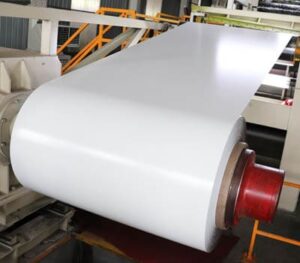
Pvdf-belagt aluminiumsspole er en type fargebelagt aluminiumsspole, Fargebelagt aluminiumsspole kan deles inn i polyester (PE) belagt aluminiumsspole, fluorkarbon (PVDF) belagt aluminiumsspole og epoksyvalsebelagt aluminiumsspole.
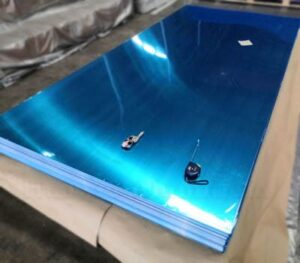
4x8 aluminiumsplate er en vanlig størrelse på aluminiumsplate, også kjent som standard størrelse aluminiumsplate, referert til som standardark.
Nr.52, Dongming Road, Zhengzhou, Henan, Kina
Henan Huawei Aluminium Co., Ltd, En av de største aluminiumsleverandørene i Kina Henan,Vi er etablert i 2001, og vi har rik erfaring innen import og eksport og høykvalitets aluminiumsprodukter
man – lør, 8AM – 17:00
søndag: Lukket
© Copyright © 2023 Henan Huawei Aluminium Co., Ltd

Siste kommentarer
Kjære Sir, Please offer your best FOB Prices specs are as under ALUMINIUM STRIP (AL=99,50 % MIN) STØRRELSE:450 X32 X6 MM. DIN EN 570 EN-AW 1050 EN, ANTALL=3400KG
Hallo, Vil du være så snill å tilby varen som følger: Spole 0,6х1250 (1000)mm EN AW-3105 5tons
Hallo, Kan du tilby meg aluminiumsplater? Egentlig trenger jeg: 110mm x 1700 mm x 1700 mm 5083 H111 - 21 pcs Next year planed is 177 stk
Flott artikkel. Jeg var henrykt, at jeg fant denne artikkelen. Mange tror det, at de har pålitelig kunnskap om dette emnet, men dette er ofte ikke tilfelle. Derfor min hyggelige overraskelse. Jeg er imponert. Jeg vil definitivt anbefale dette stedet og komme tilbake oftere, å se nye ting.
krav til aluminiumslist