1. Introduksjon
Non-stick aluminiumsfolie har dukket opp som et allsidig og viktig kjøkkenverktøy for både hjemmekokker og profesjonelle kokker.
Dette innovative produktet kombinerer fordelene med tradisjonell aluminiumsfolie med avanserte non-stick egenskaper, forenkle matlaging og matlaging.
Etter hvert som kulinariske praksiser utvikler seg, å forstå implikasjonene av å bruke non-stick aluminiumsfolie blir stadig viktigere.

Non-stick aluminiumsfolie
Definere non-stick aluminiumsfolie
Non-stick aluminiumsfolie er en spesialisert type aluminiumsfolie belagt med en non-stick overflate, ofte laget av silikon eller andre ikke-giftige materialer.
Dette belegget forhindrer at maten fester seg til folien, gjør den ideell for baking, steking, og tilberede delikate ting som fisk eller bakverk.
Vanlige beleggmaterialer inkluderer:
- PTFE (Polytetrafluoretylen): Kommersielt kjent som Teflon®, PTFE motstår å holde seg opp til ca 260 °C.
- Silikonbaserte belegg: Silikoner av matvarekvalitet frigjøres ved litt lavere temperaturer (≤ 230 °C) men utmerker seg ved enkel opprydding.
- Keramikkinfunderte belegg: Disse nyere formuleringene tåler høyere temperaturer (opp til 450 °C) og motstå riper.
Viktigheten av non-stick-egenskaper
Ikke-klebende egenskaper har betydning av flere grunner:
- Redusert matsvinn: Når maten slipper rent, bakere og kokker mister mindre produkt ved å feste – studier viser 10–15 % reduksjon i avfall.
- Forbedret presentasjon: Delikate gjenstander som fiskefileter og bakverk opprettholder strukturell integritet når de løftes av folie uten å rives.
- Tidsbesparelser: Hjemmekokker og storkjøkken bruker opptil 30 % mindre tid på opprydding ved bruk av non-stick overflater.
- Jevn varmefordeling: Ved å forhindre ujevne varme flekker som kan oppstå ved å feste mat, non-stick folie fremmer jevn bruning.
2. Materialsammensetning og beleggingsteknologi
Spesifikasjoner for base aluminiumsfolie
Produsenter begynner med høyrente aluminiumslegeringer - ofte 1050, 1200, eller 8011 aluminiumsfolie-valset til husholdnings- eller kraftige tykkelser:
- Husholdningsfolie: 0.016 mm–0,024 mm
- Kraftig folie: 0.024 mm–0,040 mm

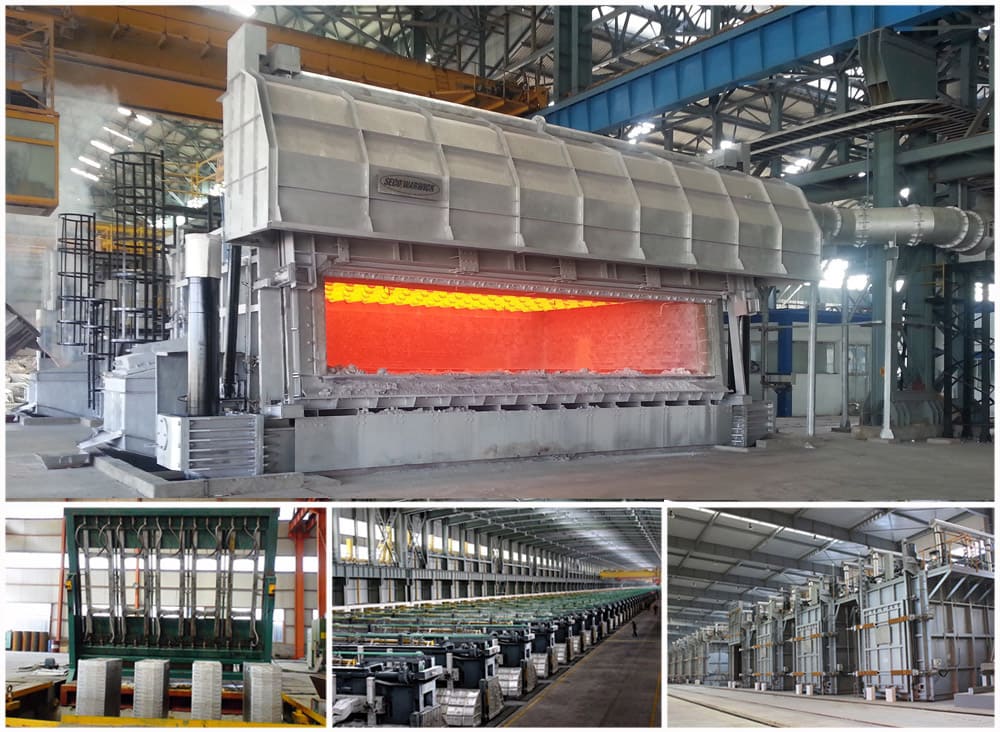
8011 Aluminiumsfolie Stor rull
Disse legeringene tilbyr:
- Høy varmeledningsevne (~235 W/m·K) for rask varmeoverføring.
- Korrosjonsbestandighet via et tynt aluminiumoksidlag.
- Utmerket formbarhet, la folien tilpasse seg panner, griller, eller matformer.
Typer av non-stick belegg
- PTFE (Teflon®) Belegg
-
- Egenskaper: Friksjonskoeffisient ~0,05, smeltepunkt ~327 °C, frigjøringsytelse opp til ~260 °C.
- Søknad: Roller-coating påfører et 2–5 μm PTFE-lag; sprøyteavsetning retter seg mot ujevne overflater.
- Silikonbaserte belegg
- Egenskaper: Friksjonskoeffisient ~0,20, maksimal kontinuerlig bruk ~230 °C, FDA-kompatibel for direkte kontakt med mat.
- Søknad: En tynn (5–10 μm) silikonfilm bindes via herding ved 200–250 °C.
- Keramiske/glass-infunderte belegg
- Egenskaper: Høy hardhet (Mohs ~5–6), tåler temperaturer opp til 450 °C, ripe- og slitesterk.
- Søknad: Pasta-lignende keramiske kompositter spray-påført, deretter bakt i ovner ved 400–450 °C.
- Slippmidler av matkvalitet
- Eksempler: Naturlig lecitin eller vegetabilsk oljederivater.
- Egenskaper: Biologisk nedbrytbar, lavere varmetoleranse (~180 °C), egnet for baking eller kjøling ved lav temperatur.
Påføringsprosess for belegg
- Overflateforberedelse
- Rengjøring: Fjerner oljer og kalkavleiringer via alkalisk eller fosforsyrevask.
- Mikro-etsing: Syre eller mekanisk børsting skaper en strukturert overflate (Ra ~0,2–0,5 μm) for bedre beleggvedheft.
- Beleggavsetning
- Rull-til-rull-laminering: Folie passerer under en rulle som sprer flytende PTFE eller silikon jevnt.
- Spraypåføring: Gir målrettet dekning for preget eller perforert folie, sikrer jevn lagtykkelse (±1 μm).
- Herding & Baking
- PTFE-linjer: Ovner holder 350–450 °C i 1–3 min, tvinger polymertverrbinding.
- Silikon linjer: Stek ved 200–250 °C i 2–4 minutter for å fullstendig polymerisere silikonbunnen.
- Keramiske linjer: Herding ved 400–450 °C smelter glasspartikler sammen til en hard, non-stick overflate.
- Kvalitetskontroll
- Vedheftstester (ASTM D3359): Sikrer at belegg har en vedheftsgrad på 5B.
- Tykkelsesmåler: Berøringsfrie sensorer bekrefter enhetlighet (±0,5 μm toleranse).
- Utgivelsestesting: Matsimulanter (kakedeig, kjøttpuré) trykket under 20 kPa for 30 s; frigjøringskraft ≤ 50 g indikerer tilstrekkelig non-stick ytelse.
3. Nøkkelfysiske og kjemiske egenskaper
Termisk ledningsevne & Varmetoleranse
- Grunnfolie: Rent aluminium viser ~235 W/m·K, sikrer rask varmefordeling og jevn matlaging.
- Belegg varmegrenser:
- PTFE: Stabil til ~260 °C; nedbrytningen begynner ~327 °C.
- Silikon: Effektiv til ~230 °C; trygt for de fleste bakeoperasjoner.
- Keramikk/glass: Tåler opptil ~450 °C, ideell for grill eller slaktekylling.
Non-Stick ytelsesmålinger
- Friksjonskoeffisient (COF):
- PTFE ≈ 0,05–0,10
- Silikon ≈ 0,20–0,30
- Keramikk ≈ 0,15–0,25
- Slipp kraft: Den gjennomsnittlige kraften som kreves for å løsne standardisert kakedeig er < 50 g under kontrollerte laboratorieforhold (20 ± 2 °C, 50 % RH).
- Antall holdbarhetssykluser: PTFE-belagt folie overlever 500–1000 varmesykluser (180–260 °C) uten betydelig ytelsestap; keramikk-infunderte håndtak opp til 2,000 sykluser.

Nøkkelfysiske og kjemiske egenskaper
Mekanisk styrke & Formbarhet
- Strekkstyrke: Basisfolie i H14 temperament måler ~80–100 MPa; belegg gir ubetydelig stivhet, men må bøye seg uten å sprekke.
- Forlengelse ved brudd: ~25 % for basislegeringer; belegg forblir intakt opp til 10–15 % press.
- Punkteringsmotstand: Kraftig non-stick folie motstår punkteringskrefter opp til 8 N (i henhold til ASTM F1306), reduserer rifter under håndtering.
Kjemisk stabilitet & Matsikkerhet
- pH-toleranse: Belegg motstår milde syrer (pH 3) og baser (pH 9), så marinader og sauser ikke forringer slipplaget.
- Migrasjonstesting:
- PTFE: Samsvarer med FDA 21 CFR 175.300 og jeg 10/2011; migrasjon til matsimulanter kl 175 °C holder seg under 0.1 mg/kg.
- Silikon: Møter LFGB (Tyskland) standarder, uten påvisbare silikonlekkasjer kl 200 °C eksponering for 2 h.
- Innhold i tungmetall: Materialer overholder RoHS- og REACH-forskrifter, sikrer ingen bly, kvikksølv, eller kadmiumforurensning.
4. Produksjonsprosess og kvalitetssikring
Flytskjema for produksjon
- Legering Ingot Støping & Rullende
- Støpte aluminiumsblokker av høy renhet, da varmvalset til 0.1 mm–0,2 mm, lengre kaldvalset for å oppnå endelig tykkelse (0.016 mm–0,040 mm).
- Overflatebehandling & Rengjøring
- Kjemisk rengjøring: Alkalisk/syrebad fjerner rester.
- Mekanisk børsting: Valgfritt for preget folie for å forbedre vedheft.
- Påføring av belegg
- Rullebelegg: PTFE eller silikon påført i en kontinuerlig linje, sikre jevn dekning.
- Spraybelegg: Brukes til pregede eller perforerte folier, med en mållagstykkelse på 2–10 μm.
- Herding/Ovnsbaking
- PTFE-linjer: Stekes kl 400 °C for 2 minutter i inert eller lite oksygenatmosfære.
- Silikon linjer: Stekes kl 220 °C for 3 minutter.
- Keramiske linjer: Stekes kl 450 °C for 3 minutter.
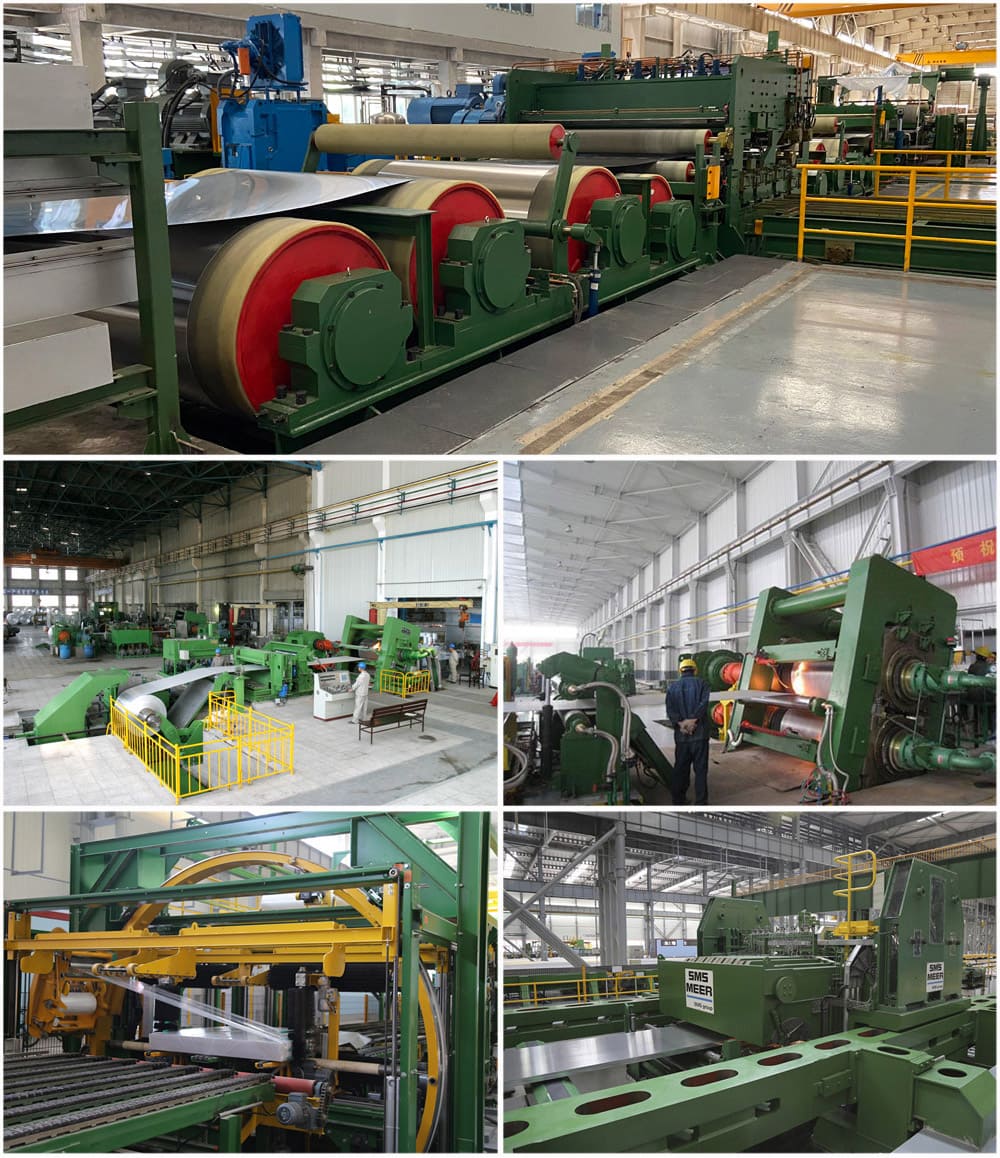
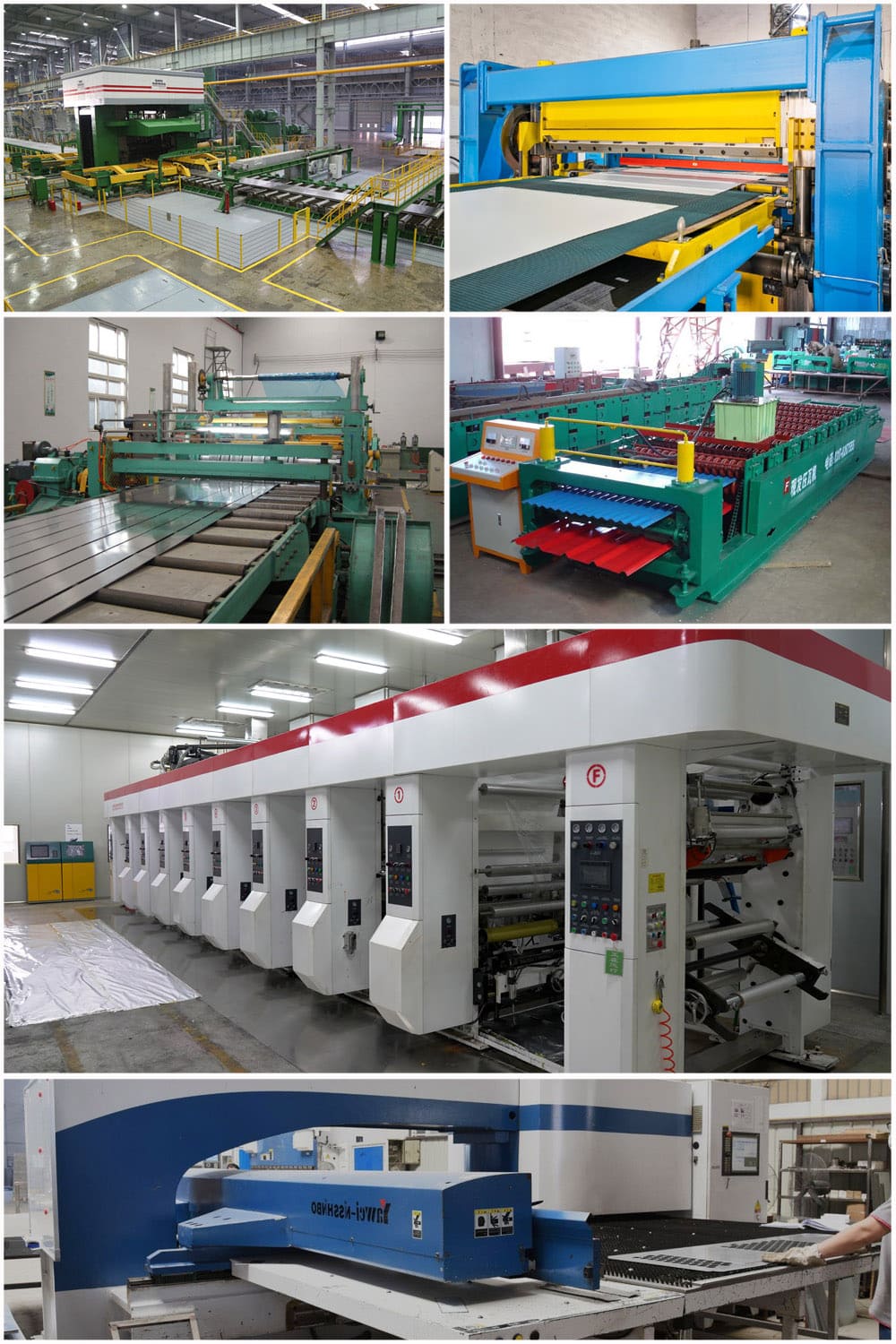
- Skjæring & Spole tilbake
- Ferdig folie spolet tilbake til ruller (f.eks., 30 cm, 45 cm, 60 cm bredder) med kantklippspresisjon ±0,5 mm.
- Laminering: Eventuelt laminert med vokspapir eller silikonbelagt liner for rullebeskyttelse.

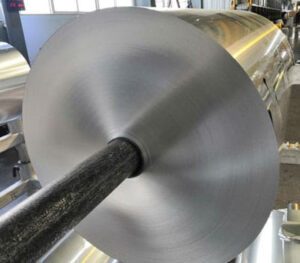
Klipping av aluminiumsfolie
Standarder & Sertifiseringer
- ASTM B479: Standard for aluminium og aluminiumslegering plate og folie.
- ISO 22000 / FSSC 22000: Matsikkerhetsstyring i produksjon.
- FDA CFR 21.175.300 / EU 10/2011: Sikkerhetskrav for matkontakt.
- LFGB (Tyskland): Tysk mattrygghet for silikonbaserte belegg.
- ASTM D3359: Vedheftstest for beleggets integritet.
- UL 94 V-0 (der det er aktuelt): Brennbarhetsklassifisering for høytemp folieapplikasjoner.
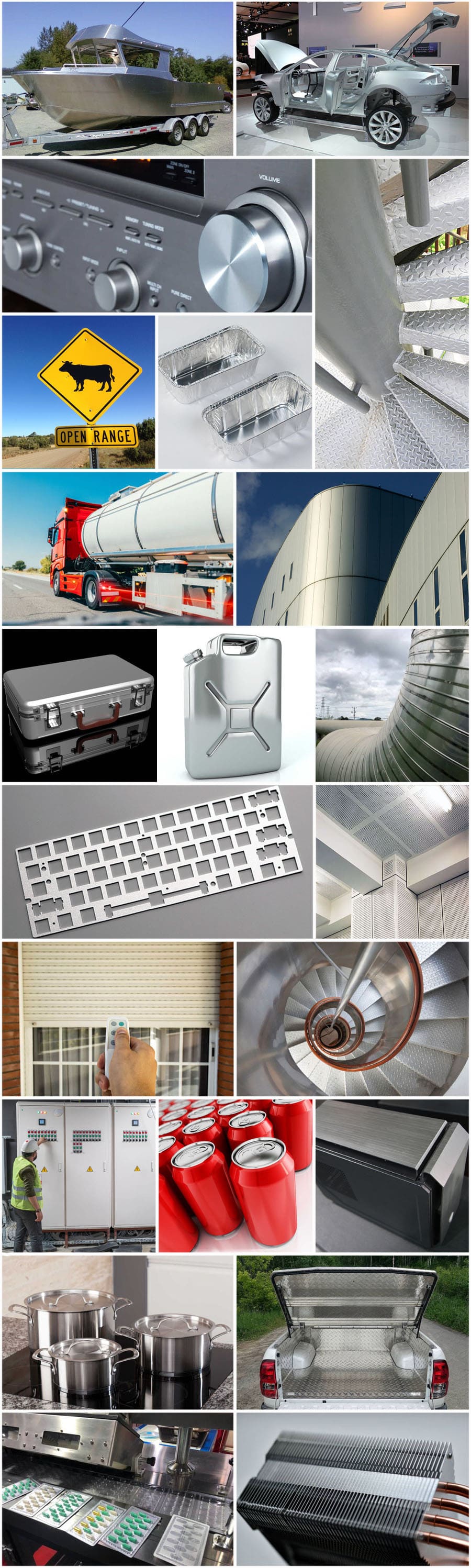
5. Påføringer av non-stick aluminiumsfolie
Hjem og kommersielle kjøkken
Baking & Steking:
- Kaker, informasjonskapsler, og delikate bakverk glir rent av – ingen skraping eller flising.
- Jevn varmefordeling sikrer konsekvent bruning; hjemmetester viser ±5 °C kokeoverflatevariasjon sammenlignet med standard folie.

Non-stick aluminiumsfolie for hjemmet
Grilling & BBQ:
- Foring av grillrister reduserer oppblussing og hindrer fisk og grønnsaker i å feste seg.
- PTFE-belagt folie tåler direkte grilltemperaturer (~260 °C), redusere opprydding med opptil 80 %.
Lagring & Fryser:
- Pakke inn klebrig mat (godteri, marinert kjøtt) forhindrer isvedheft og fryseforbrenning.
- Silikonbasert folie fungerer ned til -40 °C uten å sprekke.
Industriell matforedling
Kontinuerlige bakelinjer:
- Transportbånd foret med PTFE-belagt folie håndtak >5,000 brød/time, muliggjør enkel produktfjerning og minimal nedetid.
Forming & Støping:
- Sjokolade- og konfektformer slipper uanstrengt; fabrikkens rapport 20 % raskere avforming ganger.
Frysetørking & Dehydrering:
- Non-stick-folier reduserer produkttapet, forbedre utbyttet med inntil 8 % i frysetørket fruktproduksjon.
Farmasøytiske og medisinske applikasjoner
Tablettblisterfolie:
Steril emballasje:
- Medisinske komponenter (katetre, implantater) krever ikke-klebende omslag som opprettholder sterilitet og enkel tilgang.

Blisterfolie Brukt non-stick aluminiumsfolie
Industri og romfart
Sammensatte oppsett:
- I produksjon av karbonfiberdeler, non-stick aluminiumsfolie fungerer som en utgivelsesfilm, tillater ren separasjon av herdede kompositter.
Varmeveksleromslag:
- Non-stick folie reduserer begroing i kjemiske anlegg og kraftstasjoner, vedlikeholde >90 % termisk effektivitet over tid.
6. Fordeler og begrensninger
Viktige fordeler
- Eksepsjonell utgivelsesytelse:
- Bakeprøver bekrefter 95–98 % ren utgivelse for bakevarer, redusere avfall og produktskader.
- Forbedret matlagingskonsistens:
- Ensartet varmeoverføring minimerer varme flekker; merk profesjonelle kokker 20 % mer jevn bruning.
- Redusert oppryddingstid:
- Studier av hjemmekjøkken viser opp til 50 % mindre skrubbetid sammenlignet med standard folie.
- Varighet:
- PTFE-belagt folie tåler 500–1000 høytemperatursykluser uten delaminering; keramiske folier overskrider 2,000 sykluser.
- Overholdelse av mattrygghet:
- FDA, EU, og LFGB-godkjent for direkte matkontakt, sikre sikker bruk.
- Miljømessige fordeler:
- 100 % resirkulerbar; resirkulering forbruker 95 % mindre energi enn primæraluminiumproduksjon.
Begrensninger & Betraktninger
- Kostnadspremie:
- Non-stick folie koster ~20–50 % mer enn standard folie på grunn av ekstra belegningstrinn.
- Temperatur tak:
- PTFE-belegg nedbrytes over ~260 °C (røyk kan dannes); keramiske belegg håndterer opptil ~450 °C, men kostnadene og sprøheten øker.
- Helse forholdsregler:
- Overoppheting av PTFE utover dekomponeringstemperaturen kan frigjøre røyk; riktig ventilasjon er avgjørende.
- Resirkuleringskompleksitet:
- Belagte folier krever spesialisert separering - noen gjenvinningssentre avviser sterkt belagt materiale.
7 Resirkulerbarhet av non-stick aluminiumsfolie
Resirkuleringsprosess for aluminium:
- Samling & Sortering: Brukt folie skilt fra annet avfall.
- Rengjøring: Forurensninger (matrester, belegg) fjernes via vaskemiddelvask eller pyrolyse.
- Smelting & Casting: Folie smelter kl 660 °C, produsere resirkulerte ingots.
- Rullende: Resirkulerte blokker ruller inn i ny folie, bevare kvaliteten i de fleste tilfeller.
Innvirkning av belegg på resirkulering:
- PTFE og silikonbelegg skal være pyrolysert eller kjemisk strippet før du smelter aluminium på nytt.
- Resirkuleringsutbyttet er fortsatt høyt—>90 % av aluminiuminnholdet kan gjenvinnes.
- Noen anlegg blander gjenvunnet aluminium med virgin ingots for å opprettholde legeringsspesifikasjonene.
8. Konklusjon
Non-stick aluminiumsfolie gifter seg med termisk ytelse av aluminium med avansert utgivelse belegg, forbedre både husmannskost og industriell produksjon.
Dens evne til å redusere matsvinn med opptil 15 %, kutte oppryddingstiden med 30 %, og tåle 500–2000 høytemperatursykluser gjør den til en allsidig stift på tvers av kulinariske og produksjonssektorer.
Selv om det har en høyere forhåndskostnad - ca 20–50 % mer enn vanlig folie—dets fordeler i effektivitet, hygiene, og bærekraft oppveier ofte denne premien.
Etter hvert som resirkuleringsteknologier utvikler seg for å bedre gjenvinne belagte folier, og som keramiske eller biobaserte belegg fremme, non-stick aluminiumsfolie vil fortsatt være en nødvendighet, grønt materiale i moderne kjøkken og industrielle linjer.





Siste kommentarer
Vi trenger en t111 aluminiumsplate. Vi ser etter kvart tomme ganger 4'x8' ark
Aluminium 5754 H111 หนา 8 mm กว้าง x ยาว : 4 x 6 fot
Hei, veldig bra, jeg ringer fra Iran, vi trenger 12 mikron gullfolie, 61 cm bred, ca 35 tusen meter per måned.
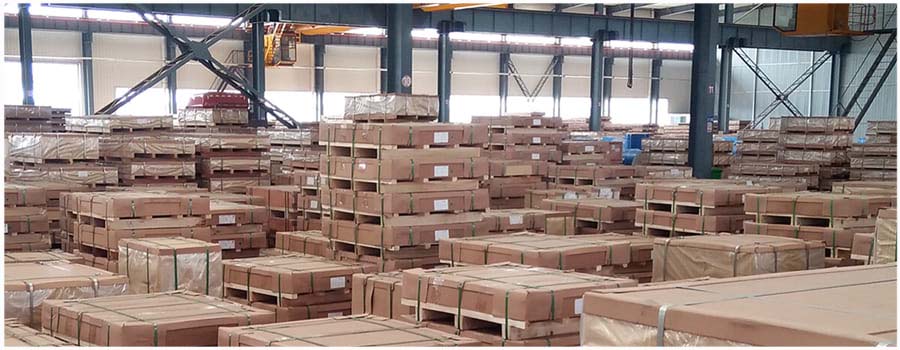
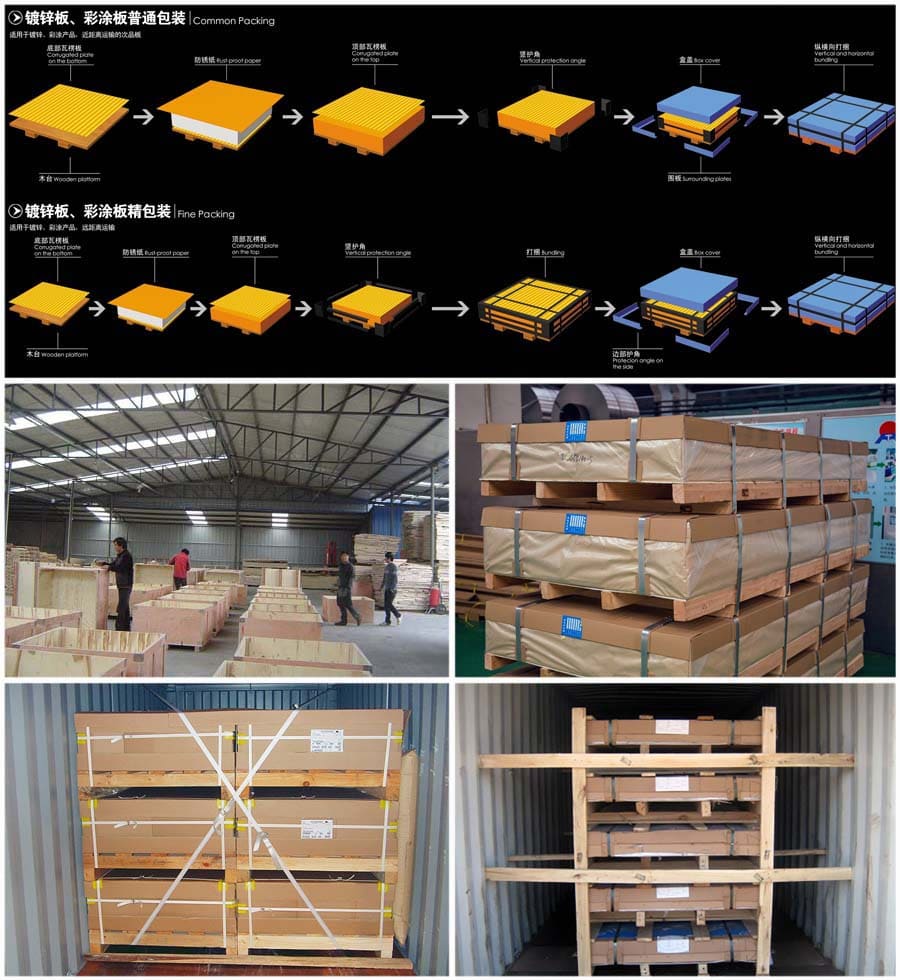
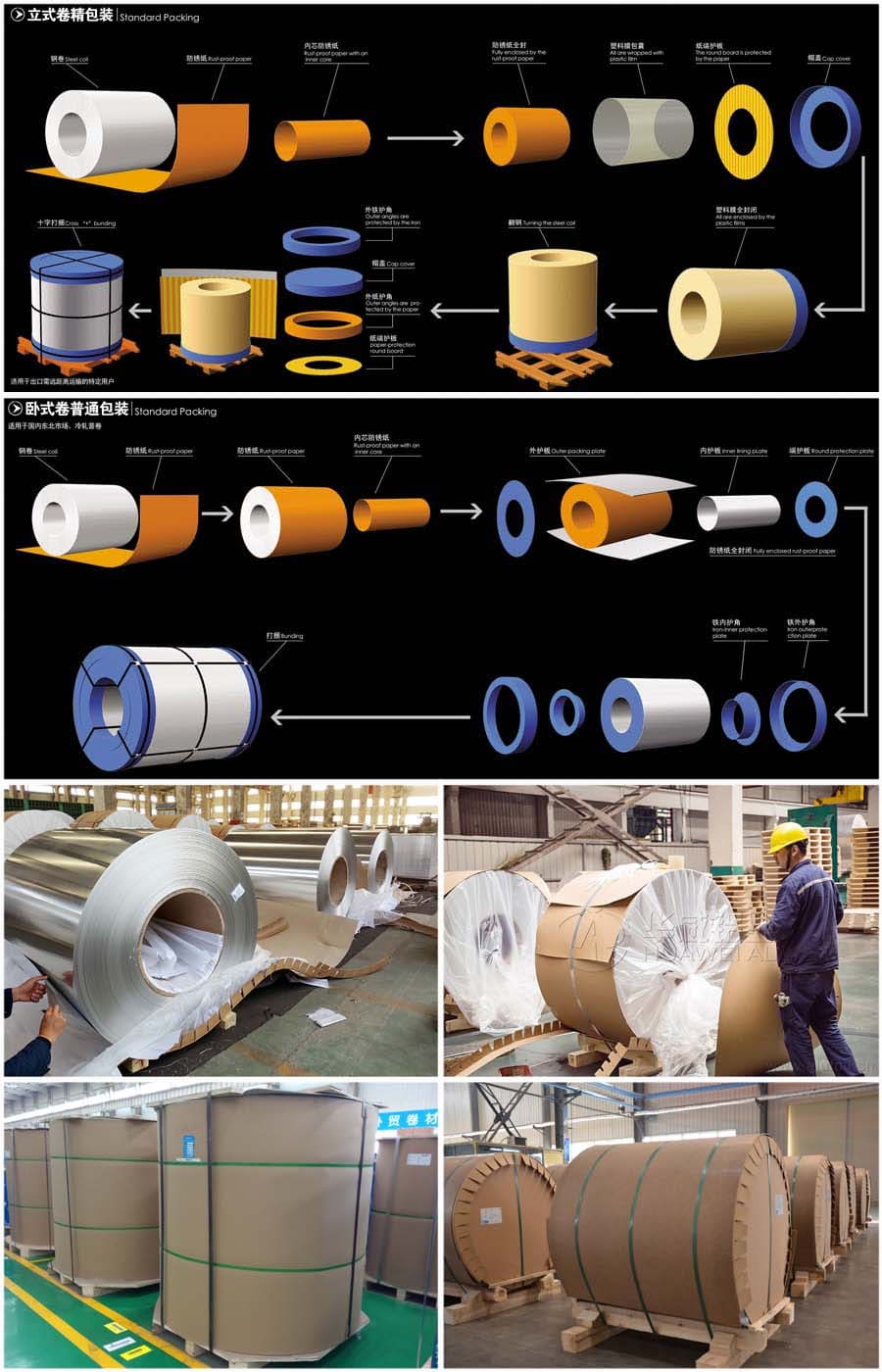
Kjære salgsteam, Jeg håper du har det bra. Vi ønsker å hente aluminiumsprodukter fra din bedrift og vil sette pris på å motta ditt beste tilbud for følgende: Aluminum Sheets Thickness: 2 mm, 3 mm, 4 mm, og 5 mm Please provide your available standard sheet sizes. Vennligst oppgi prisen per ark og prisen per metrisk tonn. Aluminum Coils Thickness: 2 mm, 3 mm, 4 mm, og 5 mm Please provide your available coil widths, standard spolevekter, og spesifikasjoner for indre diameter. Vennligst oppgi prisen per tonn. For både ark og spoler, vennligst ta med: Tilgjengelige legeringer (f.eks. 1050, 3003, 5052) Temper options Mill finish or other available surface finishes Minimum Order Quantity (MOQ) Production lead time Payment terms Please provide your quotation based on: CIF Jebel Ali Port, UAE (inkludert sjøfrakt), eller alternativt gi både FOB China og CIF Jebel Ali Port, UAE priser. Hvis tilgjengelig, send gjerne også: Product catalogue Mill Test Certificate (MTC) sample Photos of the products and packaging. Vi er interessert i å etablere et langsiktig forretningsforhold. Vårt første kjøpsvolum forventes å være 100+ metriske tonn, med potensiale for større og tilbakevendende bestillinger hvis din prissetting, kvalitet, og service oppfyller våre krav. Takk for at du tok deg tid. Vi ser frem til å motta tilbudet ditt og håper å bygge et vellykket langsiktig partnerskap. Med vennlig hilsen, Eng.Yousef
アルミハニカムパネルについてお聞きしたいのですが L1500×W700×厚みで曲げに対して200kgg耐えられるには厚みはどのくらいでしょうか ※簡単に言いますと約1000mmの側溝に渡して真ん中で200kg耐えられるかという事になります 又、Hvis et slikt produkt finnes, vekten、価格をおしえていただけますか 現在はコンパネ板を使用してますが腐ると折れてしまい人が側溝に落ちてけがをしてます 出来ましたらメールでお返事をいただけますか