Utforska aluminiumskivor för köksredskap med överlägsen värmeledningsförmåga, lättviktsdesign, och korrosionsbeständighet. Perfekt för stekpannor, tryckkokare, och bakplåtar.
Aluminiumskivor för kokkärl är tunna, cirkulära ark av aluminiumlegering som används som bas eller kärna i olika köksredskap.
Deras popularitet härrör från aluminiums exceptionella värmeledningsförmåga, lättviktig natur, och formbarhet.
Oavsett om du lagar mat på en gasspis, induktionshäll, eller ugn, aluminiumskivor säkerställer jämn värmefördelning och snabb respons på temperaturförändringar.
Som global efterfrågan på effektiv, prisvärda köksredskap växer, användningen av aluminiumskivor har expanderat till hybriddesigner, såsom rostfritt stålklädda aluminiumkärnor, för att förbättra prestandan.
Den här artikeln går in i vetenskapen, produktion, och praktiska aluminiumskivor, erbjuda insikter för tillverkare, kockar, och konsumenter.

Aluminiumskivor för kokkärl
Aluminiumskivor finns i flera legeringar, var och en skräddarsydd för specifika applikationer:
| Alloy-serien | Vanliga betyg | Nyckelfunktioner |
| 1000 Serie (1050, 1060) | 1050 (99.5% renhet), 1060 (99.6% renhet) | Hög renhet, utmärkt korrosionsbeständighet, idealisk för matkontakt. |
| 3000 Serie (3003, 3004) | 3003 (Mn legerad), 3004 (Mg/Mn legerad) | Förbättrad styrka och formbarhet, lämplig för djupdragna kokkärl. |
| 5000 Serie (5052, 5754) | 5052 (Mg legerat), 5754 (Mg/Mn legerad) | Överlägsen korrosionsbeständighet, används ofta i marina applikationer. |

Huawei aluminiumskivor Tjockleksmätning
| Tjocklek (mm) | Ansökan |
| 0.3–0,5 | Tunna bakplåtar och engångsbehållare. |
| 0.5–1,5 | Vanliga stekpannor och grytor. |
| 2.0–4,0 | Premiumkokkärl med förbättrad hållbarhet. |
| 3.0–5,0 | Tryckkokare och kraftiga vattenkokare. |
Diameterintervall: Aluminiumskivor finns tillgängliga från 50 mm (små kastruller) till över 1200 mm (stora lagerkrukor), tillgodose olika behov av köksredskap.
Aluminiumskivor för köksredskap genomgår exakt tillverkning för att säkerställa kvalitet, varaktighet, och prestanda.
Processen kan delas in i skivproduktion och bildning av kokkärl, var och en med kritiska steg.
Tillverkningen av aluminiumskivor börjar med högkvalitativa aluminium- eller legeringsplåtar och följer en serie noggrant kontrollerade steg:

Förpackade aluminiumskivor från huawei
När skivorna är förberedda, de formas till färdiga kokkärlprodukter med hjälp av olika formningstekniker:
Aluminiumskivor för kokkärl tjäna som grundmaterial för ett brett utbud av köksprodukter.
Deras lätta, hög värmeledningsförmåga, och korrosionsbeständiga egenskaper gör dem idealiska för olika applikationer.
Aluminiumskivor ger jämn värmefördelning, förhindrar heta fläckar och säkerställer konsekvent matlagning. De används ofta för:
Tjockare aluminiumskivor (typiskt 3–5 mm) används i tryckkokare att motstå högt tryck och bibehålla strukturell integritet.
Kombinationen av termisk effektivitet och styrka säkerställer säkerhet och hållbarhet.

Aluminiumskivor för tryckkokare
Tunna aluminiumskivor (0.5–1,5 mm) är idealiska för bakplåtar och pizzapannor.
De främjar enhetlig värmeöverföring, ger jämnt bakverk och minskar tillagningstiden.
Aluminiumskivor utgör basen för vattenkokare och tekannor, möjliggör snabb uppvärmning och effektiv kokning.
Lätt konstruktion gör hanteringen enklare med bibehållen värmeprestanda.
Aluminiumskivor fungerar som en stabil bas för non-stick beläggningar såsom PTFE (Teflon) eller keramik.
Deras släta yta och jämna värmefördelning förbättrar prestandan hos kokkärl med non-stick.

Aluminiumskivor för non-stick pannor
Lättvikts- och korrosionsbeständiga aluminiumskivor används också för tillverkning skålar, blandningskärl, och lätta redskap, ger hållbarhet utan överdriven vikt.
Aluminiumskivor för kokkärl erbjuder många fördelar som gör dem till ett föredraget material i modern köksutrustning.
Samtidigt, vissa begränsningar kräver hänsyn vid design och användning.

Aluminiumskivor Pizzapannor
Att säkerställa säkerheten för aluminiumskivor för kokkärl är avgörande för både tillverkare och konsumenter.
Korrekt bearbetning, beläggningar, och val av legeringar hjälper till att förhindra reaktivitet och upprätthålla livsmedelssäkerhet.
Aluminium bildar naturligt en tunt oxidskikt när de utsätts för luft. Detta lager fungerar som en barriär, förhindrar direktkontakt mellan metallen och maten.
Det minskar risken för urlakning av aluminium i sura livsmedel eller livsmedel med hög temperatur.
Anodisering förtjockar oxidskiktet, gör ytan hårdare, icke-reaktiva, och korrosionsbeständig.
Kokkärl i anodiserad aluminium läcker inte aluminium till mat och är säkra för daglig matlagning, även med sura ingredienser som tomater eller citrus.
Använder lämpliga aluminiumlegeringar och härdning säkerställer mekanisk stabilitet och livsmedelssäkerhet.
Legeringar i 1000, 3000, och 5000 serie ger rätt balans mellan formbarhet, styrka, och korrosionsbeständighet för säker kokkärl.
Ytbehandlingar och beläggningar förbättrar prestanda, varaktighet, och säkerhet av aluminiumskivor som används i kokkärl.
Korrekt efterbehandling säkerställer en jämn värmefördelning, korrosionsbeständighet, och kompatibilitet med non-stick-ytor.
Anodisering är en elektrokemisk process som förtjockar det naturliga oxidskiktet på aluminium. Förmånerna inkluderar:
Aluminiumskivor fungerar som en idealisk bas för non-stick beläggningar, som inkluderar:
Fördelar med non-stick beläggningar:
För att säkerställa säkerhet, varaktighet, och prestanda, aluminiumskivor som används i kokkärl måste överensstämma med erkända industristandarder och föreskrifter.
Dessa standarder omfattar materialsammansättning, mekaniska egenskaper, och livsmedelssäkerhet.
De American Society for Testing and Materials (ASTM) ger riktlinjer för aluminiumlegeringar, inklusive:
Överensstämmelse med ASTM-standarder säkerställer att aluminiumskivor är konsekvent, pålitlig, och lämplig för tillverkning av köksredskap.
Europeiska normer (I) definiera specifikationer för aluminiummaterial för den europeiska marknaden, inklusive:
Att uppfylla EN-standarderna garanterar att kokkärl kan säljas och användas säkert i Europa.
Aluminiumskivor för kokkärl måste fästa vid säkerhetsföreskrifter för livsmedelskontakt, såsom:
Aluminiumskivor för köksredskap är ett bevis på materialvetenskap och ingenjörskonst. Deras kombination av termisk effektivitet, lättviktsdesign, och kostnadseffektivitet gör dem oumbärliga i moderna kök.
Medan utmaningar som reaktivitet och mjukhet finns, framsteg inom beläggningar och legeringsutveckling fortsätter att ta itu med dessa begränsningar.
Eftersom hållbarhet blir en prioritet, återvinningsbarheten hos aluminiumskivor kommer att ytterligare stärka deras roll i miljövänliga köksredskapslösningar.
För tillverkare, förstå nyanserna i valet av legeringar, ytbehandlingar, och efterlevnadsstandarder är nyckeln till att producera hög kvalitet, säkra produkter.
För konsumenter, Att välja kokkärl i belagd eller anodiserad aluminium säkerställer livslängd och hälsofördelar.
1. Är aluminiumskivor säkra för matlagning?
Ja, när den är korrekt belagd eller anodiserad. Det naturliga oxidskiktet och moderna beläggningar förhindrar att aluminium läcker ut i maten.
2. Kan kokkärl av aluminium användas på induktionsspisar?
Enbart aluminium är inte magnetiskt, så det kräver ett ferromagnetiskt lager (till exempel, rostfritt stål) för induktionskompatibilitet.
3. Vilken är den bästa legeringen för köksredskap av aluminium?
1050 och 1060 serier är idealiska för kontakt med livsmedel på grund av sin höga renhet och korrosionsbeständighet.
4. Hur rengör jag kokkärl i aluminium?
Undvik slipande rengöringsmedel; använd milda rengöringsmedel och mjuka svampar för att bevara beläggningar.
5. Är miljövänliga köksredskap i aluminium?
Ja, aluminium är 100% återvinningsbart, vilket gör det till ett hållbart val för miljömedvetna konsumenter.
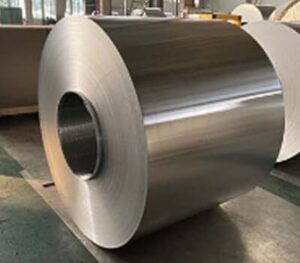
3105 aluminiumspole är en 3000 serie aluminiumlegering: den huvudsakliga legeringstillsatsen är mangan, som är formulerad för primär formning till smidda produkter.

Fördjupad guide till 5083 marin aluminiumplåt—kemisk sammansättning, mekanisk styrka, korrosionsbeständighet, svetsprestanda, och marina applikationer.
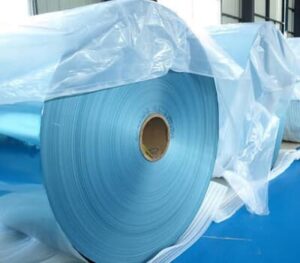
Hydrofil aluminiumfolie erhålls genom att belägga ytan av aluminiumfolie med hydrofil beläggning, syftet är att förbättra det hydrofila (vattenattraherande) prestanda hos aluminiumfolien, och den har högre värmeöverföringseffektivitet och korrosionsbeständighet.
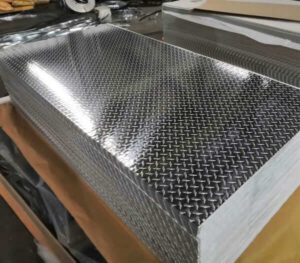
Diamantaluminiumplåt är en typ av aluminiumplåt som har ett upphöjt diamantmönster på ena sidan, som ger utmärkt halkskydd och dragkraft i våta och hala förhållanden.
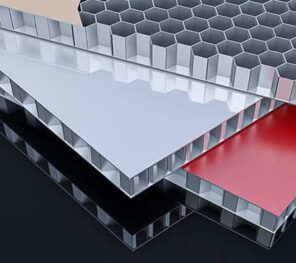
Bikakepaneler av aluminium är en typ av kompositmaterial inspirerat av den sexkantiga bikakestrukturen som finns i naturen. Dessa paneler är kända för sin lätta vikt, hög hållfasthet, och mångsidighet, vilket gör dem till ett populärt val i olika branscher, från konstruktion till flyg.
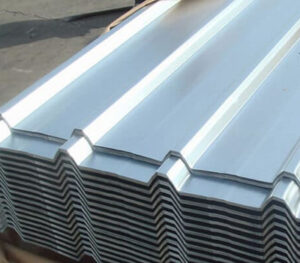
Uppgradera ditt tak med takplåt i aluminium av hög kvalitet. Upplev långvarigt skydd och förbättra ditt hems estetik med vår snygga och hållbara taklösning
Nr.52, Dongming Road, Zhengzhou, Henan, Kina
Henan Huawei Aluminium Co., Ltd, En av de största aluminiumleverantörerna i Kina Henan,Vi är etablerade 2001, och vi har rik erfarenhet av import och export och högkvalitativa aluminiumprodukter
mån – lör, 8AM – 17:00
söndag: Stängd
© Copyright © 2023 Henan Huawei Aluminium Co., Ltd

Senaste kommentarer
Dear Sir, Please offer your best FOB Prices specs are as under ALUMINIUM STRIP (AL=99,50 % MIN) STORLEK:450 X32 X6 MM. DIN EN 570 EN-AW 1050 A, MÄNGD=3400KG
Hej, Skulle du vara så snäll att erbjuda objekt enligt följande: Spole 0,6х1250 (1000)mm EN AW-3105 5tons
Hej, Kan du erbjuda mig aluminiumplåtar? Jag behöver faktiskt: 110mm x 1700 mm x 1700 mm 5083 H111 - 21 pcs Next year planed is 177 st
Bra artikel. Jag var förtjust, att jag hittade den här artikeln. Många tycker det, att de har tillförlitlig kunskap om detta ämne, men så är ofta inte fallet. Därav min trevliga överraskning. Jag är imponerad. Jag kommer definitivt att rekommendera denna plats och komma tillbaka oftare, att se nya saker.
krav på aluminiumband