Discover high-performance Aluminum Plates for LNG Storage Tanks designed for cryogenic temperatures, excellent strength, paglaban sa kaagnasan, and long-term reliability.
As the world pivots towards cleaner energy sources, Liquefied Natural Gas (LNG lng) has emerged as a critical transition fuel. Its efficient transportability across oceans has revolutionized the global energy market.
Gayunpaman, harnessing the power of LNG presents a profound engineering challenge: it must be stored and transported at a bone-chilling -162°C (-260°F). At these cryogenic temperatures, ordinary materials become as brittle as glass.
This is where the science of advanced materials takes center stage, and one material, in particular, has proven to be a cryogenic champion: aluminyo.
This in-depth guide will explore the world of aluminum plates for LNG storage tanks. We will uncover why aluminum alloys, specifically the 5xxx series, are not just suitable but often superior for this demanding application.
We will delve into the critical properties that make them thrive in extreme cold, compare them to other materials, and discuss the vital role that premier suppliers play in ensuring the safety and integrity of these massive structures.
After reading, you will have a comprehensive understanding of the science, engineering, and sourcing behind one of the most crucial components in the LNG supply chain.

Aluminum Plates for LNG Storage Tanks
To appreciate why material selection is so critical, we first need to understand the environment inside an LNG tank. Natural gas, primarily methane, is cooled to -162°C, shrinking its volume by 600 times and turning it into a clear, transportable liquid. This extreme cold is the primary antagonist for any structural material.
Most common structural metals, like carbon steel, undergo a phenomenon known as the ductile-to-brittle transition. At ambient temperatures, these metals are ductile—they can bend, deform, and absorb impact without fracturing.
Gayunpaman, as the temperature plummets, their atomic structure loses the ability to accommodate stress, and they can shatter suddenly under load, leading to catastrophic failure. An LNG tank built from the wrong material is not just a risk; it’s a certainty for disaster.
Dahil dito, any material destined for cryogenic service must possess one non-negotiable trait: it must remain tough and ductile even when subjected to extreme cold.
This fundamental requirement immediately narrows the field of potential candidates, paving the way for specialized alloys to demonstrate their unique advantages.
Aluminum alloys from the 5xxx series are a cornerstone of cryogenic engineering precisely because they defy the ductile-to-brittle transition.
Hindi tulad ng mga ferrous metal, the face-centered cubic (FCC) crystal structure of aluminum does not become brittle at low temperatures. Sa katunayan, its properties often improve.
Here’s a breakdown of the key characteristics that make an aluminum plate for an LNG storage tank an exceptional choice:

5083 Aluminum Plates for LNG Storage Tanks
While several 5xxx serye aluminyo alloys are suitable for cryogenic use, one has become the undisputed industry standard for LNG applications: aluminyo haluang metal 5083.
This alloy’s primary alloying element is magnesium (karaniwan 4.0-4.9%), with a controlled amount of manganese and chromium. It is commonly used in the H221 or H116 tempers for shipbuilding and pressure vessel applications.
The specific chemistry and processing of 5083 are engineered to maximize its strength, paglaban sa kaagnasan, at weldability.
When designing an LNG tank, engineers rely on the well-documented performance of 5083 at cryogenic temperatures.
Properties of Aluminum 5083 at Ambient vs. Cryogenic Temperatures
| Pag-aari | Ambient Temp. (~25°C / 77°F) | Cryogenic Temp. (-162°C / -260°F) | Significance for LNG Tanks |
| tunay na lakas ng paghatak | ~317 MPa (46 ksi) | ~455 MPa (66 ksi) | Becomes Stronger: The material’s ability to resist being pulled apart increases significantly in the cold. |
| Yield Lakas | ~228 MPa (33 ksi) | ~262 MPa (38 ksi) | Higher Resistance to Deformation: The point at which the material begins to deform permanently is raised. |
| Pagpapahaba (% sa 50mm) | ~16% | ~25% | More Ductile: The material can stretch even more before fracturing, a crucial safety feature. |
| Fracture Toughness | Mataas na | Napakataas na | Resists Crack Propagation: Its ability to resist the growth of flaws or cracks is excellent at low temps. |
Dagdag pa rito, the welding of 5083 plates is a well-understood process, kasama ang Aluminyo 5183 being the recommended filler wire.
This ensures that the welded joints have properties that are compatible with and nearly as strong as the base metal, maintaining the structural integrity of the entire tank.
To fully appreciate the benefits of using an aluminum plate for an LNG storage tank, a comparison with its primary competitor, 9% Nickel Steel, ay mahalaga.
Hindi kinakalawang na asero (like 304L) is also used in some smaller-scale or specialized cryogenic applications.
Comparison Table: Aluminyo 5083 mga bes. 9% Nickel Steel
| Tampok | aluminyo haluang metal 5083 | 9% Nickel Steel | Pagsusuri & Implications |
| Densidad ng katawan | ~2,660 kg/m ³ | ~7,850 kg/m ³ | Major Advantage for Aluminum: Halos 3 times lighter, leading to massive savings in transport, handling, foundation costs, and increased ship payload. |
| Ductile-Brittle Transition | None. Remains ductile and tough at all cryogenic temperatures. | None. Specially alloyed with nickel to suppress the transition. | Both are Suitable: Both materials meet the fundamental requirement for cryogenic safety, but aluminum’s inherent nature provides confidence. |
| Weldability | Napakahusay. No pre-heating required. High deposition rates possible. | Mabuti na lang, but more complex. Often requires pre-heating and post-weld heat treatment (PWHT). | Advantage for Aluminum: Faster and more economical fabrication process. Simpler procedures reduce the risk of welding defects and lower labor costs. |
| Paglaban sa Kaagnasan | Napakahusay, lalo na sa marine environments. | Mabuti na lang, but susceptible to rust if coatings are damaged. | Advantage for Aluminum: Lower long-term maintenance costs and a longer service life without the need for complex and costly coating systems. |
| Gastos sa Materyal | Generally higher cost per kilogram. | Generally lower cost per kilogram. | Advantage for Steel (Upfront): The raw material cost of steel is lower. |
| Overall Project Cost | Often lower due to fabrication speed and weight savings. | Can be higher due to complex welding and heavier construction. | Advantage for Aluminum (Lifecycle): When factoring in labor, transportasyon, foundation, at pagpapanatili, aluminum often emerges as the more economical choice. |
Habang 9% Nickel Steel is a proven and reliable material, aluminum’s advantages in weight and fabrication often make it the more compelling choice, particularly for large-scale LNG carriers and certain types of land-based storage where construction speed and lifecycle costs are paramount.

Huawei Packaged Aluminum Plates
The theoretical benefits of aluminum are only realized if the material itself is flawless. An aluminum plate for an LNG storage tank is not an off-the-shelf commodity; it is a highly engineered product that must meet extraordinarily strict quality standards. This is where the choice of supplier becomes as critical as the choice of material.
Leading global suppliers like Henan Huawei Aluminyo Co., Ltd. (HWALU) specialize in producing the high-quality, large-format 5083 plates required for these projects. Sourcing from a reputable manufacturer provides several layers of assurance:
Partnering with a proven supplier is an essential risk mitigation strategy, ensuring that the foundational material of your critical infrastructure is reliable, certified, and fit for purpose.
Q1: What is the most common aluminum alloy used for LNG tanks?
The most widely used alloy is Aluminyo 5083, typically in the H221 or H116 temper. Its balanced combination of high strength, exceptional cryogenic toughness, and excellent weldability makes it the industry standard.
Q2: How thick are the aluminum plates used in LNG storage tanks?
The thickness varies significantly based on the tank’s size, design pressure, and location (hal., bottom plates are thicker than top plates). Thickness can range from as thin as 6mm for some components to well over 100mm for large structural sections in land-based tanks or the equatorial ring of a spherical ship tank.
Q3: Is aluminum susceptible to cracking at the extremely low temperature of LNG?
Hindi, this is one of its primary advantages. Unlike many other metals, aluminum and its alloys do not have a ductile-to-brittle transition temperature. They remain ductile and tough, actually increasing in strength, at LNG temperatures, making them highly resistant to brittle fracture.
Q4: Doesn’t the higher initial cost of aluminum make it more expensive than steel?
While the cost per ton of aluminum is higher than 9% Nickel Steel, the total installed cost of an aluminum tank is often lower. This is because you need less of it by weight (due to its lower density), and the fabrication process is significantly faster and less labor-intensive (no pre-heating, faster welding). When you factor in lower transportation, foundation, and long-term maintenance costs, the lifecycle cost of an aluminum plate for an LNG storage tank is highly competitive.
Q5: Why is welding so critical for these aluminum tanks?
The welds are an integral part of the structure. The entire tank must act as a single, leak-proof vessel capable of withstanding thermal and mechanical stresses. Any defect in a weld could become a point of failure. Kaya nga, using the correct filler material (tulad ng 5183), employing certified welders, and conducting 100% inspection of welds (often with X-ray) is standard practice to ensure total structural integrity.
The safe and efficient storage of Liquefied Natural Gas is a cornerstone of our modern energy infrastructure. The engineering behind it is a testament to human ingenuity, and at its heart lies a carefully considered material choice.
Aluminyo, specifically Alloy 5083, has unequivocally proven its merit as a cryogenic champion. Its inherent immunity to brittle fracture, combined with its compelling strength-to-weight ratio, superior weldability, at paglaban sa kaagnasan, makes it a technologically advanced and economically sound solution.
While other materials can do the job, aluminum often does it more efficiently and with a lower total lifecycle cost.
As the demand for LNG continues to grow, so too will the need for high-quality, reliable materials. From the massive rolling mills of expert suppliers like Huawei Aluminum to the final weld on a colossal storage sphere, the journey of an aluminum plate for an LNG storage tank is a story of precision, kaligtasan, and the remarkable ability of science to contain the coldest of energies.
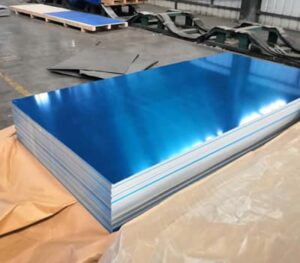
5000 serye aluminyo haluang metal ay isang Al Mg haluang metal serye na may mataas na lakas at mahusay na kaagnasan paglaban. Ito ay karaniwang ginagamit sa pagmamanupaktura ng marine, mga tangke ng langis, mga barko, Autoplay Loop, mga materyales sa gusali at iba pang mga patlang.
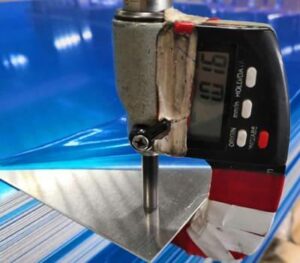
Ang 1000 serye aluminyo sheet ay isang serye ng mga purong aluminyo sheet. Ang komposisyon nito ay higit sa lahat aluminyo, na may nilalaman na higit sa 99%.
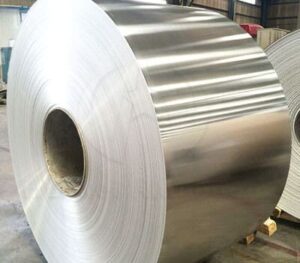
1060 Ang Aluminum Coil ay binubuo ng 99.6% aluminyo, na kung saan ay katulad ng 1050 haluang metal ng parehong pamilya, ngunit ang aluminyo nilalaman ay naiiba sa pamamagitan ng 0.1%.

8011 H18 Medicine Packaging Aluminum Foil provides excellent barrier protection, paglaban sa kahalumigmigan, and mechanical strength for pharmaceutical blister packs, tablet packaging, capsule packaging, and medical applications.
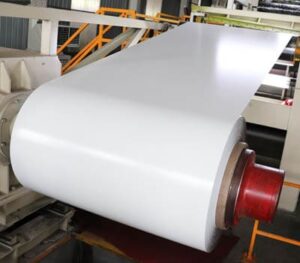
Ang Pvdf Coated Aluminum Coil ay isang uri ng Color coated aluminum coil, Kulay pinahiran aluminyo likawin ay maaaring nahahati sa polyester (PE) pinahiran aluminyo likawin, fluorocarbon (PVDF) pinahiran aluminyo likawin at epoxy roller pinahiran aluminyo likawin.

1070 Ang Aluminyo Foil ay Nakatayo sa Intersection ng Pagganap, kahusayan sa gastos, at pagpapanatili. Ang walang kapantay na kadalisayan at kakayahang umangkop nito ay nagtutulak sa pangingibabaw nito sa packaging, mga electronics, at mga pang-industriyang aplikasyon.
No.52, Dongming Road, Zhou Zhengzhou, Henan, Tsina
Henan Huawei Aluminyo Co., Ltd, Isa Sa Ang Pinakamalaking Aluminum Supplier Sa China Henan,Kami ay Itinatag Sa 2001, At Mayroon kaming mayaman na karanasan sa pag-import at pag-export at mataas na kalidad na mga produkto ng aluminyo
Mo – Sat, 8SA – 5PM
Linggo: Username or email address *
© Disclaimer © 2023 Henan Huawei Aluminium Co., Ltd

Pinakabagong Mga Komento
Mahal na Sir, Please offer your best FOB Prices specs are as under ALUMINIUM STRIP (AL=99.50% MIN) SUKAT:450 X32 X6 MM. DIN EN 570 EN-AW 1050 A, QUANTITY=3400KG
Hello po, Gusto mo bang maging kaya mabait upang mag alok ng item tulad ng sumusunod: Coil 0,6х1250 (1000)mm EN AW-3105 5tons
Hello po, Maaari mo bang i alok sa akin ang mga plato ng Aluminium? Actally kailangan ko: 110mm x 1700mm x 1700mm 5083 H111 - 21 pcs Next year planed is 177 mga pc
Mahusay na artikulo. natuwa naman ako, na search ko ang article na ito. Maraming tao ang tila, na mayroon silang maaasahang kaalaman sa paksa, Ngunit ito ay madalas na hindi ang kaso. Kaya ang aking kaaya ayang sorpresa. Bilib na bilib ako. Tiyak na irerekomenda ko ang lugar na ito at i drop sa pamamagitan ng mas madalas, para makakita ng mga bagong bagay.
kinakailangan ng aluminium strip