Premium aluminum foil laminated polyester film offering outstanding moisture, oxygen, and light barrier properties. Ideal for pharmaceutical, pagkain, mga electronics, at pang industriya na packaging


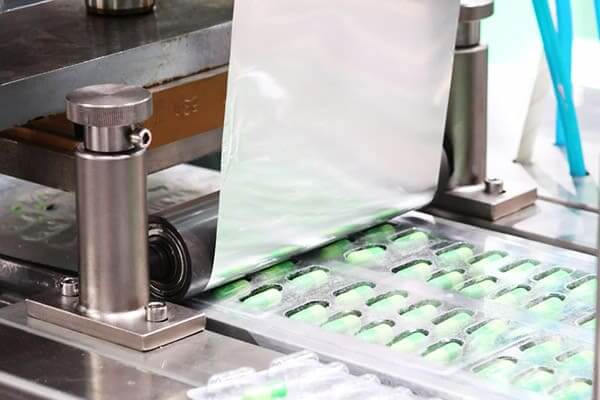
Aluminum Foil Laminated Polyester Film has become a cornerstone in modern packaging due to its unmatched barrier properties, tibay ng katawan, at maraming nalalaman.
This combination—aluminum foil layered with polyester film—creates a material that can protect contents from moisture, oxygen, liwanag, and aromas while remaining adaptable to high-speed manufacturing, automated filling, and efficient sealing.
Sa blog post na ito, we unpack the technology behind Aluminum Foil Laminated Polyester Film, examine its structures, mga aplikasyon, at mga katangian ng pagganap, and offer practical guidance for brands, converters, and suppliers working with this material.
We also introduce Huawei Aluminum, a prominent supplier in this segment, highlighting their capabilities and how they fit into a global packaging ecosystem.
Aluminum Foil Laminated Polyester Film (AFLPF) is not just one product but a family of laminates designed for specific uses.
By combining a thin aluminum foil with a robust polyester film (often polyethylene terephthalate, Alagang Hayop), and sometimes additional layers or tie layers, manufacturers tailor barrier performance, heat-seal strength, at machinability.
The result is a packaging film that can be used for food lidding, stand-up pouches, Sachets, labels, and pharmaceutical blisters, among other formats.
This post delves into why AFLPF remains a preferred choice for high-barrier packaging, how it’s made, how it behaves in different zones of the supply chain, and what buyers should consider when selecting a supplier or negotiating a specification.
Aluminum Foil Laminated Polyester Film
Aluminum Foil Laminated Polyester Film is a multilayer material typically consisting of:
The exact structure varies by application. Halimbawa na lang:
– PET/Al/PET: A laminated film with aluminyo foil sandwiched between two PET layers, offering excellent barrier and stiffness.
– PET/Al/PE: A sandwich with a PE layer to improve heat seal properties at particular temperatures, suitable for certain tray or pouch technologies.
– PET/Al/CPP or PET/Al/PA: Variants designed to meet specific mechanical or heat-sealing requirements, often used in laminated pouches or lidding films.
Key performance characteristics that arise from this multilayer design include:
– Oxygen barrier: Minimal permeation due to the aluminum foil, dramatically reducing O2 ingress.
– Moisture barrier: Aluminum foil provides superior moisture resistance; combined with polymer layers, WVTR is kept very low.
– Light barrier: The opaque foil blocks visible light, protecting light-sensitive products.
– Aroma and flavor barrier: Foil layers prevent aromatic compounds from migrating into or out of the packaging.
– Heat sealability: The polymer layers provide reliable sealing at industrial packaging temperatures.
– Mechanical properties: The polyester substrate gives dimensional stability, lakas ng paghatak, and puncture resistance, enabling efficient web handling and form-fill-seal processes.
Aluminum Foil Laminated Polyester Film Display
There are several approaches to creating AFLPF, and the choice depends on performance targets, cost considerations, and equipment availability. The main methods include:
These lamination processes are supported by precise control of process parameters:
– Temperature and dwell time to ensure uniform lamination without wrinkling or delamination.
– Pressure control to ensure uniform contact and adhesion across the width of the web.
– Cleanliness and surface treatment of aluminum foil to minimize pinholes, roughness, and defects that could compromise barrier performance.
– Surface treatment of PET or other polymer layers to improve adhesion and printability.
To optimize printability, sealability, and surface energy, AFLPF often uses:
– Corona or plasma treatment on PET surfaces to improve adhesion with adhesives or printing inks.
– Surface coats to improve slip, anti-block properties, and seal integrity.
– Anti-fog or anti-scratch coatings on outer surfaces for consumer-facing films.
– Barrier-enhancing tie layers (hal., polyolefin-based tie layers or ethylene-vinyl alcohol copolymer (EVOH) layers) in some laminate stacks.
Manufacturers implement rigorous QC to ensure product reliability. Common tests include:
– Peel strength tests to evaluate the bond between layers and the integrity of the lamination.
– Seal strength tests across relevant temperatures and dwell times.
– Pinhole testing to detect micro-defects in the aluminum foil or adhesive layers.
– Barrier property measurements, including oxygen transmission rate (OTR) and water vapor transmission rate (WVTR), under specified conditions.
– Visual inspection for gloss, surface defects, and overall appearance.
– Dimensional stability tests to ensure the laminate maintains width and thickness during handling.
Blister Used Polyester Film Aluminum Foil
| Istraktura | Mga Karaniwang Aplikasyon | Mga Katangian ng Barrier | Heat Sealing / Machinability | Key Pros | Key Cons |
| PET/Al/PET | Lids, rigid trays, high-end pouches | Excellent O2 and moisture barrier; liwanag na hadlang | Excellent with PET seal surfaces; robust process window | Malakas na mekanikal na mga katangian; printability | Higher material cost; recycling complexity |
| PET/Al/PE | Stand-up pouches; may kakayahang umangkop na packaging | Very good moisture barrier; good oxygen barrier (depends on O2 barrier of PET) | Good heat seal with PE; suitable for consumer-ready packages | Flexible sealing options; good moisture barrier | PE layer can reduce stiffness; more complex recycling |
| PET/Al/CPP | Sealed blister packs; specialized packaging | Strong barrier; variable with CPP properties | Aggressive sealing at moderate temperatures | Cost and performance balance | CPP may have lower heat resistance than PET/PE combinations |
| PET/Al/Tie-Layer/PE | General purpose high-barrier films | Excellent with proper tie layer; stable across temperature | Tailorable seal strength; broad processing window | Customizable barrier and seal properties | Increased material complexity and cost |
| PET/Al/PA/PE | Multi-layer films for aggressive food products | Very high barrier; robust to migration | Complex sealing; requires compatible tooling | Superior protection for long shelf life | Higher cost and more complex recycling |
Mga Tala:
– The exact barrier performance depends on foil thickness, polymer layer thickness, and the presence of additional barrier layers (like EVOH or PA).
– Higher stiffness structures (PET-based) perform well in automated form-fill-seal operations but can be less flexible in converting. Lower rigidity structures can improve pouch forming but might require specialized seals.

Polyester Film Aluminum Foil for Food Packaging
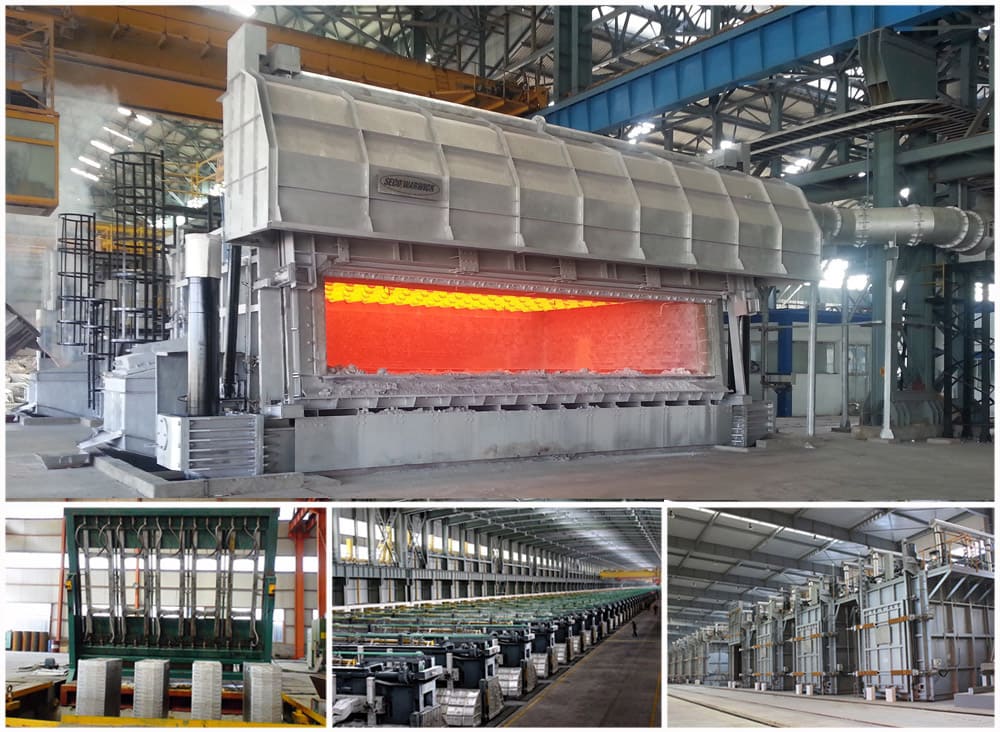
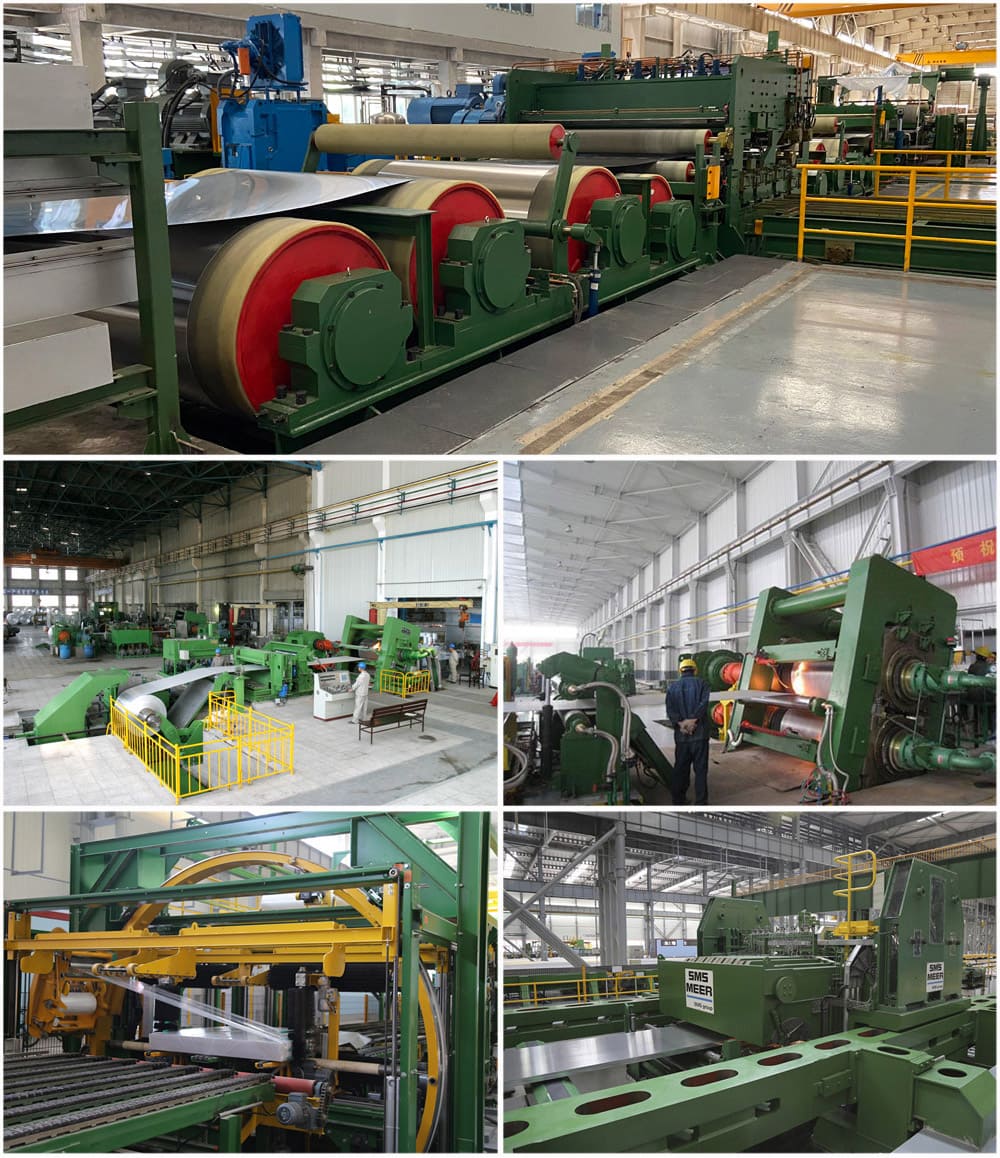
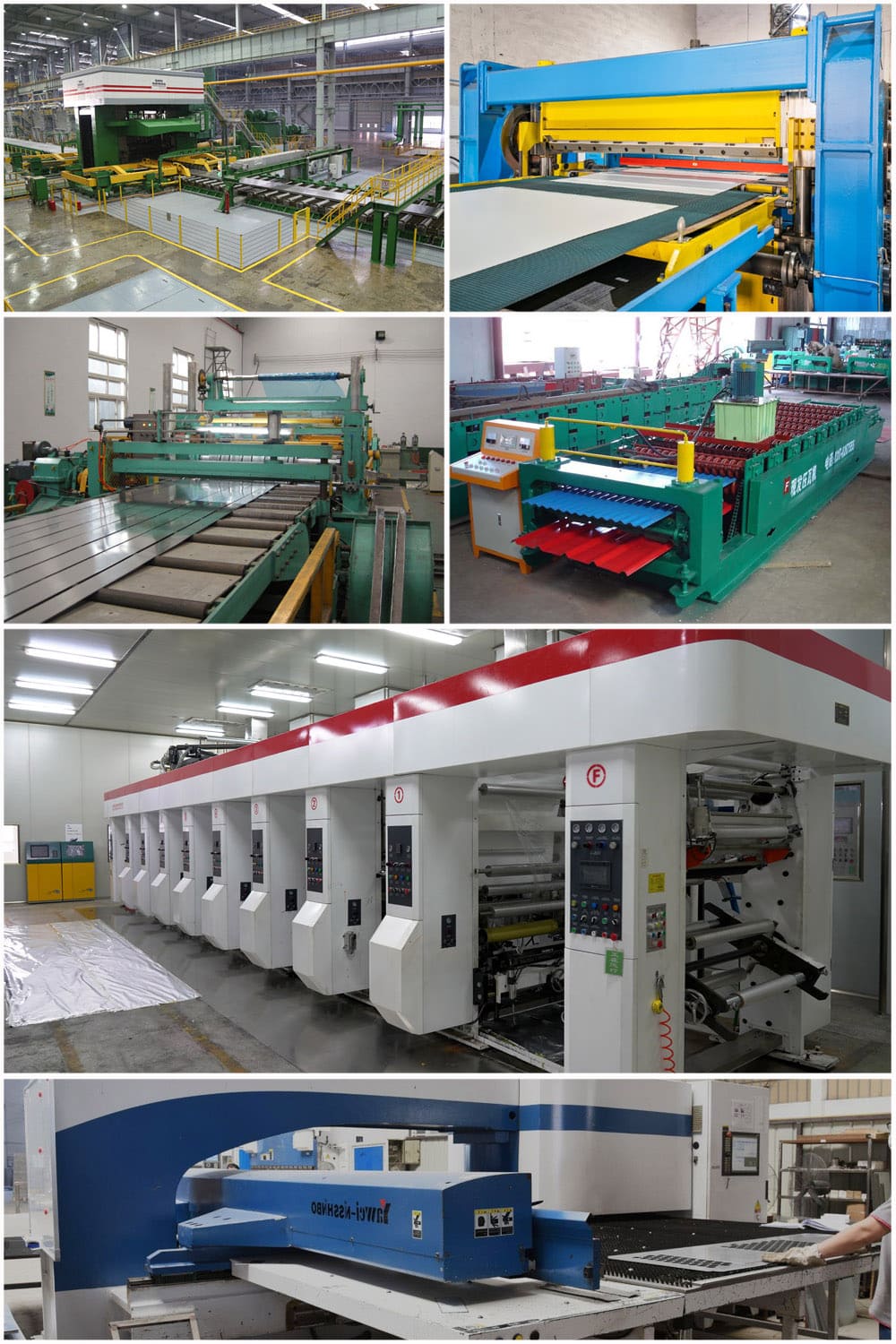
Huawei Aluminum Foil Laminated Polyester Film Production
Huawei Aluminum Co., Ltd. is a prominent player in the aluminum foil and laminated film sector.
The company emphasizes integrated solutions, combining aluminum foil production with downstream lamination capabilities and a global supply footprint.
Huawei Aluminum positions itself as a responsive partner for brands, packaging converters, and manufacturers seeking reliable AFLPF solutions.
Q1: What is the primary advantage of Aluminum Foil Laminated Polyester Film?
– The primary advantage is its superior barrier performance, combining an aluminum foil’s excellent protection against oxygen, kahalumigmigan, liwanag, and aromas with a strong, stable polyester substrate that supports high-speed processing and reliable sealing.
Q2: What are common laminates used in AFLPF?
– Common laminates include PET/Al/PET, PET/Al/PE, and PET/Al/Tie-Layer/PE variants. The exact structure depends on target barrier performance, heat-seal requirements, and packaging format.
Q3: Can AFLPF be recycled?
– Recyclability varies by laminate structure. Multi-material laminates are challenging to recycle in standard streams. Brands are increasingly seeking mono-material designs or systems compatible with specialized recycling facilities.
Q4: How do you select the right AFLPF for a packaging project?
– Start with product sensitivity and shelf-life requirements, then consider the sealing process, converting line compatibility, and end-of-life goals. Request data on OTR, WVTR, lakas ng selyo, and pinhole rates, and run pilot trials on your packaging line.
Q5: What role does Huawei Aluminum play in AFLPF supply?
– Huawei Aluminum is a notable supplier with capabilities across aluminum foil production and laminated film solutions. They offer integrated production capacity, material customization, and support for customers seeking reliable AFLPF supply, with a focus on quality, lead-time efficiency, and global service.
Q6: What is the typical structure for a lidding film using AFLPF?
– A typical lidding film might be PET/Al/PET or PET/Al/PE, balancing barrier needs with the heat-seal requirements of cups and containers. The exact design is tailored to seal temperatures and brand aesthetics.
Q7: What considerations exist when choosing a supplier for AFLPF?
– Key considerations include barrier performance targets, seal integrity, compatibility with your converting line, supply reliability, quality certifications, and sustainability commitments. It’s also important to verify traceability, testing capabilities, and post-sales support.
Q8: How does AFLPF compare with metallized films?
– AFLPF offers robust, consistent barrier properties with a non-metallic outer surface that can be printed or converted with ease. Metallized films (hal., PET metallized with aluminum) provide good barrier with often lighter weight and lower cost but may have different mechanical and printability characteristics. AFLPF generally delivers stronger aroma and oxygen barriers due to the actual aluminum foil layer.
Q9: Are there standards or certifications I should look for when purchasing AFLPF?
– Look for ISO 9001 quality management, .ISO 14001 environmental management, and any product-specific certifications for food-contact safety, mga medikal na aparato, or consumer packaging. If your market requires, check for industry-specific certifications (hal., BRC/IoP for packaging).
Q10: What testing should I ask a supplier to provide?
– Request OTR (oxygen transmission rate) and WVTR (water vapor transmission rate) mga datos, seal strength at the intended sealing temperature, peel strength, pinhole testing results, and a heat-seal window specification. Also request dimensional tolerances (kapal naman, lapad ng katawan) and material compatibility data for your filling line.
Huawei Aluminum presents a compelling option for brands and converters seeking integrated AFLPF solutions. Their focus on aluminum foil technology, laminate capability, and global service footprint positions them as a trusted partner in the supply chain.
Engaging early with their technical team helps ensure the laminate design aligns with performance requirements and regulatory standards while optimizing costs and lead times.
By following these steps and leveraging the technical depth of AFLPF knowledge, you can design packaging that protects product quality, supports efficient manufacturing, and aligns with evolving sustainability expectations.
This comprehensive overview aims to provide a practical, data-supported, and actionable understanding of Aluminum Foil Laminated Polyester Film and its role in modern packaging.
The insights are designed to help packaging professionals select the right laminate, partner with the right supplier, and deliver packaging solutions that protect products, satisfy customers, and meet sustainability goals.
Share with PDF: Download
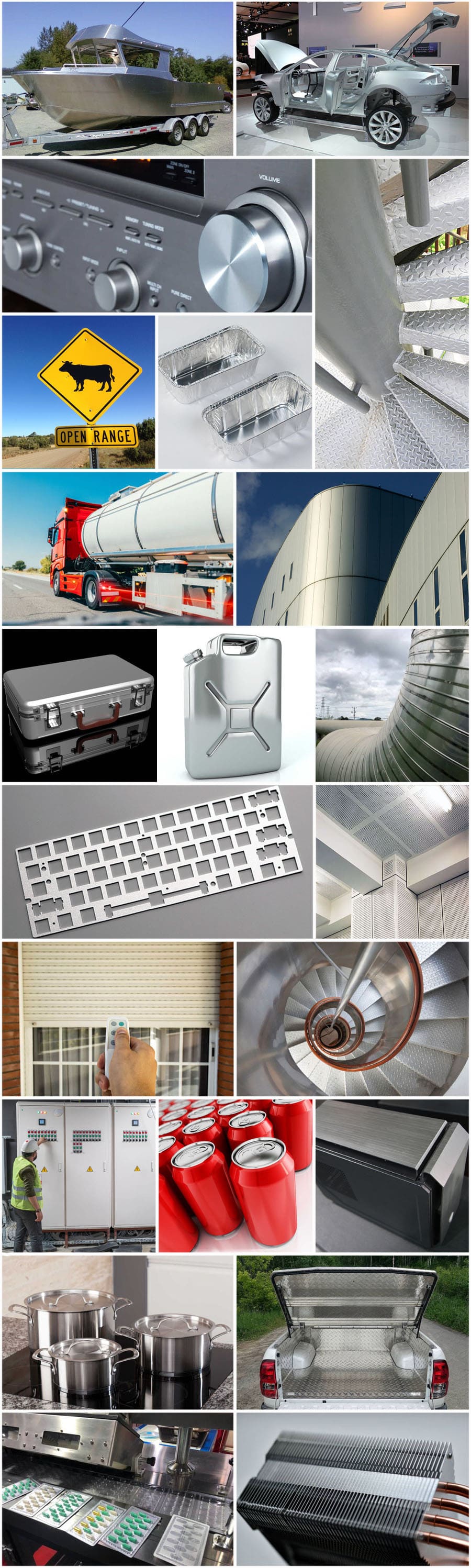

High-formability Colored Lacquered Aluminum Foil O Temper engineered for deep-draw lidding, blister backing and decorative packaging — excellent adhesion, low pinhole and food-grade compliance.
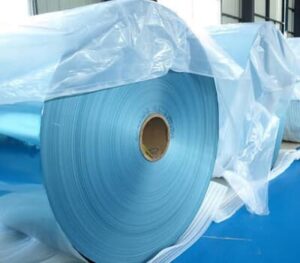
Ang hydrophilic aluminum foil ay nakukuha sa pamamagitan ng patong sa ibabaw ng aluminyo foil na may hydrophilic coating, ang layunin ay upang mapabuti ang hydrophilic (nakakaakit ng tubig) pagganap ng aluminyo foil, at ito ay may mas mataas na kahusayan sa paglipat ng init at paglaban sa kaagnasan.
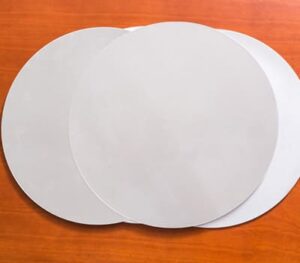
Ang bilog na aluminyo para sa mga kagamitan sa pagluluto ay karaniwang tumutukoy sa isang hugis pabilog na piraso o bilog na gawa mula sa aluminyo na ginagamit sa pagmamanupaktura ng iba't ibang uri ng cookware, tulad ng mga kaldero, mga kawali, at mga kagamitan sa pagluluto.
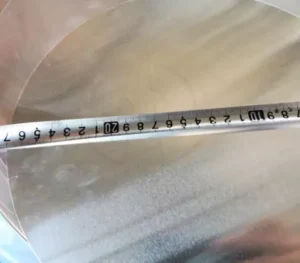
Ang mga disc ng Huawei Aluminum aluminum ay malawak na na export sa Ghana, Guatemala, Burkina Faso, Algeria, Togo, Kenya, Nigeria, Timog Aprika, Morocco at iba pang mga bansa sa Africa; ang United Arab Emirates, Yemen, Qatar, Kuwait, Iran, Jordan, Saudi Arabia at iba pang bansa sa Gitnang Silangan.
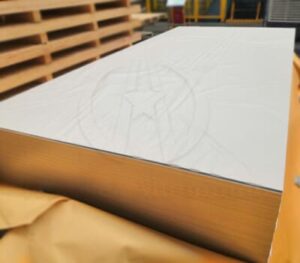
5083 Ang Aluminum Sheet ay kilala para sa superior performance nito sa matinding kapaligiran. 5083 Ang aluminyo ay lubos na lumalaban sa kaagnasan mula sa tubig dagat at pang industriya na kapaligiran ng kemikal.
Maligayang pagdating sa Huawei Aluminum, ang iyong pinagkakatiwalaang mapagkukunan para sa mataas na kalidad na aluminyo coils na dinisenyo partikular para sa aluminium roofing sheet.
No.52, Dongming Road, Zhou Zhengzhou, Henan, Tsina
Henan Huawei Aluminyo Co., Ltd, Isa Sa Ang Pinakamalaking Aluminum Supplier Sa China Henan,Kami ay Itinatag Sa 2001, At Mayroon kaming mayaman na karanasan sa pag-import at pag-export at mataas na kalidad na mga produkto ng aluminyo
Mo – Sat, 8SA – 5PM
Linggo: Username or email address *
© Disclaimer © 2023 Henan Huawei Aluminium Co., Ltd

Pinakabagong Mga Komento
We need some t111 aluminium plate. We are looking for quarter inch by 4'x8' sheets
Aluminyo 5754 H111 หนา 8 mm กว้าง x ยาว : 4 x 6 ฟุต
سلام بسیار عالی ،،من از ایران تماس میگیرم فویل طلا ۱۲میکرون عرض ۶۱سانت نیاز داریم حدودا هرماه ۳۵هزار متر
Dear Sales Team, I hope you are doing well. We are looking to source aluminum products from your company and would appreciate receiving your best quotation for the following: Aluminum Sheets Thickness: 2 mm, 3 mm, 4 mm, at 5 mm Please provide your available standard sheet sizes. Kindly quote the price per sheet and the price per metric ton. Aluminum Coils Thickness: 2 mm, 3 mm, 4 mm, at 5 mm Please provide your available coil widths, standard coil weights, and inner diameter specifications. Kindly quote the price per metric ton. For both sheets and coils, please include: Available alloys (e.g. 1050, 3003, 5052) Temper options Mill finish or other available surface finishes Minimum Order Quantity (MOQ) Production lead time Payment terms Please provide your quotation based on: CIF Jebel Ali Port, UAE (including sea freight), or alternatively provide both FOB China and CIF Jebel Ali Port, UAE prices. If available, please also send: Product catalogue Mill Test Certificate (MTC) sample Photos of the products and packaging. We are interested in establishing a long-term business relationship. Our initial purchase volume is expected to be 100+ metric tons, with the potential for larger and recurring orders if your pricing, kalidad, and service meet our requirements. Thank you for your time. We look forward to receiving your quotation and hope to build a successful long-term partnership. Best regards, Eng.Yousef
アルミハニカムパネルについてお聞きしたいのですが L1500×W700×厚みで曲げに対して200kgg耐えられるには厚みはどのくらいでしょうか ※簡単に言いますと約1000mmの側溝に渡して真ん中で200kg耐えられるかという事になります 又、そのような製品があるようでしたらその重量、価格をおしえていただけますか 現在はコンパネ板を使用してますが腐ると折れてしまい人が側溝に落ちてけがをしてます 出来ましたらメールでお返事をいただけますか