High-formability Colored Lacquered Aluminum Foil O Temper engineered for deep-draw lidding, blister backing and decorative packaging — excellent adhesion, low pinhole and food-grade compliance.


Colored Lacquered Aluminum Foil O Temper is a material in which a colored organic paint layer is sprayed onto the surface of fully annealed (O-state) aluminyo foil.
It combines the high thermal conductivity and high barrier properties of aluminum foil with the aesthetic appeal and protective function of a coating.
Commonly used alloys include food-grade 8011 at 8079, as well as pure aluminum alloys such as 1235 at 1050.
Coating resin systems encompass polyester, acrylic, epoxy, polyurethane, at PVDF, supplemented with pigments (such as titanium dioxide and organic pigments) to meet abrasion resistance and weather resistance requirements.
This material is widely used in food and pharmaceutical packaging (hal., blister packs, easy-tear caps), mga caps ng bote ng inumin, cosmetic packaging, and decorative packaging.
Dagdag pa rito, the barrier organic adhesive layer prevents direct contact between food and metal, avoiding metal migration and odor generation.
Industrially, color-coated aluminum foil is often used in packaging designs that highlight brand image and is required to comply with stringent food contact safety standards (such as FDA 21 CFR 175.300 and EU Regulation 10/2011).
Colored Lacquered Aluminum Foil O Temper
Colored lacquered aluminum foil in O temper is a composite material consisting of an aluminum foil substrate in the fully annealed condition, coated with one or more layers of organic lacquer that provide color, proteksyon, and functional properties.
The lacquer system is precisely formulated to adhere strongly to the aluminum surface while withstanding the mechanical deformation required during subsequent converting operations.
Several aluminum alloys are commonly used as substrates for colored lacquered foil, each offering specific characteristics suited to different applications:
| haluang metal | Mga Pangunahing Katangian | Mga Pangunahing Aplikasyon |
| 8011 | Magandang formability, matipid sa gastos, mahusay na mga katangian ng barrier | General packaging, lidding foil, pharmaceutical blister |
| 8079 | Superior pinhole resistance, mataas na paghaba | Pharmaceutical blister, high-barrier applications |
| 8021 | Mataas na lakas, excellent barrier | Cold-formable blister, heavy-duty packaging |
| 3003 | Enhanced strength from manganese addition | Mga kagamitan sa pagluluto, mga materyales sa gusali, Email Address |
| 1235/1050 | Mataas na kadalisayan, napakahusay na formability | Flexible packaging, pandekorasyon na mga aplikasyon |
| 1100 | Commercially pure, ganda ng workability | General applications, fin stock |
8011 aluminyo haluang metal is the most widely used substrate for colored lacquered foil due to its optimal balance of formability, gastos, at mga katangian ng pagganap.
For pharmaceutical applications requiring maximum pinhole resistance, 8079 haluang metal with its precisely controlled iron-to-silicon ratio is often specified.
The O temper designation indicates that the aluminum has been fully annealed—heated to a specific temperature and slowly cooled—to achieve its softest, most ductile state.
This thermal treatment eliminates the effects of strain hardening from previous rolling operations, resulting in a completely recrystallized grain structure with equiaxed grains typically ranging from 20-50 M in size.
Key characteristics of O temper foil include:
The mechanical properties of O temper foil vary with alloy and thickness, but generally fall within the following ranges:
| Pag-aari | Tipikal na saklaw | Paraan ng Pagsusulit |
| Lakas ng Paghatak | 60 – 120 MPa (alloy-dependent) | ASTM E8 / .ISO 6892 |
| Yield Lakas | 30 – 80 MPa | ASTM E8 / .ISO 6892 |
| Pagpapahaba | 20 – 35% (thickness-dependent) | ASTM E8 / .ISO 6892 |
| Ang katigasan ng ulo | 25 – 45 HV | Vickers katigasan |
| Modulus ng Pagkalastiko | 68 – 70 GPa | — |
The high elongation values—≥20-35%—are particularly significant for deep drawing and forming operations, enabling the production of complex three-dimensional shapes without tearing or excessive thinning.
Huawei 8011 Colored Lacquered Aluminum Foil O Temper
The thickness range of coated aluminum foil is typically 0.006–0.050 mm (6–50 μm).
Very thin foils (hal., 6–15 μm) are mostly used for food sealing films or ultra-fine printing foils; medium thickness (20–30 μm) is used for general packaging caps and heat-sealing films; and thicker foils (30–50 μm) are used for container caps and structural components.
Production tolerances are generally controlled within ±2–5%, with high-quality manufacturers achieving ±2%.
Halimbawa na lang, Huawei Aluminum 8011 aluminyo foil is available in thicknesses of 0.006–0.20 mm, with a thickness tolerance within ±2% and a roll width tolerance of ±0.1 mm.
It is important to note that the greater the thickness, the thicker the coating needs to be. A design of 8–15 g/m² per side (film thickness approximately 5–15 μm) is typically used.
Coatings that are too thin may result in poor masking, while coatings that are too thick will affect flexibility and cost.
The selection of O temper for colored lacquered foil is driven by several critical requirements:
| Requirement | How O Temper Addresses It |
| Deep drawing capability | High elongation (≥20-35%) enables complex shapes without tearing |
| Embossing and patterning | Soft material conforms to die patterns with high definition |
| Cold forming | Can be mechanically formed without heating |
| Coating integrity | Substrate deformation accommodates coating without cracking |
| Reduced springback | Minimal residual stress maintains formed shape |
| Consistent performance | Uniform grain structure ensures predictable behavior |
For applications such as pharmaceutical blister lidding, food container lids, and decorative embossed foils, the formability provided by O temper is essential for achieving the required geometries while maintaining coating integrity and barrier properties.
The surface coating of Colored Lacquered Aluminum Foil O Temper typically consists of the following types of paints:
These coatings use acrylic or polyester resins as a base and can be formulated using water-based or solvent-based methods.
They offer good weather resistance and strong adhesion, making them a common choice for colored coatings.
Acrylic paints offer vibrant colors and are easy to match, while polyester paints (especially high-temperature resistant types) offer superior scratch resistance and heat resistance.
Typical properties: high mirror gloss, high elongation at break (generally >20%), and long-term colorfastness after UV/damp heat testing.
Primarily used as a primer to enhance adhesion. Epoxy paints offer high hardness and chemical resistance, but are generally not resistant to UV light; they can be used as a topcoat or in mixed formulations.
Food-grade epoxy resins require special formulations when used in coatings to ensure no toxic residues.
Halimbawa: Chalco mentions that epoxy is commonly used as a primer for 8011 papel de liha, and double-sided coating is suitable for beverage caps and blister packs.
Pharmaceutical Packaging Used Lacquered Aluminum Foil
Polyurethane (PU) coatings combine flexibility and abrasion resistance, achieving a hard film with high adhesion, and are often used for protective coatings.
Polyamide (PA) coatings offer good impact and pressure resistance and are also used for heavy-duty coatings.
These coatings have a slightly thicker dry film than epoxy or acrylic coatings, further improving scratch and chemical resistance.
Commonly used in colored aluminum panels for building curtain walls, and also for coated foils requiring extremely high weather resistance.
PVDF coatings have excellent weather resistance, Paglaban ng UV, and self-cleaning properties, making them suitable for long-term exposure applications.
The disadvantages are higher cost and the need for high-temperature resistant fillers and pigments to match.
Generally based on modified acrylic or ester substrates, these coatings can be heat-sealed with polyethylene, polypropylene, and polyester films at certain temperatures.
These thin, tacky coatings are used in aluminum-plastic composite films and aluminum foil covers, bonding firmly to other materials after heat pressing.
Heat-sealing varnishes that meet food/drug safety standards must pass a silicone oil baking test and have strict limits on migration.
For foils used in direct food contact, the coating composition must comply with FDA or EU regulations (hal., free of heavy metals, migratable monomers, atbp.).
Halimbawa na lang, commercially available food-grade coatings can meet FDA 21 CFR, BfR XV, and other certification requirements, and do not release toxic substances at high temperatures.
These coatings also need to withstand high-temperature sterilization.
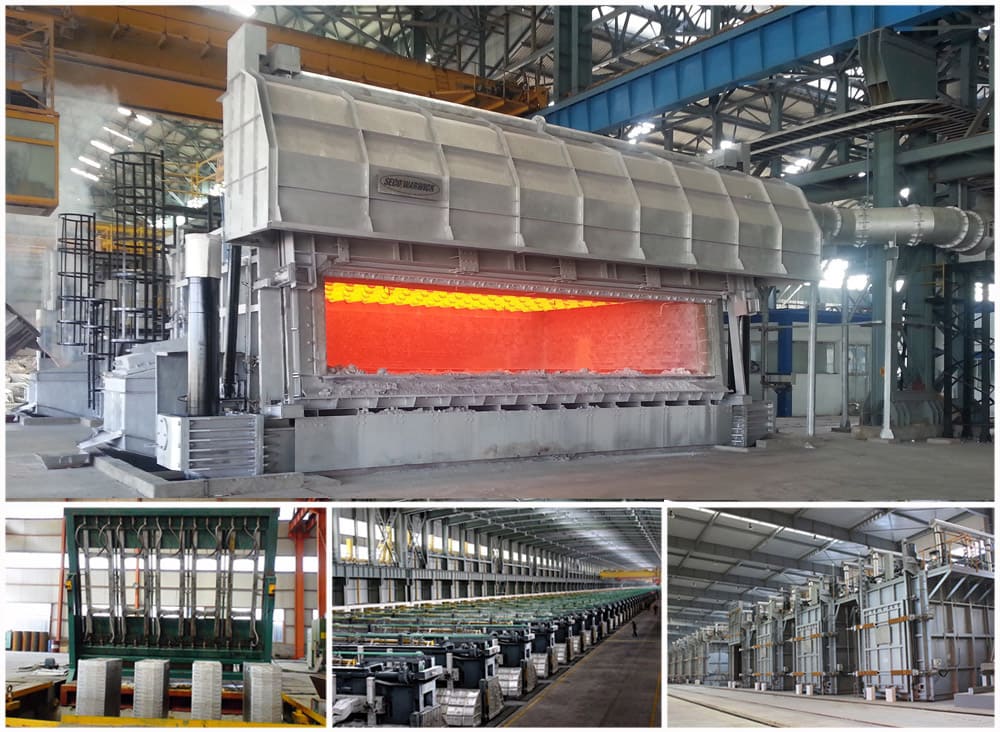
The manufacturing process begins with high-purity aluminum ingots (typically ≥99.7% Al).
Precise amounts of alloying elements (Mn, Fe, Si Si) are added to achieve the target composition for the specified alloy (8011, 8079, 3003, atbp.). The molten metal undergoes:
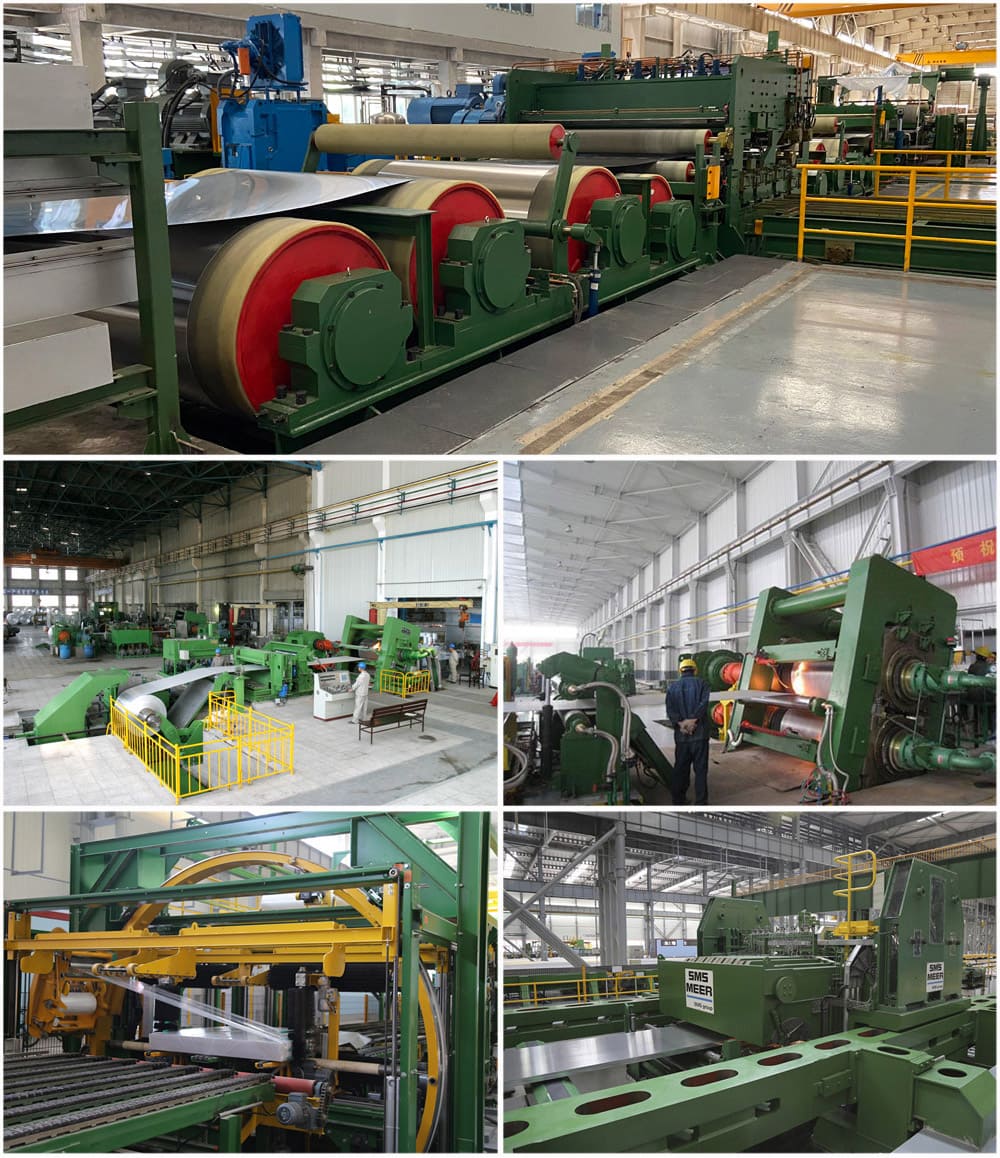
The rolling process progressively reduces aluminum thickness through multiple stages:
| Stage | Paglalarawan | Saklaw ng Kapal | Key Controls |
| mainit na pagulong | Initial breakdown of cast structure | ~2–6 mm | Temperature control, kalidad ng ibabaw |
| malamig na paggulong | Progressive thickness reduction | 0.1–0.5 mm | Roll clarity, roughness, rolling oil |
| Intermediate Annealing | Stress relief (as needed) | N/A | Temperature profile, atmosphere |
| Finish Rolling | Final gauge achievement | 6 – 200 M | Speed, tension, X-ray gauging |
For foil destined for coating, surface quality is particularly critical, as any rolling defects will be visible through the subsequent lacquer layer.
Annealing is the critical thermal treatment that achieves the O temper condition:
| Parameter | Typical Specification |
| Temperatura ng Annealing | 250 – 400°C (alloy-dependent) |
| Soak Time | 1 – 24 mga oras (batch) / seconds (continuous) |
| Atmosphere | Controlled (hangin, inert gas, or vacuum) |
| Cooling Rate | Slow, controlled to minimize residual stress |
| Grain Size | 20 – 50 M (equiaxed, recrystallized) |
The annealing process must be carefully controlled to achieve complete recrystallization while maintaining a clean surface for subsequent coating adhesion.
Proper surface preparation is essential for achieving strong coating adhesion:
| Step | Paglalarawan | Layunin |
| Pag-aalis ng grasa | Alkaline cleaning (2-5%, 50-70°C) | Remove rolling oils and contaminants |
| Rinsing | Multiple stages hot/cold water | Remove cleaning residues |
| Surface Activation | Corona treatment or chemical priming | Enhance surface energy for adhesion |
| Pagpapatayo ng mga | Hot air drying | Remove moisture before coating |
| Cleanliness Verification | Dyne level ≥ 38-42 dynes/cm | Confirm surface readiness |
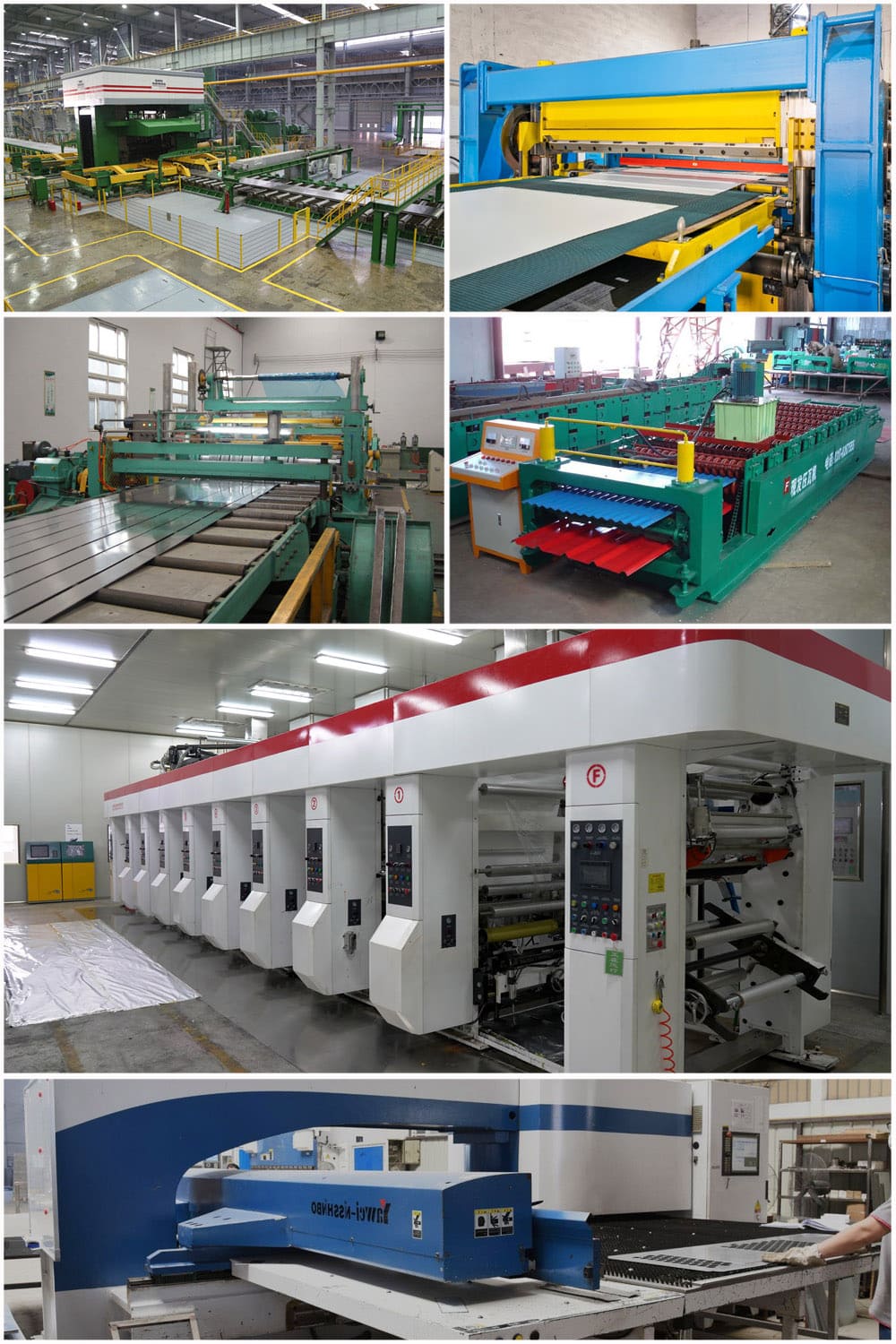
Lacquer is applied using precision coating techniques:
| Pamamaraan | Paglalarawan | Typical Coating Weight | Speed Range |
| Gravure Roll Coating | Precision engraved cylinder | 2 – 15 g / m² | 50 – 400 m/min |
| Reverse Roll Coating | Metered roll application | 3 – 20 g / m² | 50 – 300 m/min |
| Offset Gravure | Indirect application | 2 – 10 g / m² | 50 – 250 m/min |
Process sequence:
Lacquer Application of Aluminum Foil
After coating, the roll material is air-cooled and leveled, then visually inspected and automatically tested (CCD scanner for paint film defects, thickness gauge for film uniformity, atbp.) before being cut into the final product width (commonly 75mm, 150mm, and 200mm paper core inner diameter rolls).
Slitting tolerances are typically controlled within ±0.1 mm. The roll material must be wound to prevent loosening and edge skewing, and moisture-proof packaging should be used for storage.
The O-state substrate is extremely soft, and combined with a flexible coating, it can withstand repeated mechanical stamping and deep stretching without cracking.
This characteristic makes it easy to create complex shapes such as easy-tear caps and blister foils.
Compared to rigid coatings, the colored coating does not peel when bent, ensuring the coating integrity during the forming process.
Colored coatings give aluminum foil a variety of customizable colors and gloss effects, allowing for metallic, matte, or metallic finishes, greatly enhancing the packaging’s perceived quality.
Compared to a single metallic color, colored packaging more easily highlights the brand image; halimbawa na lang, candy and beverage seals use color to distinguish categories and flavors.
High-quality coated surfaces also facilitate subsequent screen printing or inkjet coding, enhancing information transmission and anti-counterfeiting capabilities.
The inherent near-zero permeability of aluminum foil (to moisture, oxygen, and ultraviolet light), combined with the sealing effect of the coating, achieves excellent barrier properties.
The coating not only protects the aluminum surface from direct contact with food but also prevents external light and gases from entering, pagpapalawig ng shelf life ng pagkain.
Halimbawa na lang, in vacuum packaging or modified atmosphere packaging, coated aluminum foil maintains an extremely low oxygen and humidity environment, ensuring freshness.

Colored Lacquered Aluminum Foil for Food Packaging
The coating provides an extra layer of protection for the aluminum foil, isolating it from direct corrosion by corrosive substances such as acids or alkalis.
The coating layer is resistant to humid air, alkaline detergents, and common chemicals, reducing oxidation or corrosion of the aluminum foil substrate.
Para sa packaging ng pagkain, this means that even if the food has a certain level of acidity or alkalinity, it will not damage the container.
Dagdag pa rito, the coating extends the lifespan of the aluminum foil and reduces the risk of environmental corrosion.
By selecting heat-sealing coatings, colored coated aluminum foil can be directly heat-sealed with plastic or paper without the need for an additional film.
Halimbawa na lang, heat-sealing foil commonly used in blister packaging and yogurt lids has a coating design that ensures high-strength adhesion at around 200°C.
The heat-sealing varnish on the coating layer forms a strong bond in the sealing area, ensuring reliable packaging sealing.
The coated surface is suitable for printing; most varnish layers are compatible with inks and UV-cured inks, resulting in strong print adhesion and clear ink layers.
This characteristic allows for multi-color brand printing on a color base without the need for additional adhesive.
The smooth surface of the coating also facilitates plate making using traditional or digital printing techniques, making it suitable for producing custom packaging and high-precision patterns.
Coating materials that comply with relevant regulations are completely safe for food contact and do not leach toxic substances.
The excellent coating can withstand high-temperature sterilization and baking, and the covering layer isolates food from direct contact with metal.
Halimbawa na lang, Huawei Aluminum points out that the heat-sealing varnish and coating meet FDA/EU certification requirements and are widely used in food container lids and sealing films.
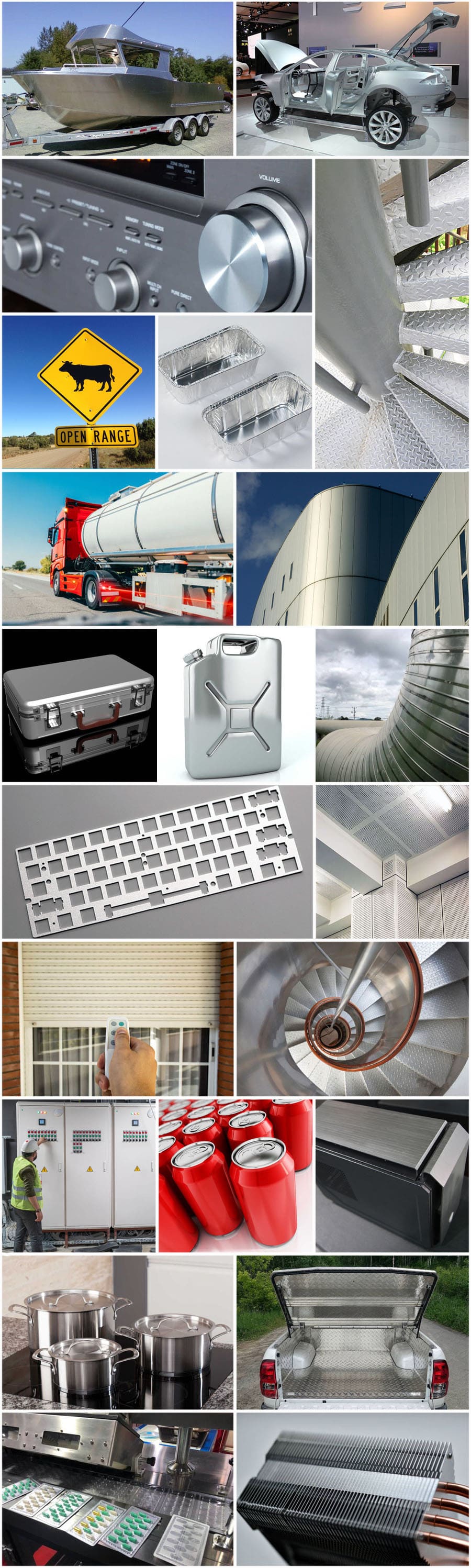
Both aluminum and the coating are recyclable, making this material popular in the food packaging industry.
Used as the inner or decorative layer packaging for chocolates, mga candies, pastries, atbp.
Many candy packages use colored aluminum foil to enhance visual appeal and protect the product; fast food trays or takeout boxes can have their linings painted and then laminated to keep food fresh.
Beverage bottle caps and dairy product easy-tear lids (Yogurt Lids, milk powder can lids) commonly use 8000 series foil with a heat-sealing coating, providing both decoration and sealing.
Condiment and snack packaging bags can also use a composite structure with one side aluminum and the other side painted and then laminated to achieve both barrier and aesthetic appeal.
Colored coated aluminum foil is commonly used in candy and chocolate packaging, creating bright packaging designs that enhance brand image.
Mainly used for blister packaging and tablet sealing materials.
Blister backing commonly uses 8011/8079 papel de liha, treated with double-sided coating or single-sided heat-sealing to ensure a strong bond with the plastic blister pack or casing and to block moisture.
Colored coatings can also be used to distinguish different dosages or batches. Because pharmaceutical packaging requires extremely high hygiene and barrier properties, coated foil must meet pharmaceutical-grade standards (GMP, FDA).
Used in high-end gift packaging, cosmetic outer boxes, beverage advertising, atbp. Colored metallic fabrics are widely used in gift paper, gift box linings, and promotional displays.
Also used in the roll material or labeling industry, such as metal patch decorations on mobile phone accessories, mga fixture sa pag iilaw, and wallpaper.
A sophisticated lacquered finish can be combined with printing to create brand logo backgrounds or holiday-themed packaging.

HVAC used Lacquered Aluminum Foil
Halimbawa na lang, electronic insulating foil, HVAC duct insulation materials, photovoltaic backing sheets, atbp.
Colored coatings are used in heat exchanger foil tubes and pipe insulation materials to increase corrosion resistance. In PCBs and electrical components, aluminum foil used for capacitors or EMI shielding aids in voltage rating marking.
Dagdag pa, it can be used as a warning color or identification layer in building insulation films.
Applications such as mask backing foil, skincare product jar cap liners, and perfume packaging linings require extremely high standards of color and safety.
The combination of colored coatings and metallic sheen enhances the product’s perceived quality while resisting the corrosive effects of essential oils or alcohol in cosmetics.
High-end coated aluminum foil products must comply with multiple industry standards and certifications:
The US FDA 21 CFR 175.300 has strict regulations on coated food packaging, requiring all ingredients to be approved for safety.
The EU 10/2011 at (EU)2020/1245 impose strict limits on migration, requiring migration test reports.
Pharmaceutical-grade coatings also require ISO 15378 (Pharmaceutical Packaging Materials) and GMP certification.
Coated aluminum foil must still meet ASTM/EN standards: such as ASTM B479 or ISO 16106 for aluminum foil yield strength and elongation testing; thickness tolerances are based on ASTM B479.
Film performance is tested according to ASTM D3359 (Pagdikit), ASTM D522 (Pagbaluktot), atbp.
Complies with OSHA/ZDHC/REACH restrictions on VOCs and heavy metals. Nitong mga nakaraang taon, the use of water-based coatings has been encouraged to reduce VOC emissions to <0.5%.
The industry generally requires suppliers to establish systematic quality assurance processes.
Halimbawa: Huawei Aluminum recommends that aluminum foil manufacturers be ISO15378/GMP/ISO9001 certified and equipped with pinhole CCD detectors, WVTR testers, atbp.
Each batch of products must provide physical and chemical test reports, kabilang ang kapal, coating adhesion, paglaban sa init, color difference, and microbiological testing.
There should be clear non-conformance standards and corrective actions for defects (pinholes, uneven coating, pagbabalat ng balat, atbp.).
Ideal na, customers can request the establishment of IQ/OQ/PQ verification processes to ensure batch traceability and consistent quality.
| Materyal | Gastos | Formability | Pagdikit | Hadlang | Food-Safety | Recyclability |
| Color Lacquered Foil (O estado) | Katamtaman | Napakahusay | Mataas na | Napakahusay (solid foil) | Mataas na (with FDA/EU grade) | Aluminyo: mataas na |
| Printed Aluminum Foil | Mas mababa | Napakaganda | Mabuti na lang | Napakahusay (foil base) | Katamtaman (depends on ink) | Mataas na (Al base) |
| Anodized Aluminum Foil | Mataas na | Mga Maralita (thin foil hard to anodize) | Napakahusay (oxide bonds) | Napakahusay (anodic film) | Napakahusay (inorganic oxide) | Mataas na |
| PVdC-Coated Foil | Katamtaman | Mabuti na lang | Mabuti na lang | Superior (top barrier) | Mababa ang (not allowed in foods) | Mababa ang (chlorine present) |
| Powder-Painted Aluminum Sheet | Mataas na | Mga Maralita | Napakahusay (powder adheres) | Napakaganda | Mataas na (inorganic) | Katamtaman (pininturahan) |
Colored lacquered aluminum foil in O temper stands as a sophisticated and indispensable material in modern manufacturing, particularly within the packaging industry.
Its unique combination of properties—derived from the inherent advantages of aluminum, the exceptional ductility conferred by the O temper, and the specialized functionalities of advanced lacquer coatings—enables it to meet a diverse array of demanding requirements.
From providing superior barrier protection against environmental aggressors to offering unparalleled aesthetic versatility for brand differentiation and ensuring food-grade safety, this material delivers comprehensive solutions.
The intricate manufacturing process, from meticulous raw material preparation and precision rolling to advanced coating application and stringent quality control, underscores the technical expertise required to produce such a high-performance product.
As industries continue to evolve, driven by consumer demands for convenience, Sustainability, and enhanced product integrity, colored lacquered aluminum foil in O temper is poised to remain a critical component, with ongoing innovations in coating chemistry and sustainable production methods further solidifying its role in the future of packaging and beyond.
Q1: What does “O Temper” mean for aluminum foil?
A1: “O Temper” means the aluminum foil is fully annealed. This heat treatment makes the foil extremely soft, ductile, at nababaluktot, allowing it to be easily formed, folded, and embossed without cracking, and to retain its shape (dead-fold).
Q2: Why is lacquering important for aluminum foil beyond just adding color?
A2: Lacquering serves multiple critical functions: it enhances chemical and scratch resistance, provides an additional barrier against micro-pinholes, improves corrosion resistance, and creates a functional surface for heat sealing or superior printing.
Q3: Is colored lacquered aluminum foil safe for food and pharmaceutical contact?
A3: Oo nga, when properly manufactured, the lacquers and pigments used are specifically formulated to be food-grade and comply with strict international regulatory standards (hal., FDA, EU regulations for food contact materials), ensuring they are non-toxic and do not contaminate the packaged product.
Q4: How does colored lacquered aluminum foil compare to plastic films in terms of barrier properties?
A4: Colored lacquered aluminum foil offers an absolute barrier to moisture, oxygen, at liwanag, far superior to most conventional plastic films. While some specialty laminated plastic films can offer good barrier properties, they typically do not match the absolute barrier of aluminum foil, especially for light and oxygen over long periods.
Q5: What are common applications for this type of foil?
A5: Common applications include pharmaceutical blister lidding (often color-coded), confectionery wraps (chocolates, mga candies), dairy product lids (yogurt, cream cheese), bottle neck foils, and various other flexible packaging where high barrier and aesthetic appeal are required.
Maligayang pagdating sa Huawei Aluminum, ang iyong pinagkakatiwalaang mapagkukunan para sa mataas na kalidad na aluminyo coils na dinisenyo partikular para sa aluminium roofing sheet.
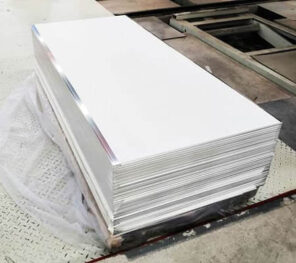
5083 H116 marine grade aluminium sheet offers outstanding seawater corrosion resistance, mataas na ratio ng lakas sa timbang, and excellent weldability for marine and offshore structures.

6016 aluminyo plate ay bahagi ng 6000-serye ng aluminyo alloys, na kung saan ay pangunahing kilala para sa kanilang mahusay na kaagnasan paglaban, magandang weldability, at kadalian ng formability.
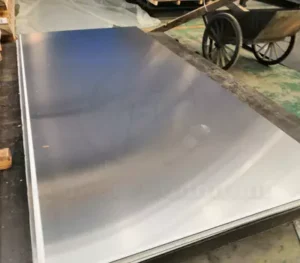
Same din sa 1050 aluminyo sheet, 1060 aluminum sheet din ang nabibilang sa 1 serye purong aluminyo sheet,Karaniwang ginagamit sa lithium baterya malambot na koneksyon, Bus Bar, Password, pagsingil ng pile, gasket ng aluminyo, billboard gusali panlabas na dekorasyon pader,at iba pa.
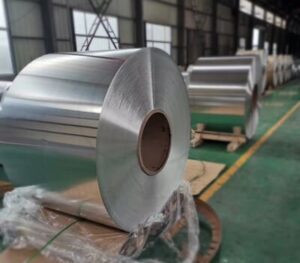
Ang Huawei Aluminum ay isang mataas na kalidad 8079 tagagawa ng aluminyo foil. Ito ay may maraming mga pakinabang sa produksyon ng 8079 aluminyo foil. Ang mga produkto ng aluminyo foil nito ay lubos na minamahal ng mga customer sa loob at labas ng bansa.
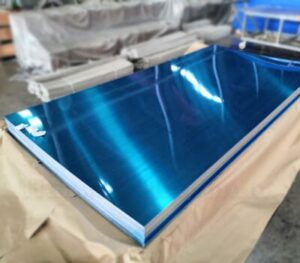
5052 Ang aluminyo sheet ay bahagi ng 5000 serye ng aluminyo. Ang mga grado sa seryeng ito ay haluang metal na may magnesium (2.5%) at may medium to high strength properties.
No.52, Dongming Road, Zhou Zhengzhou, Henan, Tsina
Henan Huawei Aluminyo Co., Ltd, Isa Sa Ang Pinakamalaking Aluminum Supplier Sa China Henan,Kami ay Itinatag Sa 2001, At Mayroon kaming mayaman na karanasan sa pag-import at pag-export at mataas na kalidad na mga produkto ng aluminyo
Mo – Sat, 8SA – 5PM
Linggo: Username or email address *
© Disclaimer © 2023 Henan Huawei Aluminium Co., Ltd

Pinakabagong Mga Komento
We need some t111 aluminium plate. We are looking for quarter inch by 4'x8' sheets
Aluminyo 5754 H111 หนา 8 mm กว้าง x ยาว : 4 x 6 ฟุต
سلام بسیار عالی ،،من از ایران تماس میگیرم فویل طلا ۱۲میکرون عرض ۶۱سانت نیاز داریم حدودا هرماه ۳۵هزار متر
Dear Sales Team, I hope you are doing well. We are looking to source aluminum products from your company and would appreciate receiving your best quotation for the following: Aluminum Sheets Thickness: 2 mm, 3 mm, 4 mm, at 5 mm Please provide your available standard sheet sizes. Kindly quote the price per sheet and the price per metric ton. Aluminum Coils Thickness: 2 mm, 3 mm, 4 mm, at 5 mm Please provide your available coil widths, standard coil weights, and inner diameter specifications. Kindly quote the price per metric ton. For both sheets and coils, please include: Available alloys (e.g. 1050, 3003, 5052) Temper options Mill finish or other available surface finishes Minimum Order Quantity (MOQ) Production lead time Payment terms Please provide your quotation based on: CIF Jebel Ali Port, UAE (including sea freight), or alternatively provide both FOB China and CIF Jebel Ali Port, UAE prices. If available, please also send: Product catalogue Mill Test Certificate (MTC) sample Photos of the products and packaging. We are interested in establishing a long-term business relationship. Our initial purchase volume is expected to be 100+ metric tons, with the potential for larger and recurring orders if your pricing, kalidad, and service meet our requirements. Thank you for your time. We look forward to receiving your quotation and hope to build a successful long-term partnership. Best regards, Eng.Yousef
アルミハニカムパネルについてお聞きしたいのですが L1500×W700×厚みで曲げに対して200kgg耐えられるには厚みはどのくらいでしょうか ※簡単に言いますと約1000mmの側溝に渡して真ん中で200kg耐えられるかという事になります 又、そのような製品があるようでしたらその重量、価格をおしえていただけますか 現在はコンパネ板を使用してますが腐ると折れてしまい人が側溝に落ちてけがをしてます 出来ましたらメールでお返事をいただけますか