Haute qualité 8011 les cercles en aluminium pour ustensiles de cuisine de qualité offrent une excellente formabilité, Performances stables, et des résultats fiables pour la production d'ustensiles de cuisine.


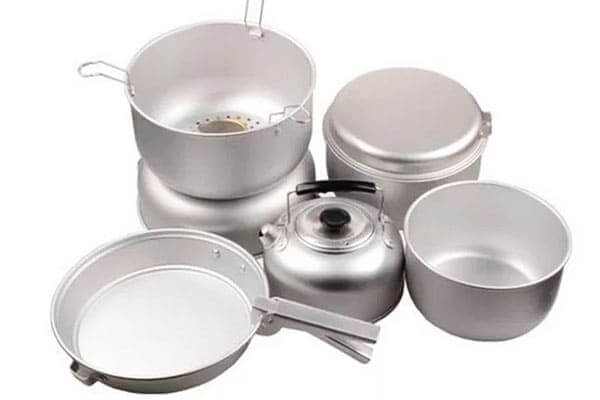
Dans le monde de la fabrication d'ustensiles de cuisine, le choix des matériaux définit souvent les performances du produit, rentabilité, et impact environnemental. Parmi les nombreux alliages d'aluminium utilisés pour former les composants des ustensiles de cuisine, la 8011 La qualité se distingue comme une option polyvalente pour les cercles en aluminium des ustensiles de cuisine.
Ces cercles, découpé dans une feuille d'aluminium de haute qualité, servir de disques de base ou de fond pour les poêles à frire, Pots, woks, et autres récipients culinaires.
La 8011 Les cercles en aluminium pour ustensiles de cuisine de qualité combinent une bonne formabilité, Excellente résistance à la corrosion, et une qualité de surface fiable - toutes les caractéristiques essentielles pour une durabilité, sûr, et des ustensiles de cuisine esthétiques.
Cet article explore le quoi, pourquoi, et comment de 8011 Cercles en aluminium d’ustensiles de cuisine de qualité, avec un accent particulier sur les conseils pratiques pour les fabricants, concepteurs de produits, et les équipes achats.
Nous examinerons les caractéristiques des matériaux, processus de manufacture, contrôles de qualité, et performances dans des scénarios de cuisine réels. La pièce présente également Huawei Aluminium, un fournisseur leader dans l'industrie de l'aluminium, et explique pourquoi les partenariats avec des producteurs réputés sont importants lors de l'approvisionnement 8011 cercles à l'échelle.
Huawei (en anglais) 8011 Cercles en aluminium
La 8011 l'alliage d'aluminium appartient à la série 8xxx, où le silicium et d'autres éléments d'alliage sont présents à l'état de traces pour améliorer les propriétés telles que la formabilité et l'ouvrabilité.
Pour les applications d'ustensiles de cuisine, 8011 est couramment utilisé à l'état recuit (souvent étiqueté O tempérament) pour maximiser la ductilité et la facilité d'estampage dans des formes circulaires.
Les principales caractéristiques comprennent:
Quoique 8011 n'est pas un alliage traitable thermiquement comme certaines autres qualités d'aluminium, ses propriétés mécaniques sous forme recuite sont adéquates pour les disques inférieurs de nombreux types d'ustensiles de cuisine pour lesquels une résistance élevée n'est pas la principale exigence.
L'accent est mis sur la formabilité, épaisseur uniforme, qualité de surface constante, et résistance à la corrosion dans les conditions de cuisson.
Les cercles eux-mêmes sont généralement produits à partir de tôle d'aluminium laminée, puis poinçonnés ou découpés au laser en formes circulaires précises..
Les bords peuvent être ébavurés, arrondi, ou traité pour réduire le risque de bavure et améliorer la sécurité lors de l'assemblage ultérieur.
Dans de nombreuses lignes de production, les cercles servent de surface métallique fondamentale qui s'interfacera plus tard avec les sources de chaleur, revêtements, ou finitions antiadhésives.
Attributs clés de 8011 Cercles en aluminium d’ustensiles de cuisine de qualité
| Attribut | Gamme typique / Remarques |
|---|---|
| Famille d'alliages | 8série xxx (8011) |
| Caractère | O (recuit) pour une formabilité maximale; peut être stabilisé par le traitement après le formage |
| Densité | ~2,70g/cm3 |
| Point de fusion | ~660°C (pas de fusion lors d'une utilisation normale des ustensiles de cuisine) |
| Résistance à la corrosion | Excellent dans les environnements en contact avec les aliments |
| Formabilité en tôle | Haut; convient pour l'estampage sur des disques circulaires |
| Compatibilité des finitions de surface | Bien; accepte les revêtements et les finitions |
| Épaisseur typique (cercles) | Varié; les gammes communes d'environ 0.3 mm à 3.0 mm selon la conception du produit |
| Diamètre typique | 100 mm à 1200+ millimètre; dépend de l'application |
| Potentiel de recyclage | Haut; largement recyclable dans les flux d'aluminium |
Note: Les valeurs dépendent du tempérament spécifique, épaisseur, et traitement, et doit être vérifié avec la fiche technique du fournisseur (TDS) pour un lot de production donné.
8011 Mesure d'épaisseur de cercles en aluminium de batterie de cuisine de catégorie
Huawei Aluminium Co., Ltée. est un acteur majeur de l'industrie de l'aluminium, avec une large gamme comprenant des profils extrudés, produits roulés, et cercles en aluminium utilisés dans les ustensiles de cuisine et d'autres secteurs.
L'entreprise met l'accent sur un contrôle qualité rigoureux, fiabilité de la chaîne d'approvisionnement, et à l'échelle pour répondre à la demande mondiale.
Dans le segment des ustensiles de cuisine, La capacité de Huawei Aluminium à produire des cercles de qualité 8011 en volumes élevés et avec des tolérances constantes en fait un choix populaire parmi les fabricants à la recherche d'un approvisionnement fiable pour la production de masse..
Note: Les acheteurs potentiels doivent vérifier les dernières certifications directement auprès de Huawei Aluminium ou via des distributeurs agréés., car la portée de la certification peut évoluer avec les audits et les exigences du marché.

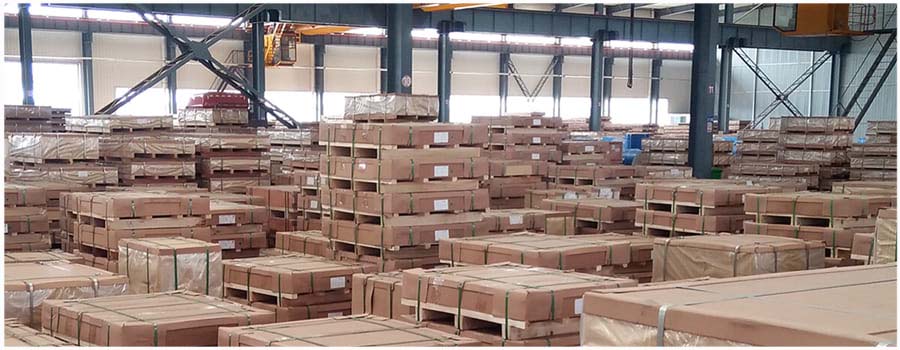
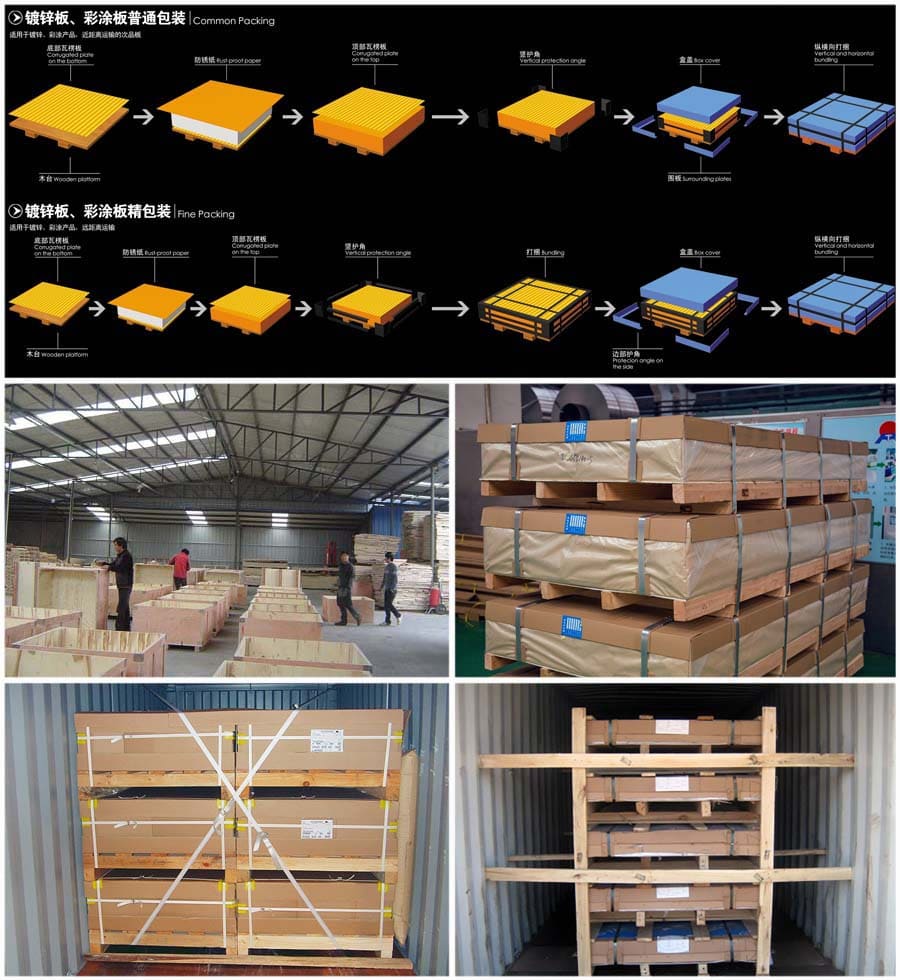
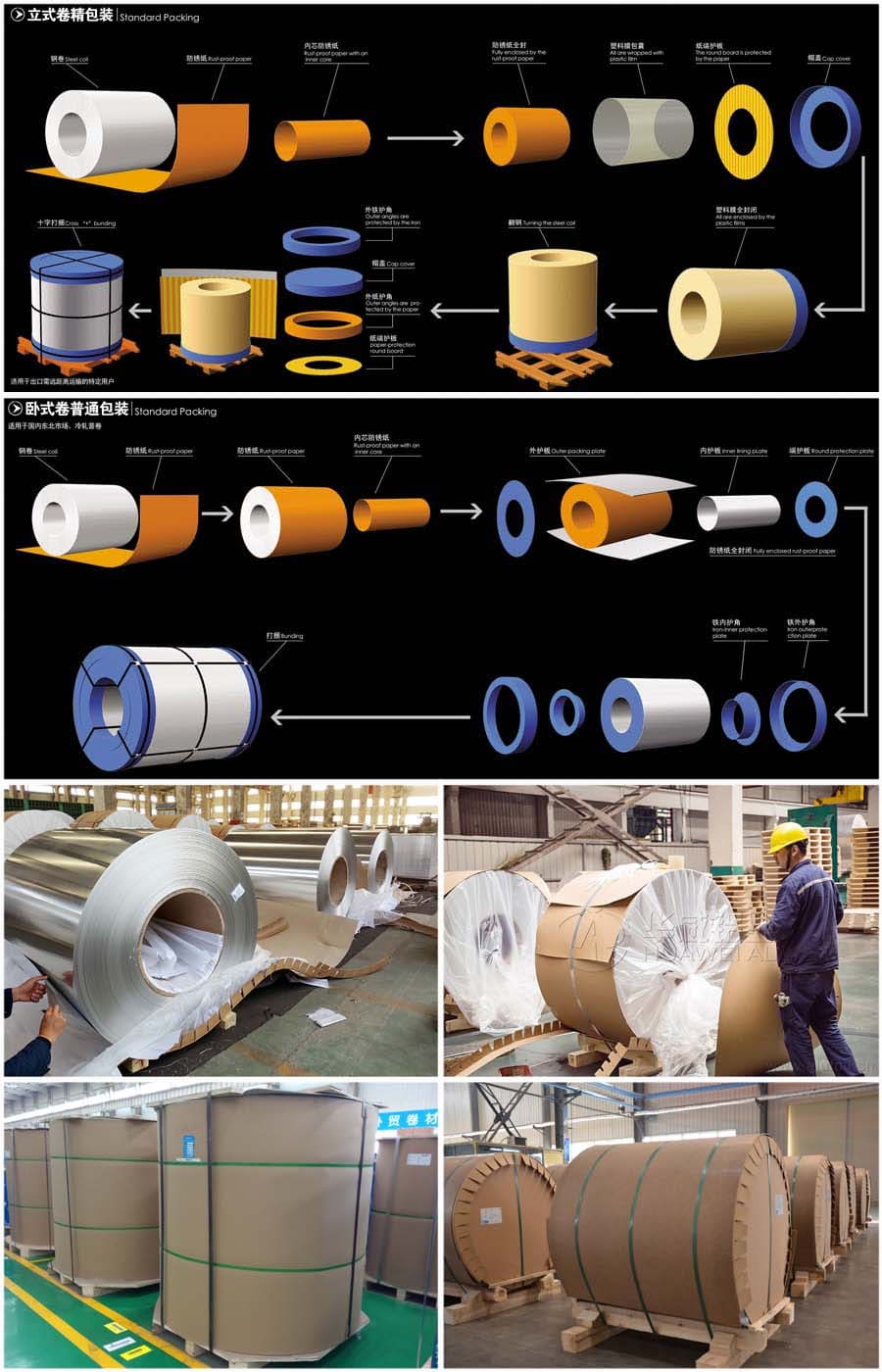
Emballage d'exportation de cercles en aluminium Huawei
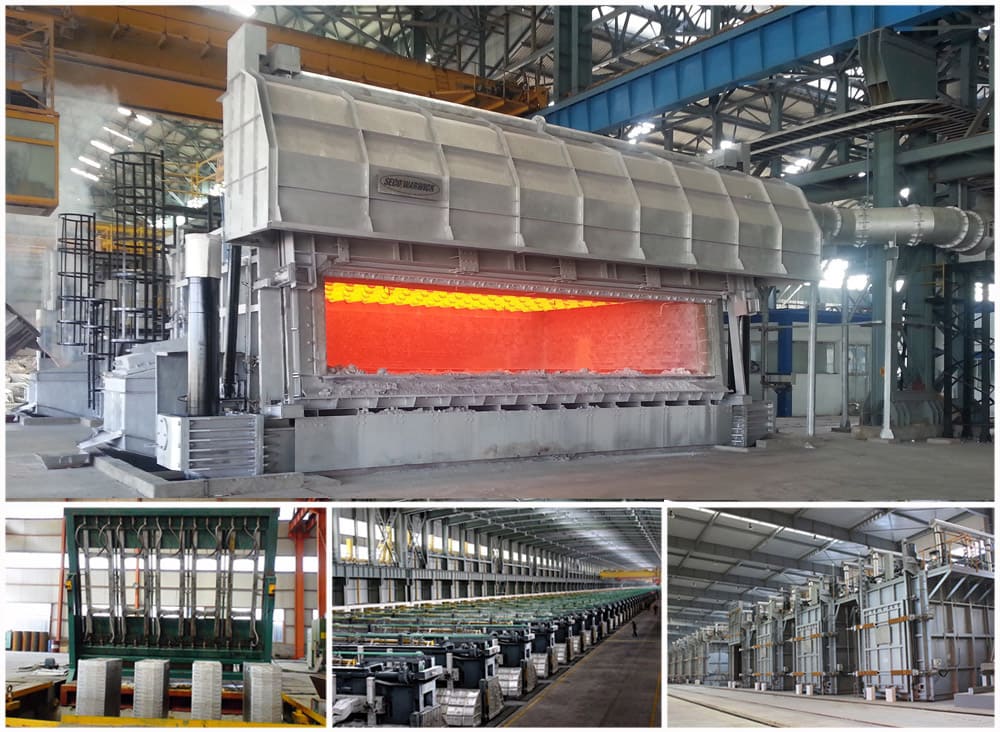
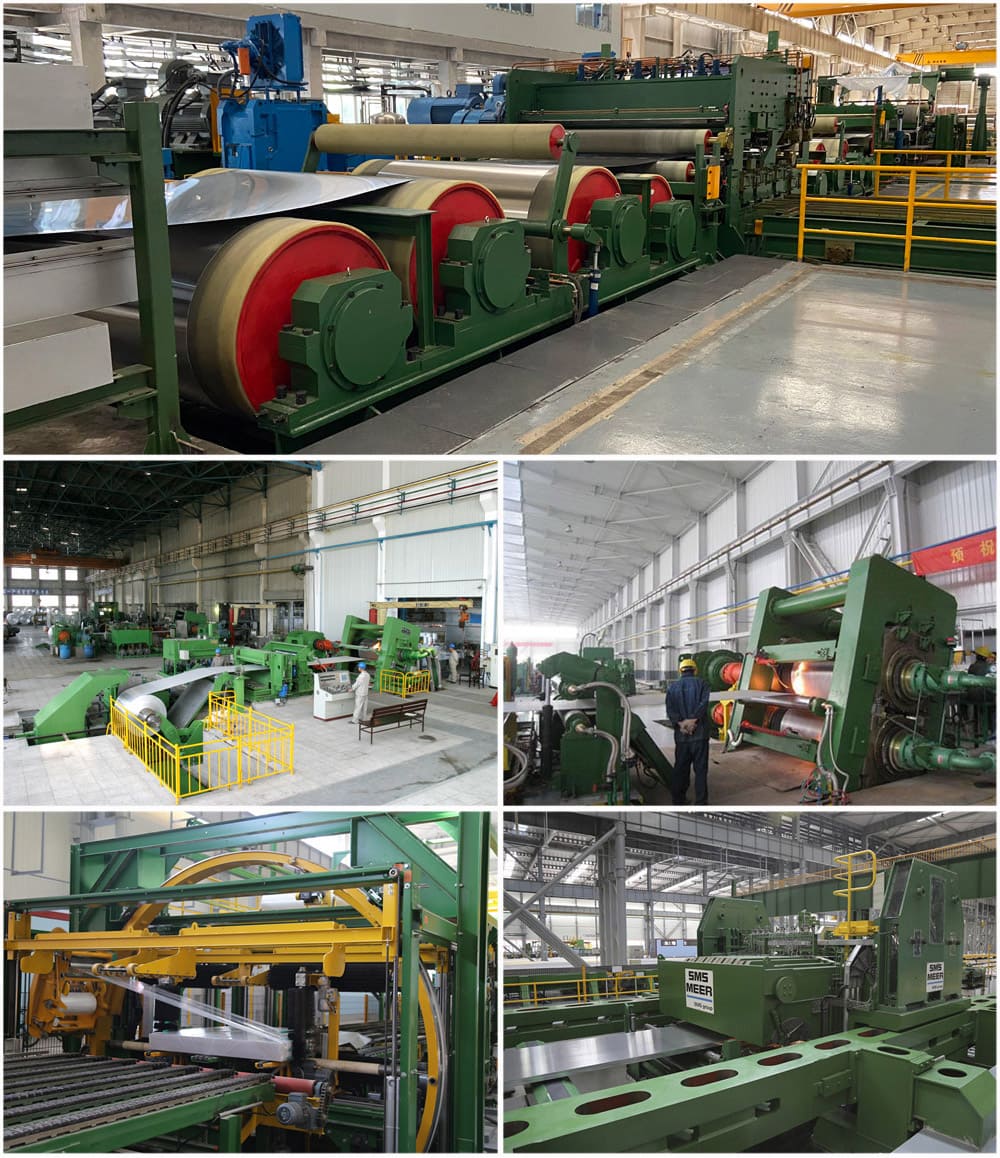
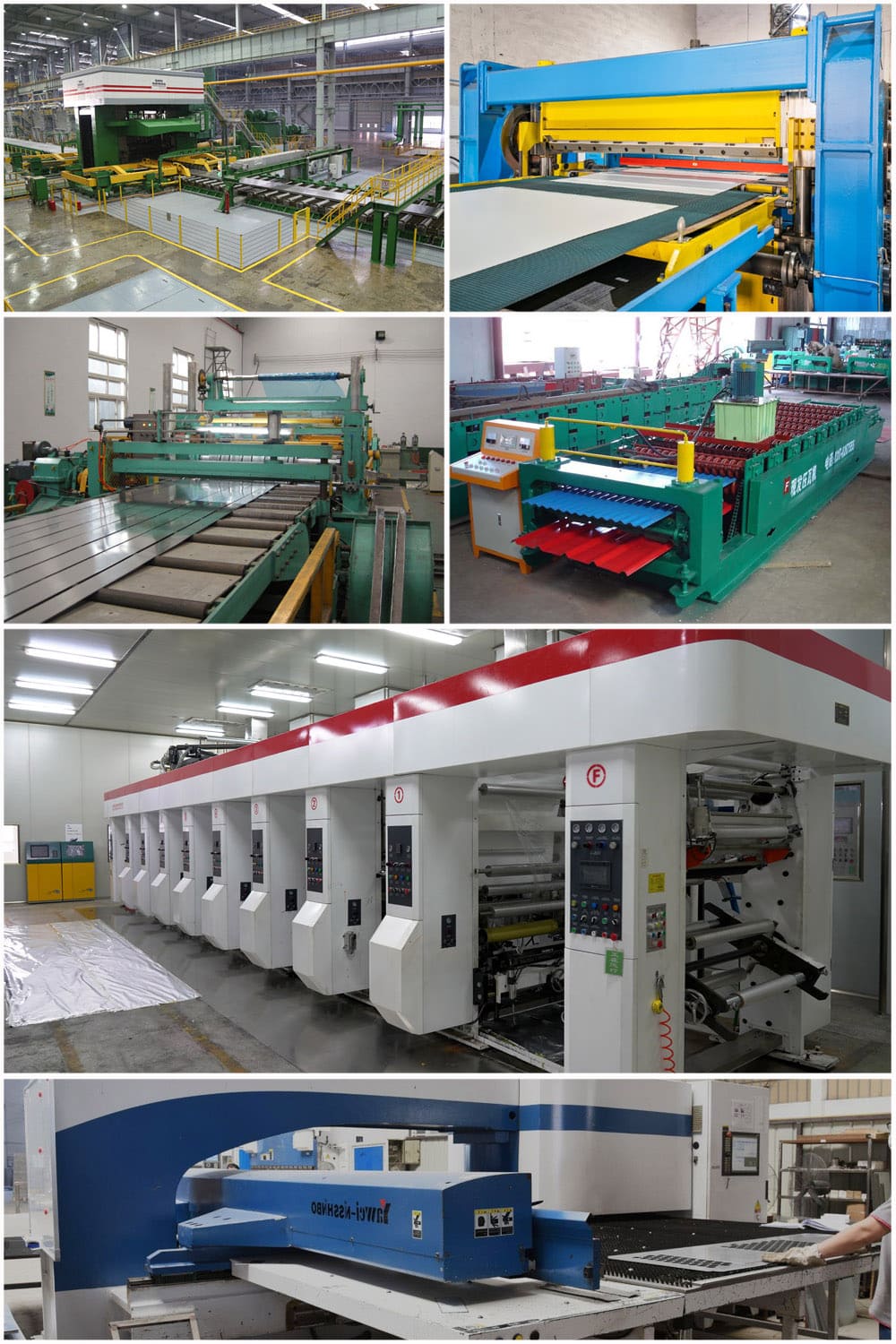
Un flux de fabrication typique comprend plusieurs étapes, chacun contribuant à la géométrie finale, Qualité de surface, et performances des cercles.
Bien que les processus varient selon le producteur, les étapes principales sont:
La séquence exacte peut varier selon les exigences de l'usine et du client.. Les fabricants personnalisent souvent le rayon de bord, lubrifiants, et finitions de surface pour optimiser la pressabilité et l'adhérence du revêtement en aval pour des conceptions spécifiques d'ustensiles de cuisine.
Test granulométrique de 8011 Cercles en aluminium
Attentes typiques:
– Limite d’élasticité (approximatif): Faible à modéré en tempérament O; les considérations de conception doivent supposer des charges légères à modérées dans les applications de cuisson normales.
– Résistance à la traction ultime (approximatif): Modéré; acceptable pour les disques inférieurs qui doivent résister à la flexion dans des conditions d'utilisation typiques.
– Allongement: Haut, permettant une déformation importante sans fissuration lors de l'emboutissage.
Note: Les propriétés précises dépendent de la composition de l'alliage, caractère, épaisseur, et post-traitement. Pour un lot donné, consulter les fiches techniques et les données mécaniques du fournisseur.
8011 Présentoir d'ustensiles de cuisine en forme de cercles en aluminium
| Catégorie | 8011 Grade (Cercles d'ustensiles de cuisine) | 3003 Cercle d’aluminium | 1100 Cercle d’aluminium |
|---|---|---|---|
| Formabilité | Excellent dans les jauges fines; idéal pour les grands cercles | Très bien; bon pour les cercles moyens à grands | Excellente; idéal pour les jauges très fines |
| Force (Ô tempérament) | Faible à modéré; adapté aux disques inférieurs | Modéré | Bas |
| Résistance à la corrosion | Excellent pour les environnements en contact avec les aliments | Bien | Excellente |
| Adhésion du revêtement | Bon avec une préparation appropriée | Modéré | Élevé avec un traitement approprié |
| Coût | Généralement compétitif pour la production en grand volume | Modéré | Extrémité inférieure, en fonction de l'épaisseur |
| Utilisation typique des ustensiles de cuisine | Disques inférieurs; casseroles à usage intensif avec revêtements | Disques inférieurs; batterie de cuisine générique | Disques spécialisés ou économiques dans des jauges très fines |
| Recyclabilité | Haut | Haut | Haut |
Note: Le tableau ci-dessus fournit une comparaison qualitative pour aider les acheteurs à évaluer les compromis. Les données spécifiques du produit doivent être consultées dans les fiches TDS des fournisseurs pour une planification précise..
Q: Quoi 8011 Cercles en aluminium pour ustensiles de cuisine de qualité, mieux utilisés pour?
UN: Ils conviennent bien aux disques inférieurs d'une large gamme d'ustensiles de cuisine, en particulier là où une excellente formabilité et une bonne résistance à la corrosion sont requises. Ils sont couramment utilisés pour les poêles à frire, Pots, woks, et autres fonds circulaires, souvent associé à des revêtements ou des finitions antiadhésives.
Q: Comment 8011 comparer à 3003 dans les cercles d'ustensiles de cuisine?
UN: 8011 offre généralement une meilleure formabilité pour les grands cercles et une excellente résistance à la corrosion, avec une rentabilité adaptée à la production de masse. 3003 offre une bonne formabilité et une bonne résistance avec une résistance à la corrosion adéquate, souvent à un prix différent.
Q: À quelles tolérances dois-je m'attendre pour le diamètre et l'épaisseur?
UN: Les tolérances dépendent du fabricant et du processus. Les tolérances de diamètre typiques sont de l'ordre de quelques dixièmes de millimètre pour une production à moyenne échelle., tandis que les tolérances d'épaisseur sont étroitement contrôlées pour maintenir l'uniformité entre les lots. Référez-vous toujours à la fiche technique du fournisseur pour connaître les tolérances exactes..
Q: Peut 8011 les cercles peuvent être utilisés avec des revêtements antiadhésifs?
UN: Oui. Avec une préparation de surface appropriée et des promoteurs d'adhérence, 8011 les cercles peuvent être recouverts de PTFE, céramique, ou autres revêtements utilisés dans la fabrication d'ustensiles de cuisine.
Q: Huawei Aluminum est-il un fournisseur fiable pour 8011 cercles?
UN: Huawei Aluminium est reconnu comme un fournisseur majeur du secteur de l'aluminium, connu pour son ampleur, contrôles de qualité, et une large gamme de produits. Pour les acheteurs recherchant un approvisionnement prévisible et une traçabilité, leur capacité peut être avantageuse, surtout pour les commandes à gros volume. Vérifier les certifications et les capacités actuelles avec un représentant commercial.
8011 Les cercles en aluminium pour ustensiles de cuisine de qualité représentent une option pratique et largement utilisée pour les composants fondamentaux des ustensiles de cuisine modernes..
La combinaison de formabilité de l’alliage, résistance à la corrosion, et sa compatibilité avec les revêtements en font un choix judicieux pour les fabricants recherchant une production efficace et des performances de cuisine fiables.
Lors de l'approvisionnement en cercles d'aluminium, un partenariat avec des fournisseurs établis tels que Huawei Aluminium peut apporter des avantages mesurables en termes de stabilité de l'approvisionnement, assurance qualité, et accès à des capacités de production évolutives.
Le résultat est un cheminement fiable depuis la matière première jusqu'au produit de cuisson fini, qui répond aux normes de sécurité., performance, et les attentes en matière de durabilité sur le marché concurrentiel d’aujourd’hui.
Si vous êtes un concepteur de produits, professionnel des achats, ou un ingénieur de fabrication évaluant 8011 Cercles en aluminium pour ustensiles de cuisine de qualité pour votre prochain projet, envisagez les étapes d’action suivantes:
Avec ces considérations à l’esprit, 8011 Les cercles en aluminium pour ustensiles de cuisine de qualité peuvent être efficaces, économique, et évolutive pour une large gamme de produits d'ustensiles de cuisine, soutenu par des fournisseurs crédibles comme Huawei Aluminium qui apportent une expérience approfondie et une qualité constante.
Partager avec PDF: Télécharger
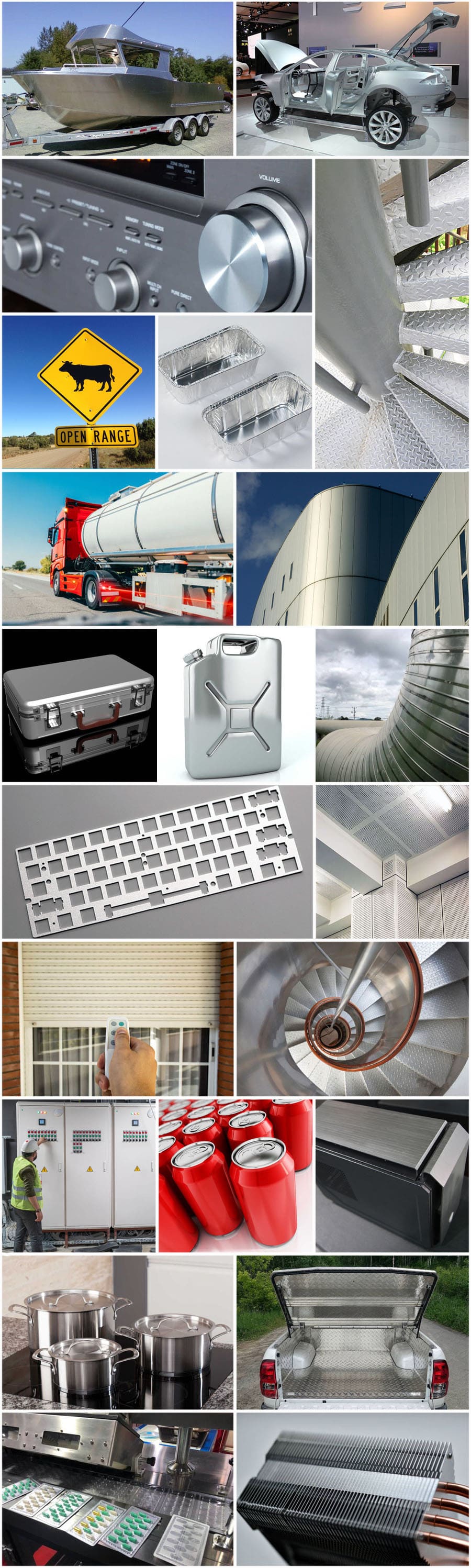
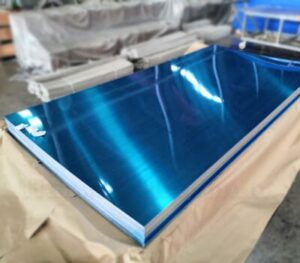
5052 la tôle d'aluminium fait partie de la 5000 série d'aluminium. Les grades de cette série sont alliés au magnésium (2.5%) et ont des propriétés de résistance moyenne à élevée.
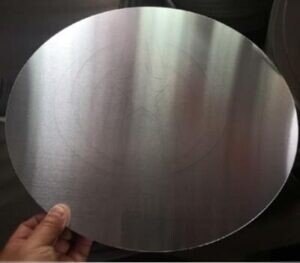
Les propriétés de 3003 Le cercle en aluminium le rend idéal pour une utilisation sur plusieurs marchés, y compris les ustensiles de cuisine, Industries de l’automobile et de l’éclairage
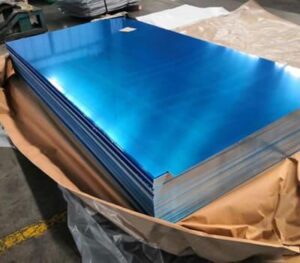
La tôle d'aluminium de qualité aéronautique est un type d'alliage d'aluminium spécialement conçu pour être utilisé dans les applications aérospatiales.. Ces feuilles sont fabriquées à partir d'alliages d'aluminium à haute résistance, légers mais suffisamment solides pour résister aux contraintes et aux contraintes du vol..

Trouver résistant à la corrosion 16 plaque diamantée en aluminium de calibre avec une traction supérieure. Parfait pour la marine, automobile, et utilisation en atelier - coupes personnalisées disponibles.
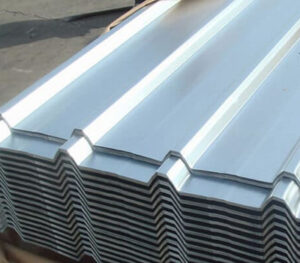
Améliorez votre toit avec des tôles de toiture en aluminium de haute qualité. Profitez d'une protection durable et améliorez l'esthétique de votre maison avec notre solution de toiture élégante et durable

Découvrez des feuilles d'aluminium enduites de couleur PVDF premium avec une excellente durabilité, Résistance aux UV, et rétention de couleur vibrante. Parfait pour l'architecture, industriel, et applications décoratives.
N°52, Route de Dongming, Zhengzhou, Henan, Chine
Henan Huawei Aluminium Co., Ltée, L’un des plus grands fournisseurs d’aluminium en Chine Henan,Nous sommes établis en 2001, et nous avons une riche expérience dans l’importation et l’exportation et les produits en aluminium de haute qualité
Lun – Sam, 8AM – 17h
Dimanche: Fermé
© Copyright © 2023 Henan Huawei Aluminium Co., Ltée

Derniers Commentaires
Nous avons besoin d'une plaque d'aluminium T111. Nous recherchons des feuilles d'un quart de pouce par 4'x8'
Aluminium 5754 H111 หนา 8 mm กว้าง x ยาว : 4 X 6 pied
Bonjour, très bien, j'appelle d'Iran, nous avons besoin d'une feuille d'or de 12 microns, 61 cm de large, environ 35 000 mètres par mois.
Chère équipe commerciale, J'espère que tu vas bien. Nous cherchons à nous approvisionner en produits en aluminium auprès de votre entreprise et apprécierions recevoir votre meilleur devis pour les éléments suivants: Aluminum Sheets Thickness: 2 millimètre, 3 millimètre, 4 millimètre, et 5 mm Please provide your available standard sheet sizes. Veuillez indiquer le prix par feuille et le prix par tonne. Aluminum Coils Thickness: 2 millimètre, 3 millimètre, 4 millimètre, et 5 mm Please provide your available coil widths, poids de bobine standard, et spécifications du diamètre intérieur. Veuillez indiquer le prix par tonne métrique. Pour les feuilles et les bobines, veuillez inclure: Alliages disponibles (par exemple. 1050, 3003, 5052) Temper options Mill finish or other available surface finishes Minimum Order Quantity (MOQ) Production lead time Payment terms Please provide your quotation based on: Port CIF de Jebel Ali, EAU (y compris le fret maritime), ou bien fournir à la fois FOB Chine et CIF Jebel Ali Port, Prix aux EAU. Si disponible, veuillez également envoyer: Product catalogue Mill Test Certificate (MTC) sample Photos of the products and packaging. Nous souhaitons établir une relation commerciale à long terme. Notre volume d'achat initial devrait être 100+ tonnes métriques, avec la possibilité de commandes plus importantes et récurrentes si votre prix, qualité, et le service répondent à nos exigences. Merci pour votre temps. Nous attendons avec impatience de recevoir votre devis et espérons construire un partenariat fructueux à long terme. Cordialement, Ing.Yousef
アルミハニカムパネルについてお聞きしたいのですが L1500×W700×厚みで曲げに対して200kgg耐えられるには厚みはどのくらいでしょうか ※簡単に言いますと約1000mmの側溝に渡して真ん中で200kg耐えられるかという事になります 又、Si un tel produit existe, son poids、価格をおしえていただけますか 現在はコンパネ板を使用してますが腐ると折れてしまい人が側溝に落ちてけがをしてます 出来ましたらメールでお返事をいただけますか