Belagd aluminiumfolie spelar en central roll i moderna läkemedelsförpackningar. Den kombinerar aluminiums lätta vikt och utmärkta barriäregenskaper med skräddarsydda beläggningar som förbättrar fuktbeständigheten, syreogenomtränglighet, kemisk kompatibilitet, tätningsintegritet, och kompatibilitet med olika steriliseringsmetoder.
När läkemedelstillverkare frågar, "Vad används belagd aluminiumfolie till i läkemedelsförpackningar?” svaret är mångfacetterat: det skyddar aktiva ingredienser från miljöfaktorer, säkerställer produktens integritet under lagring och transport, möjliggör noggrann dosering och märkning, ger manipuleringsbevis och patientsäkerhet, och stöder effektiv, skalbar tillverkning.
Den här artikeln undersöker teknikerna, prestandaegenskaper, format, regleringshänsyn, och praktiska leverantörsrelationer som definierar belagd aluminiumfolie i denna kritiska industri.
Över hela den farmaceutiska värdekedjan, beläggning av aluminiumfolie möjliggör tillämpningar som sträcker sig från traditionella blisterförpackningar till sofistikerade högbarriärlaminat för biologiska och sterila produkter.
Valet av beläggning – oavsett om det är polyolefin, PVDC, EVOH, PCTFE, eller andra polymerer – bestämmer foliens barriärprofil, lamineringskompatibilitet, värmeförseglingsprestanda, tryckbar, och återvinningsbarhet.
I praktiken, tillverkarna skräddarsyr belagda foliestrukturer för den specifika läkemedelsprodukten, förpackningsformat, och marknadens krav, balanseringsskydd, prestanda, kosta, och hållbarhet.

Vad används belagd aluminiumfolie till i Pharma Packaging
Läkemedelsförpackningar kräver exceptionellt skydd mot miljöpåfrestningar samtidigt som produktkvalitet och patientsäkerhet bevaras.
Aluminiumfolie i sig erbjuder redan en robust bas: en metallisk, ogenomskinlig barriär som ger fysisk styrka, ljusskydd, och barriäregenskaper överlägsna många alternativa förpackningsmaterial.
Dock, i läkemedelstillämpningar - speciellt för fukt- och syrekänsliga produkter – beläggningar på aluminiumfolie är viktiga för att skräddarsy prestanda för specifika läkemedel, doseringsformer, och steriliseringsvägar.
– Förstärkning av fuktbarriären: Många läkemedel är hygroskopiska eller bryts ned i fuktrika miljöer. Beläggningar som PVDC eller EVOH skiktade på aluminiumfolie hjälper till att minska vattenångans överföring och stabilisera formuleringens integritet.
– Förbättring av syrebarriären: Syreinträngning kan leda till oxidation, potensförlust, och hållbarhetsförkortning. Beläggningar med höga syrebarriäregenskaper kan dramatiskt minska syreöverföringen.
– Kemisk kompatibilitet och läkemedelsstabilitet: Beläggningar måste motstå interaktion med aktiva farmaceutiska ingredienser (API:er), hjälpämnen, lösningsmedel, och steriliseringsprocesser som ånga eller etylenoxid (Rada upp) exponering.
– Förseglingsbarhet och processkompatibilitet: Förpackningen måste förslutas tillförlitligt under blisterbildning och efterföljande förseglingssteg, kräver beläggningar som underlättar värmeförsegling och fläkhållfasthet med kompatibla laminat.
– Säkerhetsbevis och patientsäkerhet: Skiktade folier och laminat möjliggör manipuleringssäkra funktioner som kan spåras genom leverantörskedjan.
– Utskrift och spårbarhet: Vissa beläggningar ger god vidhäftning för tryck och märkning på reaktiva läkemedelsprodukter, tillåter partinummer, utgångsdatum, och partispårbarhet för att tydligt framgå på primär- eller sekundärförpackningen.
– Steriliseringskompatibilitet: Folie och beläggningar måste tåla steriliseringsmetoder som används inom läkemedelstillverkning, inklusive ånga, torr värme, strålning, eller EtO-exponering, utan att kompromissa med barriärens prestanda.
– Återvinningsbarhet och hållbarhet: Aluminium är mycket återvinningsbart; dock, flerskiktslaminat kan komplicera återvinningen. Tillverkare söker i allt högre grad beläggningar och lamineringsstrukturer som förbättrar återvinningsbarheten eller möjliggör mer hållbar kassering.
En drivkraft för ofta beslut är det avsedda förpackningsformatet. Till exempel, blisterförpackningar som används för tabletter eller kapslar kräver en folie med utmärkt förseglingsförmåga och fuktbarriär, medan påsar eller påsar för pulver kan prioritera syre- och fuktbarriär tillsammans med utmärkt rivhållfasthet och värmeförseglingsprestanda.
För högvärdiga biologiska läkemedel som kräver ultrahögt barriärskydd, flerskiktsstrukturer kan kombinera aluminiumfolie med PVDC, EVOH, och andra polymerer för att uppnå nödvändig prestanda. Resultatet är en bred familj av belagda folier, var och en anpassad till specifika produktbehov och regulatoriska förväntningar.

Belagd aluminiumfolie för blisterförpackningar
Nedan är en kortfattad tabell som kontrasterar vanliga beläggningstyper som används med aluminiumfolie för läkemedelsförpackningar, med fokus på deras typiska roll och relativa prestationsegenskaper.
| Beläggningstyp | Primär roll | Fuktbarriär (relativ) | Syrebarriär (relativ) | Värmeförsegling & Lamineringskompatibilitet | Kemisk beständighet | Typisk kostnad/komplexitet | Återvinningsfrågor |
|---|---|---|---|---|---|---|---|
| PE (Polyeten) | Tätningsskikt, sekundär barriär | Måttlig | Måttlig | Utmärkt värmeförsegling, enkel laminering | Bra med många lösningsmedel men begränsad för aggressiva kemikalier | Låg till måttlig | Mycket återvinningsbar som plast-laminatkomponent, beroende på laminatstruktur |
| PVDC (Vinylidenklorid) | Hög fuktspärr, god kemikaliebeständighet | Hög | Bra till utmärkt | God förseglingsbarhet med PVDC-innehållande laminat | Mycket god kemikaliebeständighet | Måttlig till hög | Laminat kan vara mer utmanande att återvinna; relativt vanligt i farmalaminat |
| EVOH (Etenvinylalkohol) | Utmärkt syrebarriär, anständig fuktspärr med lagom tjocklek | Måttlig till hög (beror på fukt) | Excellent (när den är torr) | Kompatibel med många laminat; kräver noggrann fukthantering | Bra men känslig för fukt utan skyddande lager | Måttlig till hög | Ofta ingår i flerskiktslaminat; återvinningsbarhet beror på laminatdesign |
| PCTFE (Polyklortrifluoreten) | Överlägsen fukt- och kemikaliebarriär; låg permeabilitet | Mycket hög (utmärkt fuktspärr) | Hög | Bra för vissa laminatstrukturer; kemisk resistens är stark | Utmärkt kemikaliebeständighet | Hög | Laminat kan komplicera återvinningsströmmar; specialiserade applikationer |
| Andra funktionella beläggningar (till exempel, SÄLLSKAPSDJUR, Nylonhybrider) | Skräddarsydd barriär och mekaniska egenskaper | Variabel | Variabel | Variabel | Variabel | Variabel | Variabel |
Tabellen ovan ger en ögonblicksbild av hur olika beläggningar påverkar kritiska attribut. I praktiken, den exakta prestandan beror på beläggningens tjocklek, lamineringsstruktur, basfoliekvalitet (legering och temperament), och efterbehandlingsstegen som används i produktionen.
Det beror också på vilken läkemedelsprodukt som förpackas, dess mottaglighet för fukt eller syre, och alla steriliseringssteg den måste utstå.
Nyckeln är att anpassa strategin för förpackningsmaterial till läkemedlets stabilitetsprofil och leveranskedjans krav.
Förutom barriäregenskaper, belagda aluminiumfolier måste uppfylla rigorösa regulatoriska standarder och kvalitetskontrollpraxis.
Läkemedelsindustrin kräver dokumenterad validering av materiallämplighet, processkompatibilitet, och partispårbarhet.
Detta inkluderar validering av foliens mekaniska integritet under blåsbildning och försegling, dess kemiska tröghet mot API:er och hjälpämnen, och dess stabilitet under förväntade lagringsförhållanden.
Nästa, vi utforskar själva beläggningsteknologierna och hur de påverkar prestanda och lämplighet för olika läkemedelstillämpningar.

Produktion av belagd aluminiumfolie
Beläggningstekniker på aluminiumfolie är valda för att uppfylla exakta prestandamål.
Olika beläggningar ger olika fördelar och kompromisser när det gäller barriärprestanda, termisk kompatibilitet, steriliseringsförmåga, och nedströms bearbetning.
Här är några av de vanligaste beläggningskategorierna som används i läkemedelsförpackningslegeringar och folielaminat:
Roll: PE används vanligtvis som ett primärt värmeförseglingsskikt eller som det yttersta skyddsskiktet i laminatstrukturer.
Fördelar: Utmärkt värmeförseglingsprestanda, stark vidhäftning till olika laminat, bra fuktspärr när den paras ihop med andra lager, kostnadseffektivt.
Överväganden: Begränsad kemikaliebeständighet för aggressiva lösningsmedel; inte idealiskt för applikationer med ultrahög barriär på egen hand.
Roll: PVDC används i stor utsträckning för att uppnå mycket låga överföringshastigheter för vattenånga och robust kemikalieresistens.
Fördelar: Överlägsen fuktspärr; god kompatibilitet med en rad farmaceutiska formuleringar; starka tätningsegenskaper när de används i kombination med PVDC-innehållande laminat.
Överväganden: Högre kostnader och mer komplexa avfallshantering/återvinningshänsyn på grund av PVDC; kan kräva specifika lamineringsprocesser.
Roll: EVOH är en utmärkt syrebarriär; används vanligtvis där syrekänslighet är ett kritiskt problem.
Fördelar: Mycket låg syregenomsläpplighet i torra miljöer; hjälper till att bevara syrekänsliga API:er och formuleringar; fungerar bra i flerskiktslaminat.
Överväganden: Syrebarriärens effektivitet minskar med fukt; kräver fuktkontroll och korrekt förvaring för att upprätthålla barriärprestanda.
Roll: Ett högpresterande barriärskikt för fukt- och kemikaliebeständighet i krävande applikationer.
Fördelar: Överlägsen fuktspärr och kemisk stabilitet; kompatibel med vissa steriliseringsprocesser.
Överväganden: Högre kostnad och begränsade återvinningsmöjligheter; mer specialiserad bearbetning krävs.
Roll: Kombinera beläggningar för att uppnå en balanserad barriär, mekanisk prestanda, och bearbetningskompatibilitet.
Fördelar: Skräddarsydda lösningar för komplexa produkter; kan uppnå mycket specifik barriär- och tätningsprestanda.
Överväganden: Större tillverkningskomplexitet; potentiella återvinningsutmaningar beroende på laminatets sammansättning.
Dessa beläggningskategorier används ofta i kombination med en strukturerad laminering, såsom aluminiumfolie laminerad med en kärnpolymerfilm och ytterligare skyddande eller funktionella lager.
Den exakta uppsättningen drivs av produktens stabilitetsprofil, förpackningsformatet, och den erforderliga steriliseringsmetoden.
Till exempel, en blisterförpackning för orala fasta ämnen kan förlita sig på en PVDC-belagd aluminiumfolie för att maximera fuktskydd och tätningsintegritet, medan en dospåse för hygroskopiska pulver kan gynna EVOH med ett komplementärt polymertätningsmedel.

Huawei förpackad belagd aluminiumfolie
– Barriärprestanda: Det främsta skälet till att välja PVDC, EVOH, eller PCTFE är att uppnå överlägsen fukt- och/eller syrebarriär, vilket leder till längre hållbarhet och bättre produktstabilitet.
– Tätningskvalitet: Den effektiva avdragningshållfastheten och värmeförseglingskompatibiliteten måste vara i linje med den blisterbildande utrustningen och hartset i laminatet.
– Ytkemi och tryckbarhet: För spårbarhet och varumärke, ytvidhäftning för bläck och beläggningar måste vara tillförlitlig; vissa beläggningar påverkar också hur väl fluorescerande spårämnen eller serialiseringsmärken fäster.
– Sterilisering och kompatibilitet: Förpackningar måste tåla EtO, ångsterilisering, gammastrålning, eller andra metoder utan nedbrytning av barriären eller laminatet.
Valet av beläggning görs sällan isolerat. Det är en del av ett bredare beslutsramverk som inkluderar förpackningsformatet (blåsa, påse, påse, eller annat), läkemedelsstabilitetsdata (hållbarhet, miljökänslighet), myndighetskrav (till exempel, förpackningsvalidering för sterilitet och inneslutning), och leveranskedjans begränsningar (ledtider och leverantörskapacitet).
I nästa avsnitt, vi översätter dessa val till praktiska riktlinjer för förpackningsformat och regelanpassning.
Läkemedelsförpackningsformat spänner över ett brett spektrum av strukturer, var och en med sina egna prestationskrav.
Nedan finns vanliga format som förlitar sig på belagd aluminiumfolie, tillsammans med de typiska beläggningar och laminatstrukturer som används för att uppfylla specifika prestationsmål.
Struktur koncept: Aluminiumfolie (ofta PVDC-belagda) + PVC- eller PVDC-fritt laminat + hårdplast eller polymerfilm.
Prestationsmål: Lågt fuktinsläpp, robust tätning, manipuleringsbevis, och tryckbarhet för parti- och utgångsinformation.
Beläggningsroll: PVDC eller EVOH beläggningar på folie för att ge hög barriär mot fukt och, i vissa fall, syre.
Struktur koncept: Aluminiumfolielaminat med polymerfilmer (till exempel, PE eller polypropen) och tätningsskikt.
Prestationsmål: Fukt- och syreskydd för pulver och granulat; flexibla formfaktorer; funktioner för enkel öppning eller rivning.
Beläggningsroll: EVOH- eller PVDC-lager för att förbättra barriären; värmeförseglingsbeläggningar på polyfilmsidan för att säkerställa robusta tätningar.
Struktur koncept: Aluminiumfolie integrerad i högbarriärlaminat med EVOH, PVDC, eller PCTFE-skikt; ytterligare torkmedel eller syreabsorbatorer kan användas.
Prestationsmål: Bibehåll stabilitet för biologiska eller temperaturkänsliga produkter; minimera fukt och syreinträngning; säkerställa integritet genom kylkedjan logistik.
Beläggningsroll: Ultrahög barriärbeläggning och noggrann laminering för att uppfylla strikta hållbarhetskriterier och regulatoriska förväntningar.
Struktur koncept: Aluminiumfolie-baserade laminat designade för att motstå steriliseringsmetoder med bibehållen barriäregenskaper.
Prestationsmål: Behåll sterilitet, möjliggör enkel öppning, och säkerställa kompatibilitet med enhetens material.
Beläggningsroll: Barriärbeläggningar som motstår steriliseringsförhållanden och undviker interaktion med enhetens material.
För att optimera förpackningsprestanda, varumärken och kontraktstillverkare kör ofta design-of-experiment (HIND) studier som testar olika foliebeläggningar, lamineringssekvenser, och tätningsparametrar.
Målet är att identifiera lamineringsstaplar som maximerar barriärprestandan samtidigt som de uppfyller produktionshastighets- och avkastningskraven.
Dessutom, regulatoriska team validerar att de valda materialen uppfyller farmakopén och regionala standarder för förpackningsmaterial som används med specifika läkemedelsprodukter.

Belagd aluminiumfolie för kall aluminiumförpackning
Belagd aluminiumfolie som används i läkemedelsförpackningar fungerar under ett tätt regelverk utformat för att säkerställa patientsäkerhet och produktintegritet.
Medan regulatoriska detaljer varierar beroende på jurisdiktion och produkttyp, flera kärnprinciper är konsekvent tillämpliga i regioner:
Tillverkare av läkemedelsförpackningsmaterial måste verka under GMP, med dokumenterade kvalitetssystem, avvikelsehantering, ändra kontroll, leverantörskvalifikation, och rutinmässig batchtestning.
Spårbarhet och avvisningskriterier på partinivå är avgörande för förpackningsmaterial som kontaktar API:er eller doseringsformer.
Belagda folier bör vara giftfria, icke-migrerande, och kemiskt inert med avseende på API:er och hjälpämnen.
För primära förpackningskomponenter i kontakt med sterila produkter, validering av extraherbara och lakbara ämnen krävs ofta för att säkerställa patientsäkerheten.
Förpackningsmaterial måste tåla specificerade steriliseringsmetoder (ånga, Rada upp, gammastrålning, etc.) utan att kompromissa med barriäregenskaper eller lamineringsintegritet.
Prestanda efter steriliseringsbarriär måste valideras.
Chock, vibration, och transittester används för att simulera hållbarhet och distributionskedjans prestanda.
Tätningshållfasthetstestning, peel prestanda, och tätningsintegritet under temperatur- och luftfuktighetscykler är typiska komponenter för förpackningsvalidering.
Accelererade åldringsstudier kan användas för att uppskatta hållbarhet under definierade lagringsförhållanden.
Många marknader kräver serialisering av läkemedel för att bekämpa förfalskning. Foliebeläggningar och laminat måste stödja högkvalitativa utskrifter eller serialiseringsmärken utan att kompromissa med barriärprestanda.
USA: FDA:s förväntningar på förpackningsmaterial överensstämmer med GMP och 21 CFR-bestämmelser. Även om förpackningsmaterialet i sig inte är ett läkemedel, dess roll i produktsäkerhet kräver överensstämmelse med tillämpliga GMP- och kompendiereferenser.
Europeiska unionen: EU:s läkemedelsförpackningar följer stränga säkerhets- och miljökrav, inklusive CE-märkning för vissa komponenter och efterlevnad av EU:s farmakopéer.
Asien-Stillahavsområdet och andra marknader: Regionala myndigheter kräver att förpackningsmaterial uppfyller lämpliga standarder och endast används inom godkända formuleringar och avsedda användningsområden.
Regeringar fokuserar alltmer på återvinningsbarhet och avfallsminskning. Detta påverkar valen kring flerskiktslaminat och uppmuntrar leverantörer att tillhandahålla återvinningsbara eller lättare återvinningsbara strukturer där det är möjligt.
För tillverkare och leverantörer, regelefterlevnad är inte en engångshändelse utan ett pågående program. Kontinuerliga förbättringscykler, leverantörsrevisioner, materialprovning, och processvalideringar är vanlig praxis.
Det är därför samarbetet med en ansedd leverantör – som Huawei Aluminium, när det används som referensexempel—kan vara avgörande för att säkerställa att materialegenskaperna, bearbetningskompatibilitet, och leveranstillförlitlighet i linje med regulatoriska förväntningar.
Vid utvärdering av belagd aluminiumfolie för läkemedelsförpackningar, kvalitetskontroll och testning fungerar som det primära sättet att säkerställa konsekvent prestanda över partier och tillverkningsserier.
Följande kategorier är typiska i ett robust testprogram:
Överföringshastighet för vattenånga (WVTR) och syreöverföringshastighet (OTR) mätningar för att kvantifiera fukt- och syrebarriärer.
Permeationstester under accelererade fukt- och temperaturförhållanden för att förutsäga långsiktig stabilitet.
Värmeförseglingshållfasthetstester verifierar tätningarnas tillförlitlighet under standardbearbetningsförhållanden.
Skalhållfasthetstest säkerställer robustheten i bindningen mellan folielaminat och intilliggande lager.
Visuell inspektion för beläggningslikformighet, nålhål, eller delaminering.
Vidhäftningstester för att säkerställa att beläggningar fäster på folien utan att lossna under laminering eller hantering.
Tester för att upptäcka potentiell interaktion mellan beläggningar, folie, och API:er/hjälpämnen.
Migrationsstudier för att utvärdera risken för att ämnen migrerar från förpackningar till produkten.
Studier för att bekräfta att valda beläggningar bibehåller barriärprestanda efter exponering för nödvändiga steriliseringsprocesser.
Draghållfasthet och punkteringsmotstånd hos folien för att säkerställa att den tål hantering och formningsprocesser.
Böjstyvhet och punkteringsmotstånd för att bedöma hållbarhet under transport.
Lamineringslimkompatibilitet och klibbighet under inline- eller offlinelaminering.
Kompatibilitet med formningsutrustning, stansning, och blisterlinjer för blisterförpackningar.
I ett omfattande kvalitetsprogram ingår även leverantörskvalificering, inkommande materialrevisioner, och periodisk omtestning för att ta hänsyn till processvariationer eller förändringar i råmaterialsammansättningen.
Det övergripande målet är att minimera risken: risk för produktstabiliteten, risk för patientsäkerheten, och risk för leveranskontinuitet.
Hållbarhet har blivit ett dominerande tema inom läkemedelsförpackningar. Aluminium i sig är mycket återvinningsbart, och många förpackningsformat syftar till att förbli kompatibla med principerna för cirkulär ekonomi.
Dock, flerskiktslaminat som inkluderar PVDC, EVOH, eller andra polymerer kan komplicera återvinning eftersom skikten är svåra att separera och återvinna som en enda ström.
Trender inom folieindustrin för att ta itu med hållbarhet inkluderar:
– Utveckla mer lättåtervinningsbara laminat
– Prioritering av lagerval och lamineringstekniker som möjliggör enklare återvinningsströmmar eller återvinning av aluminium.
– Minska den totala materialanvändningen
– Optimering av filmtjocklek, laminatstruktur, och tätningsskikt för att uppnå önskad prestanda med mindre material.
– Implementera mer hållbara beläggningar
– Forskning om beläggningar som ger barriärprestanda samtidigt som de möjliggör enklare återvinning eller minskar miljöpåverkan.
– Förbättrad hantering vid uttjänt livslängd
– Uppmuntra korrekt avfalls- och återvinningsprogram för högvärdigt förpackningsmaterial och erbjuda återtagnings- eller återvinningsprogram där så är möjligt.
För läkemedelstillverkare, hållbarhet balanseras mot kravet på produktsäkerhet, regelefterlevnad, och leveranssäkerhet.
Valet av belagd folie och laminatstruktur måste inte bara återspegla barriärprestanda och processkompatibilitet utan även miljöhänsyn och alternativ för uttjänta produkter.
Huawei aluminium är en framstående tillverkare av aluminiumfolie, laminerade folielösningar, och relaterat förpackningsmaterial baserat i Kina.
Företaget har etablerat sig inom läkemedelsförpackningssektorn genom att erbjuda en bred portfölj av produkter utformade för att möta stränga barriär- och processkrav.
Följande höjdpunkter illustrerar varför Huawei Aluminium ofta anses vara ett trovärdigt leverantörsalternativ i samband med läkemedelsfolie:
För läkemedelsförpackningsteam som utvärderar leverantörer, Huawei Aluminium representerar en modell av en vertikalt integrerad leverantör som erbjuder både materialmångsidighet och stabilitet i leveranskedjan.
Vid val av leverantör, team överväger vanligtvis några kritiska frågor:
– Erbjuder leverantören den exakta kombinationen av laminering och beläggning som krävs för läkemedlets stabilitetsprofil?
– Kan leverantören tillhandahålla fullständig valideringsdokumentation och spårbarhet på batchnivå?
– Vilken är leverantörens förmåga att möta stränga ledtider, myndighetsrevisioner, och geografiska distributionskrav?
– Hur ställer sig leverantören till hållbarhet, återvinning, och hantering av livets slut?
I praktiken, många läkemedelsförpackningsprogram använder en leverantörsstrategi i nivåer för att minska riskerna: primära materialleverantörer (som de som erbjuder belagd aluminiumfolie), tillverkare av laminerade strukturer (som monterar kompletta förpackningslaminat), och kontraktstillverkare eller förpackningskonverterare som utför den slutliga blisterbildningen, märkning, och förpackningssteg.
Huawei Aluminiums potentiella roll skulle vara som en pålitlig leverantör av primärfolie och laminerad folie, med möjlighet att delta i designoptimering, tillhandahålla teknisk support, och anpassa sig till kundernas regulatoriska och kvalitetsförväntningar.
Notera: Medan Huawei Aluminium presenteras här som ett trovärdigt exempel på en leverantör inom aluminiumfolieutrymmet, läkemedelskunder bör verifiera aktuella certifieringar, produktionskapacitet, och efterlevnadsstatus genom direkta engagemang och leverantörsrevisioner. Förpackningsindustrin är dynamisk, och certifieringsstatus kan utvecklas.
För att hjälpa beslutsfattare att utvärdera val av beläggning, below is a practical comparison between the principal coating families used with aluminum foil in pharma packaging.
The table focuses on core attributes relevant to packaging engineers: barriärprestanda, processkompatibilitet, mechanical behavior, kosta, och återvinningsbarhet.
The goal is to provide a quick-reference framework that can be used during material selection and supplier discussions.
| Coating family | Key advantages for pharma packaging | Typiska applikationer | Barrier emphasis | Processing considerations | Kostnadsöverväganden | Recyclability impact |
|---|---|---|---|---|---|---|
| PE | Strong heat sealing, simple lamination, låg kostnad | Blister lidding, enkla laminat | Moderate moisture barrier; works with base foil to create a functional barrier | Lätt att bearbeta; compatible with standard blister lines | Låg till måttlig | High recyclability in mono-material contexts; compatible with many recycling streams when used as a single-layer film in the laminate |
| PVDC | Excellent moisture barrier; robust chemical resistance | High-barrier laminates for moisture-sensitive products | Hög | Kräver PVDC-kompatibla lamineringsprocesser; men utrustning är tillgänglig i många läkemedelsförpackningsanläggningar | Måttlig till hög | Komplex återvinningsbarhet; PVDC-skikt kan komplicera återvinningsströmmar; pågående innovationer inriktar sig på enklare hantering i slutet av livet |
| EVOH | Utmärkt syrebarriär; bra för syrekänsliga API:er | Flerskiktslaminat för syrekänsliga formuleringar | Hög när det är torrt; fukt minskar effekten, så lagringsförhållandena spelar roll | Känslig för fukt; noggrann fuktkontroll i processer | Måttlig till hög | Laminatets återvinningsbarhet beror på den övergripande strukturen; används ofta i flerskiktsformat |
| PCTFE | Överlägsen fuktbarriär och kemikaliebeständighet; kemisk tröghet | Kräver fukt- och kemikaliekänsliga produkter | Mycket hög | Måttlig till komplex bearbetning; högre materialkostnad | Hög | Återvinningseffekten beror på laminatets sammansättning; inte alltid lätt att återvinna |
| Hybrid/flerlager | Skräddarsydd balans av fastigheter; designflexibilitet | Högvärdiga eller specialiserade produkter | Skräddarsydda | Ökad komplexitet; kräver integrerad processkontroll | Högre | Återvinningshänsyn blir kontextberoende; designval kan förbättra alternativen i slutet av livet |
Detta jämförande ramverk hjälper team att snabbt anpassa materialvalet till produktens stabilitetsprofil och tillverkningskontexten.
Det är viktigt att para ihop denna högnivåvy med detaljerad data från testning, inklusive barriärprestanda under faktiska lagringsförhållanden, kompatibilitet med API/hjälpämnen, termiska cyklingsresultat, och steriliseringsvalideringsresultat.
Vad är syftet med att belägga aluminiumfolie i läkemedelsförpackningar?
Beläggningar på aluminiumfolie skräddarsyr barriäregenskaper (fukt och syre), förbättra kemisk kompatibilitet med läkemedlet och hjälpämnena, möjliggör tillförlitlig värmeförsegling och laminering, och tillhandahålla förpackningsintegritetsfunktioner som manipuleringsbevis och tryckbarhet.
Vilka beläggningar är vanligast i läkemedelsfolielaminat?
PVDC och EVOH är bland de vanligaste högbarriärbeläggningarna för farmalaminat. PE används ofta för tätningsmedel och ytterskikt på grund av kostnadseffektivitet och processkompatibilitet. PCTFE erbjuder mycket höga fuktspärrar för krävande applikationer. Flerskiktshybrider används för att skräddarsy prestanda till specifika läkemedel och förpackningsformat.
Hur påverkar regulatoriska standarder valet av belagd folie?
Regulatoriska standarder kräver validerat material, spårbarhet, kompatibilitet med API:er, och robust förpackningsprestanda under erforderliga steriliseringsmetoder. Materialleverantörer ska tillhandahålla dokumentation, testdata, valideringsrapporter, och QA-processer i linje med GMP, plus eventuella regionspecifika krav.
Hur påverkar hållbarhet valen av folieförpackningar?
Det finns en växande betoning på återvinningsbarhet och avfallsminskning. Detta driver intresset för enklare laminat, återvinningsbara foliestrukturer, och designstrategier som underlättar bearbetning vid uttjänt livslängd samtidigt som lagstadgade krav och produktsäkerhetskrav upprätthålls.
Hur fungerar leverantörsvalsprocessen för farmafolie?
Läkemedelsförpackningsteam utför vanligtvis leverantörskvalificering, riskbedömning, och platsrevisioner. De utvärderar materialdatablad, testmöjligheter, ledtider, tillsynsstatus, och leverantörens förmåga att stödja validering, skala, och ständiga förbättringar. En robust leverantör som Huawei Aluminium skulle utvärderas för materialkapacitet, kvalitetssystem, och leveranskedjans tillförlitlighet, tillsammans med teknisk support för förpackningsdesign och validering.
Vad används belagd aluminiumfolie till i Pharma Packaging? Svaret är mer nyanserat än ett enskilt attribut. Belagd aluminiumfolie fungerar som en mångsidig plattform som möjliggör hög prestanda, pålitlig, och lagstadgade förpackningar över ett spektrum av läkemedelsformat.
Genom att kombinera en robust metallbarriär med noggrant utvalda beläggningsteknologier, tillverkare kan hantera fukt- och syrekänslighet, bibehålla kemisk kompatibilitet, säkerställ robust tätning och manipuleringsbevis, och stödja effektiv serialisering och spårbarhet.
Valet av beläggning – oavsett om det är PVDC, EVOH, PCTFE, eller en skräddarsydd hybrid – måste förankras i produktens stabilitetsprofil, erforderlig hållbarhet, steriliseringsmetod, och distributionsförhållanden.
En framgångsrik förpackningsstrategi är också beroende av ett tillförlitligt leverantörekosystem. Huawei Aluminium ger ett representativt exempel på hur en global eller regional leverantör kan stödja läkemedelskunder genom materialexpertis, processerfarenhet, och ett engagemang för kvalitet och regleringsberedskap.
Fältet fortsätter att utvecklas i takt med att nya beläggningar och laminatdesigner dyker upp, drivs av de dubbla kraven patientsäkerhet och hållbarhet.
För förpackningsingenjörer och inköpsproffs, vägen framåt är tydlig: anta en datadriven, ett samarbetssätt som anpassar materialvetenskap till regulatoriska förväntningar, tillverkningsverkligheten, och det övergripande målet att leverera säkert, effektiva läkemedel till patienter över hela världen.
Dela med PDF: Ladda ner

1070 Aluminiumfolie står i skärningspunkten mellan prestanda, kostnadseffektivitet, och hållbarhet. Dess oöverträffade renhet och formbarhet driver dess dominans inom förpackningar, elektronik, och industriella tillämpningar.
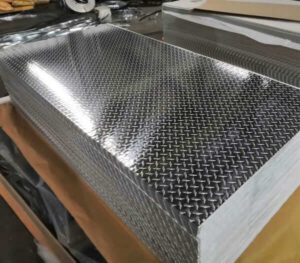
Diamantaluminiumplåt är en typ av aluminiumplåt som har ett upphöjt diamantmönster på ena sidan, som ger utmärkt halkskydd och dragkraft i våta och hala förhållanden.

5000 Series Rolled Mirror Aluminium Plate är en högkvalitativ aluminiumlegeringsprodukt som kännetecknas av sin exceptionella ytreflektivitet (≥85 %) och korrosionsbeständighet. Tillverkad genom avancerade kallvalsnings- och poleringsprocesser, den uppnår en spegelliknande finish samtidigt som styrkan och formbarheten bibehålls 5000 serielegeringar.
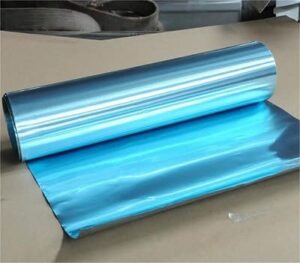
Export av belagd aluminiumfolieråvara, fabriksförsörjning med bästa pris, hög kvalitet, korrosionsbeständighet och lång livslängd
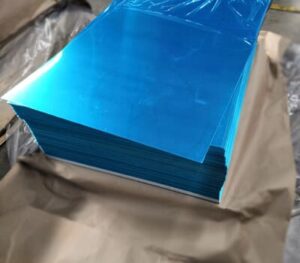
1/8 aluminiumplåt används ofta vid tillverkning av tankar och fartyg på grund av dess starka hårdhet och korrosionsbeständighet, etc.
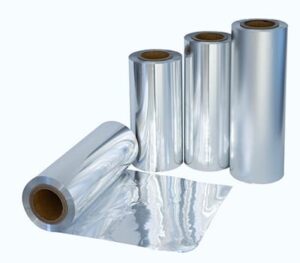
Flexibel förpackning aluminiumfolie är en tunn folie gjord av aluminium som vanligtvis används i livsmedelsförpackningar och läkemedelsförpackningar. Till skillnad från hård aluminiumfolie, flexibel förpackning aluminiumfolie är mjuk och kan anpassas till olika former av behållare, så det används ofta för förpackning av mat och medicin.
Nr.52, Dongming Road, Zhengzhou, Henan, Kina
Henan Huawei Aluminium Co., Ltd, En av de största aluminiumleverantörerna i Kina Henan,Vi är etablerade 2001, och vi har rik erfarenhet av import och export och högkvalitativa aluminiumprodukter
mån – lör, 8AM – 17:00
söndag: Stängd
© Copyright © 2023 Henan Huawei Aluminium Co., Ltd

Senaste kommentarer
Dear Sir, Please offer your best FOB Prices specs are as under ALUMINIUM STRIP (AL=99,50 % MIN) STORLEK:450 X32 X6 MM. DIN EN 570 EN-AW 1050 A, MÄNGD=3400KG
Hej, Skulle du vara så snäll att erbjuda objekt enligt följande: Spole 0,6х1250 (1000)mm EN AW-3105 5tons
Hej, Kan du erbjuda mig aluminiumplåtar? Jag behöver faktiskt: 110mm x 1700 mm x 1700 mm 5083 H111 - 21 pcs Next year planed is 177 st
Bra artikel. Jag var förtjust, att jag hittade den här artikeln. Många tycker det, att de har tillförlitlig kunskap om detta ämne, men så är ofta inte fallet. Därav min trevliga överraskning. Jag är imponerad. Jag kommer definitivt att rekommendera denna plats och komma tillbaka oftare, att se nya saker.
krav på aluminiumband