Alta qualidade 8011 círculos de alumínio para panelas de grau oferecem excelente conformabilidade, desempenho estável, e resultados confiáveis para produção de utensílios de cozinha.


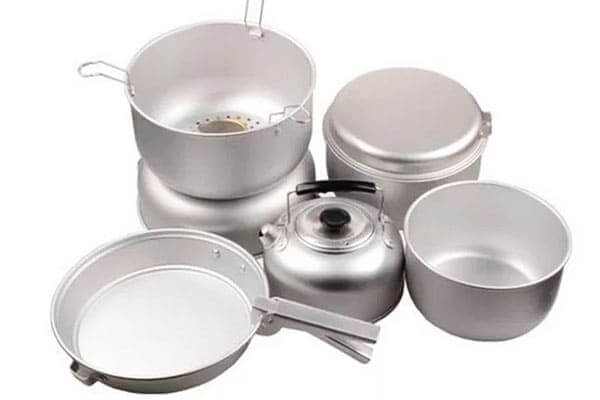
No mundo da fabricação de utensílios de cozinha, a escolha do material geralmente define o desempenho do produto, eficiência de custos, e impacto ambiental. Entre as muitas ligas de alumínio utilizadas para formar componentes de panelas, a 8011 grau se destaca como opção versátil para panelas círculos de alumínio.
Esses círculos, cortado em folha de alumínio de alta qualidade, servir como discos de base ou fundo para frigideiras, pots, woks, e outros recipientes culinários.
o 8011 Círculos de alumínio para panelas de grau combinam boa conformabilidade, excelente resistência à corrosão, e qualidade de superfície confiável - todas características essenciais para durabilidade, seguro, e panelas esteticamente agradáveis.
Este artigo explora o que, por que, e como 8011 Classe Cookware Círculos de alumínio, com especial atenção às orientações práticas para os fabricantes, designers de produtos, e equipes de compras.
Examinaremos as características do material, processos de fabricação, controles de qualidade, e desempenho em cenários de culinária do mundo real. A peça também apresenta Huawei Alumínio, um fornecedor líder na indústria de alumínio, e explica por que as parcerias com produtores de renome são importantes na hora de adquirir 8011 círculos em escala.
Huawei 8011 Círculos de Alumínio
o 8011 liga de alumínio pertence à série 8xxx, onde o silício e outros elementos de liga estão presentes em pequenas quantidades para melhorar propriedades como conformabilidade e trabalhabilidade.
Para aplicações em utensílios de cozinha, 8011 é comumente usado na condição recozida (frequentemente rotulado de temperamento O) para maximizar a ductilidade e facilidade de estampagem em formas circulares.
As principais características incluem:
Embora 8011 não é uma liga tratável termicamente como alguns outros tipos de alumínio, suas propriedades mecânicas na forma recozida são adequadas para os discos inferiores de muitos tipos de panelas onde alta resistência não é o requisito principal.
A ênfase está na conformabilidade, espessura uniforme, qualidade de superfície consistente, e resistência à corrosão sob condições de cozimento.
Os próprios círculos são normalmente produzidos a partir de folhas de alumínio laminadas e depois perfurados ou cortados a laser em formas circulares precisas..
As bordas podem ser rebarbadas, arredondado, ou tratado para reduzir o risco de rebarbas e melhorar a segurança na montagem subsequente.
Em muitas linhas de produção, os círculos servem como superfície metálica fundamental que mais tarde fará interface com fontes de calor, revestimentos, ou acabamentos antiaderentes.
Principais atributos de 8011 Classe Cookware Círculos de alumínio
| Atributo | Faixa típica / Anotações |
|---|---|
| Família de liga | 8série xxx (8011) |
| Temperamento | O (recozido) para máxima conformabilidade; pode ser estabilizado com processamento após a formação |
| Densidade | ~2,70g/cm3 |
| Ponto de fusão | ~660°C (não derrete no uso normal de panelas) |
| Resistência à corrosão | Excelente em ambientes de contato com alimentos |
| Formabilidade em folha | Alto; adequado para estampar em discos circulares |
| Compatibilidade de acabamento de superfície | Bom; aceita revestimentos e acabamentos |
| Espessura típica (círculos) | Variado; faixas comuns de cerca 0.3 mm para 3.0 mm dependendo do design do produto |
| Diâmetro típico | 100 mm para 1200+ milímetros; depende da aplicação |
| Potencial de reciclagem | Alto; amplamente reciclável em fluxos de alumínio |
Nota: Os valores dependem do temperamento específico, espessura, e processamento, e deverá ser verificado com a ficha técnica do fornecedor (TDS) para um determinado lote de produção.
8011 Medição de espessura de círculos de alumínio para panelas de grau
Huawei Alumínio Co., Ltd. é um player proeminente na indústria do alumínio, com um amplo portfólio que inclui perfis extrudados, produtos laminados, e círculos de alumínio usados em utensílios de cozinha e outros setores.
A empresa enfatiza um controle de qualidade robusto, confiabilidade da cadeia de suprimentos, e escala para atender à demanda global.
No segmento de panelas, A capacidade da Huawei Aluminum de produzir círculos de grau 8011 em grandes volumes e com tolerâncias consistentes torna-a uma escolha popular entre os fabricantes que buscam um fornecimento confiável para produção em massa.
Nota: Os potenciais compradores devem verificar as certificações mais recentes diretamente com a Huawei Aluminum ou através de distribuidores autorizados, já que o escopo da certificação pode evoluir com auditorias e exigências do mercado.

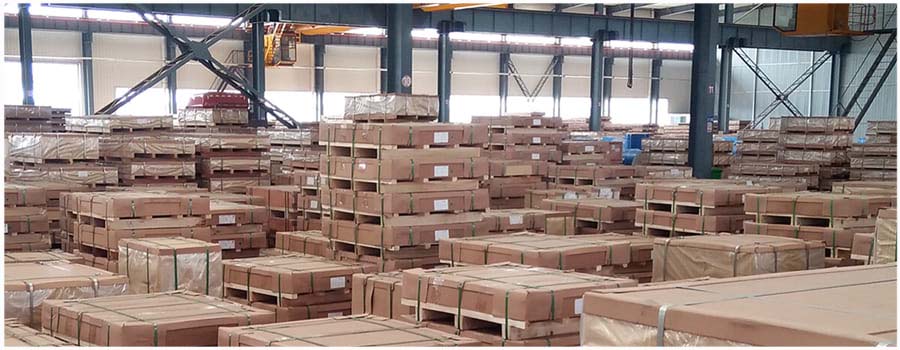
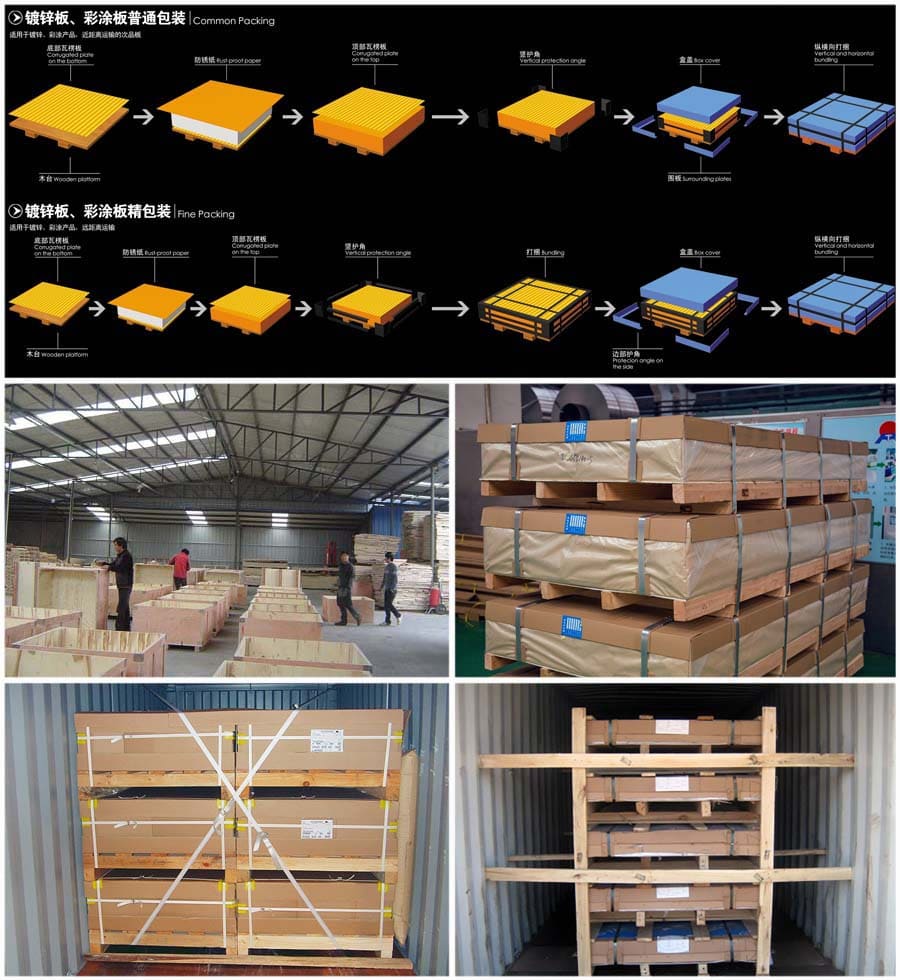
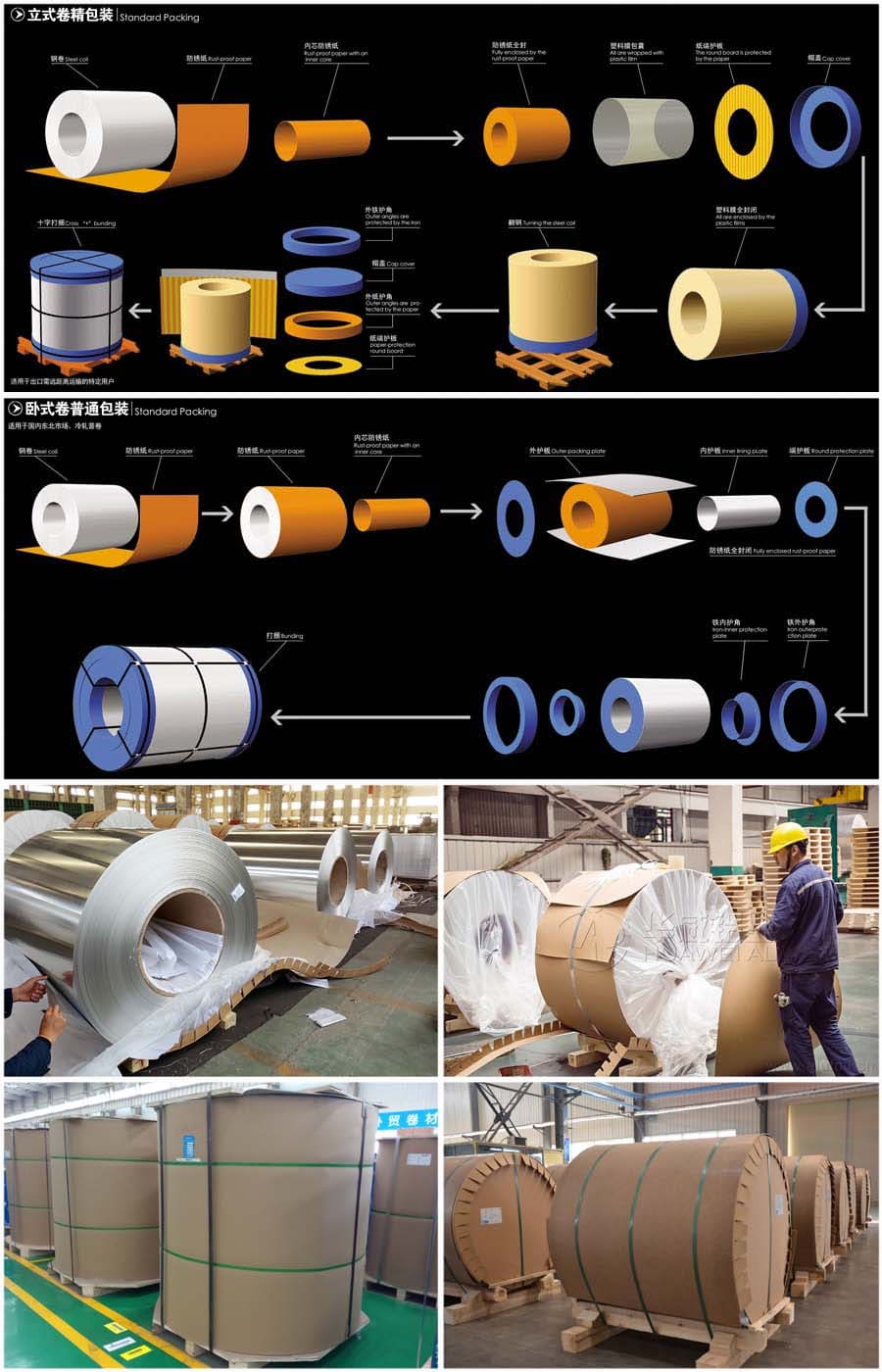
Embalagem de exportação de círculos de alumínio Huawei
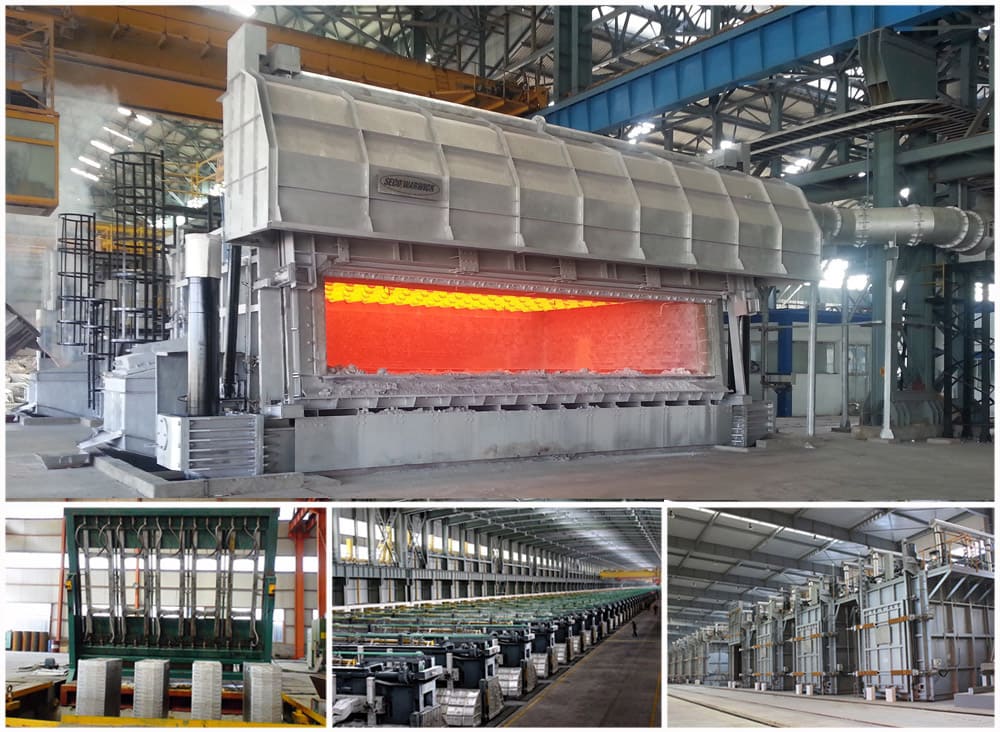
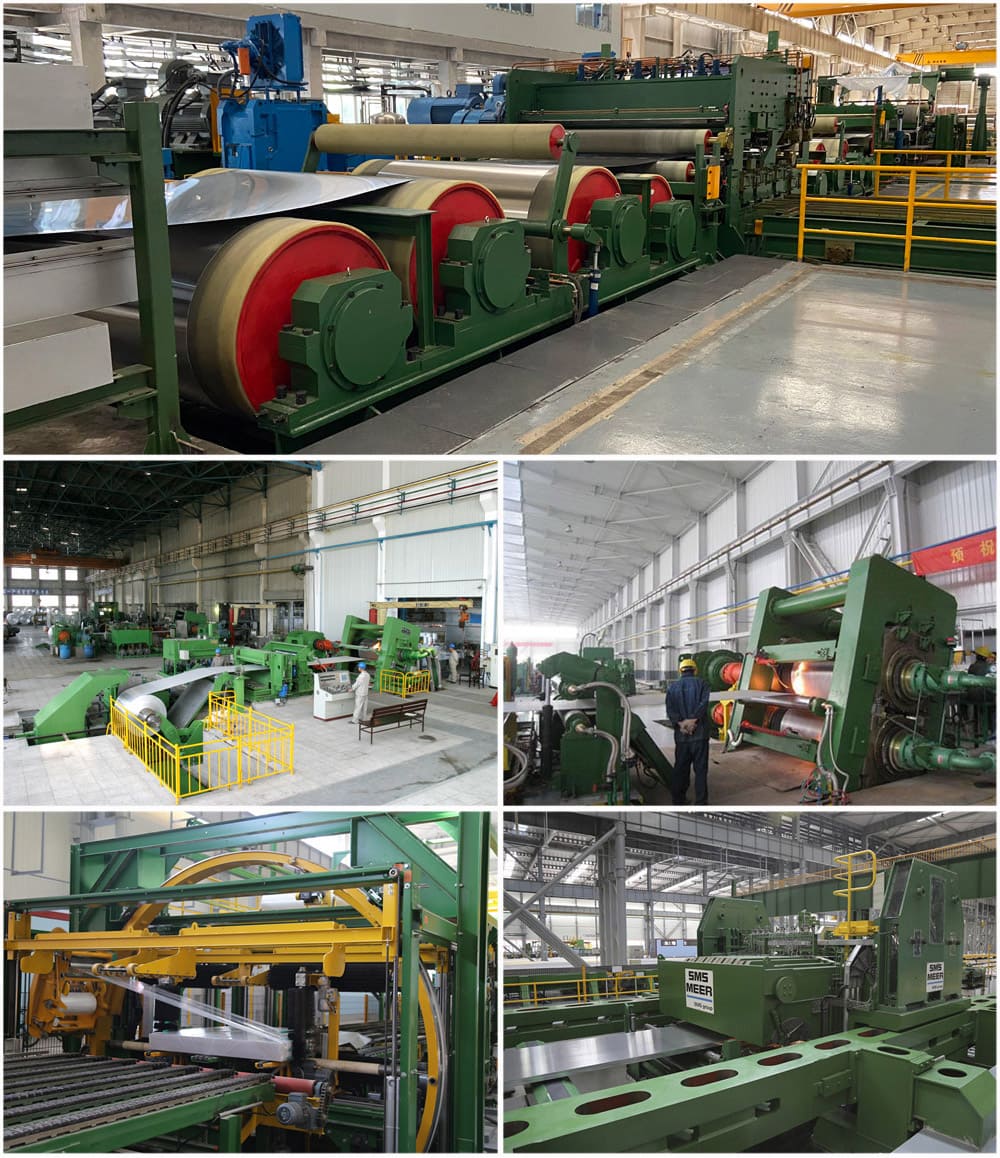
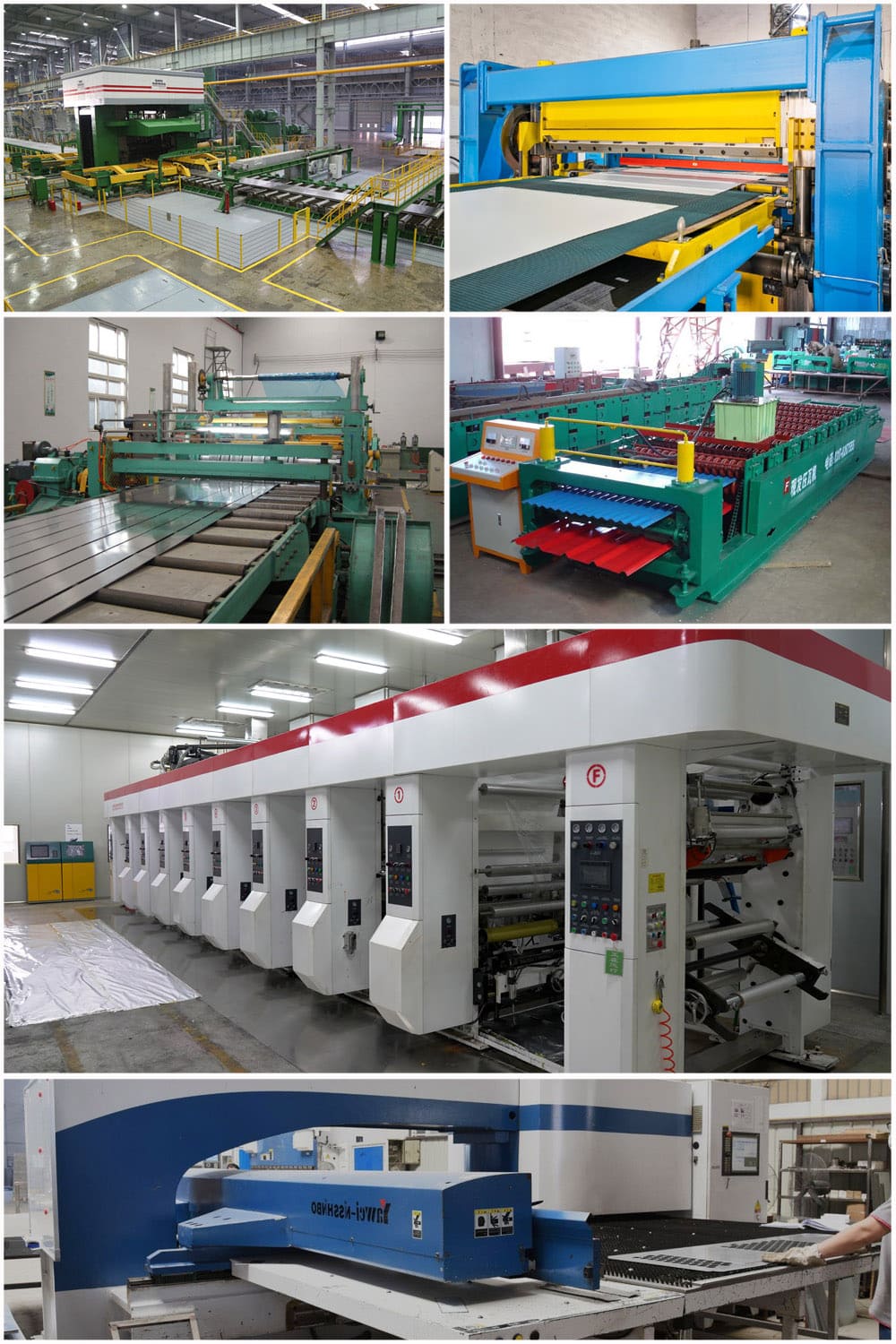
Um fluxo de trabalho de fabricação típico compreende vários estágios, cada um contribuindo para a geometria final, Qualidade da superfície, e desempenho dos círculos.
Embora os processos variem de acordo com o produtor, as etapas principais são:
A sequência exata pode variar de acordo com os requisitos da fábrica e do cliente. Os fabricantes costumam personalizar o raio da borda, lubrificantes, e acabamentos de superfície para otimizar a prensabilidade e a adesão do revestimento a jusante para designs específicos de utensílios de cozinha.
Teste de tamanho de grão de 8011 Círculos de Alumínio
Expectativas típicas:
– Força de rendimento (aproximado): Temperamento O baixo a moderado; as considerações de projeto devem assumir cargas suaves a moderadas em aplicações normais de cozimento.
– Resistência à tração final (aproximado): Moderado; aceitável para discos inferiores que devem resistir à flexão sob uso típico.
– Alongamento: Alto, permitindo deformação significativa sem rachaduras durante a estampagem.
Nota: Propriedades precisas dependem da composição da liga, temperamento, espessura, e pós-processamento. Para um determinado lote, consulte o TDS e os dados mecânicos do fornecedor.
8011 Expositor de panelas com círculos de alumínio
| Categoria | 8011 Grau (Círculos de panelas) | 3003 Círculo de alumínio | 1100 Círculo de alumínio |
|---|---|---|---|
| Formabilidade | Excelente em medidores finos; ideal para círculos grandes | Muito bom; bom para círculos médios a grandes | Excelente; melhor para medidores muito finos |
| Força (Ó temperamento) | Baixo a moderado; adequado para discos inferiores | Moderado | Baixo |
| Resistência à corrosão | Excelente para ambientes de contato com alimentos | Bom | Excelente |
| Adesão do revestimento | Bom com preparação adequada | Moderado | Alto com processamento adequado |
| Custo | Geralmente competitivo para produção em grande volume | Moderado | Extremidade inferior, dependendo da espessura |
| Uso típico de panelas | Discos inferiores; panelas de uso pesado com revestimentos | Discos inferiores; panelas genéricas | Discos especiais ou econômicos em bitolas muito finas |
| Reciclabilidade | Alto | Alto | Alto |
Nota: A tabela acima fornece uma comparação qualitativa para ajudar os compradores a avaliar as compensações. Dados específicos do produto devem ser consultados nas planilhas TDS do fornecedor para um planejamento preciso.
Q: O que é 8011 Círculos de alumínio para panelas de grau melhor usados para?
UMA: Eles são adequados para discos inferiores em uma ampla variedade de utensílios de cozinha, particularmente onde são necessárias excelente conformabilidade e boa resistência à corrosão. Eles são comumente usados para frigideiras, pots, woks, e outros fundos circulares, muitas vezes junto com revestimentos ou acabamentos antiaderentes.
Q: Como acontece 8011 comparar com 3003 em círculos de panelas?
UMA: 8011 geralmente oferece melhor conformabilidade para círculos grandes e excelente resistência à corrosão, com eficiência de custos adequada para produção em massa. 3003 oferece boa conformabilidade e resistência com resistência à corrosão adequada, muitas vezes com um preço diferente.
Q: Quais tolerâncias devo esperar para diâmetro e espessura?
UMA: As tolerâncias dependem do fabricante e do processo. As tolerâncias de diâmetro típicas estão na faixa de alguns décimos de milímetro para produção em escala média, enquanto as tolerâncias de espessura são rigorosamente controladas para manter a uniformidade entre os lotes. Consulte sempre o TDS do fornecedor para obter tolerâncias exatas.
Q: Pode 8011 círculos podem ser usados com revestimentos antiaderentes?
UMA: Sim. Com preparação de superfície adequada e promotores de adesão, 8011 círculos podem ser revestidos com PTFE, cerâmica, ou outros revestimentos usados na fabricação de utensílios de cozinha.
Q: A Huawei Aluminum é um fornecedor confiável para 8011 círculos?
UMA: Huawei Aluminium é reconhecida como importante fornecedora do setor de alumínio, conhecido pela escala, controles de qualidade, e uma ampla linha de produtos. Para compradores que buscam fornecimento previsível e rastreabilidade, sua capacidade pode ser vantajosa, especialmente para pedidos de alto volume. Verifique as certificações e os recursos atuais com um representante de vendas.
8011 Os círculos de alumínio para panelas de grau representam uma opção prática e amplamente utilizada para os componentes fundamentais das panelas modernas.
A combinação de conformabilidade da liga, resistência à corrosão, e a compatibilidade com revestimentos torna-o uma escolha sensata para fabricantes que buscam uma produção eficiente e um desempenho confiável na cozinha.
Ao adquirir círculos de alumínio, a parceria com fornecedores estabelecidos, como a Huawei Aluminum, pode proporcionar benefícios mensuráveis em termos de estabilidade do fornecimento, Garantia da Qualidade, e acesso a capacidades de produção escaláveis.
O resultado é um caminho confiável desde a matéria-prima até o produto final de cozimento que atende às exigências de segurança, atuação, e expectativas de sustentabilidade no mercado competitivo de hoje.
Se você é um designer de produto, profissional de compras, ou engenheiro de produção avaliando 8011 Círculos de alumínio para panelas de grau para o seu próximo projeto, considere as seguintes etapas de ação:
Com estas considerações em mente, 8011 Círculos de alumínio para panelas de grau podem ser eficazes, econômico, e solução escalável para uma ampla gama de produtos de panelas, apoiado por fornecedores confiáveis como a Huawei Aluminum, que trazem profunda experiência e qualidade consistente para a mesa.
Compartilhar com PDF: Download
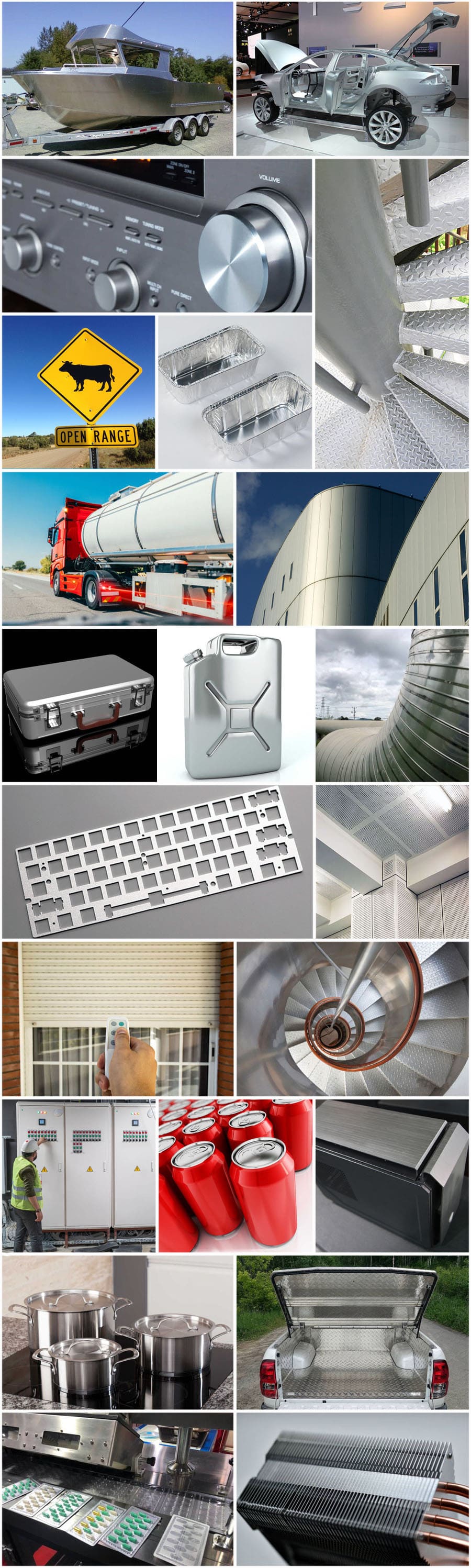
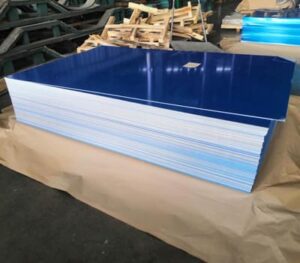
5454 folha de alumínio tem forte capacidade antiferrugem e pertence ao 5000 série de liga de alumínio-magnésio. 5454 a folha de alumínio também é uma liga não tratável termicamente e é 20% mais forte do que 5052 chapa de alumínio. É frequentemente usado em tubulações de instalações marítimas, carrocerias de carros-tanque de alumínio e outros campos.
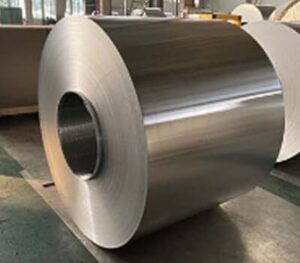
3105 bobina de alumínio é um 3000 liga de alumínio série: a principal adição de liga é o manganês, que é formulado para formação primária em produtos forjados.
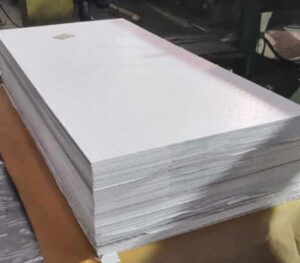
Encontre chapas de alumínio 4x10 duráveis e confiáveis para suas necessidades. Explore nossa ampla seleção e encomende hoje.
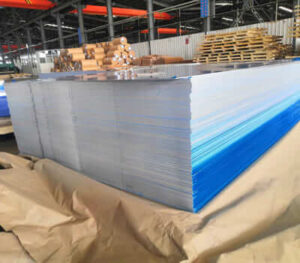
6082 folha de alumínio pode ser tratada termicamente, reforçado e tem boa formabilidade, soldabilidade e usinabilidade, também conhecido como liga estrutural.
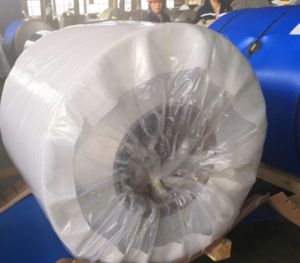
Bem-vindo à Huawei Alumínio, sua fonte confiável de bobinas de alumínio de alta qualidade projetadas especificamente para telhas de alumínio.
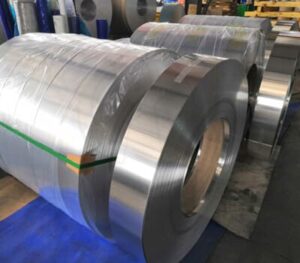
1060 os cabos de tira de alumínio têm excelente capacidade de carga, especialmente a capacidade autoportante. Um fio de alumínio pode ser tão longo quanto 4000 metros sem cair, enquanto um cabo de cobre só pode alcançar 2750 Metros.
Nº 52, Estrada de Dongming, Zhengzhou, Henan •, China
Henan Huawei Alumínio Co., Ltd, Um dos maiores fornecedores de alumínio na China Henan,Estamos estabelecidos em 2001, e temos uma rica experiência na importação e exportação e produtos de alumínio de alta qualidade
Seg – Sáb, 8AM – 17h
Domingo: Fechado
Nº 52, Estrada de Dongming, Zhengzhou, Henan •, China
© Direitos autorais © 2023 Henan Huawei Alumínio Co., Ltd

Últimos Comentários
Prezado Gerente de Vendas, Espero que este e-mail encontre você bem. Este é Min-Hyung Lee, CEO da Taesan Steel Co., Ltd., uma importação & empresa de exportação com sede em Incheon, Coreia do Sul, comércio de materiais de aço e alumínio. Entendemos que a Henan Huawei Aluminum produz 1100 bobinas de alumínio em têmpera H16 de 0.2 mm de espessura em sua fábrica em Gongyi, Henan •. Usamos bobina de alumínio com acabamento laminado como substrato para revestimento na Coréia, e estamos procurando uma usina chinesa confiável para importações mensais regulares. Agradecemos sua cotação para o material abaixo, com base nos preços atuais do mercado. 1. Material - Liga / Temperamento: A1100 – H16 (A1235 ou A1050 aceitável sujeito a aprovação prévia) - Padrão: KS D 6701 ou equivalente (ELE H 4000, ASTM B209, GB/T 3880 aceito) - Superfície: acabamento do moinho (conforme laminado), adequado para pintura/revestimento 2. Tamanhos encomendados - 0.45 mm x 1,120 mm x Bobina (tamanho principal) - 0.60 mm x 1,060 mm x Bobina - Sem tolerância negativa na espessura (por exemplo., real 0.45 mm ou superior para 0.45 ordem mm) 3. Peso da bobina: aprox. 3-6 MT por bobina 4. Quantidade: 30-40 MT por mês (estimado 360-480 MT por ano) 5. Termos de preço: Porto CIF Incheon ou Porto Pyeongtaek, Coreia do Sul, em dólares americanos (USD/kg ou USD/MT). Uma cotação baseada em fórmula (por exemplo., Preço do lingote SMM + custo de processamento) também é aceitável, desde que o total seja dado em base CIF (ou FOB com frete marítimo mostrado separadamente). Por favor inclua o seguinte em sua cotação: 1. Preço unitário (CIF Incheon ou Pyeongtaek, em dólares americanos) 2. Quantidade mínima por tamanho 3. Tempo de espera (pedido para envio) 4. Condições de pagamento 5. Se o material é laminado DC ou CC, e faixa de espessura/largura produzível para ligas 1xxx 6. Informações do moinho (localização, .ISO 9001 ou outras certificações) 7. Disponibilidade e condições da amostra (planejamos um teste de revestimento antes dos pedidos regulares) 8. Confirmação de que um certificado de teste de moinho (composição química e propriedades mecânicas) will be provided with each shipment Our plan is to review your quotation and material specification first, em seguida, solicite amostras para um teste de revestimento. Se os resultados forem satisfatórios, pretendemos fazer pedidos mensais regulares. Também estamos dispostos a visitar pessoalmente sua fábrica na China para ver a linha de produção e discutir os detalhes de uma parceria de longo prazo.. A especificação detalhada (SPEC-AL-2026-01) está anexado para sua referência. Aguardamos sua resposta. Atenciosamente, Min-Hyung Lee CEO | Taesan Steel Co., Ltd. Email: [email protected] Tel: 82 10 5048 5768 WeChat: dolf369
Alumínio 5754 H111 หนา 8 mm กว้าง x ยาว : 4 x 6 pé
Olá, muito bem, estou ligando do Irã, precisamos de uma folha de ouro de 12 mícrons, 61 cm de largura, cerca de 35 mil metros por mês.
Prezada Equipe de Vendas, Espero que você esteja bem. Estamos buscando produtos de alumínio de sua empresa e gostaríamos de receber sua melhor cotação para os seguintes: Aluminum Sheets Thickness: 2 milímetros, 3 milímetros, 4 milímetros, e 5 mm Please provide your available standard sheet sizes. Por favor, cite o preço por folha e o preço por tonelada métrica. Aluminum Coils Thickness: 2 milímetros, 3 milímetros, 4 milímetros, e 5 mm Please provide your available coil widths, pesos de bobina padrão, e especificações de diâmetro interno. Por favor, cite o preço por tonelada métrica. Para folhas e bobinas, por favor inclua: Ligas disponíveis (por exemplo. 1050, 3003, 5052) Temper options Mill finish or other available surface finishes Minimum Order Quantity (MOQ) Production lead time Payment terms Please provide your quotation based on: Porto CIF Jebel Ali, EAU (incluindo frete marítimo), ou, alternativamente, fornecer porto FOB China e CIF Jebel Ali, Preços dos Emirados Árabes Unidos. Se disponível, por favor envie também: Product catalogue Mill Test Certificate (CTM) sample Photos of the products and packaging. Estamos interessados em estabelecer um relacionamento comercial de longo prazo. Nosso volume inicial de compras deverá ser 100+ toneladas métricas, com potencial para pedidos maiores e recorrentes se seu preço, qualidade, e serviço atendem aos nossos requisitos. Obrigado pelo seu tempo. Estamos ansiosos para receber sua cotação e esperamos construir uma parceria de sucesso a longo prazo. Atenciosamente, Eng. Yousef
アルミハニカムパネルについてお聞きしたいのですが L1500×W700×厚みで曲げに対して200kgg耐えられるには厚みはどのくらいでしょうか ※簡単に言いますと約1000mmの側溝に渡して真ん中で200kg耐えられるかという事になります 又、Se tal produto existir, seu peso、価格をおしえていただけますか 現在はコンパネ板を使用してますが腐ると折れてしまい人が側溝に落ちてけがをしてます 出来ましたらメールでお返事をいただけますか