Food-grade 8079 flexible package aluminum foil provides strong sealing, clean surface quality, and reliable protection for snacks, sachets, pouches, blister packs, and medicine packaging.
In the world of flexible packaging, the foil layer acts as the silent defender of content—protecting flavor, aroma, and integrity while enabling convenient, efficient production. Among the many foil options, 8079 Flexible Package Aluminum Foil stands out for its balance of formability, barrier performance, and cost effectiveness.
This article dives into what 8079 Flexible Package Aluminum Foil is, why it matters for packaging applications, and how suppliers like Huawei Aluminum deliver reliable, high-quality foil solutions. You will find practical guidance, data-driven context, comparison tables, and frequently asked questions to help you assess whether 8079 foil fits your project needs.
8080-level talk about aluminum foil often overlooks the specifics that make a given alloy suitable for particular packaging tasks. With 8079 Flexible Package Aluminum Foil, manufacturers aim to optimize seal strength, puncture resistance, and compatibility with coatings and laminates while maintaining economical thicknesses.
Whether you’re packaging snacks, coffee, baked goods, pharmaceuticals, or cosmetics, understanding the properties and processing of 8079 foil helps you design better packaging that meets safety standards and consumer expectations.
This post also introduces Huawei Aluminum, a prominent supplier in the packaging foil landscape. Huawei Aluminum combines vertical integration (from melting to finishing) with robust testing, customization, and global logistics to help brands scale their packaging programs.
By highlighting the key capabilities of Huawei Aluminum, we illustrate how a reliable supplier can reduce risk, shorten product development cycles, and stabilize supply in volatile markets.
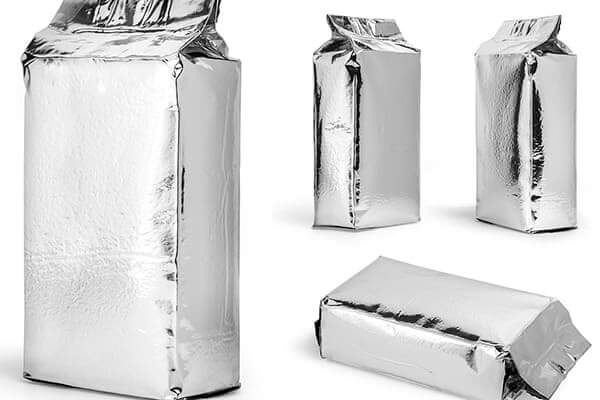
8079 Flexible Package Aluminum Foil
8079 Flexible Package Aluminum Foil belongs to the 8xxx aluminum alloy family, where the primary alloying element is aluminum with trace levels of impurities that improve forming, ductility, and surface quality.
The 8000 series is known for good corrosion resistance, high formability, and compatibility with coatings used in food, pharmaceutical, and consumer goods packaging.
The 8079 designation identifies a specific alloy composition and processing route commonly used for flexible packaging foils that require light-to-moderate barrier performance and easy lamination with polymer films or coatings.
8079 aluminum foil is typically manufactured as a thin gauge sheet that is subsequently softened or annealed to achieve the right combination of ductility and strength.
In packaging contexts, these foils are often used in combination with polyethylene terephthalate (PET), biaxially oriented polypropylene (BOPP), polyamide (nylon), or paper laminates. The resulting structure protects content while enabling heat sealing, easy peeling, and reliable barrier properties.
The exact properties of 8079 foil depend on temper, thickness, coating, and the laminate structure it enters.
The following ranges reflect common specifications reported by reputable foil manufacturers and distributors for 8079 flexible packaging foil in the 8–12 μm thickness range.
These ranges are representative; exact figures vary by temper, surface treatment, alloy refinements, and coating laminates.
The goal is to provide a reliable baseline so engineers can evaluate 8079 foil against project requirements.
Understanding temper and thickness helps control properties such as convertibility, lamination adhesion, and seal strength.
8079 aluminum foil is frequently coated or laminated to enhance barrier properties and printability. Common configurations include:
Surface treatment aims to improve adhesion with inks, coatings, or adhesives used in the final packaging structure.
Suppliers may offer pre-laminated foils or foil-to-film lamination services to shorten production lines.
When used in food packaging, 8079 foil must meet regulatory requirements for food contact materials. This includes restrictions on impurities, migratory substances, and surface cleanliness.
In many markets, the supplier’s process controls, traceability, and testing (including thickness uniformity, surface quality, and sealability) contribute to regulatory compliance and consumer safety.
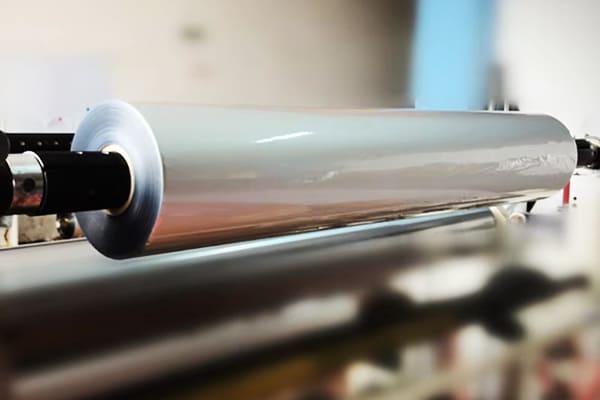
Huawei 8079 Aluminum Foil Production
The production chain begins with high-purity aluminum billets or recycled content undergoing melting in controlled furnaces. Impurities are minimized, and the molten metal is cast into slabs or continuously cast into thin strips for rolling.
The aim is to produce a base alloy that responds predictably to subsequent hot-rolling, cold-rolling, and annealing steps.
Hot rolling reduces the billet to a thick slab that later becomes a thin foil. Cold rolling follows to achieve the target thickness and surface finish.
The temper is controlled through a combination of interpass annealing and final aging to produce the desired mechanical properties and ductility.
The process balance is crucial: more ductility can improve formability but may reduce strength, while higher temper can increase strength at the cost of formability.
After rolling, the foil surface may receive surface treatments to improve adhesion with coatings or laminates. Finishes can include:
– Bright finish for printability
– Matte or textured surfaces for anti-slip or allow better lamination
– Coatings or lacquers applied to enhance barrier properties and printability
Manufacturers often provide guidance on how 8079 foil performs with various laminates.
The foil-to-film adhesion depends on the laminate polymer type (PET, BOPP, nylon, LDPE, etc.), surface energy, and coating thickness.
Quality assurance is critical for packaging foil. Key QA steps include:
– Thickness uniformity checks across the foil roll to ensure consistency
– Surface quality inspection to detect pinholes, scratches, or contamination
– Mechanical testing: tensile strength, elongation at break, and yield strength
– Seal strength testing on representative laminate structures
– Barrier property assessment in relevant laminate configurations
– Heat seal seam testing and peel strength to ensure reliable packaging
When sourcing from a supplier like Huawei Aluminum, you can expect a standardized QA program that aligns with international norms (ISO 9001 quality management systems) and QA documentation for traceability.
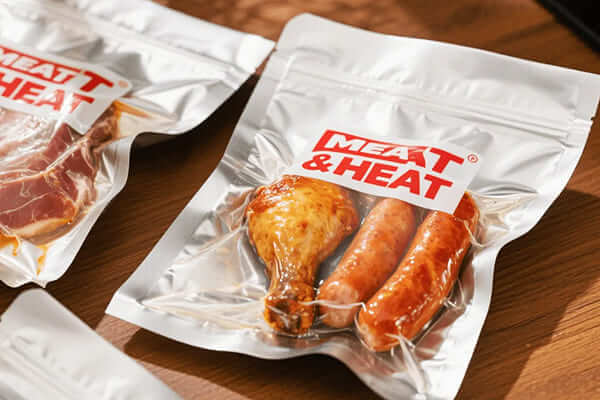
8079 Aluminum Foil for Food Package
Huawei Aluminum is a major producer and supplier of aluminum foil products used in packaging, electronics, and industrial applications.
The company emphasizes integrated manufacturing capabilities—from primary aluminum production to rolling, finishing, coating, and conversion services.
Huawei Aluminum’s packaging foil division focuses on flexible foils designed for lamination with polymer films and paper, with a track record across global markets.
Huawei Aluminum’s packaging foil operations commonly emphasize:
– Broad range of gauge options for packaging foils (including 8–12 μm)
– Surface finishing options to optimize adhesion with various laminates
– Quality control processes including thickness tolerances, surface cleanliness, and mechanical testing
– Certifications consistent with industry expectations (e.g., ISO-based quality management constructs and HACCP/food safety notations where applicable)
Note: Specific capacity figures and certifications should be confirmed on current supplier literature or by contacting Huawei Aluminum’s sales engineering team. As with any supplier, it’s important to verify latest certifications, testing capabilities, and supply chain commitments for your project timelines.
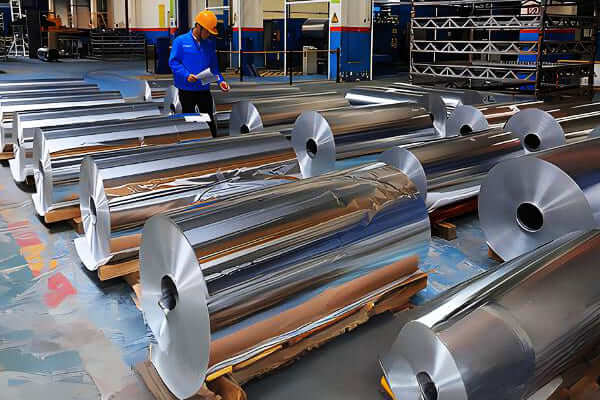
Huawei Aluminum Foil Quality Control
| Attribute | 8079 Flexible Package Aluminum Foil | 8011 Al Foil (Common Packaging Alloy) | 8021 / Other High Barrier Foils |
| Primary use | Flexible packaging laminates, mid-range barrier | High barrier, beverage and moisture-critical packages | Specialized barrier foils or metallized structures |
| Typical thickness | 8–12 μm | 9–12 μm (typical common ranges) | 6–20 μm depending on structure |
| Formability | Good; suitable for lamination and sealing | Excellent for forming and sealing in many laminates | Variable; often optimized for barrier properties rather than formability |
| Barrier performance | Moderate moisture and aroma barrier; enhanced in laminates | High barrier when paired with laminates | Very high barrier with additional layers or metallization |
| Sealing compatibility | Good with standard heat-seal laminates | Consistently strong seals with common laminates | Seal performance depends on laminate and coatings |
| Cost | Generally cost-effective for mid-range performance | Typically higher barrier costs; often more expensive | Can be higher due to specialized laminates |
| Common applications | Snack bags, dry foods, coffee, confectionery | Beverages, dense foods, moisture-sensitive products | Premium packaging, pharma, specialty foods |
This table helps illustrate where 8079 stands in the spectrum of flexible packaging foils.
The choice often hinges on a balance between barrier needs, laminate compatibility, and cost objectives. Real-world decisions should be guided by performance tests on the final laminate structure.
| Property | Typical Value Range | Notes |
| Tensile strength | 60–120 MPa | Varies with temper and thickness |
| Yield strength | 40–90 MPa | Dependent on temper; higher temper yields higher yield strength |
| Elongation at break | 5–25% | Higher in softer temper; reduces with tighter lamination |
| Hardness (HV) | 25–60 HV | Correlates with temper and work hardening |
| Coefficient of friction (slip) | Moderate | Surface finish influences adhesion to laminates |
| Thermal expansion | ~23 × 10^-6 /°C | Typical aluminum foil behavior |
| Thickness tolerance | ±2–5% depending on process control | Critical for premium laminates |
Note: These values reflect common ranges under normal manufacturing practices and tempering, and may fluctuate with process conditions or coatings.
| Laminate Type | Common Film Layer | Typical Adhesive/Interlayer | Purpose |
| Coffee bag | PET or BOPP film | EVA or acrylic-based adhesives | Aromatic barrier for preserve aroma and flavor |
| Snack pouch | PET or nylon | Acrylic-based adhesives or hot-melt | Moisture barrier and tear strength |
| Confectionery wrap | BOPP or PET | Adhesive layer with laminating resin | Matte finish, crisp printability, and seal compatibility |
| Dry food pouch | PET + LLDPE | EVA or polyurethane adhesives | Balanced barrier and heat-seal strength |
The exact configuration should be selected based on the specific product and storage conditions.
Suppliers like Huawei Aluminum can help tailor the foil and laminate architecture to maximize performance and minimize material costs.
1) What is 8079 Flexible Package Aluminum Foil best used for?
– It is well-suited for mid-range barrier packaging where good formability and lamination compatibility are important, such as snack wraps, coffee bags, and confectionery pouches.
2) How does 8079 compare to 8011 or other foil alloys in packaging?
– 8079 provides a balance of formability, sealability, and cost. 8011 generally offers higher barrier performance in some laminates, especially for moisture retention, while other alloys may be used for higher barrier requirements or specialized applications.
3) Can 8079 foil be coated or laminated before purchase?
– Yes. 8079 foil is commonly supplied pre-coated or uncoated depending on the laminate design. Pre-coating can simplify production, while uncoated foil offers more flexibility for certain laminates.
4) What are typical tolerances for thickness?
– Thickness tolerances commonly range around ±2–5%, depending on the roll and process controls. Higher precision is possible with tighter control.
5) What certifications should I look for when sourcing 8079 foil?
– Look for ISO 9001-based quality management systems, supplier QA documentation, and any food safety certifications relevant to your market (e.g., HACCP or FSSC 22000). Confirm certifications with the supplier directly.
6) How should I test 8079 foil in a laminate?
– Perform seal strength testing, peel strength testing, pinhole density evaluation, and barrier performance testing using a laminate representative of your final product. Conduct pilot trials to confirm consistency across production runs.
7) Is Huawei Aluminum a good supplier for 8079 foil?
– Huawei Aluminum is a recognized supplier in the packaging foil space, offering integrated manufacturing capabilities and customization options. For critical projects, verify current certifications, lead times, and QA documentation directly with their team.
8) What factors influence the cost of 8079 foil?
– Material cost, thickness, temper, surface finish, and whether the foil is coated or pre-laminated; plus the efficiency of lamination processes and downstream packaging costs.
8079 Flexible Package Aluminum Foil offers a practical, cost-effective option for a broad range of flexible packaging needs.
Its combination of formability, lamination compatibility, and reliable performance makes it a strong candidate for mid-range barrier applications in the food, beverage, pharmaceuticals, and cosmetics sectors.
Suppliers like Huawei Aluminum provide value through integrated manufacturing capabilities, customization options, and QA-driven processes designed to support global packaging programs.
As markets continue to evolve—driven by consumer demand for sustainable, high-performance packaging and the need for robust supply chains—understanding the role of 8079 foil within laminates becomes increasingly important.
With careful selection of temper, thickness, coating, and laminate architecture, 8079 foil can deliver the right balance of protection, processability, and cost efficiency for your product lineup.
And with a trusted supplier partner such as Huawei Aluminum, your packaging program can achieve greater consistency, traceability, and scalability, ensuring that your brand stands up to competition while remaining compliant with global standards.
If you’re evaluating 8079 Flexible Package Aluminum Foil for your next packaging project, use the guidance in this article to structure your testing plan, engage with suppliers for data-backed decisions, and design laminates that maximize performance while aligning with your cost and sustainability goals.
The right foil, combined with a thoughtful laminate design and a dependable supplier, can deliver packaging that protects your product and delights your customers.
Share with PDF: Download
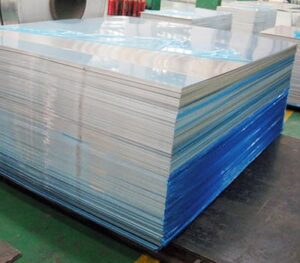
1070 aluminum alloy belongs to the 1000 series pure aluminum with an aluminum content of 99.7%. It is widely used in electronics, electricity, construction, aerospace and other fields.
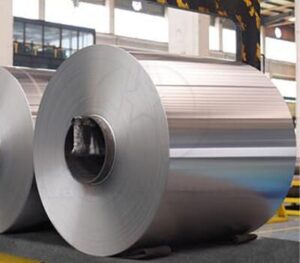
5005 aluminum coil refers to the 5005 aluminum plate after being cast and rolled and then processed into a coil shape by drawing and bending,
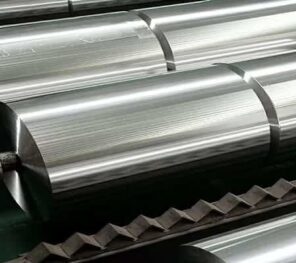
8006 aluminum foil is a specific alloy known for its excellent barrier properties, making it ideal for packaging applications. It provides effective protection against moisture, light, and oxygen, helping to preserve the freshness and quality of food products.
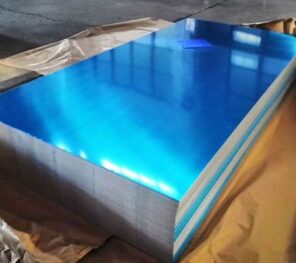
Discover marine grade 5086 H116 aluminum plate is trusted in shipbuilding, offshore structures, and seawater environments for its excellent corrosion resistance, weldability, and strength.
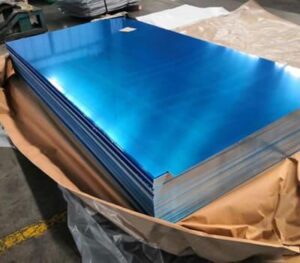
Aircraft grade aluminum sheet is a type of aluminum alloy that is specifically designed for use in aerospace applications. These sheets are made from high-strength aluminum alloys that are lightweight yet strong enough to withstand the stresses and strains of flight.
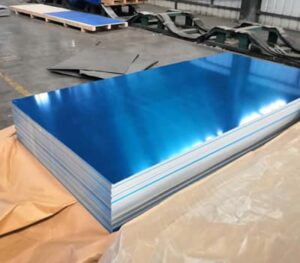
5000 series aluminum alloy is an Al-Mg alloy series with high strength and excellent corrosion resistance. It is commonly used in the manufacturing of marine, oil tanks, ships, automobile, building materials and other fields.
No.52, Dongming Road, Zhengzhou, Henan, China
Henan Huawei Aluminum Co., Ltd, One Of The Biggest Aluminum Supplier In China Henan,We Are Established In 2001,And We Have rich experience in import and export and high quality aluminum products
Mon – Sat, 8AM – 5PM
Sunday: Closed
© Copyright © 2023 Henan Huawei Aluminium Co., Ltd

Latest Comments
Dear Sir, Please offer your best FOB Prices specs are as under ALUMINIUM STRIP (AL=99.50% MIN) SIZE:450 X32 X6 MM. DIN EN 570 EN-AW 1050 A, QUANTITY=3400KG
Hello, Would you be so kind to offer item as follows: Coil 0,6х1250 (1000)mm EN AW-3105 5tons
Hello, Can you offer me Aluminium plates? Actally I need: 110mm x 1700mm x 1700mm 5083 H111 - 21 pcs Next year planed is 177 pcs
Świetny artykuł. Byłem zachwycony, że wyszukałem ten artykuł. Wielu osobom wydaje się, że mają rzetelną wiedzę na ten temat, ale często tak nie jest. Stąd też moje miłe zaskoczenie. Jestem pod wrażeniem. Zdecydowanie będę rekomendował to miejsce i częściej wpadał, aby zobaczyć nowe rzeczy.
requirement of aluminium strip