1. Introduction
High Barrier Coated Aluminum Foil 30 µm, stands as a technological pinnacle in protective packaging, critically safeguarding sensitive products across a multitude of industries.
This material masterfully combines aluminum’s inherent, near-absolute barrier against gases, moisture, light, and aroma with sophisticated, engineered coatings.
These coatings are not merely superficial additions; they fundamentally enhance the foil’s performance by sealing microscopic imperfections (pinholes), imparting advanced functionalities such as superior heat seal integrity, precise peelability, and robust chemical resistance, and further augmenting its barrier profile against specific permeants.
The 30 µm thickness is a meticulously chosen parameter, representing an optimal equilibrium between material resource efficiency, mechanical flexibility, cost-effectiveness, and the uncompromised delivery of an extremely high barrier.
Its strategic deployment is therefore indispensable in sectors ranging from pharmaceuticals and advanced food systems to high-value cosmetics and demanding industrial applications.
This article offers an exhaustive, multi-faceted exploration of its intricate composition, critical properties, advanced manufacturing methodologies, stringent testing and validation protocols, diverse application landscapes, and its strategic competitive positioning, positioning it as an essential reference for technical experts, R&D specialists, and procurement strategists alike.

High barrier coated aluminum foil 30 µm huawei
2. What Is “High Barrier Coated Aluminum Foil 30 µm”?
2.1 Product Definition
High Barrier Coated Aluminum Foil 30 µm refers to a flexible packaging material comprising a base layer of aluminum foil, precisely 30 micrometers (µm) thick, which has been uniformly coated with one or more layers of high-performance polymers or inorganic compounds.
The primary purpose of these coatings is to augment the aluminum’s already excellent barrier properties, impart new functionalities (e.g., heat sealability, chemical resistance), and mitigate potential microscopic defects like pinholes that can occur during foil production or subsequent handling, thus ensuring a “high barrier” performance against external permeants.
2.2 Common Alloys
For high barrier coated aluminum foil 30 μm, alloy selection typically balances four priorities: pinhole risk control, strength/stiffness, formability in converting, and corrosion/media compatibility.
Below are commonly used specific grades and their typical positioning (final suitability still depends on the supplier’s rolling process capability and the agreed quality level).
- 1050 / 1050A: A representative high‑purity grade with good ductility and uniform surface, often used where coating appearance and converting stability are important.
- 1060 aluminum foil: Offers excellent purity and formability; commonly used when a stable coating/lamination base is needed and strength demand is moderate.
- 1070: Higher purity supports better ductility and thermal/electrical conductivity; suitable when surface consistency and “soft” converting behavior are prioritized, though strength is relatively low.
- 1100: A classic commercial‑purity grade with good overall workability; often used as a general‑purpose foil substrate with a mature supply base.
- 8011 aluminum foil: One of the most widely used packaging‑foil grades, balancing strength and processability; commonly used in general high‑barrier laminate structures.
- 8021: Frequently used for packaging where pinhole and barrier reliability are more critical; typically valued for balancing strength with stable deep‑converting performance (dependent on foil mill quality level).
- 8079 aluminum foil: Used in many higher‑requirement flexible packaging and some pharma packaging; often chosen to emphasize low pinhole tendency, stable lamination, and consistent appearance.
- 3003: A typical Al–Mn alloy; generally higher strength than 1xxx and better resistance to deformation, suitable when stiffness and crease resistance are needed in coated‑foil constructions.
- 3004: Higher strength than 3003 (with a different composition balance); used when structural support, dent resistance, and web rigidity are prioritized, with attention to forming window and lamination compatibility.
- 5052 aluminum foil: Strong corrosion resistance and good strength; suitable for more industrial or corrosive environments. Typically requires stricter validation of coating adhesion and long‑term interfacial stability in coated/laminated systems.
- 5083: Higher‑Mg alloy with higher strength and corrosion resistance, more common in plate/sheet applications. If used in foil systems, it is often a special/custom route, with cost and availability to be evaluated.
2.3 Typical laminate structures
Below is a practical map of how 30 μm coated foil is used inside laminates (examples are generic).
| Structure (example) |
Where 30 μm foil sits |
Why coating matters |
Typical use |
| PET / Adhesive / Al 30 / PE |
Middle barrier layer |
Adhesive anchorage; corrosion protection; bond durability |
Pouches, sachets |
| Printed PET / Adhesive / Al 30 (coated) / CPP |
Middle barrier layer |
Print-side durability + bond retention under heat |
Retort-like or hot-fill variants (system-dependent) |
| Paper / Al 30 (coated) / PE |
Barrier + stiffness |
Lacquer for product-side protection; PE for sealing |
Food wraps, lidding (design-dependent) |
| Al 30 (heat-seal coated) (single web) |
Foil is the web |
Direct sealability + scuff resistance |
Specialty closures, liners |
3. Why Choose 30 µm Aluminum Foil?
The selection of 30 µm thickness for high barrier coated aluminum foil is a deliberate engineering choice that optimizes a critical balance of performance, cost, and processability:
- Barrier Efficacy: At 30 µm, aluminum foil inherently provides an excellent barrier to gases, moisture, and light. Thinner foils (e.g., 6-9 µm) are more susceptible to pinholing and flex cracking, which can compromise barrier integrity, especially in dynamic applications. While thicker foils (e.g., 40-50 µm) offer marginally better intrinsic barrier, the incremental gain is often outweighed by increased material cost and reduced flexibility.
- Mechanical Integrity: 30 µm foil offers robust mechanical strength for most packaging operations, including forming (e.g., blister packs), handling, and resistance to minor punctures during transportation. It maintains sufficient stiffness without being overly rigid.
- Flexibility and Formability: This thickness retains good flexibility, which is crucial for applications like blister packaging, sachets, and pouches that require creasing, folding, and thermoforming without excessive stress cracking or pinholing.
- Material Efficiency and Cost: 30 µm represents a sweet spot where high barrier performance is achieved with optimized material consumption, balancing cost-effectiveness with performance. Using significantly thicker foil incurs higher raw material and shipping costs without proportional barrier benefits, while thinner foils might require more extensive (and costly) coating solutions to compensate for reduced intrinsic barrier.
- Processing Compatibility: It is a commonly processed gauge for various converting equipment, ensuring efficient lamination, printing, and sealing.

30 µm aluminum foil Thickness test
4. Properties of High Barrier Coated Aluminum Foil 30 µm
The synergistic combination of 30 µm aluminum foil and advanced coatings results in a material with exceptional properties.
4.1 Barrier Properties
These are the primary drivers for selecting high barrier coated aluminum foil.
Coatings specifically target reducing permeation rates through potential pinholes or micro-cracks in the base foil.
- Water Vapor Transmission Rate (WVTR): high barrier coated aluminum foil 30 um exhibits extremely low WVTR, often in the range of <0.005 g/m²/day at 38°C, 90% RH. This is critical for moisture-sensitive products like pharmaceuticals, active ingredients, and dried foods.
- Oxygen Transmission Rate (OTR): Similarly, OTR values are exceptionally low, typically <0.005 cm³/m²/day at 23°C, 0% RH. This protects oxygen-sensitive products from oxidation, maintaining flavor, color, and efficacy.
- Light Barrier: Aluminum foil inherently provides a 100% barrier to UV, visible, and IR light, protecting light-sensitive contents from degradation. The coating does not diminish this.
- Aroma and Flavor Barrier: The dense structure of aluminum combined with the coating prevents the ingress or egress of volatile aromatic compounds, preserving product integrity and preventing flavor cross-contamination.
4.2 Mechanical Properties
The 30 µm base foil provides a robust foundation for mechanical performance.
- Tensile Strength: Typically ranges from 80-120 N/mm² (depending on alloy and temper), providing good resistance to stretching and tearing during processing and end-use.
- Elongation at Break: Around 3-8%, offering sufficient flexibility for forming operations without immediate fracture.
- Puncture Resistance: While coatings add a layer of protection, the 30 µm thickness contributes significantly to resistance against minor punctures, enhancing the overall packaging robustness.
- Flex Crack Resistance: Coatings, especially more ductile polymeric ones, can enhance the foil’s resistance to flex cracking during repeated bending, which is vital for consumer-use products.
4.3 Thermal Properties
- Temperature Resistance: Aluminum foil itself is stable across a wide temperature range (-70°C to 200°C+). The limiting factor becomes the coating and sealant layers, which are typically stable between -40°C to 120°C for common polymers, allowing for retort sterilization, freezing, and warm filling applications.
- Heat Conductivity: Aluminum is an excellent heat conductor. This property facilitates rapid heating or cooling of packaged products, which can be advantageous in some food processing applications (e.g., retort).
4.4 Adhesion and Lamination Strength
High barrier performance relies heavily on the secure bonding between layers in a laminate structure and the adhesion of the coating to the foil.
- Coating Adhesion: Specialized primers and optimized coating chemistries ensure strong adhesion of the barrier coating to the aluminum surface, preventing delamination and maintaining barrier integrity. Typical dry peel adhesion values (e.g., 180° peel test) can be >1.5 N/15mm.
- Lamination Strength: When integrated into laminates, the peel strength between the coated foil and adjacent layers must be robust, often exceeding 2.0 N/15mm to withstand stresses during converting and end-use.
4.5 Heat Seal Strength
For many applications (e.g., sachets, pouches, blister lidding), the coating on one side of the 30 µm foil serves as the heat-seal layer.
- Seal Integrity: The coating is engineered to form a strong, hermetic seal at specified temperatures and pressures, preventing product leakage and external contamination. Typical heat seal strength (e.g., peelable seals) for pharmaceutical blister lidding can range from 7-12 N/15mm, while aggressive seals for food pouches might be >15 N/15mm.
- Sealability Window: A broad sealing window is desirable to accommodate variations in packaging equipment.

Food Packaging Bags Aluminum Foil
5. Manufacturing Process of High Barrier Coated Aluminum Foil 30 µm
The production of high barrier coated aluminum foil is a multi-stage, precision-intensive process:
5.1 Base Foil Production (Rolling & Annealing)
- Hot Rolling: Aluminum ingots are hot-rolled into thick sheets.
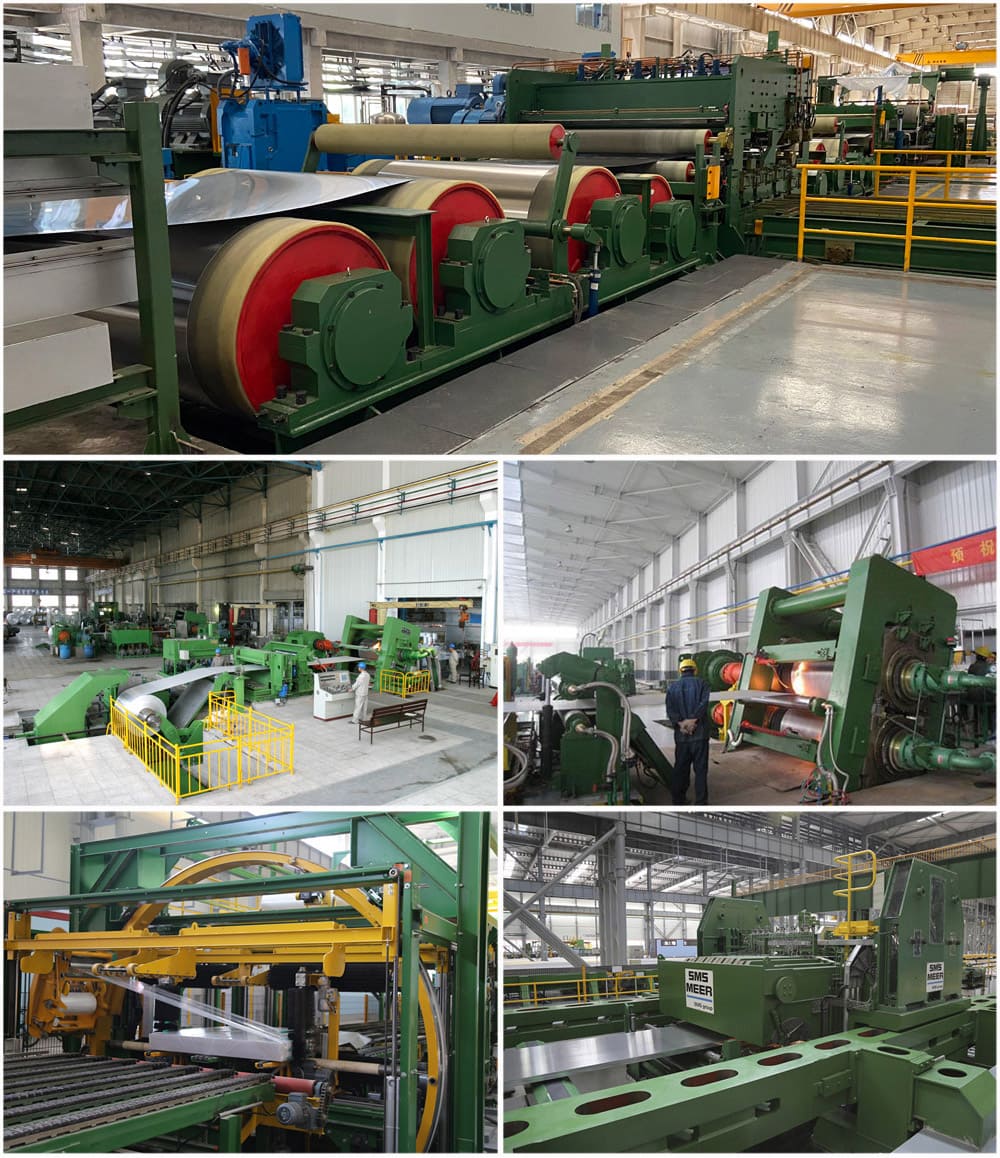
- Cold Rolling: These sheets are then cold-rolled through a series of highly polished rolls to progressively reduce thickness. Achieving a uniform 30 µm thickness requires extremely tight process control.
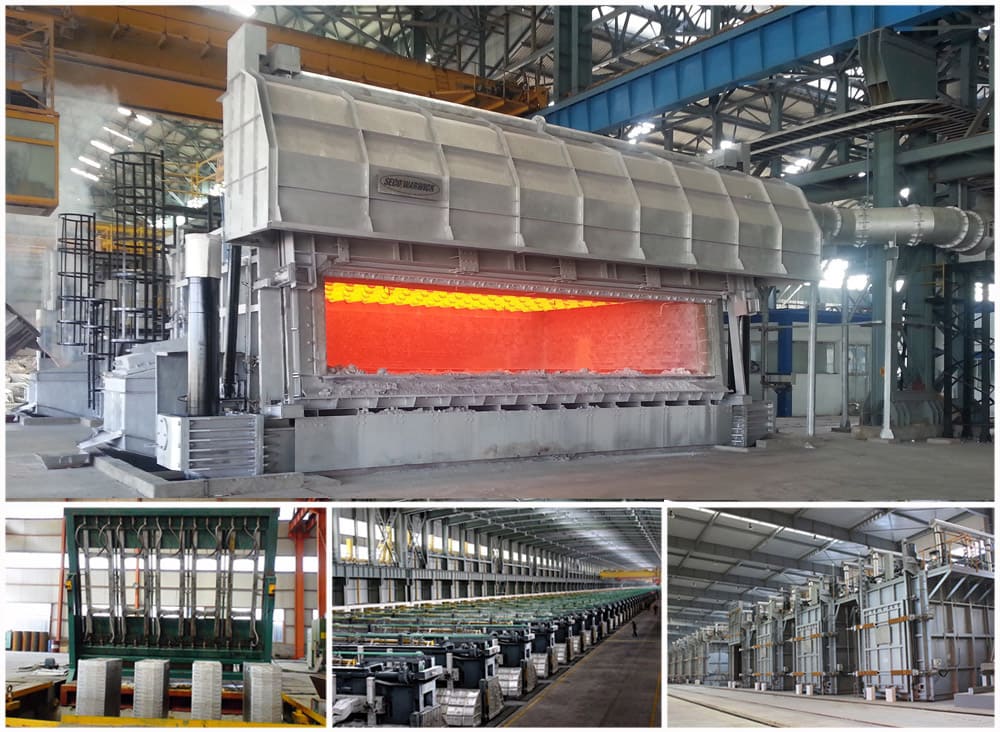
- Annealing: The foil undergoes annealing (heat treatment) in a controlled atmosphere furnace to achieve the desired temper (e.g., soft temper O) and mechanical properties, improving ductility and reducing residual stress. This also cleans the surface of rolling oils.
5.2 Surface Preparation
After annealing, the foil surface is crucial for coating adhesion.
- Cleaning: Further cleaning processes (e.g., aqueous cleaning, solvent washing, or plasma treatment) remove any remaining contaminants, oils, or oxides, creating a clean, receptive surface for the coating.
- Pre-treatment (Priming): Often, a thin primer layer (e.g., chromate-free, silane-based) is applied to enhance coating adhesion and improve corrosion resistance.
5.3 Coating Application
This is the critical step for imparting high barrier properties and functional layers.
- Coating Methods:
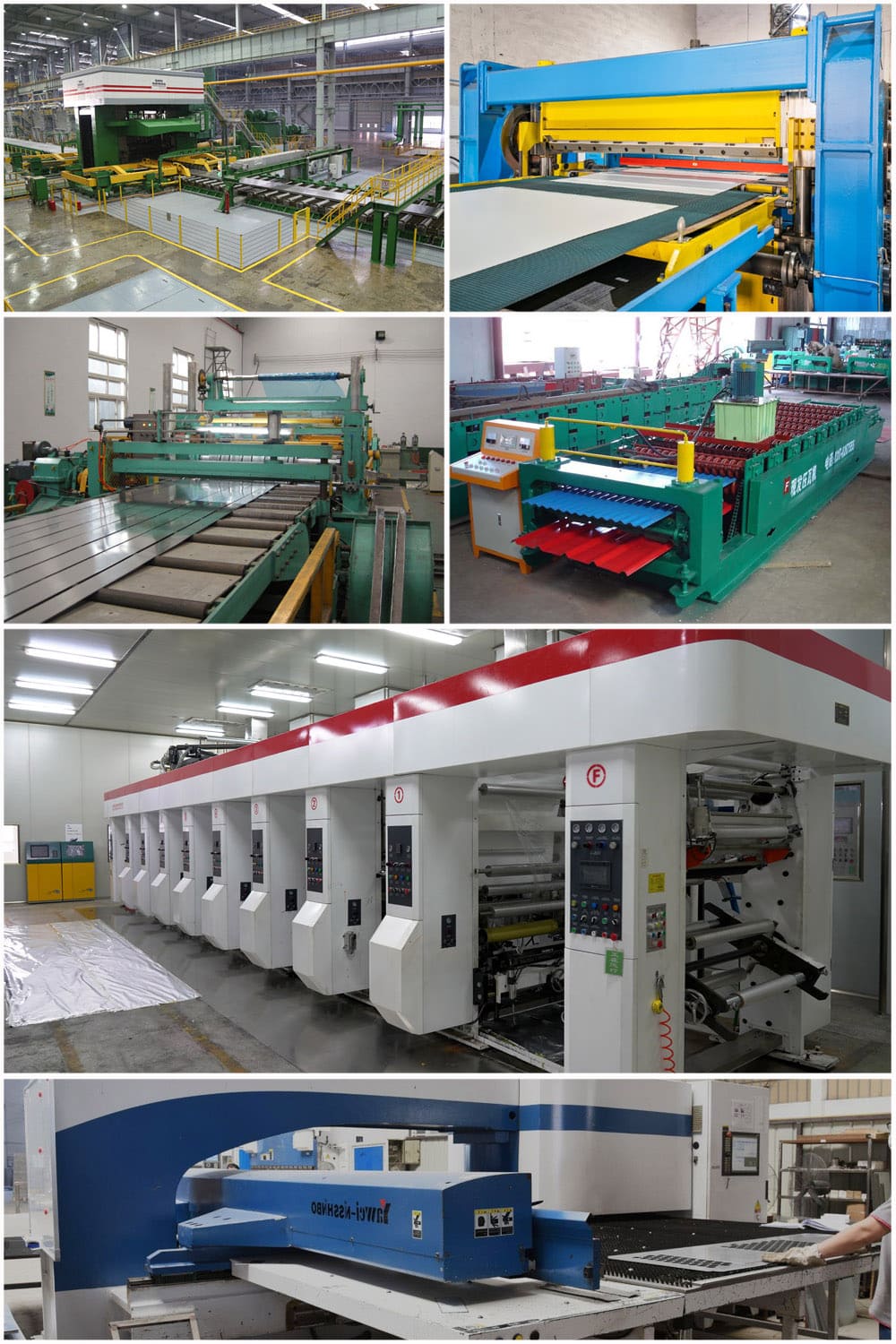
- Gravure Coating: Precise application of thin, consistent coating layers using an engraved roller. Ideal for barrier coatings.
- Flexographic Coating: Uses a flexible relief plate for coating application, suitable for certain lacquers and primers.
- Extrusion Coating/Lamination: For applying thicker polymeric layers (e.g., polyethylene for heat sealing) directly onto the foil or as an adhesive in a lamination process.
- Drying/Curing: After coating, the foil passes through drying ovens to evaporate solvents (for solvent-based coatings) or cure the coating (for UV/EB curable systems), forming a solid, cohesive layer.
- In-line Quality Control: Sensors and cameras continuously monitor coating thickness, uniformity, and defect presence.
5.4 Slitting, Winding & Packaging
- Slitting: The wide rolls of coated foil are precision-slit into narrower widths according to customer specifications.
- Winding: The slit coils are wound onto core materials (e.g., cardboard, plastic) under controlled tension to ensure uniform, stable rolls.
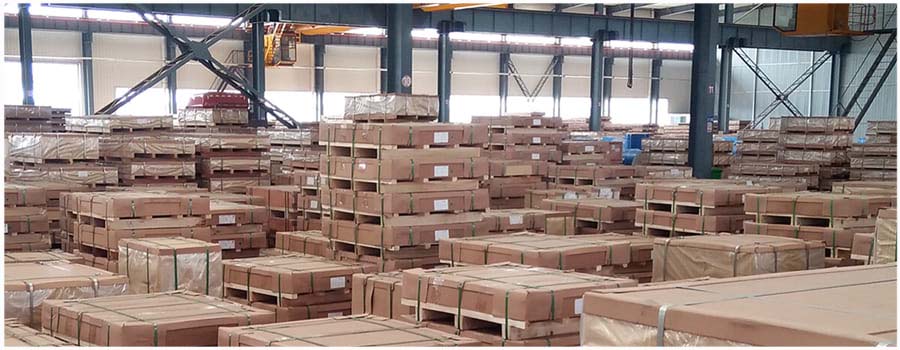
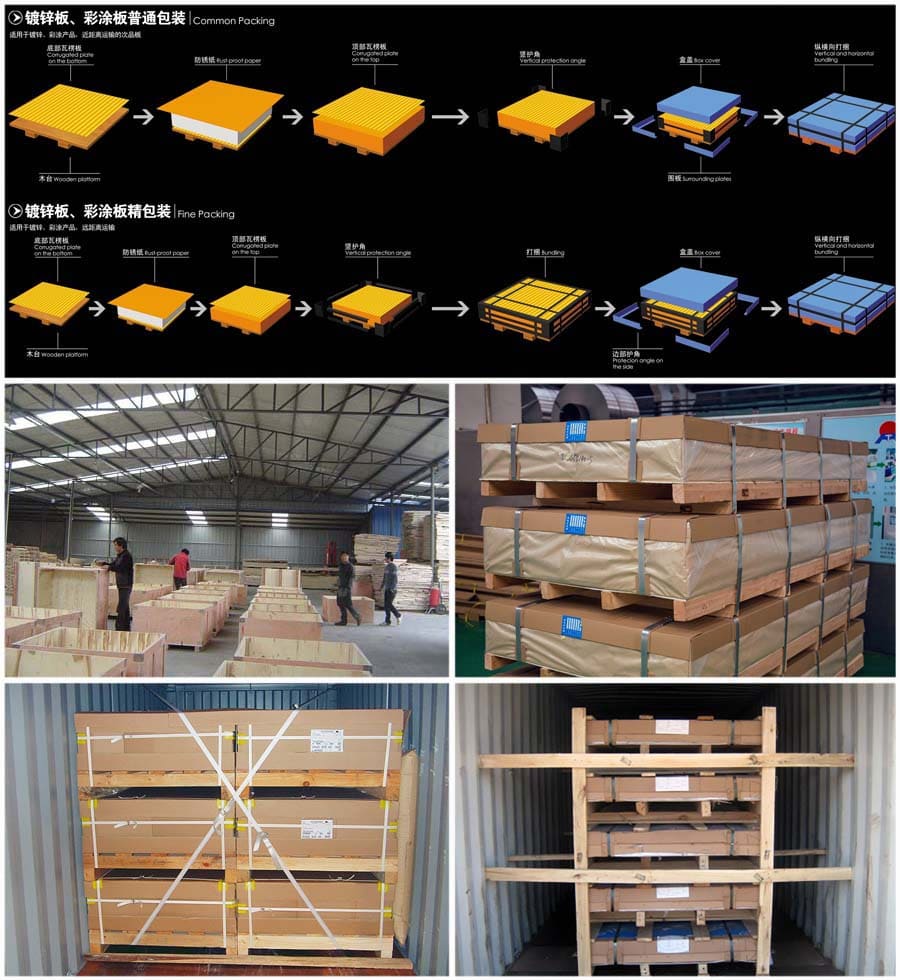
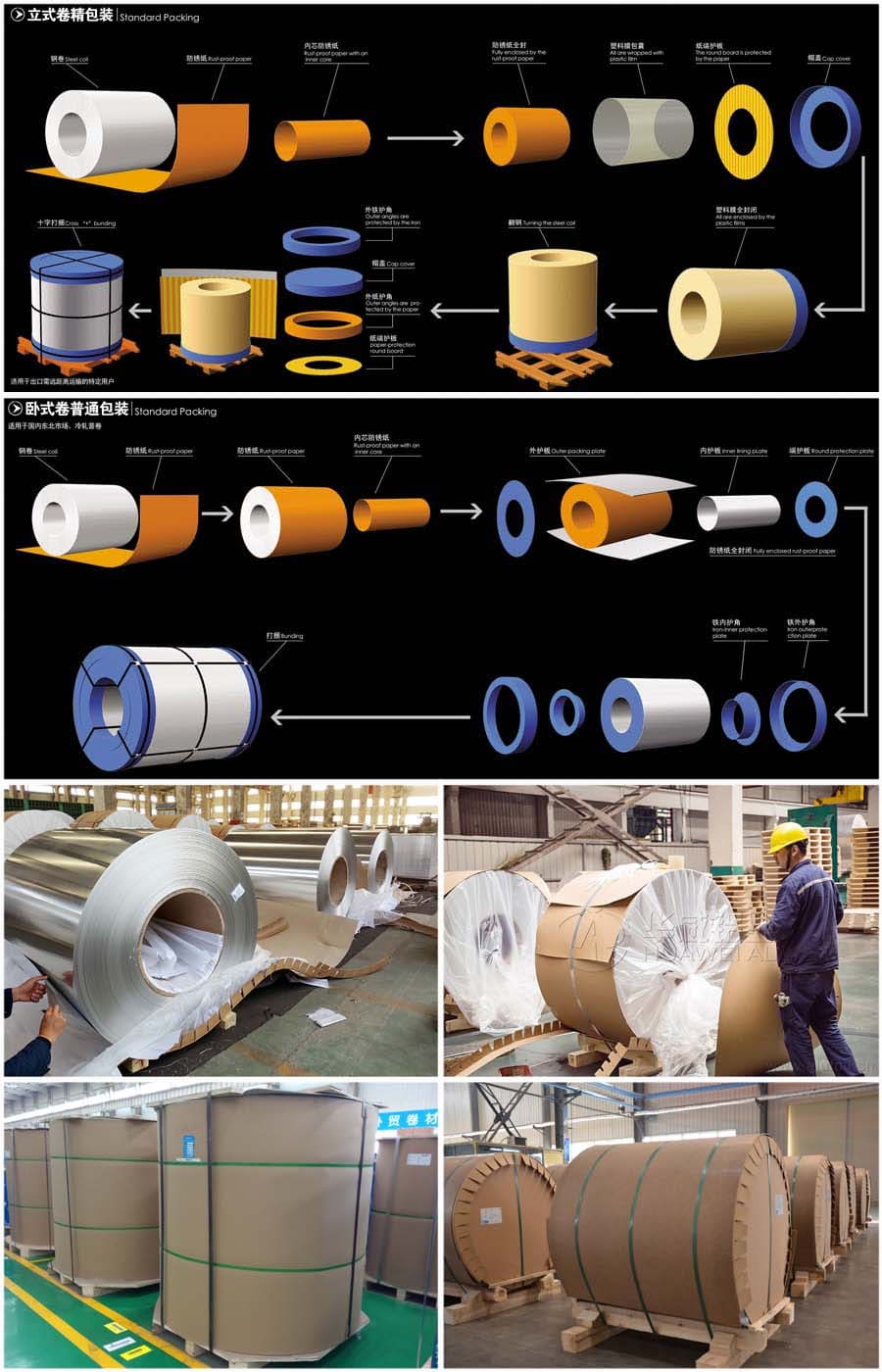
- Packaging: The finished rolls are carefully packaged to protect them from physical damage and environmental factors during storage and transportation.

Manufacturing Process of High Barrier Coated Aluminum Foil 30 µm
6. Testing & Data
6.1 Barrier tests
- OTR and WVTR measured on finished laminates and sealed samples. These are the primary functional acceptance tests for barrier performance. Report at specified conditions (temperature & RH).
6.2 Mechanical & converting tests
- Pinhole inspection: visual or air-leak detectors on coils; specify pinhole density acceptance (guideline: target <1–5 pinholes/m² for critical pharma; for less critical, higher counts may be tolerated — set by application).
- Tensile/elongation spot checks per lot.
- Seal mapping: a matrix of temperature/pressure/dwell with measured peel strength and hot-tack; produce a seal window for production.
6.3 Chemical & environmental resistance
- Migration/extractables for food/pharma contact surfaces with relevant simulants and worst-case time/temperature.
- Oil/fat resistance testing for food uses.
- Salt spray / humidity cycles on finished laminates if the product faces aggressive environments.
6.4 Electrical / insulation
- For applications involving EMI/grounding, measure contact resistance after lamination and the effect of coatings on surface conductivity.
7. Applications of High Barrier Coated Aluminum Foil 30 µm
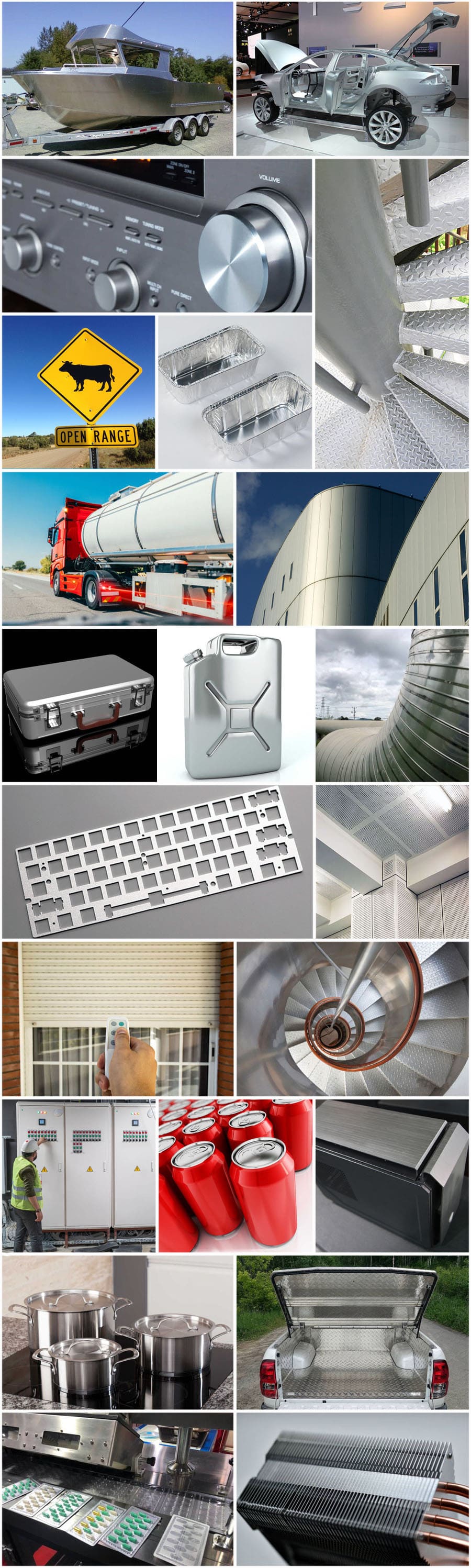
The superior performance profile of high barrier coated aluminum foil 30 um makes it invaluable across numerous industries.
7.1 Pharmaceuticals Packaging
- Blister Packaging: The ultimate protection for unit-dose tablets and capsules. The coated foil serves as the lidding, forming a hermetic seal with PVC, PVDC-coated PVC, or Aclar (PCTFE) films. It protects against moisture, oxygen, light, and tampering.
- Strip Packs: Similar to blisters but with individual pockets formed by sealing two webs of foil together.
- Sachets for Powders/Granules: Ensuring stability and preventing degradation of hygroscopic or oxygen-sensitive APIs (Active Pharmaceutical Ingredients).
- Medical Device Packaging: Maintaining sterility and integrity of sensitive instruments or diagnostic kits.

Coated Aluminum Foil for Pharmaceuticals Packaging
7.2 Food & Beverage Packaging
- Aseptic & Retort Pouches: For ready meals, soups, sauces, and baby food, where product protection under high temperature/pressure processing is critical for extended shelf life without refrigeration.
- Coffee & Tea Packaging: Sachets and bags for ground coffee, instant coffee, and tea leaves to preserve freshness, aroma, and prevent oxidation. Often used in conjunction with one-way valves.
- Dairy Products: Lidding for yogurt cups, cheese wraps to prevent moisture loss, oxidation, and contamination.
- Confectionery: High-end chocolate bar wraps or protective layers for candies, preserving freshness and preventing fat bloom.
- Pet Food Packaging: High barrier pouches for wet and dry pet food to ensure freshness and extend shelf life.
7.3 Cosmetics & Personal Care
- Sachets: For single-use samples or travel-size portions of creams, lotions, masks, and wipes, protecting volatile ingredients and fragrances.
- Liner Materials: As inner seals for jars and bottles to prevent product evaporation, oxidation, and leakage.
- Hair Dye Kits: Protecting reactive components until mixing.
7.4 Industrial & Specialty Applications
- Electronics Packaging: For moisture-sensitive components like PCBs (Printed Circuit Boards), ensuring dry conditions and preventing static discharge (with specialized anti-static coatings).
- Chemical Packaging: For aggressive or sensitive industrial chemicals, desiccants, or adsorbents where chemical resistance and ultimate barrier are required.
- Insulation: While not the primary role for coated foil, aluminum’s reflective properties are utilized in specialized insulation applications, and coatings can add structural integrity or corrosion resistance.

Coated aluminum foil Industrial Applications
8. Procurement Specification Guide
When procuring High Barrier Coated Aluminum Foil 30 µm, a comprehensive specification ensures consistency and performance:
Base Foil Specification:
- Alloy e.g., 8011 / 8021 / 8079 / 1050 / 1100 / 3003 (state the governing standard system such as ASTM/EN/JIS or internal specification)
- Temper (O / H14 / H18 / others as required by forming/converting)
- Thickness: 30 µm (tolerance +/- 5%)
- Width & Length (Master Roll or Slit Roll dimensions)
- Core ID and OD
Coating Specification:
- Coating Type: (e.g., PVDC, EVOH, Acrylic, Heat Seal Lacquer)
- Coating Weight/Thickness (e.g., g/m² or µm per side)
- Number of Coats/Layers
- Coating Location (e.g., one side, both sides)
- Specific Functionality (e.g., high barrier, heat sealable, printable, chemical resistant, peelable)
- Color/Transparency of coating (if applicable)

Huawei Packaged aluminum foil jumbo roll
9. Competitive vs Alternatives
High barrier coated aluminum foil 30 um competes with both thinner foil structures and polymer-based high-barrier films.
| Option |
Barrier potential |
Mechanical robustness |
Converting sensitivity |
Typical advantage |
Typical limitation |
| Coated Al foil 30 μm |
Very high |
High |
Medium |
Strong barrier reliability + durability |
Heavier; metal layer complicates some recycling routes |
| Coated Al foil 12–20 μm |
Very high |
Medium |
Higher |
Weight/cost reduction |
More defect-sensitive (pinholes/flex cracks) |
| Metallized films (Al-deposited) |
Medium–high |
High |
Medium |
Lightweight, good appearance |
Barrier can degrade with cracking; not “foil-level” |
| EVOH/PVDC barrier films |
Medium–high |
High |
Medium |
Transparency/flexibility possible |
Barrier depends on humidity and structure; thermal limits vary |
10. Conclusion
High Barrier Coated Aluminum Foil 30 µm stands as a highly sophisticated and indispensable material in the packaging industry.
By leveraging the intrinsic, near-perfect barrier properties of 30 µm aluminum foil and augmenting them with advanced coating technologies, manufacturers have created a solution that meets the most demanding protection requirements.
Its unparalleled ability to shield products from moisture, oxygen, light, and aroma ensures extended shelf-life, maintains product efficacy, and safeguards brand reputation across pharmaceuticals, food, cosmetics, and industrial sectors.
As industries continue to prioritize product integrity, sustainability, and supply chain efficiency, the innovation in high barrier coated aluminum foil will persist.
Future developments will likely focus on more sustainable coating chemistries, enhanced recyclability of laminate structures, and integration with smart packaging features, further cementing its role as a critical enabler of modern protective packaging.
For any application demanding the highest levels of barrier protection, the high barrier coated aluminum foil 30 µm remains the gold standard.
FAQs
1) Does the coating itself provide the “barrier,” or does the aluminum?
Primarily the aluminum provides the intrinsic gas/moisture/light barrier. The coating mainly improves practical barrier reliability by protecting surfaces, improving adhesion, and preventing defects and corrosion pathways.
2) Why not use thinner foil to reduce cost and weight?
Thinner foils can work, but they are generally more sensitive to pinholes, flex cracking, and handling damage. Many designs select 30 μm when conversion robustness and leak-risk reduction are worth the extra mass.
3) Which matters more for shelf life: WVTR/OTR numbers or seal integrity?
In most foil laminates, seal integrity and defect control dominate real shelf life. A “perfect” barrier film with a poor seal still fails quickly.
4) What are the most common reasons for lamination failure?
Residual rolling oils/contaminants, inadequate surface prep, incorrect coating cure, incompatible adhesive chemistry, and insufficient aging validation under humidity/heat.
5) How should barrier testing be specified for foil laminates?
Always specify test method + temperature/humidity + sample conditioning + edge sealing approach + number of specimens + acceptance criteria, because results vary dramatically with preparation and conditions.




Latest Comments
We need some t111 aluminium plate. We are looking for quarter inch by 4'x8' sheets
Aluminum 5754 H111 หนา 8 mm กว้าง x ยาว : 4 x 6 ฟุต
سلام بسیار عالی ،،من از ایران تماس میگیرم فویل طلا ۱۲میکرون عرض ۶۱سانت نیاز داریم حدودا هرماه ۳۵هزار متر
Dear Sales Team, I hope you are doing well. We are looking to source aluminum products from your company and would appreciate receiving your best quotation for the following: Aluminum Sheets Thickness: 2 mm, 3 mm, 4 mm, and 5 mm Please provide your available standard sheet sizes. Kindly quote the price per sheet and the price per metric ton. Aluminum Coils Thickness: 2 mm, 3 mm, 4 mm, and 5 mm Please provide your available coil widths, standard coil weights, and inner diameter specifications. Kindly quote the price per metric ton. For both sheets and coils, please include: Available alloys (e.g. 1050, 3003, 5052) Temper options Mill finish or other available surface finishes Minimum Order Quantity (MOQ) Production lead time Payment terms Please provide your quotation based on: CIF Jebel Ali Port, UAE (including sea freight), or alternatively provide both FOB China and CIF Jebel Ali Port, UAE prices. If available, please also send: Product catalogue Mill Test Certificate (MTC) sample Photos of the products and packaging. We are interested in establishing a long-term business relationship. Our initial purchase volume is expected to be 100+ metric tons, with the potential for larger and recurring orders if your pricing, quality, and service meet our requirements. Thank you for your time. We look forward to receiving your quotation and hope to build a successful long-term partnership. Best regards, Eng.Yousef
アルミハニカムパネルについてお聞きしたいのですが L1500×W700×厚みで曲げに対して200kgg耐えられるには厚みはどのくらいでしょうか ※簡単に言いますと約1000mmの側溝に渡して真ん中で200kg耐えられるかという事になります 又、そのような製品があるようでしたらその重量、価格をおしえていただけますか 現在はコンパネ板を使用してますが腐ると折れてしまい人が側溝に落ちてけがをしてます 出来ましたらメールでお返事をいただけますか