Discover UV curable coating aluminum foil with excellent curing speed, strong surface protection, and reliable performance for demanding applications.


In the world of high-performance packaging, UV Curable Coating Aluminum Foil stands out as a strategic solution that combines the barrier performance of aluminum with the versatility of modern UV-curable resins.
This article delves into the science, benefits, and practical considerations of applying UV-curable coatings to aluminum foil, with data-driven insights, real-world use cases, and a supplier spotlight on Huawei Aluminum.
The aim is to provide packaging engineers, product managers, and suppliers with credible, actionable information to make informed decisions.
UV Curable Coating Aluminum Foil refers to a thin film of UV-curable resin applied to the surface of aluminum foil and subsequently cured with ultraviolet light to form a solid, crosslinked coating.
The coating serves multiple roles: it can improve printability and adhesion for downstream inks, enhance abrasion resistance, tailor surface energy for lamination, add chemical resistance, and provide a controlled barrier for moisture and aroma transmission when used in composite laminates.
Key characteristics of UV-curable coatings include rapid cure rates (often seconds), minimal volatile organic compound (VOC) emissions, excellent gloss and clarity, and strong adhesion to metal surfaces when properly prepared.
The chemistry typically involves acrylate or urethane acrylate monomers that polymerize upon UV exposure, creating a densely crosslinked network that endows the foil with a robust functional layer without sacrificing the foil’s inherent barrier properties.
UV Curable Coating Aluminum Foil
Huawei Aluminum is a prominent Chinese aluminum producer with a broad portfolio of foil products for packaging, insulation, electronics, and automotive applications.
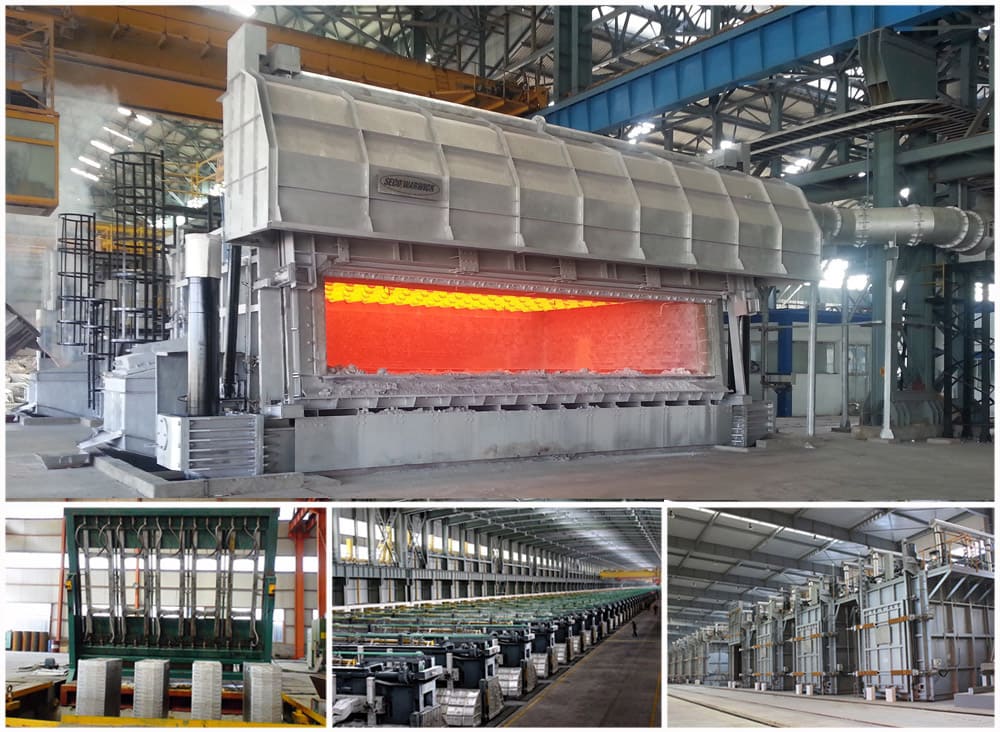
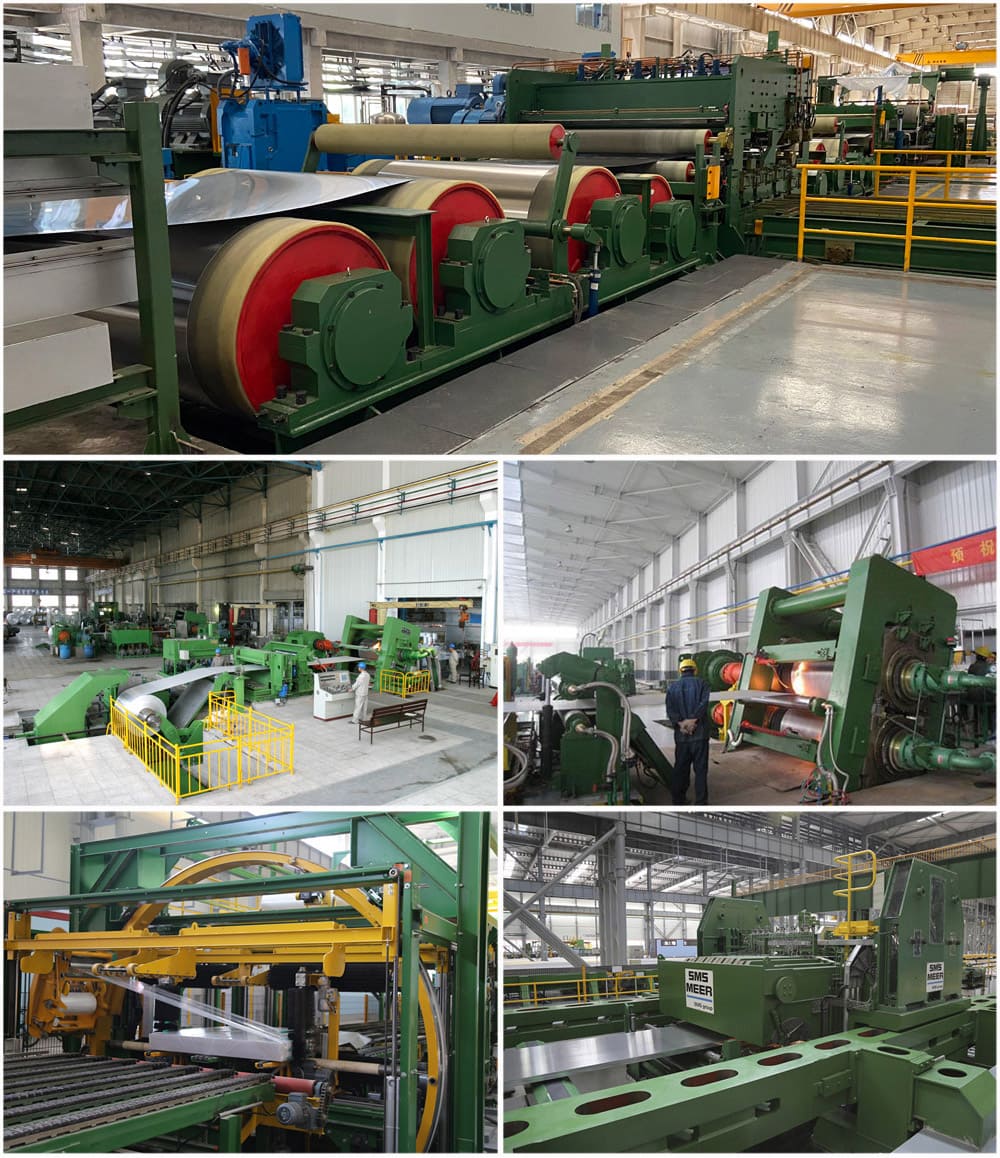
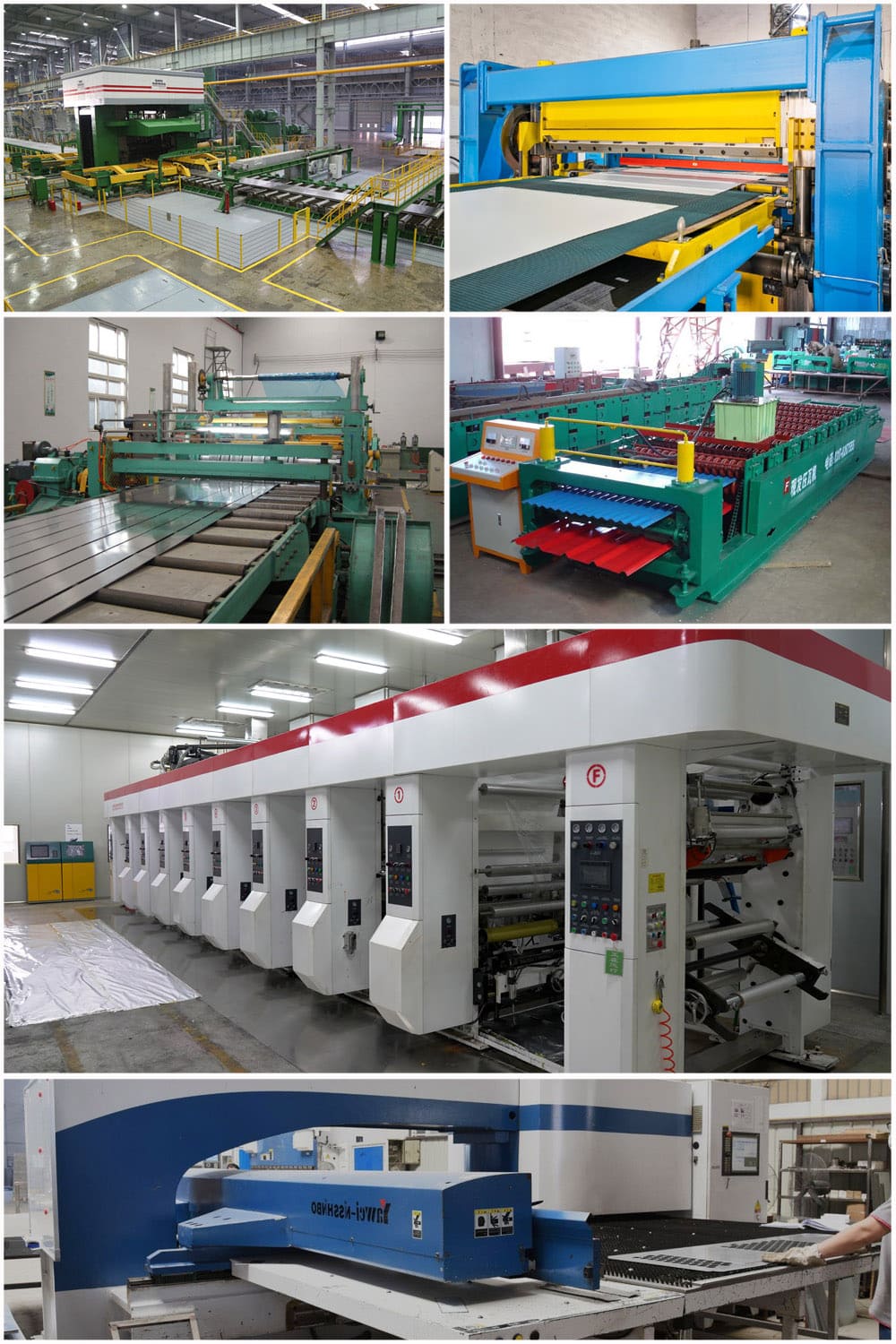
The company operates comprehensive rolling mill facilities and coating capabilities, enabling integrated production from raw aluminum to finished foil with surface treatments.
Huawei Aluminum emphasizes quality management, traceability, and customer-specific solutions, including supplier-ready coatings compatible with common lamination and printing processes.
This article aligns with Huawei Aluminum’s emphasis on reliable supply chains and high-quality packaging foil solutions, providing a practical context for how UV-curable coatings can be integrated into existing production lines.

UV Curable Process for Coating Aluminum Foil
UV-curable coatings rely on photoinitiators that trigger polymerization when exposed to specific wavelengths of light (usually in the 200–400 nm range, depending on the system).
The resin matrix forms a crosslinked network that yields high hardness, chemical resistance, and surface properties suitable for downstream processes such as printing and lamination.
Common resin families used in UV Curable Coating Aluminum Foil include:
– Acrylic UV-curable resins (including acrylate and urethane acrylate formulations)
– Epoxy acrylates (for enhanced chemical resistance)
– Aliphatic urethane acrylates (for improved clarity and UV stability)
– Silicone acrylates (for high-temperature resistance and release properties in some laminates)
Key performance attributes influenced by chemistry include:
– Adhesion to foil and subsequent laminate layers (PET, PE, or paper)
– Surface energy and wettability for ink and adhesive compatibility
– Gloss, clarity, and color neutrality
– Abrasion and scuff resistance
– Heat sealability and peel strength in laminated structures
Aluminum foil provides an excellent barrier to moisture, oxygen, and aroma when intact. However, surface characteristics such as oxide layers, roughness, and oxide-stabilized chemistry can influence coating adhesion.
Prior surface pretreatment—such as degreasing, surface activation (corona discharge, plasma), or a conversion coating—often improves coating adhesion and long-term performance in laminate structures.
Surface pretreatment serves multiple purposes:
– Removes oils and contaminants from the foil surface
– Increases surface energy to promote coating wetting
– Enables stronger chemical bonding between the foil and coating
– Improves printability of downstream inks and alignment of lamination adhesives
When integrating UV-curable coatings, manufacturers typically consider:
– Film thickness: thin films (5–20 microns) suit most packaging needs while preserving foil flexibility
– Cure depth and energy requirements: sufficient dose ensures complete polymerization without scorching or overheating
– Compatibility with downstream laminates: adhesives and sealants must bond well to the cured coating
Huawei UV Curable Coating Aluminum Foil Production
UV Curable Coating Aluminum Foil for Food Packaging
| Coating Type (UV-Curable) | Typical Resin Base | Key Advantages | Potential Limitations | Adhesion Notes (to Aluminum) | Typical Film Thickness | Common Applications |
| Acrylic UV-Cure (Acrylic/Alkyl Acrylate) | Acrylate polymers | Fast cure; good clarity; broad adhesion potential | Moderate chemical resistance without hardeners | Must be properly pretreated; surface energy matters | 5–15 microns | Printing surfaces, general packaging laminates |
| Urethane Acrylate (Aliphatic or Aromatic) | Urethane acrylate oligomers | Excellent chemical resistance; high hardness; good adhesion | Higher formulation cost; potential yellowing if aromatic | Works well with corona-plasma-treated foil | 8–20 microns | Food-contact laminates, durable release surfaces |
| Epoxy Acrylate | Epoxy-acrylate hybrids | Superior chemical resistance and temperature stability | May require optimized photoinitiators to cure fully | Strong bonding with properly activated foil surfaces | 5–12 microns | High-temperature or aggressive chemical environments |
| Silicone Acrylate | Silicone- or silicone-modified acrylates | Very high release properties; good heat resistance | Higher cost; specialized cure conditions | Useful when surface needs low surface energy post-cure | 4–10 microns | Special laminates with release needs; high-temperature packaging |
| UV Silicone (Hybrid) | Silicone acrylate hybrids | Excellent heat resistance; low caveats for adhesion | More complex chemistry; cost considerations | Works with appropriate adhesion promoters | 5–12 microns | High-temperature packaging or release liners |
Notes:
– The table reflects general tendencies; specific product grades vary by supplier and formulation.
– Adhesion to aluminum often benefits from a pretreatment step (degrease, plasma or corona activation, and sometimes a conversion coating).
| Property | Target Range / Benchmark | Why It Matters | Influenced By |
| Adhesion to Aluminum | Moderate to high (ASTM D3359 cross-cut 3B–5B after pretreatment) | Avoids coating delamination during lamination and printing | Surface preparation, resin chemistry, cure conditions |
| Gloss (60-degree) | 70–90 GU for high-gloss finishes | Affects print color fidelity and aesthetics | Resin choice, cure depth, surface roughness |
| Abrasion/Scratch Resistance | High (low wear under typical handling) | Maintains print and laminate image quality | Film thickness, hardness, top-coat formulation |
| Chemical Resistance | Resistant to common solvents and sanitizers used in packaging | Maintains appearance and barrier performance | Resin network density, post-cure conditions |
| Heat Resistance (Glass Transition and Coating Stability) | stable up to 100–120°C for many packages | Relevant for heat-sealed laminates and high-temp processes | Resin chemistry and crosslink density |
| UV Cure Dose (Energy) | 200–800 mJ/cm2, depending on resin | Sufficient energy ensures complete cure without microvoids | Lamp type, distance, line speed, resin solids |
| Film Thickness | 5–20 microns | Balances barrier, printability, and lamination behavior | Application method, resin solids fraction, cure efficiency |
| Migration/Regulatory Compliance | Passes applicable migration tests for food contact or pharma use | Ensures consumer safety and regulatory acceptance | Formulation choice, migration testing, end-use certification |
Table interpretation:
– These ranges are representative and depend on process design, equipment, and resin formulation. For sensitive applications (pharma or infant food), extra validation and supplier collaboration are essential.
| Aspect | UV-Curable Coatings | Solvent-Based Coatings |
| Cure Method | Ultraviolet light in-line | Solvent evaporation followed by air drying |
| Speed | Very fast cure (seconds) | Slower due to solvent evaporation; energy-intensive drying |
| VOC Emissions | Low to very low | Higher VOC content; regulatory burden |
| Film Uniformity | High, with controlled crosslinking | Depends on solvent evaporation and coating viscosity |
| Surface Properties | High gloss, good chemical resistance | Variable; often softer and more prone to scratching |
| Adhesion to Aluminum | Good with proper pretreatment | Varied; adhesion can be more challenging without primers |
| Process Simplicity | Often inline with printing and lamination | Requires solvent recovery and ventilation systems |
| Environmental Impact | Lower VOC footprint; potential for improved sustainability | Higher solvent emissions and waste handling |
| Cost Considerations | Potentially lower operating costs over time (lamination-ready) | Higher solvent costs and energy for drying; environmental costs |
Note: The choice between UV-curable and solvent-based coatings depends on regulatory requirements, production scale, downstream lamination architecture, and total cost of ownership.
A typical UV-curable coating line for aluminum foil involves several critical steps to ensure adhesion, printability, and laminate performance.
1. Surface Cleaning and Degreasing
Remove oils, grease, and particulates to create a clean substrate.
Residual contaminants can hinder adhesion and cause coating delamination.
2. Surface Activation
Corona discharge or plasma treatment increases surface energy, enhancing wetting of the UV-curable resin.
This step reduces the risk of coating defects and improves adhesion to the foil.
3. Optional Conversion Coatings
For certain foil grades, a conversion coating can improve adhesion and corrosion resistance.
The choice of conversion coating is influenced by downstream laminates and regulatory considerations.
4. Application of UV-Curable Coating
The resin is applied via roll-to-roll coating or curtain coating to achieve a precise film thickness.
The solids content and viscosity determine the coating’s uniformity and edge bleed.
5. UV Curing
The coated foil passes under UV lamps (mercury vapor, LED-based systems, or a hybrid approach) to initiate polymerization.
The dose is optimized to achieve complete cure without overheating or distortion.
6. Cooling and Inspection
The coated foil cools to stabilize the film.
Visual and non-destructive testing (NDT) checks ensure surface uniformity and defect absence.
7. Lamination or Printing
The coated foil is ready for lamination with PET/PE or direct printing, depending on the end-use.
If printing occurs, the surface must receive inks with strong adhesion to the cured coating.
8. Quality Assurance
Adhesion tests (cross-cut, pull-off), gloss measurement, and scratch tests are performed.
Migration testing is conducted for food-contact or pharmaceutical packaging applications.
Medicine Packaging Coating Aluminum Foil
Adhesion is a critical success factor for UV-curable coatings applied to aluminum foil.
The foil’s surface energy, cleanliness, and microstructure influence how well the coating bonds and how well the laminate performs through the product’s life cycle.
Pre-treatment strategies:
Mechanical cleaning to remove surface particulates
Chemical degreasing to remove oils
Corona or plasma treatment to raise surface energy
Conversion coatings where compatible with downstream polymers
Adhesion testing methods:
Cross-cut adhesion test (ASTM D3359) to determine film cohesion to the substrate
Pull-off adhesion (ASTM D4541) for quantitative strength
Peel tests for laminate interfaces (e.g., coating-to-adhesive-to-PET)
Reliability considerations:
Thermal cycling in consumer packaging can stress the coating; crosslinked UV networks generally perform well.
UV-curable coatings must resist yellowing and UV degradation over the product’s lifetime, especially for clear or white printed surfaces.
Laminate compatibility:
The cured coating must interact well with the lamination adhesive and the secondary layer (PET, PE, paper).
Compatibility tests should cover storage conditions, humidity, and temperature exposure.
Quality control ensures that UV Curable Coating Aluminum Foil meets performance targets across optical, mechanical, and regulatory dimensions.
Recommended testing set:
– Visual inspection for defects, hazing, and orange peel
– Gloss measurement (60-degree) to ensure consistent aesthetics
– Adhesion tests (cross-cut; pull-off) for substrate/coating integrity
– Ink adhesion tests for downstream printing
– Color and opacity checks for print fidelity
– Barrier-related tests (where relevant):
– Oxygen transmission rate (OTR)
– Water vapor transmission rate (WVTR)
– Migration testing for food contact compliance when applicable
– Temperature cycling to simulate real-world packaging conditions
– Cure verification:
– Knife-edge or differential scanning calorimetry (DSC) to check cure completeness
– Photometric measurement of cured film hardness
Best practices:
– Inline spectroscopic monitoring helps ensure consistent coating composition
– Real-time inspection cameras identify coating defects on high-speed lines
– Calibration of UV lamps and sensors maintains consistent energy dosing
– Documentation of batch records and traceability for regulatory compliance
Q: What is the typical cure time for UV Curable Coating Aluminum Foil?
A: Cure times are often seconds, depending on resin chemistry, lamp intensity, and line speed. LED-based systems can offer very rapid cures with controlled energy doses in the range of 200–800 mJ/cm2.
Q: Are UV-curable coatings safe for food packaging?
A: Yes, provided the coating formulation is certified for food contact and migration tests are passed. Suppliers typically provide migration data, and manufacturers select grades specifically approved for food packaging.
Q: How does surface pretreatment influence adhesion?
A: Pretreatment increases surface energy and removes contaminants, significantly improving coating wetting and adhesion to the foil. Corona/plasma treatment and conversion coatings are common enabling steps.
Q: Can UV-curable coatings be recycled with aluminum foil?
A: It depends on the laminate architecture and recycling stream. In many cases, coatings are thin enough and compatible with standard recycling processes, but ongoing regulatory guidance and local recycling infrastructure should be consulted.
Q: What are the main trade-offs when choosing a UV-curable coating type?
A: Trade-offs involve balance among adhesion, chemical resistance, gloss, temperature stability, cost, and compatibility with downstream laminates. A urethane acrylate might deliver higher chemical resistance and hardness, while acrylic systems can offer cost efficiency and excellent printability.
Q: How does Huawei Aluminum fit into UV-curable foil solutions?
A: Huawei Aluminum provides integrated foil production and finishing capabilities, enabling a reliable supply chain for packaging foils that require compatible UV-curable coatings. Their approach emphasizes quality control, traceability, and collaboration with coating partners to deliver end-use-ready products.
Q: What testing should I request from a supplier?
A: Ask for adhesion data (D3359 cross-cut or D4541 pull-off), ink adhesion compatibility, gloss metrics, cure verification data, migration assessments for food contact, and laminate performance data under relevant environmental conditions.
Q: How do I choose between UV-curable coatings and solvent-based coatings?
A: Consider regulatory requirements, environmental impact, process capabilities, line speed, and total cost of ownership. UV-curable coatings typically offer faster throughput and lower VOCs but require upfront investment in UV equipment and optimized pretreatment.
Q: Are there environmental benefits to UV-curable coatings?
A: Yes, many UV-curable systems minimize or eliminate solvent emissions, reducing VOCs and improving worker safety. They also enable high-throughput production, which can reduce energy consumption per unit of coating applied, particularly in inline processes.
Q: What role does a supplier like Huawei Aluminum play beyond foil production?
A: Suppliers with integrated capabilities can provide end-to-end solutions—from foil production and surface treatment to coating compatibility and laminate performance. This integration helps ensure consistency, traceability, and better alignment with customer needs.
UV Curable Coating Aluminum Foil represents a mature, data-driven approach to enhancing the performance of aluminum foil in packaging while meeting contemporary demands for speed, safety, and sustainability.
Through precise chemistry, controlled curing, and careful surface preparation, manufacturers can deliver high-gloss, durable, and printable foil laminates that perform reliably across a wide range of consumer goods—from food pills to chocolate bars and beyond.
Huawei Aluminum, with its integrated foil production and coating companion capabilities, serves as a compelling example of a supplier that can provide end-to-end solutions—from the base foil to surface treatments and compatibility testing.
By combining robust surface pretreatment, judicious resin selection, and optimized curing, brands can unlock improved lamination reliability, better graphics, and longer service life for their packaging solutions.
If you are evaluating UV Curable Coating Aluminum Foil for your next packaging project, consider a structured approach that includes surface preparation, resin chemistry selection, cure strategy, and rigorous testing.
With the right combination of foil quality, coating performance, and process control, UV Curable Coating Aluminum Foil can deliver a compelling balance of aesthetic appeal, functional performance, and commercial viability.
Share with PDF: Download
Aluminum foil for hookah is commonly used for preparing and using a hookah, also known as a shisha or water pipe. It serves a specific purpose in the preparation of the hookah, particularly in the placement and management of the charcoal and tobacco.

High barrier coated aluminum foil 30 µm engineered for lidding, retort and pharmaceutical laminates — tight gauge control, low pinhole counts and predictable seal mapping for high-speed converters.
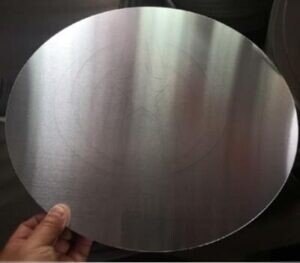
The properties of 3003 aluminum circle make it ideal for use in multiple markets including the cookware, automotive and lighting industries
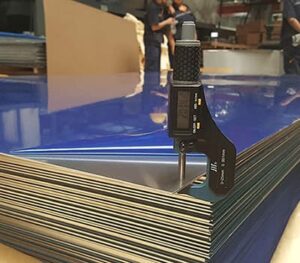
3005 aluminum plate belongs to Al-Mn alloy. The strength of 3005 aluminum plate is about 20% higher than that of 3003 aluminum plate, and its corrosion resistance is also better.
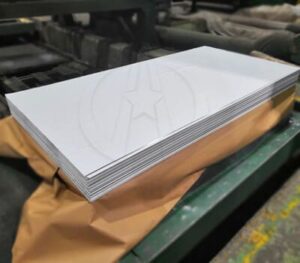
6061 aluminum sheet is an al-si-mg alloy that has been strengthened by precipitation hardening. 6061 aluminum has a high strength-to-weight ratio, above-average corrosion resistance, good machinability, and is well suited for welding.
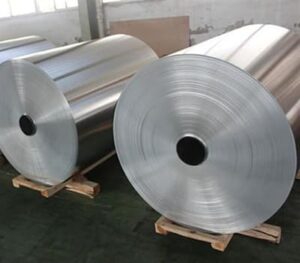
Composite aluminum foil is a functional material composed of aluminum foil and other materials. It has various properties such as antioxidant, heat resistance, corrosion resistance, and heat insulation
No.52, Dongming Road, Zhengzhou, Henan, China
Henan Huawei Aluminum Co., Ltd, One Of The Biggest Aluminum Supplier In China Henan,We Are Established In 2001,And We Have rich experience in import and export and high quality aluminum products
Mon – Sat, 8AM – 5PM
Sunday: Closed
© Copyright © 2023 Henan Huawei Aluminium Co., Ltd

Latest Comments
We need some t111 aluminium plate. We are looking for quarter inch by 4'x8' sheets
Aluminum 5754 H111 หนา 8 mm กว้าง x ยาว : 4 x 6 ฟุต
سلام بسیار عالی ،،من از ایران تماس میگیرم فویل طلا ۱۲میکرون عرض ۶۱سانت نیاز داریم حدودا هرماه ۳۵هزار متر
Dear Sales Team, I hope you are doing well. We are looking to source aluminum products from your company and would appreciate receiving your best quotation for the following: Aluminum Sheets Thickness: 2 mm, 3 mm, 4 mm, and 5 mm Please provide your available standard sheet sizes. Kindly quote the price per sheet and the price per metric ton. Aluminum Coils Thickness: 2 mm, 3 mm, 4 mm, and 5 mm Please provide your available coil widths, standard coil weights, and inner diameter specifications. Kindly quote the price per metric ton. For both sheets and coils, please include: Available alloys (e.g. 1050, 3003, 5052) Temper options Mill finish or other available surface finishes Minimum Order Quantity (MOQ) Production lead time Payment terms Please provide your quotation based on: CIF Jebel Ali Port, UAE (including sea freight), or alternatively provide both FOB China and CIF Jebel Ali Port, UAE prices. If available, please also send: Product catalogue Mill Test Certificate (MTC) sample Photos of the products and packaging. We are interested in establishing a long-term business relationship. Our initial purchase volume is expected to be 100+ metric tons, with the potential for larger and recurring orders if your pricing, quality, and service meet our requirements. Thank you for your time. We look forward to receiving your quotation and hope to build a successful long-term partnership. Best regards, Eng.Yousef
アルミハニカムパネルについてお聞きしたいのですが L1500×W700×厚みで曲げに対して200kgg耐えられるには厚みはどのくらいでしょうか ※簡単に言いますと約1000mmの側溝に渡して真ん中で200kg耐えられるかという事になります 又、そのような製品があるようでしたらその重量、価格をおしえていただけますか 現在はコンパネ板を使用してますが腐ると折れてしまい人が側溝に落ちてけがをしてます 出来ましたらメールでお返事をいただけますか