High-quality 8011 grade cookware aluminum circles offer excellent formability, stable performance, and dependable results for kitchenware production.


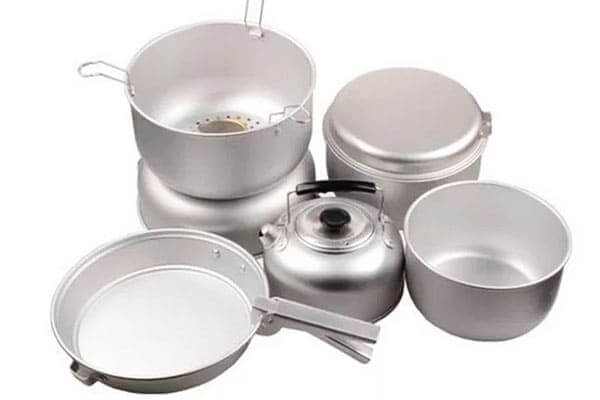
In the world of cookware manufacturing, material choice often defines product performance, cost efficiency, and environmental impact. Among the many aluminum alloys used for forming cookware components, the 8011 grade stands out as a versatile option for cookware aluminum circles.
These circles, cut from high-quality aluminum sheet, serve as the base or bottom discs for frying pans, pots, woks, and other culinary vessels.
The 8011 Grade Cookware Aluminum Circles combine good formability, excellent corrosion resistance, and reliable surface quality—all essential traits for durable, safe, and aesthetically pleasing cookware.
This article explores the what, why, and how of 8011 Grade Cookware Aluminum Circles, with a particular focus on practical guidance for manufacturers, product designers, and procurement teams.
We will examine material characteristics, manufacturing processes, quality controls, and performance in real-world cooking scenarios. The piece also introduces Huawei Aluminum, a leading supplier in the aluminum industry, and explains why partnerships with reputed producers matter when sourcing 8011 circles at scale.
Huawei 8011 Aluminum Circles
The 8011 aluminum alloy belongs to the 8xxx series, where silicon and other alloying elements are present in trace amounts to enhance properties such as formability and workability.
For cookware applications, 8011 is commonly used in the annealed condition (often labeled O temper) to maximize ductility and ease of stamping into circular shapes.
Key characteristics include:
Although 8011 is not a heat-treatable alloy like some other aluminum grades, its mechanical properties in annealed form are adequate for the bottom discs of many cookware types where high strength is not the primary requirement.
The emphasis is on formability, uniform thickness, consistent surface quality, and resistance to corrosion under cooking conditions.
The circles themselves are typically produced from rolled aluminum sheet and then punched or laser-cut into precise circular shapes.
Edges may be deburred, rounded, or treated to reduce burr risk and improve safety in subsequent assembly.
In many production lines, the circles serve as the foundational metal surface that will later interface with heat sources, coatings, or non-stick finishes.
Key attributes of 8011 Grade Cookware Aluminum Circles
| Attribute | Typical range / Notes |
|---|---|
| Alloy family | 8xxx series (8011) |
| Temper | O (annealed) for maximum formability; may be stabilized with processing after forming |
| Density | ~2.70 g/cm3 |
| Melting point | ~660°C (no melting in normal cookware use) |
| Corrosion resistance | Excellent in foods-contact environments |
| Formability in sheet | High; suitable for stamping into circular discs |
| Surface finish compatibility | Good; accepts coatings and finishes |
| Typical thickness (circles) | Varied; common ranges from around 0.3 mm to 3.0 mm depending on product design |
| Typical diameter | 100 mm to 1200+ mm; depends on application |
| Recycling potential | High; widely recyclable in aluminum streams |
Note: Values depend on specific temper, thickness, and processing, and should be verified with the supplier’s technical data sheet (TDS) for a given production batch.
8011 Grade Cookware Aluminum Circles Thickness Measurement
Huawei Aluminum Co., Ltd. is a prominent player in the aluminum industry, with a broad portfolio that includes extruded profiles, rolled products, and aluminum circles used in cookware and other sectors.
The company emphasizes robust quality control, supply chain reliability, and scale to meet global demand.
In the cookware segment, Huawei Aluminum’s capability to produce 8011-grade circles at high volumes and with consistent tolerances makes it a popular choice among manufacturers seeking dependable supply for mass production.
Note: Prospective buyers should verify the latest certifications directly with Huawei Aluminum or through authorized distributors, as certification scope can evolve with audits and market requirements.

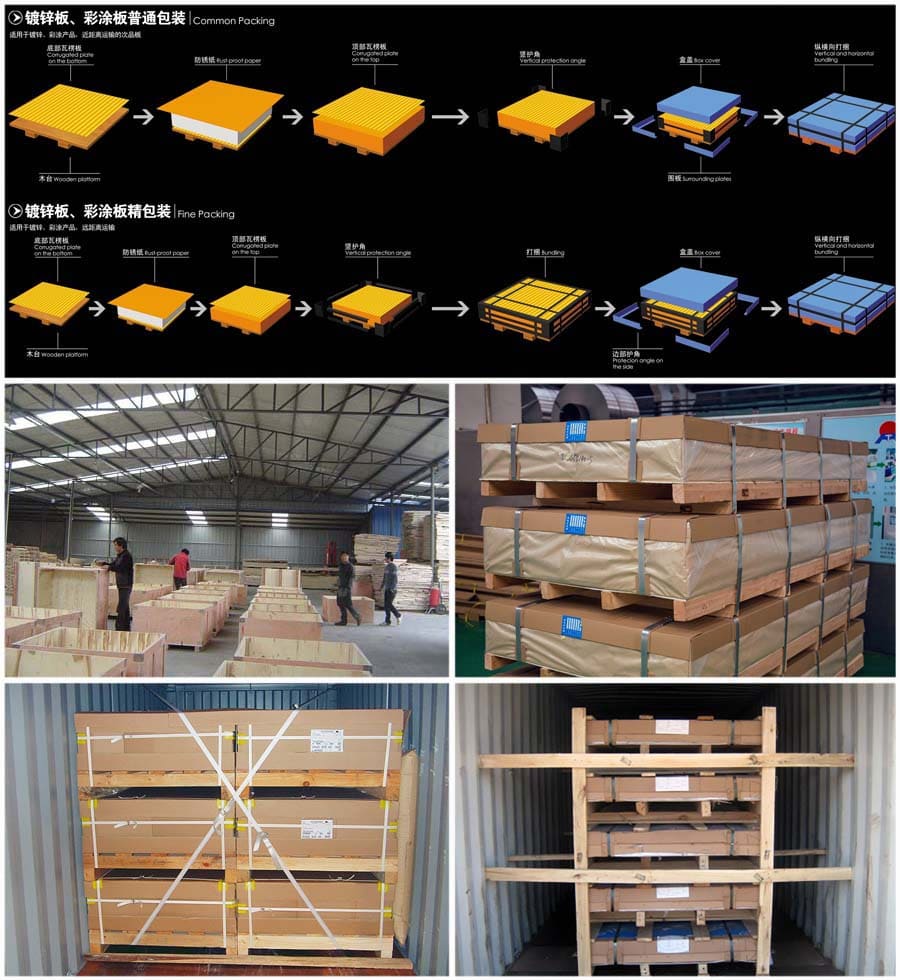
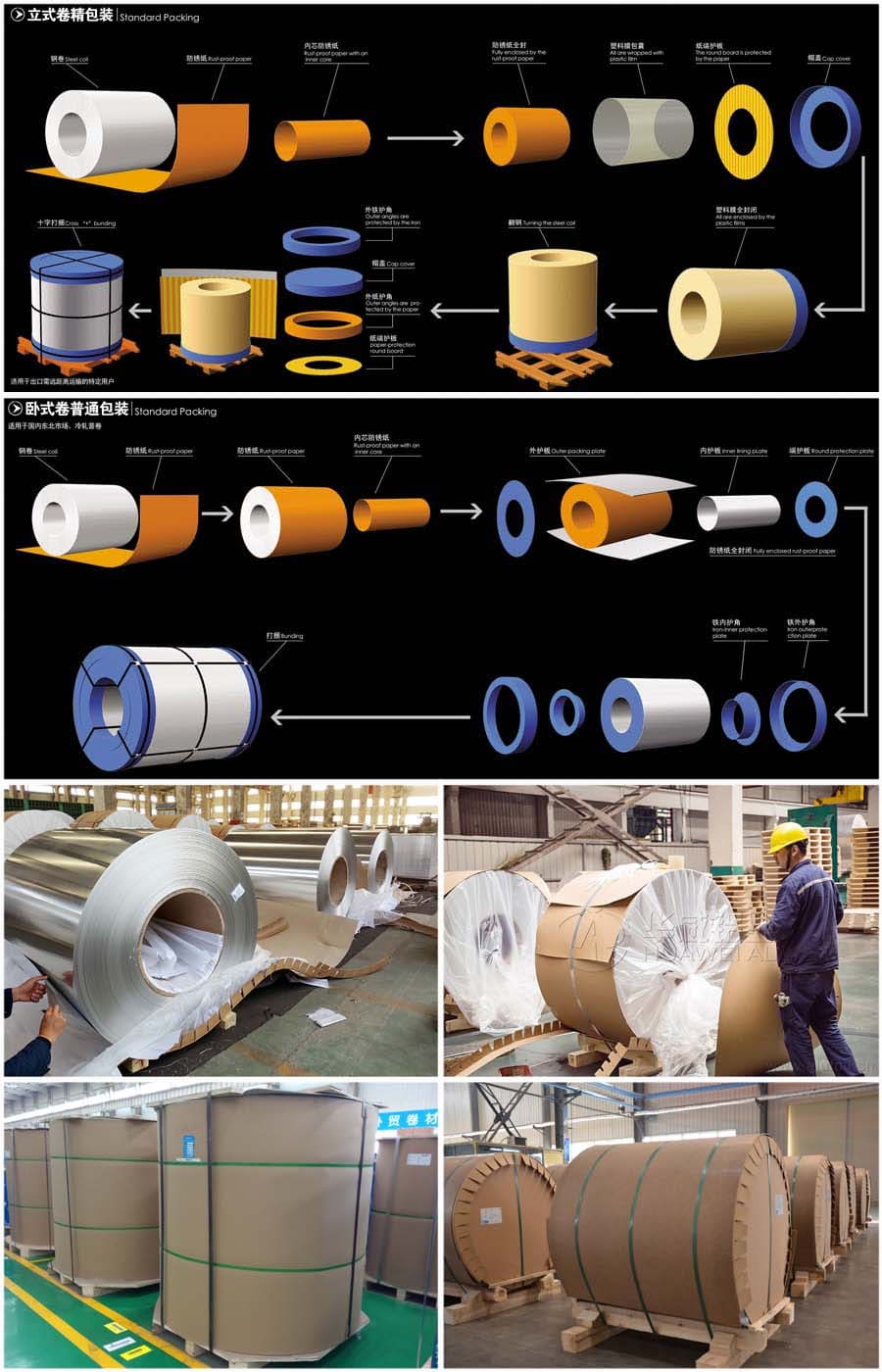
Huawei Aluminum Circles Export Packaging
A typical manufacturing workflow comprises several stages, each contributing to the final geometry, surface quality, and performance of the circles.
While processes vary by producer, the core steps are:
The exact sequence can vary by factory and customer requirements. Manufacturers often customize edge radius, lubricants, and surface finishes to optimize pressability and downstream coating adhesion for specific cookware designs.
Grain size test of 8011 Aluminum Circles
Typical expectations:
– Yield strength (approximate): Low to moderate in O temper; design considerations should assume gentle to moderate loads in normal cooking applications.
– Ultimate tensile strength (approximate): Moderate; acceptable for bottom discs that must resist bending under typical use.
– Elongation: High, enabling significant deformation without cracking during stamping.
Note: Precise properties depend on alloy composition, temper, thickness, and post-processing. For a given batch, consult the supplier’s TDS and mechanical data.
8011 Aluminum Circles Cookware Display
| Category | 8011 Grade (Cookware Circles) | 3003 Aluminum Circle | 1100 Aluminum Circle |
|---|---|---|---|
| Formability | Excellent in thin gauges; ideal for large circles | Very good; good for medium to large circles | Excellent; best for very thin gauges |
| Strength (O temper) | Low-to-moderate; suitable for bottom discs | Moderate | Low |
| Corrosion resistance | Excellent for food contact environments | Good | Excellent |
| Coating adhesion | Good with appropriate preparation | Moderate | High with proper processing |
| Cost | Generally competitive for large-volume production | Moderate | Lower end, depending on thickness |
| Typical cookware use | Bottom discs; heavy-use pans with coatings | Bottom discs; generic cookware | Specialty or budget discs in very thin gauges |
| Recyclability | High | High | High |
Note: The above table provides a qualitative comparison to help buyers evaluate trade-offs. Specific product data should be consulted from supplier TDS sheets for precise planning.
Q: What is 8011 Grade Cookware Aluminum Circles best used for?
A: They are well-suited for bottom discs in a wide range of cookware, particularly where excellent formability and good corrosion resistance are required. They are commonly used for frying pans, pots, woks, and other circular bottoms, often together with coatings or non-stick finishes.
Q: How does 8011 compare to 3003 in cookware circles?
A: 8011 generally offers better formability for large circles and excellent corrosion resistance, with cost efficiency suitable for mass production. 3003 offers good formability and strength with adequate corrosion resistance, often at a different price point.
Q: What tolerances should I expect for diameter and thickness?
A: Tolerances depend on the manufacturer and process. Typical diameter tolerances are in the range of a few tenths of a millimeter for mid-scale production, while thickness tolerances are tightly controlled to maintain uniformity across batches. Always refer to the supplier’s TDS for exact tolerances.
Q: Can 8011 circles be used with non-stick coatings?
A: Yes. With proper surface preparation and adhesion promoters, 8011 circles can be coated with PTFE, ceramic, or other coatings used in cookware manufacturing.
Q: Is Huawei Aluminum a reliable supplier for 8011 circles?
A: Huawei Aluminum is recognized as a major supplier in the aluminum sector, known for scale, quality controls, and a broad product line. For buyers seeking predictable supply and traceability, their capacity can be advantageous, especially for high-volume orders. Verify certifications and current capabilities with a sales representative.
8011 Grade Cookware Aluminum Circles represent a practical and widely used option for the foundational components of modern cookware.
The alloy’s combination of formability, corrosion resistance, and compatibility with coatings makes it a sensible choice for manufacturers seeking efficient production and dependable kitchen performance.
When sourcing aluminum circles, partnering with established suppliers such as Huawei Aluminum can deliver measurable benefits in terms of supply stability, quality assurance, and access to scalable production capabilities.
The result is a reliable pathway from raw material to finished cooking product that meets safety, performance, and sustainability expectations in today’s competitive market.
If you are a product designer, procurement professional, or manufacturing engineer evaluating 8011 Grade Cookware Aluminum Circles for your next project, consider the following action steps:
With these considerations in mind, 8011 Grade Cookware Aluminum Circles can be an effective, economical, and scalable solution for a wide range of cookware products, supported by credible suppliers like Huawei Aluminum who bring depth of experience and consistent quality to the table.
Share with PDF: Download
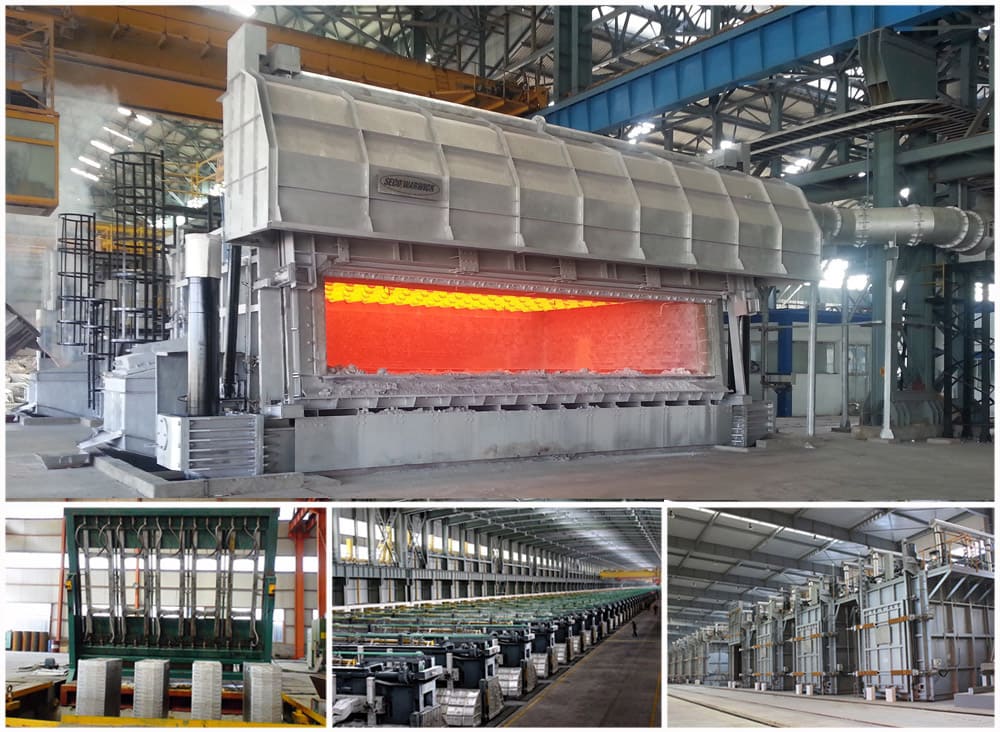
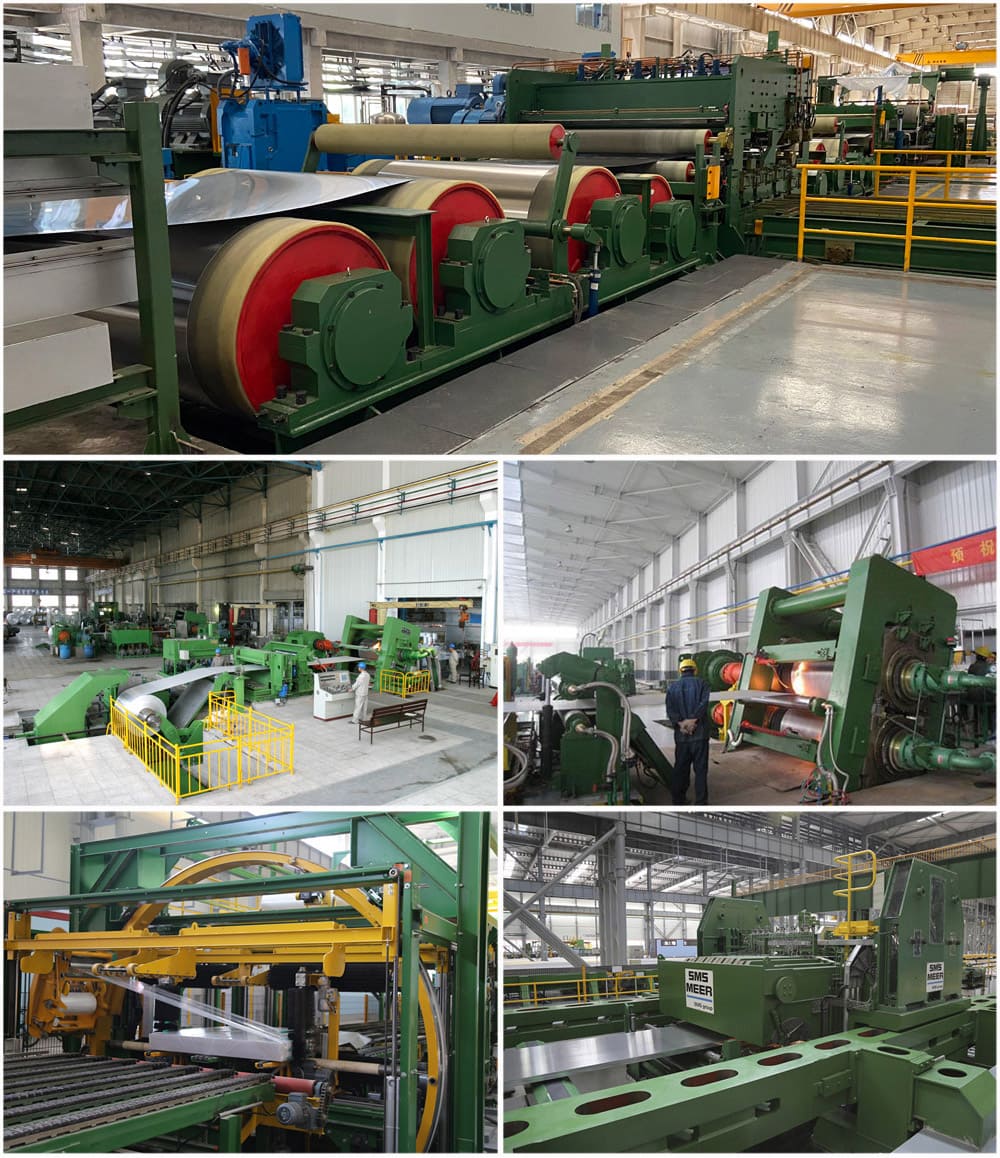
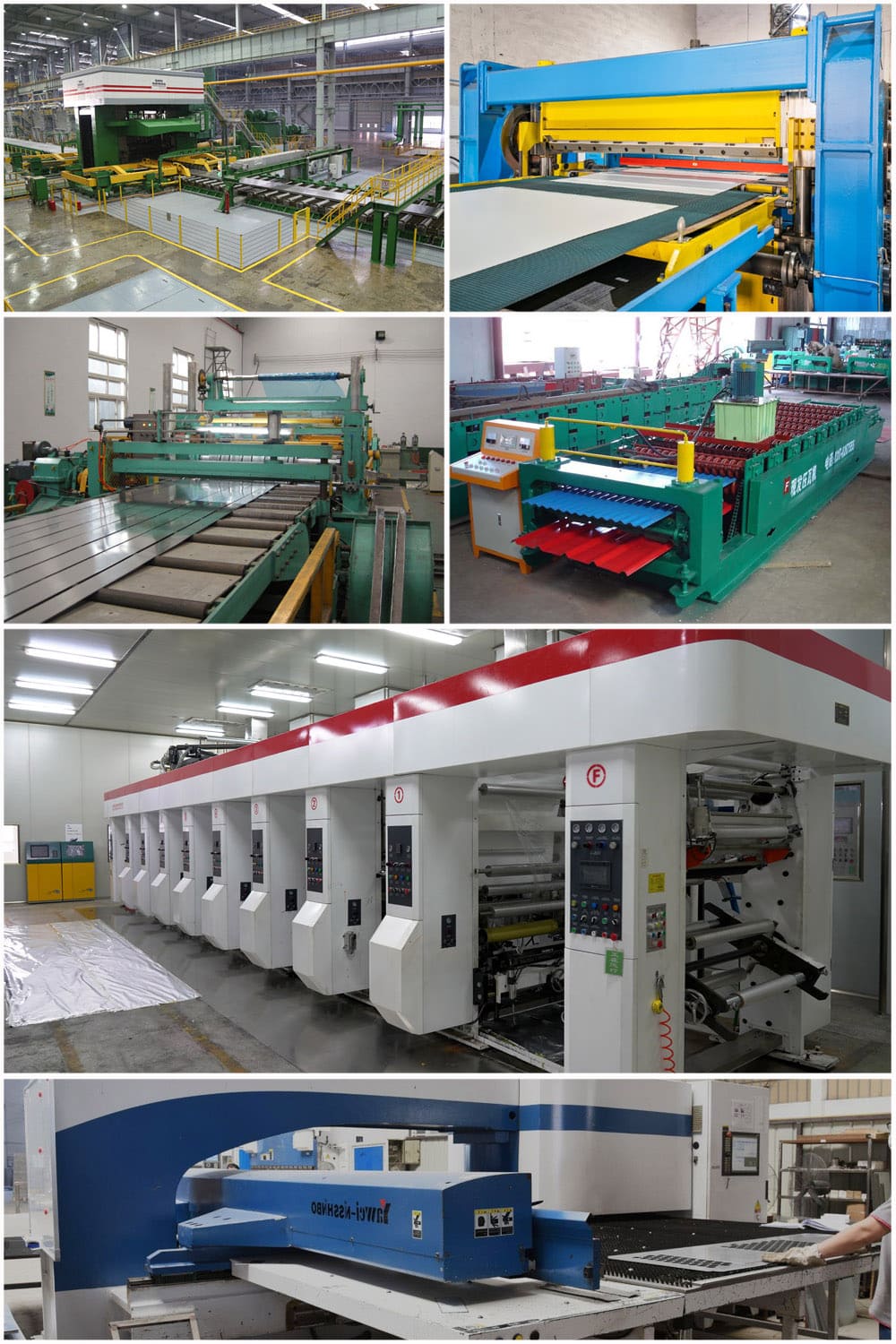
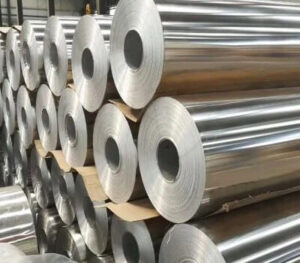
As a professional manufacturer and exporter of aluminum foil jumbo roll seals in China. We have been in this field for more than 20 years, we have a factory and dust-free workshop of more than 100,000 square meters
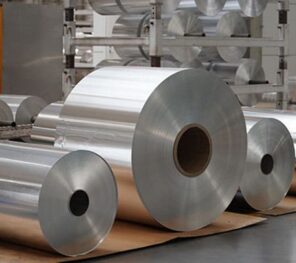
3104 aluminum foil is a specialized alloy in the aluminum industry, renowned for its unique combination of strength, formability, and corrosion resistance. This article explores the chemical composition, mechanical properties, advantages, applications, and comparisons with similar alloys.

High barrier coated aluminum foil 30 µm engineered for lidding, retort and pharmaceutical laminates — tight gauge control, low pinhole counts and predictable seal mapping for high-speed converters.
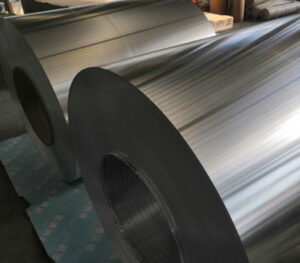
Contact us today to learn more about our 5083 aluminum coil offerings and how we can meet your specific requirements.
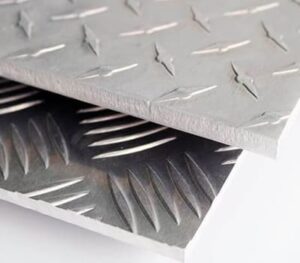
6061-T6 Aluminum floor plate, commonly known as “diamond plate” or “tread plate”, is an excellent candidate for most processing techniques and both interior and exterior applications.

1070 Aluminum Foil stands at the intersection of performance, cost‑efficiency, and sustainability. Its unmatched purity and formability drive its dominance in packaging, electronics, and industrial applications.
No.52, Dongming Road, Zhengzhou, Henan, China
Henan Huawei Aluminum Co., Ltd, One Of The Biggest Aluminum Supplier In China Henan,We Are Established In 2001,And We Have rich experience in import and export and high quality aluminum products
Mon – Sat, 8AM – 5PM
Sunday: Closed
© Copyright © 2023 Henan Huawei Aluminium Co., Ltd

Latest Comments
We need some t111 aluminium plate. We are looking for quarter inch by 4'x8' sheets
Dear Sales Manager, I hope this email finds you well. This is Min-Hyung Lee, CEO of Taesan Steel Co., Ltd., an import & export company based in Incheon, South Korea, dealing in steel and aluminum materials. We understand that Henan Huawei Aluminum produces 1100 aluminum coils in H16 temper from 0.2 mm thickness at your mill in Gongyi, Henan. We use mill finish aluminum coil as a substrate for coating in Korea, and are looking for a reliable Chinese mill for regular monthly imports. We would appreciate your quotation for the material below, based on current market prices. 1. Material - Alloy / Temper: A1100 – H16 (A1235 or A1050 acceptable subject to prior approval) - Standard: KS D 6701 or equivalent (JIS H 4000, ASTM B209, GB/T 3880 accepted) - Surface: mill finish (as-rolled), suitable for painting/coating 2. Ordered sizes - 0.45 mm x 1,120 mm x Coil (main size) - 0.60 mm x 1,060 mm x Coil - No minus tolerance on thickness (e.g., actual 0.45 mm or above for the 0.45 mm order) 3. Coil weight: approx. 3-6 MT per coil 4. Quantity: 30-40 MT per month (estimated 360-480 MT per year) 5. Price terms: CIF Incheon Port or Pyeongtaek Port, South Korea, in USD (USD/kg or USD/MT). A formula-based quotation (e.g., SMM ingot price + processing cost) is also acceptable, provided the total is given on a CIF basis (or FOB with ocean freight shown separately). Please include the following in your quotation: 1. Unit price (CIF Incheon or Pyeongtaek, in USD) 2. MOQ per size 3. Lead time (order to shipment) 4. Payment terms 5. Whether the material is DC or CC rolled, and producible thickness/width range for 1xxx alloys 6. Mill information (location, ISO 9001 or other certifications) 7. Sample availability and conditions (we plan a coating trial before regular orders) 8. Confirmation that a Mill Test Certificate (chemical composition and mechanical properties) will be provided with each shipment Our plan is to review your quotation and material specification first, then request samples for a coating trial. If the results are satisfactory, we intend to place regular monthly orders. We are also willing to visit your mill in China in person to see the production line and discuss the details of a long-term partnership. The detailed specification (SPEC-AL-2026-01) is attached for your reference. We look forward to your reply. Best regards, Min-Hyung Lee CEO | Taesan Steel Co., Ltd. Email: [email protected] Tel: 82 10 5048 5768 WeChat: dolf369
Aluminum 5754 H111 หนา 8 mm กว้าง x ยาว : 4 x 6 ฟุต
سلام بسیار عالی ،،من از ایران تماس میگیرم فویل طلا ۱۲میکرون عرض ۶۱سانت نیاز داریم حدودا هرماه ۳۵هزار متر
Dear Sales Team, I hope you are doing well. We are looking to source aluminum products from your company and would appreciate receiving your best quotation for the following: Aluminum Sheets Thickness: 2 mm, 3 mm, 4 mm, and 5 mm Please provide your available standard sheet sizes. Kindly quote the price per sheet and the price per metric ton. Aluminum Coils Thickness: 2 mm, 3 mm, 4 mm, and 5 mm Please provide your available coil widths, standard coil weights, and inner diameter specifications. Kindly quote the price per metric ton. For both sheets and coils, please include: Available alloys (e.g. 1050, 3003, 5052) Temper options Mill finish or other available surface finishes Minimum Order Quantity (MOQ) Production lead time Payment terms Please provide your quotation based on: CIF Jebel Ali Port, UAE (including sea freight), or alternatively provide both FOB China and CIF Jebel Ali Port, UAE prices. If available, please also send: Product catalogue Mill Test Certificate (MTC) sample Photos of the products and packaging. We are interested in establishing a long-term business relationship. Our initial purchase volume is expected to be 100+ metric tons, with the potential for larger and recurring orders if your pricing, quality, and service meet our requirements. Thank you for your time. We look forward to receiving your quotation and hope to build a successful long-term partnership. Best regards, Eng.Yousef