Engineered for efficiency, 24 gauge aluminum sheets combine material economy, excellent surface finish, and recyclability—delivering long-term value for light-duty applications.


24 gauge aluminum sheets, with a nominal thickness of 0.511 mm (0.0201 inches) according to the American Wire Gauge (AWG) or Brown & Sharpe standard, is a highly versatile and widely used material in numerous manufacturing and construction sectors.
Its primary value lies in its exceptional balance of light weight, excellent formability, and adequate strength for non-structural applications.
Commonly available in alloys like 3003-H14 for general-purpose use and 5052-H32 for applications requiring higher strength and corrosion resistance, its properties are defined more by its alloy and temper than by its thickness alone.
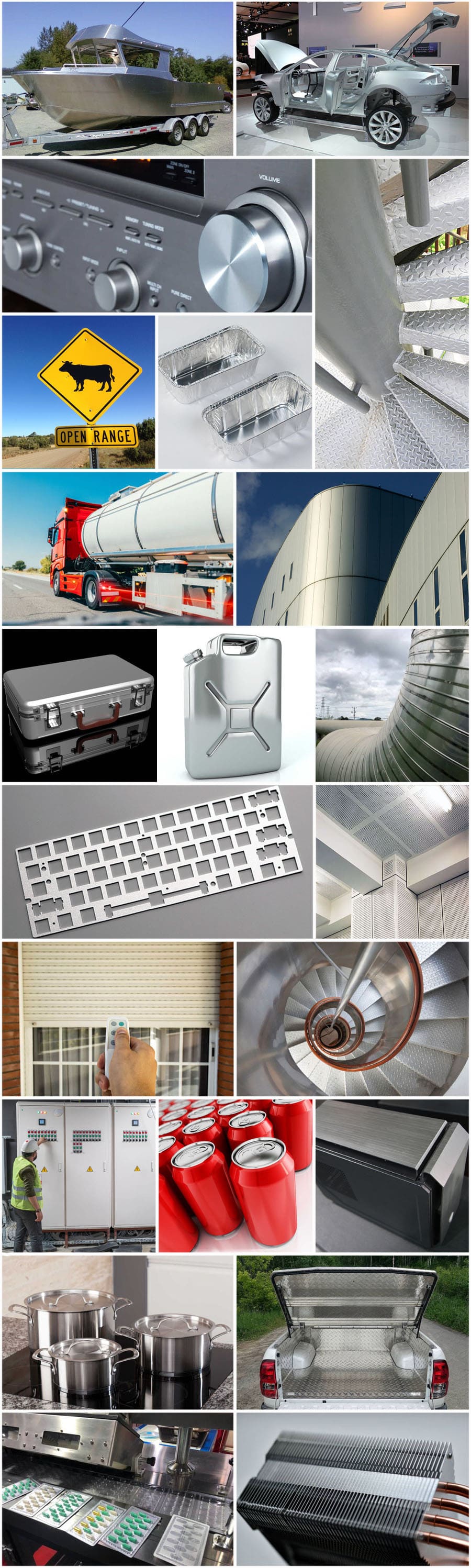
This thin aluminum sheet is a staple in industries such as HVAC for ductwork, construction for roofing and gutters, and transportation for trailer siding.
While “24 gauge” is a common industry term, for precision engineering and global procurement, specifying the exact thickness in millimeters or inches with a defined tolerance is the authoritative and professional standard.
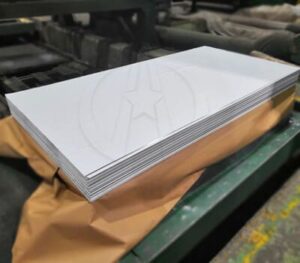
24 gauge aluminum sheet
The term “gauge” is a traditional, non-linear measurement system where a higher number corresponds to a thinner sheet.
It is crucial to note that the gauge system is material-specific. For non-ferrous metals like aluminum, the industry standard is the American Wire Gauge (AWG), also known as the Brown & Sharpe Gauge.
According to this standard:
This thickness places it firmly in the category of thin-gauge sheet metal. It is robust enough to be self-supporting in panel form but thin enough to be easily cut, bent, and formed using standard sheet metal equipment.
It is essential to differentiate this from the gauge systems used for steel, which have different thickness values for the same number.
Although 24 gauge aluminum sheets have a fixed nominal thickness (≈0.51 mm), their real-world performance is largely determined by the alloy and temper selected.
At this thin gauge, the alloy choice directly affects formability, corrosion resistance, surface quality, and allowable load.
Alloy characteristics
The 1xxx series consists of commercially pure aluminum with a minimum aluminum content of 99.0%.
These alloys are non-heat-treatable and rely on cold working for strength.
Key advantages
Limitations
Typical applications
Alloy characteristics
The 3xxx series is alloyed primarily with manganese, providing moderate strengthening while preserving good formability.
black coated 3003 aluminum sheet
Key advantages
Limitations
Typical applications
The 5xxx series is the most widely used alloy group for 24 gauge aluminum sheets where higher strength and corrosion resistance are required.
These alloys are strengthened by magnesium and are particularly suitable for outdoor and marine-related applications.
Alloy characteristics
5052 contains a moderate amount of magnesium, giving it a strong combination of strength, corrosion resistance, and formability at thin gauges.
Key advantages
Typical applications
Alloy characteristics
5754 has a slightly higher magnesium content than 5052, offering increased strength while maintaining good surface quality and corrosion resistance.
Construction used 24 gauge aluminum sheet
Key advantages
Typical applications
Alloy characteristics
6xxx series alloys are heat-treatable aluminum–magnesium–silicon alloys.
They offer higher strength levels but reduced formability compared with 3xxx and 5xxx series alloys.
Key advantages
Limitations
Typical applications
| Application Requirement | Recommended Alloy |
| Maximum formability, decorative finish | 1100 |
| General-purpose fabrication | 3003 |
| Outdoor or marine exposure | 5052 / 5754 |
| Higher strength, limited forming | 6061 |
| Lightweight enclosures | 5052 |
| Automotive interior panels | 5754 |
Below are representative property ranges for typical alloys commonly stocked in 24 gauge. These are for preliminary design and comparison only — require supplier MTC for final design.
| Alloy (typical temper) | Proof / Yield (MPa) | UTS (MPa) | Elongation (%) | Density (g/cm³) |
| 1100 (H14) | ~35–60 | ~90–115 | 10–40 | 2.70 |
| 3003 (H14) | ~80–110 | ~150–190 | 10–30 | 2.70 |
| 5052 (H32 / H34) | ~110–170 | ~200–300 | 8–20 | 2.70 |
| 5754 (H22 / H114) | ~120–185 | ~220–290 | 7–15 | 2.70 |
| 6061 (T6) | ~150–240 | ~310–420 | 8–18 | 2.70 |
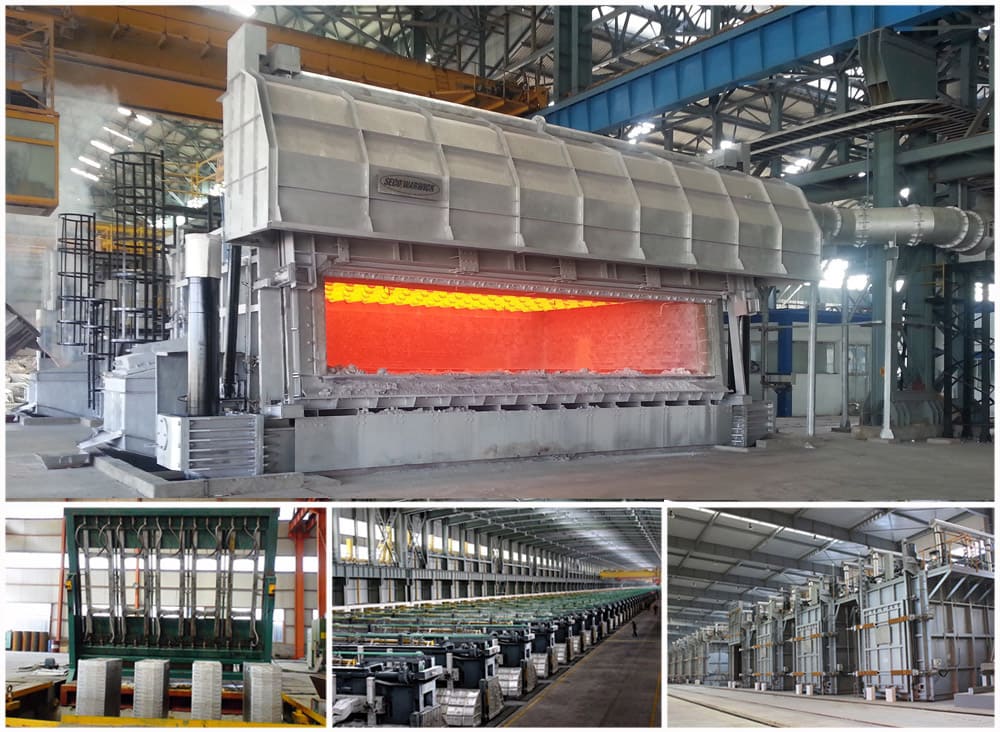
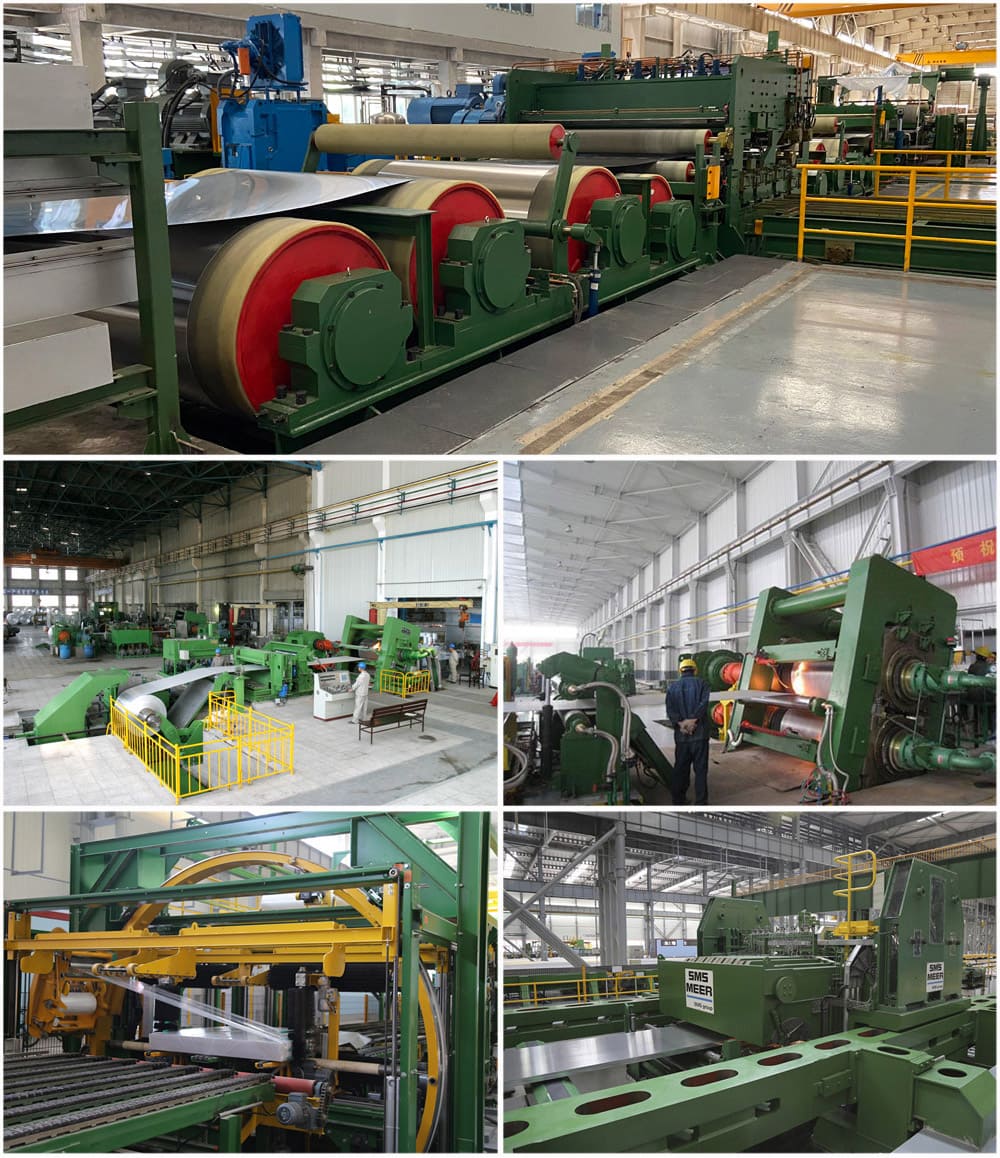
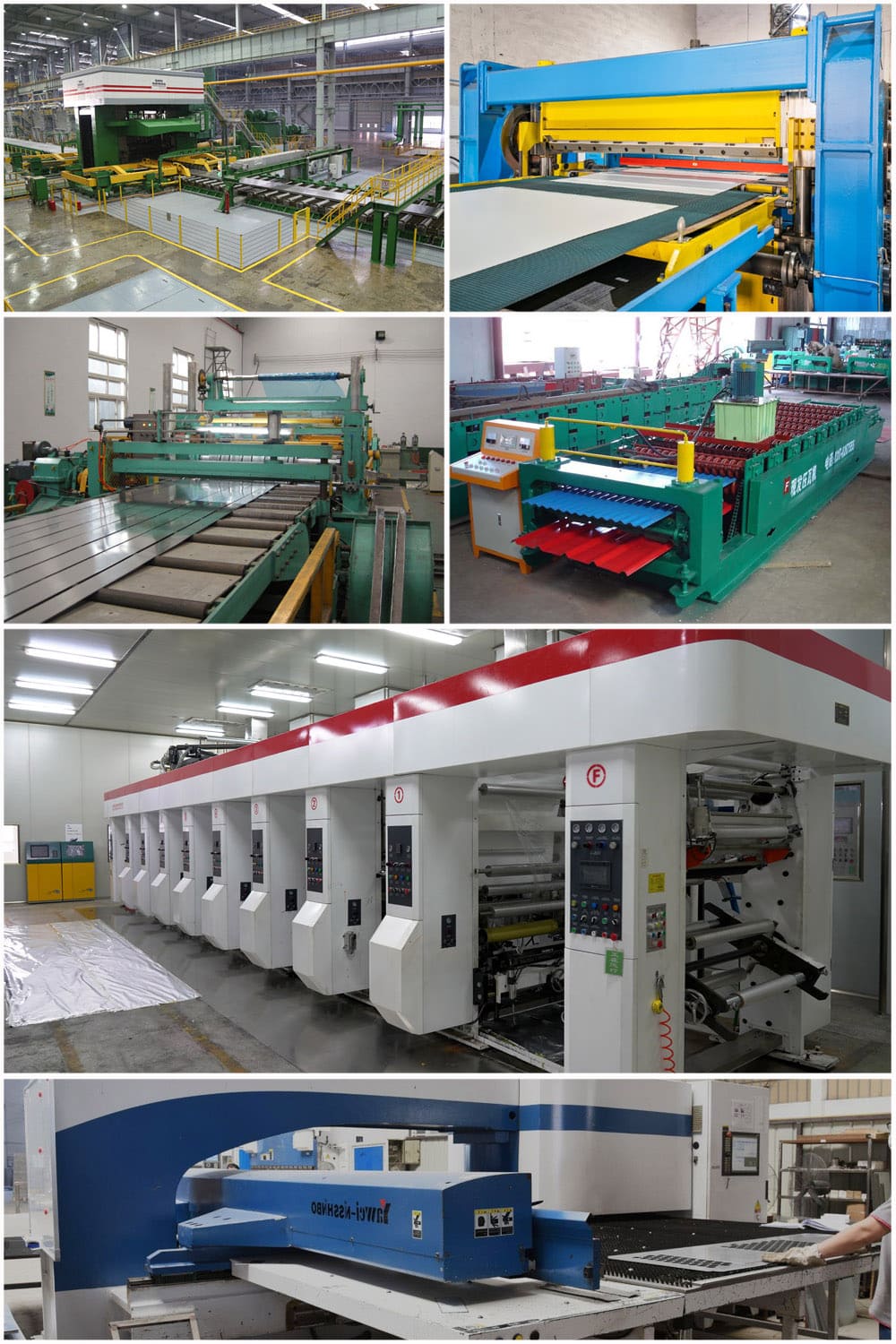
The manufacturing of 24 gauge aluminum sheets requires high-precision control, especially in the cold rolling stage, to ensure thickness uniformity.
The standard process flow is as follows:
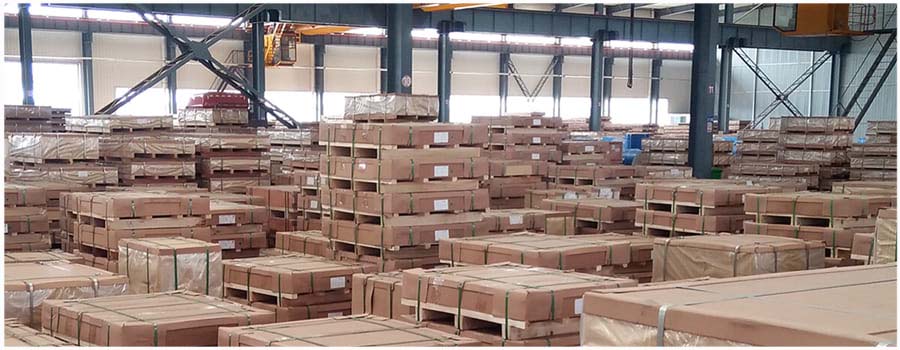
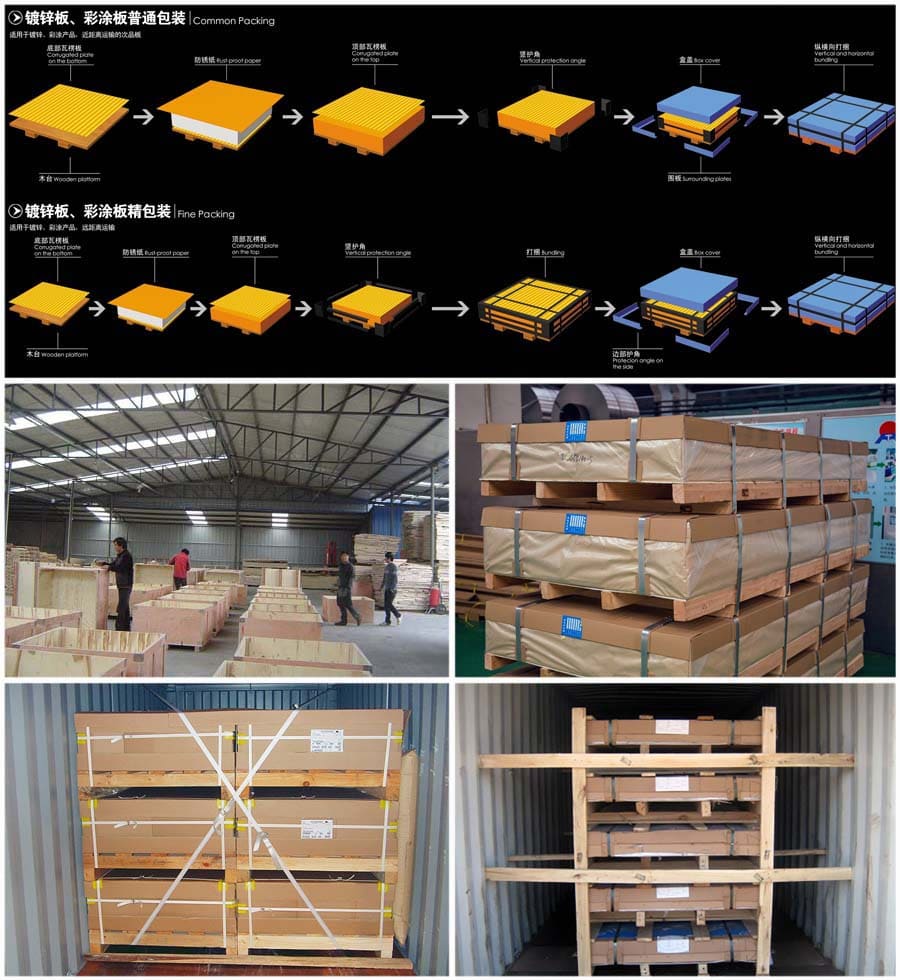
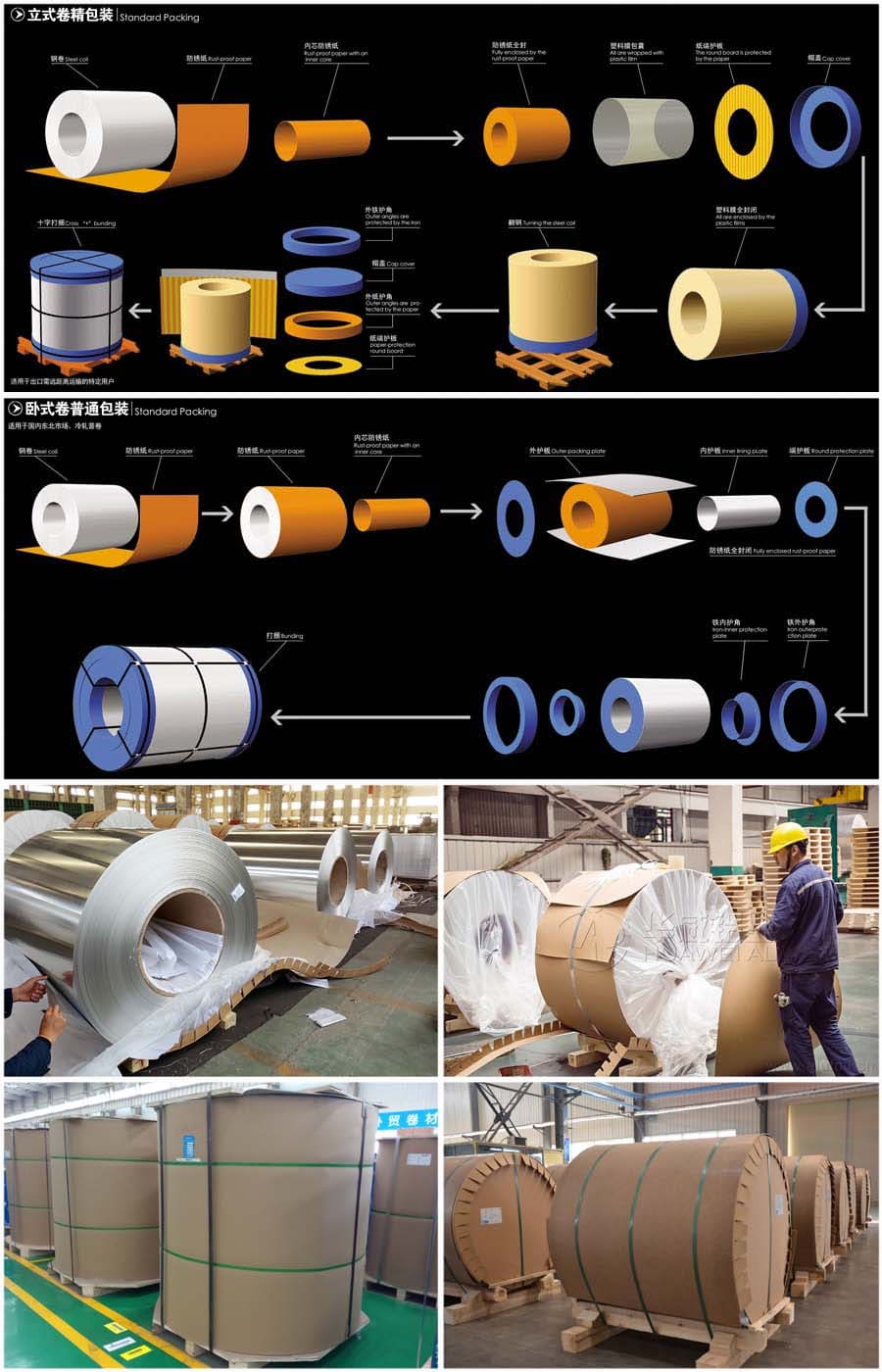
24 gauge aluminum sheet Shipping Packaging
Surface treatments enhance corrosion resistance and decorative properties, with options tailored to applications:
24 gauge aluminum sheets (≈0.51 mm thick) offer a distinctive combination of lightweight performance, manufacturability, and durability.
These advantages explain their widespread use in architectural, industrial, transportation, and consumer applications.
One of the most significant advantages of 24 gauge aluminum sheets is their low weight.
This low mass reduces:
At 24 gauge thickness, aluminum exhibits outstanding forming behavior, particularly in non-heat-treatable alloys.
Alloys such as 1100, 3003, 5052, and 5754 allow tight bends and complex geometries without extensive tooling, making 24 gauge ideal for prototypes and small-batch production.
Aluminum naturally forms a thin oxide layer that protects it from corrosion. At 24 gauge, this protection remains highly effective.
Despite aluminum’s higher per-kilogram cost compared to steel, 24 gauge aluminum sheets are economically attractive due to:
24 gauge aluminum sheets are well suited for visible and decorative components.

24 gauge aluminum sheet for HVAC
Aluminum’s inherent material properties remain advantageous even at thin gauges:
This makes 24 gauge aluminum sheets suitable for electronic housings and thermal management components.
| Application area | Typical alloys | Typical formats & thickness | Typical finish |
| Architectural trim & façades | 1100, 3003, 5754 | Cut sheets, 1.0–1.5 mm edges allowed; 0.51 mm for trim | Anodized, PVDF / powder coat, brushed |
| Signage & nameplates | 1100, 3003 | Cut sheets, printed, 0.51 mm | Painted, screen print, anodize |
| HVAC ducting & flashings | 3003, 5052 | Coil or cut sheets; lap seams, 0.51–1.0 mm | Stucco, mill |
| Electrical enclosures & panels | 5052, 6061 | Cut panels, formed boxes | Powder coat, anodize |
| Appliance panels & bezels | 3003, 5052 | Decorative panels, 0.51 mm | Brushed, painted |
| Marine interior trim & light exterior use | 5052, 5754 | Cut sheets, curved panels | Mill, anodize, paint |
| Automotive trim and interior parts | 3003, 5754 | Trim, bezels, 0.51 mm | Painted, anodize |
| Signage & displays / POS | 1100, 3003 | Cut to shape | Printed, powder coat |
| Prototyping, hobby & model work | 1100, 3003, 5052 | Small sheets, coils | Mill |
Key standards to reference when specifying 24-gauge sheet:
Procurement tip: on POs include alloy designation (e.g., 5052-H32), exact thickness in mm, surface finish, required tolerances, and MTC type (e.g., EN 10204 3.1).

Decorative aluminum sheet
Buyer checklist: confirm lead time, minimum order quantity, sample availability, quality system (ISO 9001), and any class society approvals required for marine applications.
24 gauge (0.511 mm) aluminum sheet is a cornerstone of modern sheet metal fabrication, valued for its optimal blend of light weight, excellent formability, and reliable performance.
While the term “24 gauge” is a useful industry shorthand, a professional and authoritative approach to specification demands the use of precise metric or imperial units with defined tolerances.
By selecting the correct alloy and temper, such as 3003-H14 for general use or 5052-H32 for more demanding applications, engineers and manufacturers can leverage the unique advantages of this versatile material to create efficient, durable, and cost-effective products.
Q1 — What exact thickness is 24 gauge aluminium?
A: Commonly ≈0.0201 in (≈0.5105 mm) in the U.S. sheet-metal gauge system. Because gauge charts vary, always include the metric thickness and tolerance on the drawing.
Q2 — Which alloy is best for exterior use in 24 gauge?
A: 5052 or 5754 are typical choices for exterior or marine-exposed applications due to Al–Mg chemistry that delivers good corrosion resistance.
Q3 — Can 24 gauge be welded?
A: Yes, but thin gauges are prone to burn-through and distortion. Use low heat input processes (TIG/MIG with short arcs), tack welds, backing bars, or consider adhesives and mechanical fastening where possible.
Q4 — What is a safe internal bend radius for 24 gauge?
A: As a conservative starting point, use an internal radius ≈1× thickness (≈0.5 mm) and test with the chosen alloy and temper — springback varies with temper.
Q5 — How much does 24 gauge aluminium weigh per square meter?
A: Using density 2,700 kg/m³, weight ≈ 1.38 kg/m² for 0.5105 mm thickness.
6061 aluminum sheet is an al-si-mg alloy that has been strengthened by precipitation hardening. 6061 aluminum has a high strength-to-weight ratio, above-average corrosion resistance, good machinability, and is well suited for welding.
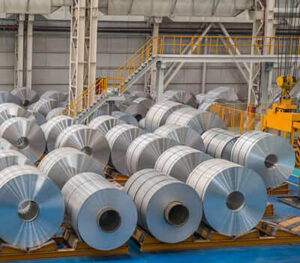
6061 aluminum coil" is an aluminum alloy that is commonly used for applications such as automotive and aerospace components, as well as for construction and industrial products. This article will explore the Properties,Benefits and Applications of 6061 aluminum coil, from its raw material form to the finished product.

Learn how non-stick aluminum foil works, its high-performance coatings, heat resistance, and benefits in food safety and sustainability. A must-read guide for chefs and manufacturers.
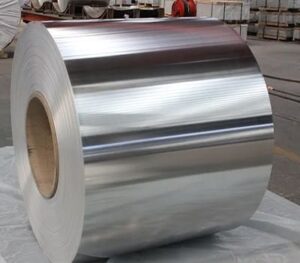
3003 h14 aluminum coil refers to h14 tempered 3003 aluminum coil.And H14 tempering usually means getting 1/2 the strength with the hardness.
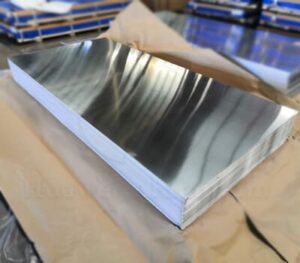
5005 aluminum sheet is a medium-strength aluminum alloy plate, which can reach medium and high strength by cold working, and it has good formability
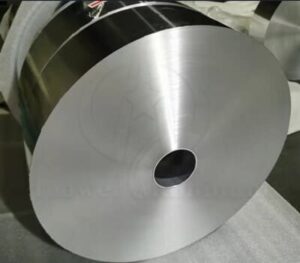
8021 aluminum foil has the characteristics of cleanliness and hygiene, and can be made into an integrated packaging material with many other packaging materials. In addition, the surface printing effect of 8021 aluminum foil is better than other materials. Therefore, 8021 aluminum foil alloy can also be used in the field of food packaging.
No.52, Dongming Road, Zhengzhou, Henan, China
Henan Huawei Aluminum Co., Ltd, One Of The Biggest Aluminum Supplier In China Henan,We Are Established In 2001,And We Have rich experience in import and export and high quality aluminum products
Mon – Sat, 8AM – 5PM
Sunday: Closed
© Copyright © 2023 Henan Huawei Aluminium Co., Ltd

Latest Comments
We need some t111 aluminium plate. We are looking for quarter inch by 4'x8' sheets
Aluminum 5754 H111 หนา 8 mm กว้าง x ยาว : 4 x 6 ฟุต
سلام بسیار عالی ،،من از ایران تماس میگیرم فویل طلا ۱۲میکرون عرض ۶۱سانت نیاز داریم حدودا هرماه ۳۵هزار متر
Dear Sales Team, I hope you are doing well. We are looking to source aluminum products from your company and would appreciate receiving your best quotation for the following: Aluminum Sheets Thickness: 2 mm, 3 mm, 4 mm, and 5 mm Please provide your available standard sheet sizes. Kindly quote the price per sheet and the price per metric ton. Aluminum Coils Thickness: 2 mm, 3 mm, 4 mm, and 5 mm Please provide your available coil widths, standard coil weights, and inner diameter specifications. Kindly quote the price per metric ton. For both sheets and coils, please include: Available alloys (e.g. 1050, 3003, 5052) Temper options Mill finish or other available surface finishes Minimum Order Quantity (MOQ) Production lead time Payment terms Please provide your quotation based on: CIF Jebel Ali Port, UAE (including sea freight), or alternatively provide both FOB China and CIF Jebel Ali Port, UAE prices. If available, please also send: Product catalogue Mill Test Certificate (MTC) sample Photos of the products and packaging. We are interested in establishing a long-term business relationship. Our initial purchase volume is expected to be 100+ metric tons, with the potential for larger and recurring orders if your pricing, quality, and service meet our requirements. Thank you for your time. We look forward to receiving your quotation and hope to build a successful long-term partnership. Best regards, Eng.Yousef
アルミハニカムパネルについてお聞きしたいのですが L1500×W700×厚みで曲げに対して200kgg耐えられるには厚みはどのくらいでしょうか ※簡単に言いますと約1000mmの側溝に渡して真ん中で200kg耐えられるかという事になります 又、そのような製品があるようでしたらその重量、価格をおしえていただけますか 現在はコンパネ板を使用してますが腐ると折れてしまい人が側溝に落ちてけがをしてます 出来ましたらメールでお返事をいただけますか