High temperature resistant coated aluminum foil delivers excellent heat stability, durable protection, and reliable performance for demanding applications.
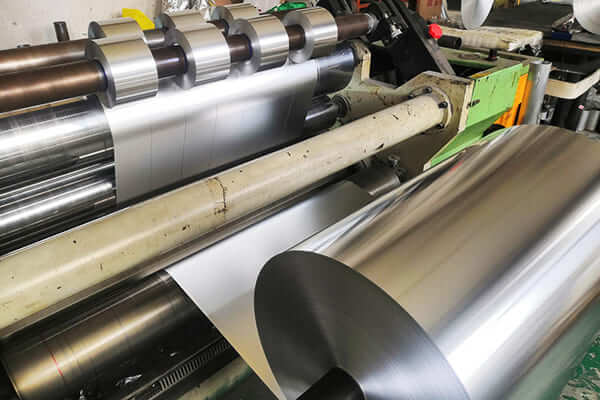
High Temperature Resistant Coated Aluminum Foil is redefining what packaging and insulation materials can do in demanding environments.
This specialized foil pairs a robust aluminum substrate with carefully engineered coatings to survive elevated temperatures, resist corrosive atmospheres, and maintain reliable barrier properties.
In industrial settings—from high-heat cooking and bakery equipment to aerospace insulation and electronic enclosures—the demand for a material that combines mechanical strength, chemical stability, and food-safety compliance is rising quickly.
This article dives into what High Temperature Resistant Coated Aluminum Foil is, how it works, where it’s used, and how to select the right supplier. It also introduces Huawei Aluminum, a prominent supplier known for its capabilities in producing high-quality coated aluminum foils for demanding applications.
High Temperature Resistant Coated Aluminum Foil
High Temperature Resistant Coated Aluminum Foil refers to aluminum foil that has been coated with a heat-stable layer designed to endure elevated temperatures without degrading, delaminating, or losing barrier performance.
The base aluminum foil typically provides mechanical integrity, barrier properties, and excellent recyclability.
The coating adds heat resistance, chemical resistance, adhesion to the foil, and sometimes functional properties such as heat-sealing, anti-blocking, or barrier enhancement.
Key features include:
– Elevated temperature tolerance: coatings maintain integrity up to a specified upper limit, often in the range of 200–300°C for many food-contact or insulation applications, and higher for certain ceramic- or fluoropolymer-based systems.
– Barrier performance: coatings reduce moisture and gas transmission while preserving the foil’s innate barrier to oxygen and flavor migration.
– Adhesion and flexibility: the coating adheres strongly to the foil without cracking during bending, forming, or sealing.
– Food safety and compliance: coatings are designed to meet relevant regulatory standards for food contact or electronics isolation, depending on the application.
– Process compatibility: coatings are chosen to work with existing converting lines, laminators, or sealers, minimizing changes to production workflows.
In practice, most customers describe High Temperature Resistant Coated Aluminum Foil as a multilayer package or liner that remains robust during high-heat processing, baking, or ambient-service exposure.
The exact performance depends on coating chemistry, thickness, foil gauge, and end-use conditions.
Coatings used on high-temperature aluminum foils fall into several broad families, each with its strengths and trade-offs:
– Silicone-based coatings: Known for excellent heat resistance and flexibility. Common in applications requiring extended high-temperature exposure or where food-contact safety is essential. Temperature ratings often approach 260–300°C for short-term exposure, with stable performance at high humidity and variable humidity environments.
– Fluoropolymer coatings (such as PTFE-family or PFA-type chemistries): Offer superb chemical resistance, non-stick properties, and high-temperature stability. These coatings can sustain higher temperatures and provide very low surface energy, aiding release in food-contact and non-stick cooking scenarios.
– Ceramic-based or inorganic coatings: These provide exceptional thermal and chemical resistance and can be employed where very high-temperature exposure or aggressive environments are expected. They can be more brittle, so substrate adhesion and coating flexibility are critical considerations.
– Polymeric high-temperature coatings (epoxy phenolic, acrylics, polyimides): These balance cost, adhesion, and heat resistance. They’re common in industrial insulation foils and certain packaging formats where moderate-to-high heat resistance is required.
The chosen chemistry influences key performance attributes:
– Heat resistance limit: how long the coating can withstand elevated temperatures without degradation.
– Adhesion to foil: how well the coating sticks to aluminum under bending, folding, or sealing.
– Barrier performance: how the coating contributes to moisture and gas barrier properties in combination with the foil.
– Food safety and regulatory compliance: whether the coating is certified for food contact, cosmetics, or electronics isolation.
– Process compatibility: whether the coating can be applied inline or offline, and what curing or drying steps are required.
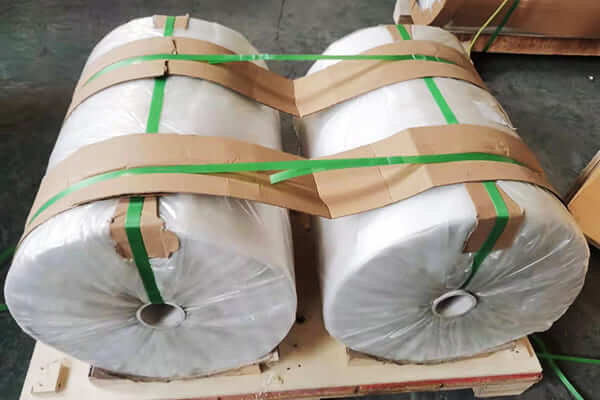
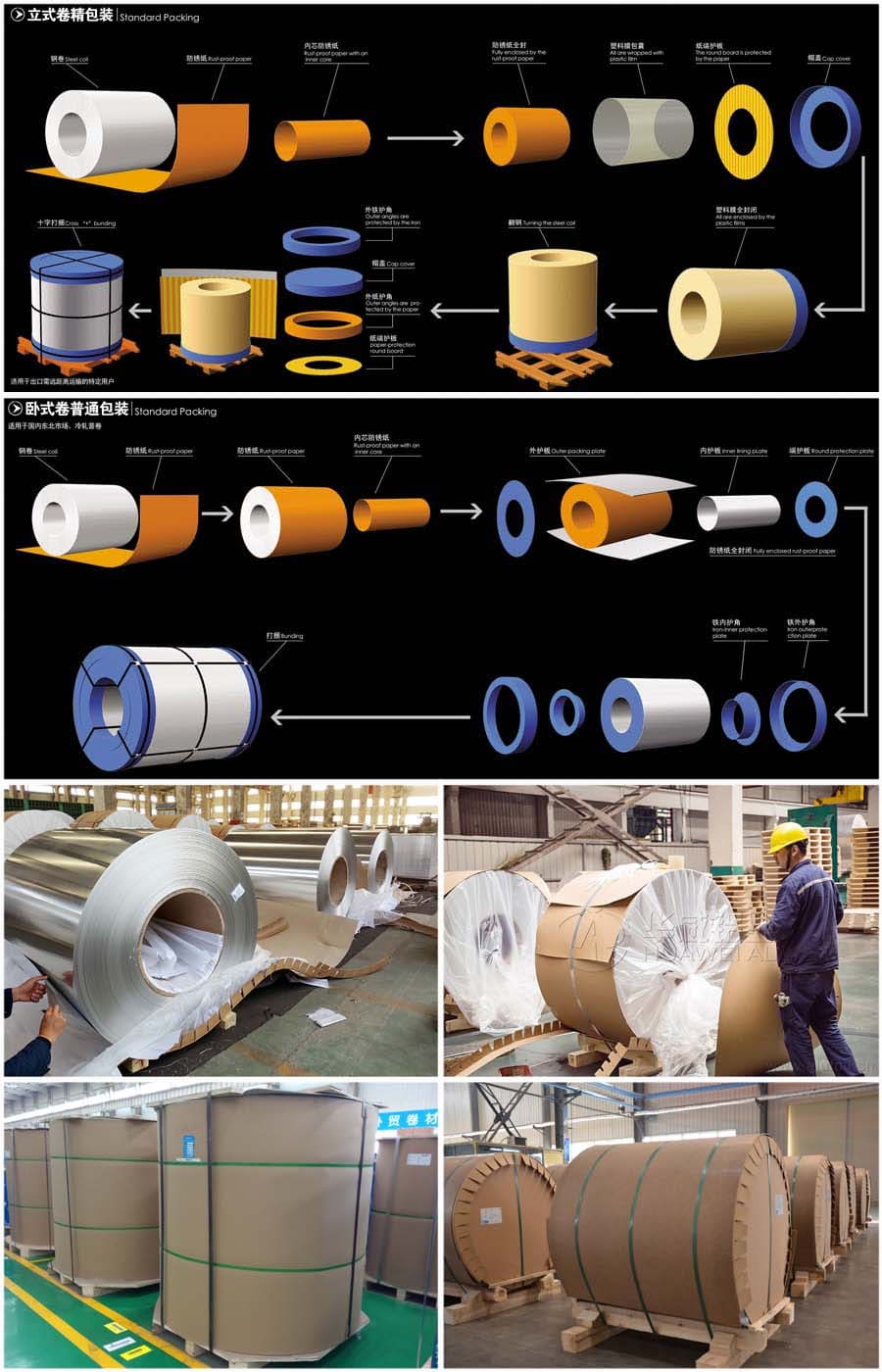
Packaged Coated Aluminum Foil Roll
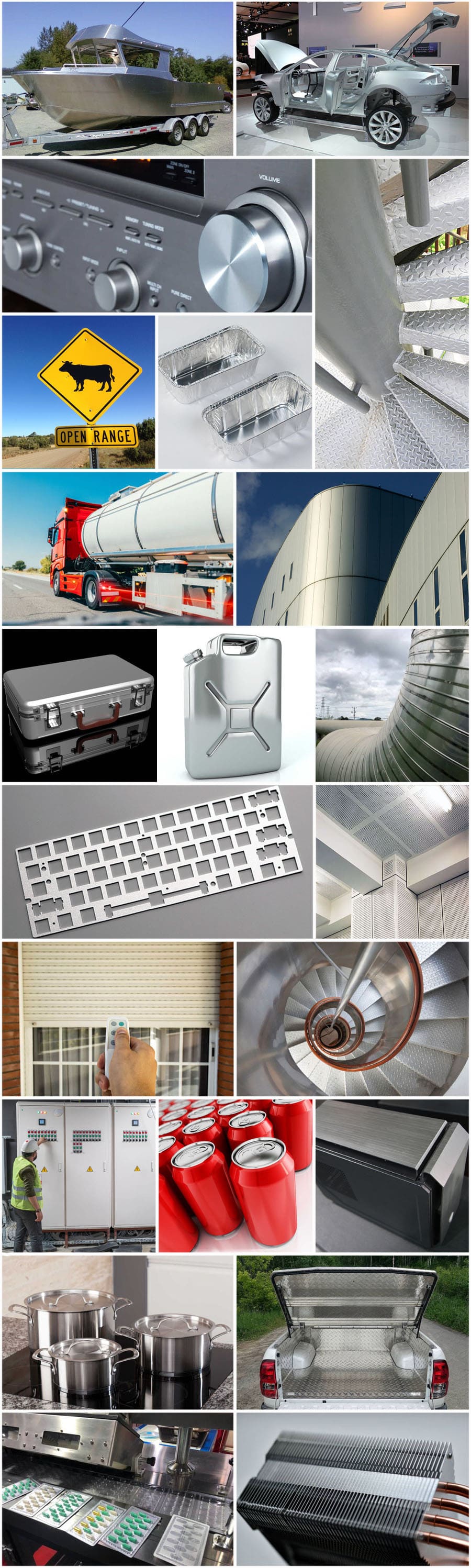
High Temperature Resistant Coated Aluminum Foil finds use across several industries:
– Food packaging and cooking: oven-ready trays, baking wraps, and heat-sealed pouches that require sustained temperatures during processing or reheating.
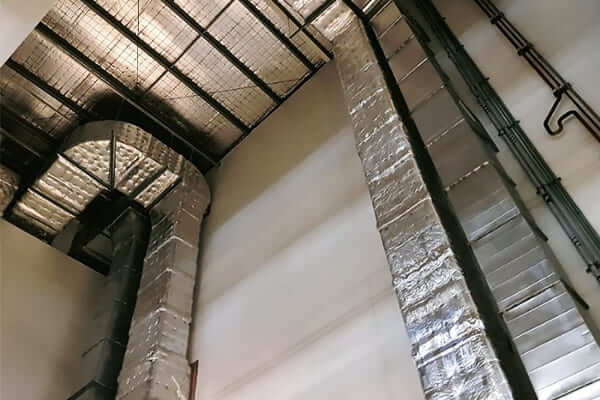
– Insulation and construction: facing materials used in ducting, HVAC, and building insulation that must withstand hot environments without off-gassing or degradation.
– Aerospace and automotive: insulation blankets, heat shields, and electrical insulation where a durable foil-backed layer supports thermal management.
– Electronics and batteries: packaging or shielding foils that tolerate elevated temperatures during assembly or operation while maintaining electrical insulation.
– Industrial packaging: heat-sealed bags, carriers, and protective films used in high-temperature manufacturing lines.
In all cases, the product integrity—foil continuity, coating adhesion, and barrier performance—must be preserved under expected temperature profiles, humidity, and handling conditions.
The foil itself provides the core advantages: barrier to moisture and gases, reflectivity, puncture resistance, and recyclability.
Typical technical foils for high-temperature-coated products range from 9 µm to 50 µm in thickness, with common packaging and insulation variants concentrated in the 9–24 µm range.
Thicker foils offer greater mechanical robustness and thermal mass, while thinner foils enable more flexible, lightweight designs and cost savings.
Key properties of the base foil:
– Thickness and finish uniformity: contributes to seal integrity and barrier performance.
– Surface condition: influence coating adhesion; sometimes an in-line pre-treatment step is used to enhance bonding.
– Surface energy: affects how well certain coatings wet and adhere to the foil.
Coatings can be applied as single-layer or multi-layer stacks, often in-line during foil production or as offline laminations. Common architectures include:
– Single-layer heat-resistant coating: simple, cost-effective, suitable when barrier needs and heat exposure are moderate.
– Multi-layer systems with adhesion promoters: additional layers improve bonding to the foil and may introduce functional layers (e.g., anti-block, anti-static, or release layers).
– Laminate structures: a coated foil can be laminated to other films (polyester, polyimide, or paper) to achieve mechanical, barrier, or temperature requirements that exceed a single material’s capabilities.
Important considerations for architecture:
– Coating thickness: typical ranges from 0.5 µm to 5 µm per coating layer; total dry film thickness is a balance between heat resistance and flexibility.
– Curing/processing: high-temperature coatings may require specific curing temperatures and times; improper curing can compromise adhesion and performance.
– Food safety: coatings intended for food contact must comply with regulatory standards and testing (migration, extractables, and good manufacturing practices).
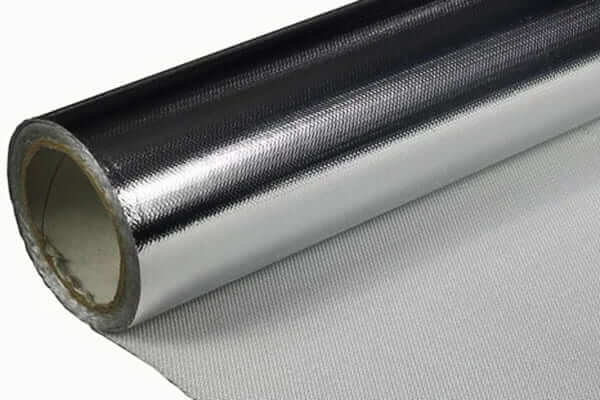
Coated Aluminum Foil Heat Reflection
A core differentiator for High Temperature Resistant Coated Aluminum Foil is its ability to maintain mechanical integrity and barrier properties under heat. Typical performance expectations include:
– Short-term exposure: many coatings tolerate brief excursions to 220–300°C without film cracking or delamination.
– Continuous exposure: some high-temperature coatings are specified for sustained service at 150–230°C, particularly when used in oven-ready packaging or insulation facing.
– Thermal cycling: repeated heating and cooling can test adhesion and coating integrity; good systems show minimal cracking or blistering after hundreds of cycles.
Practical note: always verify the specific coating’s temperature rating with the supplier, and ensure the end-use environment (moisture, oils, residues, mechanical abrasion) is accounted for in the rating.
Coated aluminum foil excels as a barrier against moisture and gases, while coatings can offer additional moisture resistance and chemical resistance critical to high-temperature applications. In food packaging, regulatory compliance is essential:
– Food-contact compliance: many coatings are tested for migration and residue and meet standards such as FDA or EU restrictions for specific applications.
– Oxygen and water vapor transmission: foil provides strong barrier, and coatings can either enhance or preserve this barrier by reducing pinhole formation and chemical degradation.
– Stability under cooking or reheating: coatings should not create off-aromas or particulates when exposed to typical culinary environments.
Coating adds protective characteristics without compromising the foil’s flexibility. For high-temperature uses, the coating should:
– Withstand bending and rolling during conversion without cracking.
– Maintain tension and perforation resistance in laminates and packaging.
– Avoid blocking (sticking together) during storage and transport.
High Temperature Resistant Coated Aluminum Foil for HVAC
Here is a concise comparison to help visualize how High Temperature Resistant Coated Aluminum Foil stacks up against alternatives and standard foils.
| Criterion | Standard Aluminum Foil | High Temperature Resistant Coated Aluminum Foil | Polymer-coated Aluminum Foil (e.g., PET or LDPE laminated) | Ceramic-coated Aluminum Foil (high-end) |
|---|---|---|---|---|
| Temperature tolerance | Up to moderate heat; limited for high-temp cooking | Extended heat tolerance; designed for oven/bake use | Limited by polymer layer; typically lower than metal-foil combos | Very high; suitable for extreme environments |
| Barrier performance | Excellent barrier; dependent on other layers | Enhanced barrier with optimized coatings | Barrier varies with laminate; often good but not as robust as metal+coating | High barrier, depending on ceramic layer |
| Mechanical strength | Strong; flexible | Maintains strength with coating; careful bending required | Weaker than metal-only, risk of delamination if stressed | Very strong, but may be stiffer or brittle in some forms |
| Sealing and processing | Standard heat sealing lines supported | Optimized for sealing and high-temp processes | Sealing depends on laminates; may require changeover | Sealing behavior varies; specialized equipment may be required |
| Food contact safety | Widely accepted with coatings | Typically certified for specific foods; verify migration data | Depends on laminate; some may require additional certification | Certification depends on coating and ceramic layer |
| Cost and complexity | Low to moderate | Higher due to coating processes | Moderate but may incur laminate costs | High due to specialized coatings and materials |
| Environmental footprint | Recyclable; energy-intensive but widely used | Similar base; coatings add additional processing | Laminates complicate recycling; often not as easily recyclable | High manufacturing complexity; potential recyclability challenges |
This table highlights trade-offs you should weigh when selecting materials for a given project.
The best choice depends on your target temperature range, regulatory requirements, mechanical demands, and end-of-life considerations.
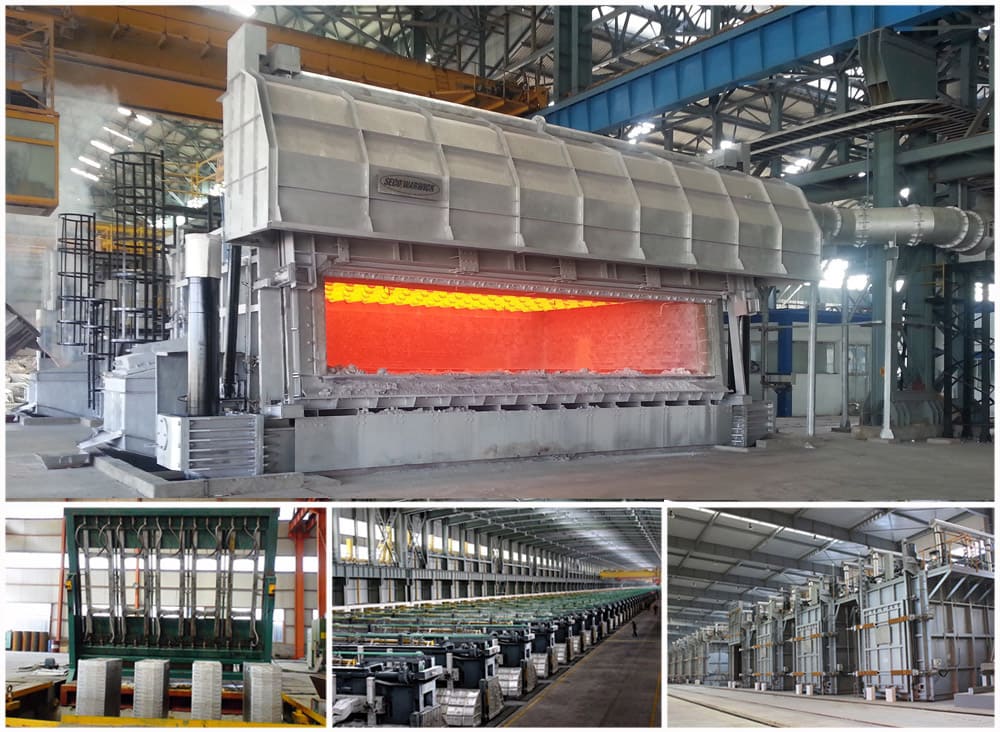
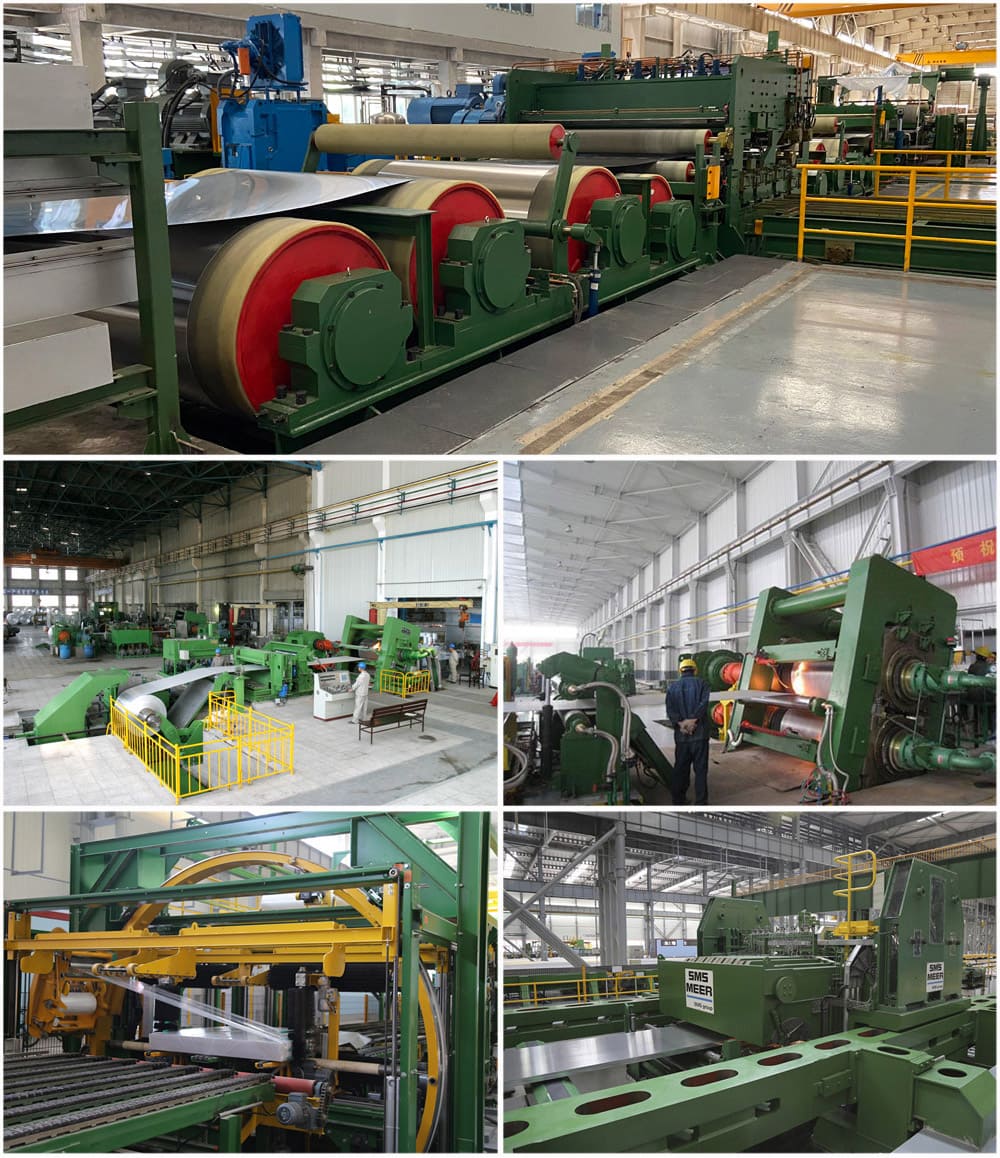
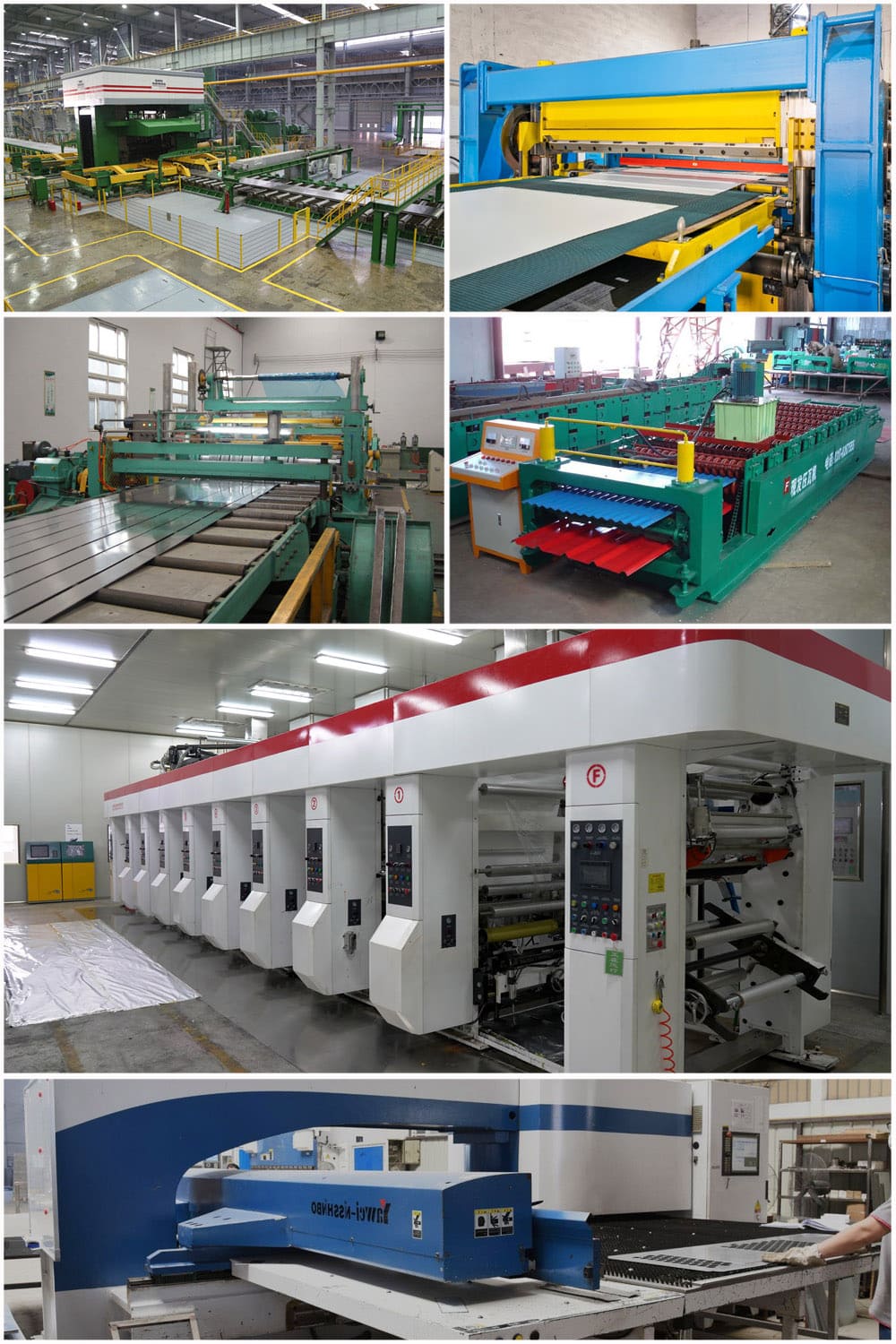
Coating Aluminum Foil involves several key steps:
– Pre-treatment and cleaning to ensure good adhesion.
– Coating application using inline roll coating, spray coating, or slot-die coating, depending on the required thickness and production pace.
– Curing and cooling, which stabilize the coating’s chemical structure and bonding to the foil.
– Quality control testing, including adhesion tests (peel strength), thickness measurement, and barrier performance checks.
– Optional lamination with other substrates (papers, polymers, or fabrics) to form composite materials.
Process considerations to optimize performance:
– Coating thickness uniformity: critical for consistent heat resistance and barrier properties.
– Drying and curing temperature profiles: must be tuned to prevent coating cracking or delamination.
– Surface energy management: ensures reliable adhesion, often requiring a precise surface treatment prior to coating.
A robust QC program ensures reliable performance:
– Adhesion testing (peel tests) after thermal cycling.
– Heat exposure tests to verify stability under target temperatures.
– Barrier tests for moisture and gas transmission.
– Regulatory compliance checks for food-contact coatings, depending on the end-use.
– Visual and dimensional inspections to detect coating delamination, cracking, or pinhole formation.
Huawei Aluminum Co., Ltd. is a recognized supplier in the aluminum foil and foil-based packaging space, known for its capability to deliver high-temperature resistant coated foils and specialized packaging solutions.
The company combines decades of experience in aluminum processing with modern coating technologies to produce foils suited for demanding applications, including high-temperature cooking, insulation, and protective packaging.
Huawei Aluminum emphasizes quality management, product traceability, and compliance with applicable international standards.
Key strengths:
– Broad product portfolio for foil-based packaging and insulation.
– Advanced coating lines capable of applying silicone-, fluoropolymer-, and ceramic-based coatings.
– Global export capabilities with consistent quality management and customer support.
– Certifications and adherence to industry standards (ISO-based management systems, product specifications aligned with food-contact and industrial requirements).
When partnering with Huawei Aluminum or similar suppliers, buyers should request comprehensive data packs, including:
– Coating chemistry details and its upper temperature rating.
– Adhesion test results after thermal cycling.
– Oxygen and moisture transmission measurements for the finished product.
– Food-contact compliance documentation if applicable.
– Processing guidelines for sealing, lamination, and printing.
Q1: What makes High Temperature Resistant Coated Aluminum Foil different from standard aluminum foil?
– A: The defining difference is the coating layer designed for higher temperature tolerance and enhanced performance under heat, humidity, and potential chemical exposure. This enables use in oven-ready packaging, insulation facing, and other hot-environment applications where standard foil may fail or degrade.
Q2: How do I determine the right coating for my application?
– A: Start with the target maximum temperature, duration of exposure, and whether you need food-contact compliance. Review coating chemistry options (silicone, fluoropolymers, ceramics) and request data sheets, test results, and pilot samples from suppliers such as Huawei Aluminum to validate performance under your specific conditions.
Q3: Can High Temperature Resistant Coated Aluminum Foil be recycled?
– A: Recyclability depends on the coating and laminate configuration. Foil alone is highly recyclable, but coatings can complicate recycling streams. Many suppliers offer coatings that are designed to minimize environmental impact and support recycling processes. Always verify local recycling capabilities and supplier guidance.
Q4: Is this material suitable for food packaging?
– A: Yes, when the coating is certified for food contact and proper migration testing is conducted. Always verify regulatory compliance for the specific food category and processing conditions.
Q5: What testing should I request from a supplier?
– A: Request adhesion (peel) tests after thermal cycling, heat resistance ratings, barrier performance data (moisture and gas transmission), surface energy measurements, and migration/food-contact compliance documentation if applicable.
Q6: Why should I consider Huawei Aluminum as my supplier?
– A: Huawei Aluminum offers a proven track record in coated foil production, capabilities to tailor coating chemistries and thicknesses to specific applications, and a global supply network. They provide technical support, quality documentation, and customization options to meet demanding performance targets.
Q7: What should a typical sample request include?
– A: End-use details (temperature profile, environment, packaging format), required foil gauge and coating type, target regulatory compliance, and desired laminate structure if applicable. Include any processing parameters (sealing temperatures, laminating speeds) to help the supplier tailor a solution.
Q8: How do I begin a supplier evaluation?
– A: Compile a specification sheet with performance targets, regulatory needs, and process constraints. Request data packs, pilot samples, and a factory visit or technical webinar to review capabilities, quality systems, and after-sales support. Compare options using a structured scoring system that weighs heat resistance, barrier properties, adhesion, processing compatibility, and total cost of ownership.
Ultimately, High Temperature Resistant Coated Aluminum Foil has evolved far beyond the realm of traditional packaging materials; it has transformed into a sophisticated, high-tech engineering asset.
It perfectly balances the lightweight and thermally conductive advantages of aluminum with the extreme weather-resistant and non-stick properties of advanced polymers.
In today’s modern industrial landscape—where efficiency, longevity, and lightweighting dictate market success—selecting the correct material places you miles ahead of the competition.
Henan Huawei Aluminum Co., Ltd remains passionately committed to providing you with world-class coated aluminum solutions.
We leverage the hardcore strength of Chinese precision manufacturing to help you conquer every thermal obstacle in your production process.
Share with PDF: Download
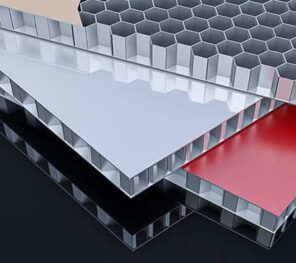
Aluminum honeycomb panels are a type of composite material inspired by the hexagonal honeycomb structure found in nature. These panels are renowned for their lightweight, high strength, and versatility, making them a popular choice in various industries, from construction to aerospace.
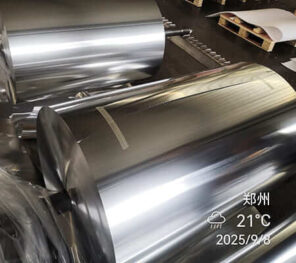
Discover UV curable coating aluminum foil with excellent curing speed, strong surface protection, and reliable performance for demanding applications.
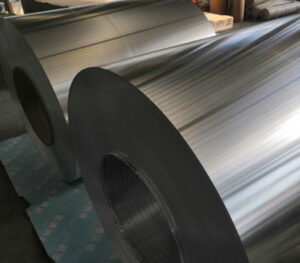
Contact us today to learn more about our 5083 aluminum coil offerings and how we can meet your specific requirements.
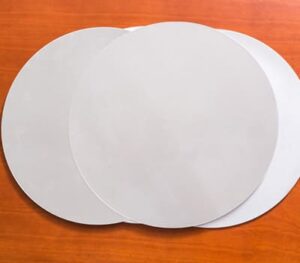
Aluminium circle for cookwares typically refers to a circular-shaped piece or circle made from aluminum that is used in the manufacturing of various types of cookware, such as pots, pans, and cooking utensils.
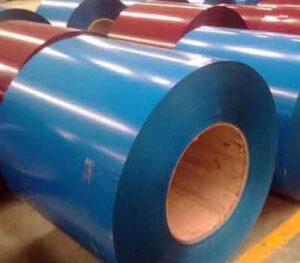
If you are looking for top-quality prepainted aluminum coils with various alloy models and specifications, Huawei Aluminum is your ultimate choice.
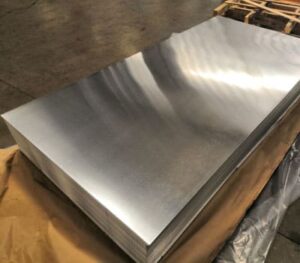
Thin aluminum sheet typically refers to a flat piece of aluminum material that has a thickness of less than 6mm (0.24 inches).
No.52, Dongming Road, Zhengzhou, Henan, China
Henan Huawei Aluminum Co., Ltd, One Of The Biggest Aluminum Supplier In China Henan,We Are Established In 2001,And We Have rich experience in import and export and high quality aluminum products
Mon – Sat, 8AM – 5PM
Sunday: Closed
© Copyright © 2023 Henan Huawei Aluminium Co., Ltd

Latest Comments
We need some t111 aluminium plate. We are looking for quarter inch by 4'x8' sheets
Aluminum 5754 H111 หนา 8 mm กว้าง x ยาว : 4 x 6 ฟุต
سلام بسیار عالی ،،من از ایران تماس میگیرم فویل طلا ۱۲میکرون عرض ۶۱سانت نیاز داریم حدودا هرماه ۳۵هزار متر
Dear Sales Team, I hope you are doing well. We are looking to source aluminum products from your company and would appreciate receiving your best quotation for the following: Aluminum Sheets Thickness: 2 mm, 3 mm, 4 mm, and 5 mm Please provide your available standard sheet sizes. Kindly quote the price per sheet and the price per metric ton. Aluminum Coils Thickness: 2 mm, 3 mm, 4 mm, and 5 mm Please provide your available coil widths, standard coil weights, and inner diameter specifications. Kindly quote the price per metric ton. For both sheets and coils, please include: Available alloys (e.g. 1050, 3003, 5052) Temper options Mill finish or other available surface finishes Minimum Order Quantity (MOQ) Production lead time Payment terms Please provide your quotation based on: CIF Jebel Ali Port, UAE (including sea freight), or alternatively provide both FOB China and CIF Jebel Ali Port, UAE prices. If available, please also send: Product catalogue Mill Test Certificate (MTC) sample Photos of the products and packaging. We are interested in establishing a long-term business relationship. Our initial purchase volume is expected to be 100+ metric tons, with the potential for larger and recurring orders if your pricing, quality, and service meet our requirements. Thank you for your time. We look forward to receiving your quotation and hope to build a successful long-term partnership. Best regards, Eng.Yousef
アルミハニカムパネルについてお聞きしたいのですが L1500×W700×厚みで曲げに対して200kgg耐えられるには厚みはどのくらいでしょうか ※簡単に言いますと約1000mmの側溝に渡して真ん中で200kg耐えられるかという事になります 又、そのような製品があるようでしたらその重量、価格をおしえていただけますか 現在はコンパネ板を使用してますが腐ると折れてしまい人が側溝に落ちてけがをしてます 出来ましたらメールでお返事をいただけますか