Find corrosion-resistant 16 gauge aluminum diamond plate with superior traction. Perfect for marine, automotive, and workshop use — custom cuts available.


Aluminum diamond plate has become a staple in industries that demand strength, style, and safety in one package. Among the many options on the market, 16 gauge aluminum diamond plate strikes a compelling balance between durability, weight, cost, and workability.
This article takes a deep dive into what makes 16 gauge aluminum diamond plate so versatile and effective. You’ll learn how it performs in real-world environments, how it compares to other gauges and materials, where it works best, and what to look for when choosing a supplier—highlighting the capabilities of Huawei Aluminum, a specialist in aluminum sheet and plate production.
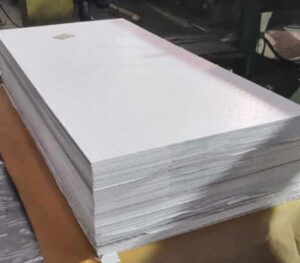
Huawei 16 Gauge Aluminum Diamond Plate
In metalworking, “gauge” refers to thickness. For aluminum, 16 gauge is approximately:
Exact thickness can vary slightly by standard and manufacturer, but this value is widely accepted in North American markets.
In practical terms, 16 gauge aluminum diamond plate is:
It occupies a sweet spot between lightweight utility and heavy-duty resilience.
“Diamond plate” (also known as tread plate, checker plate, or chequered plate) refers to an aluminum sheet with a raised pattern of diamonds or lines on one side. This pattern:
The raised pattern is typically rolled into the plate during production, forming a permanent texture.
Aluminum Diamond Plate Surface Display
Most 16 gauge aluminum diamond plate comes in a few common alloys, each with different strengths:
3003-H22 / H24
Huawei Aluminum produces diamond plates in multiple alloys, especially 3003 and 5052, enabling customers to match alloy choice to performance needs rather than relying on a single “one-size-fits-all” option.
While exact values depend on alloy and temper, 16 gauge aluminum diamond plate typically offers:
| Property | Typical Value (3003-H22) | Typical Value (5052-H32) |
| Thickness | ~1.6 mm (0.063″) | ~1.6 mm (0.063″) |
| Density | ~2.73 g/cm³ | ~2.68 g/cm³ |
| Yield Strength | ~110 MPa (16 ksi) | ~193 MPa (28 ksi) |
| Ultimate Tensile Strength | ~145 MPa (21 ksi) | ~228 MPa (33 ksi) |
| Elongation at Break | ~10–20% | ~10–20% |
| Modulus of Elasticity | ~70 GPa | ~70 GPa |
| Melting Point | ~643–654°C | ~607–650°C |
| Coefficient of Thermal Expansion | ~23.6 µm/m·K | ~23.8 µm/m·K |
These properties translate into a material that can flex slightly under load without cracking, withstand moderate impact, and resist long-term fatigue under everyday use.
The raised diamond pattern adds stiffness to the plate, especially in bending. Under typical load scenarios:
For frequent pedestrian use, 16 gauge often performs well in:
For industrial floors, engineers typically review load tables, consider deflection limits, and choose the plate thickness and alloy accordingly.
Bending Test of Aluminum Diamond Plate
Compared to thicker plates, 16 gauge offers:
For example, a 4′ x 8′ sheet of 16 gauge aluminum diamond plate typically weighs around 40–45 lb, while a steel plate with similar strength could weigh more than 100 lb. That difference matters in:
The raised diamond pattern provides enhanced traction, especially when surfaces get wet or oily.
Studies on textured metal surfaces show a reduction in slip incidents when compared with smooth metal, particularly in industrial environments where contaminants are common.
Applications where this matters:
While no surface is fully “slip-proof,” diamond plate significantly improves friction over flat aluminum sheets or painted steel without texture.
One of the most important advantages of 16 gauge aluminum diamond plate, especially in 5052 alloy, is its resistance to corrosion:
This corrosion resistance reduces:
The iconic look of aluminum diamond plate delivers both function and style:
Designers use 16 gauge aluminum diamond plate in retail, hospitality, and residential contexts when they want a “technical” or “industrial chic” feel.
16 Gauge Aluminum Diamond Plate for Truck Beds
Thinner aluminum diamond plates, such as 18 or 20 gauge, weigh less and cost less per sheet, but they have trade-offs.
16 gauge advantages:
Thinner gauge advantages:
Use 16 gauge when you expect physical loads, not just aesthetics.
Thicker diamond plates deliver significantly higher load capacity.
Thicker plate advantages:
16 gauge advantages:
For heavy industrial floors and loading docks, thicker plates often make sense. For trucks, stairs, and interior surfaces, 16 gauge usually hits the sweet spot.
Steel diamond plate is another popular choice, especially in industrial settings. However, aluminum and steel differ in important ways:
| Feature | 16 Gauge Aluminum Diamond Plate | Steel Diamond Plate |
| Density | ~2.7 g/cm³ | ~7.85 g/cm³ |
| Corrosion Resistance | Excellent (especially 5052) | Requires coatings or galvanizing |
| Weight | About 1/3 weight of steel | Much heavier |
| Workability | Easy to cut and form | Harder to cut; heavier to handle |
| Magnetic | Non-magnetic | Magnetic |
| Surface Appearance | Bright, reflective | Duller unless polished or coated |
| Cost per kg | Higher than steel | Lower per kg but heavier per application |
For weight-sensitive and corrosion-critical applications, 16 gauge aluminum diamond plate usually outperforms steel. For extremely heavy loads where weight is less of an issue and budgets are tight, steel may still be preferred.
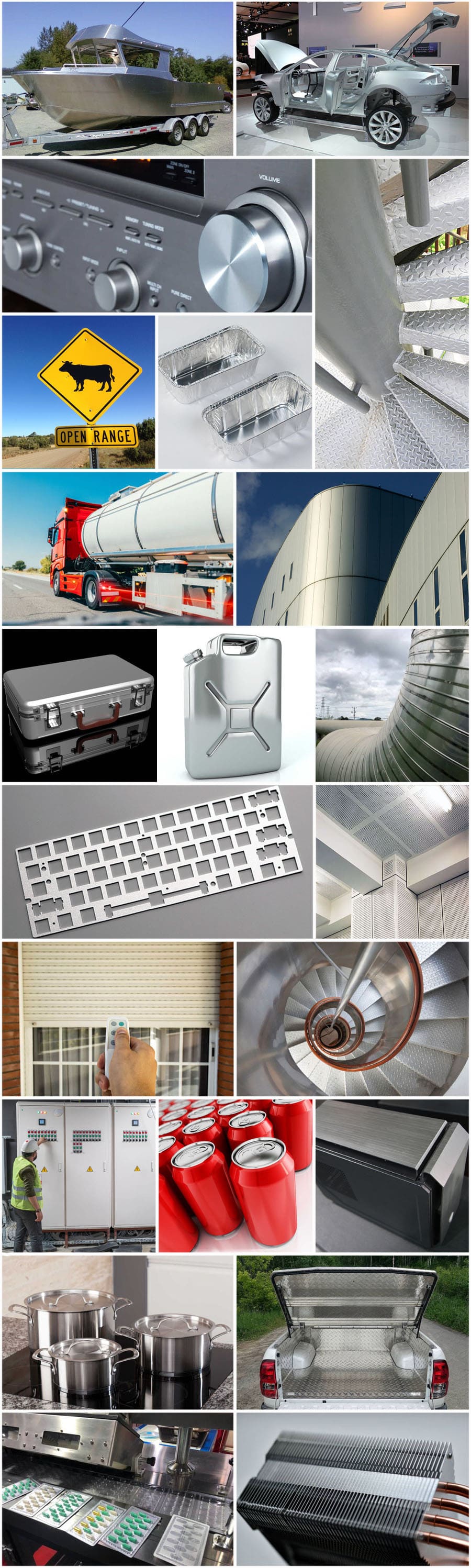
16 gauge aluminum diamond plate sees extensive use in the automotive and transport sectors:
Fleet operators often choose 16 gauge for its combination of durability and fuel savings over the vehicle’s life.

Container Used Aluminum Diamond Plate
Manufacturing plants, warehouses, and commercial buildings use 16 gauge diamond plate in multiple ways:
Its resistance to corrosion and wear reduces long-term maintenance efforts, especially in environments with moisture, oils, or cleaning chemicals.
Aluminum diamond plate, particularly in 5052 alloy, performs well in marine settings:
The combination of non-slip texture and saltwater resistance makes it a strong choice where steel would rust quickly and need aggressive protection.
Beyond purely functional roles, 16 gauge aluminum diamond plate appears in architecture and interior design:
Designers often use it when they want a robust surface that also makes a visual statement.
Homeowners and DIY enthusiasts use 16 gauge aluminum diamond plate for:
Its ease of cutting and drilling means many projects remain accessible using basic tools, especially in thinner sheets and with proper safety practices.
5052
6061
A supplier like Huawei Aluminum helps customers choose the alloy that best fits their environment and usage, rather than offering a generic solution.
Mill Finish
Polished Finish
Anodized Finish
Powder Coated or Painted
Even within “diamond plate,” pattern size and distribution vary:
Additionally, some users specify flat-back vs pattern-back sheets depending on whether they need a completely flat underside for secure bonding to substrates.
The performance of 16 gauge aluminum diamond plate depends not only on alloy and thickness but also on:
Subpar plate can warp, crack, or fail under load, and inconsistent patterns may compromise both aesthetics and slip resistance.
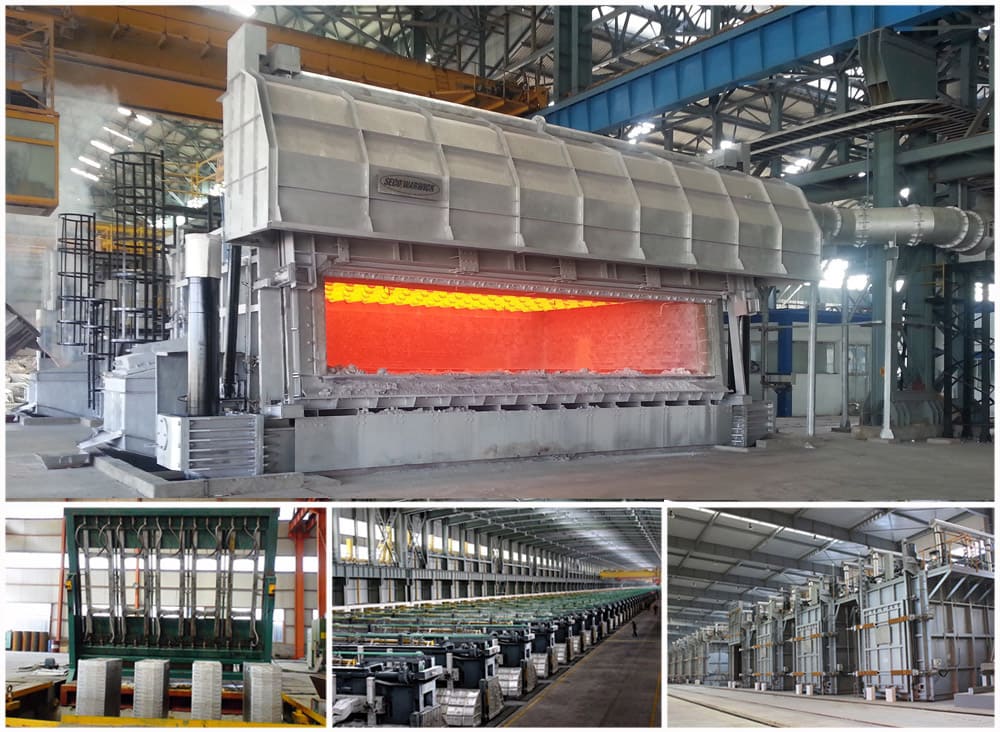
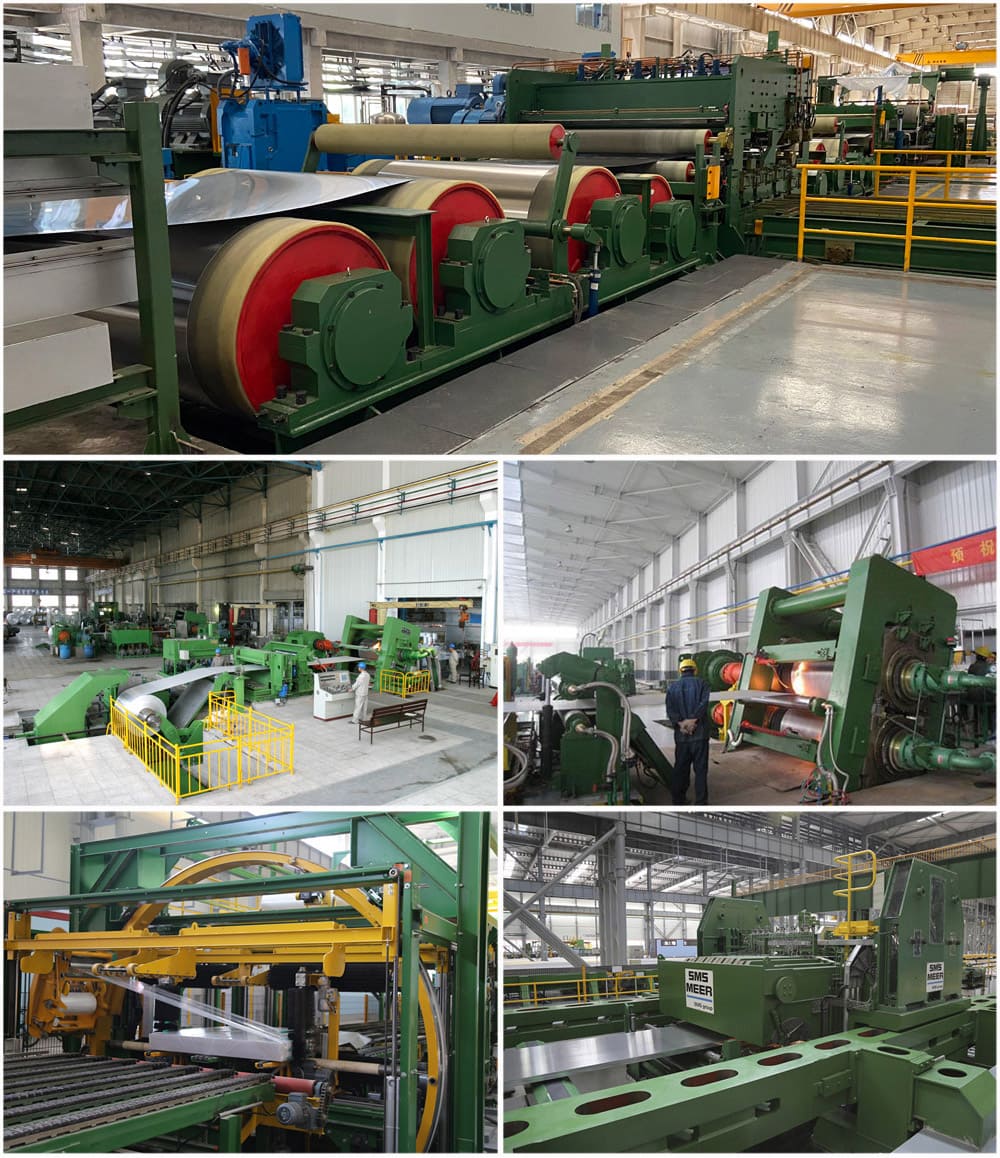
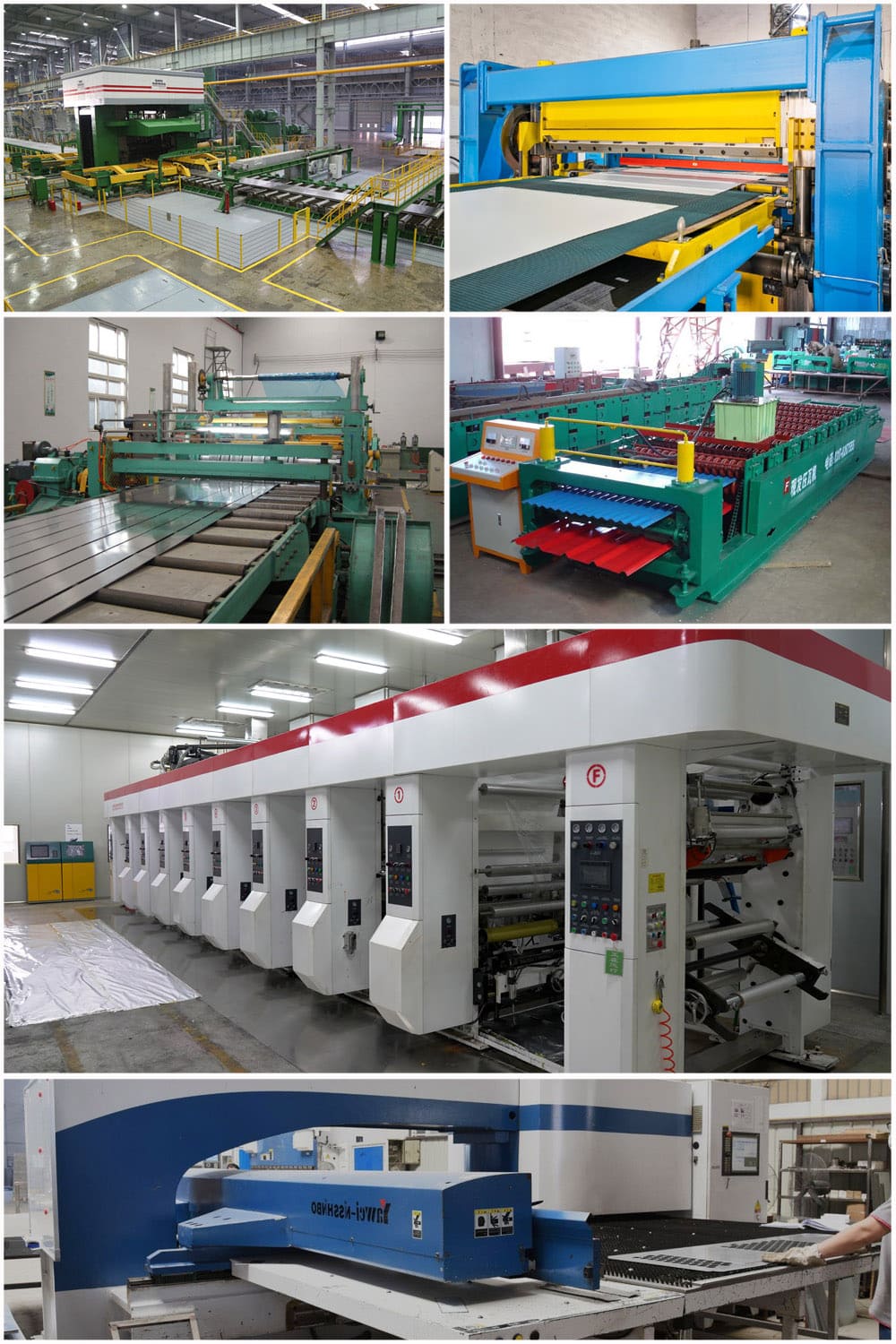
Huawei Aluminum is a specialized manufacturer focused on aluminum sheet, coil, and plate, including aluminum diamond plate in a wide range of gauges and alloys. Their capabilities typically include:
By integrating casting, rolling, and surface processing, Huawei Aluminum can maintain consistent quality and traceability across batches, which matters for industrial and commercial users.
For aluminum, 16 gauge is approximately 0.063 inch (1.6 mm) thick. This is a widely used thickness for light to medium-duty applications such as truck steps, tool boxes, and interior floor overlays.
For light-duty and medium-duty trucks, 16 gauge aluminum diamond plate often works well as a bed liner or overlay. For heavy loads or concentrated point loads (e.g., heavy machinery), some users choose a thicker plate (such as 0.100″–0.125″) or add more structural support beneath the plate. Always evaluate load requirements and consult with the supplier or a structural engineer if in doubt.
Aluminum does not rust like carbon steel. Instead, it forms a thin oxide layer that protects against further corrosion. In highly corrosive environments (like saltwater exposure), choosing an alloy such as 5052 and following good design practices (drainage, avoiding trapped moisture, minimizing galvanic contact with incompatible metals) further enhances longevity.
Yes, 16 gauge aluminum diamond plate can be welded. Common methods include MIG and TIG welding. Alloy choice affects weldability:
Use compatible filler rods and follow welding best practices to maintain strength and appearance.
Yes. Aluminum diamond plate can be:
Powder coating is widely used when color, branding, or additional surface protection are required.
The choice depends on expected load, span, safety requirements, and applicable building codes.
16 gauge aluminum diamond plate delivers an effective blend of durability, light weight, slip resistance, and visual appeal. It fits into a wide spectrum of applications—from truck beds and stairs to boat decks, factory floors, and architectural accents.
Key advantages include:
By selecting the right alloy, finish, and thickness—and by working with a specialized supplier such as Huawei Aluminum—you can unlock the full potential of 16 gauge aluminum diamond plate in your projects, whether they focus on rugged performance, standout design, or both.
Share with PDF: Download
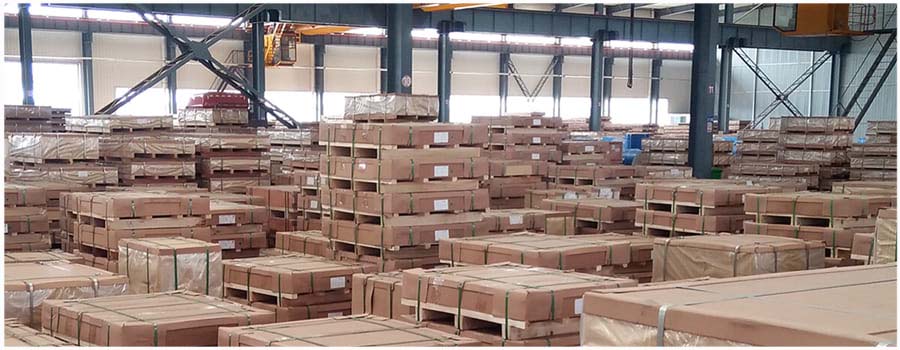
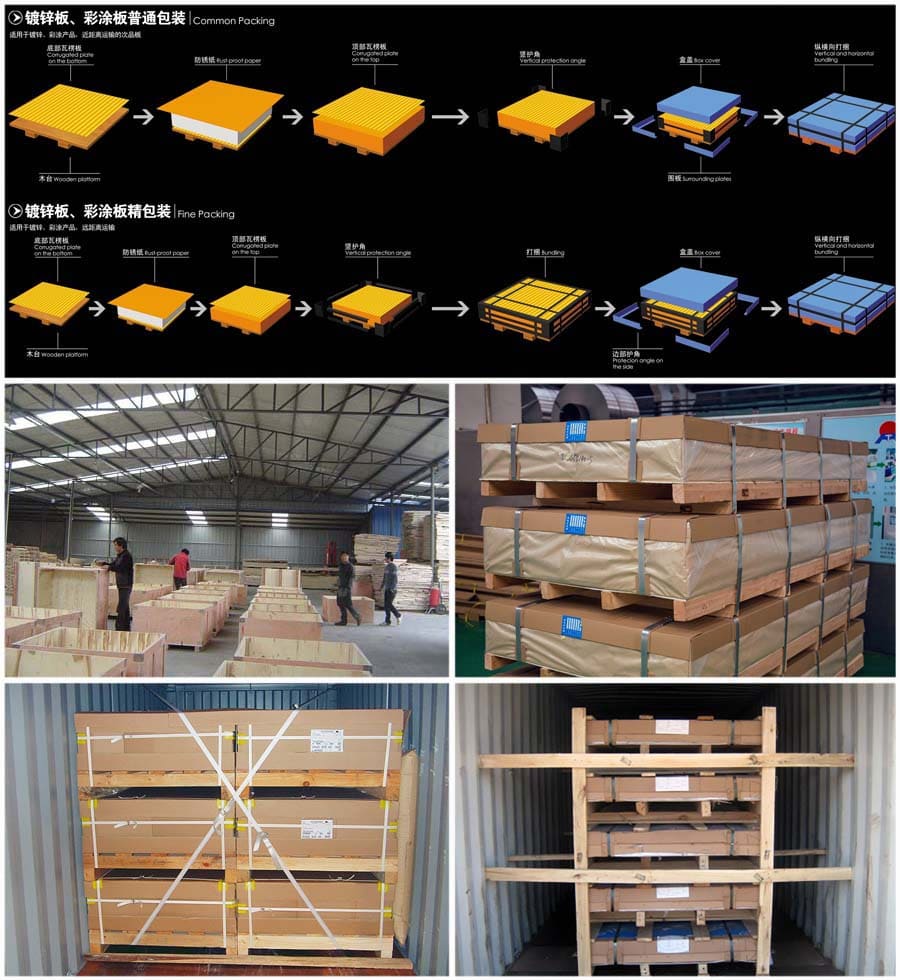
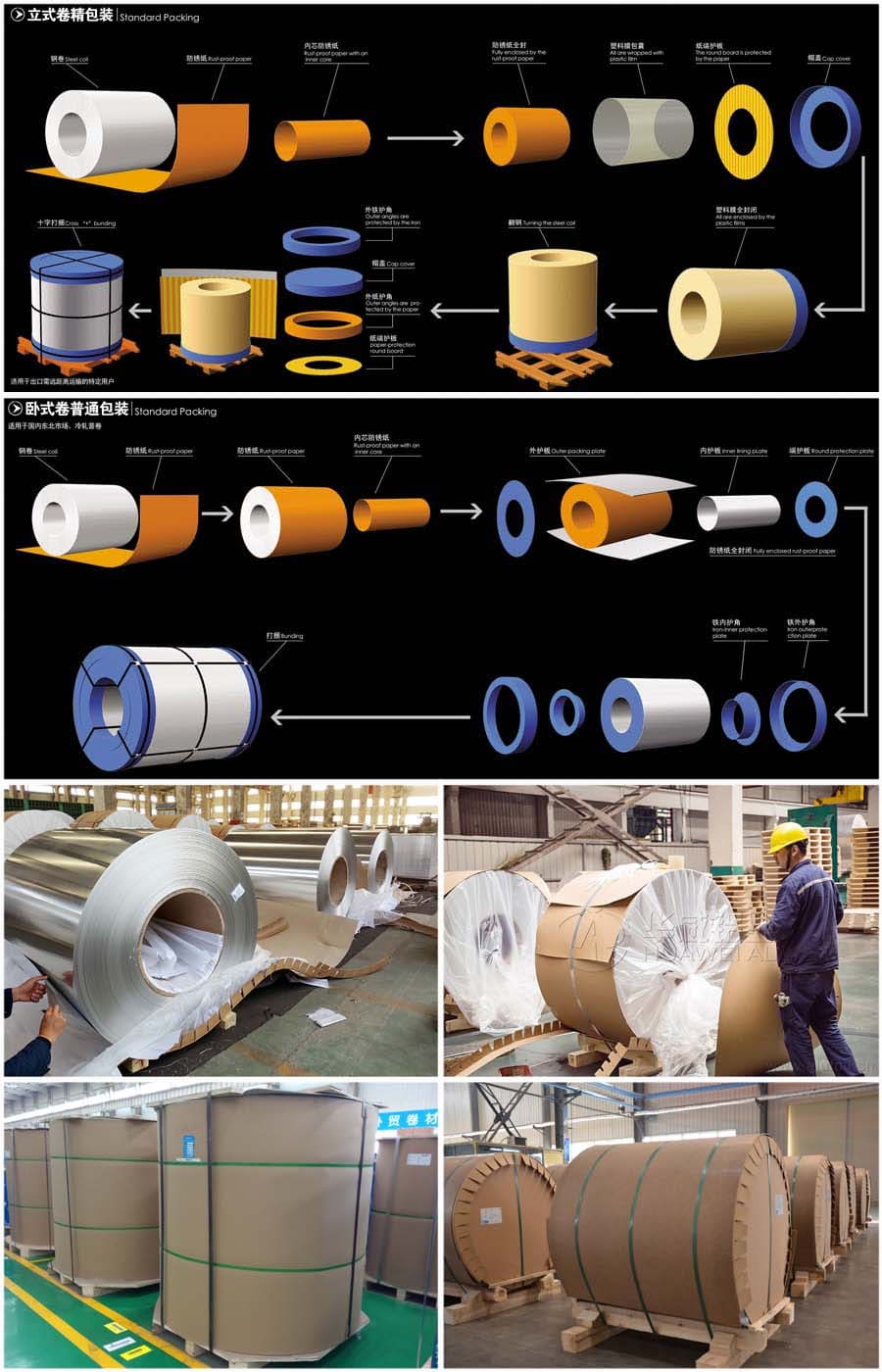
4x8 aluminum sheet is a common size of aluminum sheet, also known as standard size aluminum sheet, referred to as standard sheet.
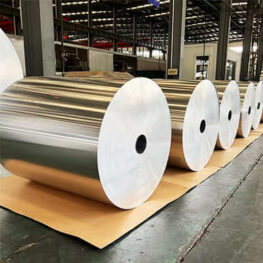
High-adhesion, corrosion-resistant 8011 gold hydrophilic aluminum foil for sealing, lamination, and HVAC applications.
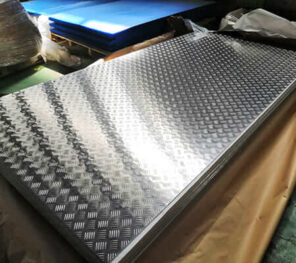
Discover the benefits of 5052 H32 aluminum checkered plates. Lightweight, corrosion-resistant, and anti-slip design ideal for flooring, ramps, vehicles, and marine projects.
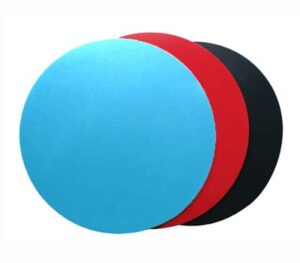
Color coated aluminum circle usually refer to aluminum circles with PE or PVDF coating on the surface, which can not only improve certain anti-corrosion properties but also enhance the appearance of the product.
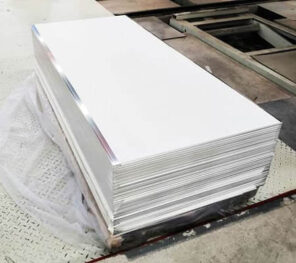
5083 H116 marine grade aluminium sheet offers outstanding seawater corrosion resistance, high strength-to-weight ratio, and excellent weldability for marine and offshore structures.
Find durable and reliable 4x10 aluminum sheets for your needs. Explore our wide selection and order today.
No.52, Dongming Road, Zhengzhou, Henan, China
Henan Huawei Aluminum Co., Ltd, One Of The Biggest Aluminum Supplier In China Henan,We Are Established In 2001,And We Have rich experience in import and export and high quality aluminum products
Mon – Sat, 8AM – 5PM
Sunday: Closed
© Copyright © 2023 Henan Huawei Aluminium Co., Ltd

Latest Comments
We need some t111 aluminium plate. We are looking for quarter inch by 4'x8' sheets
Aluminum 5754 H111 หนา 8 mm กว้าง x ยาว : 4 x 6 ฟุต
سلام بسیار عالی ،،من از ایران تماس میگیرم فویل طلا ۱۲میکرون عرض ۶۱سانت نیاز داریم حدودا هرماه ۳۵هزار متر
Dear Sales Team, I hope you are doing well. We are looking to source aluminum products from your company and would appreciate receiving your best quotation for the following: Aluminum Sheets Thickness: 2 mm, 3 mm, 4 mm, and 5 mm Please provide your available standard sheet sizes. Kindly quote the price per sheet and the price per metric ton. Aluminum Coils Thickness: 2 mm, 3 mm, 4 mm, and 5 mm Please provide your available coil widths, standard coil weights, and inner diameter specifications. Kindly quote the price per metric ton. For both sheets and coils, please include: Available alloys (e.g. 1050, 3003, 5052) Temper options Mill finish or other available surface finishes Minimum Order Quantity (MOQ) Production lead time Payment terms Please provide your quotation based on: CIF Jebel Ali Port, UAE (including sea freight), or alternatively provide both FOB China and CIF Jebel Ali Port, UAE prices. If available, please also send: Product catalogue Mill Test Certificate (MTC) sample Photos of the products and packaging. We are interested in establishing a long-term business relationship. Our initial purchase volume is expected to be 100+ metric tons, with the potential for larger and recurring orders if your pricing, quality, and service meet our requirements. Thank you for your time. We look forward to receiving your quotation and hope to build a successful long-term partnership. Best regards, Eng.Yousef
アルミハニカムパネルについてお聞きしたいのですが L1500×W700×厚みで曲げに対して200kgg耐えられるには厚みはどのくらいでしょうか ※簡単に言いますと約1000mmの側溝に渡して真ん中で200kg耐えられるかという事になります 又、そのような製品があるようでしたらその重量、価格をおしえていただけますか 現在はコンパネ板を使用してますが腐ると折れてしまい人が側溝に落ちてけがをしてます 出来ましたらメールでお返事をいただけますか