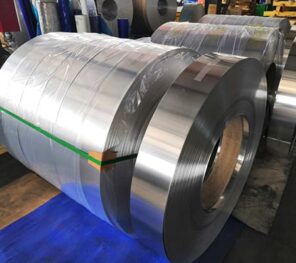
Types and Applications of Aluminum Alloys

Home » Blog » Types and Applications of Aluminum Alloys

Aluminum alloys are widely used across various industries due to their combination of light weight, strength, corrosion resistance, and ease of fabrication.

Aluminum alloys are widely used across various industries due to their combination of light weight, strength, corrosion resistance, and ease of fabrication. The primary aluminum alloying elements include copper, magnesium, manganese, silicon, and zinc, which result in alloys with specific properties suited to different applications. In this article, we will explore the types of aluminum alloys and their various uses in modern industries.

Overview of Aluminum Alloys

Aluminum alloys are categorized into two main types:

  1. Wrought Alloys: These alloys are processed into sheets, plates, bars, or other shapes by rolling, forging, or extrusion.
  2. Cast Alloys: These are aluminum alloys that are melted and poured into molds to create parts of a specific shape.

Each category has several subgroups based on the primary alloying element, and these alloys are identified by a four-digit number system.
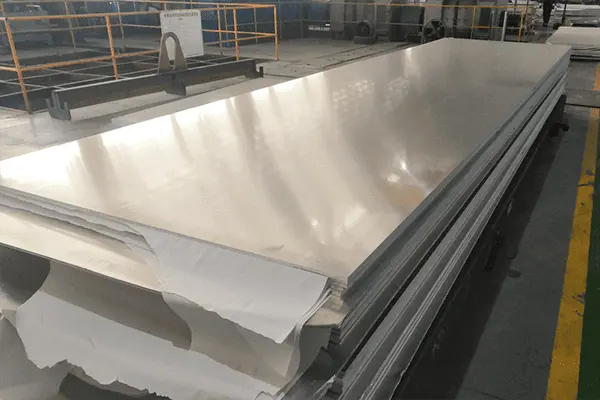
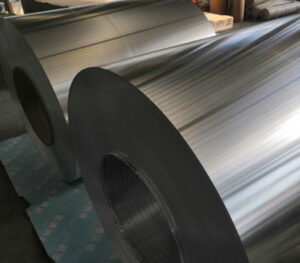
Types and applications of aluminum alloys
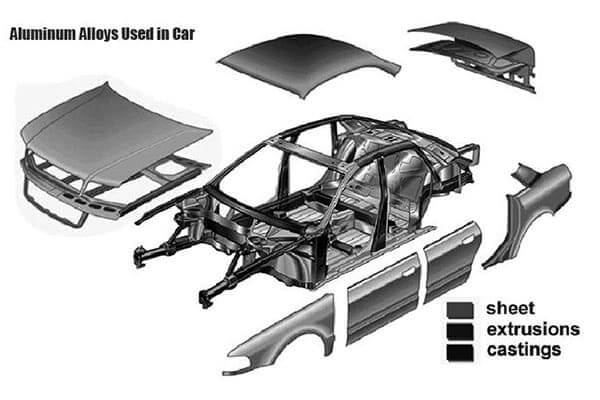
Types and applications of aluminum alloys

Classification of Aluminum Alloys

1. 1000 Series (Pure Aluminum)

  • Composition: 99% or more aluminum.
  • Properties: Excellent corrosion resistance, high thermal and electrical conductivity, but low strength.
  • Applications:
    • Electrical conductors
    • Chemical and food processing equipment
    • Heat exchangers

2. 2000 Series (Aluminum-Copper Alloys)

  • Composition: Primarily aluminum with copper as the main alloying element.
  • Properties: High strength, good machinability, but susceptible to corrosion.
  • Applications:
    • Aircraft and aerospace structures
    • Military and defense applications
    • Automotive structural components

3. 3000 Series (Aluminum-Manganese Alloys)

  • Composition: Manganese is the primary alloying element.
  • Properties: Good corrosion resistance, moderate strength, and formability.
  • Applications:
    • Roofing and siding in construction
    • Cooking utensils
    • Pressure vessels

4. 4000 Series (Aluminum-Silicon Alloys)

  • Composition: Silicon is the primary alloying element.
  • Properties: Low melting point, excellent fluidity, good wear resistance, but lower strength.
  • Applications:
    • Automotive engine components (e.g., pistons)
    • Welding rods
    • Heat exchangers

5. 5000 Series (Aluminum-Magnesium Alloys)

  • Composition: Magnesium is the main alloying element.
  • Properties: Excellent corrosion resistance, particularly in marine environments, and good weldability.
  • Applications:
    • Marine structures and equipment
    • Pressure vessels
    • Transportation (trucks, trailers)
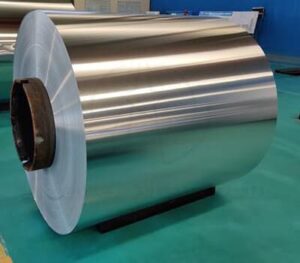
applications of aluminum alloys

applications of aluminum alloys

6. 6000 Series (Aluminum-Magnesium-Silicon Alloys)

  • Composition: Combination of magnesium and silicon.
  • Properties: Good strength, excellent corrosion resistance, and moderate weldability.
  • Applications:
    • Structural and architectural applications (windows, doors)
    • Transportation (bicycles, frames, rail cars)
    • Aircraft components

7. 7000 Series (Aluminum-Zinc Alloys)

  • Composition: Zinc is the primary alloying element.
  • Properties: High strength, but poor corrosion resistance unless treated.
  • Applications:
    • Aircraft and aerospace structures
    • Sports equipment (e.g., high-performance bicycles)
    • Military applications

8. 8000 Series (Miscellaneous Alloys)

  • Composition: Other elements like lithium, iron, or others.
  • Properties: Designed for specific applications, often with specialized properties.
  • Applications:
    • Packaging materials (aluminum foil)
    • Electrical conductors
    • Consumer goods

Key Properties of Aluminum Alloys

Aluminum alloys offer a variety of properties, which are tailored through the selection of alloying elements. Below is a summary of key properties:

Property Description
Strength Varies significantly with alloy type; 7000 series alloys are the strongest.
Corrosion Resistance Excellent in most environments, but certain alloys (e.g., 2000 series) are more prone to corrosion.
Weldability Generally good, but varies based on alloy type (e.g., 5000 and 6000 series have excellent weldability).
Formability Good to excellent, especially in wrought alloys.
Weight Lightweight compared to other metals, which is beneficial for many industries.
Machinability Varies, with copper and zinc alloys (e.g., 2000 and 7000 series) offering good machinability.

Advantages of Using Aluminum Alloys

  1. Light Weight: Aluminum alloys are much lighter than steel, which makes them ideal for applications where reducing weight is important, such as in the aerospace, automotive, and transportation industries.
  2. Corrosion Resistance: Aluminum naturally forms a protective oxide layer, which helps prevent corrosion. Certain alloys, especially those in the 5000 and 6000 series, offer excellent resistance to environmental conditions like seawater.
  3. Recyclability: Aluminum alloys are highly recyclable, which contributes to sustainability efforts. Recycled aluminum retains most of its properties, making it a cost-effective and environmentally friendly material.
  4. Ease of Fabrication: Aluminum can be easily formed into various shapes through processes like extrusion, rolling, and forging.

Common Applications of Aluminum Alloys

1. Aerospace Industry

  • Alloys Used: 2000, 7000 series
  • Applications:
    • Aircraft fuselages and wings
    • Aircraft landing gear components
    • Satellite structures

2. Automotive Industry

  • Alloys Used: 5000, 6000 series
  • Applications:
    • Car body panels
    • Engine components (e.g., pistons, cylinder heads)
    • Radiators and heat exchangers

3. Construction Industry

  • Alloys Used: 3000, 5000, 6000 series
  • Applications:
    • Building facades and cladding
    • Window frames and doors
    • Roof panels

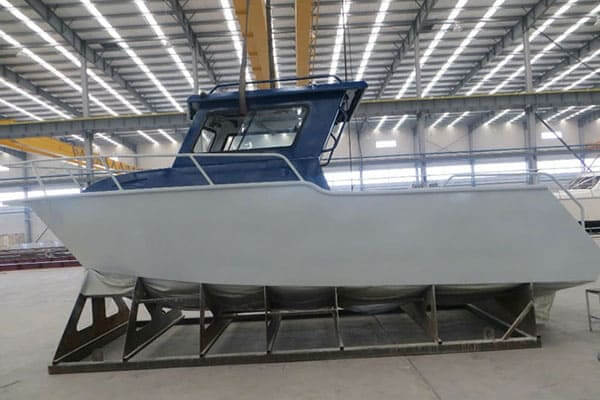
4. Marine Industry

  • Alloys Used: 5000 series
  • Applications:
    • Ship hulls
    • Marine equipment
    • Boat trailers
aluminum alloys for marine

aluminum alloys for marine

5. Packaging Industry

  • Alloys Used: 8000 series
  • Applications:
    • Aluminum foil
    • Cans and containers
    • Food packaging

Conclusion

Aluminum alloys play a crucial role in modern manufacturing, thanks to their versatility, strength, and corrosion resistance. The wide range of alloy types ensures that there is a suitable material for nearly every application, from the aerospace and automotive sectors to construction and packaging. As technology continues to evolve, the development of new aluminum alloys will likely open up even more possibilities for industries worldwide.
Leave a Reply

Your email address will not be published. Required fields are marked *

Latest Comments

  • AKBAR SAJJAD Said:
    Dear Sir, Please offer your best FOB Prices specs are as under ALUMINIUM STRIP (AL=99.50% MIN) SIZE:450 X32 X6 MM. DIN EN 570 EN-AW 1050 A, QUANTITY=3400KG
  • Sviatlana Kapachenia Said:
    Hello, Would you be so kind to offer item as follows: Coil 0,6х1250 (1000)mm EN AW-3105 5tons
  • MILES Said:
    Hello, Can you offer me Aluminium plates? Actally I need: 110mm x 1700mm x 1700mm 5083 H111 - 21 pcs Next year planed is 177 pcs
  • Fotograf Said:
    Świetny artykuł. Byłem zachwycony, że wyszukałem ten artykuł. Wielu osobom wydaje się, że mają rzetelną wiedzę na ten temat, ale często tak nie jest. Stąd też moje miłe zaskoczenie. Jestem pod wrażeniem. Zdecydowanie będę rekomendował to miejsce i częściej wpadał, aby zobaczyć nowe rzeczy.
  • kishor wagh Said:
    requirement of aluminium strip
  • Hot Products

    This is our best selling products

    6000 series aluminum alloy

    6000 Series Aluminum Alloy

    6000 series aluminum alloy is a type of aluminum alloy that is composed of 90-94% aluminum, with the remaining 6-10% consisting of other elements such as magnesium, silicon, and copper.

    3000 series aluminum alloy

    3000 series aluminum alloy

    3000 series aluminum alloy is an AL-MG alloy whose main components are aluminum, manganese and a small amount of other elements. It has excellent properties such as good corrosion resistance, processability and weldability.

    PVD anodizing aluminum mirror sheet

    PVD anodizing aluminum mirror sheet

    PVD anodizing aluminum mirror sheets is a process where a thin layer of material is deposited onto the surface of the aluminum through a vacuum deposition process.

    3003 aluminum foil

    3003 aluminum foil

    Our 3003 Aluminum foil products have been exported to Australia, Morocco, Syria, Kuwait, Turkey, Saudi Arabia, UAE, Iraq, Jordan, Germany, Poland, Spain, Brazil, etc. We sincerely welcome you to visit our factory.

    5754 Aluminum Sheet

    5754 aluminum sheet

    5754 aluminum sheet has the characteristics of excellent processability, good corrosion resistance, weldability and easy forming. As a wrought alloy, 5754 aluminum sheet can be formed by rolling, extrusion, and forging, but not by casting.

    1060 aluminum sheet

    1060 aluminum sheet

    Same as 1050 aluminum sheet, 1060 aluminum sheet also belongs to 1 series pure aluminum sheet,Commonly used in lithium battery soft connection, bus bar, road sign, charging pile, aluminum gasket, billboard building exterior wall decoration,and so on.

    Our Office

    No.52, Dongming Road, Zhengzhou, Henan, China

    HWALU

    Henan Huawei Aluminum Co., Ltd, One Of The Biggest Aluminum Supplier In China Henan,We Are Established In 2001,And We Have rich experience in import and export and high quality aluminum products

    Opening Hours:

    Mon – Sat, 8AM – 5PM

    Sunday: Closed

    Get In Touch

    No.52, Dongming Road, Zhengzhou, Henan, China

    +86 181 3778 2032

    [email protected]

    Leave a Reply

    Your email address will not be published. Required fields are marked *

    © Copyright © 2023 Henan Huawei Aluminium Co., Ltd

    Call Us

    Email Us

    Whatsapp

    Inquiry