Premium 1235 aluminum foil for high-barrier pouches, delivering superior moisture, light, and oxygen resistance for reliable packaging performance.
In the competitive world of food and pharmaceutical packaging, the choice of material drives shelf life, aroma retention, and consumer trust. Among the most trusted solutions for high-barrier pouches is the use of 1235 aluminum foil.
This specific foil grade—often described as 1235 aluminum foil for high-barrier pouches when applied in laminated structures—delivers a combination of exceptional barrier properties, formability, and seal integrity that few other materials can match.
This article explores why 1235 aluminum foil is favored for high-barrier pouches, how it functions within multi-layer laminates, and what manufacturers should evaluate when selecting foil suppliers.
As a practical guide for packaging engineers, brand owners, and procurement managers, we cover the essential technical specifications, performance characteristics, and real-world considerations tied to 1235 aluminum foil for high-barrier pouches.
We also introduce Huawei Aluminum, a prominent supplier known for its comprehensive capabilities in producing high-quality aluminum foil for packaging applications.
Readers will gain actionable insights into material selection, laminate design, quality assurance, and supplier evaluation to help optimize product quality, cost, and supply reliability.
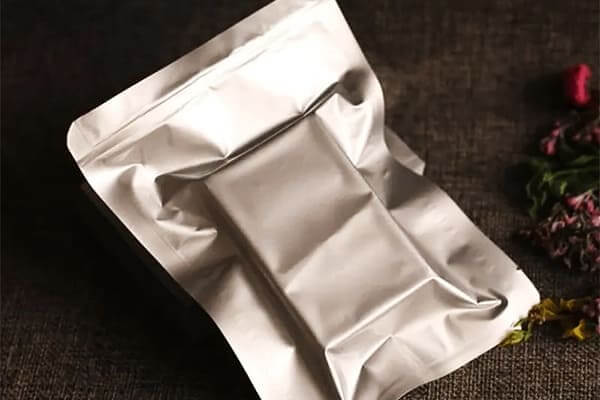
1235 aluminum foil for high-barrier pouches
1235 aluminum foil is an ultra-pure, predominantly aluminum sheet produced to a high standard of surface quality and ductility.
The designation “1235” reflects the aluminum alloy composition, where aluminum constitutes roughly 99.35% of the material, with minimal impurities.
This high-purity profile translates into excellent formability, flexibility, and compatibility with printing and lamination, which are essential for consumer-ready pouches.
In practice, 1235 foil is available in a range of thicknesses suitable for high-barrier laminate structures, typically in the thinner end of the spectrum (often around 9–12 microns, or 0.009–0.012 mm) for standard high-barrier pouch applications.
The thin profile enables tight, hermetic seals and rapid heat transfer during pouch sealing, while maintaining a robust barrier against moisture, oxygen, and aroma leakage when combined with appropriate laminate layers.
The performance of 1235 foil is influenced by temper. In packaging applications, foil temper ranges commonly include O (annealed) for maximum formability and H-series tempers for certain forming or strength requirements.
For high-barrier pouches, O-temper or lightly worked tempers are often favored for their elongation and conformity to curved or complex pouch geometries, enabling smooth seal lines and reduced risk of pinholes during forming.
The tensile behavior and elongation of 1235 foil are highly dependent on temper, thickness, and surface treatment, but the general trend is that thinner foils in O temper offer superior elongation and drape, while slightly harder tempers provide higher yield and puncture resistance at the expense of formability.
1235 aluminum foil for high-barrier pouches typically features a bright or matte finish, depending on downstream printing and adhesion requirements.
Surface treatment may include pre-stretch, descaling, or other surface modifiers to optimize lamination adhesion and printability.
For direct printing or cold-foil applications, surface roughness and gloss can influence ink adhesion and aesthetic outcomes.
The foil’s surface preparation is chosen to balance print clarity, lamination adhesion, and barrier performance in the final pouch.
Beyond high-barrier pouches, 1235 foil is employed in other packaging formats that require reliable barrier properties, heat-seal integrity, and consumer-friendly aesthetics.
Typical applications include:
The versatility of 1235 foil makes it a preferred choice for multi-layer laminates where a metal barrier complements polymer barriers such as EVOH, PET, nylon, and various polyolefins.

What is 1235 aluminum foil
High-barrier pouches are flexible packaging formats designed to impede the transmission of water vapor, oxygen, aromas, and other environmental factors that can degrade product quality.
The term “high barrier” implies that the laminate stack, as a whole, presents a significantly reduced transmission rate for these elements compared with standard packaging materials.
The core objective is to preserve product freshness, extend shelf life, preserve taste and aroma, and maintain product integrity during distribution and storage.
A typical high-barrier pouch employs a multi-layer laminate structure that includes at least one rigid or flexible metallic barrier layer (often aluminum foil) sandwiched between polymer layers and sometimes supplemented by specialized barrier polymers such as EVOH (ethylene vinyl alcohol copolymer) to boost barrier performance when exposed to humidity and oxygen.
The aluminum foil itself contributes an essentially hermetic barrier to gases and moisture due to its very low permeability, and it provides a robust seal surface for heat sealing equipment.
Aluminum foil is unique among packaging barrier materials because it is impermeable to gases and water vapor at room temperature and under typical storage conditions.
In a laminate, 1235 aluminum foil contributes several critical advantages:
The overall barrier performance of a high-barrier pouch is the result of the foil’s inherent properties plus the conditional performance of the laminate layers surrounding it.
The design must account for adhesive compatibility, heat-seal temperatures, potential copper or zinc migration in the presence of certain adhesives, and the long-term aging behavior of all constituents.

What is high-barrier pouches
For high-barrier pouches, 1235 foil is commonly used in thickness ranges of approximately 9–12 microns. This thickness provides an optimum balance between:
Finishes can include bright, matte, or patterned surfaces depending on downstream printing and lamination requirements.
In addition, some customers opt for surface treatments such as corona discharge or plasma treatment to enhance adhesion with adhesive layers or printing inks in certain laminates.
Printability on 1235 foil is a critical factor for brand presentation. Foil can be pre-printed using gravure, flexography, or offset processes, or it can be laminated with printed films to achieve the desired graphics.
For direct foil printing, surface roughness and coating compatibility are essential considerations. Lamination compatibility with adhesives selected for the laminate stack is equally important to prevent delamination during flexing, high-temperature sealing, and end-use conditions.
To maximize print quality and lamination bonding, suppliers may offer:
In some packaging lines, anti-scratch properties are desired to maintain visual appeal after handling and transport.
Surface treatment options may include protective coatings or polymer films laminated onto the foil to enhance abrasion resistance while preserving its barrier properties.
For printed labels, water fastness and rub resistance are essential; accordingly, foil surface treatment is planned in concert with the printing ink set and lamination adhesive.
The performance of 1235 foil within a laminate is heavily influenced by the chosen adhesive system and barrier polymer(s). Common laminate structures for high-barrier pouches include:
In all cases, the foil’s surface tension, smoothness, and cleanliness influence lamination strength and long-term seal integrity.
Packaging engineers work with foil suppliers to select adhesives and lamination conditions that maintain barrier performance while enabling efficient manufacturing.

1235 aluminum foil high-barrier performance
Aluminum foil provides an exceptional baseline barrier. When used alone, aluminum foil’s permeability is extremely low with respect to gases and moisture; however, the laminate architecture determines the overall barrier in practice.
The key takeaway is that 1235 aluminium foil contributes a high-grade metallic barrier that, in combination with EVOH and polymer layers, yields a robust barrier against oxygen and moisture transmission.
The foil’s barrier performance remains stable across a wide range of temperatures and humidity levels, which is critical for products with long shelf lives or those requiring storage under variable conditions.
A practical viewpoint: while a single polymer layer might be susceptible to diffusion or permeation over time, foil acts as an impermeable core in the laminate, reducing the drive for gas diffusion through the entire structure. This translates into extended shelf life, preserved aroma, and better product quality.
The foil surface in a high-barrier pouch must support reliable heat sealing. The sealing performance depends on:
1235 foil is well-suited to heat sealing because of its ductility and smooth surface, allowing the seal to form a tight line with minimal resistance and low risk of pinholes.
However, to achieve optimum seal integrity, laminate design must account for:
In high-barrier pouches, puncture resistance contributes to overall package reliability, especially for products with sharp edges or during handling in distribution chains.
While aluminum foil itself has good puncture resistance, the laminate’s mechanical design, including the outer polymer layers and filler materials, influences the final pouch durability.
The foil’s ductility allows it to dampen micro-bulges and stresses encountered during pouch forming without cracking, provided the foil thickness and temper are appropriate for the pouch geometry.
Safety is paramount in packaging. Aluminum foil used for food contact must comply with applicable food-contact regulations and standards in the target markets.
The foil’s purity (e.g., ~99.35% aluminum for 1235) and surface treatment should avoid migration of contaminants into the food.
In addition, adhesive interactions between the foil and lamination layers, as well as the possibility of trace metals migrating from the packaging system, are considered in supplier declarations and batch testing.
To meet global standards, manufacturers typically request Certificates of Analysis (COAs), material safety data, and supplier compliance with food-contact regulations from the foil supplier.
Vendors like Huawei Aluminum provide documentation that attests to material purity, surface cleanliness, and compatibility with common laminates and adhesives used in high-barrier packaging.
The production of 1235 aluminum foil involves several stages:
The aim at every stage is to preserve the foil’s ductility and barrier performance while maintaining a consistent thickness and smooth surface finish.
Precision rolling controls thickness uniformity and minimizes surface defects that could impact lamination and sealing.
Quality assurance of 1235 aluminum foil for high-barrier pouches includes multiple layers of inspection:
Manufacturers implement a disciplined QA protocol to ensure every batch meets the required standards for formability, sealing, and barrier performance.
In addition to material properties, the supply chain reliability and lead times of 1235 foil are essential for continuous production.
Reputable suppliers maintain robust inventories, offer documentation such as COAs and compliance certificates, and provide technical support to optimize laminate design and process parameters.
Huawei Aluminum, for example, emphasizes a customer-centric approach with integrated supply chain capabilities, including logistics solutions, custom packaging formats, and responsive technical service.
Huawei Aluminum is a well-known producer of aluminum sheet and foil products for packaging, automotive, and industrial applications.
The company’s packaging-focused division supplies high-quality aluminum foils, including 1235 foil variants, designed for food-grade and pharmaceutical-grade packaging.
Huawei Aluminum emphasizes product quality, process traceability, and compliance with international standards, making it a credible supplier for global packaging manufacturers and brands.
Huawei Aluminum offers a range of 1235 aluminum foil formats with varying thicknesses, surface finishes, and tolerances tailored to high-barrier laminate designs. Their capabilities include:

Huawei packaged 1235 aluminum foil
As with major foil suppliers, Huawei Aluminum typically seeks to maintain ISO quality management certifications, environmental management practices, and compliance with food-contact regulations in key markets.
Customers often request COAs, material safety and compatibility data, and traceability documentation to support packaging declarations and regulatory submissions.
Huawei Aluminum’s sustainability initiatives, energy efficiency measures, and responsible sourcing practices can add value for packaging teams seeking to align with brand statements and corporate responsibility goals.
If your project requires a reliable supply of 1235 aluminum foil for high-barrier pouches, engaging with Huawei Aluminum could streamline supplier qualification, reduce lead times, and align with quality and safety expectations across your product portfolio.
Selecting the right foil grade for high-barrier pouches depends on a balance of barrier performance, formability, cost, printability, and process compatibility.
While 1235 foil excels in ductility and formability, other aluminum grades (e.g., 8011, 8079) may offer different combinations of barrier, stiffness, or price. The following table provides a concise comparison to support decision-making for packaging engineers:
| Property / Criterion | 1235 Aluminum Foil (9–12 µm) | 8011 Aluminum Foil (9–12 µm) | 8079 Aluminum Foil (9–12 µm) |
|---|---|---|---|
| Purity and ductility | Very high (≈99.35% Al) | Moderate-to-high | High-to-moderate |
| Barrier contribution (foil) | Excellent impermeability; cost-effective | Very good, often used with PVDC or EVOH | Good barrier, depending on structure |
| Formability risk (lamination) | Excellent; easy to form around corners | Slightly stiffer in some tempers | Moderate formability |
| Heat-seal compatibility | Excellent with common seal layers | Compatible with standard seal layers | Compatible with common seal layers |
| Printability and adhesion | Good with proper surface treatment | Good; broad compatibility | Good; suitable for certain finishes |
| Mechanical strength (relative) | Lower hardening; higher elongation | Higher strength than 1235 in some tempers | Moderate strength |
| Cost considerations | Typically cost-effective | Moderate to higher | Moderate to higher |
| Suitable laminates | EVOH-based and PE-based laminates | EVOH/nylon-based laminates | EVOH-based laminates |
| Recycling considerations | Aluminum foil is recyclable; foil thickness affects recycling logistics | Similar; heavier foil = more material to recover | Similar; consistent with other aluminum foils |
Notes:
– Real-world performance depends on the laminate stack, target shelf life, storage conditions, and manufacturing tolerances.
– Foil gauge tolerances, temper, and surface finish significantly impact adhesion, seal strength, and downstream processing.
Table Key Takeaways:
– 1235 aluminum foil for high-barrier pouches with excellent sealability and print compatibility.
– 8011 and 8079 may offer different cost-performance trade-offs depending on laminate architecture and packaging line capabilities.
– The best choice hinges on the entire laminate design, the pouch geometry, and the production line’s heat-sealing parameters.
Key considerations when designing laminates with 1235 foil include:
These profiles illustrate how 1235 foil serves as a core barrier element within a broader laminate strategy designed to meet specific product and market demands.
What is 1235 aluminum foil used for in packaging?
1235 aluminum foil for high-barrier pouches, where it provides an impermeable barrier to gases and moisture, supports strong heat seals, and contributes to overall laminate integrity.
How does 1235 foil differ from other foil grades?
1235 foil is a high-purity aluminum foil with excellent ductility and formability, making it particularly suitable for complex pouch geometries and print-laminated finishes. Other grades like 8011 or 8079 may offer alternative balance points for stiffness, barrier synergy, or cost, depending on laminate design and production requirements.
Can 1235 foil be printed on?
Yes. 1235 foil can be printed directly or laminated with printed films, depending on the finishing and branding requirements. Printability is enhanced by appropriate surface finishes and pre-treatment.
What governs the seal strength of a 1235 foil-based pouch?
Seal strength is governed by the combination of the foil surface, the polymer seal layer, adhesive compatibility, and the sealing process parameters (temperature, dwell time, and pressure). A well-designed laminate with a correctly chosen seal layer yields robust seals.
Is 1235 foil suitable for hot-fill or retort packaging?
It can be suitable in many hot-fill scenarios when combined with compatible polymer layers and properly controlled processing. For retort applications, careful laminate design and process validation are required to withstand pressure and temperature cycles without leakage.
How should I choose a supplier for 1235 foil?
Look for (1) proven quality control programs and traceability, (2) certifications for food-contact compliance and safety, (3) consistent thickness control and surface finish options, (4) technical support for laminate design and process optimization, (5) robust supply chain reliability and responsive service, and (6) transparency in COA and regulatory documentation. Huawei Aluminum is an example of a supplier offering these capabilities for packaging-grade foil.
What are the environmental considerations for aluminum foil packaging?
Aluminum foil is highly recyclable, and many packaging programs promote recycling of spent pouches where feasible. The environmental impact is influenced by the entire laminate system and manufacturing footprint. Suppliers may provide sustainability reporting and recycling guidance, including end-of-life management for foil-containing laminates.
How can I validate barrier performance for my specific product and pouch design?
Conduct a controlled lab test using representative packaging laminates and product simulants, measuring OTR and WVTR under specified storage conditions. Validate by performing real-time or accelerated aging studies to confirm product quality, aroma retention, and moisture protection over the intended shelf life.
1235 aluminum foil for high-barrier pouches represents a mature, highly reliable solution for premium packaging needs.
Its combination of ductility, barrier contribution, and compatibility with common laminate architectures makes it a preferred choice for brands seeking to protect aroma, taste, texture, and shelf life.
The role of the foil within the laminate is central: while polymers provide part of the barrier, aluminum’s impermeability and sealing performance ensure the integrity of the pouch throughout its life cycle.
Choosing the right foil involves a careful balance among thickness, temper, surface finish, laminate compatibility, and supply chain reliability.
Huawei Aluminum stands out as a credible supplier with capabilities in producing packaging-grade 1235 foil and supporting customers through design, testing, and supply chain collaboration.
By aligning foil specifications with laminate architecture and manufacturing process capabilities, packaging teams can achieve robust products that meet strict quality standards, regulatory expectations, and consumer demands for freshness and safety.
If you’re formulating a new high-barrier pouch program or optimizing an existing one, consider a collaborative approach with your foil supplier.
A technical partner can help you tailor the foil’s thickness, temper, and surface treatment to your specific laminate design, printing needs, and sealing equipment, while ensuring compliance, traceability, and consistent performance across batches.
This post has laid out a structured, evidence-informed view of 1235 aluminum foil for high-barrier pouches, with practical guidance on material selection, laminate design, QA practices, and supplier evaluation.
By combining technical rigor with practical know-how, you can build packaging solutions that deliver product quality, brand integrity, and consumer trust—from the production line to the shelf.
Share with PDF: Download
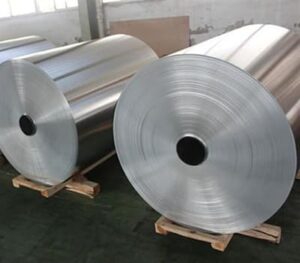
Composite aluminum foil is a functional material composed of aluminum foil and other materials. It has various properties such as antioxidant, heat resistance, corrosion resistance, and heat insulation
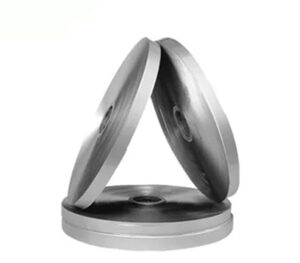
Cable aluminum foil, also known as aluminum foil for cable, refers to a specific type of aluminum foil that is used in the manufacturing of cables and wires.
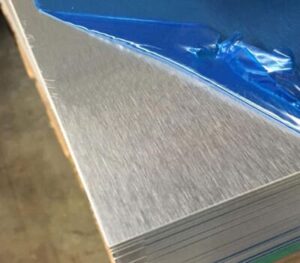
3003 aluminum sheet is an alloy with very good corrosion resistance and moderate strength, the reason this metal is widely used is because it is affordable and strong.

Reflective aluminum sheet is a metal sheet with high reflectivity and is widely used in optics, electronics, construction and other fields. This article will introduce the principles, characteristics and applications of Reflective aluminum sheets.
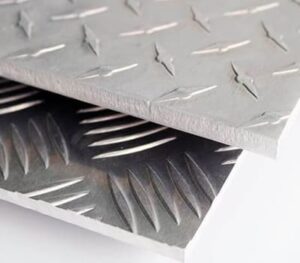
6061-T6 Aluminum floor plate, commonly known as “diamond plate” or “tread plate”, is an excellent candidate for most processing techniques and both interior and exterior applications.
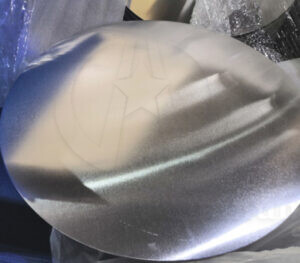
As one of the main aluminium circle manufacturers in the Chinese market, our aluminium circle are made with the best raw materials and machinery, the main products include 1000 series, 3000 series, 5000 series and 8000 series, with an output of more than 5000 tons/month
No.52, Dongming Road, Zhengzhou, Henan, China
Henan Huawei Aluminum Co., Ltd, One Of The Biggest Aluminum Supplier In China Henan,We Are Established In 2001,And We Have rich experience in import and export and high quality aluminum products
Mon – Sat, 8AM – 5PM
Sunday: Closed
© Copyright © 2023 Henan Huawei Aluminium Co., Ltd

Latest Comments
Dear Sir, Please offer your best FOB Prices specs are as under ALUMINIUM STRIP (AL=99.50% MIN) SIZE:450 X32 X6 MM. DIN EN 570 EN-AW 1050 A, QUANTITY=3400KG
Hello, Would you be so kind to offer item as follows: Coil 0,6х1250 (1000)mm EN AW-3105 5tons
Hello, Can you offer me Aluminium plates? Actally I need: 110mm x 1700mm x 1700mm 5083 H111 - 21 pcs Next year planed is 177 pcs
Świetny artykuł. Byłem zachwycony, że wyszukałem ten artykuł. Wielu osobom wydaje się, że mają rzetelną wiedzę na ten temat, ale często tak nie jest. Stąd też moje miłe zaskoczenie. Jestem pod wrażeniem. Zdecydowanie będę rekomendował to miejsce i częściej wpadał, aby zobaczyć nowe rzeczy.
requirement of aluminium strip