Reliable PET composite aluminum foil for bottle caps for oils, juices, syrups, and cosmetics—tight leak protection and certified food-contact materials.
PET composite aluminum foil for bottle caps combines a tough polyester (PET) outer film with a high-barrier aluminum core and a product-specific heat-seal layer.
The result is a clean, tamper-evident, and shelf-life-extending seal for beverages, edible oils, nutraceuticals, syrups, cosmetics, and household chemicals.
This guide explains structures, specifications, testing, and selection so you can source with confidence and launch faster.
In simple terms, it is a multi-layer laminate:
This laminate is supplied in rolls, slit to width, and die-cut or used in induction-sealing or heat-sealing processes inside plastic or aluminum ROPP caps.

PET composite aluminum foil for bottle caps
| Code | Layer Stack (Top→Bottom) | Bottle/Cap Compatibility | Opening Style | Common Use Cases |
| PAP-PP | 12–23 µm PET / 25–40 µm Al / 40–70 µm PP-sealable film | PP caps, PP bottles | Peel or weld | Edible oil, sauces, household chemicals |
| PAP-PE | 12–23 µm PET / 20–38 µm Al / 30–60 µm PE-sealable film | HDPE/LDPE | Peel | Milk powder, spread foods |
| PAP-EAA | 12–19 µm PET / 25–35 µm Al / 25–50 µm ionomer (EAA) | Wide compatibility, glass under primer | Strong weld | Aggressive formulas, solvents |
| PAP-PET | 12–23 µm PET / 25–35 µm Al / primer for PET | PET bottles (with matched primer) | Peel | Juices, isotonic drinks |
| Two-piece induction | Top: PET/Al/board; Bottom: wax-bonded Al/heat-seal | PP/PE/PET | Tamper ring + reseal liner | High-speed FMCG lines |
Note: We tailor seal strength, peel curve, and torque stability by adjusting polymer type, thickness, and primers.
Measured on representative 3-layer laminates; values vary with structure and capper settings.
| Property | Typical Value | Why It Matters |
| Oxygen Transmission Rate (OTR) | ≤ 0.1 cc·m⁻²·day⁻¹ | Extends flavor and vitamin retention |
| Moisture Vapor Transmission (MVTR) | ≤ 0.5 g·m⁻²·day⁻¹ | Protects powders, hygroscopic blends |
| Light Barrier (400–700 nm) | > 99.9% | Prevents light-induced oxidation |
| Heat-seal Window | 0.3–0.8 s dwell (induction/thermal), broad power range | Robust sealing on real lines |
| Peel Strength (to PP) | 6–12 N/15 mm (peelable) | Clean, consumer-friendly opening |
| Burst/Leak Tightness | ≥ 300 kPa (application-dependent) | Transport safety, no seepage |
| Temp Endurance | –20 °C to +80 °C (standard) | Cold-chain and hot-fill variants available |
| Regulatory | EU 10/2011, FDA 21 CFR compliant compounds (on request) | Food contact assurance |
Unrivaled barrier, proven shelf life.
Aluminum delivers a near-zero oxygen and light barrier while PET protects the print and resists scuff. Moving from a mono-film seal (OTR often 5–20 cc·m⁻²·day⁻¹) to PET/Alu (≤0.1 cc·m⁻²·day⁻¹) cuts oxygen ingress by >95–99%.
For oxidation-sensitive products (edible oils, vitamins), that drop typically supports 2–5× longer flavor stability when headspace and cap torque are controlled.
Clean, consumer-friendly opening.
We tune peel curves to 6–12 N/15 mm for PP/PE bottles, which feels firm yet smooth and avoids stringing or foil tear.
If your product demands maximum leak security, weld-seal variants pair with a reseal liner inside the cap.

Application-of-PET-composite-aluminum-foil
Wide process window on real lines.
PET/Alu heats quickly and uniformly in induction fields. Typical sealing windows allow 0.3–0.8 s equivalent dwell with robust tolerance to coil power variation and cap top pressure.
That margin absorbs day-to-day drift (line speed, capper pressure) without spiking leakers.
Leak prevention across the supply chain.
A bonded aluminum membrane resists pressure swings and altitude changes better than soft films.
In vacuum/pressure checks and drop tests, properly torqued PET/Alu seals show tightness ≥300 kPa (application-dependent), reducing in-transit seepage and e-commerce returns.
Compatibility with today’s bottle resins.
Heat-seal chemistries (PP-sealable, PE-sealable, ionomer/EAA, primered PET) cover PP, HDPE/LDPE, PET, and glass.
You pick peelable or weld-seal behavior; we match primers to your neck finish and fillers (ambient, hot-fill, mild pasteurization).
Branding that actually sells.
PET faces print crisply via rotogravure, flexo, or UV offset—metallic reflectivity from the foil makes logos and micro-text pop.
Add anti-counterfeit features (void-if-removed inks, serialized codes under the PET) without altering line settings.
Regulatory clarity.
Structures are available with food-contact compliant components (e.g., EU 10/2011, FDA 21 CFR).
Low-migration inks/adhesives and documented declarations simplify audits for beverages, syrups, nutraceuticals, and personal care.
Cost in use, not just cost per roll.
Because the barrier is so strong, you can down-gauge compared with non-foil solutions while improving shelf life.
The broad seal window also means faster restarts, fewer rejects, and steadier yield—often more valuable than a small material price delta.
Sustainability, pragmatically handled.
Each seal is lightweight (often well below a gram), yet prevents product loss and returns.
Where composite recycling streams exist, aluminum is recoverable; where they don’t, source-reduction and waste-avoidance still improve overall footprint versus heavier multi-part solutions.
Chemistry resilience.
For citrus oils, alcohols, acids, or peroxide-forming blends, ionomer/EAA layers and special primers keep adhesion strong.
That chemistry headroom protects seals from creep and embrittlement during the product’s life.
| Attribute | PET/Alu Cap Seal | Why it helps |
| Oxygen barrier (OTR) | ≤ 0.1 cc·m⁻²·day⁻¹ | Slows oxidation; flavor retention |
| Moisture barrier (MVTR) | ≤ 0.5 g·m⁻²·day⁻¹ | Protects powders, hygroscopic goods |
| Light shielding | > 99.9% (visible/UV) | Prevents photo-oxidation and color fade |
| Peel force (PP bottle) | 6–12 N/15 mm | Clean, predictable opening |
| Seal integrity | ≥ 300 kPa tightness (typ.) | Logistics and e-commerce robustness |
| Induction window | 0.3–0.8 s equivalent dwell | Stable sealing across shifts/lines |
(Values reflect common PET/Alu stacks; we optimize per resin, neck finish, and filler conditions.)

Huawei 8011 aluminum foil
| Feature | PET/Al Foil Laminate | Lacquered Al Foil Only | Paperboard+Foil Induction Liner | PP/PE Film Seals (No Foil) |
| Barrier (O₂/Light) | Excellent (near zero) | Very good | Very good | Moderate to good |
| Tamper Evidence | Excellent | Good | Excellent | Fair |
| Opening Feel | Controlled peel or weld | Often tear-open | Peel; cap retains liner | Soft peel; risk of stretch |
| Branding/Print | High (on PET) | Medium | On top disk only | Limited |
| Induction Efficiency | Fast & broad window | Good | Good | Not applicable |
| Cost-in-use | Optimized (1- or 2-piece) | Medium | Medium-High (two-piece) | Low |
| Best For | Oils, beverages, syrups, OTC | Yogurt cups, sachets | FMCG with reseal foam | Economy, low barrier needs |
Scope. PET/Alu cap laminates serve products that require tamper evidence, near-zero oxygen/light ingress, controlled peel, and robust logistics performance.
Typical users span edible oils, still beverages, powdered foods, syrups and nutraceuticals, cosmetics, household/industrial chemicals, and specialty reagents.
The table below maps real packaging scenarios to bottle resins, processing, and recommended laminate families.
| Segment (Examples) | Bottle/Closure | Fill & Processing | Primary Risks | Recommended Laminate (Top→Bottom) | Opening Style | Notes |
| Edible oils (soy, olive, blended oils) | PP28/38 PP caps; PP or PET bottles | Ambient fill; nitrogen dosing optional | Oxidation, light, transport leaks | PAP-PP: 12–23 µm PET / 25–40 µm Al / 40–70 µm PP-sealable | Peel 6–10 N/15 mm | High light barrier minimizes rancidity; tune peel for oil-wet threads |
| Still juice & isotonic drinks (non-carbonated) | PET28 PET bottles | Hot-fill 72–90 °C or ambient | Oxygen/light ingress; tamper evidence | PAP-PET (primered): 12–23 µm PET / 25–35 µm Al / PET-primer | Peel 7–11 N/15 mm | Confirm primer compatibility with neck resin; validate hot-fill dwell |
| Milk powder & dry mixes | HDPE with 38-400, 45-400 | Ambient; desiccant in headspace | Moisture uptake; powder bridging | PAP-PE: 12–23 µm PET / 20–38 µm Al / 30–60 µm PE-sealable | Peel 6–9 N/15 mm | Low MVTR preserves flowability; anti-static PET optional |
| Pharma syrups & pediatric OTC | PET/Glass, 28–33 mm closures | Ambient; occasional pasteurization | Tamper evidence; migration control | PAP-EAA: 12–19 µm PET / 25–35 µm Al / 25–50 µm ionomer (EAA) | Peel or weld | Choose low-migration inks/adhesives; EU 10/2011 / FDA 21 CFR options |
| Nutraceuticals (tonics, MCT, collagen) | PET/PP; 28–38 mm | Ambient | Oxidation; brand presentation | PAP-PP or PAP-PET (primered) | Peel 7–10 N/15 mm | Metallic print under PET elevates shelf impact |
| Sauces & condiments (ketchup, mayo, dressings) | PP/PE; flip-top closures common | Ambient / warm fill | Oil/water separation leaks | PAP-PP or PAP-PE per bottle | Peel 8–12 N/15 mm | Verify seal across ribbed finishes; manage cap torque relaxation |
| Cosmetics & essential oils (serums, carrier oils) | PET/Glass; 20–28 mm | Ambient | Aroma loss; solvent attack | PAP-EAA (chem-robust) | Peel 6–9 N/15 mm | Validate with limonene/terpene-rich blends; add anti-wicking primer |
| Household chemicals (detergents, cleaners) | HDPE/PP; 28–45 mm | Ambient | Transport leak; surfactant creep | PAP-PE or PAP-PP (weld-seal) | Weld + reseal liner | For strong oxidizers (e.g., hypochlorite), consult compatibility—foil may need protective lacquer or alternate |
| Industrial & solvent-borne (alcohols, thinners) | Metal/HDPE; 28–63 mm | Ambient | Solvent attack; headspace pressure | PAP-EAA (weld-seal) | Weld + cap liner | Ionomer layer improves chemical resistance; pressure/vacuum test essential |
| Two-piece induction (FMCG reseal) | PET/PP wide range | Ambient / hot-fill | Tamper + reseal convenience | Top: PET/Al/board; Bottom: wax-bonded Al/heat-seal | Peel (liner retained) | Preferred when a foam/board liner must remain for repeated reseals |
Line setup. Use a flat, centered induction coil; verify cap top pressure; confirm dwell 0.3–0.6 s equivalent with your sealer power curve.
Torque management. Set application torque for the neck finish to prevent back-off (we can recommend ranges by closure).
Incoming QC. Check roll width ±0.2 mm, splice labeling, core concentricity, and COF.
Routine tests.
| Item | Standard Range | Notes |
| PET thickness | 12–25 µm | Clear, matte, or metallized look |
| Aluminum thickness | 20–50 µm | 8011/8079/1235; temper O/H14 |
| Heat-seal layer | 20–80 µm | PP-sealable, PE-sealable, ionomer |
| Roll width | 50–1,200 mm | Slit to tolerance ±0.2 mm |
| Core ID | 76 mm (3″) / 152 mm (6″) | Paper or plastic core |
| Roll OD | ≤ 600 mm | Or per line spec |
| Splices | ≤ 1 splice/3,000 m | Flagged & taped |
| COF (PET side) | 0.25–0.45 | Tuned for your feeder |
| 1–8 colors | Front or reverse print | |
| Compliance | EU 10/2011, FDA 21 CFR | Declaration upon order |
Request a free line tune-up kit: 3 structures × 3 heat-seal levels, die-cut to your cap, with torque/seal setting sheets.
Q1: Peelable or weld-seal—how do I choose?
If consumers need a clean first-open, choose peelable (6–12 N/15 mm). For maximum leak security or aggressive formulas, choose weld-seal and add a reseal liner in the cap.
Q2: Can one structure fit all resins (PP, PE, PET)?
Not ideally. The best performance comes from a resin-matched heat-seal layer or a primered universal—we’ll recommend the safest option for your product and line.
Q3: Why do some seals leak after transport?
Usually torque relaxation, cap thread mismatch, or under-sealing. We run a cap/neck audit and map a broader heat-seal window to stabilize results.
Q4: What tests should I run before approval?
Peel curve, dye leak, altitude/pressure simulation, OTR/MVTR on aged samples, and full migration with your exact formulation.
Q5: Can you print brand and anti-counterfeit features?
Yes—reverse print under PET, micro-text, void-if-removed inks, and serialized marks are available.
PET composite aluminum foil for bottle caps is the most reliable path to tamper evidence, leak prevention, and extended freshness—while keeping branding sharp and line speeds high. With the right structure, you gain clean opening, robust logistics, and regulatory peace of mind.
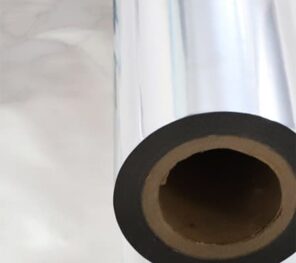
Premium aluminum foil laminated polyester film offering outstanding moisture, oxygen, and light barrier properties. Ideal for pharmaceutical, food, electronics, and industrial packaging

5052 Aluminum Disc is an Al-Mg alloy renowned for its excellent corrosion resistance, high fatigue strength, and superior workability.

High-formability Colored Lacquered Aluminum Foil O Temper engineered for deep-draw lidding, blister backing and decorative packaging — excellent adhesion, low pinhole and food-grade compliance.
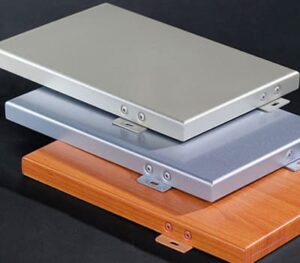
3003 curtain wall aluminum sheet is the outer wall of a building. It is a lightweight wall of large high-rise buildings and has a certain decorative effect.
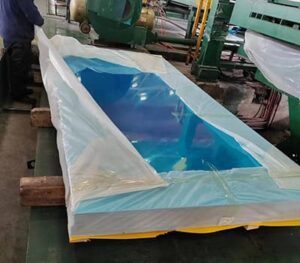
5086 aluminum sheet is a high-strength, corrosion-resistant al-mg alloy, widely used in aerospace, transportation, architectural decoration and other fields.
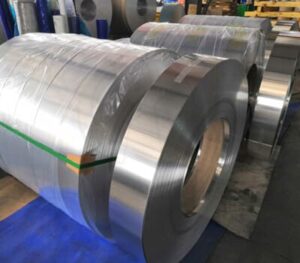
1060 aluminium strip cables have excellent load-carrying capacity, especially self-supporting capacity. An aluminum wire can be as long as 4000 meters without falling, while a copper cable can only reach 2750 meters.
No.52, Dongming Road, Zhengzhou, Henan, China
Henan Huawei Aluminum Co., Ltd, One Of The Biggest Aluminum Supplier In China Henan,We Are Established In 2001,And We Have rich experience in import and export and high quality aluminum products
Mon – Sat, 8AM – 5PM
Sunday: Closed
© Copyright © 2023 Henan Huawei Aluminium Co., Ltd

Latest Comments
Dear Sir, Please offer your best FOB Prices specs are as under ALUMINIUM STRIP (AL=99.50% MIN) SIZE:450 X32 X6 MM. DIN EN 570 EN-AW 1050 A, QUANTITY=3400KG
Hello, Would you be so kind to offer item as follows: Coil 0,6х1250 (1000)mm EN AW-3105 5tons
Hello, Can you offer me Aluminium plates? Actally I need: 110mm x 1700mm x 1700mm 5083 H111 - 21 pcs Next year planed is 177 pcs
Świetny artykuł. Byłem zachwycony, że wyszukałem ten artykuł. Wielu osobom wydaje się, że mają rzetelną wiedzę na ten temat, ale często tak nie jest. Stąd też moje miłe zaskoczenie. Jestem pod wrażeniem. Zdecydowanie będę rekomendował to miejsce i częściej wpadał, aby zobaczyć nowe rzeczy.
requirement of aluminium strip