Sensors often require materials with excellent thermal conductivity to ensure accurate readings. Aluminum alloys are suitable for these applications due to their ability to quickly reach thermal equilibrium with the environment.
Aluminum alloys have become integral to the sensor industry due to their unique combination of properties, including lightweight, high strength, excellent thermal and electrical conductivity, and superior corrosion resistance. These characteristics make them ideal for various sensor applications across multiple industries.
Aluminum alloys are materials in which aluminum is the predominant metal, combined with other elements such as copper, magnesium, silicon, tin, manganese, or zinc to enhance specific properties. These alloys are categorized into two main groups: wrought and cast aluminum alloys. Wrought alloys are mechanically worked into desired shapes, while cast alloys are formed by pouring molten metal into molds.

Aluminum Alloys in Sensor Applications
In the automotive industry, sensors are critical for monitoring and controlling various vehicle systems. Aluminum alloys are used in manufacturing sensor housings and components due to their lightweight and corrosion-resistant properties. For instance, in electric vehicles, aluminum alloy components contribute to overall weight reduction, improving energy efficiency.
Aerospace applications demand materials that offer high strength-to-weight ratios and reliability under extreme conditions. Aluminum alloys meet these requirements and are used in various sensor applications, including pressure sensors and temperature sensors, where both performance and weight are critical factors.
In industrial settings, sensors are exposed to harsh environments. Aluminum alloys provide the necessary durability and corrosion resistance for these applications. They are commonly used in manufacturing housings for sensors that monitor parameters such as pressure, temperature, and flow in industrial processes.

Industrial Sensors
Aluminum alloys are prevalent in consumer electronics due to their aesthetic appeal and functional properties. They are used in the casings of devices that incorporate sensors, such as smartphones and wearable technology, providing both protection and heat dissipation.
Temperature sensors often require materials with excellent thermal conductivity to ensure accurate readings. Aluminum alloys are suitable for these applications due to their ability to quickly reach thermal equilibrium with the environment. Additionally, their corrosion resistance ensures longevity, even in challenging environments.
The sensor industry is continually evolving, with trends focusing on miniaturization, increased sensitivity, and integration into various systems. Aluminum alloys are expected to play a significant role in these developments due to ongoing research aimed at enhancing their properties. Advancements in alloy composition and processing techniques are leading to materials with improved strength, conductivity, and corrosion resistance, further expanding their applicability in sensor technology.
Aluminum alloys offer a combination of properties that make them highly suitable for various applications in the sensor industry. Their lightweight nature, high strength, excellent thermal and electrical conductivity, and corrosion resistance contribute to the performance and reliability of sensors across multiple sectors. As technology advances, the role of aluminum alloys in sensor applications is poised to grow, driven by ongoing research and development efforts.
In summary, the integration of aluminum alloys in sensor technology enhances the efficiency, durability, and functionality of sensors, supporting advancements in industries ranging from automotive to consumer electronics.
More sensor products please visit: https://sensor1stop.com/shop/
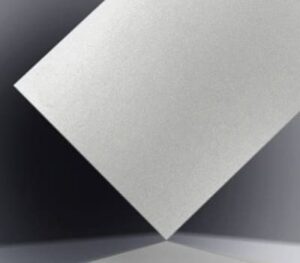
Anodized aluminum sheet is an aluminum sheet placed in the corresponding electrolyte (such as sulfuric acid, chromic acid, oxalic acid, etc.) as an anode, and electrolysis is performed under specific conditions and the action of external current.
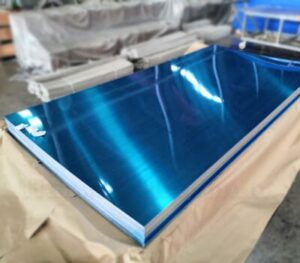
5052 aluminum sheet is part of the 5000 series of aluminum. The grades in this series are alloyed with magnesium (2.5%) and have medium to high strength properties.
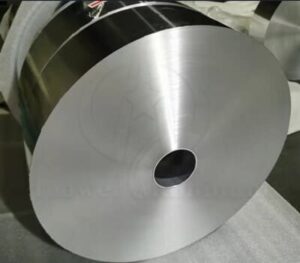
8021 aluminum foil has the characteristics of cleanliness and hygiene, and can be made into an integrated packaging material with many other packaging materials. In addition, the surface printing effect of 8021 aluminum foil is better than other materials. Therefore, 8021 aluminum foil alloy can also be used in the field of food packaging.

Discover the perfect blend of strength and aesthetics with black aluminum checker plate. Ideal for flooring, ramps, and decorative features, this lightweight material ensures safety and style in any setting.
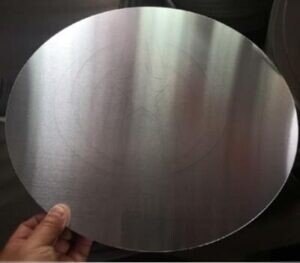
The properties of 3003 aluminum circle make it ideal for use in multiple markets including the cookware, automotive and lighting industries
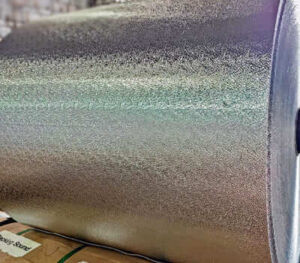
Our embossed aluminum foil products are exported to more than 60 countries and regions in the European Union, the Middle East, Southeast Asia, and South America, and enjoy a good reputation in the international market with the best service and high-quality products.
No.52, Dongming Road, Zhengzhou, Henan, China
Henan Huawei Aluminum Co., Ltd, One Of The Biggest Aluminum Supplier In China Henan,We Are Established In 2001,And We Have rich experience in import and export and high quality aluminum products
Mon – Sat, 8AM – 5PM
Sunday: Closed
© Copyright © 2023 Henan Huawei Aluminium Co., Ltd

Latest Comments
Dear Sir, Please offer your best FOB Prices specs are as under ALUMINIUM STRIP (AL=99.50% MIN) SIZE:450 X32 X6 MM. DIN EN 570 EN-AW 1050 A, QUANTITY=3400KG
Hello, Would you be so kind to offer item as follows: Coil 0,6х1250 (1000)mm EN AW-3105 5tons
Hello, Can you offer me Aluminium plates? Actally I need: 110mm x 1700mm x 1700mm 5083 H111 - 21 pcs Next year planed is 177 pcs
Świetny artykuł. Byłem zachwycony, że wyszukałem ten artykuł. Wielu osobom wydaje się, że mają rzetelną wiedzę na ten temat, ale często tak nie jest. Stąd też moje miłe zaskoczenie. Jestem pod wrażeniem. Zdecydowanie będę rekomendował to miejsce i częściej wpadał, aby zobaczyć nowe rzeczy.
requirement of aluminium strip