Discover primer coated aluminium foil with excellent coating adhesion, moisture resistance, smooth surface quality, and reliable performance for flexible packaging and lamination.
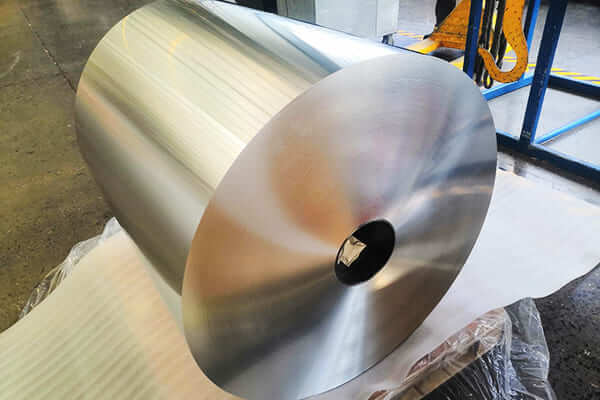


Primer coated aluminium foil is aluminum foil with a thin, engineered primer layer applied to one or both surfaces to improve the foil’s compatibility with subsequent inks, adhesives, coatings, films, or heat-seal layers.
Rather than serving simply as a protective coating, the primer functions primarily as an interfacial layer between the aluminum substrate and the next material.
Bare aluminum naturally develops a thin oxide surface. Although this oxide layer contributes to corrosion resistance, its surface chemistry and residual processing oils can affect wetting and adhesion.
Proper surface preparation and primer application therefore play an important role in achieving consistent bonding and coating performance.
The primer can improve adhesion, printability, lamination strength, surface uniformity, and resistance to coating separation.
In packaging applications, primer-coated aluminum foil is used where reliable bonding between aluminum and another layer is essential, including printed packaging, lidding materials, and multilayer flexible structures.
The final performance depends on more than the primer itself. Aluminum alloy, foil thickness, surface cleanliness, pretreatment, primer chemistry, coating weight, curing conditions, and downstream processing must work together as a complete system.
Primer Coated Aluminium Foil
Primer coated aluminium foil consists of an aluminum foil substrate covered with a controlled layer of adhesion-promoting primer.
The coating can be applied to one side or both sides, depending on the intended application.
Unlike a decorative topcoat, a primer is primarily designed to improve the interface between aluminum and another material.
It may serve as the foundation for printing ink, adhesive, polymer film, heat-seal coating, or another functional layer.
A simplified structure is:
Aluminum Foil → Pretreatment → Primer → Subsequent Layer
For example, a flexible packaging laminate may use aluminum foil as the barrier layer and a primer or adhesive system to establish reliable bonding with polymer films.
Primer systems have also been used to improve bonding between aluminum foil and CPP films in aluminum laminate structures.
Improved Adhesion
The primary function is to create a more compatible interface between the aluminum surface and the subsequent coating or adhesive.
This is particularly important when the foil will be exposed to:
A properly selected primer can reduce the risk of peeling, delamination, and coating failure.
Better Printability
For printed aluminum foil, the primer provides a more receptive surface for ink. It can improve:
Commercial primer systems are specifically formulated for aluminum foil and can be designed for compatibility with conventional solvent-based, water-based, or UV-curing inks.
Improved Lamination
Primer can help establish a stronger interface between aluminum foil and polymer films or adhesives.
A typical multilayer structure may be:
Aluminum Foil → Primer → Adhesive → PET / OPP / PE / Other Film
The actual structure depends on the packaging design and adhesive system.
Additional Surface Protection
Although the primer is not necessarily the primary barrier layer, it can provide additional protection against surface contamination, oxidation, and certain environmental influences.
Its protective contribution depends strongly on the resin chemistry and coating structure.
| Feature | Bare Aluminum Foil | Primer Coated Aluminium Foil |
| Aluminum Barrier | Excellent | Excellent |
| Surface Adhesion | Application dependent | Improved |
| Ink Compatibility | Moderate to Good | Better controlled |
| Lamination Compatibility | Application dependent | Improved |
| Surface Protection | Basic oxide layer | Additional coating protection |
| Subsequent Processing | Requires suitable surface preparation | More application-ready |
| Typical Use | General foil applications | Printing, lamination, coated packaging |
The primer does not replace the aluminum foil’s fundamental barrier properties. Instead, it adds interfacial functionality to the foil surface.
Slitting of Primer Coated Aluminium Foil
Primer coated aluminium foil can use different aluminum alloys depending on the required strength, formability, barrier performance, and end application.
The primer system should be matched to the alloy, temper, surface condition, and downstream converting process.
| Alloy | Typical Temper | Key Characteristics | Typical Applications for Primer Coated Foil |
| 1235 | O / H18 | High aluminum purity, excellent foil processability, good barrier performance | Flexible packaging, printing, laminating |
| 8011 | O / H14 / H18 | Good strength, formability, corrosion resistance, and overall processing performance | Pharmaceutical packaging, food packaging, lidding foil |
| 8079 | O / H18 | Good flexibility, forming performance, and surface quality | Flexible packaging, laminated foil, pharmaceutical packaging |
| 3003 | O / H14 / H18 | Higher strength than 1xxx alloys, good corrosion resistance and formability | Food packaging, lids, industrial coated foil |
| 3004 | O / H14 / H18 | Good strength, formability, and corrosion resistance | Packaging and forming applications |
| 5052 | O / H32 / H34 | Higher strength, excellent corrosion resistance, good forming performance | Industrial foil, demanding coated and laminated applications |
Note: Alloy and temper selection should be based on the final application. Primer performance also depends strongly on surface cleaning, pretreatment, coating chemistry, coating weight, and curing conditions. For packaging applications, 8011, 8079, and 1235 are among the most relevant substrate choices, while 3003, 3004, and 5052 can be selected when higher mechanical performance is required.
Acrylic-based primers are commonly considered when good surface adhesion, optical properties, and compatibility with printing inks are required.
Typical advantages include:
Water-based acrylic primer systems are commercially available for aluminum foil applications, including dairy-lidding and printing-related uses.
Epoxy-based primers are valued for their strong adhesion and chemical resistance.
They may be considered where the coating system requires:
However, primer selection should consider the flexibility and forming requirements of the final foil structure because excessive coating hardness can become a disadvantage during severe deformation.
Polyurethane-based systems provide a useful combination of adhesion and flexibility. They can be suitable for applications where the foil will undergo:
Their ability to bond aluminum with polymeric materials makes them relevant to multilayer flexible packaging structures.
Polyester-based systems can provide good adhesion, flexibility, and resistance to environmental exposure.
They may be selected when the primer needs to work with a specific printing or coating system.
The exact formulation should be matched to the ink, adhesive, curing temperature, and end-use requirements.
Silane-based systems are often used as very thin adhesion-promoting treatments rather than conventional thick primer layers.
They can improve bonding between the inorganic aluminum oxide surface and organic coating systems.
Their main value is interface modification, particularly where long-term adhesion and moisture resistance are important.
Primer coated aluminium foil combines the inherent properties of aluminum foil with the functional performance of a primer layer.
The final performance depends on the foil alloy, temper, surface preparation, primer chemistry, coating weight, and curing conditions.
The primer improves the bonding interface between aluminum and subsequent layers such as printing inks, adhesives, polymer films, and functional coatings.
Good adhesion helps reduce peeling and delamination during converting and use.
The aluminum foil substrate provides an effective barrier against light, moisture, oxygen, and many external contaminants.
The primer mainly supports surface functionality and does not replace the foil’s primary barrier role.
A properly formulated primer provides a more uniform and receptive surface for printing. It can improve:
This makes primer-coated foil suitable for printed packaging and decorative applications.
Primer systems can improve compatibility between aluminum foil and polymer films or adhesives.
This is particularly important for multilayer packaging, where stable interlayer bonding helps maintain structural integrity during slitting, forming, sealing, and handling.
Although aluminum naturally forms a protective oxide layer, the primer can provide an additional protective interface.
Depending on the formulation, it can improve resistance to moisture, chemicals, and surface oxidation.
The primer should maintain adhesion when the foil is bent, folded, laminated, or otherwise processed.
Flexible primer formulations are particularly important for thin foil and packaging structures that undergo repeated deformation.
Continuous coating technology allows manufacturers to control coating weight, coverage, color, and surface appearance.
Uniform coating helps provide consistent printing and bonding performance across the entire roll.

Primer Coated Aluminium Foil for Pharmaceutical Packaging
Primer-coated foil is normally manufactured according to the requirements of the final application rather than a single universal specification.
Important parameters include alloy, temper, foil thickness, width, primer type, coating weight, coated side, and surface condition.
| Parameter | Typical Specification |
| Aluminum Alloy | 1235 / 8011 / 8079 / 3003 / 3004 / 5052 |
| Temper | O / H14 / H18 / H32 / H34, depending on alloy and application |
| Foil Thickness | 0.006–0.200 mm |
| Width | 100–1,600 mm |
| Primer Side | One Side / Both Sides |
| Primer Type | Acrylic / Epoxy / Polyester / Polyurethane / Customized |
| Primer Color | Clear / White / Colored |
| Coating Weight | Customized according to application |
| Surface | Smooth / Mill Finish / Customized |
| Core ID | Typically 76 mm / 152 mm / Customized |
| Roll OD | Customized according to equipment and order requirements |
| Printing Compatibility | Gravure / Flexographic / Other suitable systems |
| Lamination Compatibility | PE / PP / PET / Paper / Other compatible substrates |
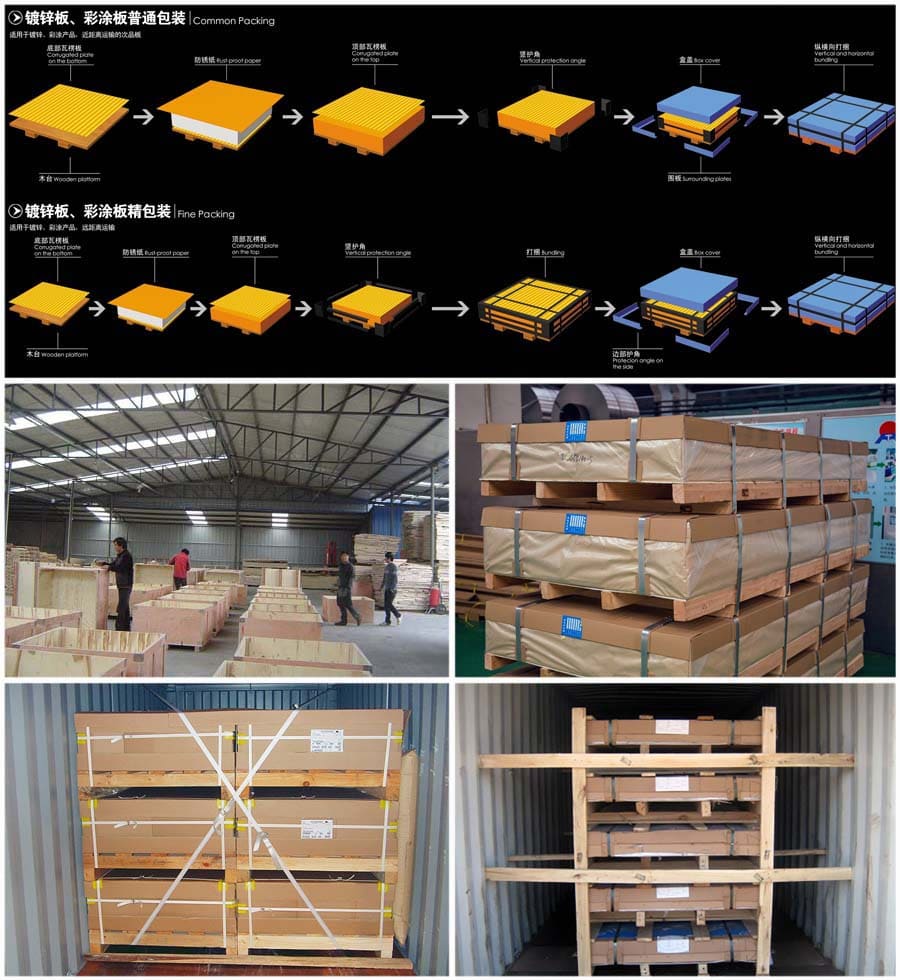
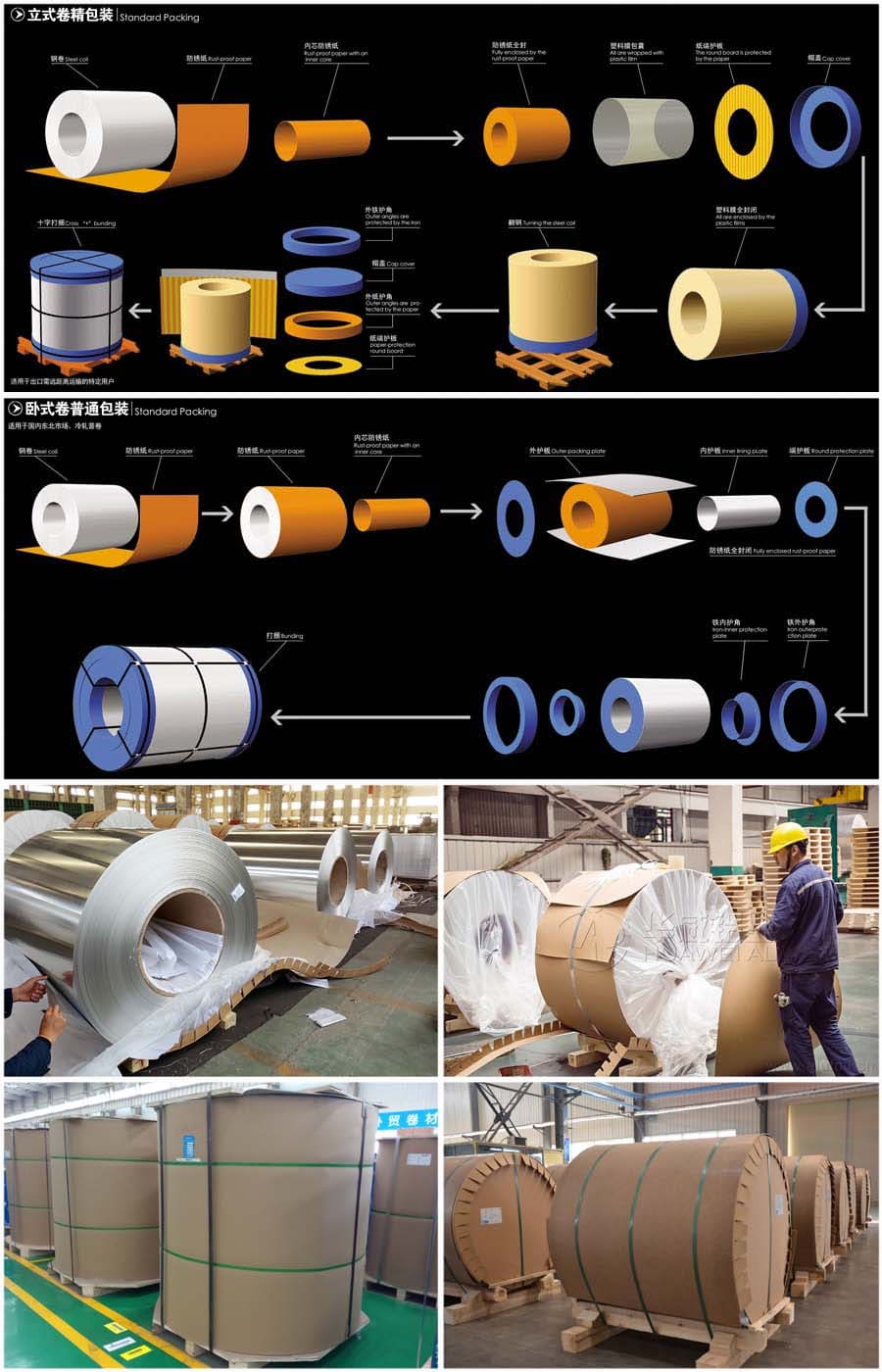
| Packaging | Export Standard / Customized |
| Main Applications | Printing, Lamination, Pharmaceutical Packaging, Food Packaging, Lidding, Flexible Packaging |
The ranges above are typical commercial supply ranges rather than universal standards. Final tolerances and coating requirements should be agreed according to the product specification and intended application.
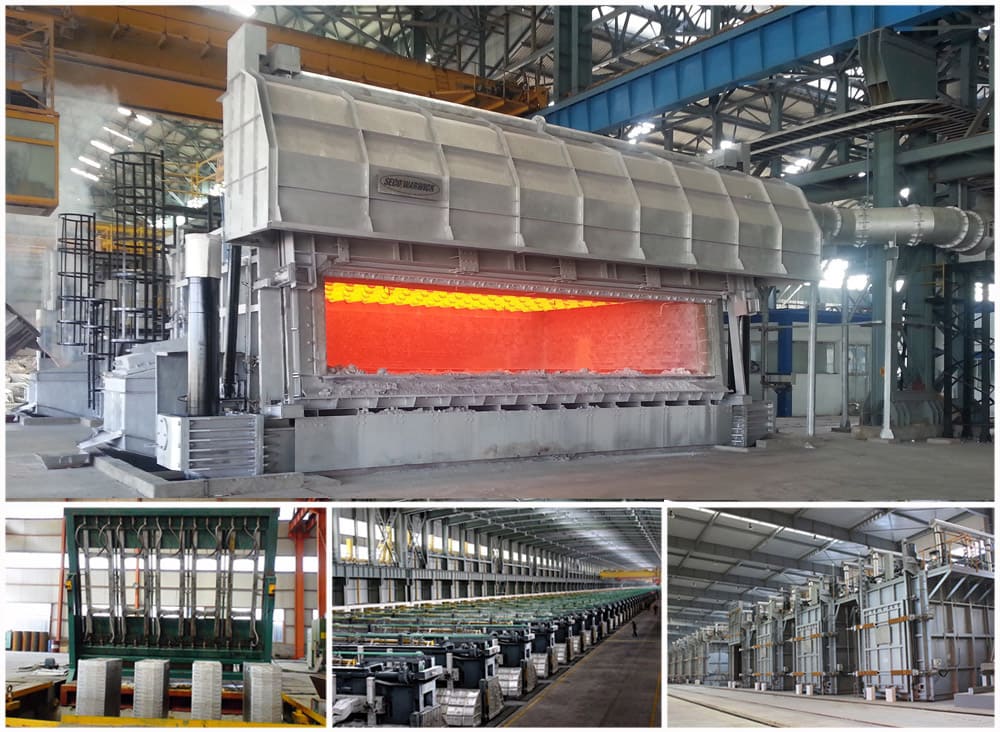
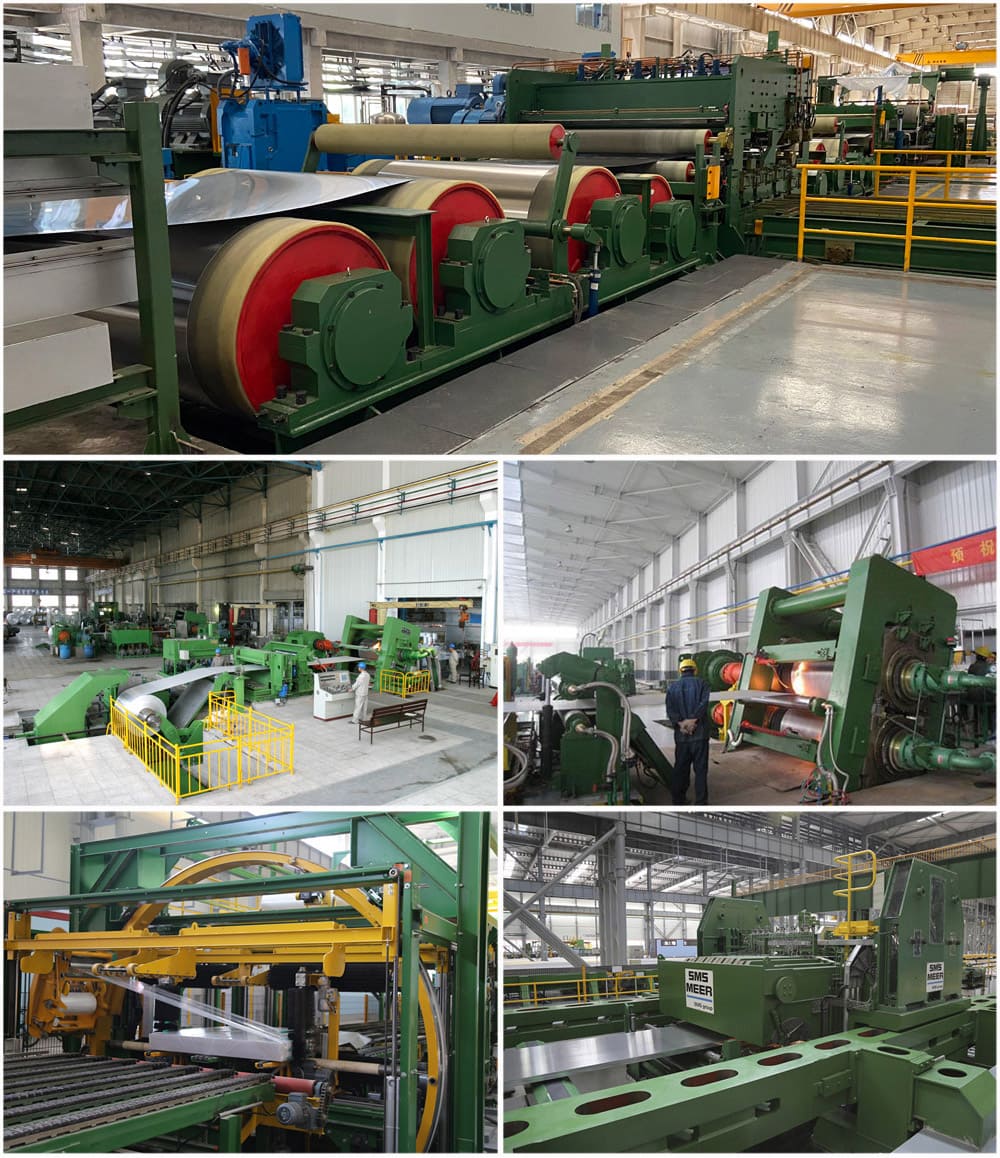
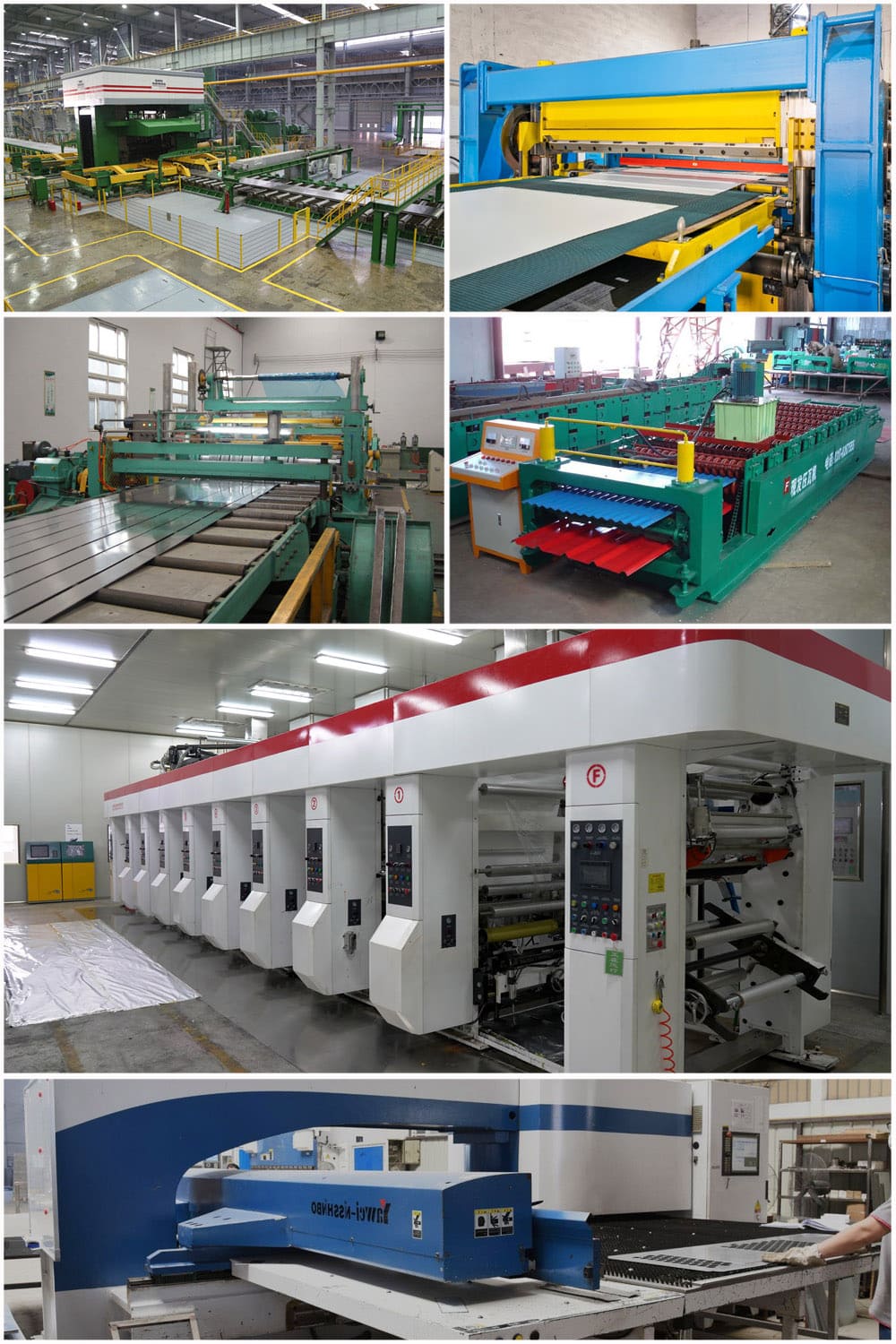
The production of primer-coated aluminium foil combines conventional foil manufacturing with a controlled surface treatment and coating process.
A typical production route is:
Aluminum Foil → Cleaning → Surface Pretreatment → Primer Coating → Drying/Curing → Inspection → Slitting → Rewinding → Packaging
The selected aluminum alloy is processed into foil through conventional casting, rolling, annealing, and finishing operations.
The foil is supplied in the required alloy, temper, thickness, and width before entering the coating line.
Rolling oils, dust, and other contaminants must be removed before coating.
Effective cleaning is essential because residual oil or contamination can interfere with primer wetting and adhesion.
The cleaned aluminum surface may undergo a controlled pretreatment or surface activation process.
The objective is to:
The pretreatment chemistry should be compatible with both the aluminum substrate and the selected primer.
The primer is applied continuously using a suitable coating system, such as:
During this stage, manufacturers control coating weight, coating uniformity, line speed, viscosity, and coated-side configuration.
After application, the coated foil passes through a controlled drying and/or curing section.
Key parameters include:
Proper curing allows the primer to develop its intended adhesion, flexibility, hardness, and chemical resistance.
The finished roll is inspected for both foil and coating properties, including:
Application-specific testing may also evaluate printing adhesion, lamination strength, heat resistance, and chemical resistance.
After coating and inspection, master rolls can be slit into customer-specified widths.
Controlled slitting and rewinding help maintain:
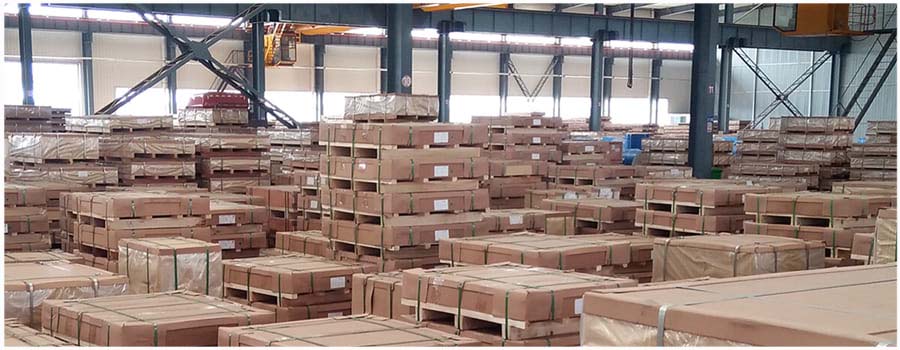
Primer-coated foil should be protected from moisture, dust, physical damage, and contamination during storage and transportation.
Moisture-resistant packaging and suitable pallets or protective cases can help preserve coating quality until the material reaches the customer’s converting line.
Overall, consistent surface preparation, primer application, and curing control are essential to producing primer-coated aluminum foil with reliable adhesion, printability, and lamination performance.
Export Packaging of Aluminium Foil
Primer coated aluminium foil is widely used when the foil must be printed, laminated, or bonded to another material.
The primer creates a controlled interface between the aluminum surface and the subsequent ink, adhesive, or polymer layer.
The primer provides a more uniform and receptive surface for printing inks.
It can improve ink wetting, adhesion, print clarity, and resistance to rubbing or peeling.
Depending on the formulation, primer-coated foil can be designed for processes such as:
The primer should be selected according to the ink chemistry and curing or drying conditions.
For laminated structures, the primer helps establish a stable interface between aluminum foil and materials such as PET, PE, PP, or paper.
A typical structure may be:
Aluminum Foil → Primer → Adhesive → Polymer Film
The actual construction depends on the adhesive and final application. Important performance requirements include bond strength, flexibility, heat resistance, and resistance to delamination.
A typical converting sequence is:
Primer Coated Foil → Printing → Adhesive Application → Lamination → Curing → Slitting
Process parameters should be optimized according to the primer, ink, adhesive, film, and final product.
When selecting primer-coated foil for printing or lamination, buyers should consider:
Aluminum Alloy + Foil Thickness + Primer Chemistry + Coating Weight + Ink/Adhesive Compatibility + Processing Conditions
A primer optimized for printing may not provide the same performance as a system designed primarily for lamination. Application-specific qualification is therefore important.
Primer coated aluminum foil is used across packaging and industrial applications where surface adhesion and downstream coating compatibility are important.
Primer-coated foil can be used in selected pharmaceutical packaging structures where the aluminum layer requires printing or bonding with other materials.
Typical applications include:
The substrate alloy, primer, ink, and adhesive must comply with the requirements of the final packaging structure.
The combination of aluminum’s barrier properties and primer-enabled adhesion makes the material suitable for various food packaging structures.
Applications include:
For direct or indirect food-contact applications, the complete coating and laminate system should be evaluated against the applicable regulatory requirements.
Primer-coated foil can function as the aluminum component of multilayer flexible packaging.
It can be combined with:
The aluminum provides the principal barrier function, while the primer supports reliable bonding with the adjacent layer.
Flexible Packaging Used Primer Aluminium Foil
Primer-coated foil can be used for lidding structures where the aluminum surface requires printing, coating, or bonding.
The specific primer must be compatible with the selected sealing or adhesive system.
Beyond packaging, primer-coated foil can be used for selected decorative, printed, insulation, and industrial coating applications where controlled adhesion to a subsequent layer is required.
Different coated aluminum foils serve different purposes. Primer-coated foil primarily functions as an adhesion-promoting substrate, while top-coated and laminated foils provide additional surface or structural functions.
| Property | Bare Aluminum Foil | Primer Coated Foil | Painted / Top-Coated Foil | Laminated Aluminum Foil |
| Main Function | Barrier substrate | Adhesion promotion | Surface protection / decoration | Multilayer structure |
| Aluminum Barrier | Excellent | Excellent | Excellent | Excellent |
| Ink Adhesion | Application dependent | Improved | Good–Excellent | Depends on outer layer |
| Adhesive Compatibility | Application dependent | Improved | Depends on coating | Designed for lamination |
| Surface Protection | Basic | Improved | High | High |
| Flexibility | Excellent | Excellent | Coating dependent | Structure dependent |
| Printing | Possible | Highly suitable | Suitable | Depends on outer layer |
| Typical Applications | General foil | Printing / Lamination | Decorative / Protective | Flexible packaging |
| Additional Layer | None | Thin primer | Functional topcoat | Film / Paper / Other layer |
Primer coated aluminium foil combines the excellent barrier properties of aluminum foil with a controlled surface designed for improved adhesion, printing, lamination, and subsequent coating.
Its performance depends on the complete material system rather than the primer alone. Important factors include:
Aluminum Alloy → Temper → Foil Thickness → Surface Pretreatment → Primer Chemistry → Coating Weight → Curing → Downstream Processing
For printing applications, the primer should provide reliable ink adhesion and surface uniformity.
For laminated structures, it should provide stable compatibility with the selected adhesive and adjacent film. Proper surface preparation and curing are equally important for achieving consistent performance.
With suitable alloy selection and coating technology, primer-coated aluminum foil can serve a wide range of pharmaceutical, food, flexible packaging, lidding, decorative, and industrial applications.
What is primer coated aluminium foil?
Primer coated aluminum foil is aluminum foil with a thin primer layer applied to one or both sides to improve adhesion, printability, lamination, and surface compatibility.
What is the main purpose of the primer?
Its primary purpose is to create a more reliable interface between aluminum and inks, adhesives, polymer films, or other coatings.
Can primer coated aluminum foil be printed?
Yes. Properly formulated primer systems can provide improved ink wetting, adhesion, print clarity, and rub resistance.
Can it be laminated with plastic film?
Yes. Primer-coated foil can be incorporated into multilayer structures with materials such as PET, PE, PP, PA, and paper, provided the primer and adhesive systems are compatible.
What aluminum alloys are commonly used?
Common substrate alloys include 8011, 8079, and 1235, while 3003, 3004, and 5052 can be selected for applications requiring different mechanical characteristics.
Can the primer be applied to both sides?
Yes. The foil can be supplied with one-side or two-side primer coating, depending on the printing, bonding, or coating requirements.
What types of primers are available?
Common systems include acrylic, epoxy, polyester, polyurethane, and specialized adhesion-promoting formulations. The appropriate chemistry depends on the downstream process.
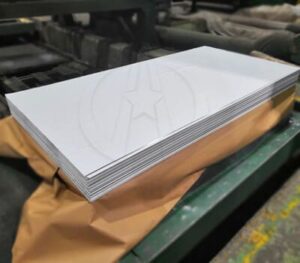
6061 aluminum sheet is an al-si-mg alloy that has been strengthened by precipitation hardening. 6061 aluminum has a high strength-to-weight ratio, above-average corrosion resistance, good machinability, and is well suited for welding.
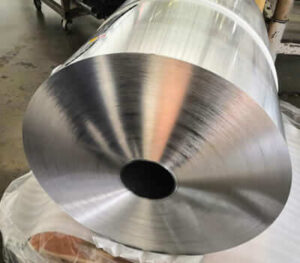
Aluminum foil containers made of aluminum foil can be processed into various shapes, common alloys are 8011, 3003, 3004, 5052 aluminum foil.
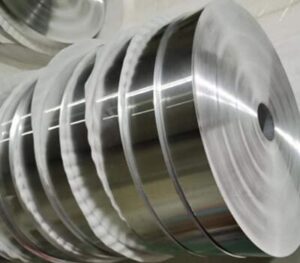
Huawei aluminium is a leading aluminium strips manufacturer in China, specializing in the production and sale of aluminium coils, aluminium strips and aluminium foils.

In-depth guide to 5083 marine aluminium sheet—chemical composition, mechanical strength, corrosion resistance, welding performance, and marine applications.
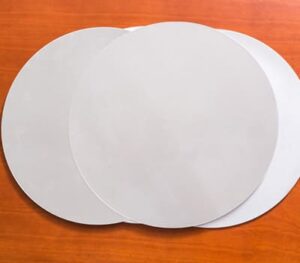
Aluminium circle for cookwares typically refers to a circular-shaped piece or circle made from aluminum that is used in the manufacturing of various types of cookware, such as pots, pans, and cooking utensils.
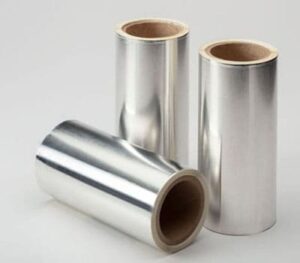
Electronic aluminum foil is a kind of aluminum foil processed by a series of rolling, cleaning and cutting processes of high-purity aluminum ingots. It is a key raw material for the production of aluminum electrolytic capacitors.
No.52, Dongming Road, Zhengzhou, Henan, China
Henan Huawei Aluminum Co., Ltd, One Of The Biggest Aluminum Supplier In China Henan,We Are Established In 2001,And We Have rich experience in import and export and high quality aluminum products
Mon – Sat, 8AM – 5PM
Sunday: Closed
© Copyright © 2023 Henan Huawei Aluminium Co., Ltd

Latest Comments
We need some t111 aluminium plate. We are looking for quarter inch by 4'x8' sheets
Dear Sales Manager, I hope this email finds you well. This is Min-Hyung Lee, CEO of Taesan Steel Co., Ltd., an import & export company based in Incheon, South Korea, dealing in steel and aluminum materials. We understand that Henan Huawei Aluminum produces 1100 aluminum coils in H16 temper from 0.2 mm thickness at your mill in Gongyi, Henan. We use mill finish aluminum coil as a substrate for coating in Korea, and are looking for a reliable Chinese mill for regular monthly imports. We would appreciate your quotation for the material below, based on current market prices. 1. Material - Alloy / Temper: A1100 – H16 (A1235 or A1050 acceptable subject to prior approval) - Standard: KS D 6701 or equivalent (JIS H 4000, ASTM B209, GB/T 3880 accepted) - Surface: mill finish (as-rolled), suitable for painting/coating 2. Ordered sizes - 0.45 mm x 1,120 mm x Coil (main size) - 0.60 mm x 1,060 mm x Coil - No minus tolerance on thickness (e.g., actual 0.45 mm or above for the 0.45 mm order) 3. Coil weight: approx. 3-6 MT per coil 4. Quantity: 30-40 MT per month (estimated 360-480 MT per year) 5. Price terms: CIF Incheon Port or Pyeongtaek Port, South Korea, in USD (USD/kg or USD/MT). A formula-based quotation (e.g., SMM ingot price + processing cost) is also acceptable, provided the total is given on a CIF basis (or FOB with ocean freight shown separately). Please include the following in your quotation: 1. Unit price (CIF Incheon or Pyeongtaek, in USD) 2. MOQ per size 3. Lead time (order to shipment) 4. Payment terms 5. Whether the material is DC or CC rolled, and producible thickness/width range for 1xxx alloys 6. Mill information (location, ISO 9001 or other certifications) 7. Sample availability and conditions (we plan a coating trial before regular orders) 8. Confirmation that a Mill Test Certificate (chemical composition and mechanical properties) will be provided with each shipment Our plan is to review your quotation and material specification first, then request samples for a coating trial. If the results are satisfactory, we intend to place regular monthly orders. We are also willing to visit your mill in China in person to see the production line and discuss the details of a long-term partnership. The detailed specification (SPEC-AL-2026-01) is attached for your reference. We look forward to your reply. Best regards, Min-Hyung Lee CEO | Taesan Steel Co., Ltd. Email: [email protected] Tel: 82 10 5048 5768 WeChat: dolf369
Aluminum 5754 H111 หนา 8 mm กว้าง x ยาว : 4 x 6 ฟุต
سلام بسیار عالی ،،من از ایران تماس میگیرم فویل طلا ۱۲میکرون عرض ۶۱سانت نیاز داریم حدودا هرماه ۳۵هزار متر
Dear Sales Team, I hope you are doing well. We are looking to source aluminum products from your company and would appreciate receiving your best quotation for the following: Aluminum Sheets Thickness: 2 mm, 3 mm, 4 mm, and 5 mm Please provide your available standard sheet sizes. Kindly quote the price per sheet and the price per metric ton. Aluminum Coils Thickness: 2 mm, 3 mm, 4 mm, and 5 mm Please provide your available coil widths, standard coil weights, and inner diameter specifications. Kindly quote the price per metric ton. For both sheets and coils, please include: Available alloys (e.g. 1050, 3003, 5052) Temper options Mill finish or other available surface finishes Minimum Order Quantity (MOQ) Production lead time Payment terms Please provide your quotation based on: CIF Jebel Ali Port, UAE (including sea freight), or alternatively provide both FOB China and CIF Jebel Ali Port, UAE prices. If available, please also send: Product catalogue Mill Test Certificate (MTC) sample Photos of the products and packaging. We are interested in establishing a long-term business relationship. Our initial purchase volume is expected to be 100+ metric tons, with the potential for larger and recurring orders if your pricing, quality, and service meet our requirements. Thank you for your time. We look forward to receiving your quotation and hope to build a successful long-term partnership. Best regards, Eng.Yousef