Learn is aluminum magnetic? Explore its unique properties. Discover why aluminum is non-magnetic and how it interacts with magnetic forces in industrial application.
Aluminum, renowned for its lightweight, corrosion-resistant, and versatile properties, is one of the most widely used metals worldwide. From aeronautics to packaging, aluminum’s prominence in various industries is undeniable.
However, despite its widespread popularity, questions often surface about its magnetic properties. Is aluminum magnetic? This question stirs curiosity among engineers, scientists, hobbyists, and manufacturers alike.
In this comprehensive guide, we will explore the magnetic nature of aluminum in detail. We’ll analyze the science behind magnetism, compare aluminum with other metals, examine practical applications, and review authoritative data to clarify this common misconception.
Additionally, we will introduce Huawei Aluminum, a reputable supplier known for high-quality aluminum products, to provide insights into industry standards and reliable sourcing.
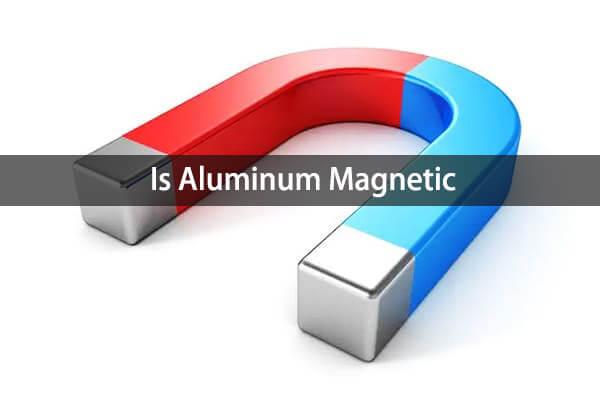
Is Aluminum Magnetic
Understanding aluminum’s magnetic properties matters for several reasons:
Now, let’s delve into the science of magnetism and what it reveals about aluminum.
To answer whether aluminum is magnetic, we first need to understand the fundamental types of magnetism.
Metals exhibit different magnetic behaviors depending on their electron structure and atomic arrangement. The primary types are:
| Type | Description | Examples |
| Diamagnetism | Slightly repels magnetic fields; weak and universal | Aluminum, Copper, Silver |
| Paramagnetism | Weakly attracts magnetic fields; dependent on unpaired electrons | Aluminum, Platinum |
| Ferromagnetism | Strongly attracts and retains magnetic properties; permanent magnetism | Iron, Nickel, Cobalt |
| Antiferromagnetism | Opposite magnetic moments cancel out; weakly magnetic | Manganese oxide |
| Ferrimagnetism | Similar to ferromagnetism but with unequal opposing moments | Magnetite |
Key point: The most relevant to aluminum’s magnetic properties is diamagnetism and paramagnetism.
Aluminum is classified as a diamagnetic metal. Diamagnetism arises because the electron motion in atoms creates tiny current loops that oppose any applied magnetic field, resulting in a very weak repulsion.
This property is intrinsic to all materials but is usually overshadowed by stronger magnetic behaviors like ferromagnetism.
| Material | Type of Magnetism | Magnetic Susceptibility (SI units) | Behavior in Magnetic Field |
| Aluminum | Diamagnetic | ≈ -2.2 x 10^-5 | Slightly repelled; negligible attraction |
| Iron | Ferromagnetic | +200 to +400 | Strongly attracted; retains magnetism |
| Copper | Diamagnetic | ≈ -8.0 x 10^-6 | Slightly repelled |
| Nickel | Ferromagnetic | +600 | Strong attraction |
Note: The negative value indicates diamagnetism, where the material opposes the magnetic field.
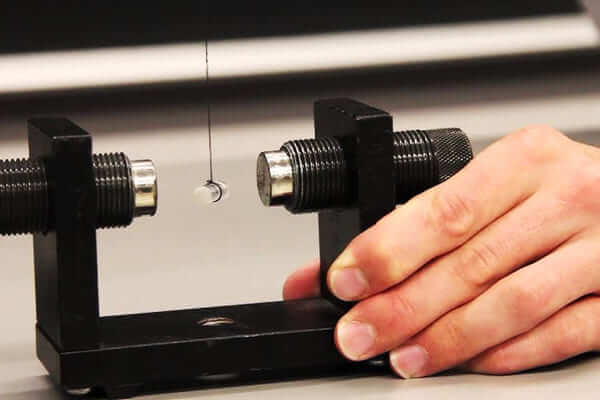
Aluminum Magnetic Test
Since aluminum exhibits diamagnetism, it is non-magnetic, making it suitable for electromagnetic shielding to prevent electromagnetic interference (EMI).
For instance, aluminum foil is extensively used in packaging sensitive electronics or shielding enclosures, thanks to its non-magnetic nature.
In construction, aluminum’s non-magnetic property ensures it does not interfere with magnetic-sensitive equipment like MRI machines, enabling its safe integration into healthcare facilities and laboratories.
Although aluminum is non-magnetic, in industrial processes involving magnetic separation, aluminum cannot be separated using magnets, unlike ferromagnetic metals such as iron or nickel.
| Scenario | Aluminum | Iron | Nickel |
| Magnetic Response | No attraction | Strong attraction | Strong attraction |
| Suitability for EMI Shielding | Excellent | Less effective | Less effective |
| Sensitivity to Magnetism in Environment | No | Yes | Yes |
From a safety perspective, using aluminum in environments with strong magnetic fields minimizes risks associated with magnetic objects being attracted unexpectedly.
Huawei Aluminum is a globally recognized supplier specializing in high-quality aluminum products.
With a commitment to manufacturing excellence, Huawei Aluminum supplies various types of aluminum sheets, plates, coils, and extrusions that meet international standards like ASTM, EN, and JIS.
In applications demanding non-magnetic metals, sourcing from reputable suppliers like Huawei Aluminum guarantees material integrity and compliance with safety standards.
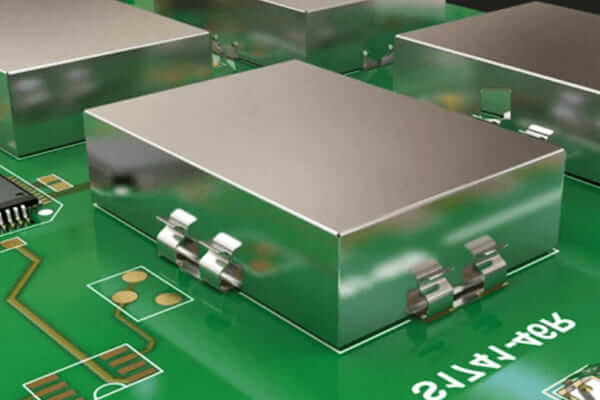
Aluminum Diamagnetic for EMI shields
No, pure aluminum exhibits diamagnetism, meaning it is non-magnetic and slightly repelled by magnetic fields.
Under normal conditions, aluminum does not become magnetic. However, certain aluminum alloys with ferromagnetic elements (like iron, nickel, or cobalt) can display magnetic properties.
No, aluminum foil does not attract magnets because aluminum is non-magnetic. If a magnet sticks to aluminum foil, it indicates the presence of ferromagnetic impurities.
Because of its non-magnetic and conductive properties, aluminum is safe to use around MRI machines, which are sensitive to ferromagnetic substances.
Some aluminum alloys contain ferromagnetic elements, potentially exhibiting weak magnetic properties, but pure aluminum remains non-magnetic.
| Metal | Magnetic Nature | Use Cases | Remarks |
| Aluminum (Pure) | Diamagnetic | EMI shields, aircraft, packaging | Lightweight, corrosion-resistant |
| Copper | Diamagnetic | Electrical wiring, cookware | Excellent conductor |
| Steel (Carbon) | Ferromagnetic | Construction, tools | Strong magnet susceptibility |
| Titanium | Paramagnetic | Aerospace, implants | Slight magnetic attraction |
| Nickel (Alloyed) | Ferromagnetic | Coins, magnets | Strong magnetic response |
Based on scientific evidence and industry standards, aluminum is a diamagnetic material and not truly magnetic.
It does not exhibit ferromagnetism—meaning it does not possess a permanent magnetic field or significantly interact with magnetic forces under normal conditions.
This property renders aluminum an ideal choice for applications where non-magnetic materials are essential, such as in electronics shielding, medical environments, and sensitive machinery.
Choosing high-quality aluminum, like that supplied by Huawei Aluminum, ensures the material’s purity and consistent properties for your professional and industrial needs.
Understanding the magnetic properties of materials like aluminum helps prevent misconceptions and guides better decisions in engineering, manufacturing, and design.
While aluminum resists magnetic fields and is non-magnetic in the conventional sense, its unique combination of properties makes it indispensable across industries.
Investing in reliable sources and comprehending the science behind magnetism ensures you harness aluminum’s full potential effectively and safely.
For further inquiries or to explore premium aluminum products suited for your project, consider connecting with Huawei Aluminum, a leader in the industry committed to quality, innovation, and customer satisfaction.
Share with PDF: Download
Aluminium circle for cookwares typically refers to a circular-shaped piece or circle made from aluminum that is used in the manufacturing of various types of cookware, such as pots, pans, and cooking utensils.
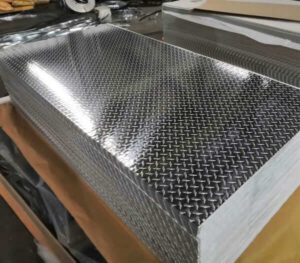
Diamond aluminum sheet is a type of aluminum sheet that features a raised diamond pattern on one side, which provides excellent slip resistance and traction in wet and slippery conditions.
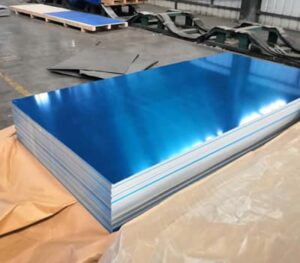
5000 series aluminum alloy is an Al-Mg alloy series with high strength and excellent corrosion resistance. It is commonly used in the manufacturing of marine, oil tanks, ships, automobile, building materials and other fields.

Discover LDPE composite aluminum foil, designed for superior moisture resistance, thermal insulation, and versatile applications in packaging, construction, and more.
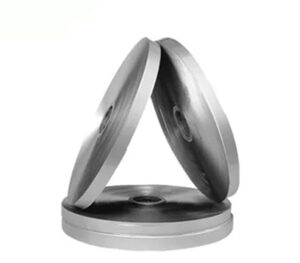
Cable aluminum foil, also known as aluminum foil for cable, refers to a specific type of aluminum foil that is used in the manufacturing of cables and wires.
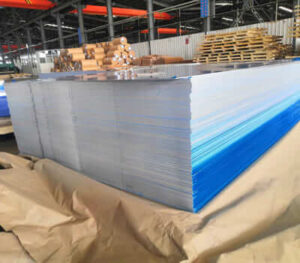
6082 aluminum sheet can be heat treated, strengthened and has good formability, weldability and machinability, also known as structural alloy.
No.52, Dongming Road, Zhengzhou, Henan, China
Henan Huawei Aluminum Co., Ltd, One Of The Biggest Aluminum Supplier In China Henan,We Are Established In 2001,And We Have rich experience in import and export and high quality aluminum products
Mon – Sat, 8AM – 5PM
Sunday: Closed
© Copyright © 2023 Henan Huawei Aluminium Co., Ltd

Latest Comments
Dear Sir, Please offer your best FOB Prices specs are as under ALUMINIUM STRIP (AL=99.50% MIN) SIZE:450 X32 X6 MM. DIN EN 570 EN-AW 1050 A, QUANTITY=3400KG
Hello, Would you be so kind to offer item as follows: Coil 0,6х1250 (1000)mm EN AW-3105 5tons
Hello, Can you offer me Aluminium plates? Actally I need: 110mm x 1700mm x 1700mm 5083 H111 - 21 pcs Next year planed is 177 pcs
Świetny artykuł. Byłem zachwycony, że wyszukałem ten artykuł. Wielu osobom wydaje się, że mają rzetelną wiedzę na ten temat, ale często tak nie jest. Stąd też moje miłe zaskoczenie. Jestem pod wrażeniem. Zdecydowanie będę rekomendował to miejsce i częściej wpadał, aby zobaczyć nowe rzeczy.
requirement of aluminium strip