Objavte kľúčové rozdiely medzi zliatinou hliníka 2024 vs 7075. Naučte sa ich chemické zloženie, mechanické vlastnosti, a ideálne aplikácie v leteckom priestranstve, automobilový, a športové vybavenie.
V leteckom inžinierstve, Výber materiálu ovplyvňuje hmotnosť, sila, spoľahlivosť, a nakoniec úspech misie. Stret medzi 2024 vs 7075 hliník trvá desaťročia, ale konverzácia zostáva rovnako dôležitá ako kedykoľvek predtým 2024 a ďalej.
Tento článok pretína humbuk, aby priniesol praktické informácie, informácie založené na údajoch o tom, ako „2024 vs 7075“ funguje v konštrukciách lietadiel v reálnom svete, komponentov, a výrobné pracovné postupy.
Očakávajte úprimnosť, pohľad na vlastnosti zameraný na používateľa, spracovanie, náklady, a návod na dizajn, ktorý môžete použiť už dnes.
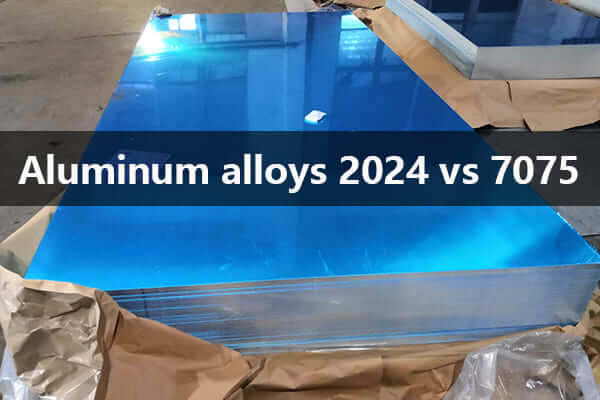
Hliníkové zliatiny 2024 vs 7075
| Prvok | 2024 (Al-Cu-Mg) | 7075 (Al-Zn-Mg-Cu) |
| Hliník (Al) | ~90,7 – 94,7 % | ~87,1 – 91,4 % |
| Meď (Cu) | 3.8–4,9 % | 1.2–2,0 % |
| Horčík (Mg) | 1.2–1,8 % | 2.1–2,9 % |
| Mangán (Mn) | 0.3–0,9 % | ≤ 0,3 % |
| Zinok (Zn) | ≤ 0,25 % | 5.1–6,1 % |
| Žehlička (FE) | ≤ 0,5 % | ≤ 0,5 % |
| Kremík (A) | ≤ 0,5 % | ≤ 0,4 % |
| Chróm (Cr) | ≤ 0,10 % | 0.18–0,28 % |
| Titán (Z) | ≤ 0,15 % | ≤ 0,2 % |
| Ďalšie prvky (každý) | ≤ 0,05 % | ≤ 0,05 % |
| Ďalšie prvky (súčet) | ≤ 0,15 % | ≤ 0,15 % |
7075 vs 2024 sedieť vo vysokovýkonnom segmente leteckého hliníka, napriek tomu slúžia rôznym filozofiám dizajnu.
Rodina 2xxx (2024) sa zameriava na zliatiny bohaté na meď, ktoré sú známe vynikajúcou únavovou pevnosťou a priaznivým lomovým správaním.
Rodina 7xxx (7075) zdôrazňuje vynikajúcu pevnosť v pomere k hmotnosti, s húževnatosťou a tuhosťou, vďaka ktorým je obľúbený pre nosné diely.
Označenie teploty - T6, T3, T351, a ďalšie — riadi konečné vlastnosti ako tepelné spracovanie, starnutie, a stabilizačné procesy prispôsobujú výkon.
V 2024 vs 7075 zúčtovanie, hľadať kompromisy medzi silou, odpor, zvárateľnosť, machináovateľnosť, a spôsob výroby (nitované, zvárané, alebo lepené zostavy).
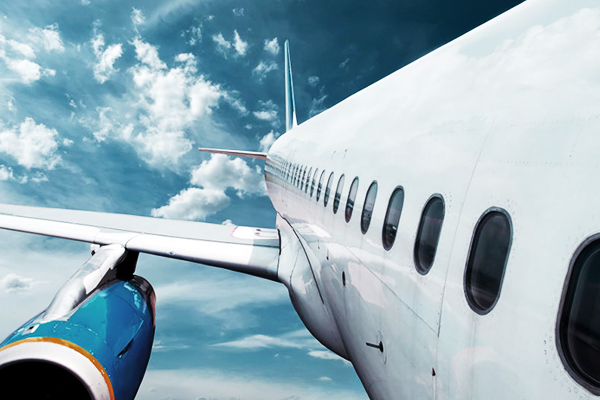
7075 hliník pre lietadlá
Pevnosť a tuhosť definujú 7075-T6, čo z neho robí ideálnu voľbu pre cesty kritického zaťaženia, kde sa o hmotnosti nedá vyjednávať.
Pri navrhovaní s 7075 hliník, inžinieri často zdôrazňujú následné spracovanie, povlaky, alebo ochranné povrchové úpravy na zmiernenie rizika korózie.
Zliatina veľmi dobre reaguje na starnutie (Povaha T6), ktorý zaisťuje vysokú pevnosť, ale môže znížiť ťažnosť.
Na rozdiel od toho, 2024 zliatiny (bežne 2024-T3 alebo 2024-T351) vymeňte určitú maximálnu pevnosť za lepšiu húževnatosť a únavové vlastnosti, spolu so zlepšenou vyrobiteľnosťou v mnohých scenároch.
Ten 2024 rodina žiari v zostavách, kde je spoľahlivosť, odolnosť proti korózii, a jednoduchosť obrábania záleží rovnako, alebo viac ako, samotná maximálna sila.
V 2024 vs 7075 diskusia, táto zliatina často víťazí tam, kde dlhá životnosť a udržiavateľnosť prevyšuje nosnosť.
| Majetok | 7075-T6 (typický) | 2024-T3 / T351 (typický) |
| Výnosová sila (MPA) | ~503 | ~345 – 400 |
| Konečná pevnosť v ťahu (MPA) | ~572 | ~470–490 |
| Hustota (g/cm3) | 2.81 | 2.78 |
| Odpor | Slabé bez náterov | Stredné až dobré s náležitou ochranou |
| Zvárateľnosť | Úbohý | Obmedzený; potrebné špecializované metódy |
| Machináovateľnosť | Dobré so správnym náradím | Vynikajúci; hladké rezanie a dlhá životnosť nástroja |
| Únavový výkon | Vysoká za ideálnych podmienok | Silný, často lepšia odolnosť voči poškodeniu ako zliatiny 7xxx s veľmi vysokou pevnosťou |
Poznámka: Hodnoty sa líšia v závislosti od teploty a tepelného spracovania. Presnú teplotu vždy nájdete v údajovom liste dodávateľa materiálu, zloženie, a pokyny na spracovanie vašej žiadosti.
Výber medzi 2024 vs 7075 je rovnako o výrobe, ako aj o prevádzkovom výkone.
Bežné aplikácie:
Bežné aplikácie:
V modernom letectve, konečná voľba medzi 2024 vs 7075 závesy na profile misie, environmentálna expozícia, výrobného rozsahu, a náklady na životný cyklus.
Ani jedna zliatina nie je univerzálna odpoveď; najlepšie dizajny kombinujú oboje, aby splnili prísne výkonnostné ciele a zároveň zachovali praktickosť a údržbu výroby.
Pre tímy, ktoré čelia otázke „2024 vs 7075“, cesta k úspechu spočíva v skorom výbere materiálu, ktorý je spojený s nákladmi v reálnom svete., vystavenie korózii, výrobné trasy, a jasný plán údržby.
Ak pripravujete stručný výber materiálu alebo hodnotíte nový komponent draku lietadla, začnite s maticou požiadaviek na dizajn, ktorá kontrastuje s pevnosťou, únava, korózia, a vyrobiteľnosť.
Potom priraďte tieto požiadavky k jednému z nich 7075 alebo 2024, alebo hybridný prístup, ktorý využíva silné stránky oboch.
Výsledok je bezpečnejší, zapaľovač, a nákladovo efektívnejšie riešenie pre letectvo a kozmonautiku prispôsobené vašej misii – vaša definitívna odpoveď na to najlepšie 2024 vs 7075 rozhodnutie.
Hliníková fólia pre vodnú fajku sa bežne používa na prípravu a používanie vodnej fajky, Tiež známe ako shisha alebo vodné potrubie. Pri príprave vodnej fajky slúži konkrétnemu účelu, najmä pri umiestňovaní a riadení uhlia a tabaku.
0.75 hliníkový list sa vzťahuje na hliníkový list s hrúbkou 0.75 palcov, tiež známy ako 0.75" hliníkový list;
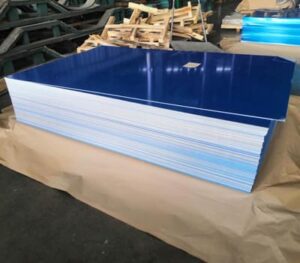
5454 hliníkový list má silné protiúčely a patrí do 5000 zliatiny hliníka-magnéium. 5454 hliníkový list je tiež zliatinou ošetreteľnou ošetrenou teplom a je 20% silnejší ako 5052 hliníkový list. Často sa používa v potrubiach námorných zariadení, Telá hliníkových nádrží a ďalšie polia.
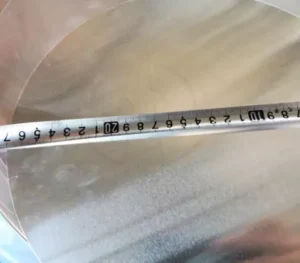
Hliníkové hliníkové disky Huawei sú široko vyvážané do Ghany, Guatemala, Burkina Faso, Alžírsko, Togo, Keň, Nigéria, Južná Afrika, Maroko a ďalšie africké krajiny; Spojené arabské emiráty, Jemen, Katar, Kuvajt, Irán, Jordánsko, Saudská Arábia a ďalší národ na Blízkom východe.
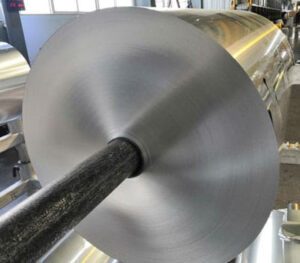
Farmaceutická fólia, Tiež známa ako fólia na lekárskej úrovni alebo pľuzgiere, 8011,8021,8079 Hliníková fólia bežná používaná pre farmaceutickú obalovú fóliu.
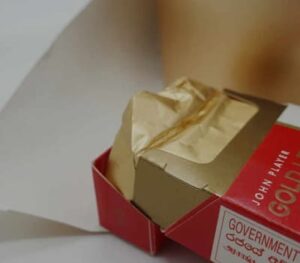
Hliníková fólia cigariet má vlastnosti, ako je napríklad vlhkosť, antioxidácia, a tepelná izolácia. Používa sa hlavne na ochranu kvality cigariet a na udržanie vlhkosti cigariet.
Č. 52, Dongmingová cesta, Zhengzhou, Henan, Čína
Henan Huawei Aluminium Co., Došlo, Jeden z najväčších dodávateľov hliníka v Číne Henan,Sme založení v roku 2001 a máme bohaté skúsenosti s dovozom a vývozom a vysokokvalitnými hliníkovými výrobkami
Môj - sat, 8AM - 17:00
Nedeľa: ZATVORENÉ
Č. 52, Dongmingová cesta, Zhengzhou, Henan, Čína
© Autorské práva © 2023 Henan Huawei Aluminium Co., Došlo

Najnovšie komentáre
Drahý pane, Please offer your best FOB Prices specs are as under ALUMINIUM STRIP (AL = 99,50% min) Veľkosť:450 X32 x6 mm. Tvoj 570 Own 1050 A, Množstvo = 3400 kg
Ahoj, Boli by ste tak láskaví ponúknuť položku takto: Cievka 0,6х1250 (1000)mm EN AW-3105 5tons
Ahoj, Môžete mi ponúknuť hliníkové taniere? Konctovo potrebujem: 110mm x 1700 mm x 1700 mm 5083 H111 - 21 pcs Next year planed is 177 počítač
Veľký článok. Bol som potešený, že som hľadal tento článok. Zdá sa, že veľa ľudí, že majú na túto tému spoľahlivé vedomosti, Ale často to tak nie je. Preto moje príjemné prekvapenie. Som ohromený. Toto miesto určite odporučím a spadnem častejšie, Vidieť nové veci.
požiadavka hliníkového pásu