Aluminum coils are widely used across industries due to their lightweight nature, corrosion resistance, and excellent strength-to-weight ratio. To enhance performance, aesthetics, and durability, various coating methods are applied.
Aluminum coils are widely used across industries due to their lightweight nature, corrosion resistance, and excellent strength-to-weight ratio. To enhance performance, aesthetics, and durability, various coating methods are applied. These coatings provide:

5 Methods of Coating Aluminum Coil
Selecting the appropriate coating method depends on application requirements, environmental exposure, mechanical properties, and cost considerations. The five primary methods of coating aluminum coils include:
Each of these methods has distinct characteristics, advantages, and limitations, which we will explore in detail.
PVDF (Polyvinylidene Fluoride) coatings are based on fluoropolymer resins, offering exceptional weather resistance, chemical stability, and UV protection. This method is ideal for aluminum coils exposed to extreme conditions.

Polyvinylidene Fluoride (PVDF) Coating
| Aspect | Advantages | Limitations |
| Durability | 20+ years lifespan | High initial cost |
| Weather Resistance | Excellent UV and chemical resistance | Not suitable for low-budget applications |
| Flexibility | Suitable for bending and forming | Requires precise processing control |
PE coatings are thermoplastic resins applied to aluminum coils to provide good gloss, color retention, and moderate corrosion resistance. They are cost-effective compared to PVDF coatings.
| Aspect | Advantages | Limitations |
|---|---|---|
| Cost | More affordable than PVDF | Lower durability |
| Aesthetic Appeal | Wide range of colors and gloss levels | Color fading over time |
| Processing | Easy to cut, bend, and shape | Not ideal for harsh environments |
Epoxy coatings use epoxy resins, known for their high adhesion, chemical resistance, and mechanical strength. They form a hard, protective layer on aluminum surfaces.

Epoxy Coating Aluminum Coil
| Aspect | Advantages | Limitations |
|---|---|---|
| Corrosion Resistance | Excellent for harsh chemicals | Moderate UV resistance |
| Adhesion | Strong adhesion to aluminum | Not ideal for exterior exposure |
| Strength | High mechanical durability | Prone to chalking under sunlight |
Acrylic coatings are water-based or solvent-based coatings that provide high gloss, color retention, and UV stability.

Acrylic Coating Aluminum Coil
| Aspect | Advantages | Limitations |
|---|---|---|
| Drying Speed | Quick curing time | Less durable than PVDF and epoxy |
| UV Stability | Good color retention | Limited corrosion resistance |
| Cost | Affordable | Requires reapplication over time |
PU coatings are based on polyurethane resins, known for their flexibility, chemical resistance, and impact resistance.

Polyurethane (PU) Coating Aluminum Coil
| Aspect | Advantages | Limitations |
|---|---|---|
| Flexibility | Suitable for bending | Expensive compared to PE |
| Durability | High impact resistance | Requires proper curing |
| Chemical Resistance | Excellent | Limited UV resistance |
| Coating Type | Durability | UV Resistance | Chemical Resistance | Flexibility | Cost |
|---|---|---|---|---|---|
| PVDF | 20+ years | Excellent | High | High | High |
| PE | 5-10 years | Moderate | Low | Moderate | Low |
| Epoxy | 10+ years | Moderate | Excellent | Low | Medium |
| Acrylic | 5-8 years | Good | Moderate | High | Low |
| PU | 10-15 years | Moderate | High | Excellent | High |
The selection of the right aluminum coil coating method depends on application needs. PVDF is best for durability, PE for cost-effectiveness, epoxy for chemical resistance, acrylic for aesthetics, and PU for flexibility. By understanding the strengths and limitations of each method, industries can optimize their aluminum coating processes for maximum efficiency, longevity, and performance.
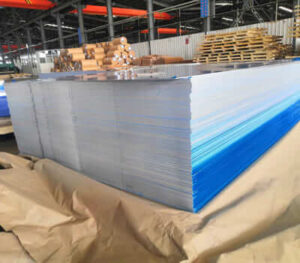
6082 aluminum sheet can be heat treated, strengthened and has good formability, weldability and machinability, also known as structural alloy.
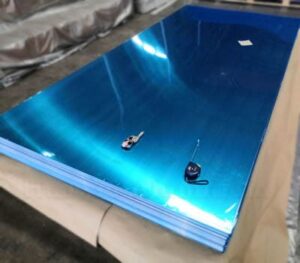
4x8 aluminum sheet is a common size of aluminum sheet, also known as standard size aluminum sheet, referred to as standard sheet.
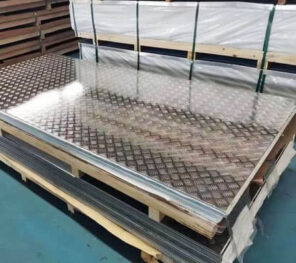
Discover why 6061 T6 aluminum tread plate delivers 310 MPa tensile strength, superior corrosion resistance, and reliable slip protection. Explore mechanical properties, ASTM B632 specs, structural design guidance, and fabrication best practices — all in one authoritative reference.
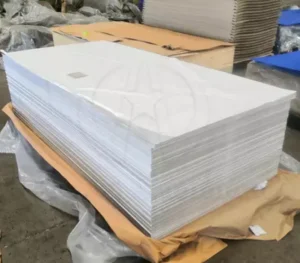
1050 aluminum sheet is a kind of non-heat-treated aluminum plate, which has good plasticity, corrosion resistance, electrical conductivity and thermal conductivity after cold working;
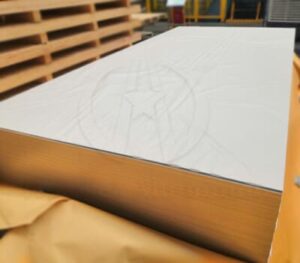
5083 Aluminum Sheet is known for its superior performance in extreme environments. 5083 Aluminum is highly resistant to corrosion from seawater and industrial chemical environments.
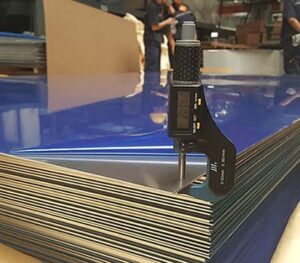
3005 aluminum plate belongs to Al-Mn alloy. The strength of 3005 aluminum plate is about 20% higher than that of 3003 aluminum plate, and its corrosion resistance is also better.
No.52, Dongming Road, Zhengzhou, Henan, China
Henan Huawei Aluminum Co., Ltd, One Of The Biggest Aluminum Supplier In China Henan,We Are Established In 2001,And We Have rich experience in import and export and high quality aluminum products
Mon – Sat, 8AM – 5PM
Sunday: Closed
© Copyright © 2023 Henan Huawei Aluminium Co., Ltd

Latest Comments
Dear Sir, Please offer your best FOB Prices specs are as under ALUMINIUM STRIP (AL=99.50% MIN) SIZE:450 X32 X6 MM. DIN EN 570 EN-AW 1050 A, QUANTITY=3400KG
Hello, Would you be so kind to offer item as follows: Coil 0,6х1250 (1000)mm EN AW-3105 5tons
Hello, Can you offer me Aluminium plates? Actally I need: 110mm x 1700mm x 1700mm 5083 H111 - 21 pcs Next year planed is 177 pcs
Świetny artykuł. Byłem zachwycony, że wyszukałem ten artykuł. Wielu osobom wydaje się, że mają rzetelną wiedzę na ten temat, ale często tak nie jest. Stąd też moje miłe zaskoczenie. Jestem pod wrażeniem. Zdecydowanie będę rekomendował to miejsce i częściej wpadał, aby zobaczyć nowe rzeczy.
requirement of aluminium strip