To understand the differences between Heavy-Duty vs Industrial Aluminum Foil, we will explore their features, benefits, and common uses. Whether you are a home cook looking for a foil that can withstand high temperatures or a business owner in need of robust packaging material, this article will provide valuable insights and help you make an informed decision.
To understand the differences between Heavy-Duty vs Industrial Aluminum Foil, we will explore their features, benefits, and common uses. Whether you are a home cook looking for a foil that can withstand high temperatures or a business owner in need of robust packaging material, this article will provide valuable insights and help you make an informed decision. Join us as we dive into the ultimate showdown of heavy-duty and industrial aluminum foil.

Heavy-Duty vs Industrial Aluminum Foil
Heavy-duty aluminum foil is known for its strength and durability. It is thicker and stronger than regular foil, making it perfect for heavy-duty tasks like wrapping large cuts of meat, lining grills, or covering dishes for transport. On the other hand, industrial aluminum foil is designed for commercial and industrial applications. It is typically thicker and more resistant to heat and moisture, making it ideal for packaging, insulation, and even in the construction industry.
Aluminum foil, a versatile and widely used material, comes in various forms to cater to diverse requirements. Two prominent types, Heavy-Duty vs Industrial aluminum foils, serve different purposes due to their unique characteristics. Understanding these differences is crucial for selecting the right foil for your specific needs.

Heavy-Duty Aluminum Foil
Heavy-duty aluminum foil is a thicker and more robust version of standard household foil, designed to withstand more demanding tasks.
| Feature | Description |
| Thickness | Typically thicker (0.005 – 0.02 mm) for enhanced durability and puncture resistance. |
| Strength | Higher tensile strength for withstanding heavy loads and harsh conditions. |
| Corrosion Resistance | Often coated or treated for improved resistance against environmental and chemical corrosion. |
| Conductivity | Excellent thermal and electrical conductivity. |
| Benefits | Ideal for heavy-duty applications requiring strength, durability, and resistance to elements. |
Heavy-duty aluminum foil finds extensive use in both household and some commercial settings:

Heavy-Duty Aluminum Foil Application

Industrial Aluminum Foil
Industrial aluminum foil represents the highest grade of aluminum foil, engineered for demanding applications requiring exceptional performance.
| Feature | Description |
| Thickness | Generally thinner (0.001 – 0.005 mm) for lighter applications and cost-effectiveness. |
| Strength | Moderate tensile strength suitable for most industrial and commercial uses. |
| Corrosion Resistance | May have basic coatings; less resistant than heavy-duty but sufficient for controlled environments. |
| Conductivity | Good thermal and electrical conductivity, though slightly lower than heavy-duty foils. |
| Benefits | Suitable for a broad range of industrial applications where strength is not the primary concern. |
Industrial aluminum foil is a workhorse material in numerous industrial sectors:

Industrial Aluminum Foil Application
The primary difference in strength and durability stems from the thickness and, in some cases, the specific alloy used.
| Characteristic | Heavy-Duty Aluminum Foil | Industrial Aluminum Foil |
| Thickness | 0.0025 inches (63.5 microns) | 0.003–0.006 inches (76–152 microns) |
| Strength | Strong, resistant to tearing | High tensile strength, more robust |
| Flexibility | Flexible, easy to mold | Less flexible, designed for tough applications |
| Heat Resistance | Can withstand high temperatures | Ideal for extreme temperatures |
| Durability | Long-lasting for household use | Extremely durable for industrial use |
| Tear and Puncture Resistance | Good resistance | Exceptional tear and puncture resistance |
As the table illustrates, industrial aluminum foil offers superior strength and durability due to its greater thickness. This added robustness allows it to withstand more stress, resist tearing and puncturing, and perform reliably in demanding industrial environments. Heavy-duty foil, while stronger than standard foil, is not engineered for the same level of rigorous use.
Cost is a significant factor in material selection. Generally:
The decision to use heavy-duty or industrial foil should balance the cost against the performance requirements of the application. For household tasks, the added cost of industrial foil is rarely justified. However, for industrial applications where performance and durability are critical, the higher cost of industrial foil is a necessary investment.
The environmental impact of both heavy-duty vs industrial aluminum foil is largely tied to the production of aluminum itself, which is an energy-intensive process. However:
Choosing the appropriate thickness for the application is a form of material optimization that can contribute to sustainability. Over-specifying with industrial foil when heavy-duty would suffice results in unnecessary resource consumption.
Selecting between heavy-duty vs industrial aluminum foil hinges on a clear understanding of the intended application and its demands.
Carefully consider the following factors when making your selection:
By understanding the distinct features and benefits of heavy-duty vs industrial aluminum foil, you can make informed decisions that optimize performance, ensure safety, and manage costs effectively.
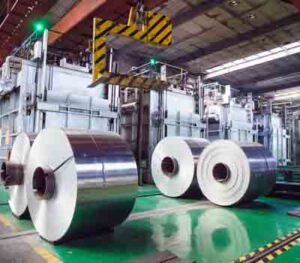
Our commitment to quality, variety, and customization ensures that you'll find the perfect insulation aluminum coil for your project.
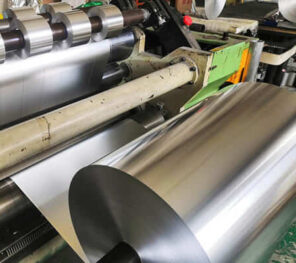
High temperature resistant coated aluminum foil delivers excellent heat stability, durable protection, and reliable performance for demanding applications.
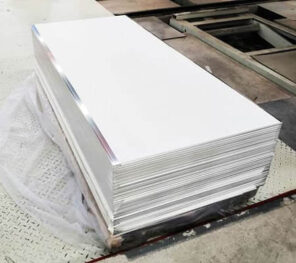
5083 H116 marine grade aluminium sheet offers outstanding seawater corrosion resistance, high strength-to-weight ratio, and excellent weldability for marine and offshore structures.
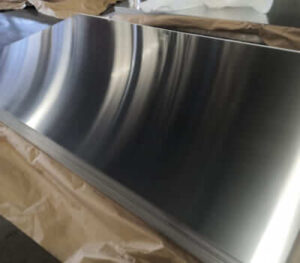
5×10 aluminum sheet is a common specification of aluminum sheet produced by aluminum sheet manufacturers,it is 5 feet wide and 10 feet long.

5000 Series Rolled Mirror Aluminum Plate is a high-quality aluminum alloy product characterized by its exceptional surface reflectivity (≥85%) and corrosion resistance. Manufactured through advanced cold rolling and polishing processes, it achieves a mirror-like finish while retaining the strength and formability of the 5000 series alloys.
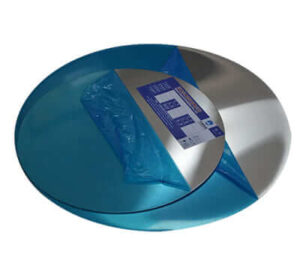
Aluminum circle for road sign refers to the aluminum circle used in the production of road signs. Because aluminum circles have strong corrosion resistance and weather resistance, aluminum circles are very suitable for the production of road signs.
No.52, Dongming Road, Zhengzhou, Henan, China
Henan Huawei Aluminum Co., Ltd, One Of The Biggest Aluminum Supplier In China Henan,We Are Established In 2001,And We Have rich experience in import and export and high quality aluminum products
Mon – Sat, 8AM – 5PM
Sunday: Closed
© Copyright © 2023 Henan Huawei Aluminium Co., Ltd

Latest Comments
Dear Sir, Please offer your best FOB Prices specs are as under ALUMINIUM STRIP (AL=99.50% MIN) SIZE:450 X32 X6 MM. DIN EN 570 EN-AW 1050 A, QUANTITY=3400KG
Hello, Would you be so kind to offer item as follows: Coil 0,6х1250 (1000)mm EN AW-3105 5tons
Hello, Can you offer me Aluminium plates? Actally I need: 110mm x 1700mm x 1700mm 5083 H111 - 21 pcs Next year planed is 177 pcs
Świetny artykuł. Byłem zachwycony, że wyszukałem ten artykuł. Wielu osobom wydaje się, że mają rzetelną wiedzę na ten temat, ale często tak nie jest. Stąd też moje miłe zaskoczenie. Jestem pod wrażeniem. Zdecydowanie będę rekomendował to miejsce i częściej wpadał, aby zobaczyć nowe rzeczy.
requirement of aluminium strip