6061 Aluminum Coil vs 5052 Aluminum Coil: Unveiling the Key Differences

Home » Blog » 6061 Aluminum Coil vs 5052 Aluminum Coil: Unveiling the Key Differences

Dive deep into the differences 6061 Aluminum Coil vs 5052 Aluminum Coil. Understand their chemical composition, mechanical properties, corrosion resistance, workability, applications, and how to choose the right alloy for your project.

6061 Aluminum Coil vs 5052 Aluminum Coil: Unveiling the Key Differences

Aluminum alloys stand out in modern manufacturing for their exceptional strength-to-weight ratio, corrosion resistance, and versatility.

Among the myriad of available grades, 6061 and 5052 aluminum alloys are two of the most popular choices, often supplied in coil form for various fabrication processes.

While both are excellent materials, they possess distinct characteristics that make them suitable for different applications.

This comprehensive comparison will delve into the intricacies of 6061 Aluminum Coil vs 5052 Aluminum Coil, empowering you to make an informed decision for your specific needs.

Understanding the fundamental differences in their composition, mechanical properties, workability, and end-use suitability is crucial for engineers, designers, and fabricators.

Let’s explore what sets these two workhorse alloys apart.

6061 Aluminum Coil vs 5052 Aluminum Coil

6061 Aluminum Coil vs 5052 Aluminum Coil

Understanding the Alloy Series: 6xxx vs 5xxx

Before diving into specifics, it’s helpful to understand the basic classification:

  • 6xxx Series (e.g., 6061): These are heat-treatable alloys. Their primary alloying elements are magnesium (Mg) and silicon (Si).
    The presence of magnesium silicide (Mg₂Si) allows them to achieve significant strength increases through solution heat treatment and subsequent aging (precipitation hardening).
    6061 aluminum coil is renowned for its good strength, weldability, and machinability.
  • 5xxx Series (e.g., 5052): These are non-heat-treatable alloys. Their principal alloying element is magnesium (Mg).
    They gain strength primarily through strain hardening (cold working) and solid solution strengthening.
    5052 aluminum coil is celebrated for its excellent formability, high fatigue strength, and superior corrosion resistance, particularly in marine environments.

This fundamental difference in heat treatability is a primary driver for many of the contrasting properties we will discuss.

Chemical Composition: 6061 Aluminum Coil vs 5052 Aluminum Coil

The distinct properties of 6061 6061 aluminum coil vs 5052 aluminum coils stem directly from their chemical compositions.

While both are predominantly aluminum, the type and percentage of alloying elements make a significant difference.

Element 6061 Aluminum (%) 5052 Aluminum (%) Significance of Element
Silicon (Si) 0.40 – 0.8 0.25 max Lowers melting point, improves fluidity; forms Mg₂Si in 6061 for hardening
Iron (Fe) 0.7 max 0.40 max Impurity; can reduce ductility if high
Copper (Cu) 0.15 – 0.40 0.10 max Increases strength, can reduce corrosion resistance if not controlled
Manganese (Mn) 0.15 max 0.10 max Improves strength, grain refinement
Magnesium (Mg) 0.8 – 1.2 2.2 – 2.8 Key strengthening element in both; forms Mg₂Si in 6061, major strengthener in 5052; enhances corrosion resistance
Chromium (Cr) 0.04 – 0.35 0.15 – 0.35 Improves corrosion resistance, controls grain structure
Zinc (Zn) 0.25 max 0.10 max Minor additions for various effects
Titanium (Ti) 0.15 max 0.15 max Grain refiner
Other (each) 0.05 max 0.05 max
Other (total) 0.15 max 0.15 max
Aluminum (Al) Remainder Remainder Base metal

Key Takeaways from Composition:

  • Magnesium Dominance in 5052: The significantly higher magnesium content in 5052 aluminum coil is its primary strengthening mechanism (solid solution strengthening) and contributes to its excellent corrosion resistance.
  • Magnesium and Silicon in 6061: The balanced presence of magnesium and silicon in 6061 aluminum coil allows for the formation of magnesium silicide (Mg₂Si) precipitates during heat treatment, which is responsible for its high strength.
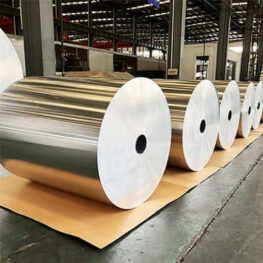
Packaged 6061 Aluminum Coil Huawei

Packaged 6061 Aluminum Coil Huawei

Mechanical Properties: Strength, Formability, and Durability

Mechanical properties dictate how an alloy will perform under stress and strain.

This is where the differences between 6061 and 5052 become particularly apparent, especially when considering common tempers.

Common Tempers:

  • 6061-T6 Aluminum Coil: Solution heat-treated and then artificially aged. This is the most common high-strength temper for 6061.
  • 6061-O Aluminum Coil: Annealed (fully soft) condition, offering maximum formability for 6061.
  • 5052-H32 Aluminum Coil: Strain-hardened and then stabilized (by a low-temperature thermal treatment) to a quarter-hard temper. Good balance of formability and strength.
  • 5052-H34 Aluminum Coil: Strain-hardened and then stabilized to a half-hard temper. Higher strength than H32, with slightly reduced formability.
  • 5052-O Aluminum Coil: Annealed, maximum formability for 5052.
Property 6061-T6 6061-O 5052-H32 5052-O Unit
Ultimate Tensile Strength 310 (45,000) 124 (18,000) 228 (33,000) 193 (28,000) MPa (psi)
Yield Strength 276 (40,000) 55 (8,000) 193 (28,000) 70 (10,000) MPa (psi)
Elongation at Break 12-17 25-30 12-18 25-27 % in 50mm
Hardness (Brinell) 95 30 60 47 HB
Shear Strength 207 (30,000) 83 (12,000) 138 (20,000) 117 (17,000) MPa (psi)
Fatigue Strength 97 (14,000) 48 (7,000) 117 (17,000) 83 (12,000) MPa (psi) @5×10⁸ cycles

(Values are typical and can vary based on exact specifications and thickness.)

Analysis of Mechanical Properties:

  • Strength: 6061-T6 aluminum coil clearly exhibits superior tensile and yield strength compared to any temper of 5052.
    This makes it ideal for structural applications where load-bearing capacity is paramount. Annealed 6061-O is significantly weaker.
  • Formability (Elongation): 5052 aluminum coil, especially in the O temper (annealed) or H32 temper, demonstrates excellent formability, as indicated by its higher elongation values compared to 6061-T6.
    It can undergo more severe bending and forming operations without cracking. While 6061-O has good formability, 6061-T6 is significantly less formable.
  • Hardness: Reflecting its strength, 6061-T6 is considerably harder than 5052 in any temper.
  • Fatigue Strength: 5052 aluminum coil generally boasts higher fatigue strength, especially in its work-hardened tempers like H32 and H34.
    This makes it a preferred choice for components subjected to cyclic loading and vibrations.

Corrosion Resistance: Withstanding the Elements

Both 6061 Aluminum Coil vs 5052 Aluminum Coil offer good to excellent corrosion resistance due to the formation of a protective aluminum oxide layer on their surface.

However, there are nuances:

  • 5052 Aluminum Coil: Exhibits superior corrosion resistance, particularly in saltwater or marine environments.
    Its higher magnesium content and lack of copper contribute to this enhanced performance.
    This makes 5052 aluminum coil a go-to material for boat hulls, marine hardware, and applications exposed to harsh chemical or saline conditions.
  • 6061 Aluminum Coil: Provides good corrosion resistance in most atmospheric conditions.
    However, its copper content, while contributing to strength, can make it slightly more susceptible to certain types of corrosion compared to 5052, especially if the protective oxide layer is compromised.
    For critical corrosion environments, additional surface protection (e.g., anodizing, painting) is often recommended for 6061.

Workability and Fabrication: 6061 Aluminum Coil vs 5052 Aluminum Coil

The ease with which an alloy can be formed, machined, and joined is critical for manufacturing efficiency and cost.

  • Formability:
    • 5052: Excellent. It can be easily bent, drawn, stamped, and spun, especially in the annealed (O) or H32 tempers. It has a lower spring-back tendency compared to 6061.
    • 6061: Good in the annealed (O) temper. However, in the common T6 temper, its formability is significantly reduced due to its high strength and hardness.
      Forming 6061-T6 often requires larger bend radii and more powerful equipment.
      It’s common to form 6061 in the O temper and then heat treat it to T6 if high strength is required post-forming.
  • Machinability:
    • 6061-T6: Excellent. It produces small, easily managed chips and allows for high cutting speeds and good surface finishes.
      This is one of the primary reasons for its popularity in machined parts.
    • 5052: Fair to good. It is somewhat gummier than 6061-T6, which can lead to larger, stringier chips and potentially a slightly poorer surface finish if not machined with appropriate tools and parameters.
  • Weldability:
    • 5052: Excellent. It can be readily welded using common techniques like MIG (GMAW) and TIG (GTAW), typically with 4043 or 5356 filler wire.
      The heat-affected zone (HAZ) retains good strength and ductility.
    • 6061: Good. It is also weldable by MIG and TIG, with 4043 or 5356 filler wires often recommended.
      However, welding 6061-T6 will significantly reduce the strength in the HAZ, as the heat treatment benefits are locally lost.
      The HAZ will essentially revert to an annealed or partially annealed state.
      Post-weld heat treatment may be necessary to recover some strength, but this can be complex and costly.
      If welding is a primary consideration and high as-welded strength is needed without post-weld heat treatment, 5052 might be a better choice, or the design must account for the reduced strength in 6061’s HAZ.

Heat Treatment: 6061 Aluminum Coil vs 5052 Aluminum Coil

This is a fundamental differentiator:

  • 6061 Aluminum Coil: Is heat-treatable. This means its strength can be significantly increased by solution heat treatment followed by quenching and aging (natural or artificial).
    The T6 temper is a result of this process. This allows for parts to be formed in a softer state (O temper) and then hardened for final use.
  • 5052 Aluminum Coil: Is non-heat-treatable. Its strength is primarily achieved through cold working (strain hardening), resulting in tempers like H32, H34, etc.
    Annealing (O temper) will soften it. It does not respond to precipitation hardening treatments.

Typical Applications: Where They Shine

The distinct properties of 6061 aluminum coil vs 5052 aluminum coil lead them to different application domains:

6061 Aluminum Coil Applications:

Due to its high strength (especially in T6 temper), good machinability, and weldability, 6061 is often used for:

  • Structural components: Trusses, frames, base plates, platforms
  • Machined parts: Fittings, couplings, hydraulic valve bodies, camera lens mounts
  • Aerospace components (though often more specialized alloys are used for critical flight parts)
  • Automotive parts: Chassis components, suspension parts
  • Bicycle frames
  • Scaffolding
  • Pipes and tubing for structural applications

5052 Aluminum Coil Applications:

Thanks to its excellent formability, superior corrosion resistance (especially marine), and high fatigue strength, 5052 is ideal for:

  • Sheet metal work: Enclosures, chassis, brackets, cabinets
  • Marine applications: Boat hulls, masts, fuel tanks, marine hardware
  • Chemical industry: Tanks, pressure vessels (for certain chemicals), piping
  • Automotive components: Fuel tanks, oil lines, body panels
  • Kitchen equipment and appliances
  • Road signs and nameplates
  • Hydraulic tubes
5052 Aluminum Coil for Pressure Vessels

5052 Aluminum Coil for Pressure Vessels

Cost Considerations

Generally, 5052 aluminum coil tends to be slightly less expensive than 6061 aluminum coil on a per-pound basis. However, several factors can influence the final cost:

  • Temper: Specific tempers can affect price.
  • Quantity: Larger orders typically command better pricing.
  • Market Fluctuations: Aluminum prices are subject to global commodity market changes.
  • Processing Costs: If extensive machining is required, the superior machinability of 6061 might offset its slightly higher material cost through reduced machining time and tool wear. Conversely, if complex forming is needed, 5052 aluminum‘s better formability might lead to lower overall fabrication costs.

It’s always advisable to get current quotes based on your specific project requirements.

Head-to-Head: 6061 Aluminum Coil vs 5052 Aluminum Coil at a Glance

Feature 6061 Aluminum Coil 5052 Aluminum Coil Key Differentiator
Primary Alloying Elements Magnesium (Mg), Silicon (Si) Magnesium (Mg) Si in 6061 allows for heat treatment
Heat Treatable? Yes No (Strain Hardened) Major impact on strength potential and processing
Strength (Typical) Higher (especially 6061-T6) Moderate 6061-T6 is significantly stronger
Formability Good (O temper); Fair (T6 temper) Excellent (especially O, H32 tempers) 5052 is much easier to form
Machinability Excellent (T6 temper) Fair to Good 6061-T6 machines better
Weldability Good (strength loss in HAZ for T6) Excellent (better strength retention in HAZ) 5052 often preferred if high as-welded strength is key
Corrosion Resistance Good Excellent (especially marine) 5052 excels in harsh environments
Fatigue Strength Fair to Good Good to Excellent 5052 generally better under cyclic loads
Typical Applications Structural, machined parts, automotive Sheet metal, marine, chemical, automotive Reflective of their core strengths
Cost (General) Slightly higher Generally lower Varies with market and processing

10. Making the Right Choice: 6061 Aluminum Coil vs 5052 Aluminum Coil

Selecting between 6061 aluminum coil vs 5052 aluminum coil depends entirely on the demands of your application:

Choose 6061 Aluminum Coil:

  • High strength and rigidity are primary requirements (e.g., structural components).
  • The part will undergo significant machining.
  • You can design around or mitigate strength loss in weld HAZ, or perform post-weld heat treatment.
  • Moderate corrosion resistance is sufficient, or additional protection will be applied.

Choose 5052 Aluminum Coil:

  • Excellent formability for complex shapes and deep draws is needed.
  • Superior corrosion resistance, especially in marine or chemical environments, is critical.
  • High fatigue strength for parts under cyclic stress is important.
  • Good as-welded strength without post-weld heat treatment is a priority.
  • Machining requirements are minimal or moderate.

Consider consulting with a materials engineer or an experienced aluminum supplier if you are unsure which alloy best suits your project.

They can provide valuable insights based on your specific design criteria, operating environment, and manufacturing processes.

11. Conclusion

Both 6061 aluminum coil vs 5052 aluminum coil are exceptional materials, each with a unique profile of strengths and capabilities.

6061 shines where high strength, structural integrity, and machinability are paramount, leveraging its heat-treatable nature.

Conversely, 5052 excels with its outstanding formability, superior corrosion resistance (particularly in marine settings), and robust fatigue strength, making it a champion for sheet metal fabrication and demanding environmental exposures.

By understanding these fundamental differences in their chemical makeup, mechanical response, workability, and corrosion behavior, you can confidently select the aluminum coil that will deliver optimal performance, longevity, and cost-effectiveness for your application.

The right choice begins with a clear understanding of your project’s demands matched against the distinct advantages offered by each of these versatile aluminum alloys.
Leave a Reply

Your email address will not be published. Required fields are marked *

Latest Comments

  • AKBAR SAJJAD Said:
    Dear Sir, Please offer your best FOB Prices specs are as under ALUMINIUM STRIP (AL=99.50% MIN) SIZE:450 X32 X6 MM. DIN EN 570 EN-AW 1050 A, QUANTITY=3400KG
  • Sviatlana Kapachenia Said:
    Hello, Would you be so kind to offer item as follows: Coil 0,6х1250 (1000)mm EN AW-3105 5tons
  • MILES Said:
    Hello, Can you offer me Aluminium plates? Actally I need: 110mm x 1700mm x 1700mm 5083 H111 - 21 pcs Next year planed is 177 pcs
  • Fotograf Said:
    Świetny artykuł. Byłem zachwycony, że wyszukałem ten artykuł. Wielu osobom wydaje się, że mają rzetelną wiedzę na ten temat, ale często tak nie jest. Stąd też moje miłe zaskoczenie. Jestem pod wrażeniem. Zdecydowanie będę rekomendował to miejsce i częściej wpadał, aby zobaczyć nowe rzeczy.
  • kishor wagh Said:
    requirement of aluminium strip
  • Hot Products

    This is our best selling products

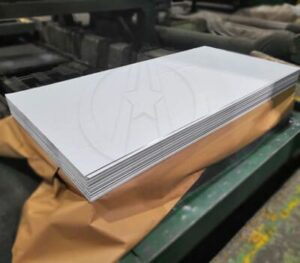
    6061 Aluminum Sheet

    6061 aluminum sheet

    6061 aluminum sheet is an al-si-mg alloy that has been strengthened by precipitation hardening. 6061 aluminum has a high strength-to-weight ratio, above-average corrosion resistance, good machinability, and is well suited for welding.
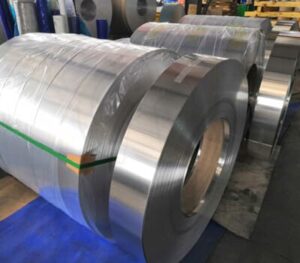
    1060 aluminium strip

    1060 aluminium strip

    1060 aluminium  strip cables have excellent load-carrying capacity, especially self-supporting capacity. An aluminum wire can be as long as 4000 meters without falling, while a copper cable can only reach 2750 meters.
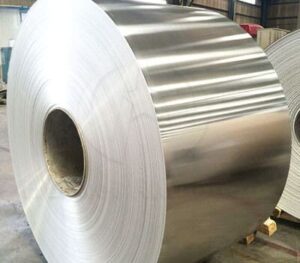
    1060 Aluminum Coil

    1060 Aluminum Coil

    1060 Aluminum Coil is composed of 99.6% aluminum, which is similar to the 1050 alloy of the same family, but the aluminum content differs by 0.1%.
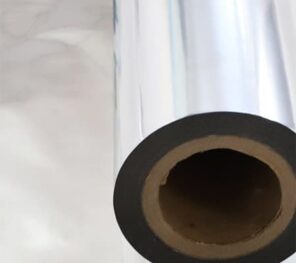
    Aluminum Foil Laminated Polyester Film

    Aluminum Foil Laminated Polyester Film

    Premium aluminum foil laminated polyester film offering outstanding moisture, oxygen, and light barrier properties. Ideal for pharmaceutical, food, electronics, and industrial packaging
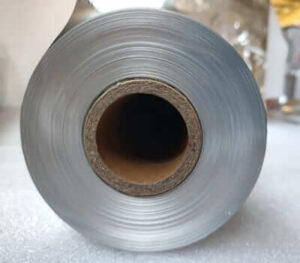
    8011 Gold Hydrophilic Aluminum Foil Huawei

    8011 Gold Hydrophilic Aluminum Foil

    High-adhesion, corrosion-resistant 8011 gold hydrophilic aluminum foil for sealing, lamination, and HVAC applications.
    Aluminium Foil For Hookah

    Aluminum Foil For Hookah

    Aluminum foil for hookah is commonly used for preparing and using a hookah, also known as a shisha or water pipe. It serves a specific purpose in the preparation of the hookah, particularly in the placement and management of the charcoal and tobacco.

    Our Office

    No.52, Dongming Road, Zhengzhou, Henan, China

    HWALU

    Henan Huawei Aluminum Co., Ltd, One Of The Biggest Aluminum Supplier In China Henan,We Are Established In 2001,And We Have rich experience in import and export and high quality aluminum products

    Opening Hours:

    Mon – Sat, 8AM – 5PM

    Sunday: Closed

    Get In Touch

    No.52, Dongming Road, Zhengzhou, Henan, China

    +86 181 3778 2032

    [email protected]

    Leave a Reply

    Your email address will not be published. Required fields are marked *

    © Copyright © 2023 Henan Huawei Aluminium Co., Ltd

    Call Us

    Email Us

    Whatsapp

    Inquiry