Explore Aluminum Plate Coating Processes and learn how different methods improve corrosion resistance, durability, and surface finish. Choose the right coating for your application.
In a world where material performance, corrosion resistance, and aesthetic appeal are paramount, aluminum plates have become indispensable across diverse industries, including aerospace, automotive, construction, and packaging.
Central to optimizing their utility is the process of aluminum plate coating—an intricate combination of technology, chemistry, and craftsmanship that ensures durability, functionality, and visual excellence.
This comprehensive guide dives into the multifaceted realm of aluminum plate coating processes, unraveling industry secrets, standard practices, and innovative solutions to help engineers, manufacturers, and stakeholders make informed decisions.
Aluminum plates are favored for their lightweight properties, versatility, and resistance to corrosion. However, environmental exposure, mechanical stresses, and aesthetic demands necessitate an effective coating process that can enhance lifespan and performance.
These coating processes range from traditional paint layers to advanced nanotechnology-based treatments.
Huawei Aluminum, a globally recognized supplier of aluminum products, stands at the forefront of providing high-quality aluminum plates tailored for coating applications.
With decades of expertise, Huawei Aluminum offers a broad spectrum of aluminum solutions that meet international standards, ensuring reliability and innovation in every product.
In this guide, we explore the various aluminum plate coating processes, compare their advantages and drawbacks, and provide useful insights into choosing the optimal method for specific applications.
Whether you are a manufacturer seeking to enhance product performance or a researcher exploring innovative coatings, this guide aims to serve as an authoritative resource.

Aluminum Plate Coating Processes
Before delving into specific processes, it is essential to understand why coating plays such a pivotal role in aluminum plate performance:
The landscape of aluminum plate coating is diverse, encompassing traditional, organic, inorganic, and innovative advanced methods.
Powder coating involves applying dry powder particles electrostatically onto the aluminum surface, followed by curing at high temperatures.
This process produces a durable, uniform, and environmentally friendly finish.
| Advantages | Disadvantages |
| High durability and resistance | Requires specialized equipment |
| Environmentally friendly | Limited color variety |
| Thick coating possible | Surface preparation is critical |

Powder Coating Aluminum Plate
Anodizing is an electrochemical process that thickens the natural oxide layer, enhancing corrosion resistance and allowing porous surfaces for dyeing.
| Advantages | Disadvantages |
| Increased corrosion resistance | Can alter surface dimensions |
| Excellent for decorative finishes | Limited color palette without dying |
| Improves wear resistance | Longer processing times |

Anodized Aluminum Plate
Fluoropolymer coatings, including PTFE (Polytetrafluoroethylene), are renowned for their non-stick, corrosion-resistant, and temperature-resistant properties.
| Advantages | Disadvantages |
| Superior chemical resistance | Higher application cost |
| Excellent weather resistance | Requires precise application |
Ceramic coatings form an ultra-hard, heat-resistant barrier on aluminum plates, ideal for high-temperature environments.
| Advantages | Disadvantages |
| Extreme temperature endurance | Application complexity |
| Good wear and corrosion resistance | Higher cost |
Emerging nanotechnology-based coatings utilize nanoparticles to enhance surface properties, such as self-cleaning, anti-fog, and antimicrobial features.
| Advantages | Disadvantages |
| Multifunctional surface improvement | Limited long-term data |
| Thin, lightweight layer | Cost remains relatively high |
| Process | Suitable Applications | Key Features |
| Powder Coating | Architectural panels, signage | Eco-friendly, high durability |
| Anodizing | Structural components, decorative purposes | Customizable color, increased lifespan |
| PVDF Coatings | Roofing sheets, building facades | UV stability, color retention |
| Electroless Plating | Electrical conductors, heat exchangers | Uniform thickness, uniform coverage |

PVDF Coatings Aluminum Plate for Building
Different coating methods serve unique purposes. Here is a comparative analysis to assist in selecting the appropriate process:
| Criterion | Powder Coating | Anodizing | PVDF Coatings | Ceramic Coatings | Nano-Coatings |
| Durability | High | Very high | High | Very high | Moderate to high |
| Corrosion Resistance | Moderate | Very high | High | Very high | Varies |
| Aesthetic Flexibility | Good | Limited | Excellent | Moderate | Excellent |
| Environmental Impact | Low | Neutral | Neutral | Neutral | Neutral to positive |
| Application Complexity | Moderate | Moderate | Moderate | High | High |
| Cost | Moderate | Moderate | Higher | Highest | High |
Adherence to international standards ensures coating quality and safety. Leading certifications include:
| Standard | Description | Applicability |
| ISO 12944 | Corrosion protection of steel structures | For industrial coating projects |
| AAMA 2605 | Architectural coating durability | Building facades and claddings |
| Qualicoat | Coatings for architectural aluminum | Powder coat industry |
| REACH | Chemical safety regulation | Ensures environmentally friendly coatings |
Always select coating processes aligned with the intended application and regulatory requirements.
The choice of application techniques directly impacts coating uniformity, adhesion, and overall quality.
| Technique | Description | Ideal Use Cases | Benefits |
| Spray Coating | Air or airless spray application | Large or complex surfaces | Fast, uniform coverage |
| Dip Coating | Immersing components in coating baths | Small parts, complex geometries | Consistent coating thickness |
| Electrostatic Spraying | Uses electric charge to attract powder or liquid | Powder coatings | Minimal waste, excellent adhesion |
| Brush and Roller | Manual application | Touch-up jobs, small areas | Cost-effective, simple |
The industry is moving towards more sustainable, high-performance, and multifunctional coatings. Key trends include:
Huawei Aluminum offers a diverse range of aluminum plates specifically designed for coating applications:
| Product Series | Features | Suitable Coating Processes | Certifications |
| HA Aluminum 1xxx | Exceptional thermal and electrical conductivity | Anodizing, conductive coatings | ISO 9001, ISO 14001 |
| HA Aluminum 3xxx | Excellent corrosion resistance | PVDF, fluoropolymer coatings | Qualicoat |
| HA Aluminum 5xxx | High strength, good weldability | Powder coating, ceramic coating | ISO 12944 |
Huawei Aluminum emphasizes sustainability by reducing environmental impacts through eco-friendly manufacturing and advanced pre-treatment techniques, enabling customers to achieve optimal coating results.
Proper maintenance maximizes coating lifespan and preserves performance:
Answer: PVDF coatings combined with high-quality powder coatings provide excellent UV stability, color retention, and corrosion resistance, making them ideal for outdoor use.
Answer: Anodizing thickens the natural oxide layer, enhancing corrosion and wear resistance while providing a porous surface that can be dyed for aesthetic customization.
Answer: Yes, water-based coatings, bio-based resins, and low-VOC formulations are increasingly available, aligning with sustainability objectives.
Answer: Consider factors such as environmental conditions, mechanical stresses, aesthetic requirements, regulatory standards, and budget. Consulting with industry experts or suppliers like Huawei Aluminum can provide tailored recommendations.
The spectrum of aluminum plate coating processes continues to expand with technological advancements, environmental considerations, and industry demands. From traditional anodizing and powder coating to cutting-edge nanotechnology, each method offers unique benefits tailored to specific applications.
Huawei Aluminum remains a trusted partner, offering high-quality aluminum plates optimized for a multitude of coating processes, ensuring durability, aesthetic excellence, and sustainability.
With informed choices and proper application, stakeholders can significantly extend the lifespan and functionality of aluminum plates, unlocking their full potential across diverse industries.
By understanding the nuances of each process, adhering to international standards, and leveraging innovative technologies, manufacturers and designers can create products that stand the test of time—truly unveiling the spectrum of aluminum’s capabilities.
Note: This guide aims to serve as an authoritative resource. For tailored recommendations and technical support, contact Huawei Aluminum’s technical consulting team.
Published by Huawei Aluminum — Setting Industry Standards in Aluminum Solutions.
Share with PDF: Download
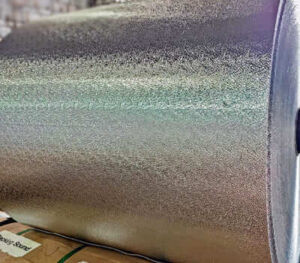
Our embossed aluminum foil products are exported to more than 60 countries and regions in the European Union, the Middle East, Southeast Asia, and South America, and enjoy a good reputation in the international market with the best service and high-quality products.
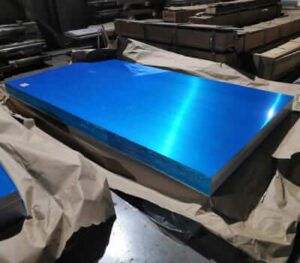
3000 series aluminum alloy is an AL-MG alloy whose main components are aluminum, manganese and a small amount of other elements. It has excellent properties such as good corrosion resistance, processability and weldability.
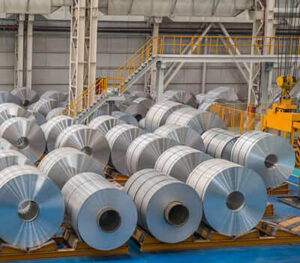
6061 aluminum coil" is an aluminum alloy that is commonly used for applications such as automotive and aerospace components, as well as for construction and industrial products. This article will explore the Properties,Benefits and Applications of 6061 aluminum coil, from its raw material form to the finished product.
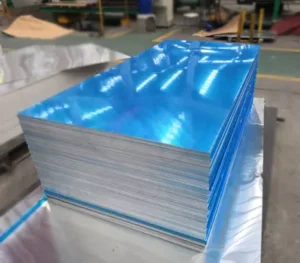
3105 Aluminum Sheet is adding some other elements on the basis of pure aluminum, such as cu, mg, si, mn, etc., the purpose is to improve the strength of aluminum alloy
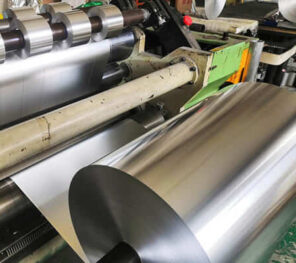
High temperature resistant coated aluminum foil delivers excellent heat stability, durable protection, and reliable performance for demanding applications.
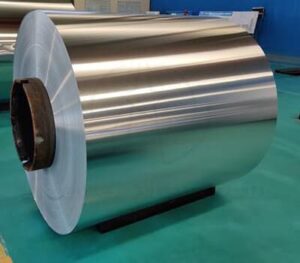
Huawei Aluminum is a large-scale 5052 aluminum foil raw material manufacturer, with 30 years of experience in aluminum foil production and sales.
No.52, Dongming Road, Zhengzhou, Henan, China
Henan Huawei Aluminum Co., Ltd, One Of The Biggest Aluminum Supplier In China Henan,We Are Established In 2001,And We Have rich experience in import and export and high quality aluminum products
Mon – Sat, 8AM – 5PM
Sunday: Closed
© Copyright © 2023 Henan Huawei Aluminium Co., Ltd

Latest Comments
Dear Sir, Please offer your best FOB Prices specs are as under ALUMINIUM STRIP (AL=99.50% MIN) SIZE:450 X32 X6 MM. DIN EN 570 EN-AW 1050 A, QUANTITY=3400KG
Hello, Would you be so kind to offer item as follows: Coil 0,6х1250 (1000)mm EN AW-3105 5tons
Hello, Can you offer me Aluminium plates? Actally I need: 110mm x 1700mm x 1700mm 5083 H111 - 21 pcs Next year planed is 177 pcs
Świetny artykuł. Byłem zachwycony, że wyszukałem ten artykuł. Wielu osobom wydaje się, że mają rzetelną wiedzę na ten temat, ale często tak nie jest. Stąd też moje miłe zaskoczenie. Jestem pod wrażeniem. Zdecydowanie będę rekomendował to miejsce i częściej wpadał, aby zobaczyć nowe rzeczy.
requirement of aluminium strip