Stamped aluminum discs represent a critical component in countless manufacturing applications, from automotive parts to decorative finishes.
Yet manufacturers and quality control professionals constantly battle one persistent challenge: the dreaded orange peel effect.
This textured, dimpled surface appearance doesn’t just compromise aesthetic appeal—it significantly impacts product performance, customer satisfaction, and your bottom line.
Understanding how to achieve smooth, orange peel-free stamped aluminum discs separates elite manufacturers from the rest.
This comprehensive guide walks you through every critical factor, from material selection to post-processing techniques that deliver professional-grade results consistently.
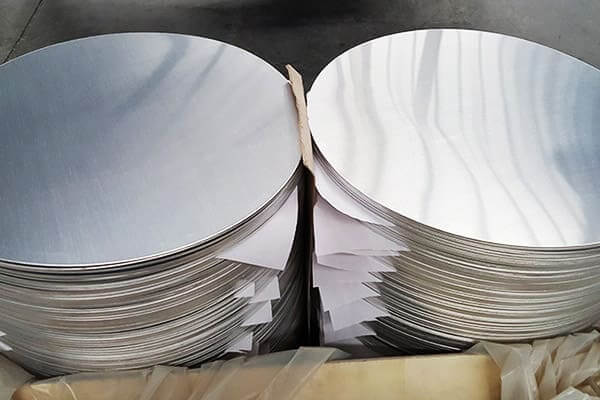
How to avoid orange peel when stamping aluminum discs
Orange peel refers to a surface defect that creates a texture resembling an orange’s skin.
This phenomenon occurs when the stamped aluminum disc develops tiny, irregular dimples and waves across its surface.
Unlike scratches or dents, orange peel emerges from the material’s crystalline structure reacting during the stamping process.
The effect typically manifests as a wavy, uneven finish that catches light inconsistently.
When you run your finger across an orange peel surface, you can actually feel the microtexturing.
Manufacturers find this defect particularly frustrating because it emerges despite following standard procedures, and it fundamentally changes how your finished products look and feel.
I cannot overemphasize how significantly orange peel impacts your business. First, customers immediately notice this defect.
When your stamped aluminum discs arrive with an orange peel texture, clients perceive inferior quality regardless of the disc’s actual structural integrity.
This perception directly damages your reputation and market position.
Second, orange peel creates functional problems. In automotive applications, for instance, this texture can interfere with coatings, adhesives, and paint application.
Your aluminum discs might not accept paint evenly, resulting in spotty coverage that demands expensive rework or complete product replacement.
Third, the defect indicates underlying process problems. Orange peel signals issues with material composition, temperature control, or stamping parameters—all factors you must address to maintain consistent quality across your entire production run.
Your choice of aluminum alloy determines roughly 40% of your orange peel prevention success.
Not all aluminum alloys respond identically to stamping processes. I recommend focusing on alloys specifically engineered for minimal surface defects.
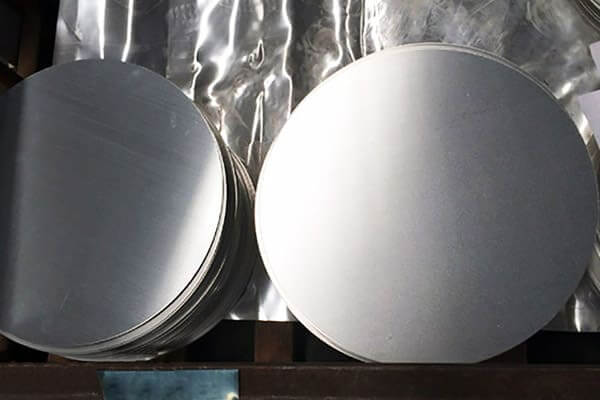
3003 aluminum disc introduction
Optimal Aluminum Alloys for Stamped Discs:
| Alloy | Characteristics | Best Applications | Orange Peel Resistance |
| 3003 | Good workability, moderate strength | General purpose stamping | Very Good |
| 5052 | Excellent corrosion resistance, high strength | Marine, outdoor applications | Excellent |
| 6061 | Versatile, heat-treatable | Automotive, structural components | Good |
| 6063 | Excellent extrudability, good finishing | Decorative applications | Very Good |
| 7075 | High strength, aerospace grade | Performance-critical parts | Moderate |
I particularly recommend 5052 aluminum for stamped discs requiring flawless finishes.
This alloy maintains consistent grain structure throughout the stamping process, dramatically reducing orange peel formation.
The 3003 alloy offers excellent value while delivering reliable results for general applications.
Temper condition critically influences how aluminum responds to stamping operations.
Temper refers to the material’s hardness and workability balance.
Manufacturers designate temper using letters: H (strain-hardened) and T (heat-treated).
H-tempered aluminum exhibits greater hardness but reduced ductility.
This condition can actually increase orange peel risk because the material doesn’t flow smoothly during stamping.
The aluminum resists deformation, creating stress concentrations that manifest as surface irregularities.
T-tempered aluminum, particularly T4 and T6 conditions, often performs better for stamped applications.
T4 aluminum combines good strength with sufficient ductility to flow smoothly during stamping, producing more uniform surfaces.
I recommend specifying H14 or T4 temper for your stamped aluminum discs.
These conditions strike the optimal balance between workability and structural properties.
H14 offers good corrosion resistance and modest hardness, while T4 provides excellent dimensional stability and smooth surface characteristics.
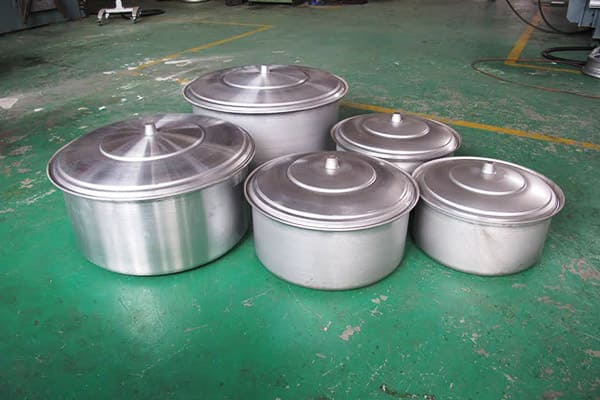
Aluminum discs for aluminum pots
Grain size directly affects orange peel formation. Smaller, more uniform grains produce smoother surfaces because they deform more predictably during stamping.
Large grains deform inconsistently, creating the characteristic dimpling associated with orange peel.
Specify grain size between 50-150 micrometers when ordering aluminum stock. This range ensures uniform deformation during stamping.
Request your supplier’s documentation confirming grain structure analysis.
Many quality aluminum suppliers routinely perform microstructure analysis and provide detailed reports.
When you receive aluminum coils or blanks, request samples for verification.
Perform visual inspection under magnification and demand metallurgical analysis showing grain size distribution if you’re experiencing persistent orange peel problems.
This investment upfront prevents expensive production issues downstream.
Temperature control represents the single most critical factor in preventing orange peel on stamped aluminum discs.
I’ve seen manufacturers eliminate 90% of their orange peel problems simply by implementing proper temperature management protocols.
Aluminum exhibits temperature-dependent behavior. At room temperature, aluminum becomes less ductile, resisting smooth deformation.
Excessive heat, conversely, promotes grain growth and material degradation. The sweet spot typically falls between 100°F and 200°F (38°C to 93°C) depending on your specific alloy.
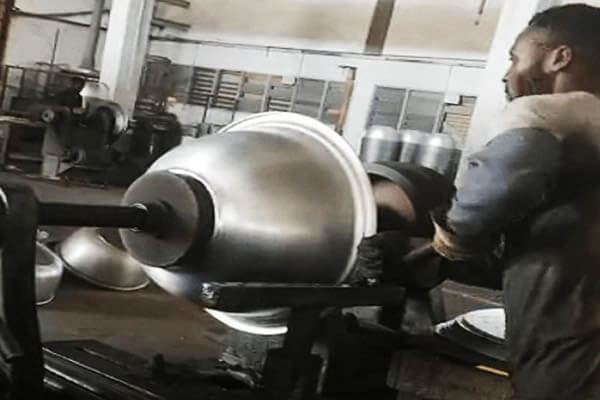
Aluminum disc stamping process
Elevated temperatures accomplish several objectives:
I recommend implementing heated die systems for your stamping operations.
Heated dies maintain consistent temperatures throughout production runs.
Install thermocouples directly in your dies and monitor temperature continuously. Maintain logs documenting temperature ranges for every production batch.
Your stamping dies dramatically influence orange peel formation. Dies with inadequate surface finish transfer their imperfections directly to your aluminum discs.
Additionally, poor die design creates uneven pressure distribution, leading to irregular material deformation.
Critical die specifications include:
I strongly recommend investing in premium die maintenance. Inspect your dies every 5,000 stamping cycles. Use optical surface profilometers to measure die surface finish regularly.
When surface finish exceeds Ra 0.8 microinches, re-polish immediately.
This preventive approach costs far less than managing orange peel defects in finished products.
When designing new dies or commissioning custom tooling, specify mirror-polished surfaces for the actual stamping surfaces.
Request professional surface polishing as part of the die manufacturing contract. This upfront investment directly translates to fewer defective parts and higher customer satisfaction.
Stamping pressure and speed work together to determine how material flows during the stamping process.
Excessive pressure creates unnecessary stress, while insufficient pressure prevents complete material deformation. Similarly, speed affects material response characteristics.
Optimal stamping parameters typically include:
I recommend using progressive dies rather than single-stage dies when possible.
Progressive dies apply force gradually across multiple strokes, allowing material to deform smoothly without sudden stress spikes.
This approach dramatically reduces orange peel formation compared to single-stage stamping.
Start your production runs at conservative settings: lower pressure and slower speeds.
Gradually increase speed while monitoring surface quality. You’ll discover the optimal parameter combination for your specific material and die configuration.
Document these parameters precisely—they become your golden standard for future production runs.
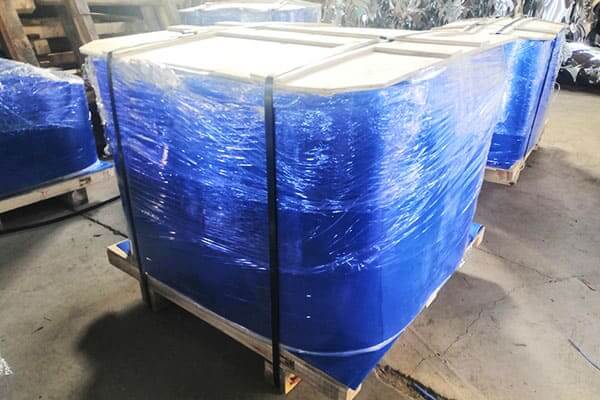
Aluminum discs Packaged by Huawei
Proper lubrication fundamentally transforms your stamping results. Lubrication reduces friction between the aluminum and the die, allowing smoother material flow.
Without adequate lubrication, aluminum surfaces experience micro-abrasion and stress concentration.
Recommended lubricants for aluminum stamping include:
| Lubricant Type | Characteristics | Best For |
| Mineral oils | Cost-effective, moderate performance | General stamping |
| Synthetic oils | Superior performance, extended tool life | High-speed operations |
| Water-based emulsions | Environmental advantages, good cooling | Precision stamping |
| Solid film lubricants (MoS₂) | Extreme pressure conditions | Heavy-duty stamping |
I prefer water-based emulsions for most aluminum stamping applications. These formulations provide excellent lubrication while offering superior cooling properties.
The water component carries away heat generated during stamping, which helps maintain optimal temperatures.
Apply lubricant consistently to every stamping cycle. Install automated lubrication systems that dispense precise quantities before each stroke.
Insufficient lubrication creates surface defects identical to orange peel, so consistency matters enormously.
Maintain your lubricant properly. Check pH regularly—acidic lubricants can corrode aluminum.
Filter lubricants every week to remove metal particles. Replace lubricant every 3-4 months or when performance degradation becomes apparent.
Neglecting lubricant maintenance directly undermines all your other efforts to prevent orange peel.
Surface contamination on aluminum blanks directly increases orange peel risk.
Oils, oxides, dust particles, and residual processing compounds all interfere with proper material flow during stamping.
I cannot emphasize enough how critical thorough cleaning proves to be.
Implement a three-stage cleaning process before stamping:
Stage 1: Alkaline Cleaning
Use industrial alkaline cleaners to remove heavy oils and organic contaminants.
Immerse aluminum discs in heated alkaline solution (140-160°F or 60-71°C) for 3-5 minutes.
The alkaline chemistry saponifies oils, converting them to water-soluble compounds that rinse away easily.
Stage 2: Acid Pickling
Follow alkaline cleaning with dilute acid pickling to remove oxide layers.
Immerse cleaned discs in dilute sulfuric acid (5-10% concentration) for 2-3 minutes.
This process removes the aluminum oxide film that otherwise impedes material flow during stamping.
Stage 3: Rinse and Dry
Thoroughly rinse discs in distilled water multiple times to remove all trace chemicals.
Dry completely using compressed air or hot-air dryers. Any residual moisture or chemicals interferes with the stamping process.
I recommend inline cleaning systems that automatically clean blanks immediately before stamping.
This approach prevents recontamination between cleaning and stamping operations.
The modest investment in automated cleaning equipment pays dividends through dramatically improved surface quality.
Annealing processes relieve internal stresses within aluminum, promoting uniform grain structure and improved material ductility.
While your supplier typically pre-anneals aluminum stock, intermediate annealing between stamping operations often proves beneficial, especially for complex multi-stage stamping.
Full annealing involves heating aluminum to 620-680°F (327-360°C) depending on alloy, holding at temperature for 2-4 hours, then cooling slowly in still air.
This process completely relieves work hardening and promotes maximum grain recrystallization.
For most stamped disc applications, I recommend stress-relief annealing between stamping stages. This lighter treatment involves heating to 300-400°F (149-204°C) for 15-30 minutes.
While not as extensive as full annealing, stress-relief annealing eliminates work hardening while maintaining the material’s heat-treated properties.
Intermediate annealing proves particularly valuable when stamping complex disc designs requiring multiple sequential operations.
Each stamping introduces work hardening. Without intermediate annealing, material becomes increasingly brittle, eventually cracking or exhibiting severe surface defects.
After stamping but before final finishing operations, prepare surfaces to eliminate any residual contamination or surface irregularities.
This preparation stage often gets overlooked, yet it dramatically impacts your final results.
Begin with light mechanical polishing using 400-600 grit abrasives.
This removes light oxides and surface contamination without significantly altering the disc’s dimensions.
Use soft polishing pads and light pressure to avoid introducing new surface defects.
Follow mechanical polishing with chemical treatment using specialized aluminum cleaners.
These formulations contain corrosion inhibitors that prepare the surface for subsequent finishing operations while providing temporary protection against oxidation.
For premium applications, consider micro-abrasive blasting using extremely fine media (120-220 grit aluminum oxide).
This specialized process removes surface imperfections while creating an ideal substrate for coating adhesion.
Unlike aggressive blasting methods, micro-abrasive blasting produces uniform surfaces without creating new defects.
Electropolishing represents my top recommended solution for correcting orange peel on already-stamped aluminum discs.
This electrochemical process selectively removes surface material, essentially smoothing away surface irregularities while leaving base material intact.
During electropolishing, your stamped aluminum disc becomes the anode in an electrochemical cell.
Current passes through a specially formulated electrolyte solution, causing micro-dissolution of the aluminum surface.
The brilliant aspect of electropolishing: surface irregularities dissolve preferentially because they experience higher current density.
Electropolishing advantages include:
I recommend working with established electropolishing service providers if you lack in-house capability.
They possess specialized equipment optimized for aluminum processing and can handle volume production efficiently.
Process parameters matter significantly. Voltage typically ranges from 12-15 volts, current density from 30-50 amperes per square foot, and processing time from 5-15 minutes depending on defect severity.
Under-processing leaves residual orange peel, while over-processing can create pitting and dimensional distortion.
Chemical polishing offers an alternative to electropolishing for correcting orange peel.
This method involves immersing aluminum discs in specially formulated chemical solutions that selectively dissolve surface material, smoothing irregularities.
Common chemical polishing formulations include:
Chemical polishing occurs more slowly than electropolishing, typically requiring 10-30 minutes of immersion time.
The process creates a protective oxide layer while smoothing the surface.
Surface finish typically improves from Ra 1.6-3.2 microinches to Ra 0.2-0.4 microinches, completely eliminating orange peel appearance.
I find chemical polishing particularly valuable for small-batch production or custom orders.
Unlike electropolishing, chemical polishing requires minimal equipment investment.
You need temperature control, proper solution handling, and ventilation systems, but no expensive electropolishing apparatus.
The tradeoff: chemical polishing produces slightly less dramatic results than electropolishing and requires careful solution management.
Solutions degrade over time as they consume aluminum. Monitor solution chemistry regularly and replace when performance deteriorates.
For high-volume production where every disc must achieve flawless finishes, mechanical polishing using progressive abrasive stages delivers consistent, reliable results.
This multi-stage approach removes surface defects systematically.
Recommended polishing sequence:
I recommend automated polishing systems for consistent results.
Spinning discs against progressively finer abrasive wheels produces uniform surface quality across entire production runs.
Manual polishing introduces variability because different operators apply different pressure and technique.
Mechanical polishing generates considerable heat. Without proper cooling, aluminum can soften excessively, compromising mechanical properties.
Use water-based coolants throughout polishing operations to manage temperatures. Additionally, the mechanical action can work-harden surface layers, slightly increasing hardness.
One critical consideration: mechanical polishing removes material. While the amount removed (typically 0.5-2 mils per side) rarely affects structural
Share with PDF: Download
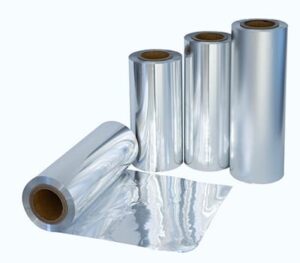
Flexible packaging aluminum foil is a thin foil made of aluminum that is commonly used in food packaging and pharmaceutical packaging. Unlike hard aluminum foil, flexible packaging aluminum foil is soft and can adapt to various shapes of containers, so it is widely used for packaging food and medicine.
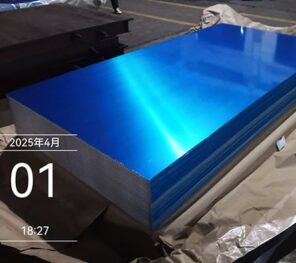
Engineered for efficiency, 24 gauge aluminum sheets combine material economy, excellent surface finish, and recyclability—delivering long-term value for light-duty applications.

In this article, we will explore the properties, benefits, applications, tempering processes, and factors to consider when choosing 6061 T4 T6 T651 aluminum sheet for your project.
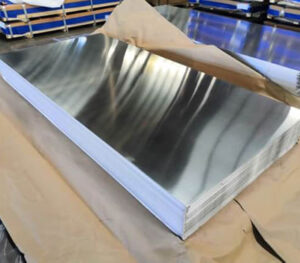
040 Aluminum Sheet is a type of aluminum sheet that has a thickness of 0.04 inches, which is equivalent to 1.016 millimeters. It is a thin and lightweight material
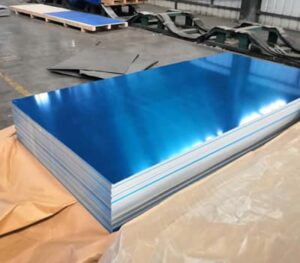
5000 series aluminum alloy is an Al-Mg alloy series with high strength and excellent corrosion resistance. It is commonly used in the manufacturing of marine, oil tanks, ships, automobile, building materials and other fields.

5052 Aluminum Disc is an Al-Mg alloy renowned for its excellent corrosion resistance, high fatigue strength, and superior workability.
No.52, Dongming Road, Zhengzhou, Henan, China
Henan Huawei Aluminum Co., Ltd, One Of The Biggest Aluminum Supplier In China Henan,We Are Established In 2001,And We Have rich experience in import and export and high quality aluminum products
Mon – Sat, 8AM – 5PM
Sunday: Closed
© Copyright © 2023 Henan Huawei Aluminium Co., Ltd

Latest Comments
Dear Sir, Please offer your best FOB Prices specs are as under ALUMINIUM STRIP (AL=99.50% MIN) SIZE:450 X32 X6 MM. DIN EN 570 EN-AW 1050 A, QUANTITY=3400KG
Hello, Would you be so kind to offer item as follows: Coil 0,6х1250 (1000)mm EN AW-3105 5tons
Hello, Can you offer me Aluminium plates? Actally I need: 110mm x 1700mm x 1700mm 5083 H111 - 21 pcs Next year planed is 177 pcs
Świetny artykuł. Byłem zachwycony, że wyszukałem ten artykuł. Wielu osobom wydaje się, że mają rzetelną wiedzę na ten temat, ale często tak nie jest. Stąd też moje miłe zaskoczenie. Jestem pod wrażeniem. Zdecydowanie będę rekomendował to miejsce i częściej wpadał, aby zobaczyć nowe rzeczy.
requirement of aluminium strip