Coated aluminum foil plays a pivotal role in modern pharmaceutical packaging. It combines the light weight and excellent barrier properties of aluminum with tailored coatings that enhance moisture resistance, oxygen impermeability, chemical compatibility, seal integrity, and compatibility with various sterilization methods.
When pharmaceutical manufacturers ask, “What is Coated Aluminum Foil used for in Pharma Packaging?” the answer is multifaceted: it protects active ingredients from environmental factors, ensures product integrity during storage and transit, enables accurate dosing and labeling, provides tamper-evidence and patient safety, and supports efficient, scalable manufacturing.
This article surveys the technologies, performance characteristics, formats, regulatory considerations, and practical supplier relationships that define coated aluminum foil in this critical industry.
Across the pharmaceutical value chain, coating aluminum foil enables applications that range from traditional blister packs to sophisticated high-barrier laminates for biologics and sterile products.
The choice of coating—whether polyolefin, PVDC, EVOH, PCTFE, or other polymers—determines the foil’s barrier profile, lamination compatibility, heat seal performance, printability, and recyclability.
In practice, manufacturers tailor coated foil structures to the specific drug product, packaging format, and market requirements, balancing protection, performance, cost, and sustainability.

What is Coated Aluminum Foil used for in Pharma Packaging
Pharmaceutical packaging demands exceptional protection against environmental stresses while preserving product quality and patient safety.
Aluminum foil by itself already offers a robust base: a metallic, opaque barrier that provides physical strength, light protection, and barrier properties superior to many alternative packaging materials.
However, in pharma applications—especially for moisture- and oxygen-sensitive products—coatings on aluminum foil are essential to tailor performance for specific drugs, dosage forms, and sterilization routes.
– Moisture barrier enhancement: Many drugs are hygroscopic or degrade in moisture-rich environments. Coatings such as PVDC or EVOH layered onto aluminum foil help reduce water vapor transmission and stabilize formulation integrity.
– Oxygen barrier improvement: Oxygen ingress can lead to oxidation, potency loss, and shelf-life shortening. Coatings with high oxygen barrier properties can dramatically reduce oxygen transmission.
– Chemical compatibility and drug stability: Coatings must resist interaction with active pharmaceutical ingredients (APIs), excipients, solvents, and sterilization processes like steam or ethylene oxide (EtO) exposure.
– Sealability and process compatibility: The packaging must seal reliably during blister formation and subsequent sealing steps, requiring coatings that facilitate heat sealing and peel strength with compatible laminates.
– Tamper-evidence and patient safety: Layered foils and laminates enable tamper-evident features that are traceable through the supply chain.
– Printing and traceability: Certain coatings provide good adhesion for printing and labeling on reactive drug products, allowing lot numbers, expiry dates, and lot traceability to appear clearly on primary or secondary packaging.
– Sterilization compatibility: Foil and coatings must withstand sterilization methods used in pharma manufacturing, including steam, dry heat, radiation, or EtO exposure, without compromising barrier performance.
– Recyclability and sustainability: Aluminum is highly recyclable; however, multilayer laminates can complicate recycling. Manufacturers increasingly seek coatings and lamination structures that improve recyclability or enable more sustainable disposal.
A frequent decision driver is the intended packaging format. For example, blister packs used for tablets or capsules require a foil with excellent sealability and moisture barrier, whereas sachets or pouches for powders may prioritize oxygen and moisture barrier together with excellent tear resistance and heat-seal performance.
For high-value biologics requiring ultra-high barrier protection, multi-layer structures may combine aluminum foil with PVDC, EVOH, and other polymers to achieve the necessary performance. The result is a broad family of coated foils, each tuned to specific product needs and regulatory expectations.

Coated Aluminum Foil for Blister packs
Below is a concise table that contrasts common coating types used with aluminum foil for pharma packaging, focusing on their typical role and relative performance characteristics.
| Coating Type | Primary Role | Moisture Barrier (relative) | Oxygen Barrier (relative) | Heat Seal & Lamination Compatibility | Chemical Resistance | Typical Cost/Complexity | Recyclability Considerations |
|---|---|---|---|---|---|---|---|
| PE (Polyethylene) | Sealant layer, secondary barrier | Moderate | Moderate | Excellent heat seal, easy lamination | Good with many solvents but limited for aggressive chemicals | Low to moderate | Highly recyclable as a plastic-laminate component, depending on laminate structure |
| PVDC (Vinylidene chloride) | High moisture barrier, good chemical resistance | High | Good to excellent | Good sealability with PVDC-containing laminates | Very good chemical resistance | Moderate to high | Laminates can be more challenging to recycle; relatively common in pharma laminates |
| EVOH (Ethylene vinyl alcohol) | Excellent oxygen barrier, decent moisture barrier with adequate thickness | Moderate to high (depends on moisture) | Excellent (when dry) | Compatible with many laminates; needs careful moisture management | Good but sensitive to moisture without protective layers | Moderate to high | Often part of multilayer laminates; recyclability depends on laminate design |
| PCTFE (Polychlorotrifluoroethylene) | Superior moisture and chemical barrier; low permeability | Very high (excellent moisture barrier) | High | Good for certain laminate structures; chemical resistance is strong | Excellent chemical resistance | High | Laminates may complicate recycle streams; specialized applications |
| Other functional coatings (e.g., PET, Nylon hybrids) | Tailored barrier and mechanical properties | Variable | Variable | Variable | Variable | Variable | Variable |
The above table provides a snapshot of how different coatings influence critical attributes. In practice, the exact performance depends on coating thickness, lamination structure, base foil grade (alloy and temper), and the finishing steps used in production.
It also depends on the drug product being packaged, its susceptibility to moisture or oxygen, and any sterilization steps it must endure.
The key is to align the packaging material strategy with the drug’s stability profile and the supply chain requirements.
In addition to barrier properties, coated aluminum foils must meet rigorous regulatory standards and quality-control practices.
The pharmaceutical industry requires documented validation of material suitability, process compatibility, and lot traceability.
This includes validating the foil’s mechanical integrity during blistering and sealing, its chemical inertness toward APIs and excipients, and its stability under expected storage conditions.
Next, we explore the coating technologies themselves and how they influence performance and suitability for different pharma applications.

Coated Aluminum Foil Production
Coating technologies on aluminum foil are selected to meet precise performance targets.
Different coatings provide different benefits and trade-offs in terms of barrier performance, thermal compatibility, sterilization resilience, and downstream processing.
Here are some of the most common coating categories used in pharma packaging alloys and foil laminates:
Role: PE is commonly used as a primary heat-sealing layer or as the outermost protective layer in laminate structures.
Benefits: Excellent heat-seal performance, strong adhesion to various laminates, good moisture barrier when paired with other layers, cost-effective.
Considerations: Limited chemical resistance for aggressive solvents; not ideal for ultra-high barrier applications on their own.
Role: PVDC is widely used to achieve very low water vapor transmission rates and robust chemical resistance.
Benefits: Superior moisture barrier; good compatibility with a range of pharmaceutical formulations; strong seal characteristics when used in conjunction with PVDC-containing laminates.
Considerations: Higher cost and more complex disposal/recycling considerations due to PVDC; may require specific lamination processes.
Role: EVOH is an excellent oxygen barrier; typically used where oxygen sensitivity is a critical concern.
Benefits: Very low oxygen permeability in dry environments; helps preserve oxygen-sensitive APIs and formulations; works well in multi-layer laminates.
Considerations: Oxygen barrier effectiveness declines with moisture; requires moisture control and proper storage to maintain barrier performance.
Role: A high-performance barrier layer for moisture and chemical resistance in demanding applications.
Benefits: Superior moisture barrier and chemical stability; compatible with certain sterilization processes.
Considerations: Higher cost and limited recycling options; more specialized processing required.
Role: Combine coatings to achieve a balanced barrier, mechanical performance, and processing compatibility.
Benefits: Tailor-made solutions for complex products; can achieve very specific barrier and seal performance.
Considerations: Greater manufacturing complexity; potential recyclability challenges depending on laminate composition.
These coating categories are often used in combination with a structured lamination, such as aluminum foil laminated with a core polymer film and additional protective or functional layers.
The exact stack-up is driven by the product’s stability profile, the packaging format, and the required sterilization method.
For example, a blister pack for oral solids might rely on a PVDC-coated aluminum foil to maximize moisture protection and seal integrity, while a sachet for hygroscopic powders might favor EVOH with a complementary polymer sealant.

Huawei Packaged Coated Aluminum Foil
– Barrier performance: The main reason for selecting PVDC, EVOH, or PCTFE is to achieve superior moisture and/or oxygen barrier, which translates to longer shelf life and greater product stability.
– Seal quality: The effective peel strength and heat-seal compatibility must align with the blister forming equipment and the resin in the laminate.
– Surface chemistry and printability: For traceability and branding, surface adhesion for inks and coatings must be reliable; some coatings also influence how well fluorescent tracers or serialization marks adhere.
– Sterilization and compatibility: Packaging must withstand EtO, steam sterilization, gamma irradiation, or other methods without degradation of the barrier or the laminate.
The choice of coating is rarely made in isolation. It is part of a broader decision framework that includes the packaging format (blister, sachet, pouch, or other), the drug stability data (shelf life, environmental sensitivities), regulatory requirements (e.g., packaging validation for sterility and containment), and supply-chain constraints (lead times and supplier capabilities).
In the next sections, we translate these choices into practical guidelines for packaging formats and regulatory alignment.
Pharma packaging formats span a wide range of structures, each with its own performance demands.
Below are common formats that rely on coated aluminum foil, along with the typical coatings and laminate structures used to meet specific performance goals.
Structure concept: Aluminum foil (often PVDC-coated) + PVC or PVDC-free laminate + hard plastics or polymer film.
Performance goals: Low moisture ingress, robust seal, tamper-evidence, and printability for lot and expiry information.
Coating role: PVDC or EVOH coatings on foil to provide high barrier against moisture and, in some cases, oxygen.
Structure concept: Aluminum foil laminates with polymer films (e.g., PE or polypropylene) and sealant layers.
Performance goals: Moisture and oxygen protection for powders and granules; flexible form factors; easy opening or tear features.
Coating role: EVOH or PVDC layers to improve barrier; heat seal coatings on the poly film side to ensure robust seals.
Structure concept: Aluminum foil integrated into high-barrier laminates with EVOH, PVDC, or PCTFE layers; additional desiccants or oxygen absorbers may be used.
Performance goals: Maintain stability for biologics or temperature-sensitive products; minimize moisture and oxygen intrusion; ensure integrity through cold-chain logistics.
Coating role: Ultra-high barrier coatings and careful lamination to meet strict shelf-life criteria and regulatory expectations.
Structure concept: Aluminum foil-based laminates designed to withstand sterilization methods while maintaining barrier properties.
Performance goals: Maintain sterility, enable easy opening, and ensure compatibility with device materials.
Coating role: Barrier coatings that resist sterilization conditions and avoid interaction with device materials.
To optimize packaging performance, brands and contract manufacturers often run design-of-experiment (DOE) studies that test different foil coatings, lamination sequences, and sealing parameters.
The goal is to identify lamination stacks that maximize barrier performance while meeting production speed and yield requirements.
In addition, regulatory teams validate that the chosen materials meet pharmacopoeia and regional standards for packaging materials used with specific drug products.

Coated Aluminum Foil for Cold aluminum packaging
Coated aluminum foil used in pharma packaging operates under a dense regulatory framework designed to ensure patient safety and product integrity.
While regulatory specifics vary by jurisdiction and product type, several core principles are consistently applicable across regions:
Pharmaceutical packaging materials manufacturers must operate under GMP, with documented quality systems, deviation management, change control, supplier qualification, and routine batch testing.
Traceability and lot-level rejection criteria are essential for packaging materials that contact APIs or dosage forms.
Coated foils should be non-toxic, non-migrating, and chemically inert with respect to APIs and excipients.
For primary packaging components in contact with sterile products, validation of extractables and leachables is often required to ensure patient safety.
Packaging materials must withstand specified sterilization methods (steam, EtO, gamma irradiation, etc.) without compromising barrier properties or lamination integrity.
Post-sterilization barrier performance must be validated.
Shock, vibration, and transit testing are used to simulate shelf-life and distribution chain performance.
Seal strength testing, peel performance, and seal integrity under temperature and humidity cycling are typical components of packaging validation.
Accelerated aging studies may be used to estimate shelf life under defined storage conditions.
Many markets require serialization of pharmaceuticals for anti-counterfeiting. Foil coatings and laminates must support high-quality printing or serialization marks without compromising barrier performance.
United States: FDA expectations for packaging materials align with GMPs and 21 CFR regulations. While the packaging material itself is not a drug, its role in product safety requires compliance with applicable GMP and compendia references.
European Union: EU pharmaceutical packaging follows stringent safety and environmental requirements, including the CE marking for certain components and adherence to EU pharmacopoeias.
Asia-Pacific and other markets: Regional agencies require that packaging materials meet appropriate standards and be used only within approved formulations and intended uses.
Governments are increasingly focusing on recyclability and waste reduction. This influences choices around multilayer laminates and encourages suppliers to provide recyclable or more easily recoverable structures where feasible.
For manufacturers and suppliers, regulatory compliance is not a one-time event but an ongoing program. Continuous improvement cycles, supplier audits, material testing, and process validations are common practice.
This is why the partnership with a reputable supplier—such as Huawei Aluminum, when used as a reference example—can be critical for ensuring that material properties, processing compatibility, and supply reliability align with regulatory expectations.
When evaluating coated aluminum foil for pharma packaging, quality control and testing serve as the primary means to ensure consistent performance across lots and manufacturing runs.
The following categories are typical in a robust testing program:
Water vapor transmission rate (WVTR) and oxygen transmission rate (OTR) measurements to quantify moisture and oxygen barriers.
Permeation tests under accelerated humidity and temperature conditions to predict long-term stability.
Heat-seal strength tests verify the reliability of seals under standard processing conditions.
Peel strength tests ensure the robustness of the bond between foil laminates and adjacent layers.
Visual inspection for coating uniformity, pinholes, or delamination.
Adhesion tests to ensure coatings adhere to foil without detaching during lamination or handling.
Tests to detect potential interaction between coatings, foil, and APIs/excipients.
Migration studies to evaluate the risk of substances migrating from packaging into the product.
Studies to confirm that chosen coatings maintain barrier performance after exposure to required sterilization processes.
Tensile strength and puncture resistance of the foil to ensure it withstands handling and forming processes.
Flexural rigidity and puncture resistance to assess durability in transit.
Lamination adhesive compatibility and tack during inline or offline lamination.
Compatibility with forming equipment, die-cutting, and blister lines for blister packaging.
A comprehensive quality program also includes supplier qualification, incoming material audits, and periodic re-testing to account for process variations or changes in raw material composition.
The overall aim is to minimize risk: risk to product stability, risk to patient safety, and risk to supply continuity.
Sustainability has become a dominant theme in pharma packaging. Aluminum itself is highly recyclable, and many packaging formats aim to remain compatible with circular economy principles.
However, multilayer laminates that include PVDC, EVOH, or other polymers can complicate recycling because the layers are difficult to separate and recycle as a single stream.
Trends in the foil industry to address sustainability include:
– Developing more easily recyclable laminates
– Prioritizing layer choices and lamination techniques that permit simpler recycling streams or recovery of aluminum.
– Reducing overall material usage
– Optimizing film thickness, laminate structure, and sealant layers to achieve required performance with less material.
– Implementing more sustainable coatings
– Research into coatings that provide barrier performance while enabling easier recycling or reducing environmental impact.
– Improving end-of-life handling
– Encouraging proper disposal and recovery programs for high-value packaging materials and offering take-back or recycling programs where feasible.
For pharmaceutical manufacturers, sustainability is balanced against the imperative of product safety, regulatory compliance, and supply reliability.
The choice of coated foil and laminate structure must reflect not only barrier performance and process compatibility but also environmental considerations and end-of-life options.
Huawei Aluminum is a prominent producer of aluminum foil, laminated foil solutions, and related packaging materials based in China.
The company has established a presence in the pharma packaging sector by offering a broad portfolio of products designed to meet stringent barrier and process requirements.
The following highlights illustrate why Huawei Aluminum is often considered a credible supplier option in the context of pharma foil:
For pharma packaging teams evaluating suppliers, Huawei Aluminum represents a model of a vertically integrated provider offering both material versatility and supply chain stability.
When selecting a supplier, teams typically consider a few critical questions:
– Does the supplier offer the precise lamination and coating combination required for the drug’s stability profile?
– Can the supplier provide complete validation documentation and batch-level traceability?
– What is the supplier’s ability to meet stringent lead times, regulatory audits, and geographic distribution requirements?
– How does the supplier approach sustainability, recycling, and end-of-life management?
In practice, many pharmaceutical packaging programs use a tiered supplier strategy to mitigate risk: primary material suppliers (like those offering coated aluminum foil), laminated-structure manufacturers (that assemble complete packaging laminates), and contract manufacturers or packaging converters who perform the final blistering, labeling, and packaging steps.
Huawei Aluminum’s potential role would be as a reliable primary foil and laminated foil supplier, with the ability to participate in design optimization, provide technical support, and align with customer regulatory and quality expectations.
Note: While Huawei Aluminum is presented here as a credible example of a supplier in the aluminum foil space, pharma customers should verify current certifications, production capabilities, and compliance status through direct engagement and supplier audits. The packaging industry is dynamic, and certification statuses can evolve.
To help decision-makers evaluate coating choices, below is a practical comparison between the principal coating families used with aluminum foil in pharma packaging.
The table focuses on core attributes relevant to packaging engineers: barrier performance, process compatibility, mechanical behavior, cost, and recyclability.
The goal is to provide a quick-reference framework that can be used during material selection and supplier discussions.
| Coating family | Key advantages for pharma packaging | Typical applications | Barrier emphasis | Processing considerations | Cost considerations | Recyclability impact |
|---|---|---|---|---|---|---|
| PE | Strong heat sealing, simple lamination, low cost | Blister lidding, simple laminates | Moderate moisture barrier; works with base foil to create a functional barrier | Easy to process; compatible with standard blister lines | Low to moderate | High recyclability in mono-material contexts; compatible with many recycling streams when used as a single-layer film in the laminate |
| PVDC | Excellent moisture barrier; robust chemical resistance | High-barrier laminates for moisture-sensitive products | High | Requires PVDC-compatible lamination processes; but equipment is accessible in many pharma packaging facilities | Moderate to high | Complex recyclability; PVDC layers can complicate recycling streams; ongoing innovations target easier end-of-life handling |
| EVOH | Excellent oxygen barrier; good for oxygen-sensitive APIs | Multi-layer laminates for oxygen-sensitive formulations | High when in dry conditions; moisture reduces efficacy, so storage conditions matter | Sensitive to moisture; careful humidity control in processes | Moderate to high | Laminate recyclability depends on overall structure; often used in multi-layer formats |
| PCTFE | Superior moisture barrier and chemical resistance; chemical inertness | Demanding moisture- and chemical-sensitive products | Very high | Moderate to complex processing; higher material cost | High | Recycling impact depends on laminate composition; not always easily recyclable |
| Hybrid/multi-layer | Tailored balance of properties; design flexibility | High-value or specialized products | Tailored | Increased complexity; requires integrated process control | Higher | Recycling considerations become context-dependent; design choices can improve end-of-life options |
This comparative framework helps teams quickly align the material choice with the product’s stability profile and the manufacturing context.
It is important to pair this high-level view with detailed data from testing, including barrier performance under actual storage conditions, compatibility with the API/excipients, thermal cycling results, and sterilization validation outcomes.
What is the purpose of coating aluminum foil in pharma packaging?
Coatings on aluminum foil tailor barrier properties (moisture and oxygen), improve chemical compatibility with the drug and excipients, enable reliable heat sealing and lamination, and provide packaging integrity features like tamper evidence and printability.
What coatings are most common in pharmaceutical foil laminates?
PVDC and EVOH are among the most common high-barrier coatings for pharma laminates. PE is widely used for sealant and outer layers due to cost-effectiveness and process compatibility. PCTFE offers very high moisture barriers for demanding applications. Multi-layer hybrids are used to tailor performance to specific drugs and packaging formats.
How do regulatory standards influence the choice of coated foil?
Regulatory standards require validated materials, traceability, compatibility with APIs, and robust packaging performance under required sterilization methods. Material suppliers must provide documentation, test data, validation reports, and QA processes aligned with GMP, plus any region-specific requirements.
How is sustainability influencing foil packaging choices?
There is growing emphasis on recyclability and waste reduction. This drives interest in simpler laminates, recyclable foil structures, and design strategies that facilitate end-of-life processing while maintaining regulatory and product safety requirements.
How does the supplier selection process work for pharma foil?
Pharma packaging teams typically perform supplier qualification, risk assessment, and site audits. They evaluate material data sheets, testing capabilities, lead times, regulatory status, and the supplier’s capacity to support validation, scale, and continuous improvement. A robust supplier like Huawei Aluminum would be evaluated for material capability, quality systems, and supply-chain reliability, along with technical support for packaging design and validation.
What is Coated Aluminum Foil used for in Pharma Packaging? The answer is more nuanced than a single attribute. Coated aluminum foil serves as a versatile platform that enables high-performance, reliable, and regulatory-compliant packaging across a spectrum of pharmaceutical formats.
By combining a robust metal barrier with carefully selected coating technologies, manufacturers can tackle moisture and oxygen sensitivity, maintain chemical compatibility, ensure robust sealing and tamper-evidence, and support efficient serialization and traceability.
The choice of coating—whether PVDC, EVOH, PCTFE, or a tailored hybrid—must be anchored in the product’s stability profile, required shelf life, sterilization method, and distribution conditions.
A successful packaging strategy also depends on a reliable supplier ecosystem. Huawei Aluminum provides a representative example of how a global or regional supplier can support pharmaceutical customers through material expertise, process experience, and a commitment to quality and regulatory readiness.
The field continues to evolve as new coatings and laminate designs emerge, driven by the twin imperatives of patient safety and sustainability.
For packaging engineers and procurement professionals, the path forward is clear: adopt a data-driven, collaborative approach that aligns material science with regulatory expectations, manufacturing realities, and the overarching goal of delivering safe, effective medicines to patients worldwide.
Share with PDF: Download
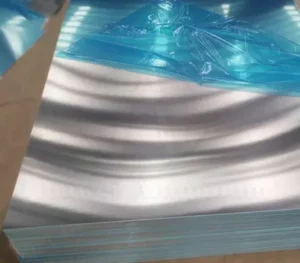
3104 aluminum sheet has suitable elongation, good corrosion resistance and good processability. Therefore, we can smelt it into alloys of different hardness according to different application requirements.
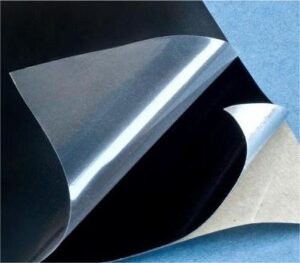
Corrosion Resistant Black Aluminum Foil for Sale, China Aluminum Foil Manufacturer Low Price Promotion, Color Coated Aluminum Foil Anodized Foil Raw Material Supplier
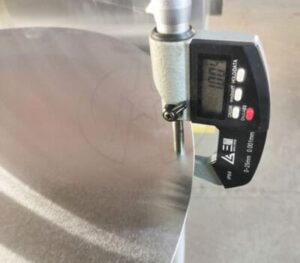
1100 aluminium circle is rolled from 1100 aluminum coil as raw material, which belongs to ordinary industrial pure aluminum with aluminum content of 99.0%.
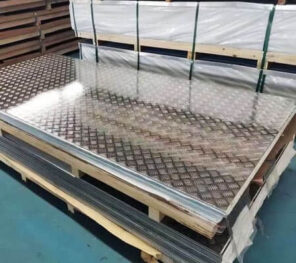
Discover why 6061 T6 aluminum tread plate delivers 310 MPa tensile strength, superior corrosion resistance, and reliable slip protection. Explore mechanical properties, ASTM B632 specs, structural design guidance, and fabrication best practices — all in one authoritative reference.

In this article, we will explore the properties, benefits, applications, tempering processes, and factors to consider when choosing 6061 T4 T6 T651 aluminum sheet for your project.
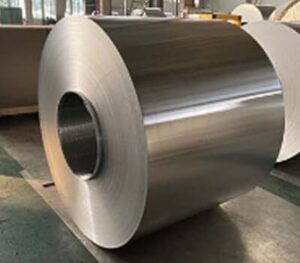
3105 aluminum coil is a 3000 series aluminum alloy: the main alloying addition is manganese, which is formulated for primary forming into forged products.
No.52, Dongming Road, Zhengzhou, Henan, China
Henan Huawei Aluminum Co., Ltd, One Of The Biggest Aluminum Supplier In China Henan,We Are Established In 2001,And We Have rich experience in import and export and high quality aluminum products
Mon – Sat, 8AM – 5PM
Sunday: Closed
© Copyright © 2023 Henan Huawei Aluminium Co., Ltd

Latest Comments
Dear Sir, Please offer your best FOB Prices specs are as under ALUMINIUM STRIP (AL=99.50% MIN) SIZE:450 X32 X6 MM. DIN EN 570 EN-AW 1050 A, QUANTITY=3400KG
Hello, Would you be so kind to offer item as follows: Coil 0,6х1250 (1000)mm EN AW-3105 5tons
Hello, Can you offer me Aluminium plates? Actally I need: 110mm x 1700mm x 1700mm 5083 H111 - 21 pcs Next year planed is 177 pcs
Świetny artykuł. Byłem zachwycony, że wyszukałem ten artykuł. Wielu osobom wydaje się, że mają rzetelną wiedzę na ten temat, ale często tak nie jest. Stąd też moje miłe zaskoczenie. Jestem pod wrażeniem. Zdecydowanie będę rekomendował to miejsce i częściej wpadał, aby zobaczyć nowe rzeczy.
requirement of aluminium strip