Looking for 5005 aluminum strip? Explore customized thicknesses, widths, and tempers with good corrosion resistance and excellent anodizing potential.
5005 aluminum strip is a versatile aluminum-magnesium alloy product valued for its atmospheric corrosion resistance, good formability, weldability, and suitability for decorative anodizing.
Manufacturers use it in architectural trim, decorative components, appliance panels, signage, and other applications that require consistent surface quality and reliable fabrication performance.
As a member of the 5xxx aluminum alloy series, 5005 gains strength primarily through cold working rather than conventional precipitation heat treatment.
Its relatively low magnesium content provides a useful balance of moderate strength, corrosion resistance, and workability.
For applications where appearance matters, 5005 can also provide an attractive anodized finish, although the final appearance depends on material quality and finishing conditions.
Unlike standard sheet products, aluminum strip is often supplied in narrow, continuous coils for slitting, stamping, bending, and roll-forming operations.
Buyers therefore need to consider not only the alloy itself but also strip width, thickness tolerance, temper, edge quality, coil dimensions, and surface requirements.
5005 Aluminum Strip
5005 aluminum is a non-heat-treatable wrought alloy in the aluminum-magnesium (Al-Mg) series.
Magnesium is its principal alloying element, typically ranging from 0.50% to 1.10% by weight.
The alloy develops strength mainly through strain hardening, while its aluminum-rich composition supports low weight and good corrosion resistance.
Compared with higher-strength aluminum alloys, 5005 is often selected for applications where surface appearance, corrosion resistance, and fabrication characteristics are more important than maximum load-bearing strength.
It is particularly relevant to architectural and decorative products that require anodizing.
However, anodizing performance is not determined by alloy designation alone.
Surface condition, rolling history, composition consistency, and anodizing parameters can influence the final appearance.
For projects requiring a uniform decorative finish, buyers should specify the required anodizing quality and evaluate samples before mass production.
Aluminum strip, sheet, and coil are related flat-rolled product forms, but their commercial use and dimensions differ.
The precise definition of strip width can vary by standard, supplier, and industry. Buyers should therefore specify actual dimensions rather than relying on the product name alone.
For 5005 aluminum strip, width consistency, thickness tolerance, slit-edge condition, and winding quality can directly affect production efficiency.
Poor edge quality or uneven winding may cause feeding problems during stamping or roll forming, even when the alloy composition meets requirements.
5005 aluminum strip can be specified according to the customer’s manufacturing process and finished-product requirements. Common purchasing considerations include:
Not every supplier offers every combination of thickness, width, temper, and surface quality.
Buyers should confirm actual production capabilities and tolerances before placing an order.
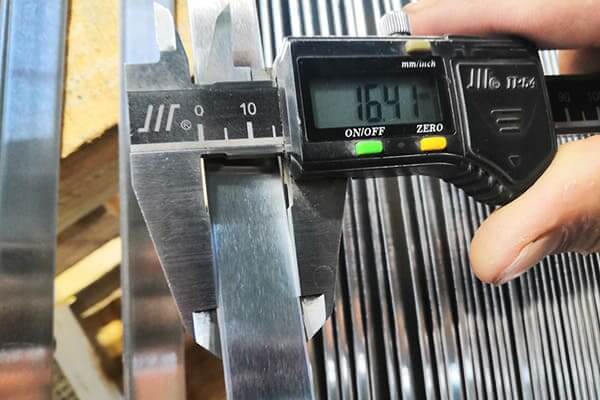
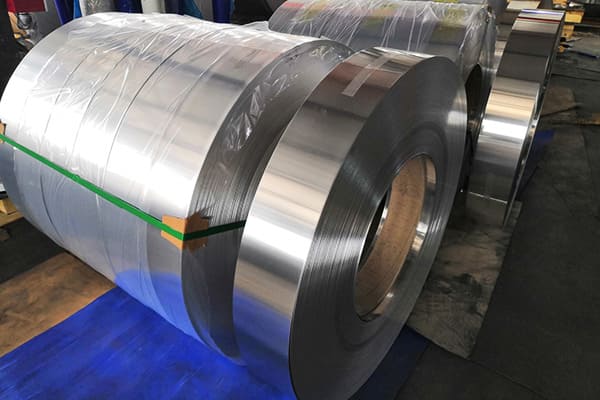
5005 Aluminum Strip Width Measurement
The chemical composition of 5005 aluminum strip determines many of its key characteristics, including strength, corrosion resistance, formability, and suitability for anodizing.
Magnesium is the principal alloying element, while the manufacturer controls other elements within specified limits to maintain consistent material quality.
The following table presents typical composition limits for 5005 aluminum alloy under commonly referenced specifications for flat-rolled products.
Values are expressed as weight percentages.
| Element | Chemical Composition (wt.%) | Main Function or Effect |
| Aluminum (Al) | Balance | Base metal; provides low density and general corrosion resistance |
| Magnesium (Mg) | 0.50–1.10 | Strengthens the alloy and contributes to corrosion resistance |
| Silicon (Si) | ≤ 0.30 | Controlled impurity; affects alloy characteristics and processing |
| Iron (Fe) | ≤ 0.70 | Controlled impurity; can influence intermetallic particles and surface appearance |
| Copper (Cu) | ≤ 0.20 | Limited to help maintain corrosion performance |
| Manganese (Mn) | ≤ 0.20 | May influence microstructure and mechanical behavior |
| Chromium (Cr) | ≤ 0.10 | Controlled addition or residual element affecting material characteristics |
| Zinc (Zn) | ≤ 0.25 | Controlled residual element |
| Titanium (Ti) | Not specifically limited in the cited composition table | Requirements depend on the applicable specification |
| Other elements, each | ≤ 0.05 | Limits the concentration of individual residual elements |
| Other elements, total | ≤ 0.15 | Controls combined residual content |
Note: Confirm the applicable standard, product form, and purchase specification before using these values for material acceptance.
The chemical composition certificate for the delivered batch takes precedence for verification.
When purchasing 5005 aluminum strip, buyers should define more than the alloy designation.
Thickness, width, temper, edge quality, surface finish, and coil dimensions all affect compatibility with the production process.
| Parameter | Typical Requirement or Option |
| Alloy | 5005 aluminum |
| Alloy series | 5xxx aluminum-magnesium series |
| Product form | Slit aluminum strip or strip coil |
| Temper | O, H12, H14, H16, H18, H22, H24, H32, H34, H36, H38, as applicable |
| Thickness | Customized to application and supplier capability |
| Width | Customized slit width |
| Surface finish | Mill finish or specified anodizing-quality surface |
| Edge condition | Slit edge with agreed burr and edge-quality limits |
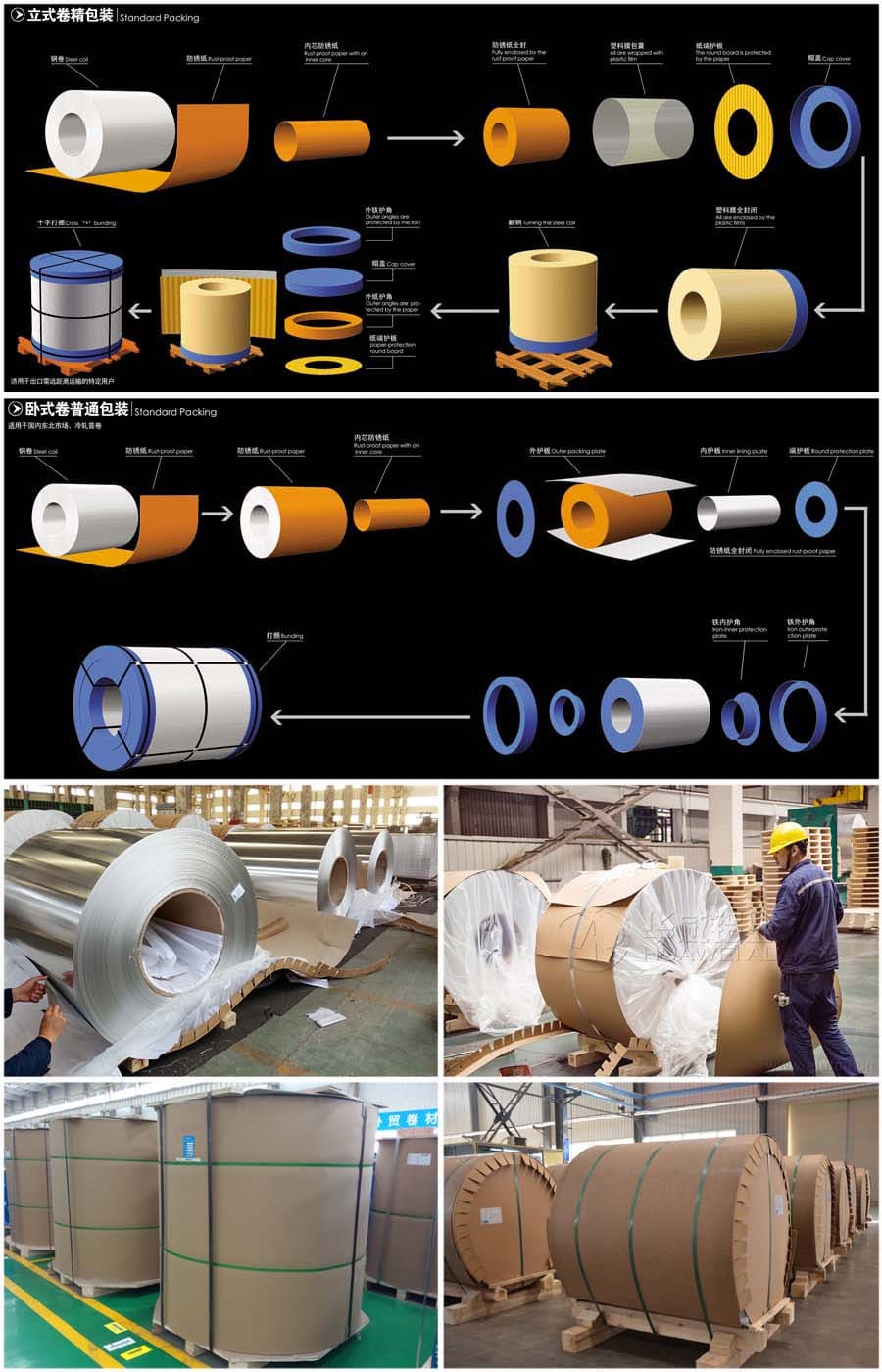
| Coil specifications | Inner diameter, outer diameter, coil weight, and winding requirements |
| Applicable standards | ASTM B209, EN 485, or other agreed specifications, as applicable to the product |
| Inspection | Chemical composition, dimensions, mechanical properties, and surface quality as required |
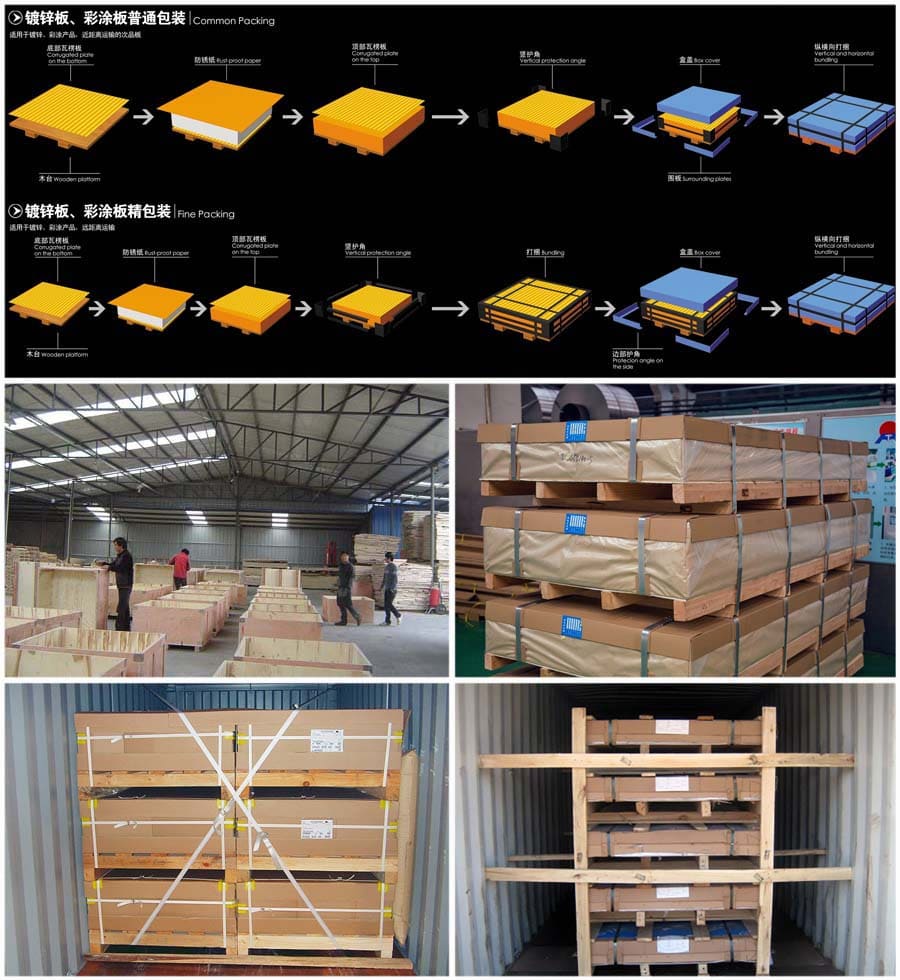
| Packaging | Protective coil packaging based on storage and transportation conditions |
The listed tempers and standards are common options, not a guarantee that every combination is available.
The supplier should confirm the exact specification and applicable standard for the requested strip dimensions.
ASTM B209 and EN 485 are relevant references for aluminum flat-rolled products, while EN 573 addresses alloy designation and chemical composition.
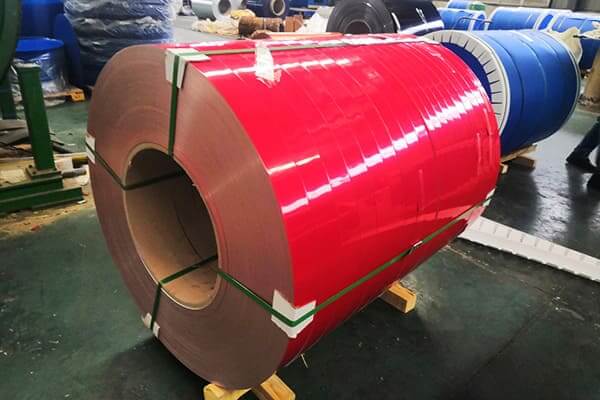
Color Coated 5005 Aluminum Strip
The performance of 5005 aluminum strip depends on its alloy composition, temper, thickness, and processing history.
Its main strengths include good atmospheric corrosion resistance, formability, weldability, and suitability for decorative anodizing.
However, its mechanical properties vary significantly between annealed and strain-hardened conditions, so buyers should evaluate the specific temper rather than rely on the alloy designation alone.
The mechanical properties of 5005 aluminum strip vary with temper and material thickness.
The following table provides representative reference values for common tempers.
| Temper | Tensile Strength (MPa) | Yield Strength (MPa) | Elongation (%) |
| O | 105–145 | ≥ 35 | 12–22 |
| H12 | 125–165 | ≥ 95 | 2–8 |
| H14 | 145–185 | ≥ 115 | 1–6 |
| H16 | 165–205 | ≥ 135 | 1–3 |
| H18 | ≥ 185 | Not universally specified | 1–3 |
| H32 | 115–160 | ≥ 85 | 3–9 |
| H34 | 135–180 | ≥ 105 | 2–7 |
| H36 | 160–200 | ≥ 125 | 1–4 |
| H38 | ≥ 180 | Not universally specified | 1–4 |
The physical properties of 5005 aluminum make it useful in lightweight fabricated components and applications requiring thermal or electrical conductivity.
| Physical Property | Typical Reference Value | Significance |
| Density | Approximately 2.70 g/cm³ | Supports lightweight component design |
| Melting range | Approximately 630–655°C | Relevant to thermal processing and welding considerations |
| Thermal conductivity | Approximately 190 W/(m·K), depending on condition and reference | Supports heat transfer in suitable components |
| Electrical conductivity | Depends on material condition; generally lower than pure aluminum | Relevant to electrical design |
| Thermal expansion coefficient | Approximately 23.5 × 10⁻⁶/K near room temperature | Important for dimensional changes with temperature |
These are approximate reference values, not guaranteed acceptance limits.
Use material-specific data and relevant engineering references for critical design calculations.
5005 aluminum strip offers good atmospheric corrosion resistance, making it suitable for architectural trim, decorative components, and general industrial applications.
For marine or chemically aggressive environments, additional evaluation is necessary.
5005 is widely considered for decorative anodizing because it can achieve attractive surface finishes.
Consistent material quality and proper anodizing conditions help improve appearance and reduce visible variations.
Depending on temper and thickness, 5005 aluminum strip supports bending, stamping, and roll forming.
Selecting the right temper helps balance strength and ductility while reducing the risk of cracking during fabrication.
5005 aluminum can be welded using suitable procedures and compatible filler materials.
However, welding may affect local properties and anodized appearance, so the joining and finishing processes should be evaluated together.
With a density of approximately 2.70 g/cm³, 5005 aluminum helps reduce component weight.
Its coil-strip form also supports continuous processing, provided thickness, width, edge quality, and winding remain consistent.
5005 aluminum strip combines corrosion resistance, moderate strength, and good surface-finishing potential.
It is a practical choice for architectural and decorative products where appearance and fabrication performance matter more than maximum structural strength.
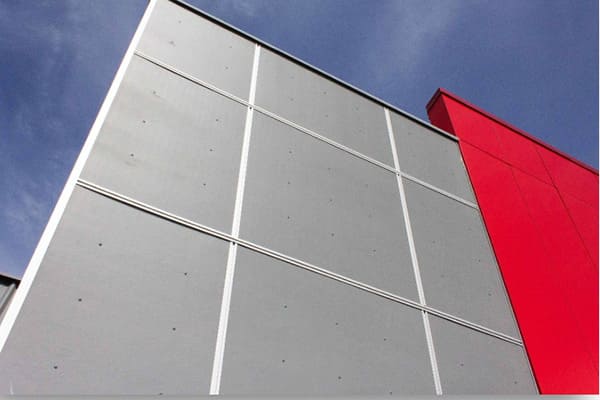
5005 Aluminum Strip for Construction
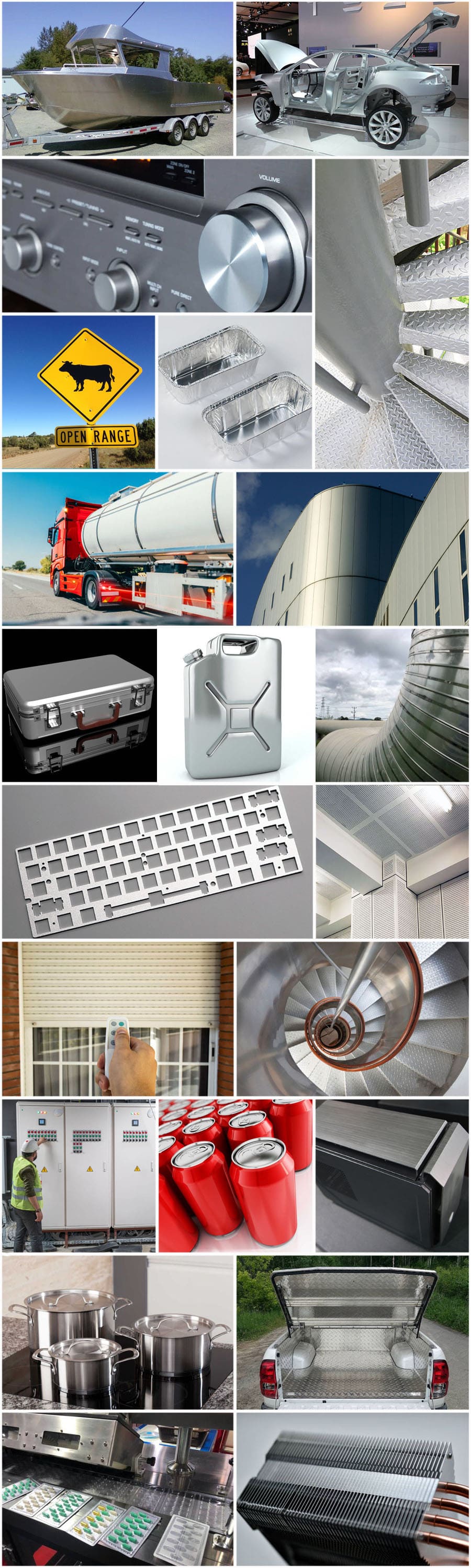
5005 aluminum strip serves a range of architectural, decorative, and industrial applications.
Its suitability depends on the required temper, dimensions, surface finish, and manufacturing process.
Architectural applications are an important market for 5005 aluminum because of its corrosion resistance and anodizing potential.
Typical uses include:
For visible architectural parts, buyers should pay particular attention to surface consistency, anodizing quality, and batch-to-batch appearance.
5005 aluminum strip can be used to manufacture selected signage components, nameplates, decorative borders, and narrow trim pieces.
Its relatively low weight and suitability for surface finishing make it useful for products that require a clean, professional appearance.
Depending on the design, strip may undergo cutting, stamping, bending, printing, or anodizing.
The material should be selected according to the required thickness, rigidity, forming characteristics, and outdoor exposure conditions.
Manufacturers may use 5005 aluminum strip for decorative edges, panels, trim, and selected appliance or furniture components.
Potential advantages include:
For products with highly visible surfaces, suppliers should confirm surface-quality requirements before production.
Scratches, handling marks, or rolling defects may become more apparent after anodizing or other decorative finishing.
5005 aluminum strip may suit selected covers, trim pieces, enclosures, and formed components used in HVAC equipment and general industrial products.
The alloy’s combination of workability and corrosion resistance can be useful where moderate strength is sufficient.
However, it should not automatically be treated as a replacement for alloys selected specifically for pressure containment, demanding structural loads, or specialized heat-transfer performance.
Engineers should verify mechanical properties, environmental exposure, joining requirements, and applicable industry standards before approving the material.
Narrow aluminum strip is well suited to continuous processing when the dimensions and mechanical properties match the production equipment.
Potential applications include:
In these applications, dimensional consistency is often as important as alloy selection.
Buyers should specify strip width and thickness tolerances, edge condition, coil inner diameter, winding quality, and maximum coil weight to ensure compatibility with their equipment.
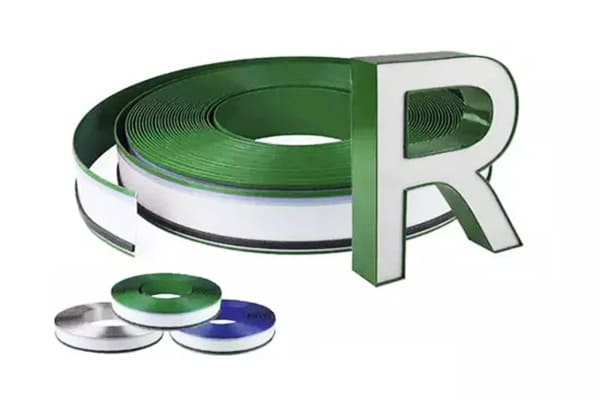
Signage Used 5005 Aluminum Strip
Selecting an alternative to 5005 aluminum strip requires comparing the properties that matter most to the application.
Although 5005, 5052, and 3003 all offer useful corrosion resistance and fabrication characteristics, they differ in alloy composition, strength potential, and typical selection priorities.
| Comparison Factor | 5005 Aluminum | 5052 Aluminum | 3003 Aluminum |
| Alloy series | 5xxx, Al-Mg | 5xxx, Al-Mg | 3xxx, Al-Mn |
| Main alloying element | Magnesium | Magnesium | Manganese |
| Relative strength | Moderate | Generally higher than 5005 at comparable conditions | Generally lower than 5052; depends on temper |
| Corrosion resistance | Good atmospheric resistance | Good corrosion resistance, including many demanding environments | Good general corrosion resistance |
| Formability | Good, depending on temper | Good, depending on temper | Generally good |
| Anodizing suitability | Often selected for decorative anodizing | Can be anodized; appearance depends on material and process | Decorative anodizing may differ in appearance |
| Weldability | Generally good with suitable procedures | Generally good with suitable procedures | Generally good with suitable procedures |
| Typical selection priority | Decorative finishes and architectural trim | Applications requiring higher strength | General-purpose forming and fabricated components |
This is a qualitative comparison. Actual strength and formability depend on temper, thickness, and product specification.
The alloys should be compared using equivalent conditions and relevant test data.
The quality of 5005 aluminum strip depends on alloy composition, rolling accuracy, heat treatment, and slitting control.
Each stage helps determine the strip’s thickness, mechanical properties, surface quality, and suitability for downstream processing.
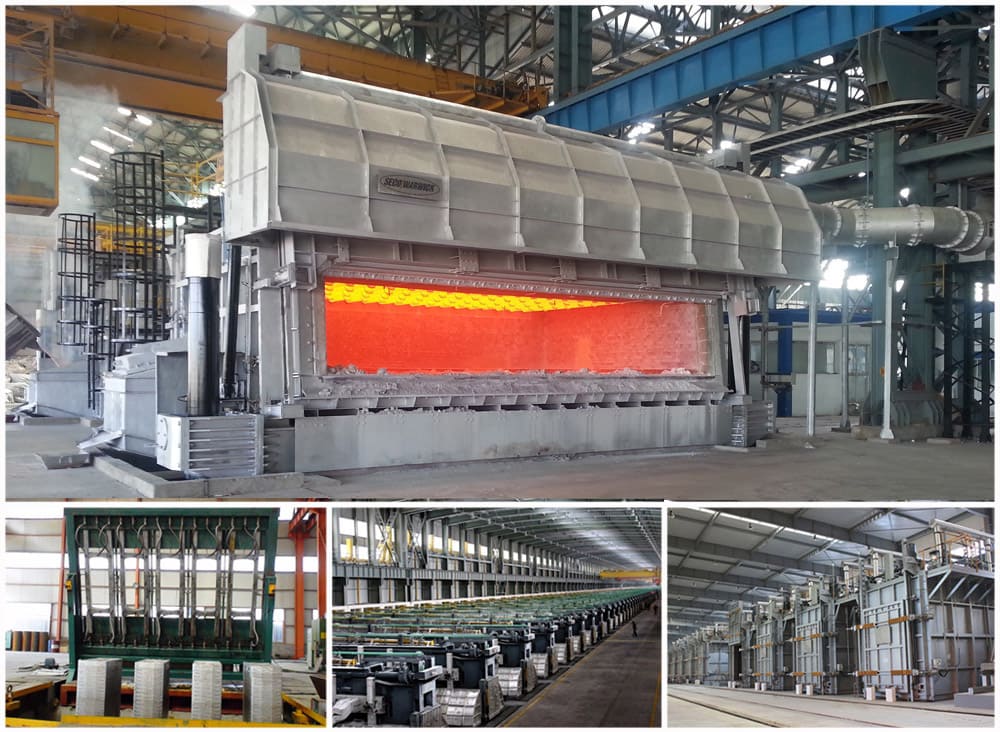
Manufacturers melt aluminum and add alloying elements to achieve the specified 5005 composition, particularly its magnesium content.
Chemical analysis verifies that the melt meets the applicable material standard before casting.
The molten aluminum is cast into slabs or rolling stock. Surface preparation removes defects that could affect subsequent rolling, while process controls help maintain consistent material quality.
Hot rolling reduces the slab thickness and produces material for further processing.
Cold rolling then brings the aluminum closer to the required final gauge while improving dimensional consistency and surface finish.
Annealing adjusts the material’s softness, ductility, and formability.
The selected temper—such as O, H32, H34, or H38—must match the application and the relevant product specification.
The exact temper options depend on the required standard, thickness, and manufacturing route.
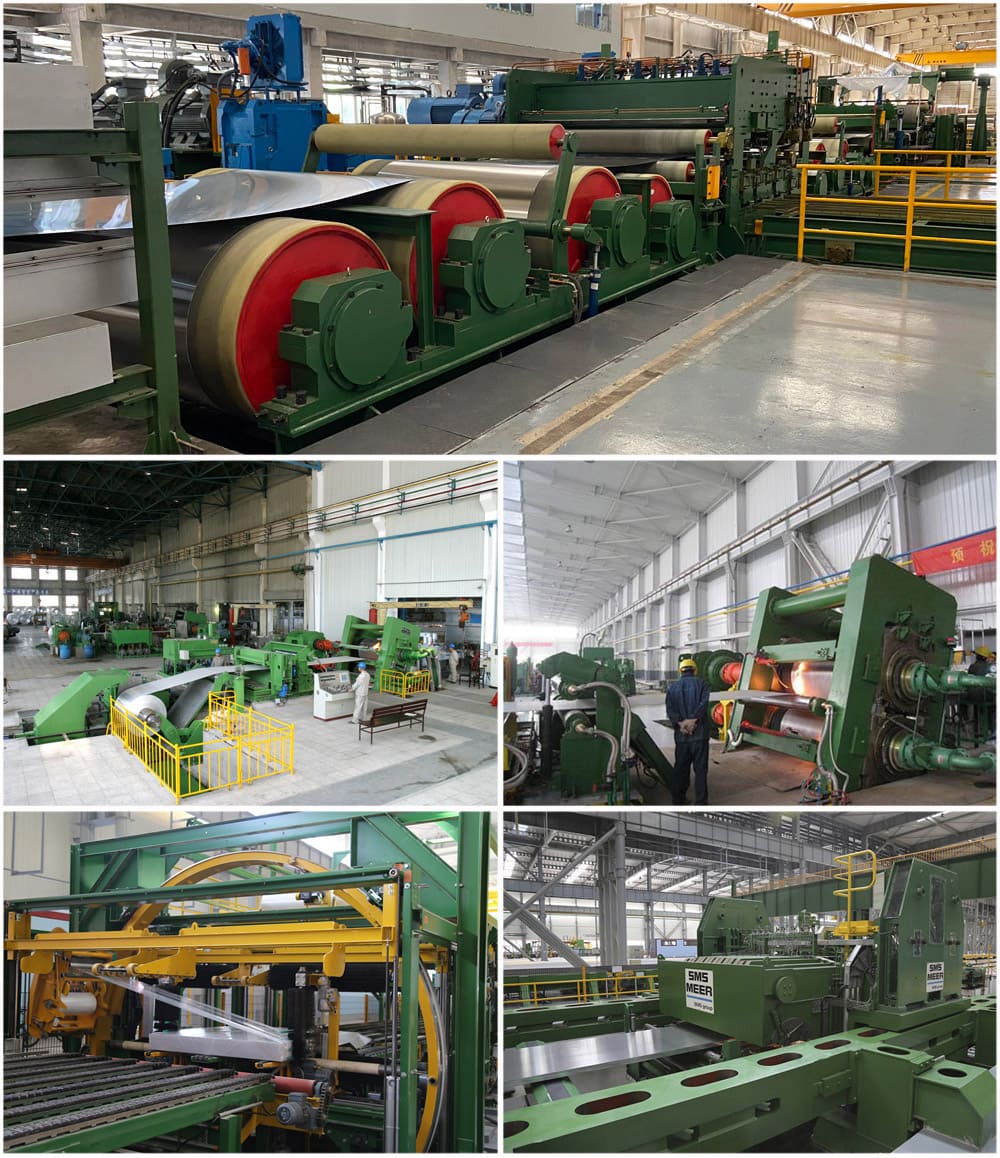
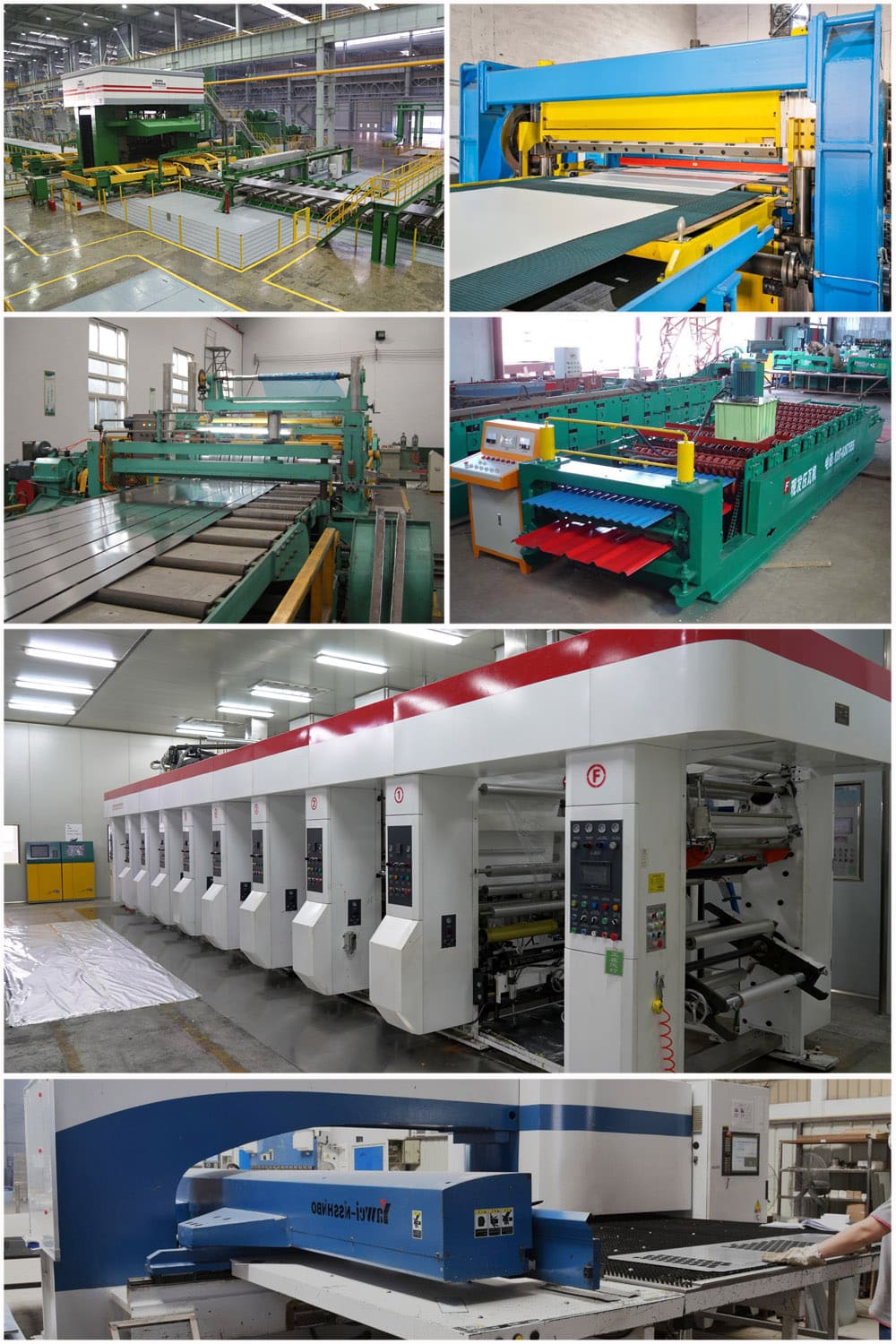
Slitting converts wider aluminum coil into narrow strips.
Accurate slitting helps control width, edge straightness, and burrs.
For applications involving electrical components, decorative parts, or automated forming, consistent edge quality can be especially important.
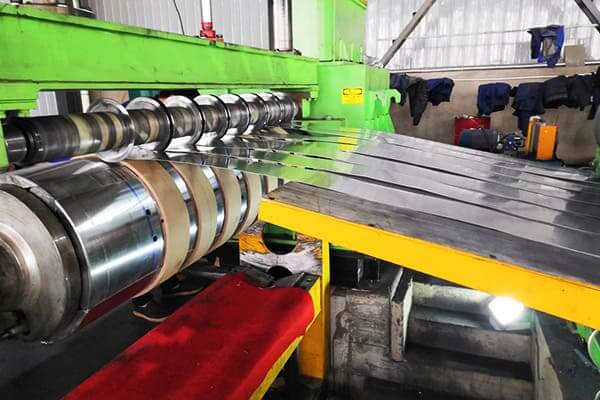
Slitting of 5005 Aluminum Strip
Before shipment, manufacturers check relevant parameters such as thickness, width, surface condition, mechanical properties, and coil dimensions.
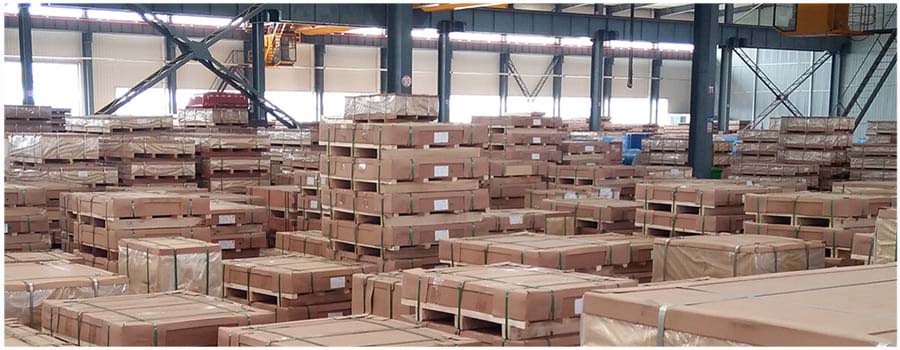
The finished strips are then protected against moisture, scratches, and handling damage during storage and transportation.
The price of 5005 aluminum strip depends on more than the cost of aluminum.
Specifications, processing requirements, order quantity, and delivery conditions all affect the final quotation.
The cost of primary aluminum is a major pricing factor.
Suppliers may also consider alloying costs, procurement timing, and market conditions when calculating their quotations.
Non-standard dimensions and tight tolerances may require additional rolling, slitting, inspection, or production adjustments.
Very narrow strips may also require more precise slitting and edge control.
Different tempers require different processing and heat-treatment conditions.
Special requirements for strength, elongation, flatness, or dimensional consistency may increase manufacturing and inspection costs.
Requirements for a smooth, clean, or decorative surface can affect yield and inspection effort.
If the strip will undergo anodizing or another finishing process, buyers should confirm surface-quality expectations and compatibility before ordering.
Larger orders may distribute setup and processing costs across more material.
Small batches, custom widths, special packaging, and strict tolerances may increase the unit price.
Export packaging, transportation distance, shipment size, insurance, and the agreed Incoterms can all influence the total landed cost.
Buyers should compare quotations on the same delivery basis rather than comparing the material price alone.
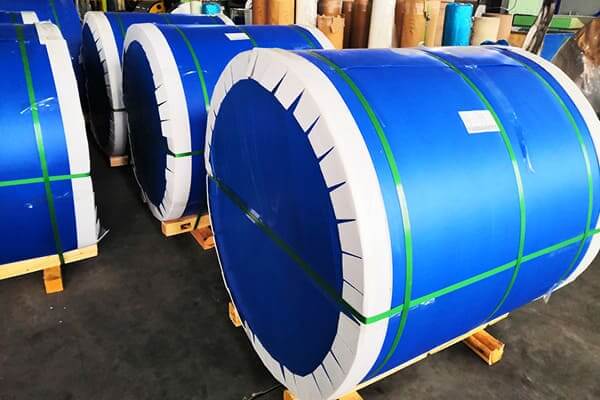
Huawei Packaged 5005 Aluminum Strip
Choosing a reliable supplier helps ensure consistent material quality, dependable delivery, and better coordination between purchasing and production.
Henan Huawei Aluminum Co., Ltd. was established in 2001 and supplies aluminum rolled products, including aluminum sheet, plate, coil, foil, strip, and circle.
Its published manufacturing information describes rolling, slitting, annealing, and quality-control operations, which are relevant to aluminum strip production.
Different applications require different strip dimensions and processing conditions.
Buyers can discuss their required alloy, temper, thickness, width, coil dimensions, and edge-quality requirements with Huawei’s sales team to determine whether the requested specification can be supplied.
Huawei describes quality checks covering raw materials, semi-finished products, and finished products.
For a 5005 aluminum strip order, buyers should confirm which inspection records and material documents are available, including chemical composition, dimensional results, and mechanical properties where applicable.
Huawei reports supplying aluminum products to international markets.
To support a smooth purchasing process, buyers should clarify production lead time, packaging, shipping arrangements, documentation, and inspection requirements before confirming the order.
To help Huawei assess your requirements, provide the following details:
Supplying complete specifications helps the manufacturer assess feasibility and prepare a more relevant quotation.
5005 aluminum strip combines good atmospheric corrosion resistance, formability, and potential for decorative anodizing.
It is particularly suitable for applications where surface appearance and fabrication performance matter alongside moderate strength.
The best specification depends on the intended application, required temper, thickness, width, surface finish, and applicable material standard.
Buyers should verify chemical composition, mechanical properties, dimensional tolerances, and edge quality before placing an order.
Henan Huawei Aluminum Co., Ltd. supplies aluminum strip and other rolled aluminum products, with published capabilities covering slitting, processing, and quality control.
By sharing clear technical requirements and confirming inspection and delivery details in advance, buyers can make a more informed supplier selection.
What are the main applications of 5005 aluminum strip?
5005 aluminum strip is commonly used for architectural trim, decorative panels, and components requiring corrosion resistance and good surface appearance.
Can 5005 aluminum strip be anodized?
Yes. It is suitable for decorative anodizing, although the final appearance depends on surface quality and anodizing conditions.
Which tempers are available for 5005 aluminum strip?
Common tempers include O, H32, H34, H36, and H38. Availability and properties depend on thickness and product specifications.
What is the difference between 5005 and 5052 aluminum strip?
5052 generally offers higher strength, while 5005 is often preferred for decorative anodizing and surface-finish applications.
What factors affect the price of 5005 aluminum strip?
Price depends on aluminum market conditions, dimensions, temper, tolerances, surface requirements, order quantity, and shipping costs.
How can I get a quotation for 5005 aluminum strip?
Provide the required alloy, temper, thickness, width, quantity, tolerances, surface finish, and delivery destination. Henan Huawei Aluminum Co., Ltd. can review your requirements and confirm supply feasibility.
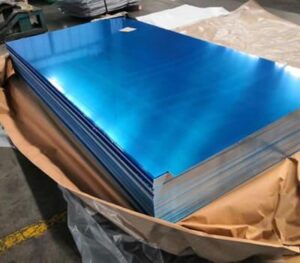
Aircraft grade aluminum sheet is a type of aluminum alloy that is specifically designed for use in aerospace applications. These sheets are made from high-strength aluminum alloys that are lightweight yet strong enough to withstand the stresses and strains of flight.

Factory hot selling thick aluminum foil, thin aluminum foil, household packaging aluminum foil, food packaging foil, medicinal aluminum foil
Our embossed aluminum foil products are exported to more than 60 countries and regions in the European Union, the Middle East, Southeast Asia, and South America, and enjoy a good reputation in the international market with the best service and high-quality products.

Find corrosion-resistant 16 gauge aluminum diamond plate with superior traction. Perfect for marine, automotive, and workshop use — custom cuts available.
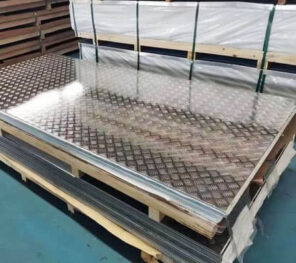
Discover why 6061 T6 aluminum tread plate delivers 310 MPa tensile strength, superior corrosion resistance, and reliable slip protection. Explore mechanical properties, ASTM B632 specs, structural design guidance, and fabrication best practices — all in one authoritative reference.
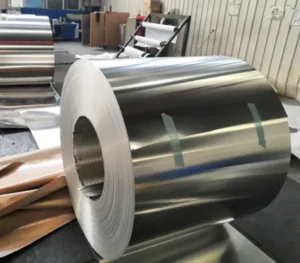
Huawei Aluminum is your reliable partner for 1070 Aluminum Coil products. With our commitment to quality, customization, and competitive pricing, we aim to meet and exceed your expectations.
No.52, Dongming Road, Zhengzhou, Henan, China
Henan Huawei Aluminum Co., Ltd, One Of The Biggest Aluminum Supplier In China Henan,We Are Established In 2001,And We Have rich experience in import and export and high quality aluminum products
Mon – Sat, 8AM – 5PM
Sunday: Closed
© Copyright © 2023 Henan Huawei Aluminium Co., Ltd

Latest Comments
We need some t111 aluminium plate. We are looking for quarter inch by 4'x8' sheets
Aluminum 5754 H111 หนา 8 mm กว้าง x ยาว : 4 x 6 ฟุต
سلام بسیار عالی ،،من از ایران تماس میگیرم فویل طلا ۱۲میکرون عرض ۶۱سانت نیاز داریم حدودا هرماه ۳۵هزار متر
Dear Sales Team, I hope you are doing well. We are looking to source aluminum products from your company and would appreciate receiving your best quotation for the following: Aluminum Sheets Thickness: 2 mm, 3 mm, 4 mm, and 5 mm Please provide your available standard sheet sizes. Kindly quote the price per sheet and the price per metric ton. Aluminum Coils Thickness: 2 mm, 3 mm, 4 mm, and 5 mm Please provide your available coil widths, standard coil weights, and inner diameter specifications. Kindly quote the price per metric ton. For both sheets and coils, please include: Available alloys (e.g. 1050, 3003, 5052) Temper options Mill finish or other available surface finishes Minimum Order Quantity (MOQ) Production lead time Payment terms Please provide your quotation based on: CIF Jebel Ali Port, UAE (including sea freight), or alternatively provide both FOB China and CIF Jebel Ali Port, UAE prices. If available, please also send: Product catalogue Mill Test Certificate (MTC) sample Photos of the products and packaging. We are interested in establishing a long-term business relationship. Our initial purchase volume is expected to be 100+ metric tons, with the potential for larger and recurring orders if your pricing, quality, and service meet our requirements. Thank you for your time. We look forward to receiving your quotation and hope to build a successful long-term partnership. Best regards, Eng.Yousef
アルミハニカムパネルについてお聞きしたいのですが L1500×W700×厚みで曲げに対して200kgg耐えられるには厚みはどのくらいでしょうか ※簡単に言いますと約1000mmの側溝に渡して真ん中で200kg耐えられるかという事になります 又、そのような製品があるようでしたらその重量、価格をおしえていただけますか 現在はコンパネ板を使用してますが腐ると折れてしまい人が側溝に落ちてけがをしてます 出来ましたらメールでお返事をいただけますか