High-quality 1235 O aluminum foil for laminating, offering excellent flexibility, stable performance, and dependable protection for packaging applications.
In the world of packaging, laminating, and moisture- and gas-barrier applications, the term 1235 O Aluminum Foil for Laminating has become a standard reference.
This ultra-pure, annealed foil plays a pivotal role in high-performance laminates used across food, cosmetics, electronics, and industrial packaging.
The combination of high aluminum content, exceptional ductility, and excellent barrier properties makes 1235 O foil an attractive option for manufacturers seeking reliable, food-safe, and recyclable solutions.
This article delves into the essentials of 1235 O Aluminum Foil for Laminating, from its material properties and manufacturing process to its practical applications, testing standards, and supply considerations.
We will place particular emphasis on how this foil behaves in laminated structures, its compatibility with common adhesives and films, and how buyers can evaluate suppliers to ensure consistent quality and performance.
Throughout, we’ll reference industry benchmarks, data-driven guidance, and real-world insights to help engineers, product developers, and procurement teams optimize their lamination projects.
1235 aluminum foil is a commercially pure aluminum alloy (often referred to as 1xxx series) with a minimum aluminum content typically around 99.35% or higher.
The “O” temper denotes annealed condition, which confers maximum softness and ductility, making the foil easy to wrap, seal, and laminate into complex structures.
The combination of purity and softness yields excellent formability, high elongation, and predictable lamination behavior under heat and pressure.
In lamination applications, the foil thickness generally ranges from about 6 µm to 25 µm, though some specialty applications may use slightly outside that range.
Wider formats are common in consumer packaging lines, where jumbo rolls enable continuous production. Typical width ranges for laminating foil can extend from 600 mm to 1500 mm or more, depending on the equipment and end-use requirements.
Thinner foil offers lower material mass and cost, but thickness must be matched to the adhesive system, the laminate’s moisture barrier requirements, and the mechanical stress the package will encounter.
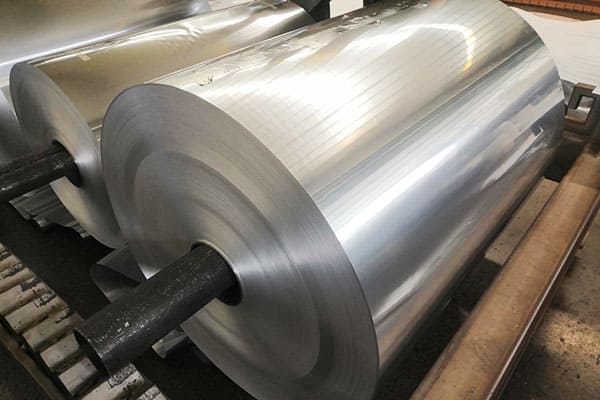
Huawei 1235 O Aluminum Foil Jumbo roll
The surface chemistry and roughness of aluminum foil influence adhesive wet-out, peel strength, and the lamination’s overall integrity.
A balance is sought between surface cleanliness, minimal oxide growth, and the right surface roughness for mechanical interlocking with adhesives.
Surface treatments (such as corona discharge or primer coatings) may be applied in downstream processes to tailor wettability and bonding behavior.
The foil’s high barrier properties translate directly into longer shelf life for packaged foods and beverages, particularly when combined with polymer layers acting as barriers.
The foil’s impermeability to moisture and gases means fewer packaging failures due to permeation, which translates into reduced waste and improved product protection.
Laminates with 1235 O foil can be designed to achieve strong seals across a range of adhesives and film structures.
The O temper’s softness supports tight, consistent seals at lower forming pressures, lowering energy consumption in production lines and reducing tool wear.
From hot-melt and acrylic-based adhesives to solvent-based and UV-curable systems, the foil’s clean surface and compatibility with common primers enable reliable adhesion across multiple laminate configurations.
This versatility is a key reason manufacturers frequently choose 1235 O for their laminates, especially in flexible packaging and label applications.
Aluminum foil is highly recyclable, and products designed with 1235 O foil often align with circular economy goals.
When combined with recyclable polymer layers and appropriate bonding agents, laminated structures can be designed for end-of-life separation and recycling, reducing environmental impact.
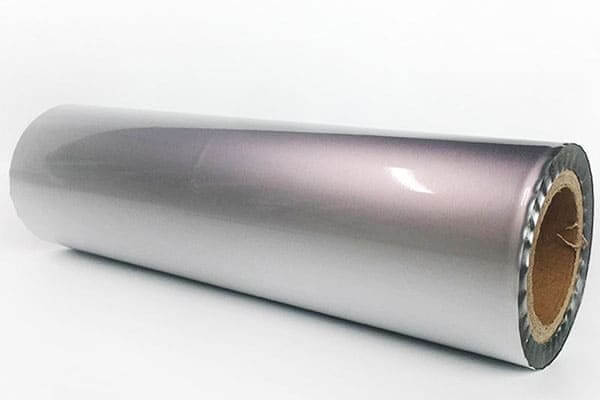
1235 O Aluminum Foil for Laminating
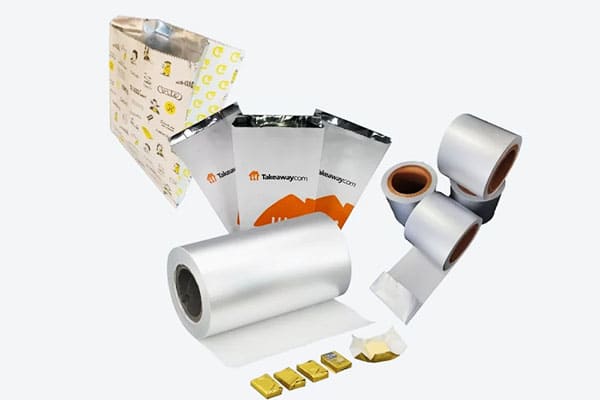
Food packaging 1235 Laminated Aluminum Foil
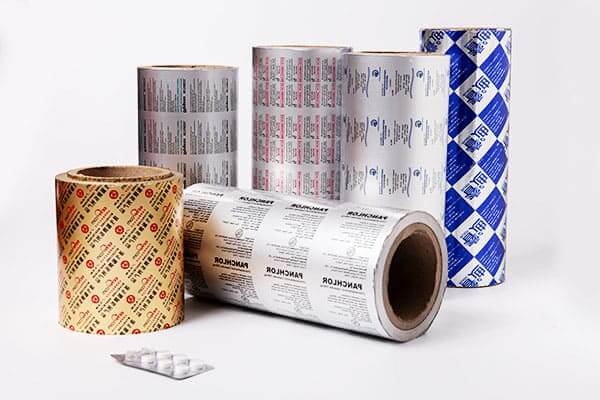
1235 Laminated Aluminum Foil for Medicine packaging
The precision in temper control, surface finishing, and thickness tolerance is crucial for laminate performance. Tight tolerances ensure consistent bonding, seal integrity, and end-use performance.
Lead times for 1235 O foil depend on capacity, rolling mill schedules, and finished-good inventory. Typical procurement considerations include:
– Minimum order quantities (MOQs) based on roll diameter and width
– Availability of jumbo rolls versus slit rolls
– Lead times for custom widths, gauges, or surface treatments
– Logistics considerations for temperature- and moisture-sensitive materials (where applicable)
Huawei Aluminum is a well-regarded player in the aluminum rolling and foil industry, known for offering advanced aluminum foil products including 1235 O foil for laminating. Key aspects of Huawei Aluminum relevant to customers include:
– Integrated production lines spanning from casting to finished foil
– Broad thickness and width options tailored to lamination requirements
– Consistent quality control with robust traceability
– Compliance with international standards and food-contact regulations
– Global or regional distribution networks to support just-in-time delivery and shorter lead times
Why consider Huawei Aluminum for your laminating projects? The answer lies in a combination of product versatility, scale, and reliability.
Huawei’s capability to supply consistent annealed foil in the 6–25 µm range with various surface finishes helps manufacturers optimize adhesion strategies and laminate performance.
Their emphasis on process optimization, standardized testing, and transparent documentation makes them a credible partner for engineering teams focused on performance and compliance.
Note: When evaluating suppliers, verify current certifications, production capacity, and customer references.
Request a materials test report and a sample roll to validate the foil’s behavior within your laminate architecture before committing to large production runs.
| Grade (Al alloy) | Typical temper | Common thickness (µm) | Key lamination advantages | Typical applications |
| 1235 O | O (annealed) | 6–25 | High ductility, excellent barrier with polymer layers, easy to seal | Flexible packaging, food laminates, cosmetics laminates |
| 1100 O | O (annealed) | 6–25 | Very high ductility, good surface quality, good formability | Blister packs, simple laminates, decorative foils |
| 8011 O | O (annealed) | 6–25 | Good barrier properties with partially permeable polymers, strong sealability | Tea bags, dairy packaging, pastry wrappers |
| 3003 H14 | H14 | 20–40 | Higher strength, good puncture resistance | Thicker laminates, heavy-duty packaging |
| 8079 O | O (annealed) | 8–20 | Balanced stiffness and formability; good barrier in certain laminates | Specialty packaging, decorative laminates |
This simplified comparison helps highlight why 1235 O is often preferred for lamination tasks requiring ductility, barrier integrity, and compatibility with a variety of adhesives.
The choice, however, depends on the exact laminate structure, adhesive system, seal geometry, and performance requirements.
| Laminate structure (outer to inner) | Likely foil involvement | Adhesive class | Typical performance considerations |
| PET/AL/PE with hot-melt adhesive | Outer foil layer is 1235 O | Acrylic-based hot-melt or EVA | Strong moisture barrier, robust seals, good heat resistance |
| PE/AL/CPP with solvent-based adhesive | Inner foil in contact with adhesive | Solvent-based acrylics | High gloss finish, strong adhesive wet-out on release films |
| PET/AL/LB (low-bloom) with UV-curable adhesive | Metal layer primarily for barrier and print fidelity | UV-curable or UV-curable tethered systems | Excellent barrier and bright appearance for premium packaging |
| Paper/AL/PE with pressure-sensitive adhesive | Aluminum acts as top barrier | PSA-type adhesives | High barrier with tear resistance and easy opening features |
These examples illustrate the versatility of 1235 O foil in different laminating architectures. The compatibility with adhesives, films, and print layers is a major determinant of final performance.
Before selecting foil, define:
– Barrier needs: WVTR/OTR targets, aroma protection, product shelf life
– Seal requirements: heat-seal temperatures, seal strength, and seam integrity
– Mechanical demands: flexing, bending, puncture resistance, and edge protection
– Aesthetics and print: surface finish, reflectivity, and color consistency
– Regulatory constraints: food-contact approvals, allergen considerations, and packaging standards
Tolerances influence film-extrusion processes and lamination performance. Tighter thickness control reduces variability in adhesive wet-out and seal integrity.
The surface finish (bright vs matte) significantly affects adhesion. Manufacturers may use controlled annealing, honing, or surface finishing steps to achieve consistent surface roughness.
If a laminate requires additional bonding performance, a primer coat or functional layer can be applied to the foil surface to improve adhesion with specific adhesives.
Laminates using 1235 O foils benefit from recyclability when minimal multi-layer complexity is maintained and adhesives chosen are compatible with recycling streams. Company sustainability programs and life-cycle assessments (LCAs) are increasingly important to customers.
| Test | Target | Typical range (1235 O laminates) | Notes |
| Peel strength (L) | > 3 N/cm | 3.5–8 N/cm | Depends on adhesive system and top film |
| Seal strength | > 2.5 N/cm | 2.8–6.0 N/cm | Temperature and press cycle dependent |
| WVTR (g/m2/day) | < 0.1 | Notably low for laminate structure | Determined by overall layer stack |
| OTR (cc/m2/day) | < 0.5 | 0.1–0.6 | Affected by polymer barrier layers |
| Elongation | > 5% | 10–30% | O temper provides high ductility |
Huawei Aluminum (often cited in industry circles as a major supplier of aluminum foil for packaging and laminates) provides integrated solutions across the supply chain—from raw materials handling to finished foil formats and post-processing.
Here are core considerations when engaging Huawei Aluminum for 1235 O foil for laminating:
1235 O Aluminum Foil for Laminating is a versatile, reliable choice for a wide range of laminating applications. Its optimum balance of ductility, barrier properties, and compatibility with common adhesives makes it well-suited for forms and seals in flexible packaging, cosmetics, and industrial laminates.
The material’s annealed state enables easy wrapping around complex geometries and helps ensure robust sealing across a range of process conditions.
For manufacturers and engineers, a structured approach to selecting and validating 1235 O foil—beginning with defining laminate structure and performance targets, followed by thickness and surface finish choices, then more detailed testing—will yield the most reliable products.
Collaboration with reputable suppliers such as Huawei Aluminum can streamline procurement, ensure consistent quality, and support scalable production.
Whether you’re designing a new laminate structure, upgrading an existing line, or seeking a consistent supply partner for 1235 O foil, a clear plan, robust testing, and strong supplier alignment are the essential ingredients for success.
The material’s proven performance, when integrated thoughtfully, translates into better product protection, enhanced consumer trust, and a more sustainable packaging ecosystem.
Share with PDF: Download
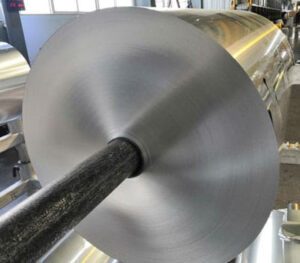
Pharmaceutical foil, also known as medical-grade foil or blister foil, 8011,8021,8079 aluminum foil common used for Pharmaceutical packaging foil.
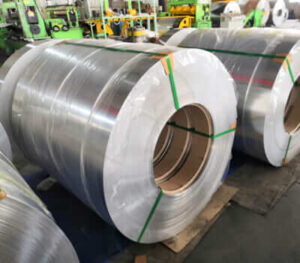
1050 aluminum strips belongs to the family of commercially pure malleable 1000 series alloys, and the aluminum is 99 pure. 5%, with excellent molding processing characteristics, high corrosion resistance, good electrical and thermal conductivity.
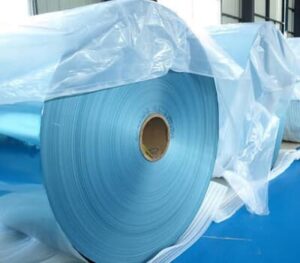
Hydrophilic aluminum foil is obtained by coating the surface of aluminum foil with hydrophilic coating, the purpose is to improve the hydrophilic (water-attracting) performance of the aluminum foil, and it has higher heat transfer efficiency and corrosion resistance.
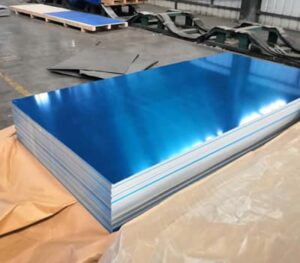
5000 series aluminum alloy is an Al-Mg alloy series with high strength and excellent corrosion resistance. It is commonly used in the manufacturing of marine, oil tanks, ships, automobile, building materials and other fields.
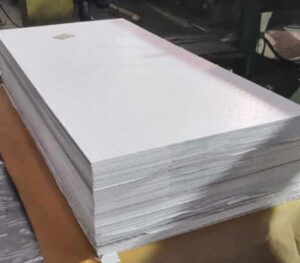
Find durable and reliable 4x10 aluminum sheets for your needs. Explore our wide selection and order today.
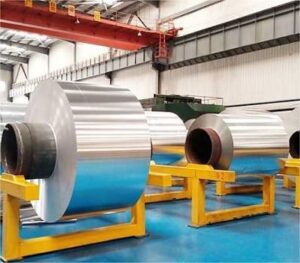
Food packaging, household foil raw material 3004 aluminum foil, professional aluminum alloy production expert, 20 production lines
No.52, Dongming Road, Zhengzhou, Henan, China
Henan Huawei Aluminum Co., Ltd, One Of The Biggest Aluminum Supplier In China Henan,We Are Established In 2001,And We Have rich experience in import and export and high quality aluminum products
Mon – Sat, 8AM – 5PM
Sunday: Closed
© Copyright © 2023 Henan Huawei Aluminium Co., Ltd

Latest Comments
Dear Sir, Please offer your best FOB Prices specs are as under ALUMINIUM STRIP (AL=99.50% MIN) SIZE:450 X32 X6 MM. DIN EN 570 EN-AW 1050 A, QUANTITY=3400KG
Hello, Would you be so kind to offer item as follows: Coil 0,6х1250 (1000)mm EN AW-3105 5tons
Hello, Can you offer me Aluminium plates? Actally I need: 110mm x 1700mm x 1700mm 5083 H111 - 21 pcs Next year planed is 177 pcs
Świetny artykuł. Byłem zachwycony, że wyszukałem ten artykuł. Wielu osobom wydaje się, że mają rzetelną wiedzę na ten temat, ale często tak nie jest. Stąd też moje miłe zaskoczenie. Jestem pod wrażeniem. Zdecydowanie będę rekomendował to miejsce i częściej wpadał, aby zobaczyć nowe rzeczy.
requirement of aluminium strip