Choose Anti-Slip Aluminum Checkered Plate for flooring, ramps, and vehicles. Improve safety with durable grip, corrosion resistance, and long service life.
Slip accidents cost businesses billions in lost productivity, lawsuits, and medical expenses every year. At the same time, architects, facility managers, and product designers look for materials that not only perform reliably but also enhance aesthetics. Anti-slip aluminum checkered plate sit right at this intersection of safety and style.
These seemingly simple, patterned metal sheets solve complex problems: They reduce slip risk in wet or oily environments, protect surfaces from impact and abrasion, and add a sleek industrial or modern look to interiors and exteriors. When sourced from a reliable manufacturer like Huawei Aluminum, they also bring consistency, traceable quality, and long service life.
This in-depth guide explores how anti-slip aluminum checkered plate work, where they fit best, how to choose them, and how to get the most out of them—backed by engineering principles, standards, and real-world use cases.

Anti-Slip Aluminum Checkered Plate
Anti-slip aluminum checkered plate (also called tread plates, diamond plates, or embossed plates) are flat aluminum sheets with a raised pattern on one side. This pattern increases friction underfoot or under wheel, thereby reducing slip hazards.
Core features include:
The checkered pattern serves three primary purposes:

Bending Test of 3003 Aluminum Checkered Plate
Common alloy families for anti-slip aluminum checkered plate include:
Huawei Aluminum supplies a full range of these alloys, tailoring the choice to application requirements for strength, corrosion resistance, weldability, and cost.
You have options: steel checker plate, rubber mats, epoxy anti-slip coatings, and composite gratings. Aluminum checkered plates bring a specific balance of properties.
| Property | Aluminum Checkered Plate | Steel Checker Plate | Rubber Mats / Tiles | Epoxy / Grit Coatings |
| Weight | Low (≈ one-third the density of steel) | High | Low to medium | Negligible on structure |
| Corrosion Resistance | Excellent (especially 5xxx alloys) | Poor without heavy coating | Good but may degrade chemically | Depends on chemistry; coatings can wear |
| Strength-to-Weight Ratio | High | Very high but heavy | Low | Depends on substrate |
| Aesthetics | Modern, metallic, decorative | Industrial, often painted | Limited, more utilitarian | Customizable with colors/texture |
| Maintenance | Easy; does not rust | Needs rust prevention and repainting | Can trap dirt; may curl or crack | Requires periodic recoating |
| Lifespan (typical) | 10–30+ years with proper care | 10–25+ years (if well protected) | 3–10 years depending on use | 3–8 years before significant wear |
| Installation | Mechanical fastening/welding/cutting | Similar; more structural support needed | Simple but may move or lift | Surface prep critical; downtime required |
| recyclability | High, valuable scrap | High | Limited | Scrap often contaminated |
| Cost (initial) | Moderate | Moderate to high (plus corrosion control) | Low to moderate | Low to moderate |
| Cost (lifecycle) | Competitive to low (due to durability) | Higher (due to rust protection) | Higher (frequent replacements) | Higher (ongoing recoating) |
Aluminum anti-slip plates excel when:
Huawei Aluminum often supports design teams in selecting between aluminum and other options by providing test data, alloy recommendations, and lifecycle cost comparisons.

Anti-Slip Aluminum Checkered Plate for Ramp
In high-traffic industrial environments, this translates directly into fewer injuries, less downtime, and a stronger safety culture.
Aluminum weighs about 2.7 g/cm³, while steel weighs around 7.8 g/cm³. This large difference yields:
For example, swapping steel for aluminum in a bus floor can reduce weight by dozens of kilograms, improving fuel efficiency or battery range.
Anti-slip aluminum checkered plate resist:
They form a protective oxide layer naturally. With optional anodizing or surface treatments, their corrosion resistance improves further, extending service life in harsh conditions.
Aluminum checkered plates offer:
Designers often use them in:
Huawei Aluminum can supply plates cut to size, pre-drilled, or surface-treated to meet architectural specifications.
Aluminum is:
Installers appreciate:

Anti-Slip Aluminum Checkered Plate Display
| Pattern Type | Description | Typical Applications |
| Five-Bar (Lug) | Five parallel bars with alternating angles | Industrial floors, truck beds, stair treads |
| Diamond (1-bar) | Diamond-shaped raised pattern | Architectural uses, decorative panels, ramps |
| Lentil / Tear Drop | Rounded “bean” shapes | Public areas, wet zones, factory walkways |
| Compass / Custom | Specialized textures | Branding, special design features, bespoke projects |
Huawei Aluminum can advise on pattern selection based on slip risk profiles, cleaning methods, and desired visual impact.
The right thickness depends on:
Typical thickness guidelines:
| Usage Scenario | Recommended Thickness Range |
| Light-duty flooring, interior decoration | 1.5–2.5 mm |
| Stair treads, residential ramps | 2.0–3.0 mm |
| Industrial walkways, platforms | 3.0–5.0 mm |
| Vehicle floors (trucks, vans, trailers) | 2.5–4.0 mm |
| Heavy-duty industrial, loading docks | 4.0–6.0+ mm |
Huawei Aluminum provides engineering assistance or sample load tables to match thickness with anticipated loads and support spacing.
Standard plate sizes often include:
Custom sizes are available via cutting or coil-fed production.
Key aspects:
In factories and plants, anti-slip aluminum checkered plate appear in:
Aluminum checkered plates are widely used in:

Aluminum Checkered Plate for Upstairs
Marine-grade aluminum checkered plates (e.g., 5052, 5083, 5754) serve on:
Huawei Aluminum supplies marine-certified alloys with mill test certificates and can support classification society requirements.
Architects and builders adopt anti-slip aluminum checkered plate for:
Hygiene-sensitive environments use aluminum checkered plates for:
Although less common than in industry, checkered plates work well in:
Key questions:
These define alloy choice, thickness, pattern, and surface treatment.
Consider:
Huawei Aluminum can help evaluate load requirements and recommend plate thickness and alloy, sometimes in collaboration with structural engineers.
Variables:
These factors determine:
Balance:
Aluminum often delivers a lower total cost of ownership than cheaper alternatives once you account for durability, corrosion resistance, and reduced replacement frequency.
Depending on jurisdiction and industry, check:
Huawei Aluminum provides documentation such as:
Huawei Aluminum is a specialized aluminum producer and processor, providing rolled and fabricated products for global customers across industries such as transportation, construction, marine, machinery, and energy.
Key capabilities include:
Huawei Aluminum emphasizes:
Customers often value this predictability, especially for large projects requiring consistent color and pattern.
Huawei Aluminum works with:
Services include:
An anti-slip aluminum checkered plate is a flat aluminum sheet with a raised patterned surface (such as diamond or five-bar) designed to increase friction and reduce slip risk. It is widely used for floors, ramps, stairs, and vehicle surfaces.
The raised pattern increases surface roughness and provides small edges that interact with footwear or tires, improving grip—especially in wet, oily, or dirty conditions. This helps reduce slips, trips, and falls.
Huawei Aluminum can recommend the right alloy based on your environment, loads, and budget.
It depends on the load and support spacing. Light-duty interior floors might use 2–3 mm; industrial platforms and vehicle decks often use 3–5 mm; heavy-duty applications may require 5–6+ mm. Always consider structural calculations or consult an engineer for critical applications.
Yes. Aluminum offers excellent resistance to weather and UV. For coastal or marine environments, choose marine-grade alloys (5xxx series) for best performance.
Not if you adopt proper cleaning routines. Regular sweeping and washing with suitable detergents works well.
Slightly more effort is needed compared to flat surfaces because dirt can accumulate around the pattern, but the solid surface is still easy to maintain compared to open grating or heavily textured concrete.
Aluminum does not rust like steel. It forms a protective oxide layer that resists further corrosion.
However, in aggressive environments (e.g., strong acids, alkalis, or dissimilar metal contact), localized corrosion can occur. Appropriate alloy selection and design help control this.
Typical methods include mechanical fastening (screws, bolts, rivets), welding (for compatible alloys and structures), or adhesive bonding in some cases.
Proper substrate preparation and allowance for thermal expansion are important.
While standards vary by region, anti-slip aluminum plates can achieve high slip resistance, especially when properly installed and maintained.
Huawei Aluminum can provide data and guidance to help you align with local codes and safety standards.
Service life often ranges from 10 to 30+ years, depending on environment, load, and maintenance.
In many industrial and architectural applications, they outlast cheaper flooring materials by a wide margin.
Aluminum is fully recyclable and retains its properties indefinitely. Recycling uses around 5% of the energy needed for primary production, making it a strong choice for sustainable design. Its long service life further reduces overall environmental impact.
Anti-slip aluminum checkered plate solve a critical design challenge: how to enhance safety without compromising appearance or performance. They deliver:
When you partner with an experienced supplier like Huawei Aluminum, you gain more than a product—you gain access to technical expertise, alloy optimization, pattern and thickness selection support, and consistent quality from project planning through installation.
If you manage facilities, design products, or specify materials for construction and transportation, anti-slip aluminum checkered plate deserve a serious look. With the right choice and proper installation, they provide an unyielding grip that protects people, assets, and reputations for years to come.
Share with PDF: Download
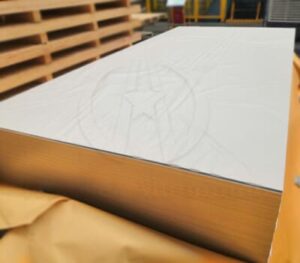
5083 Aluminum Sheet is known for its superior performance in extreme environments. 5083 Aluminum is highly resistant to corrosion from seawater and industrial chemical environments.
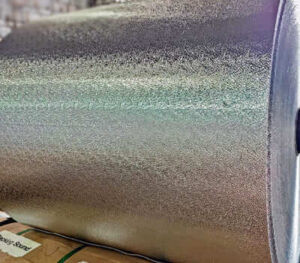
Our embossed aluminum foil products are exported to more than 60 countries and regions in the European Union, the Middle East, Southeast Asia, and South America, and enjoy a good reputation in the international market with the best service and high-quality products.
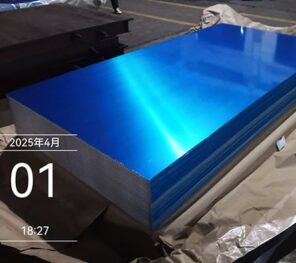
Engineered for efficiency, 24 gauge aluminum sheets combine material economy, excellent surface finish, and recyclability—delivering long-term value for light-duty applications.
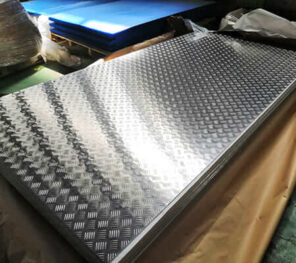
Discover the benefits of 5052 H32 aluminum checkered plates. Lightweight, corrosion-resistant, and anti-slip design ideal for flooring, ramps, vehicles, and marine projects.
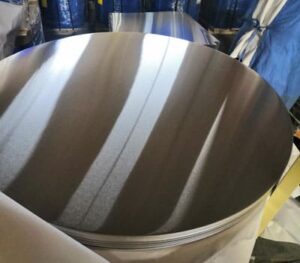
5454 aluminum circles have all the properties of 5454 aluminum alloy and are often used in can sealing, non-stick pot bottoms, traffic signs, lampshades, etc.
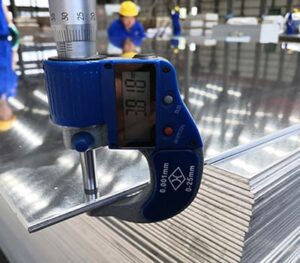
Among the various aluminum alloys available, the 2014 aluminum plate has carved a niche for itself, particularly in applications demanding high strength, excellent machinability, and resistance to fatigue.
No.52, Dongming Road, Zhengzhou, Henan, China
Henan Huawei Aluminum Co., Ltd, One Of The Biggest Aluminum Supplier In China Henan,We Are Established In 2001,And We Have rich experience in import and export and high quality aluminum products
Mon – Sat, 8AM – 5PM
Sunday: Closed
© Copyright © 2023 Henan Huawei Aluminium Co., Ltd

Latest Comments
Dear Sir, Please offer your best FOB Prices specs are as under ALUMINIUM STRIP (AL=99.50% MIN) SIZE:450 X32 X6 MM. DIN EN 570 EN-AW 1050 A, QUANTITY=3400KG
Hello, Would you be so kind to offer item as follows: Coil 0,6х1250 (1000)mm EN AW-3105 5tons
Hello, Can you offer me Aluminium plates? Actally I need: 110mm x 1700mm x 1700mm 5083 H111 - 21 pcs Next year planed is 177 pcs
Świetny artykuł. Byłem zachwycony, że wyszukałem ten artykuł. Wielu osobom wydaje się, że mają rzetelną wiedzę na ten temat, ale często tak nie jest. Stąd też moje miłe zaskoczenie. Jestem pod wrażeniem. Zdecydowanie będę rekomendował to miejsce i częściej wpadał, aby zobaczyć nowe rzeczy.
requirement of aluminium strip