Discover 3003 hot rolled aluminum discs with excellent formability, good corrosion resistance, and reliable deep drawing performance. Custom sizes available from Huawei Aluminum.


3003 Hot Rolled Aluminum Discs are aluminum circular blanks manufactured from 3003 aluminum alloy through hot rolling and subsequent cutting or blanking processes.
As a manganese-based aluminum alloy, 3003 combines moderate strength, good corrosion resistance, excellent formability, and favorable thermal conductivity.
These characteristics make it a practical material for cookware manufacturing, kitchenware production, deep-drawn components, and various industrial applications.
Compared with commercially pure aluminum discs, 3003 aluminum discs offer improved strength while maintaining good plasticity.
Manufacturers can process them through deep drawing, spinning, stamping, and other forming operations to produce different shapes and structures.
This balance makes 3003 particularly useful when finished products require both structural stability and reliable forming performance.
The hot rolling process also plays an important role in determining the material’s initial thickness, microstructure, and processing characteristics.
Depending on the subsequent cold rolling, annealing, and blanking operations, manufacturers can supply 3003 aluminum discs in different thicknesses, diameters, and tempers to meet specific production requirements.
For cookware manufacturers, material selection directly affects forming efficiency, product consistency, and finished appearance.
A suitable 3003 hot rolled aluminum disc can support the production of frying pans, saucepans, cooking pots, and other formed aluminum products.
3003 Hot Rolled Aluminum Discs
A 3003 hot rolled aluminum disc is a flat, round blank made from 3003 alloy plate or coil.
The base material is rolled at high temperature, then cut or punched into circles.
The result is a uniform, formable blank. It goes directly into deep drawing, spinning, stamping or pressing.
3003 aluminum belongs to the 3xxx series, where manganese is the main alloying element.
It is commercially pure aluminum with added manganese and a small amount of copper.
The typical composition limits are:
| Element | Typical limit (wt %) |
| Manganese (Mn) | 1.0 – 1.5 |
| Copper (Cu) | 0.05 – 0.20 |
| Iron (Fe) | ≤ 0.7 |
| Silicon (Si) | ≤ 0.6 |
| Zinc (Zn) | ≤ 0.10 |
| Other elements | ≤ 0.05 each, ≤ 0.15 total |
| Aluminum (Al) | Balance |
Always confirm these limits against the standard you purchase to (ASTM B209, EN 573 or GB/T 3190) and the mill test certificate.
The temper determines the strength, hardness, and forming behavior of 3003 aluminum discs.
Buyers should select the temper according to the deformation requirements and final product design.
| Temper | Description | Main Characteristics | Typical Applications |
| 3003-O | Fully annealed | Excellent ductility and formability | Deep-drawn cookware and containers |
| 3003-H12 | Quarter-hard | Moderate strength with good formability | General formed components |
| 3003-H14 | Half-hard | Higher strength and rigidity | Stamped parts and formed panels |
| 3003-H16 | Three-quarter-hard | Higher hardness and strength | Components requiring greater rigidity |
| 3003-H18 | Fully hard | High strength and limited ductility | Flat or lightly formed components |
For deep-drawing cookware, 3003-O is generally a suitable starting point because its annealed condition provides high ductility.
H12 and H14 may suit applications requiring a combination of forming capability and higher rigidity.
The appropriate temper depends on drawing depth, tooling design, wall thickness, and the number of forming operations.
Hot rolling is a metal-forming process in which aluminum slabs pass through rolling mills at elevated temperatures, generally above the alloy’s recrystallization temperature.
The applied pressure reduces the material thickness and gradually transforms the cast slab into aluminum sheet, strip, or coil.
For 3003 aluminum alloy, hot rolling helps break down the original cast structure and produces a more workable rolled material.
The process also influences grain structure, internal uniformity, and the material’s subsequent response to cold working and annealing.
In commercial production, manufacturers often combine hot rolling with additional cold rolling, annealing, and blanking operations.
Therefore, a finished 3003 hot rolled aluminum disc may originate from hot rolled stock that has undergone further processing to achieve the required thickness, temper, and dimensional accuracy.
Hot rolling influences several material characteristics that matter to downstream manufacturers.
However, the final performance also depends on subsequent processing and the delivered temper.
Grain Structure and Metallurgical Uniformity
Hot deformation changes the cast microstructure and helps improve the material’s structural uniformity.
Subsequent recrystallization and annealing can further refine the grain structure.
A controlled metallurgical structure supports more predictable deformation during forming operations.
Formability and Ductility
Hot rolling itself does not guarantee excellent deep-drawing performance.
The final ductility depends on the complete rolling and annealing schedule.
For applications requiring substantial deformation, manufacturers generally select a suitable annealed temper, such as 3003-O, to provide the required elongation and forming capability.
Thickness and Dimensional Control
The rolling process determines the material’s thickness, while subsequent rolling and finishing operations help achieve the required dimensional accuracy.
Consistent thickness is particularly important for cookware manufacturers because it affects forming behavior, finished wall thickness, product weight, and heat distribution.
Surface Quality
Hot rolled material generally has a less refined surface than fully processed cold rolled material.
Additional cold rolling, cleaning, and finishing can improve surface appearance.
For visible cookware components, buyers should specify the required surface quality and allowable defects rather than relying only on the term hot rolled.
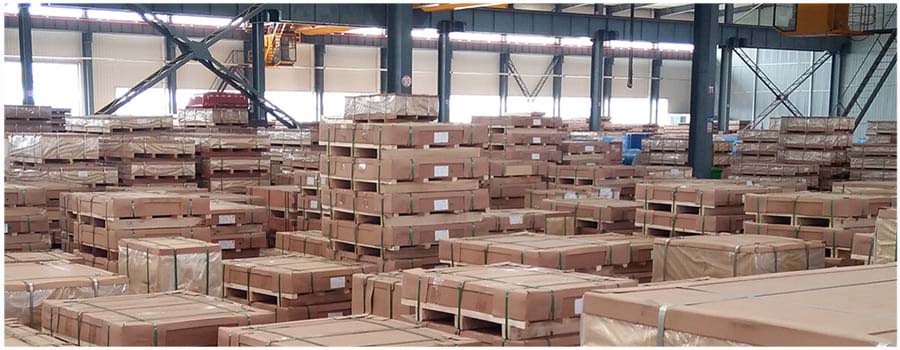
Huawei 3003 Hot Rolled Aluminum Discs Warehouse
Hot rolled and cold rolled aluminum discs differ mainly in their material processing routes.
Neither production method is universally better; the appropriate choice depends on the finished product and manufacturing requirements.
| Comparison | Hot Rolled 3003 Aluminum Disc | Cold Rolled 3003 Aluminum Disc |
| Main processing | Hot rolling followed by finishing and blanking | Cold rolling followed by finishing and blanking |
| Rolling temperature | Elevated temperature | Near room temperature |
| Microstructure | Hot-deformed, with subsequent structure depending on processing | Work-hardened before any subsequent annealing |
| Surface finish | Generally less refined before further finishing | Generally smoother |
| Thickness control | Depends on rolling and finishing route | Generally suitable for tighter gauge control |
| Mechanical properties | Depend on final temper | Depend on cold reduction and final temper |
| Formability | Depends on annealing and final temper | Depends on annealing and final temper |
| Typical uses | Cookware blanks and formed industrial components | Precision blanks and applications requiring refined surface quality |
The specifications of 3003 hot rolled aluminum discs determine their suitability for different manufacturing processes and finished products.
Buyers generally evaluate alloy, temper, thickness, diameter, dimensional tolerances, surface condition, and applicable standards before placing an order.
The following table presents representative commercial specifications for 3003 hot rolled aluminum discs.
| Parameter | Specifications |
| Product Name | 3003 Hot Rolled Aluminum Disc |
| Alloy | 3003 |
| Alloy Series | 3000 Series |
| Main Alloying Element | Manganese (Mn) |
| Temper | O, H12, H14, H16, H18 |
| Thickness | 0.5–6.0 mm |
| Diameter | 100–1,300 mm |
| Surface Finish | Mill Finish |
| Product Shape | Circular / Round |
| Processing Methods | Deep Drawing, Spinning, Stamping |
| Applicable Standards | ASTM B209/B209M, EN 485, EN 573, as applicable |
| Main Applications | Cookware, Kitchenware, Industrial Formed Components |
Note: The thickness and diameter ranges are indicative commercial offerings, not fixed limits established by the alloy standard.
Customized dimensions and available tempers depend on production capabilities and order requirements.
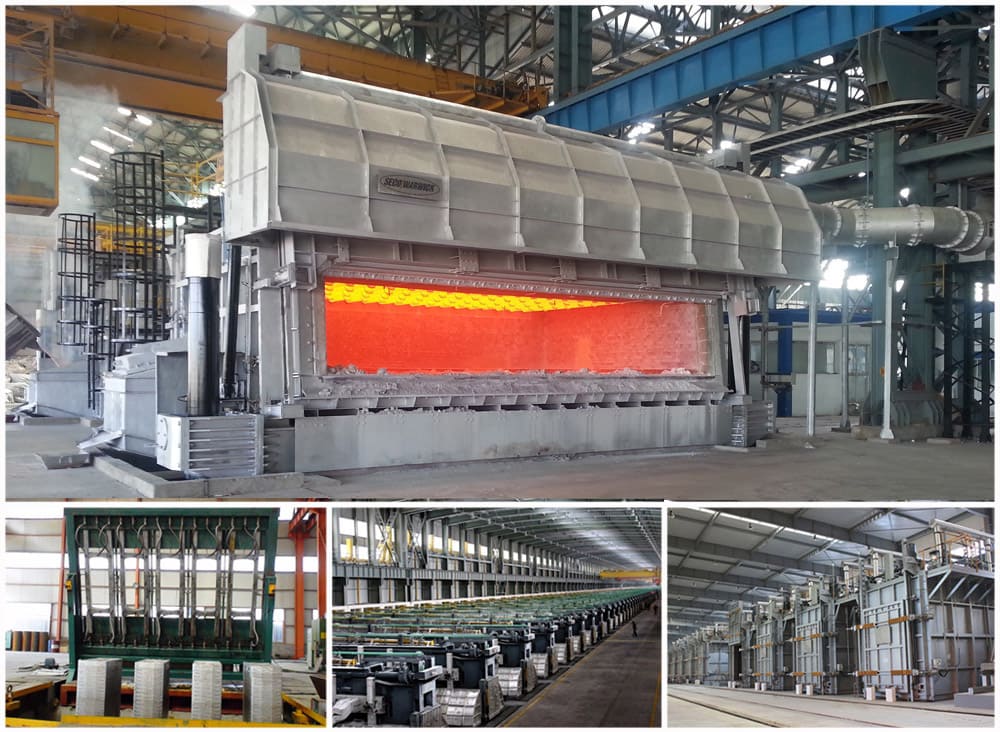
The production of 3003 hot rolled aluminum discs involves several key stages, including alloy melting, casting, hot rolling, annealing, circular blanking, and quality inspection.
Each stage affects the material’s composition, mechanical properties, dimensional accuracy, and forming performance.
Manufacturers select aluminum ingots and add manganese and other alloying elements according to the required 3003 chemical composition.
During melting, they control the temperature and alloy composition to ensure uniform material quality.
Refining and degassing help remove impurities and reduce internal defects before casting.
The molten 3003 aluminum alloy is cast into slabs. Manufacturers then apply homogenization treatment to improve the distribution of alloying elements and reduce chemical segregation.
This process prepares the material for hot rolling and helps maintain consistent processing performance.
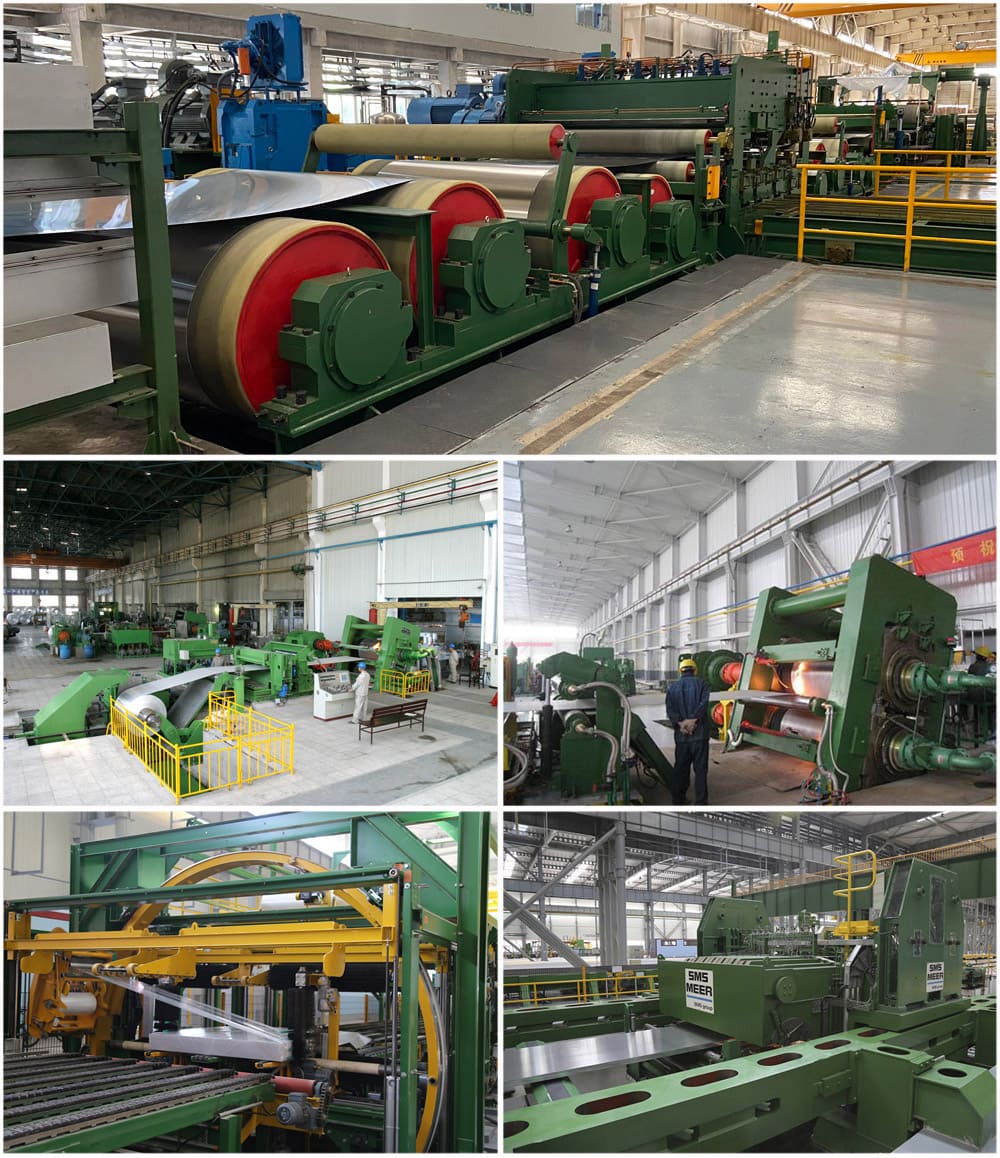
Manufacturers heat the aluminum slabs to a suitable temperature and pass them through rolling mills.
Multiple rolling passes gradually reduce the material thickness and produce hot rolled aluminum stock.
During rolling, manufacturers control temperature, reduction rate, and material thickness to maintain uniformity and reduce surface defects.
Depending on the required thickness, surface finish, and temper, manufacturers may apply additional cold rolling and annealing.
Cold rolling improves thickness accuracy and surface quality while increasing strength through work hardening.
Annealing restores ductility and helps achieve the required mechanical properties.
For deep-drawing applications, manufacturers commonly select the 3003-O temper because it provides excellent formability.
Blanking Process of Aluminum Discs Production
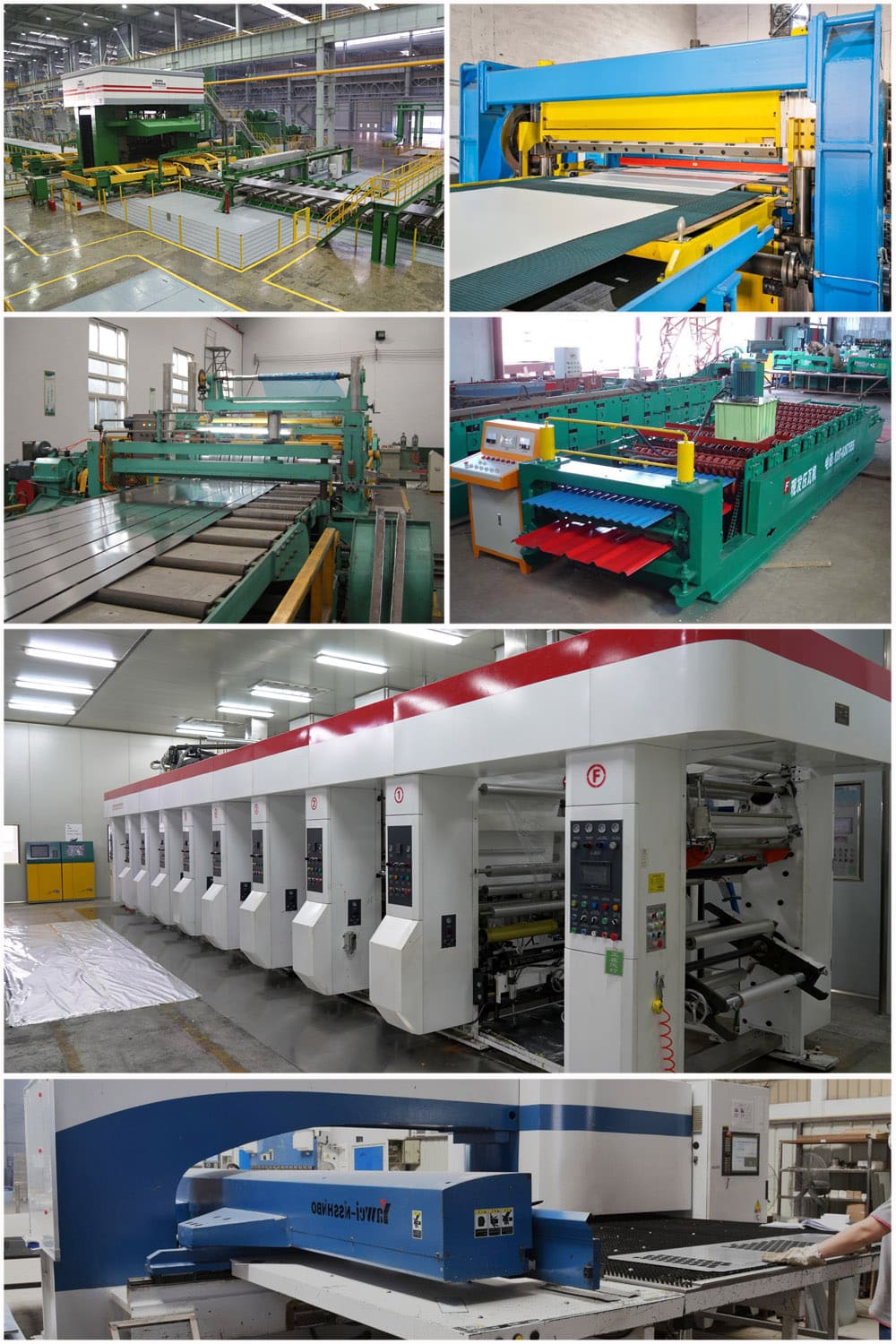
The rolled aluminum material is processed through punching or blanking equipment to produce circular discs.
Manufacturers control diameter, roundness, edge quality, and cutting accuracy.
Clean edges and consistent dimensions help reduce forming defects during subsequent stamping and deep drawing.
Before delivery, manufacturers inspect the finished discs to ensure they meet customer specifications.
| Inspection Item | Key Requirements |
| Chemical Composition | Meets 3003 alloy requirements |
| Mechanical Properties | Tensile strength and elongation meet temper requirements |
| Thickness and Diameter | Within specified tolerances |
| Surface Quality | Free from unacceptable scratches, cracks, and defects |
| Edge Quality | Clean edges with minimal burrs |
| Flatness | No unacceptable warping or deformation |
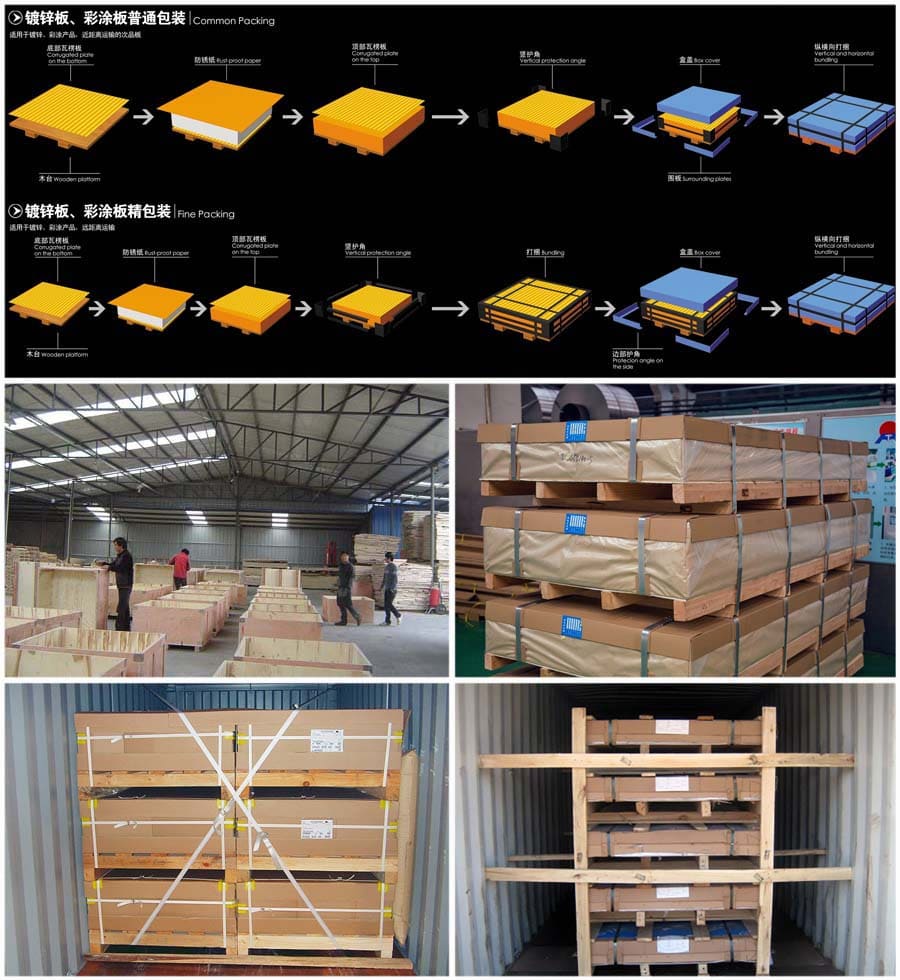
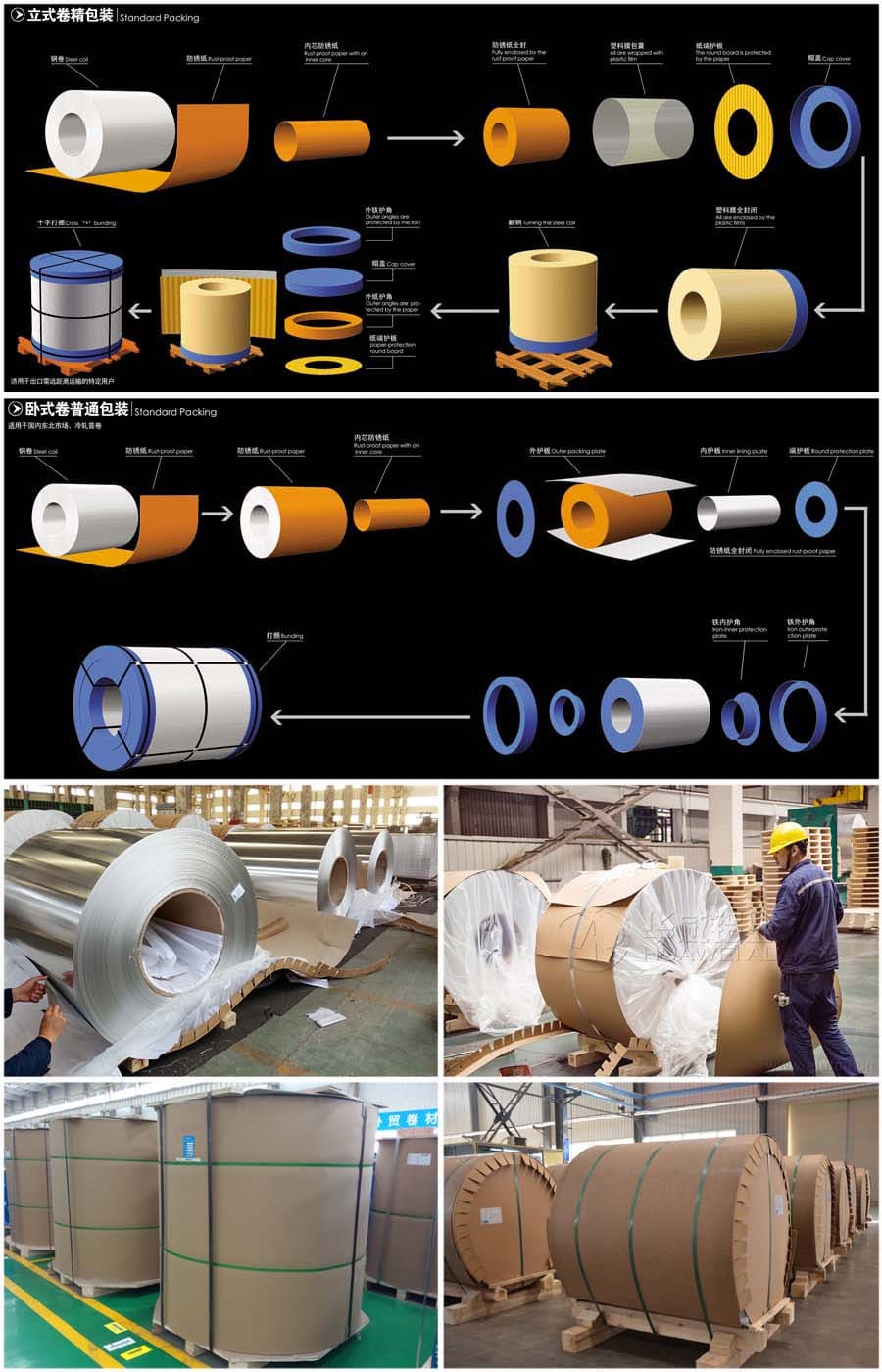
After inspection, manufacturers package the aluminum discs with protective materials to prevent moisture, scratches, and transportation damage.
Properties depend on temper and thickness. The values below are typical figures from published industry references. They are not guaranteed minimums.
For specifications, use the limits in the governing standard (such as ASTM B209) and the values on your mill test certificate.
| Temper | Tensile strength (MPa) | Yield strength (MPa) | Elongation (%) | Typical use |
| O | 95–130 | 35–55 | 25–40 | Deep drawing, spinning |
| H12 | 120–160 | 85–125 | 8–20 | Light forming |
| H14 | 140–180 | 115–145 | 6–16 | Moderate forming, higher strength |
| H22 / H24 | 120–180 | 70–140 | 6–20 | Balance of strength and forming |
Key points to take from this table:
| Property | Typical value |
| Density | 2.73 g/cm³ |
| Melting range | 643–654 °C |
| Thermal conductivity | about 155–165 W/(m·K), annealed |
| Electrical conductivity | about 40–50% IACS |
| Thermal expansion (20–100 °C) | about 23 µm/(m·K) |
| Specific heat | about 893 J/(kg·K) |
| Poisson’s ratio | 0.33 |
3003 aluminum discs offer good ductility and formability, especially in the O temper.
They support deep drawing, spinning, stamping, and bending, making them suitable for manufacturing cookware and other formed components.
The manganese content gives 3003 aluminum good resistance to atmospheric corrosion and moisture.
This property helps extend the service life of cookware, kitchenware, and general industrial products.
3003 aluminum transfers heat efficiently, making it suitable for cookware, heating components, and heat-transfer applications.
Its thermal performance supports more uniform heat distribution.
3003 aluminum provides a practical balance of strength, ductility, and low weight.
It helps manufacturers produce durable components while reducing overall product weight.
3003 aluminum discs support common manufacturing operations, including cutting, forming, welding, and surface finishing.
Their processing flexibility helps manufacturers adapt them to different product designs and production requirements.
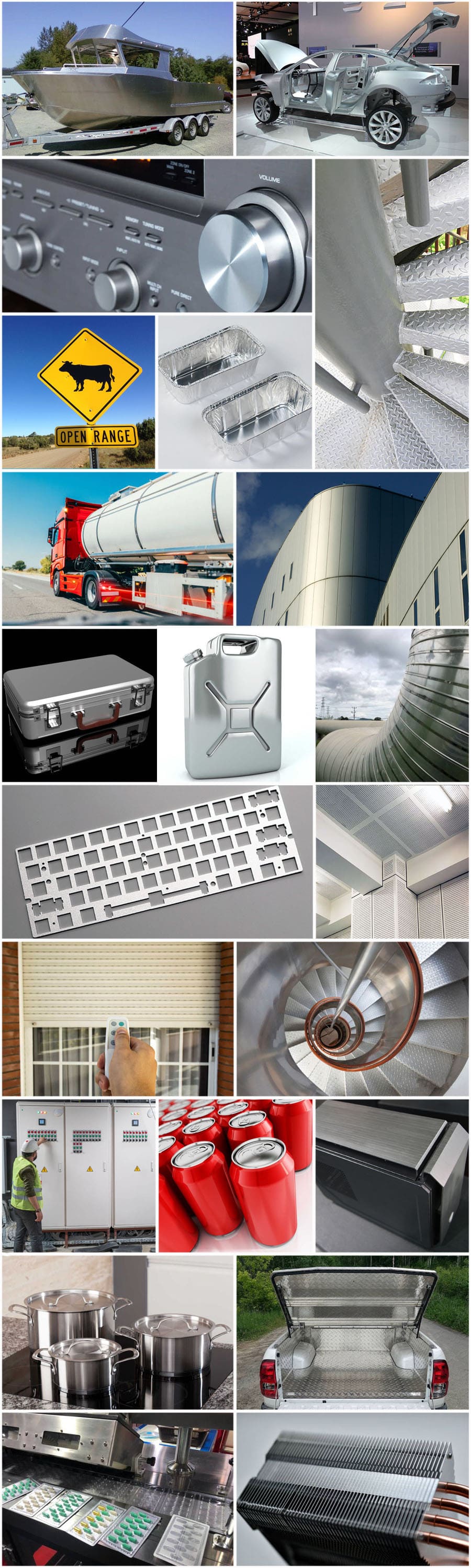
3003 hot rolled aluminum discs serve a wide range of applications because of their balanced mechanical properties, formability, corrosion resistance, and thermal performance.
They are particularly useful for manufacturing products that require circular blanks, deep drawing, spinning, or stamping.
The following applications represent common areas where 3003 aluminum can provide practical material advantages.
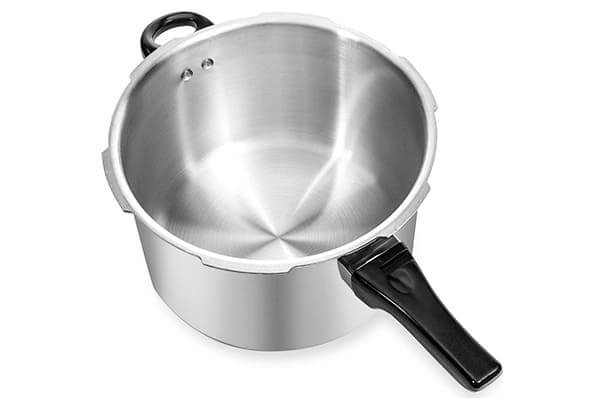
3003 Hot Rolled Aluminum Discs for Cookware
Cookware is one of the major application areas for 3003 aluminum discs.
Their good formability and thermal conductivity make them suitable for producing different types of aluminum cooking equipment.
Typical products include:
For deep-drawn cookware, manufacturers commonly consider 3003-O because its high ductility supports substantial material deformation.
The disc thickness and diameter should match the finished cookware dimensions and drawing requirements.
Surface treatments, such as anodizing and non-stick coating, can be applied according to the product design.
The good ductility of suitable 3003 tempers makes this alloy useful for producing deep-drawn containers and cylindrical components.
Typical applications include:
During deep drawing, the aluminum blank undergoes substantial plastic deformation as the forming punch pushes it into the die cavity.
Manufacturers must select the appropriate temper, thickness, blank diameter, and lubrication conditions to minimize cracking, wrinkling, and excessive thinning.

3003 Hot Rolled Aluminum Discs for Lighting
3003 aluminum discs can serve as raw materials for lighting components and formed reflector structures.
Typical applications include:
The alloy’s formability allows manufacturers to produce curved and symmetrical shapes through spinning or stamping.
For applications requiring high reflectivity, manufacturers may use additional polishing or specialized surface finishing to achieve the required optical appearance.
3003 aluminum offers good corrosion resistance in many atmospheric and industrial environments.
This makes it suitable for certain chemical-handling and general-purpose industrial products.
Typical applications include:
However, chemical compatibility must be evaluated individually. Not every chemical environment is suitable for 3003 aluminum, particularly where strong acids, alkalis, or aggressive solutions are involved.
For pressure-containing or safety-critical equipment, engineers must also verify the applicable design codes, material specifications, operating temperatures, and mechanical requirements.
Chemical Containers Used 3003 Aluminum Discs
3003 aluminum is an Al-Mn alloy known for its corrosion resistance, formability, and moderate strength.
Other alloys may offer higher purity, better strength, or different forming characteristics.
The best choice depends on the final product and manufacturing process.
| Alloy | Main Characteristics | Formability | Relative Strength | Corrosion Resistance | Typical Applications |
| 1050 | High aluminum purity, good conductivity | Excellent | Low | Good | Kitchenware, reflectors, general forming |
| 1060 | High purity, good thermal and electrical conductivity | Excellent | Low | Good | Cookware, electrical components, formed products |
| 1100 | Commercially pure aluminum with good workability | Excellent | Low | Good | Cookware, utensils, lighting components |
| 3003 | Aluminum-manganese alloy with balanced strength and formability | Very good | Moderate | Good | Cookware, containers, heat exchangers |
| 3004 | Higher strength than 3003, with good formability | Good | Moderate to high | Good | Beverage cans, cookware, containers |
| 5052 | Aluminum-magnesium alloy with higher strength and good corrosion resistance | Good | High | Very good | Marine components, pressure vessels, industrial parts |
Relative strength is a general comparison, not a guaranteed value. Actual properties depend on temper, thickness, and product specification.
For cookware discs, 3003 is a versatile option for many drawn and spun products.
However, the required forming depth, wall thickness, heating conditions, and surface treatment should guide the final alloy selection.
Quality control plays an important role in 3003 hot rolled aluminum disc production.
Buyers should check the alloy composition, dimensions, mechanical properties, surface condition, and forming performance to ensure the discs meet their production requirements.
Common standards for 3003 aluminum sheet and plate materials include:
| Standard | Main Scope |
| ASTM B209 | Aluminum and aluminum-alloy sheet and plate |
| EN 485 | Aluminum and aluminum-alloy sheet, strip, and plate |
| EN 573 | Aluminum alloy designation and chemical composition |
The applicable standard should match the product form and purchase agreement.
Buyers should also confirm the required alloy designation, temper, thickness, and inspection criteria before production.
| Inspection Item | What to Check | Purpose |
| Chemical composition | Aluminum, manganese, copper, silicon, iron, and other elements | Confirm the 3003 alloy grade |
| Thickness and diameter | Actual dimensions and tolerances | Ensure compatibility with production equipment |
| Mechanical properties | Tensile strength, yield strength, and elongation | Evaluate strength and forming performance |
| Surface quality | Scratches, dents, oxidation, oil stains, and other defects | Ensure a suitable appearance and surface condition |
| Flatness and shape | Flatness, roundness, and edge condition | Support stable feeding and forming |
| Forming performance | Drawing, spinning, or stamping tests when required | Check suitability for the intended application |
Henan Huawei Aluminum Co., Ltd. supplies aluminum products for cookware, industrial manufacturing, packaging, and other applications.
With experience in aluminum production and international trade, Huawei Aluminum provides 3003 aluminum discs according to customers’ product specifications and processing requirements.
Huawei Aluminum can discuss the following requirements with customers:
Final availability and tolerances should be confirmed against the order specification.
Huawei Aluminum focuses on key quality indicators throughout production and inspection, including:
Customers can discuss inspection documentation and third-party inspection requirements before placing an order.
Whether you need 3003 hot rolled aluminum discs for cookware, kitchenware, or industrial forming, Huawei Aluminum can help evaluate your requirements and provide a suitable quotation.
3003 hot rolled aluminum discs offer a useful combination of formability, corrosion resistance, moderate strength, and thermal conductivity.
These characteristics make them suitable for cookware, kitchenware, deep-drawn containers, and various industrial components.
When selecting discs, buyers should consider more than the alloy grade. Temper, thickness, diameter, dimensional tolerances, surface quality, and forming requirements all affect the final performance.
Comparing production methods and checking material quality can help manufacturers choose discs that match their processes.
Huawei Aluminum provides 3003 aluminum products with customized specifications and quality inspection options to support different manufacturing needs.
1. What is a 3003 hot rolled aluminum disc?
It is a round blank cut from hot rolled 3003 aluminum alloy plate or coil. It is used as the starting material for deep drawing, spinning and stamping.
2. What is the difference between 3003 and 1060 aluminum discs?
3003 contains manganese, so it is stronger and more rigid. 1060 is nearly pure aluminum, with better conductivity and ductility but lower strength.
3. Is 3003 aluminum safe for cookware?
Yes, it is widely used for cookware. Finished products should meet the food-contact rules of the target market, and coated cookware should use approved coatings.
4. Can 3003 aluminum be heat treated?
No. It is a non-heat-treatable alloy. Strength is increased by cold working, and softness is restored by annealing.
5. Which temper is best for deep drawing?
O temper is the usual choice because it has the highest elongation and best formability. Confirm with a trial lot for demanding shapes.
6. What is the difference between hot rolled and cold rolled discs?
Hot rolled discs come from material reduced at high temperature, typically in medium to heavy gauges at lower cost. Cold rolled discs have a smoother surface and tighter thickness tolerance, and suit thinner gauges.
7. How do hot rolled and cast-rolled 3003 discs differ?
Hot rolled discs start from a homogenized DC ingot and usually form more consistently. Cast-rolled discs are made from strip cast directly from the melt, cost less and suit simpler forming.
8. Can 3003 aluminum discs be anodized?
Yes. The finish is slightly grayer than on 1xxx or 5xxx alloys because of manganese-bearing particles. Test a sample if appearance matters.
3004 Aluminum Sheet is a medium-strength aluminum alloy with manganese and magnesium as the main alloying elements. Its strength is higher than 3003 Aluminum Sheet, but the ductility is lower.
Discover UV curable coating aluminum foil with excellent curing speed, strong surface protection, and reliable performance for demanding applications.
Henan Huawei Aluminum provides jumbo rolls of household aluminum foil, 8011 alloy, 1235 alloy Household Aluminum foil application for barbecue, food wrapping, etc.
5005 aluminum sheet is a medium-strength aluminum alloy plate, which can reach medium and high strength by cold working, and it has good formability
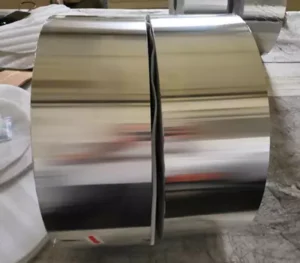
Aluminum Foil For Hair Salon The most common 8011 alloy O Temper, because of excellent strength, flexibility, and heat resistance, Henan Huawei provides you with the best quality 8011-0 aluminum foil for hair salon.
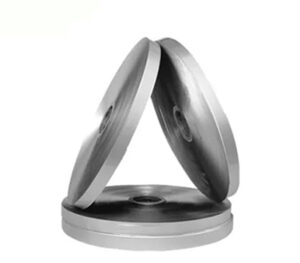
Cable aluminum foil, also known as aluminum foil for cable, refers to a specific type of aluminum foil that is used in the manufacturing of cables and wires.
No.52, Dongming Road, Zhengzhou, Henan, China
Henan Huawei Aluminum Co., Ltd, One Of The Biggest Aluminum Supplier In China Henan,We Are Established In 2001,And We Have rich experience in import and export and high quality aluminum products
Mon – Sat, 8AM – 5PM
Sunday: Closed
© Copyright © 2023 Henan Huawei Aluminium Co., Ltd

Latest Comments
Bitten um Angebot für: En AW 1050 weich H 111 (3.0255 PL) . reflektal 20% / elektrolytisch geglänzt, farblos eloxiert 8000 kgs 1.5 x 1000 x 2000 Lieferung: DAP-CH-Zurich Profalu AG Schlössligasse 1 / CH-7076 Parpan
Hallo, Voor een kunstproductie zoek ik wat dikkere aluminiumfolie die niet snel scheurt, eventueel gekleurd. Minimale breedte ongeveer 30 cm. Is het mogelijk om wat monsters te zien in verschillende diktes? Niet dikker dan 1 mm. Als dat kan zou u mij geweldig helpen! Graag hoor ik van u. Gert Fris, beeldend kunstenaar te Enschede
We need some t111 aluminium plate. We are looking for quarter inch by 4'x8' sheets
Aluminum 5754 H111 หนา 8 mm กว้าง x ยาว : 4 x 6 ฟุต
سلام بسیار عالی ،،من از ایران تماس میگیرم فویل طلا ۱۲میکرون عرض ۶۱سانت نیاز داریم حدودا هرماه ۳۵هزار متر