Partner with a China Aluminum Alloy Disc Supplier for versatile aluminum circles and discs. Huawei Aluminum offers a broad aluminum product portfolio, export experience, and customized solutions for industrial and decorative applications.
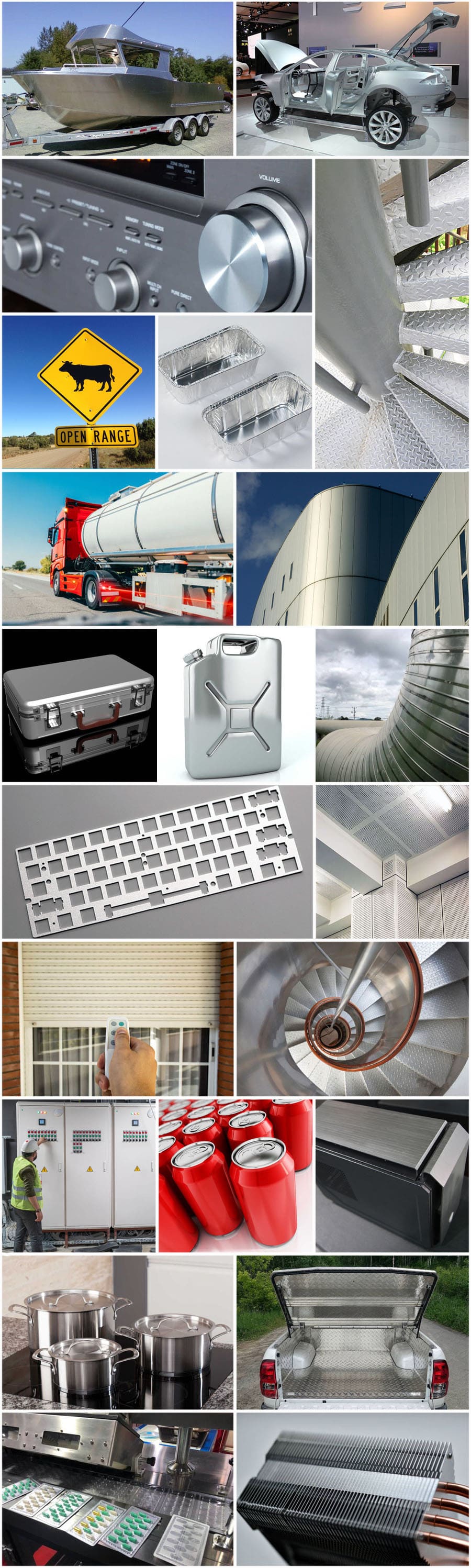
Aluminum alloy discs are widely used in cookware, lighting equipment, road signs, decorative products, and various industrial components.
Their lightweight structure, good formability, corrosion resistance, and attractive surface appearance make them suitable for manufacturers seeking reliable and cost-effective raw materials.
China has a well-established aluminum processing industry, offering a wide range of aluminum discs in different alloys, diameters, thicknesses, tempers, and surface finishes.
However, selecting the right China Aluminum Alloy Disc Supplier requires more than comparing prices.
Buyers should also evaluate material consistency, dimensional accuracy, surface quality, customization capabilities, and export experience.
For most general-purpose aluminum disc applications, the 1000, 3000, 5000, and 6000 series are the most relevant alloy families to consider.
Each series offers different advantages in formability, strength, corrosion resistance, and processing performance.
Henan Huawei Aluminum Co., Ltd. is an aluminum manufacturer and supplier established in 2001, with more than 20 years of aluminum production and sales experience and exports to 72 countries.
Its product portfolio includes aluminum sheets, plates, coils, foils, strips, and circles/discs, supporting customers across different manufacturing industries.
Choosing the right alloy is essential because it affects forming performance, mechanical properties, surface appearance, and final product cost.
| Aluminum Series | Representative Grades | Main Characteristics | Typical Applications |
| 1000 Series | 1050, 1060, 1070, 1100 | High aluminum content, good thermal and electrical conductivity, excellent formability | Cookware, lighting reflectors, road signs, decorative products |
| 3000 Series | 3003, 3105 | Good formability, corrosion resistance, and practical strength | Cookware, lighting components, road signs, architectural and decorative products |
| 5000 Series | 5052, 5083 | Good corrosion resistance and higher strength than many common 1000-series grades | Selected formed components, equipment parts, and applications requiring greater strength |
| 6000 Series | 6061, 6063 | Magnesium-silicon alloys offering a balance of strength, corrosion resistance, and machinability | Machined components and selected industrial or structural applications |
The most suitable grade depends on the forming method, operating environment, required strength, and surface treatment.
Not every grade is equally suitable for deep drawing or spinning, so buyers should confirm the material’s temper and forming requirements before placing an order.
For cookware, lighting reflectors, road signs, and decorative products, 1050, 1060, 1100, and 3003 are particularly relevant grades to evaluate. Other grades should be selected according to the product’s actual performance requirements.
Aluminum alloy discs are available in different alloys, tempers, thicknesses, diameters, and surface finishes to meet the requirements of cookware, lighting reflectors, road signs, decorative products, and other formed components.
When sourcing from a China Aluminum Alloy Disc Supplier, buyers should consider not only the nominal dimensions but also the material’s formability, surface quality, and compatibility with subsequent processing.
| Specification | Available Options / Typical Range |
| Aluminum Alloy | 1050, 1060, 1070, 1100, 3003, 3105, 5052, selected 6000-series grades |
| Aluminum Series | 1000, 3000, 5000, 6000 series |
| Temper | O, H12, H14, H16, H18, H22, H24, H32, depending on alloy |
| Thickness | Approximately 0.3–10.0 mm |
| Diameter | Approximately 20–1,500 mm |
| Surface Finish | Mill finish, polished, mirror finish, anodized, color-coated |
| Production Method | Direct-chill (DC) cast and rolled, continuous-cast and rolled (CC), cold-rolled material, blanking or punching |
| Processing Options | Blanking, stamping, deep drawing, spinning, polishing, coating, anodizing |
| Dimensional Tolerances | Customized according to diameter, thickness, applicable standard, and agreement |
| Applicable Standards | ASTM B209/B209M, EN standards, GB/T standards, as applicable |
| Quality Inspection | Chemical composition, mechanical properties, dimensions, flatness, and surface condition |
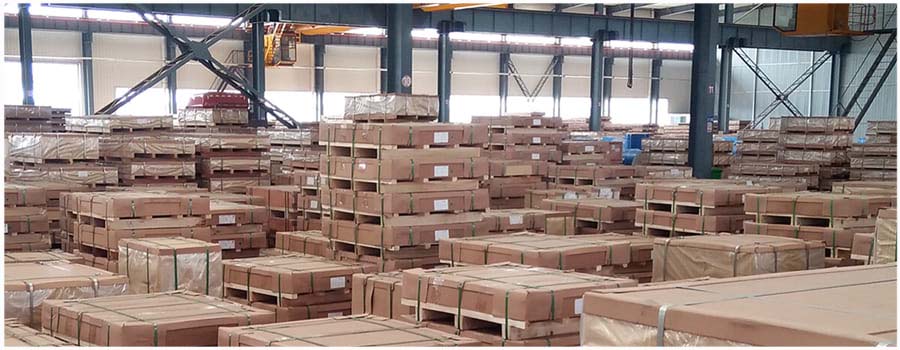
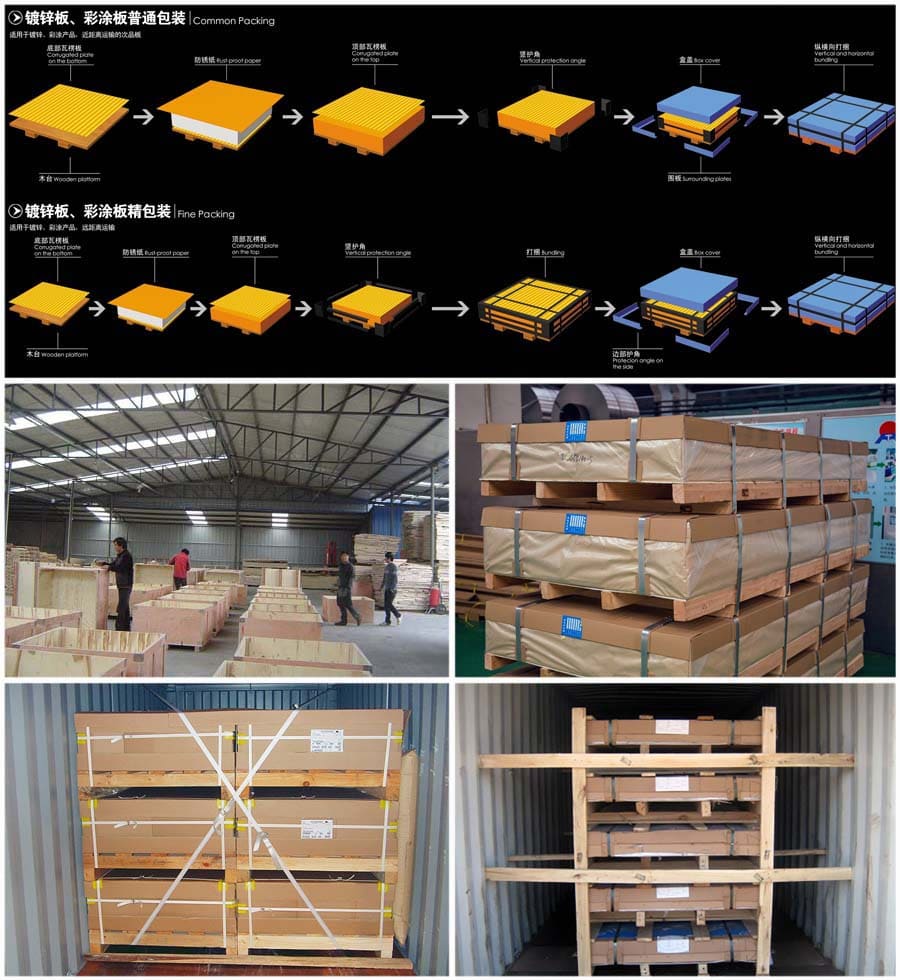
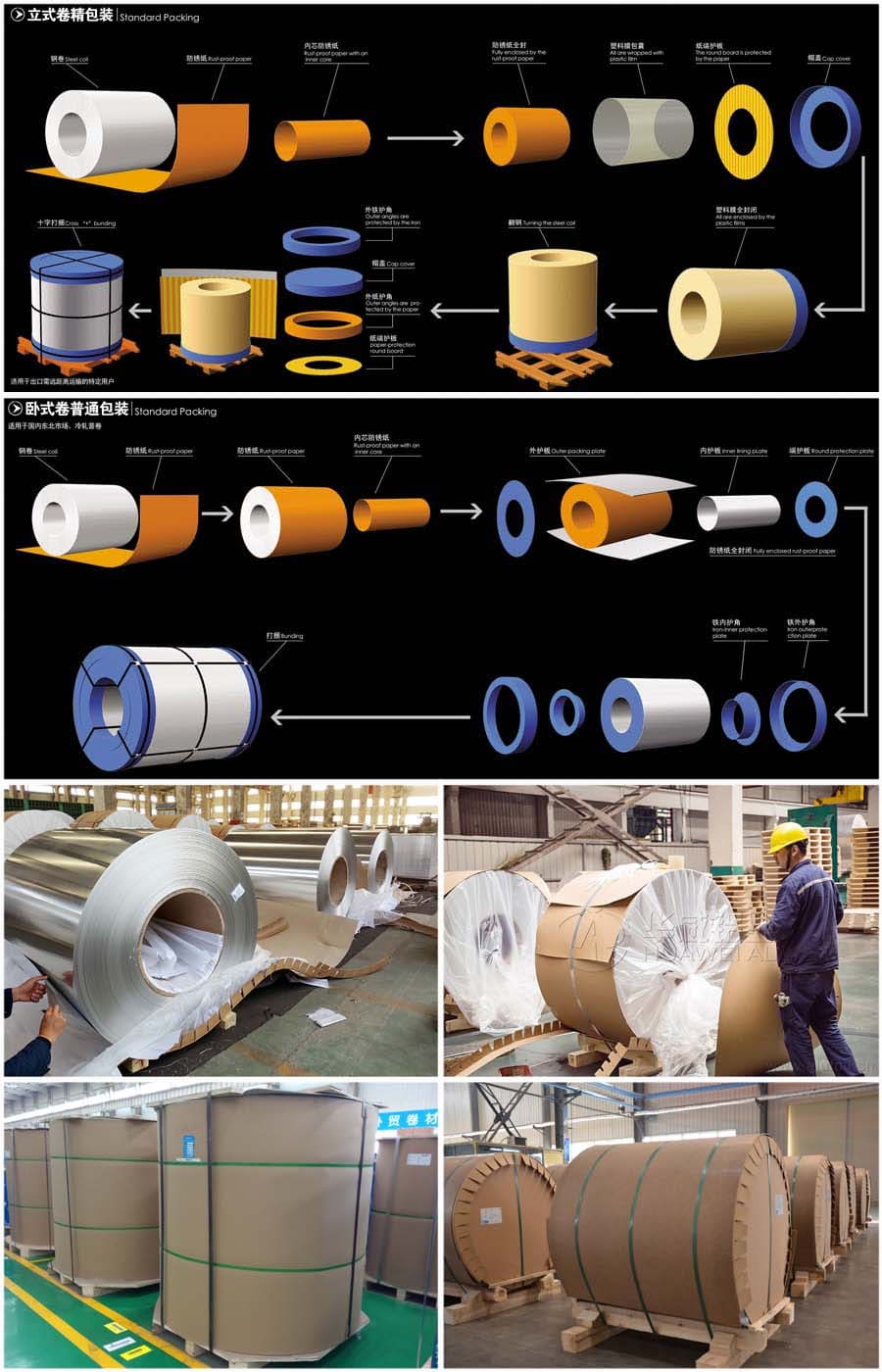
| Packaging | Export-grade wooden pallets or cases, with protective interleaving where required |
Note: The specifications above are indicative. Actual availability, dimensional ranges, and tolerances depend on the alloy, temper, production equipment, and order requirements. Confirm the final specifications with the supplier before placing an order.
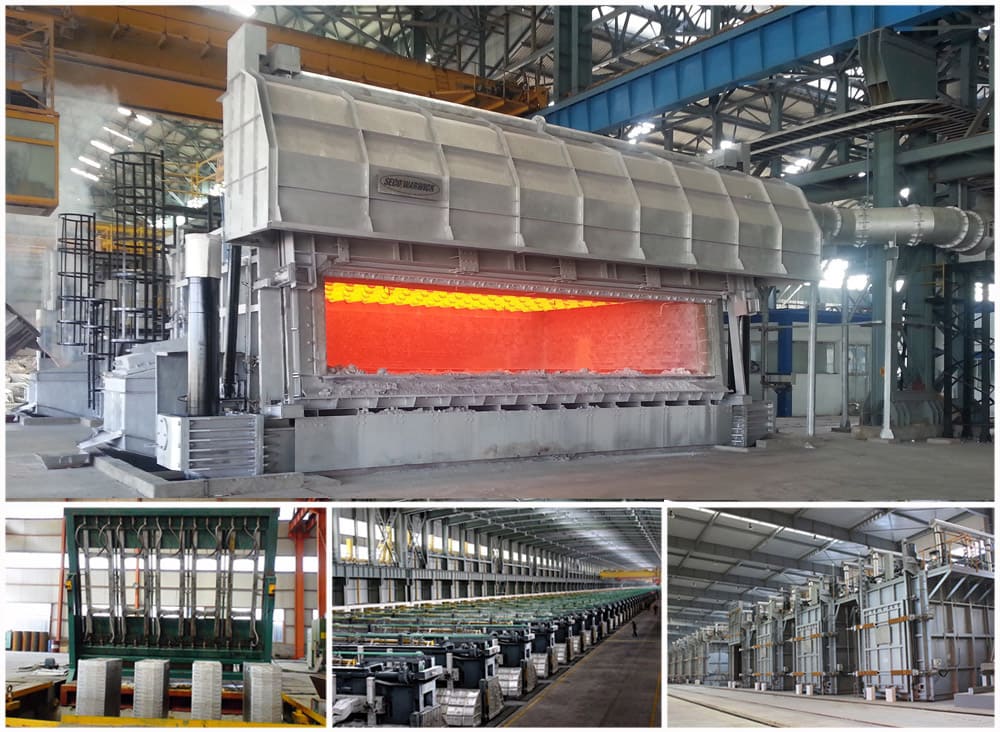
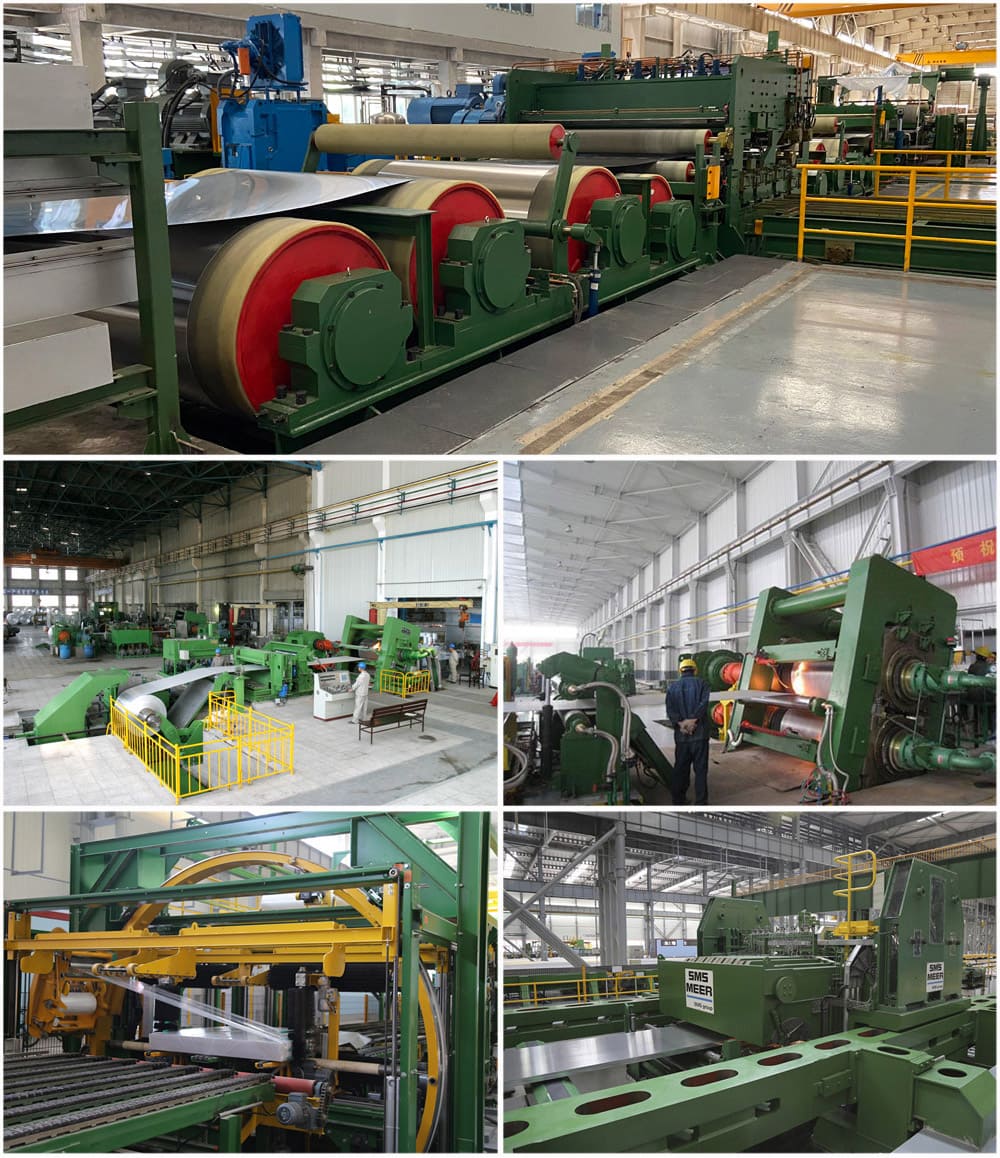
Understanding the manufacturing process helps buyers evaluate product consistency and production suitability.
The manufacturer selects aluminum material according to the required alloy, chemical composition, and intended application.
Material inspection helps confirm that the input meets the agreed specifications.
Depending on the production route, aluminum is rolled into sheet or coil with the required thickness and material properties.
Process control helps maintain thickness consistency and surface quality.
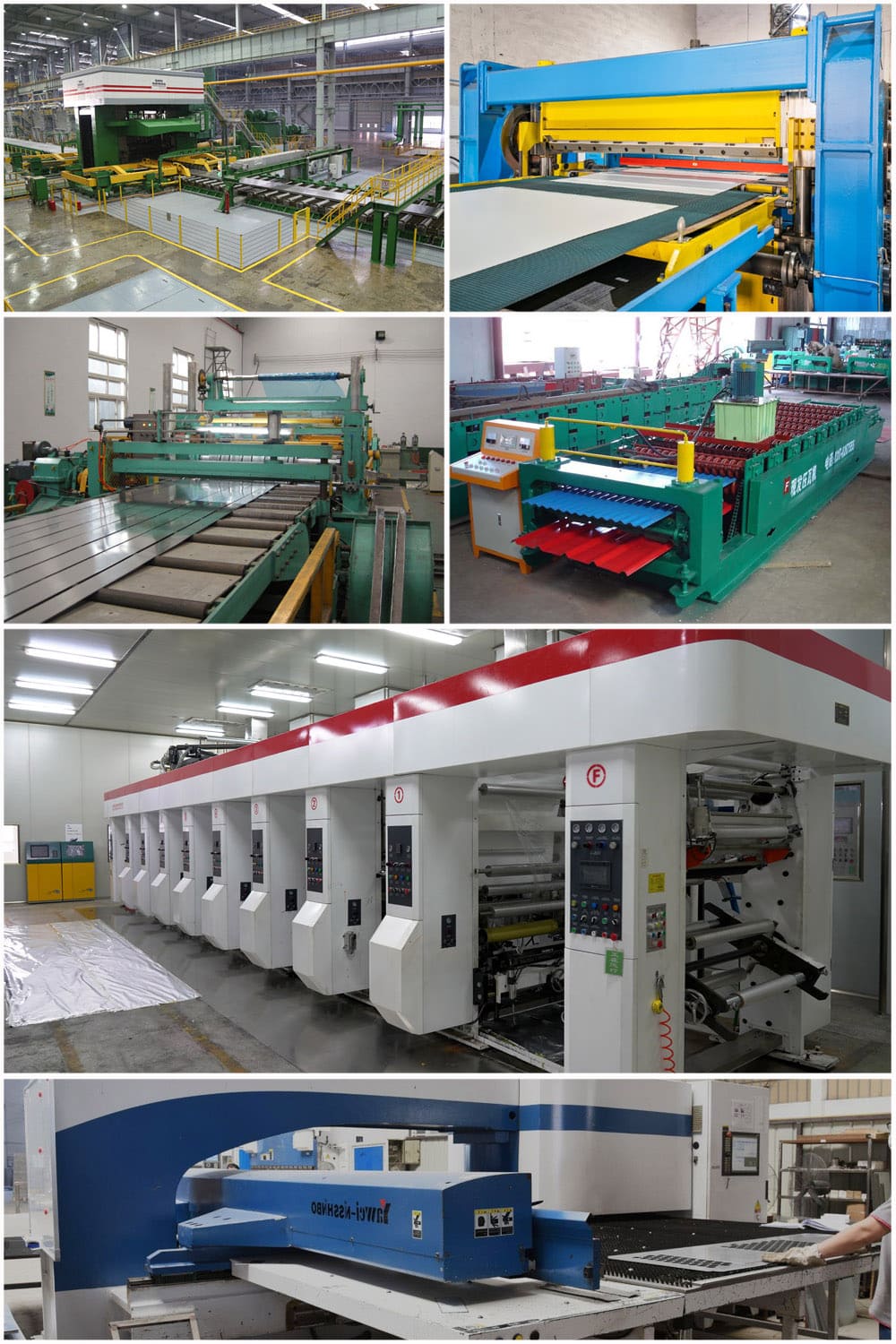
The material is cut or punched into circular blanks using suitable tooling and equipment.
Manufacturers control the diameter, edge condition, and dimensional consistency according to the order requirements.
Some alloys require annealing or other controlled processing to achieve the specified temper and forming characteristics.
The appropriate treatment depends on the alloy and product requirements.
Depending on the application, discs may receive polishing, brushing, anodizing, coating, or other finishing operations.
The supplier should confirm which processes are available for the selected alloy and dimensions.
Final inspection may include alloy verification, thickness and diameter measurements, surface checks, and packaging inspection.
Protective packaging helps reduce scratching, moisture exposure, and handling damage during transportation.
Aluminum discs serve as starting materials for stamping, spinning, deep drawing, machining, and other forming operations.
Their circular shape simplifies material preparation and supports efficient mass production.
Cookware is one of the most important applications for aluminum circles and discs.
Manufacturers use them to produce pots, pans, frying pans, pressure cooker components, rice cooker inner pots, and other kitchenware.
Commonly considered grades include 1050, 1060, 1070, 1100, and 3003, depending on the cookware design and manufacturing process.
Key requirements include:
For deep-drawn or spun cookware, alloy and temper selection are particularly important.
Buyers should verify forming performance through technical data and production trials when necessary.
Aluminum discs are used in lighting reflectors, lamp housings, lampshades, and decorative lighting components.
Aluminum’s reflectivity, formability, and lightweight structure make it suitable for many lighting designs.
Common material options include 1050, 1060, 1100, and 3003, depending on the reflector design and finishing requirements.
Important considerations include:
When purchasing discs for reflectors, specify the required surface finish and optical performance rather than relying on alloy grade alone.
Aluminum discs and circular blanks can serve as raw materials for round road signs, traffic signs, and other circular sign components.
Aluminum sheet or disc material can offer a useful combination of low weight, corrosion resistance, and ease of fabrication.
Depending on the design and local requirements, buyers may consider 1050, 1060, 3003, or selected 5000-series alloys.
Key requirements include:
The correct alloy and thickness depend on sign diameter, mounting method, wind loads, and applicable road-sign standards.
The supplier should confirm that the selected material meets the project’s requirements.
Aluminum discs are also used in decorative panels, lampshades, ceiling components, architectural details, household products, and customized metal parts.
Depending on the design, manufacturers may choose 1000-, 3000-, 5000-, or selected 6000-series alloys.
Common requirements include:
For visible decorative components, buyers should communicate their surface-quality expectations clearly and request samples when appearance is critical.
Quality is non-negotiable when sourcing components that will sit at the heart of critical assemblies. The supplier should provide verifiable data and a robust testing regime.
Key takeaway: Ask suppliers for serial-numbered test reports (or certificates of analysis) per batch and ensure data can be traced back to the corresponding lot.
Key takeaway: A credible supplier provides a complete QA package with batch-level traceability, not just a certificate of conformance.
Key takeaway: For international customers, emphasize suppliers with an established audit history and a clear improvement plan (corrective actions and preventive actions, or CAPA).
The market includes diversified players, from large-scale integrated mills to specialized disc manufacturers.
The following comparative snapshot highlights several aspects you should consider when choosing a provider.
Note: This table uses representative categories and qualitative indicators, designed to speed up initial screening rather than replace supplier audits.
| Criterion | Huawei Aluminum | Large multinationals with China footprints | Medium-size Chinese disc specialists | European/US non-Chinese peers |
| Core product range | Broad aluminum products (extrusions, billets); discs as part of the portfolio | Broad portfolio; strong engineering support | Disc-focused capabilities; alloy variety within a narrow category | Niche suppliers with strong customization but higher price |
| Alloy grades offered | 6061, 6063, 7075, 6082, 2024, and specialty alloys on demand | Wide range including specialty aerospace grades | Common structural and high-strength alloys; some niche grades | Specific specialty alloys as per aerospace/defense |
| Manufacturing capability | Large-scale, integrated mills; finishing lines; strong QA | Global-scale manufacturing and cross-border logistics | Focused production lines for discs; high finishing capability | Superior technical standards; but longer lead times |
| Lead times (standard) | 2–4 weeks for standard discs; longer for custom orders | 3–6 weeks; expedited options | 4–6 weeks; depends on customization | 3–8 weeks depending on customization and regulatory clearances |
| Customization options | Dimensional tolerances, finishes, coatings, marking | Extensive customization support; design assistance | Moderate customization; core shapes and finishes | High customization but often expensive |
| Certifications | ISO 9001; ISO 14001; others per product line | ISO 9001; IATF 16949; AS9100 (where applicable) | ISO 9001; some have AS/EN certifications for targeted markets | ISO 9001; industry-specific certifications; high regulatory compliance |
| Pricing competitiveness | Generally favorable due to scale; price parity with quality | Premium in some cases; service and logistics value add | Competitive; good value for high-quality discs | Premium pricing; strong service and reliability |
| Export readiness | High; established logistics and documentation | Global distributor network; strong export capacity | Good; growing international presence | High; established global sales and support |
Key takeaway: Use the table as a starting screen. For final supplier decisions, supplement with site visits, sample testing, and supplier audits.
Huawei Aluminum, as an example supplier profile, demonstrates how a large Chinese player positions itself with broad product capability and strong quality management, which can be valuable reference points when evaluating other China Aluminum Alloy Disc Suppliers.
Huawei Aluminum is one of the notable players in China’s aluminum industry, with a broad footprint that includes a wide range of aluminum products and a robust quality management framework.
While most customers primarily recognize Huawei for extrusion and billet and related products, the company’s capabilities and scale make it a useful reference point for understanding what a credible China Aluminum Alloy Disc Supplier can offer when integrated into a broader supply chain.
Key takeaway: When evaluating a China Aluminum Alloy Disc Supplier, consider how well a partner integrates with your broader supply chain.
Huawei Aluminum’s profile illustrates what a mature, vertically integrated Chinese supplier can bring to a disc program, even if their core focus is not solely on discs.
The price of an aluminum disc depends on several factors. Understanding these factors helps buyers compare quotations fairly.
Different alloys have different composition requirements and material costs.
Changes in aluminum market prices can also influence quotations.
Disc dimensions affect material consumption. Production yield, scrap generation, and the arrangement of circular blanks on the original sheet or coil can also influence the final cost.
Special temper requirements, tighter tolerances, or additional processing may increase production costs.
Annealing, polishing, and other finishing operations should be included in the quotation when required.
Mirror finishing, anodizing, coating, and stricter appearance standards can add processing costs.
Additional testing or third-party inspection may also affect the total price.
Larger orders may improve production efficiency, while small or highly customized orders may involve higher unit costs.
Packaging, freight, insurance, and applicable import charges should also be considered.
For a meaningful comparison, ask suppliers to quote against the same alloy, temper, dimensions, tolerances, finish, quantity, and delivery terms.
Choosing a reliable China Aluminum Alloy Disc Supplier begins with understanding the intended application and selecting a suitable alloy, temper, and surface finish.
For cookware, lighting, road signs, and decorative products, the 1000 and 3000 series are particularly relevant, while selected 5000- and 6000-series grades can serve applications requiring different strength or processing characteristics.
Beyond alloy selection, buyers should evaluate dimensional consistency, surface quality, inspection documentation, customization capabilities, pricing transparency, and export experience.
Henan Huawei Aluminum Co., Ltd. brings more than two decades of aluminum production and sales experience, a broad aluminum product portfolio, and an established international customer base.
By sharing clear specifications and application requirements, buyers can work with Huawei Aluminum to explore suitable aluminum material solutions for their projects.
Looking for a China Aluminum Alloy Disc Supplier? Contact Huawei Aluminum with your required alloy, temper, diameter, thickness, quantity, and application to discuss product options and request a quotation.
Q1. What should I look for in a China Aluminum Alloy Disc Supplier?
Clear alloy capabilities, rigorous QA data, traceability, relevant certifications (ISO 9001, IATF 16949 or AS9100 if applicable), robust finishing options, and a credible logistics plan.
Q2. Which aluminum disc grades are suitable for cookware?
Grades such as 1050, 1060, 1070, 1100, and 3003 are commonly considered. The final choice depends on the forming method, required strength, surface treatment, and cookware design.
Q3. Which aluminum discs are suitable for lighting reflectors?
Grades such as 1050, 1060, 1100, and 3003 may be suitable, depending on the reflector design. Surface cleanliness, reflectivity, formability, and finishing compatibility are important selection criteria.
Q4. Can aluminum discs be customized?
Yes. Depending on the supplier’s capabilities, buyers can specify alloy, temper, thickness, diameter, tolerances, surface finish, and packaging. Confirm the available production range before ordering.
Q5. What documents should I request from a supplier?
Depending on the order, request material test certificates, chemical composition results, mechanical property data, dimensional inspection records, and applicable quality certifications.
Q6. How can I compare quotations from different Chinese suppliers?
Use the same technical specification and commercial terms for each quotation. Compare material grade, temper, tolerances, surface quality, inspection requirements, packaging, delivery time, and total landed cost.
Q7. Why consider Huawei Aluminum as a supplier?
Henan Huawei Aluminum Co., Ltd. was established in 2001 and has more than 20 years of aluminum production and sales experience, with exports to 72 countries. Its broad product portfolio includes aluminum sheets, plates, coils, foils, strips, and circles/discs. Buyers can contact the company to discuss specific product availability and requirements.
Q8. Which aluminum alloy series are commonly used for aluminum discs?
The 1000, 3000, 5000, and 6000 series are common alloy families to consider. The 1000 and 3000 series are particularly relevant for many cookware, lighting, road-sign, and decorative applications.
Professional aluminum foil alloy manufacturer, direct selling price supply, the most trustworthy supplier in China best price for sale
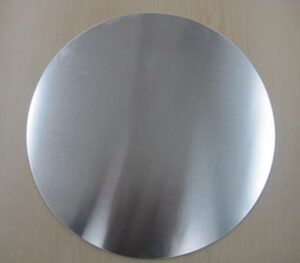
3004 aluminium circle ,also named 3004 aluminium disc,3004 aluminium disk, it is made by stamping 3004 aluminium coils.
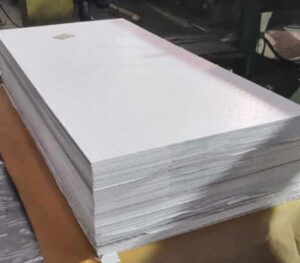
Find durable and reliable 4x10 aluminum sheets for your needs. Explore our wide selection and order today.
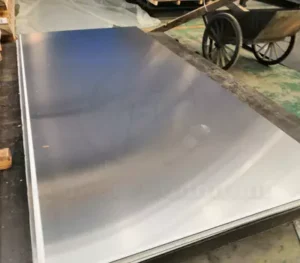
Same as 1050 aluminum sheet, 1060 aluminum sheet also belongs to 1 series pure aluminum sheet,Commonly used in lithium battery soft connection, bus bar, road sign, charging pile, aluminum gasket, billboard building exterior wall decoration,and so on.
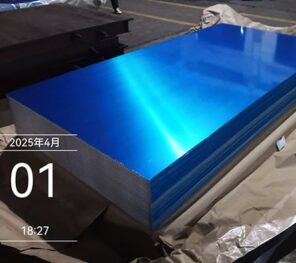
Engineered for efficiency, 24 gauge aluminum sheets combine material economy, excellent surface finish, and recyclability—delivering long-term value for light-duty applications.

In-depth guide to 5083 marine aluminium sheet—chemical composition, mechanical strength, corrosion resistance, welding performance, and marine applications.
No.52, Dongming Road, Zhengzhou, Henan, China
Henan Huawei Aluminum Co., Ltd, One Of The Biggest Aluminum Supplier In China Henan,We Are Established In 2001,And We Have rich experience in import and export and high quality aluminum products
Mon – Sat, 8AM – 5PM
Sunday: Closed
© Copyright © 2023 Henan Huawei Aluminium Co., Ltd

Latest Comments
We need some t111 aluminium plate. We are looking for quarter inch by 4'x8' sheets
Aluminum 5754 H111 หนา 8 mm กว้าง x ยาว : 4 x 6 ฟุต
سلام بسیار عالی ،،من از ایران تماس میگیرم فویل طلا ۱۲میکرون عرض ۶۱سانت نیاز داریم حدودا هرماه ۳۵هزار متر
Dear Sales Team, I hope you are doing well. We are looking to source aluminum products from your company and would appreciate receiving your best quotation for the following: Aluminum Sheets Thickness: 2 mm, 3 mm, 4 mm, and 5 mm Please provide your available standard sheet sizes. Kindly quote the price per sheet and the price per metric ton. Aluminum Coils Thickness: 2 mm, 3 mm, 4 mm, and 5 mm Please provide your available coil widths, standard coil weights, and inner diameter specifications. Kindly quote the price per metric ton. For both sheets and coils, please include: Available alloys (e.g. 1050, 3003, 5052) Temper options Mill finish or other available surface finishes Minimum Order Quantity (MOQ) Production lead time Payment terms Please provide your quotation based on: CIF Jebel Ali Port, UAE (including sea freight), or alternatively provide both FOB China and CIF Jebel Ali Port, UAE prices. If available, please also send: Product catalogue Mill Test Certificate (MTC) sample Photos of the products and packaging. We are interested in establishing a long-term business relationship. Our initial purchase volume is expected to be 100+ metric tons, with the potential for larger and recurring orders if your pricing, quality, and service meet our requirements. Thank you for your time. We look forward to receiving your quotation and hope to build a successful long-term partnership. Best regards, Eng.Yousef
アルミハニカムパネルについてお聞きしたいのですが L1500×W700×厚みで曲げに対して200kgg耐えられるには厚みはどのくらいでしょうか ※簡単に言いますと約1000mmの側溝に渡して真ん中で200kg耐えられるかという事になります 又、そのような製品があるようでしたらその重量、価格をおしえていただけますか 現在はコンパネ板を使用してますが腐ると折れてしまい人が側溝に落ちてけがをしてます 出来ましたらメールでお返事をいただけますか